
Camino de Santiago
Way of Baztan
The Baztán Way connects Bayonne (France) with Pamplona through the picturesque Navarre valley of Baztán. A beautiful Pyrenean alternative to join the French Way.
Organize your Way of BaztanLast updated: 21/05/2025
The Route
General Description of Way of Baztan
It is known for its green landscapes, traditional farmhouses, and rich Navarran culture. It offers a shorter and less crowded alternative to enter Spain, ideal for those seeking a different Pirencean experience and closer contact with nature.
Related Routes
Connections of Way of Baztan
Route of Arles
790.6 km
33
Media
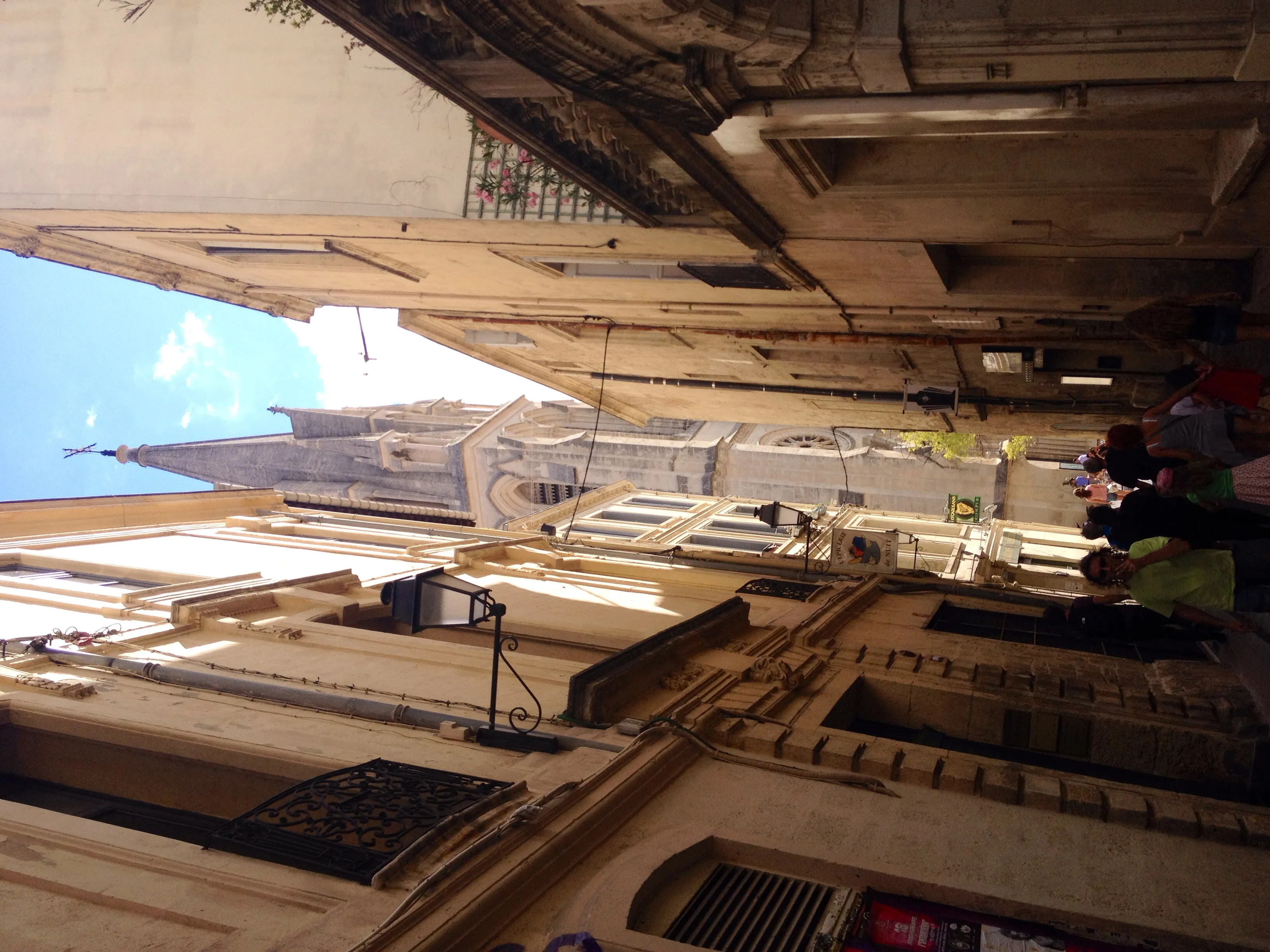
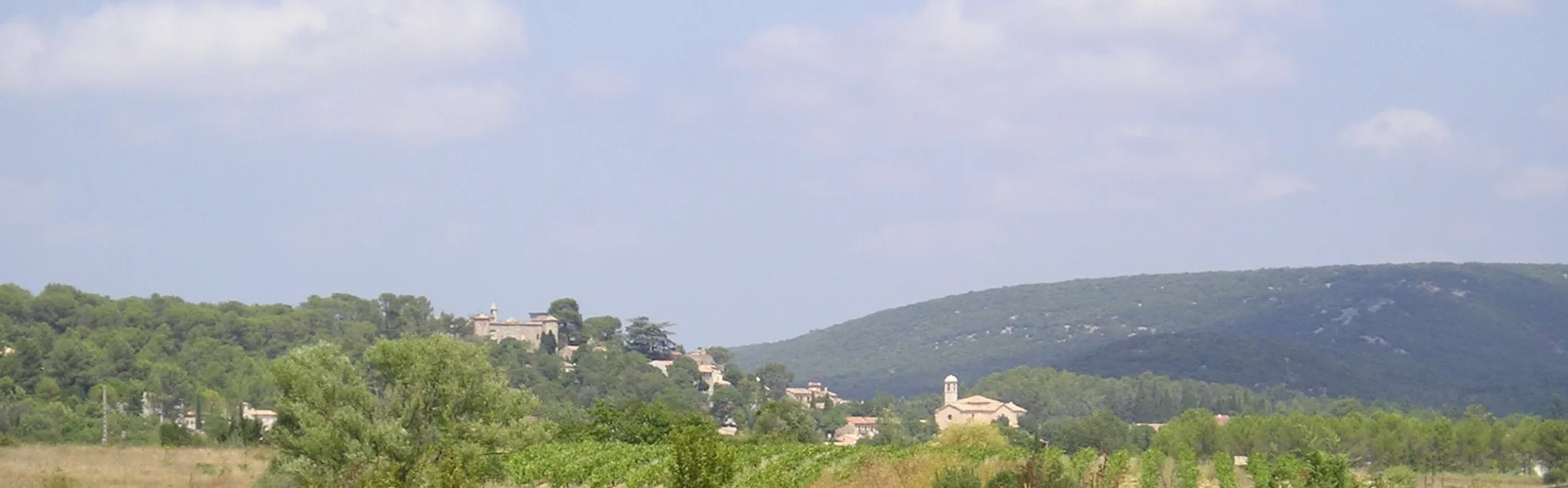
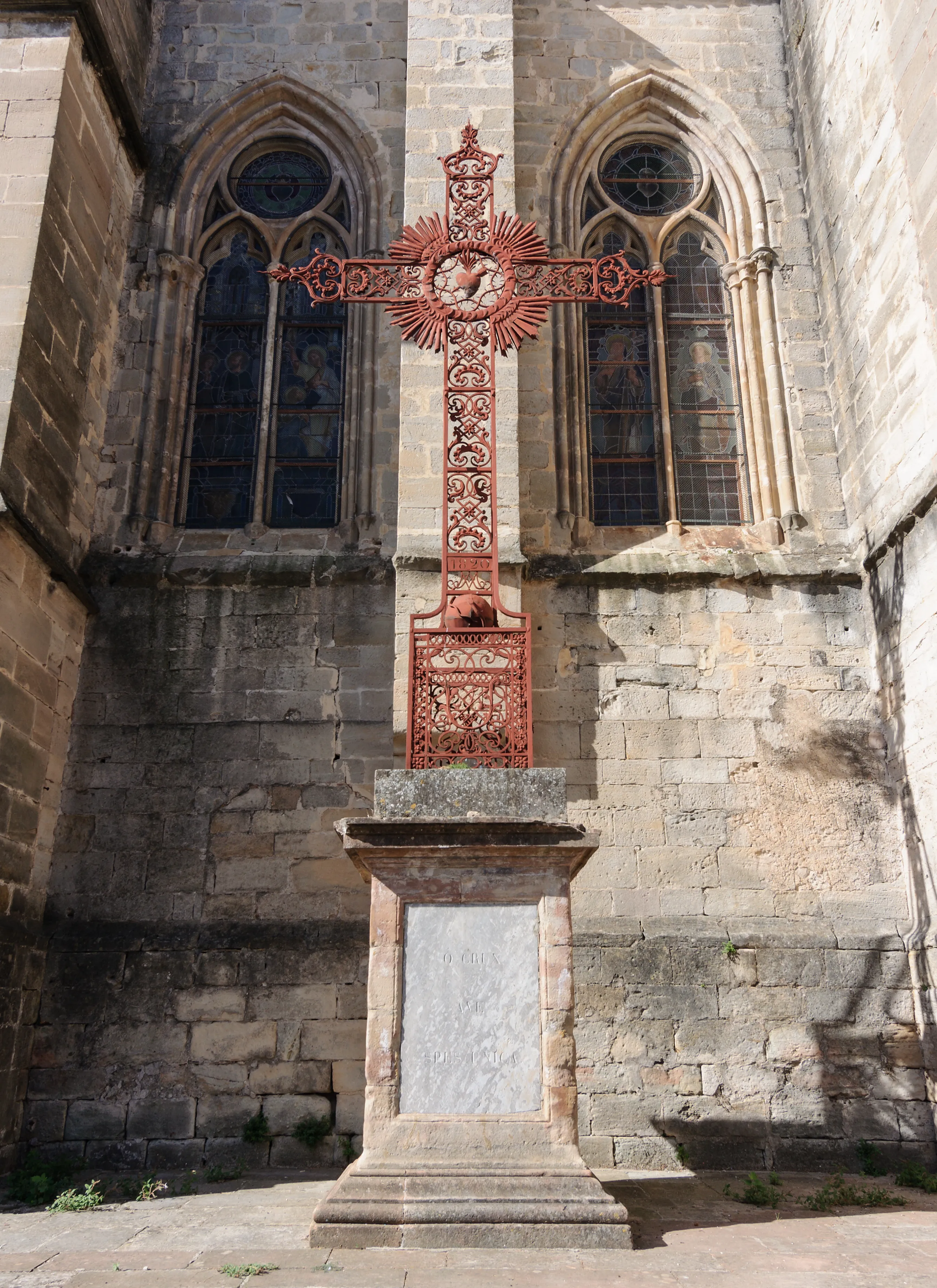
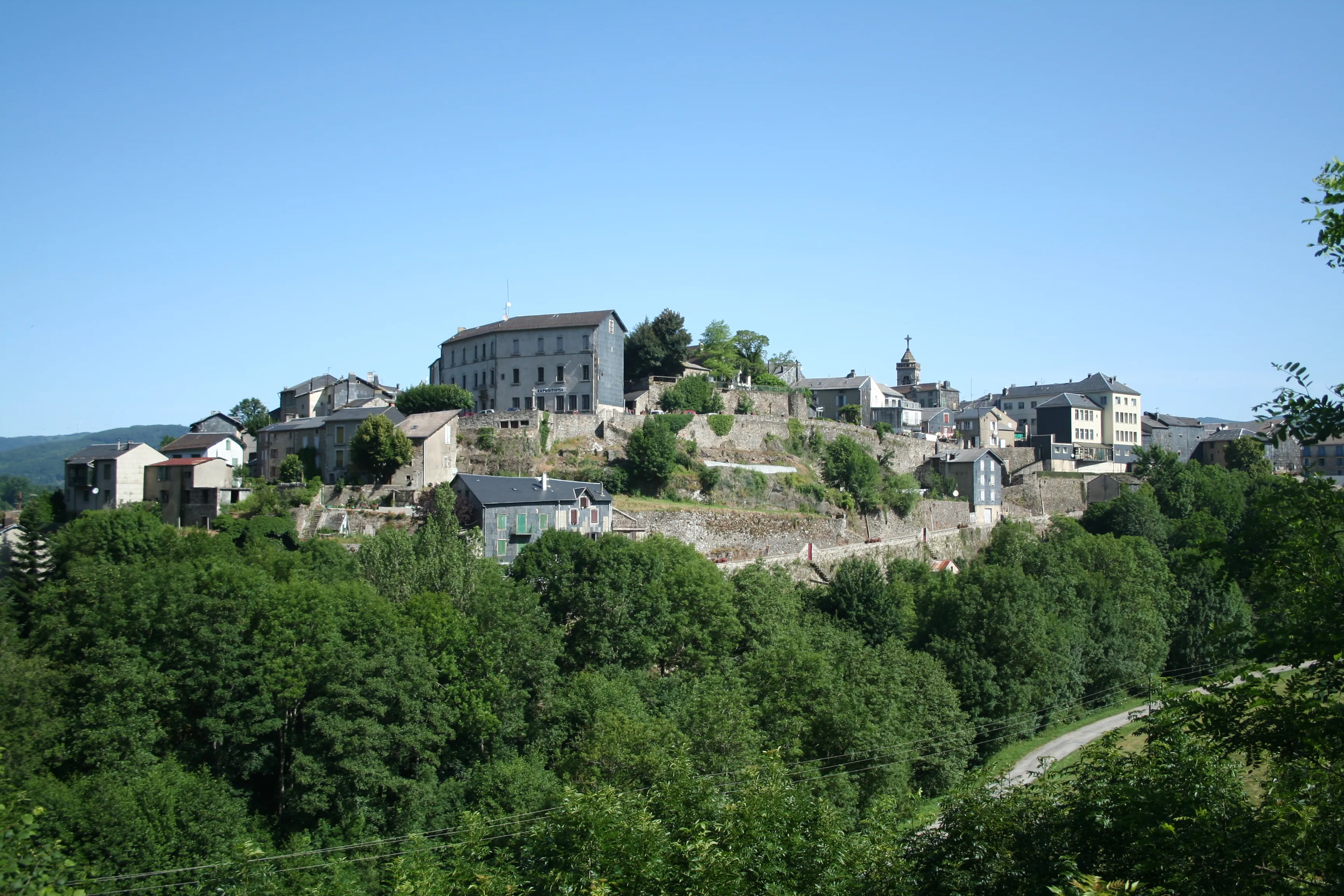

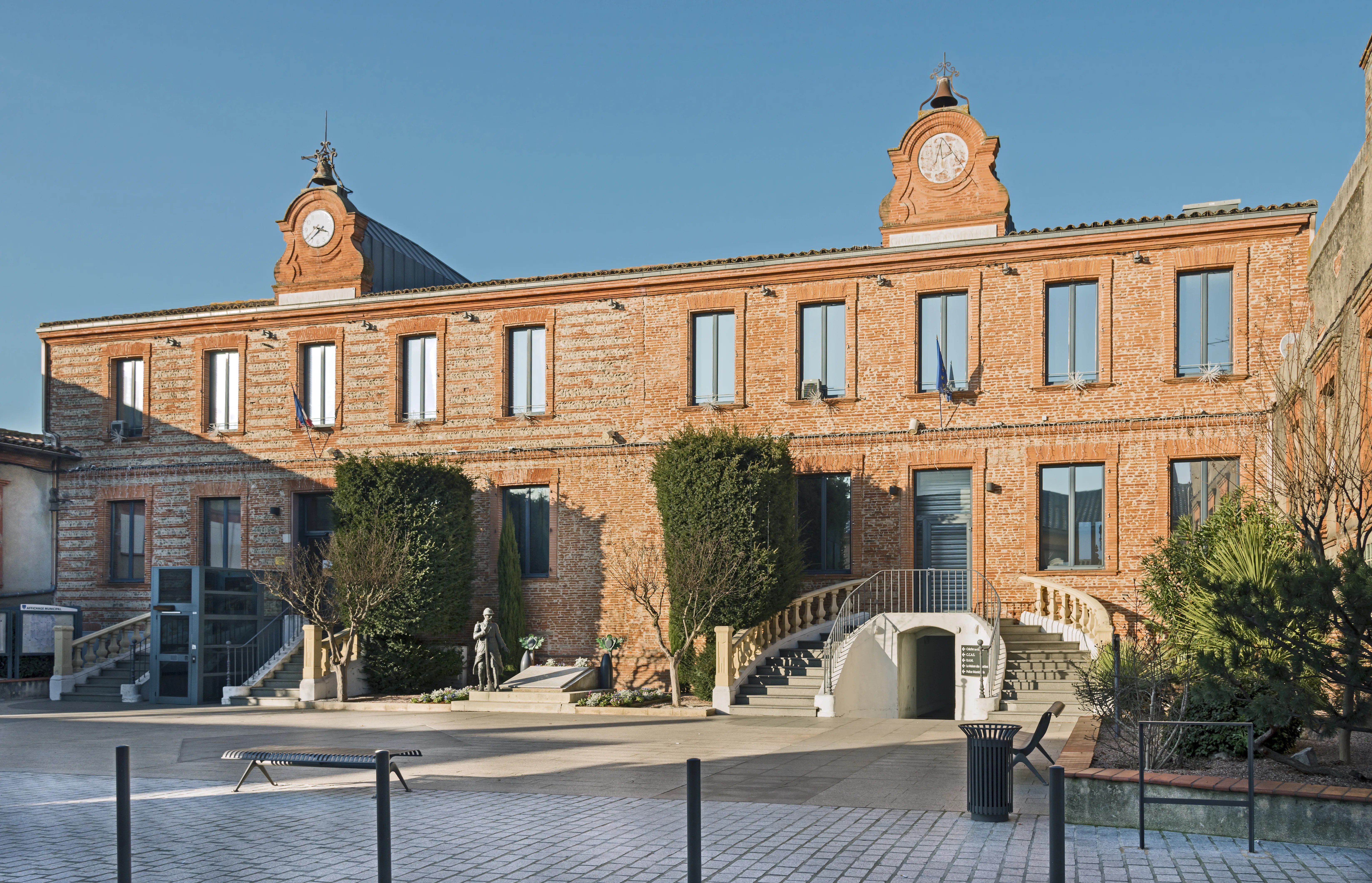
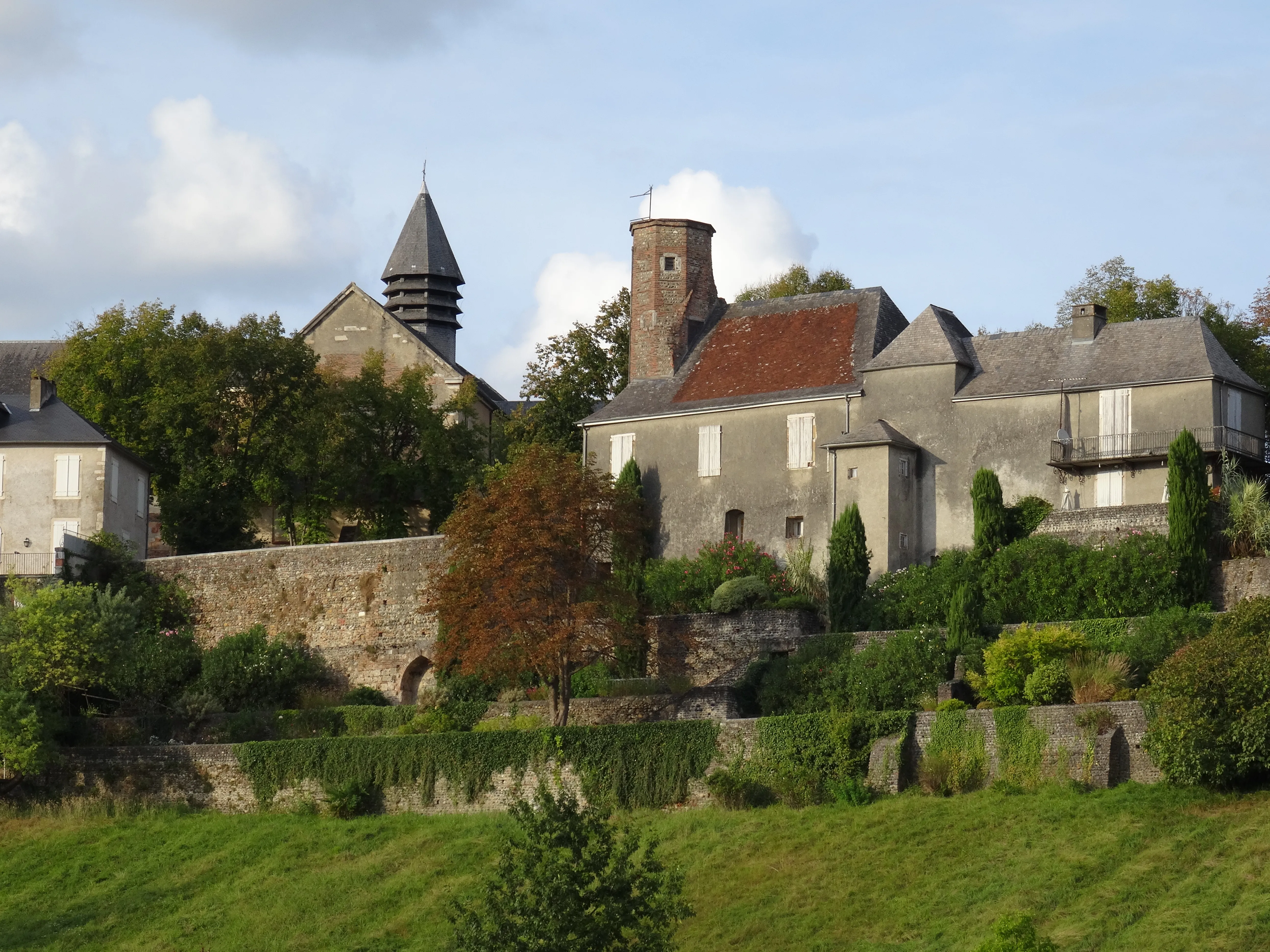
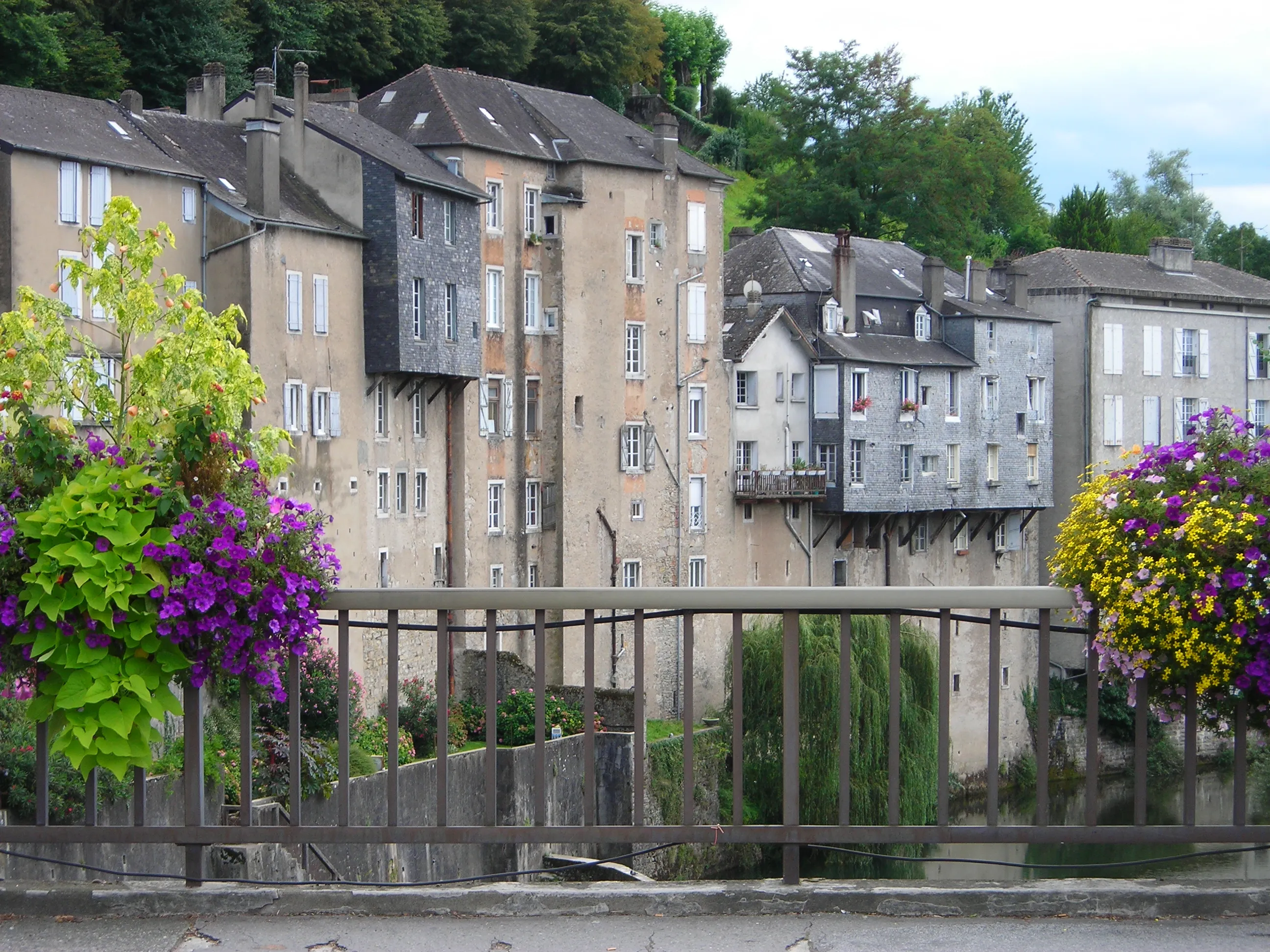
The Way of Arles, or the Via Tolosana, is one of the four major historical routes that cross France. Part of Arles in Provence and heading west through southern France (Languedoc). Crossing Spain at the Somport port, where it becomes the Aragonese Way, which converges with the French Way in Puente la Reina.
Its route in France is approximately 800 km. It is a richly endowed Roman and medieval heritage route that passes through cities such as Montpellier, Toulouse and Oloron-Sainte-Marie.
Stages of this variant:
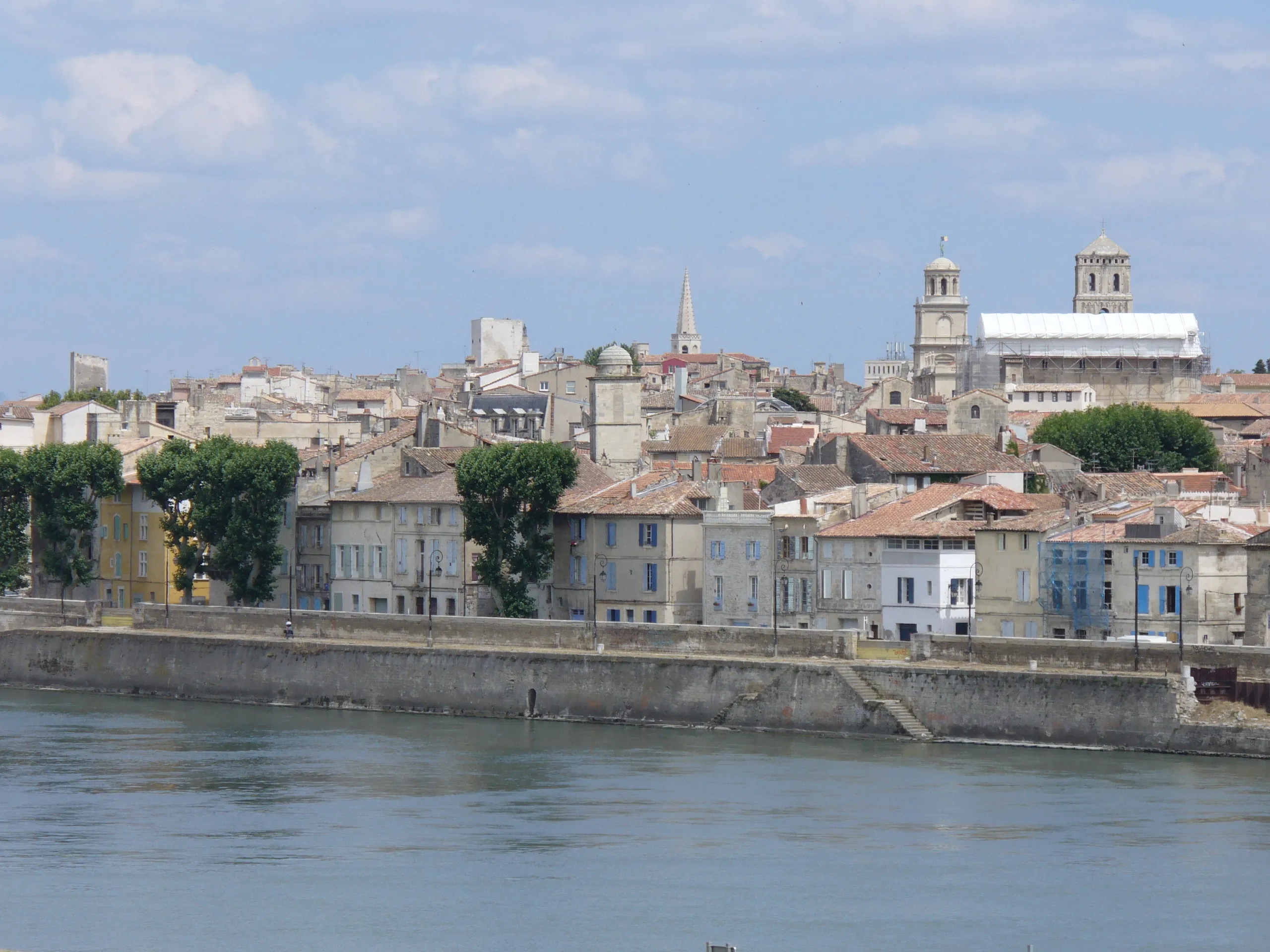
Stage 1: Arles to Saint-Gilles (Gard)
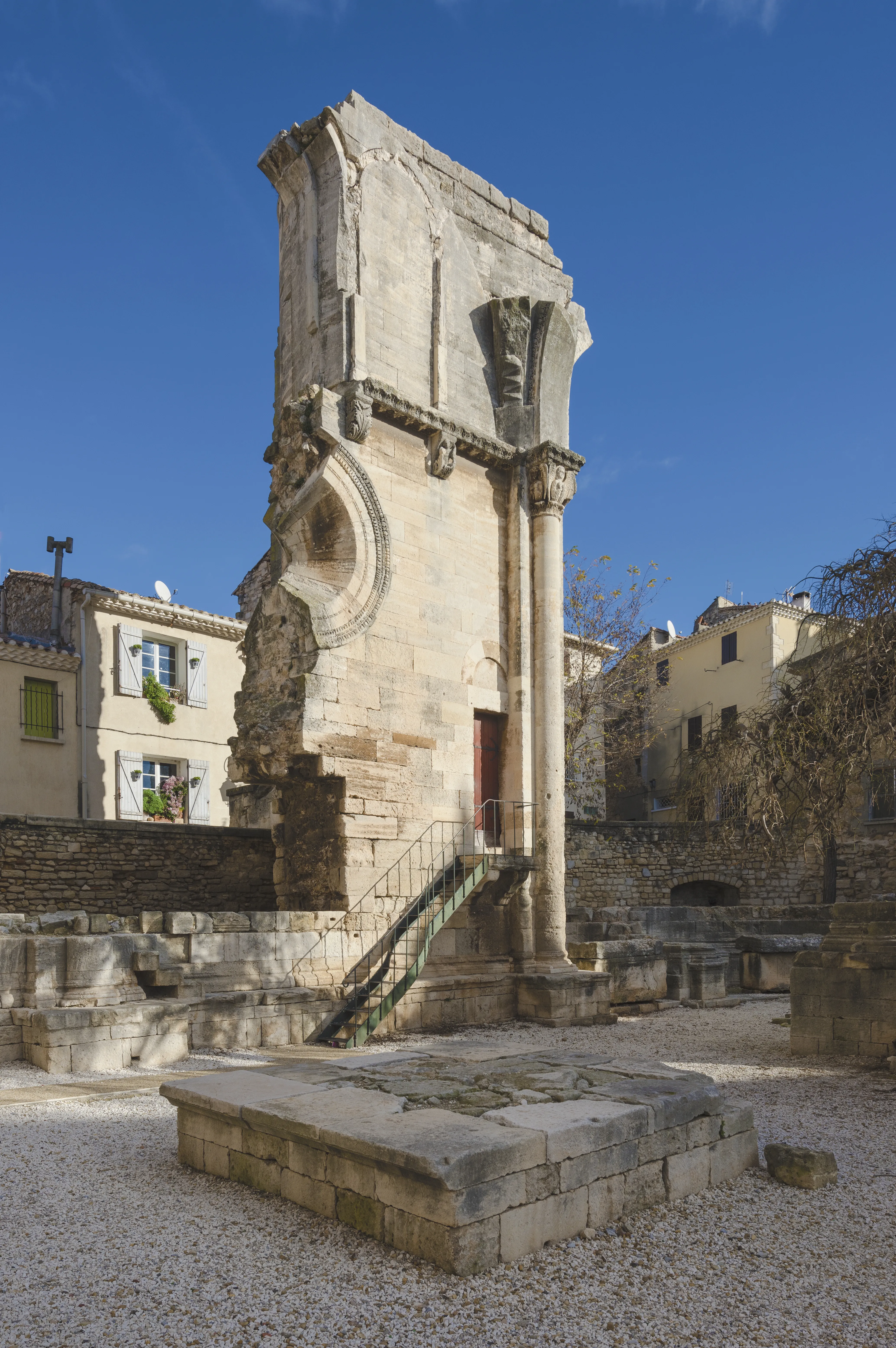
Stage 2: Saint-Gilles (Gard) to Gallargues-le-Montueux
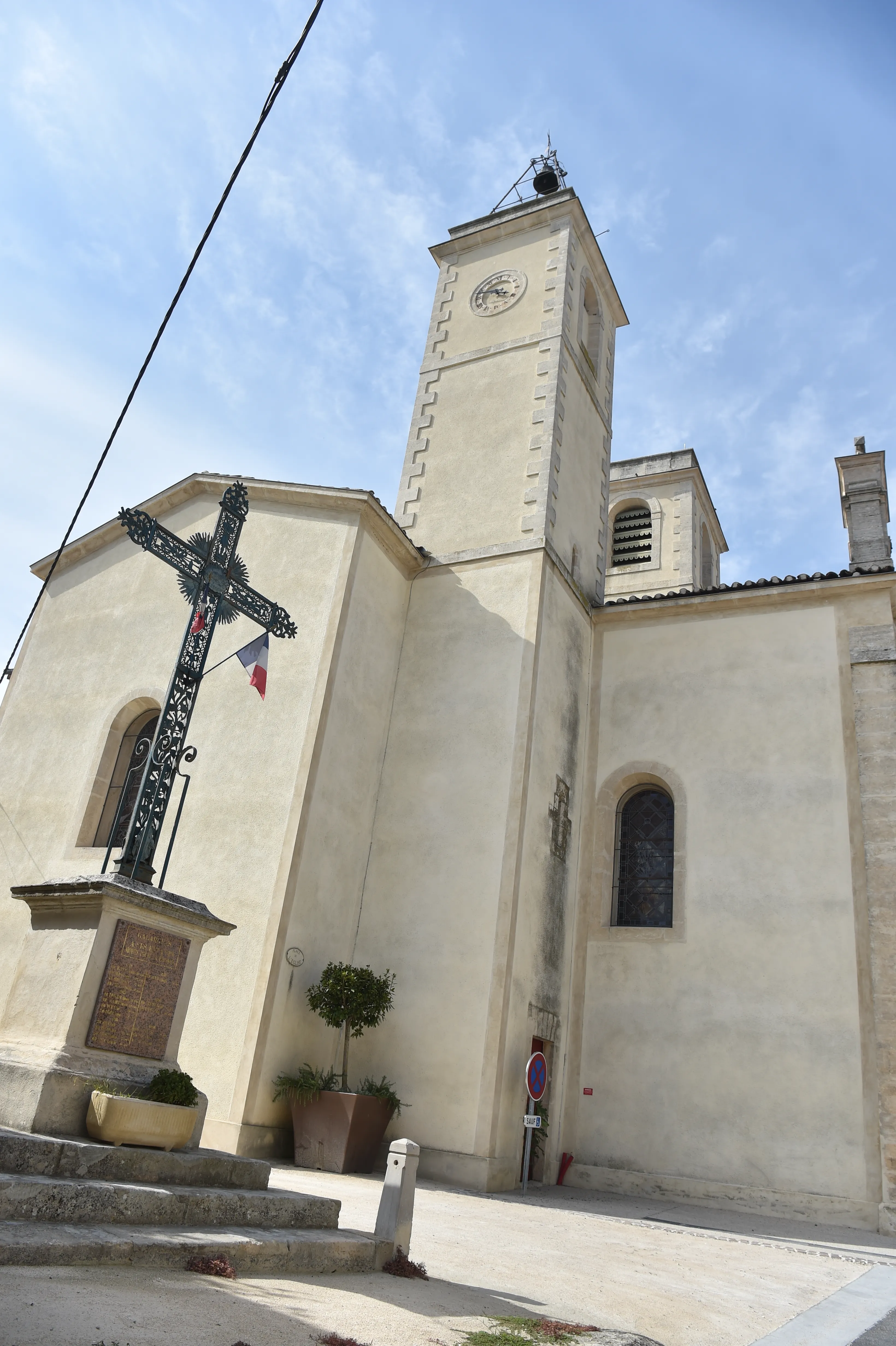
Stage 3: Gallargues-le-Montueux to Vendargues
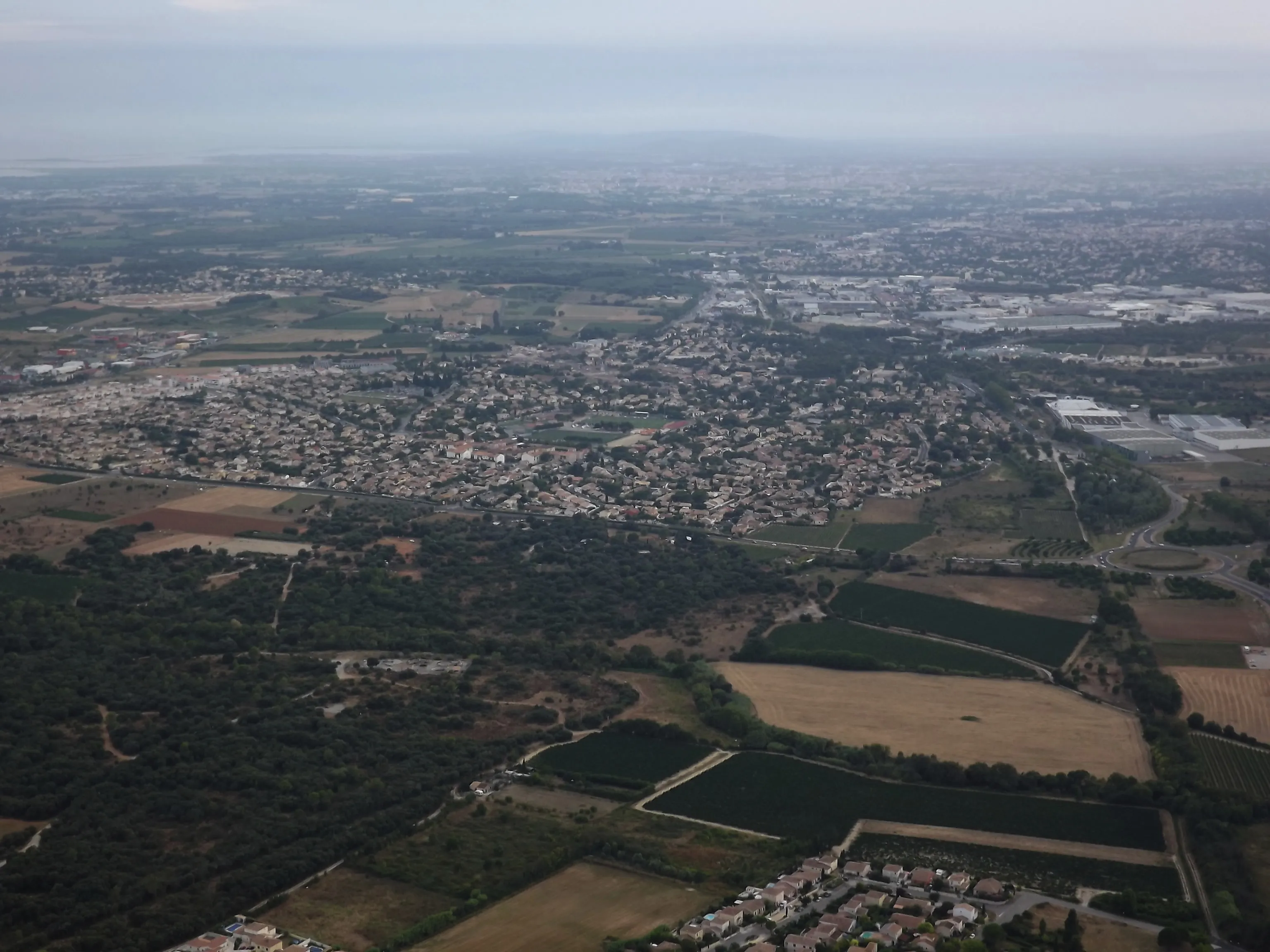
Stage 4: Vendargues near Montpellier
Stage 5: Montpellier to Montarnaud

The French Way
779 km
33
Media
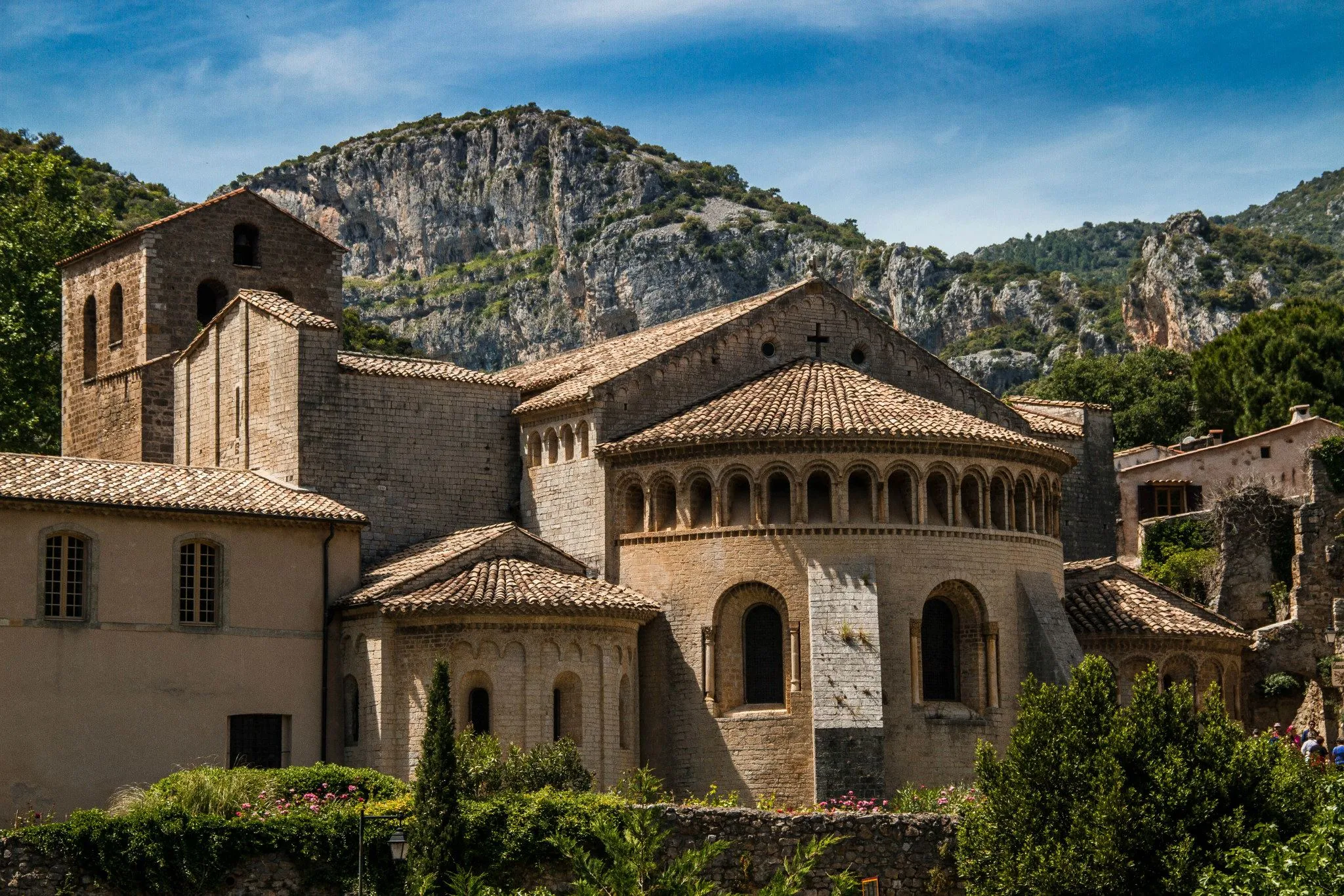
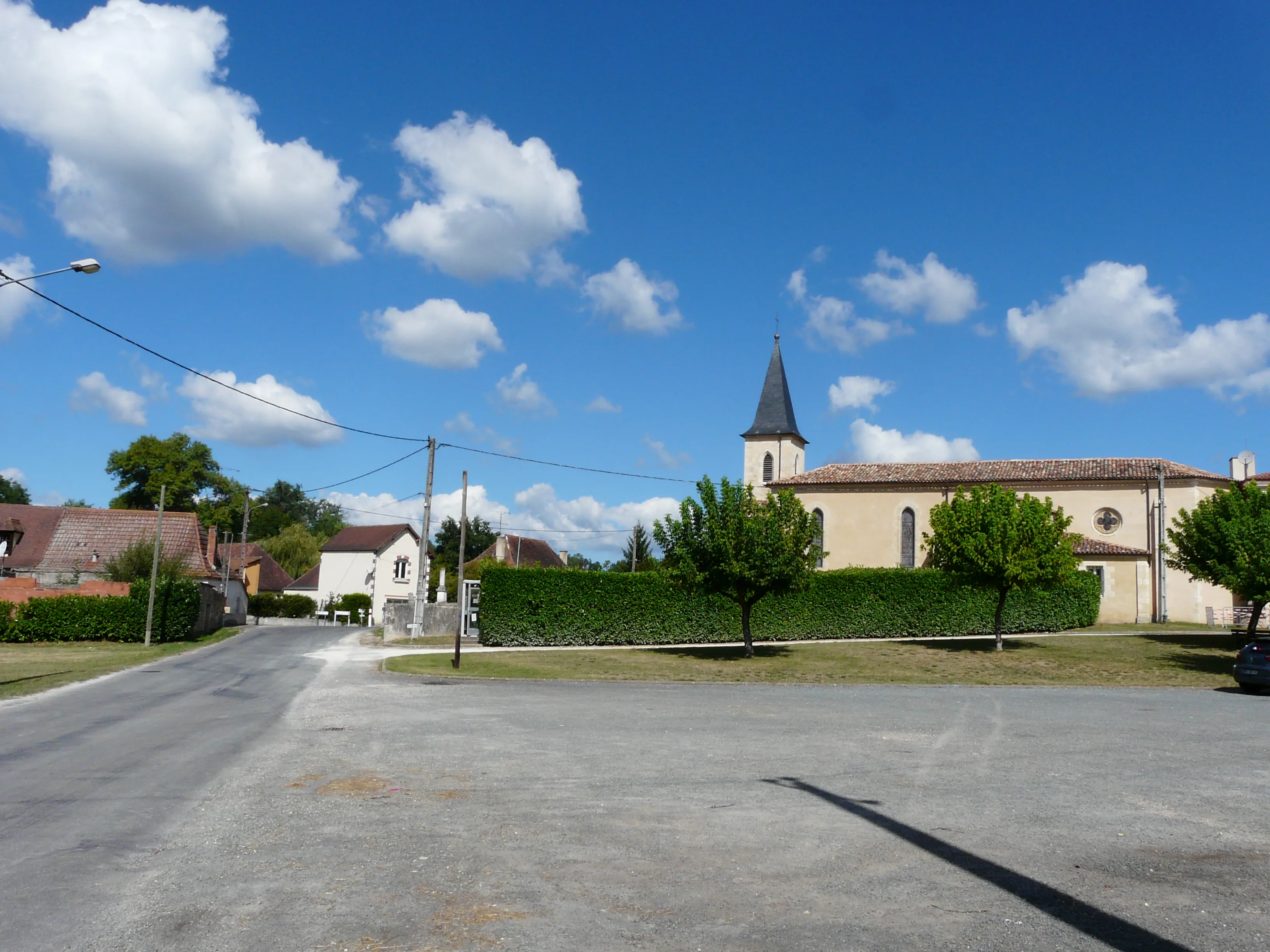
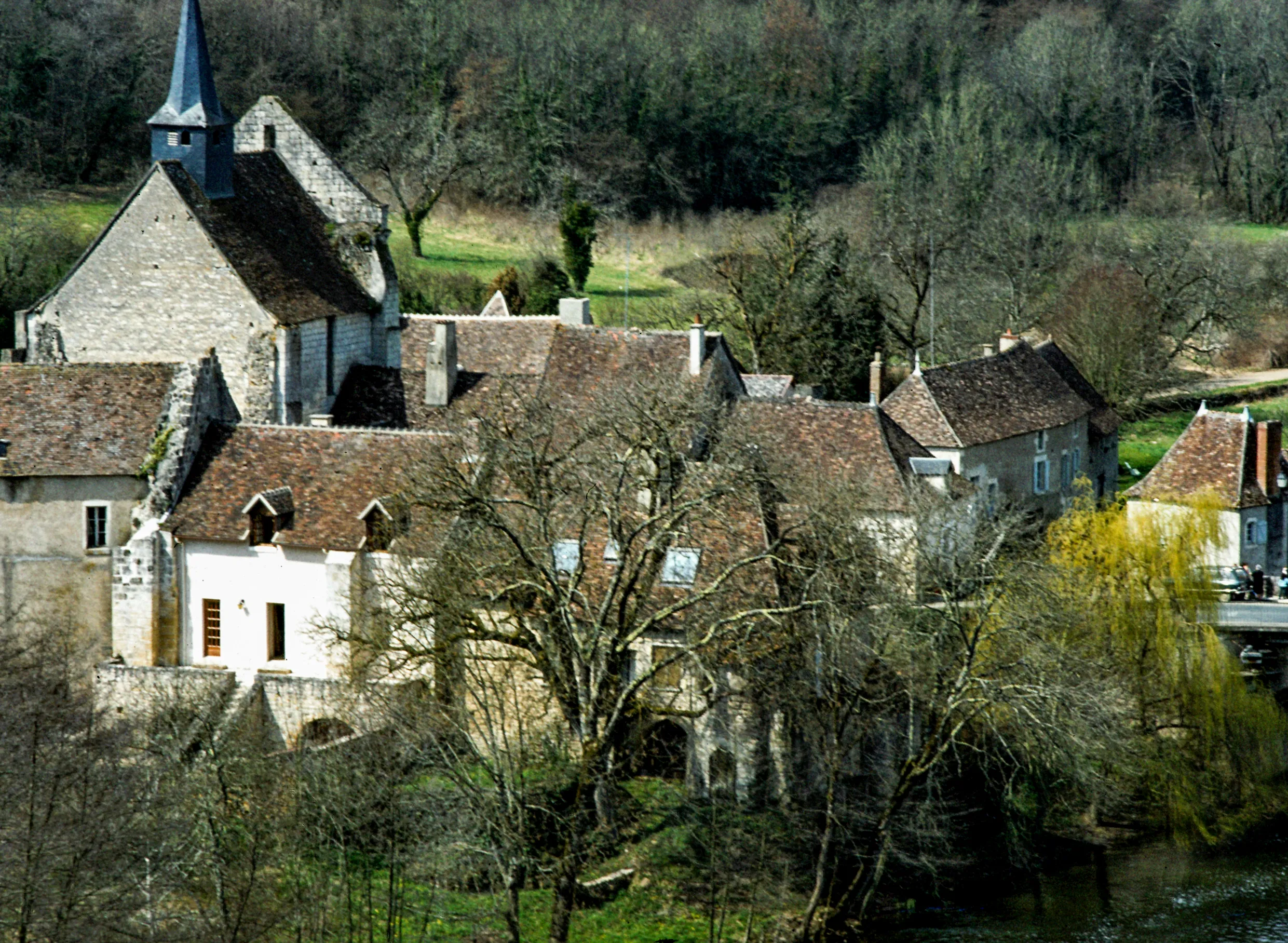
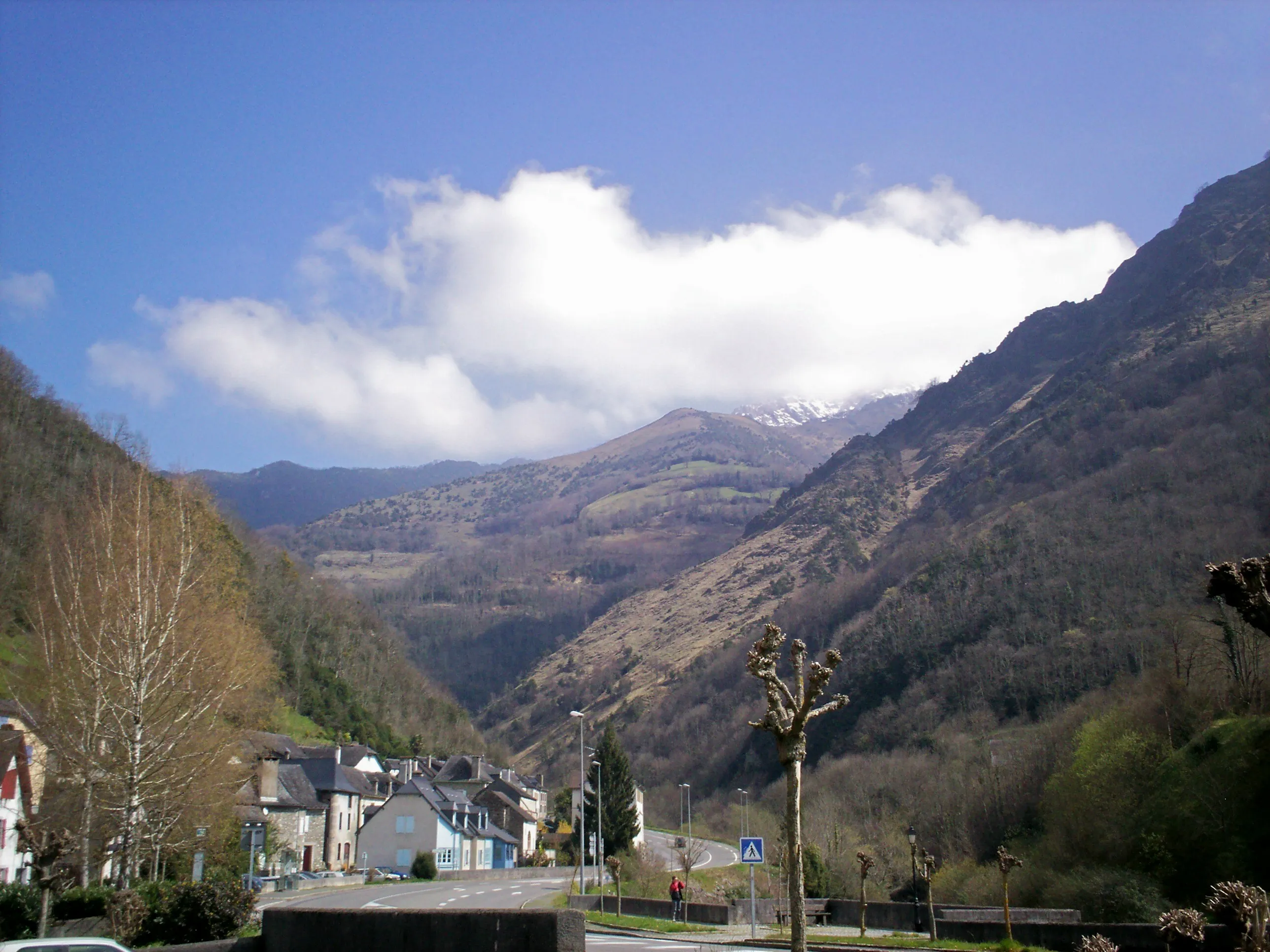
The Camino Francés is the pilgrimage route to Santiago de Compostela of excellence, chosen by thousands of pilgrims every year. With a journey of approximately 780 km from Saint-Jean-Pied-de-Port or less from Roncesvalles, it traverses northern Spain. This path, declared a World Heritage Site by UNESCO, offers exceptional infrastructure for services and hostels.
Pilgrims traverse Navarra, La Rioja, Castile and León, and finally Galicia, marveling at monumental cities such as Pamplona, Burgos, and León, and charming villages. The diversity of its landscapes is one of its greatest attractions, from the Pyrenees and the Castilian plains to the green forests of Galicia. It's a physical and spiritual journey that leaves an indelible mark, ideal for both experienced pilgrims and those starting out on the Camino de Santiago.
Stages of this variant:
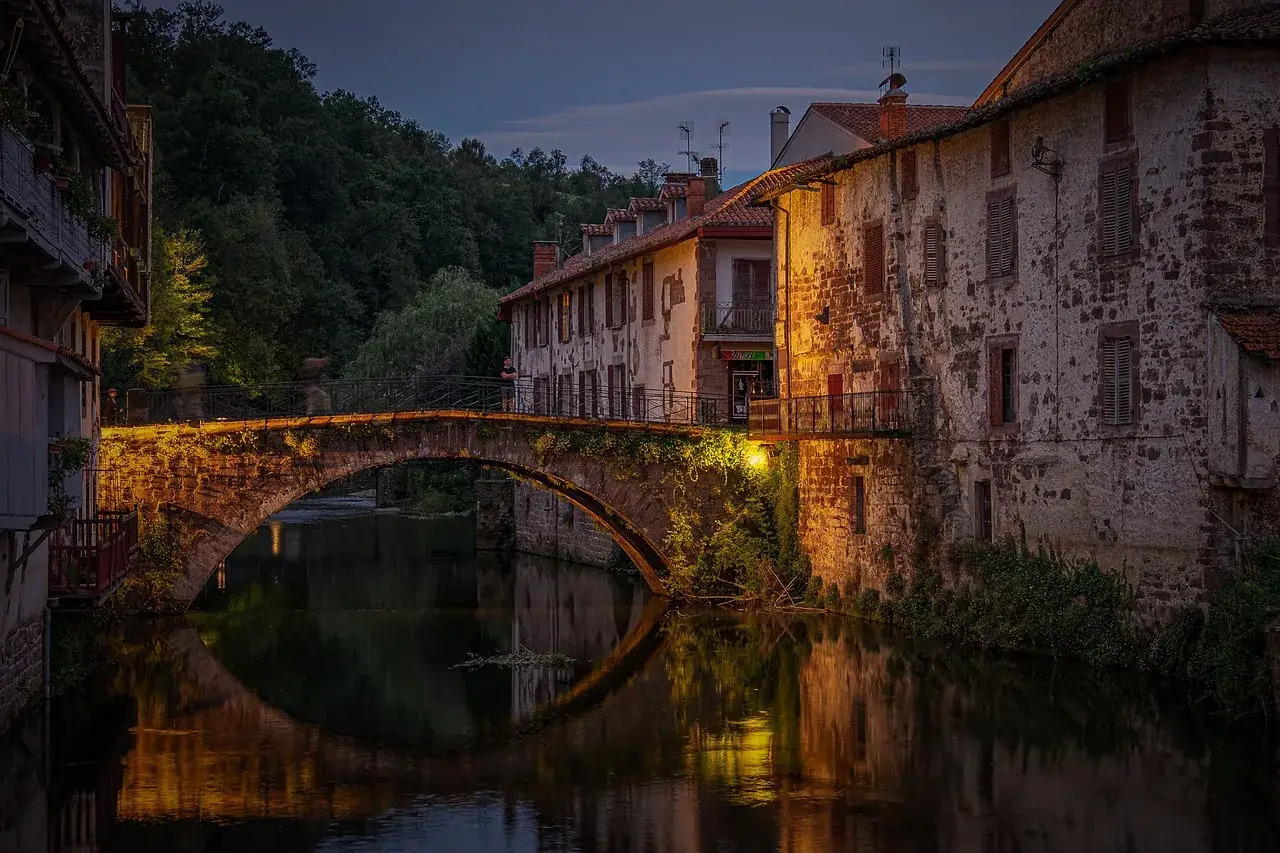
Stage 1: St. Jean Pied de Port to Roncesvalles
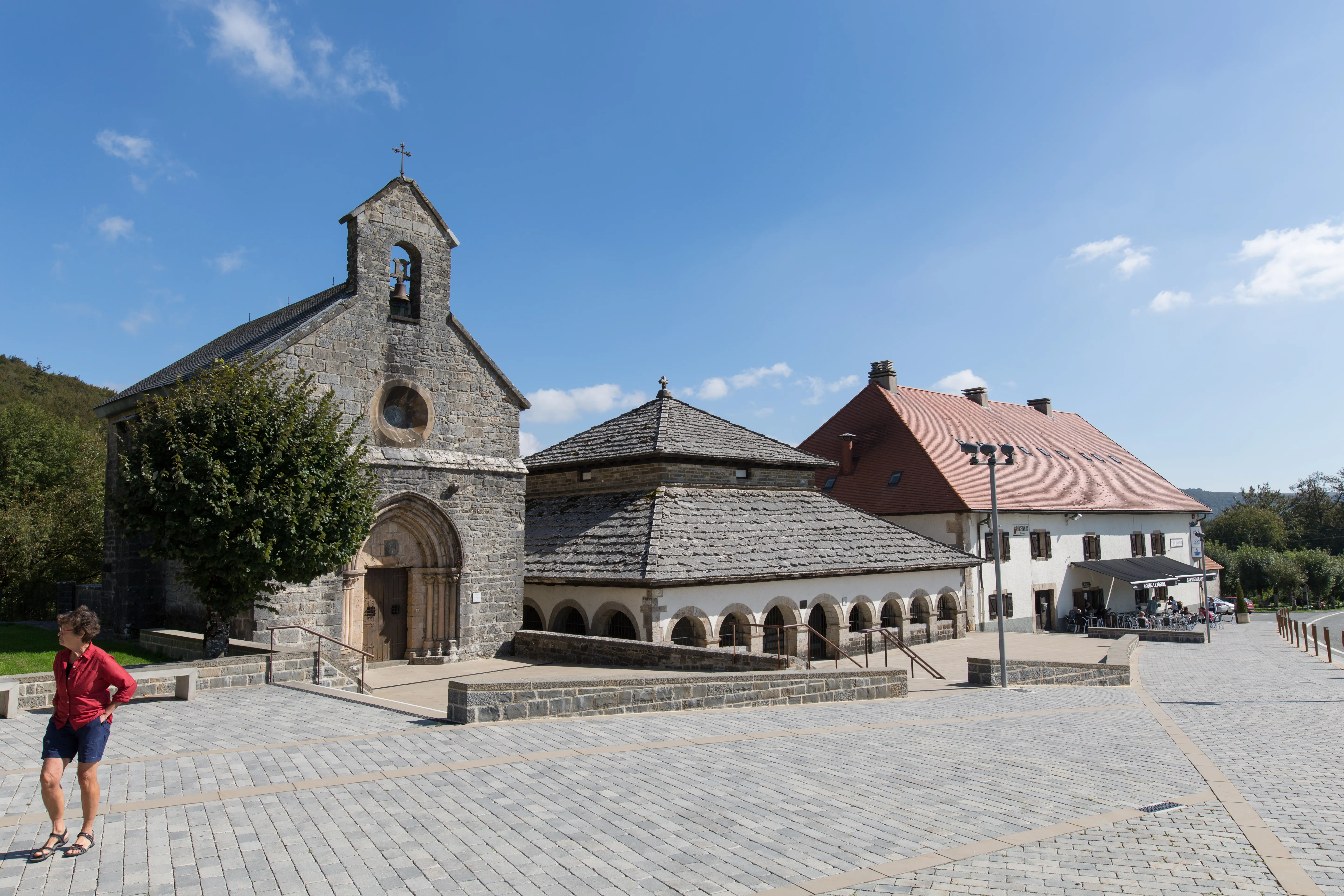
Stage 2: Roncesvalles to Zubiri
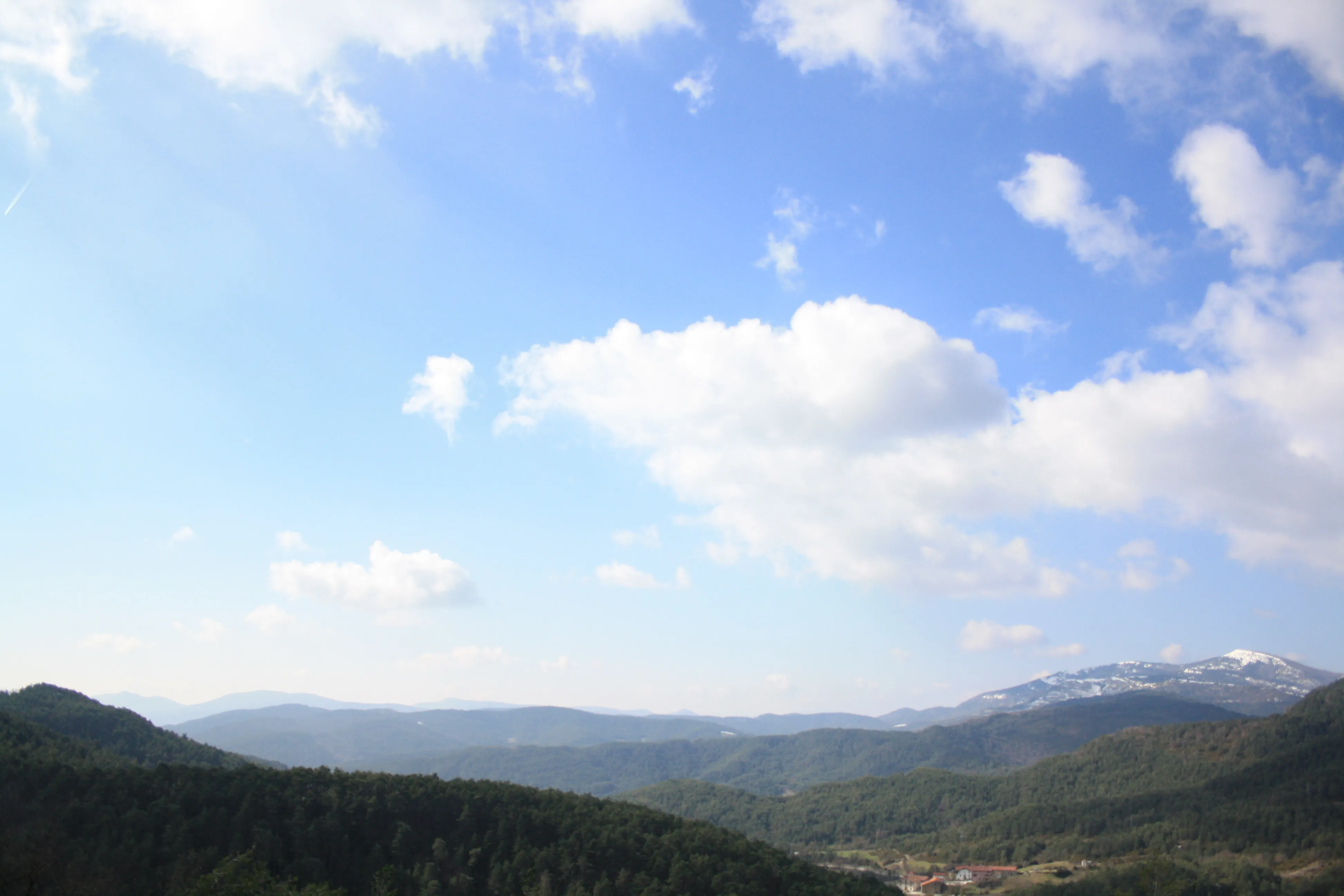
Stage 3: Zubiri is going to Pamplona.
Stage 4: Pamplona to Pontevedra
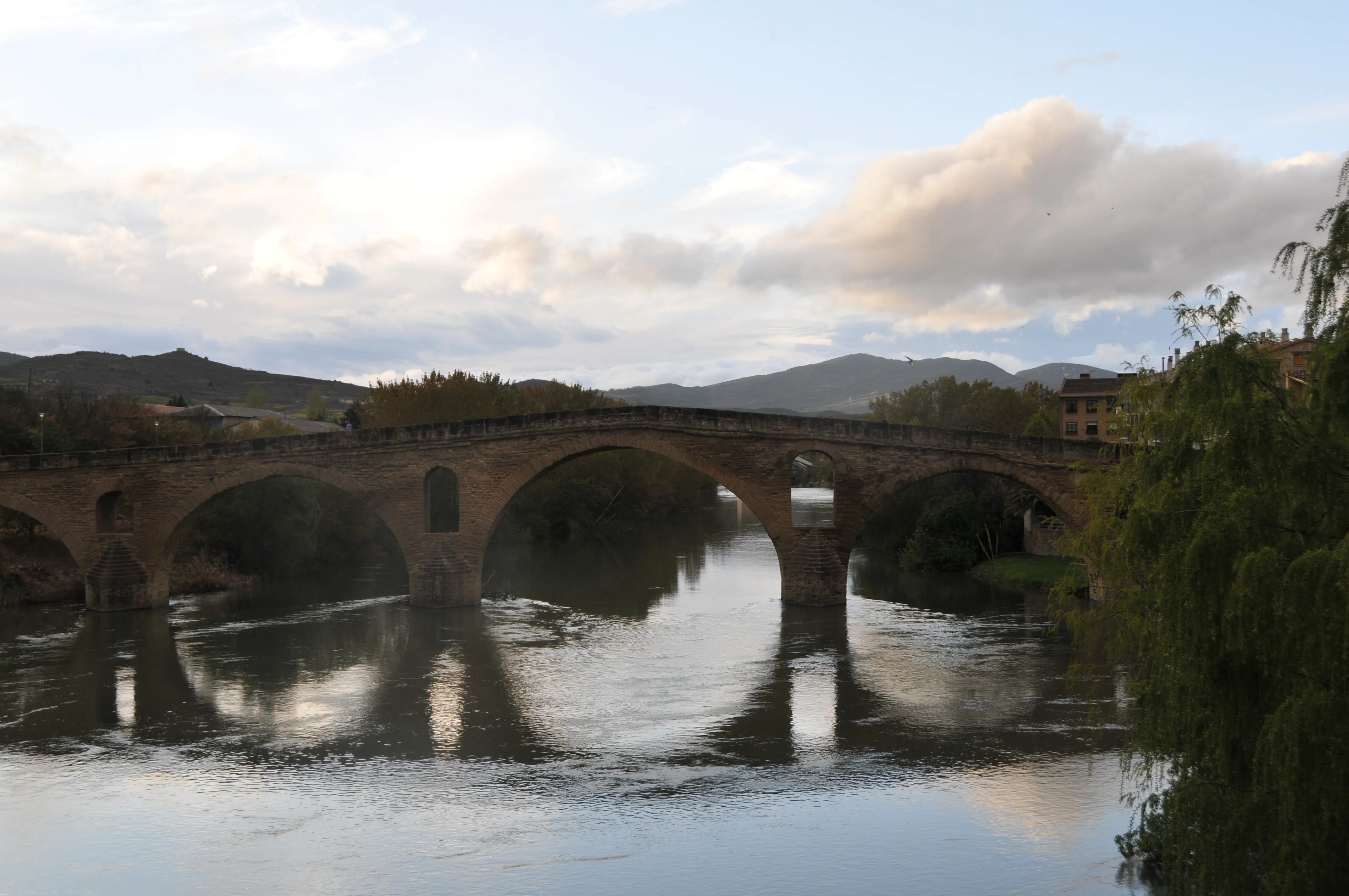
Stage 5: Bridge of Queen to Estella
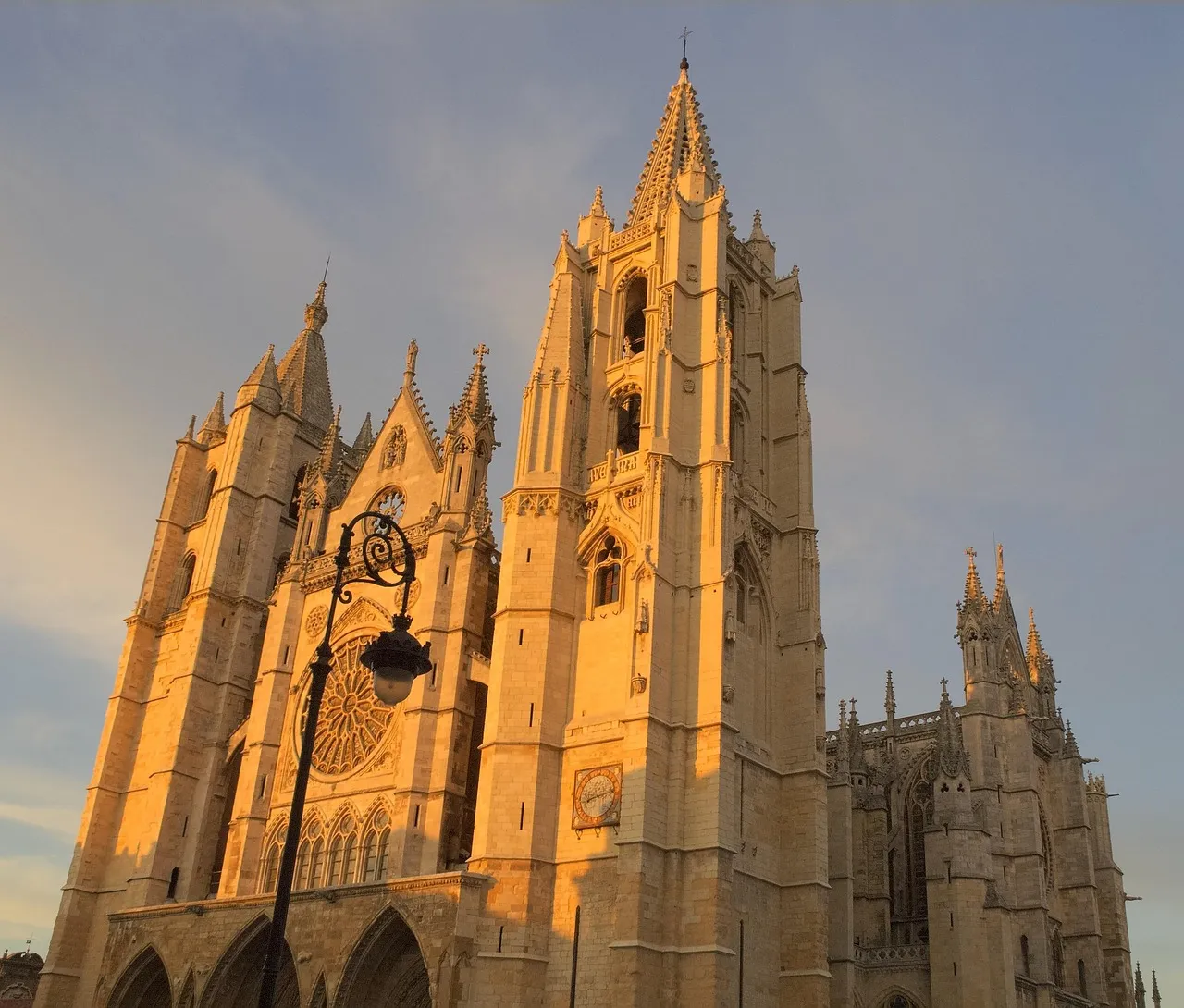
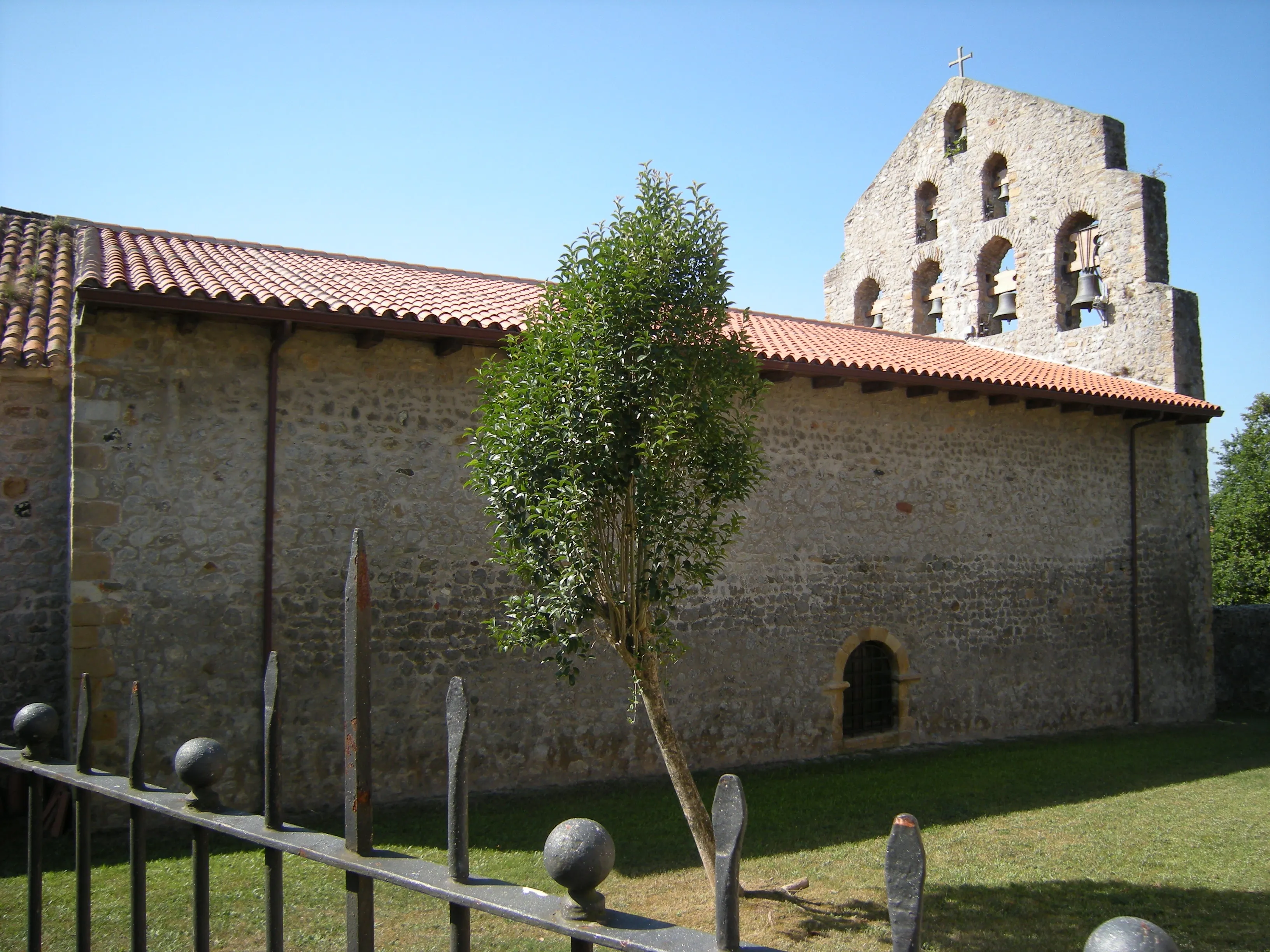
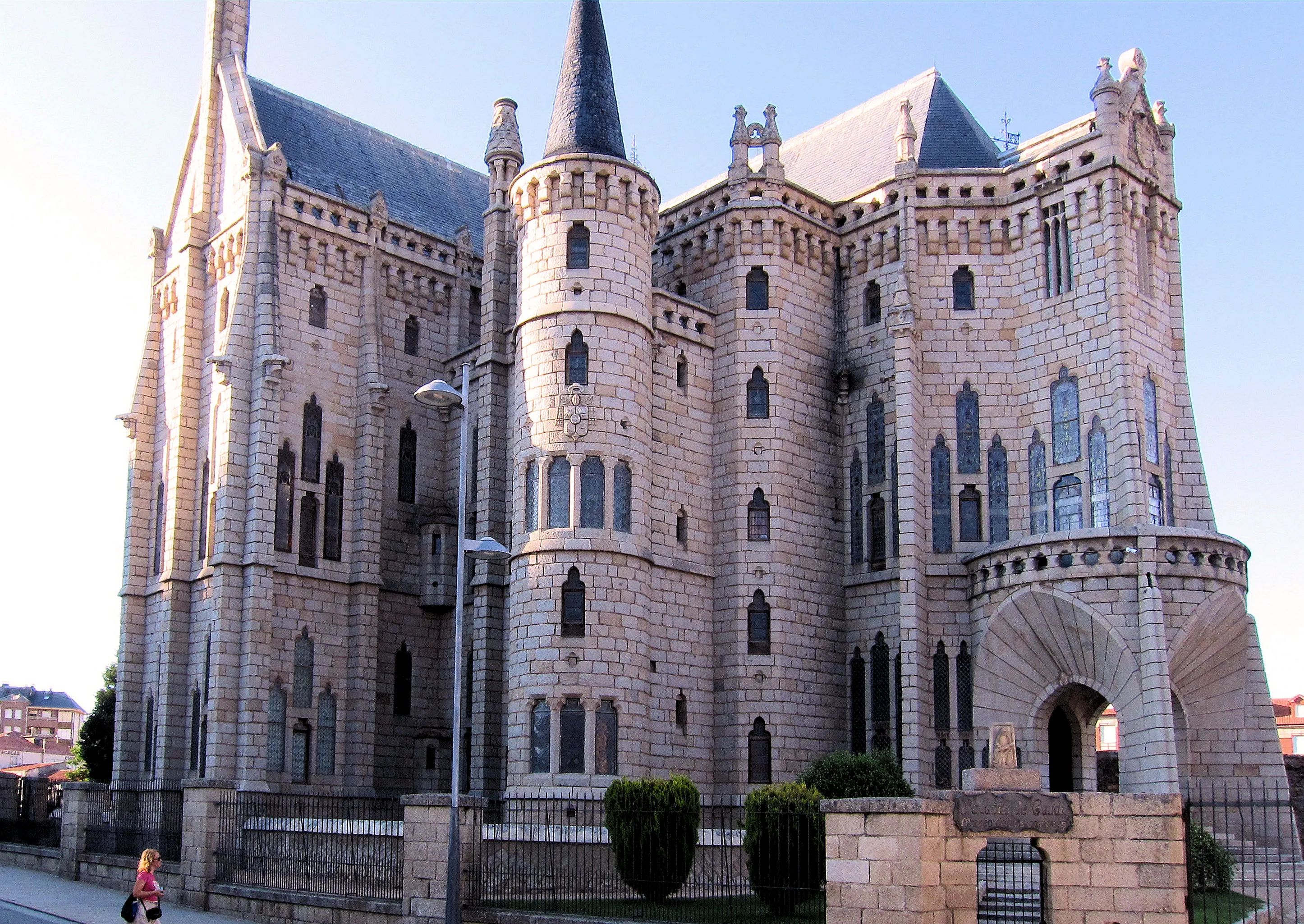
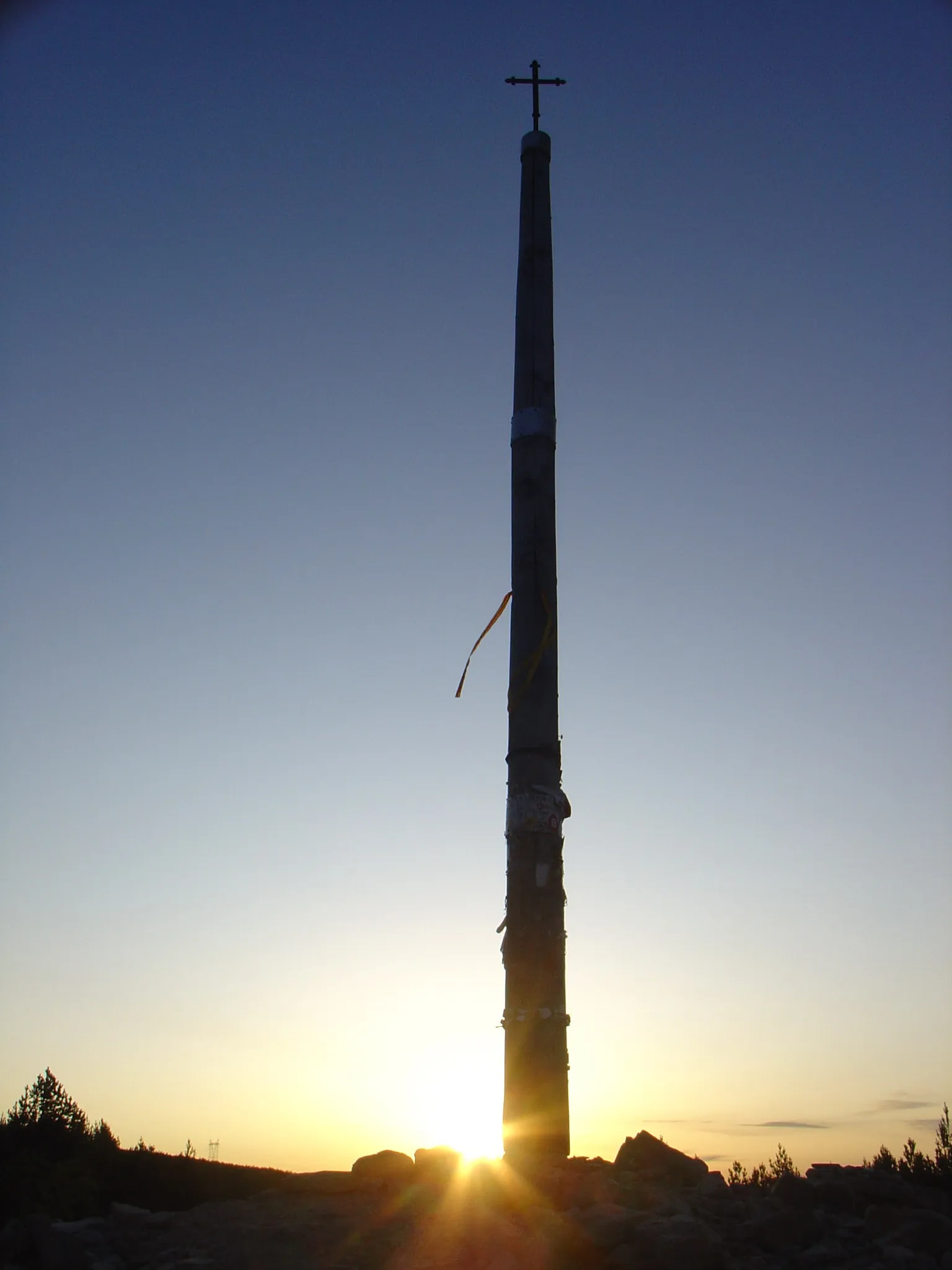
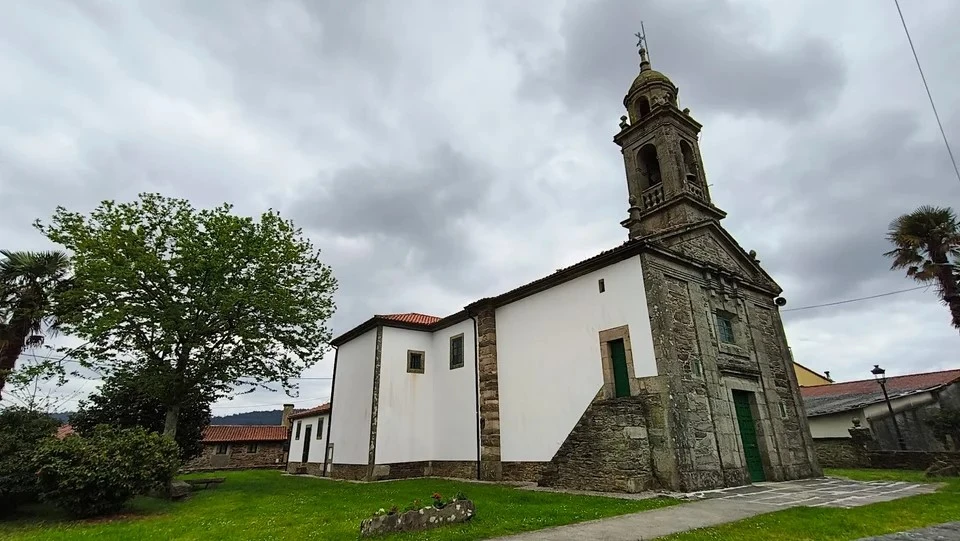
Bayonne Way
286.2 km
12
Media
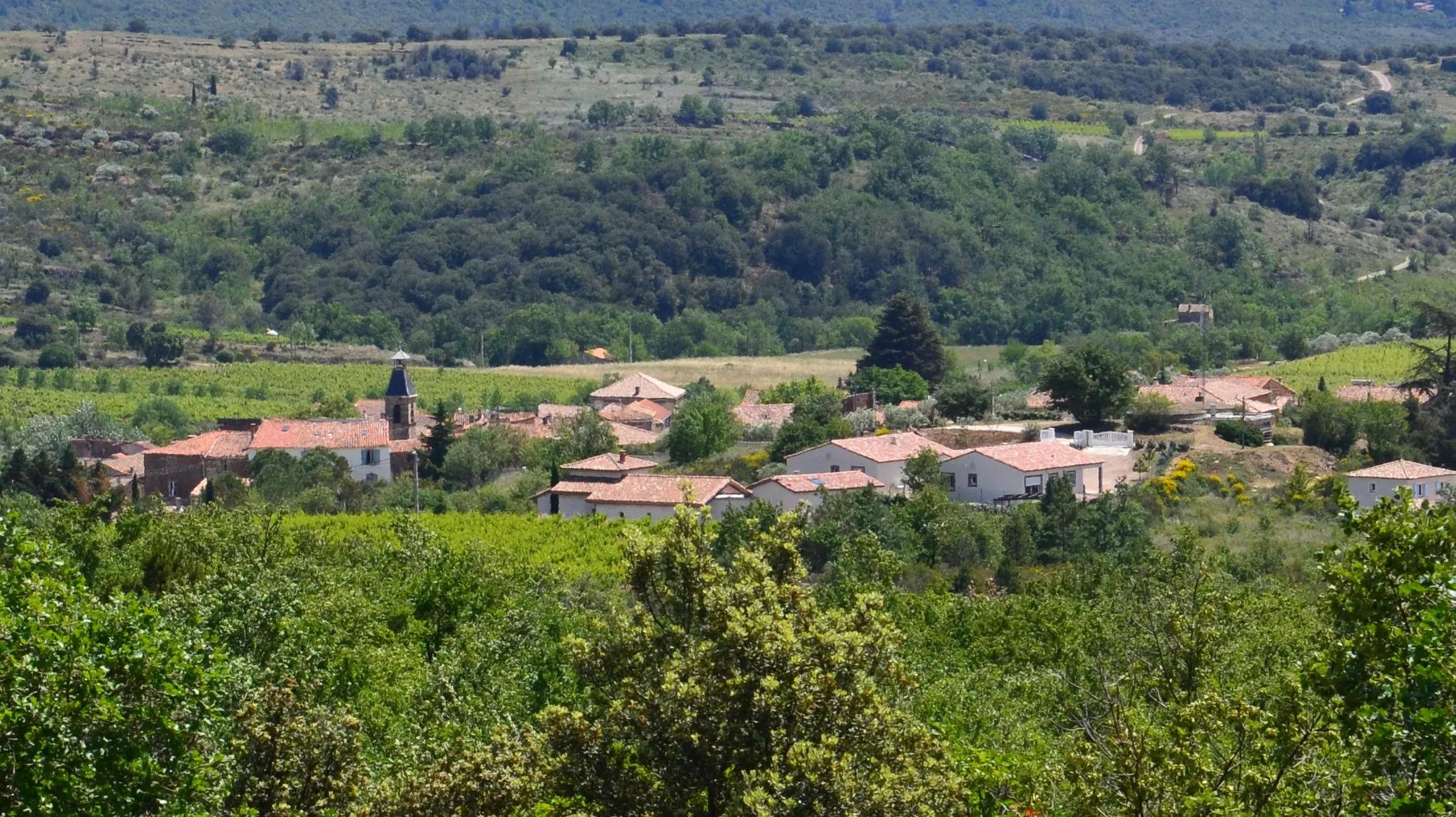
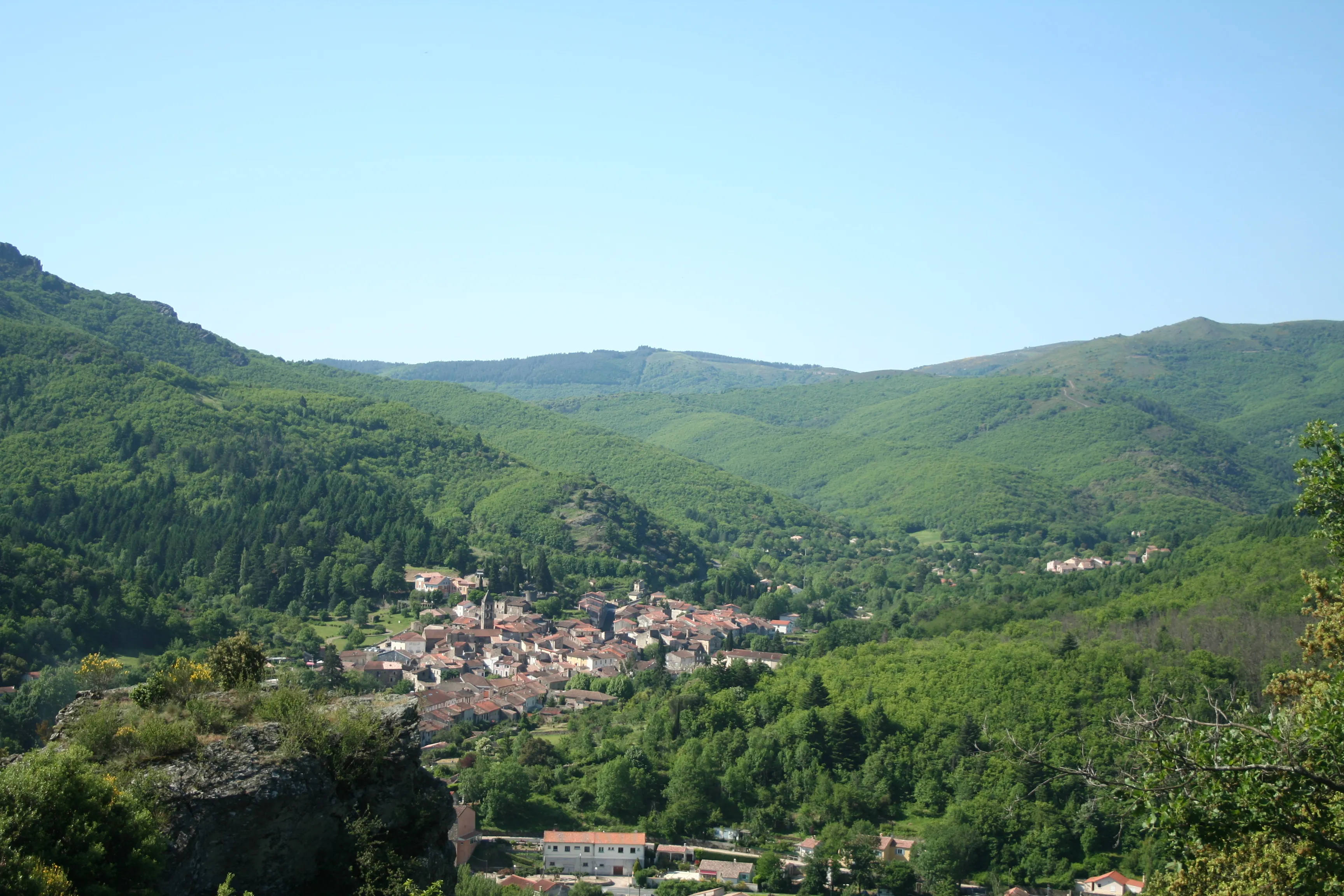
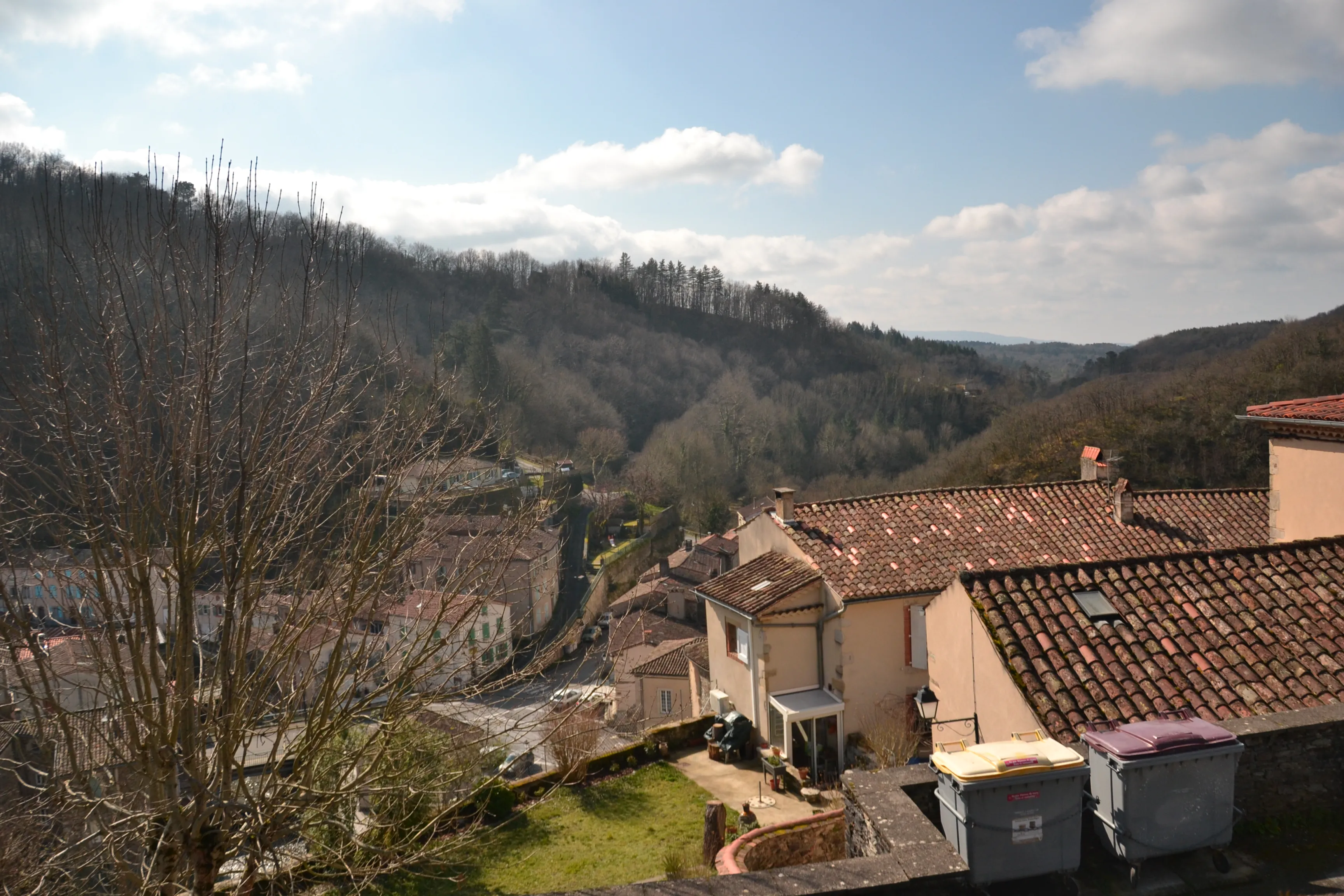
The Via de Bayona is a historical itinerary that connects the city of Bayonne, in French Basque Country, to Burgos, where it links with the Way of St. Francis. With a distance of approximately 286 km, this route was an important alternative interior for medieval pilgrims. It passes through the French Basque Country and part of La Rioja, passing by cities such as Vitoria-Gasteiz and Miranda de Ebro.
It offers a rich experience in history and culture, traversing varied landscapes. Although it sometimes overlaps or gets confused with the Vasco Interior Way, the Via de Bayona has its own identity as a connection route from France to the heart of the Way of St. Francis.
Stages of this variant:
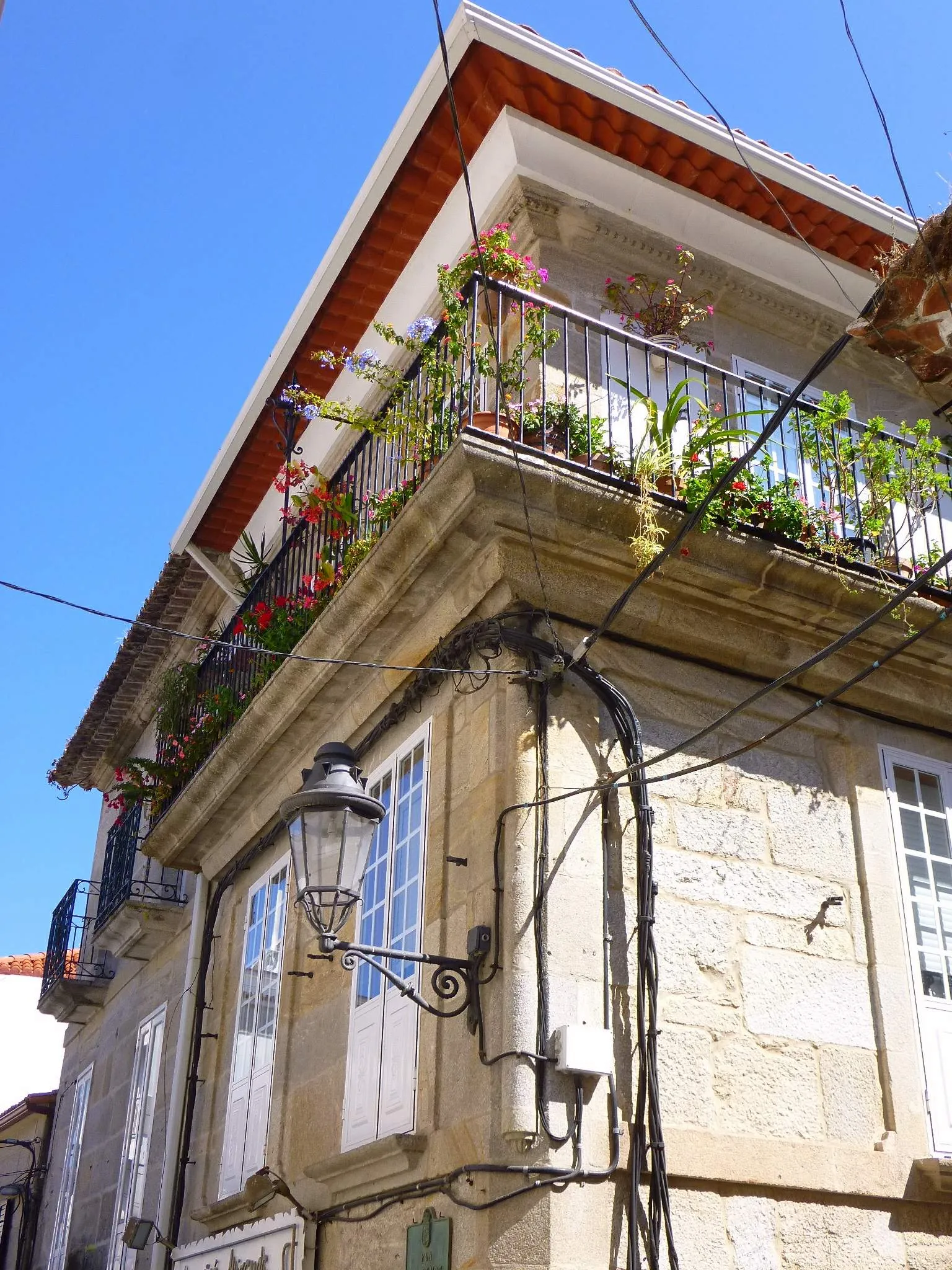
Stage 1: Bayonne to Irun
Stage 2: Run to Hernani
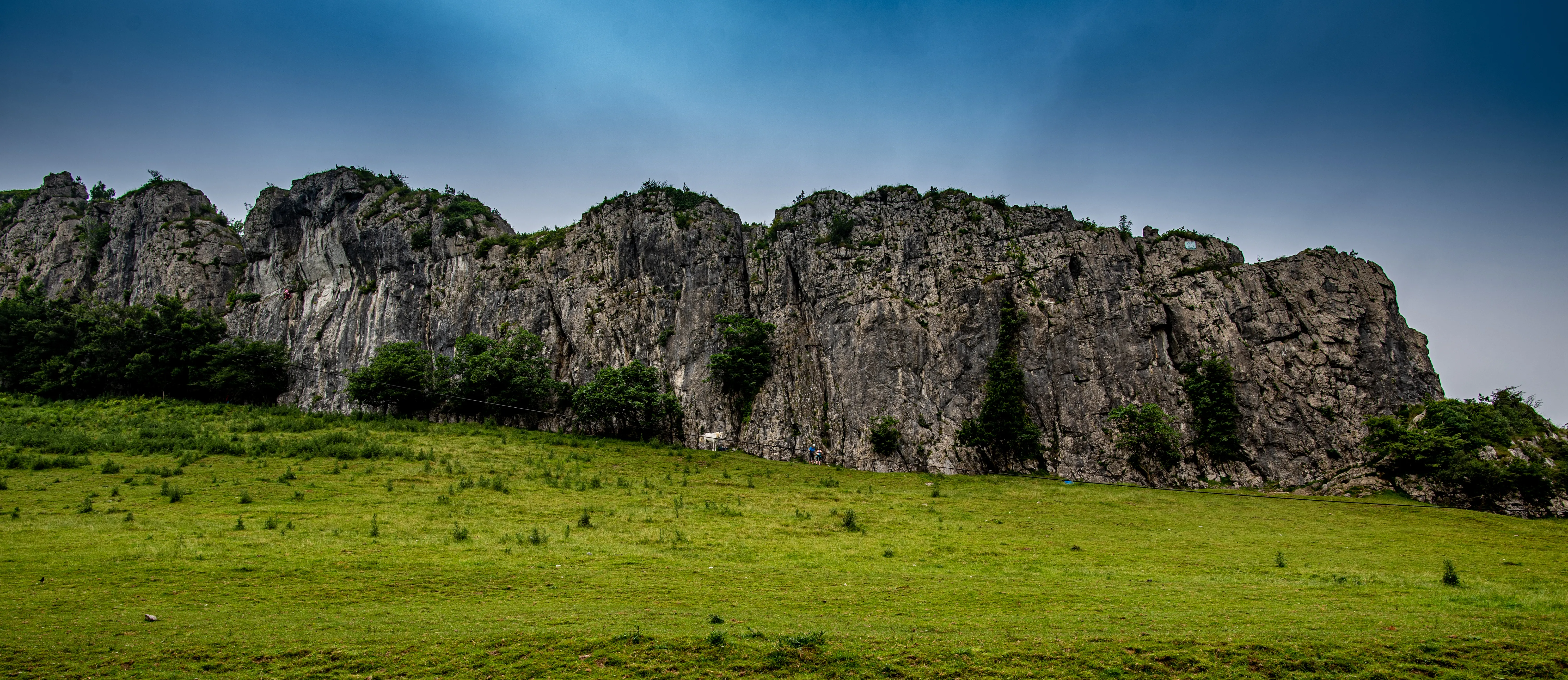
Stage 3: Hernani to Toulouse
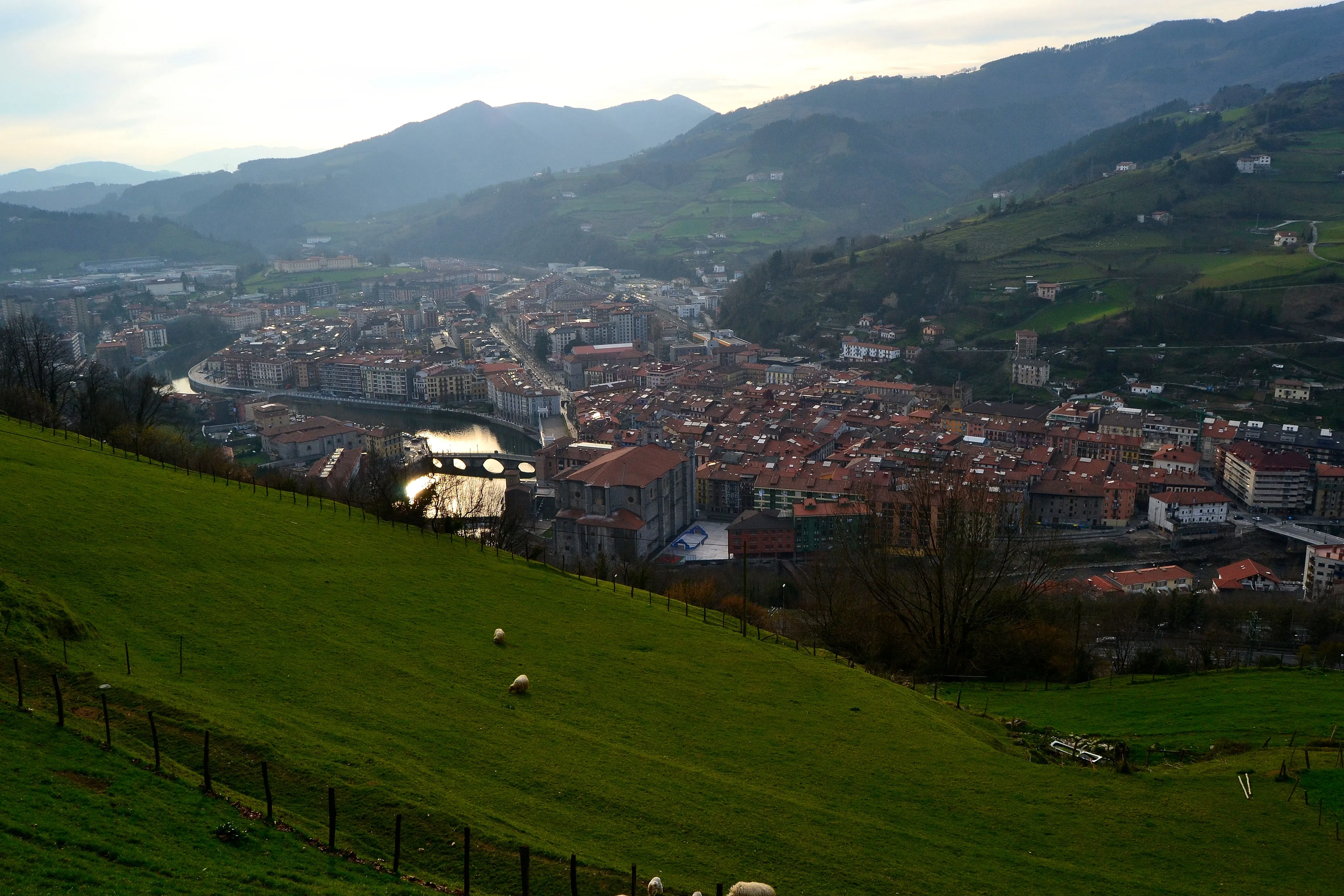
Stage 4: Toledo to Vitoria-Gasteiz
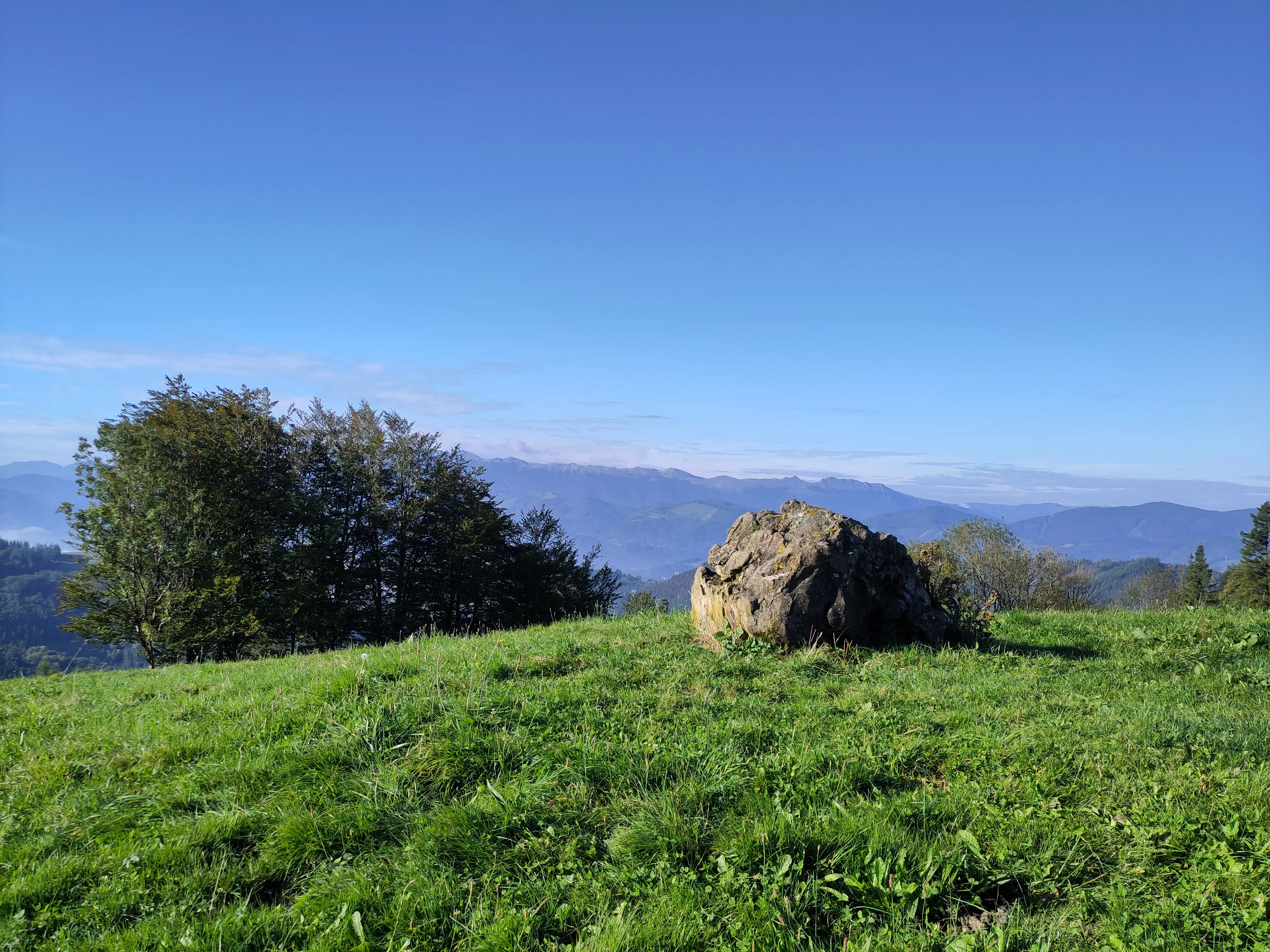
Stage 5: Beasain to Zegama
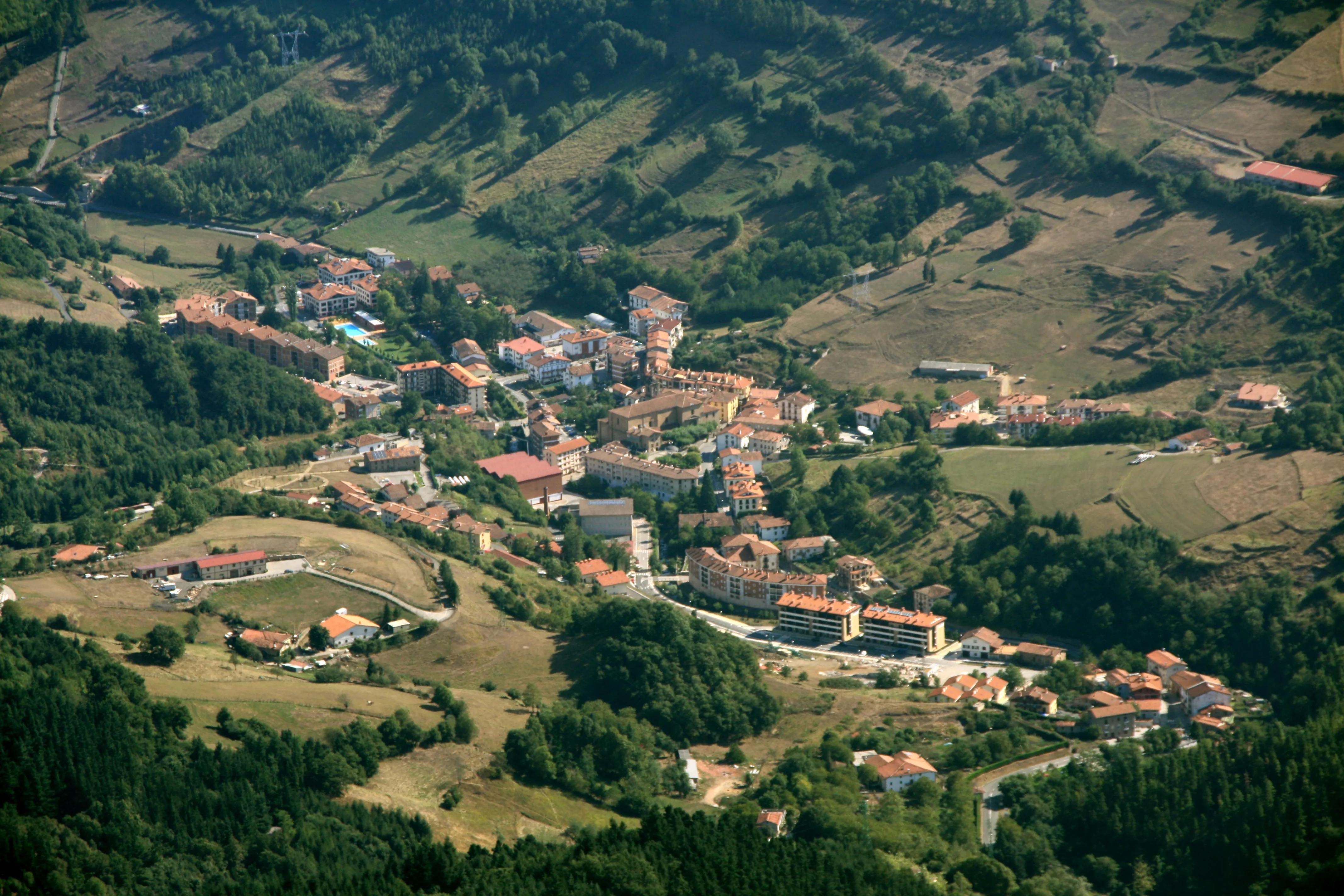
The Camino of Biscay by Bike
109.4 km
2
Media
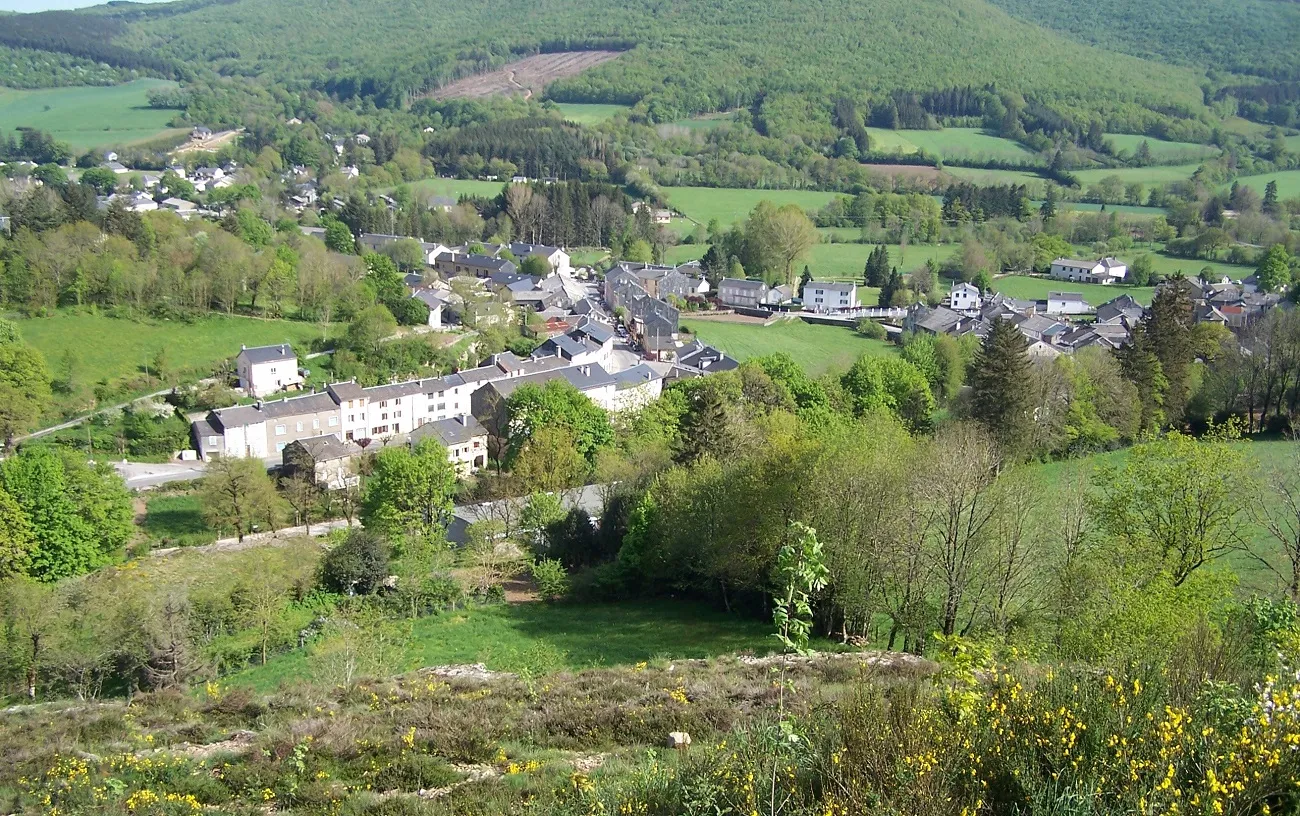
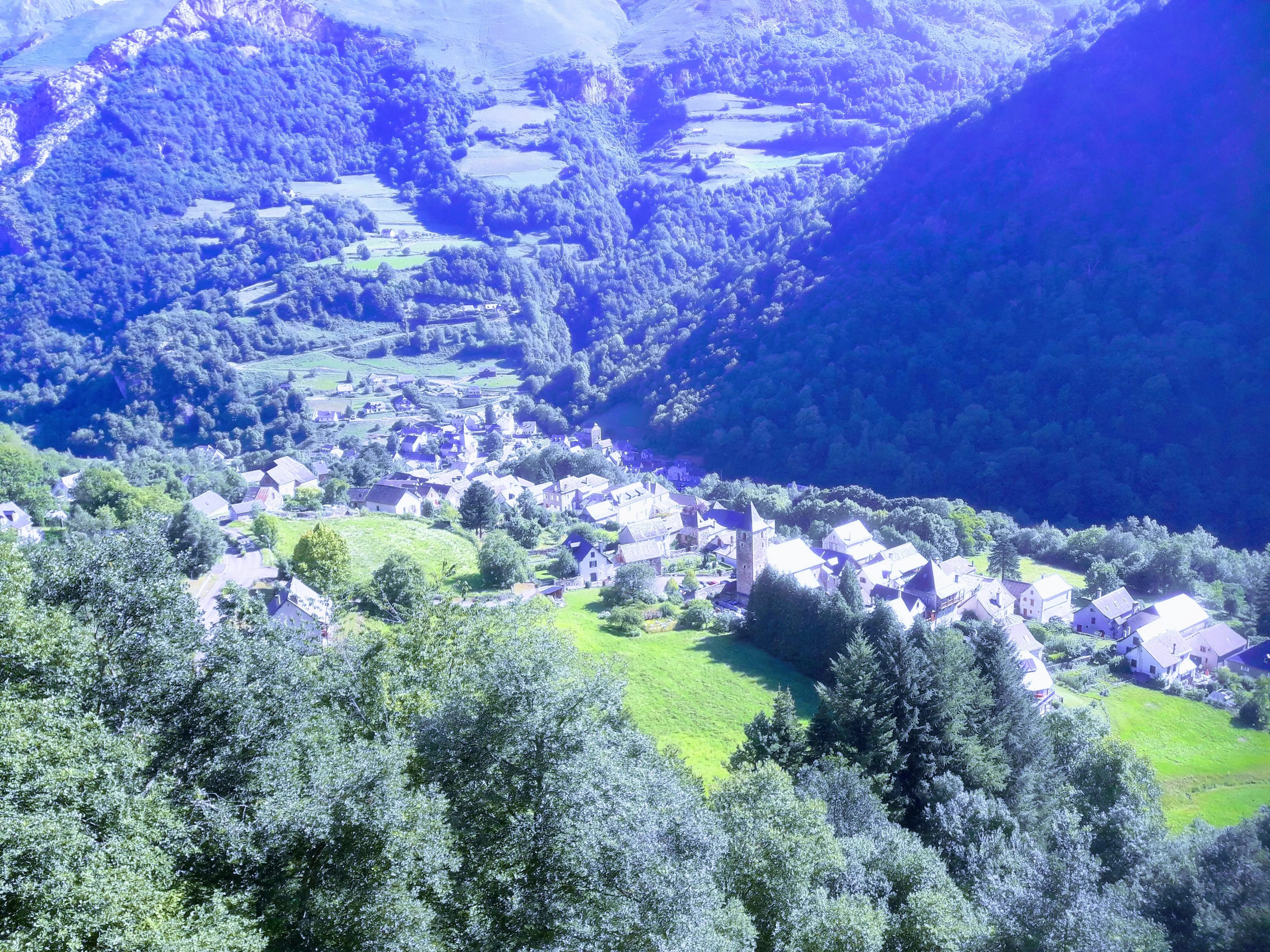
The Baztan Route by bike is a Pyrenean alternative to the classic start of the French Way. In 2 stages, this 109 km route offers a lower and more accessible passage through the lush Baztan Valley in Navarre. The route is filled with farmhouses, green meadows and forests, ideal for those seeking a more tranquil experience and contact with local culture. The terrain is undulating and requires a good bike, but the beauty of the landscape compensates for the effort before meeting up with the French Way.
Stages of this variant:
Stage 1: Bayonne to Elizabethon (Bicycle)
Stage 2: Elizondo to Pamplona (Bicycle)
Elevation Profile of
Elevation Profile of Way of Baztan
Visualize the ups and downs of the route.
Loading elevation profile...
Error loading elevation profile or altitude data not available.
Your trip with Ourway
Everything you need for your Camino
No hassle. Your perfect route, from start to finish.
Accommodation
Selected hotels and hostels at every stage
Luggage transfer
Your backpack travels from stage to stage
Camino Guide
Detailed map with directions and services
24h Support
Team available for any unforeseen event
Pilgrim credential
Official documentation included
No commitment
Free personalized consultation
Stages
Stages of Way of Baztan
Bayona → Souraïde
This stage is the sum of the mythical Route of the Hospitals, one of the most difficult and beautiful of the Primitive Way. It's a long traverse through high mountain, without services, that demands e...
Souraïde → Amaiur/Maya
This is a short and gentle stage that serves as an alternative to mountainous days. The route runs through a terrain of soft undulations, through a landscape of meadows and forests. It's a walk with n...
Amaiur/Maya → Berroeta
This stage continues in the west of Asturias, on a terrain of medium mountain. The profile is a continuous rise and fall, with the ascent to Alto de Lavadoira as the main difficulty. The landscape is ...
Berroeta → Olagüe
The last stage of the Camino Sanabrés is a short but emotionally charged journey. The route is a gentle stroll that descends into the valley of the Ulla River before tackling the final uphill climb on...
History
Millenary History of the Camino de Santiago: Origins and Evolution Way of Baztan
Discover the origins and evolution of Way of Baztan
Although the route through Roncesvalles became the main entry point for the Camino Francés, the Baztán Route had great importance in the first centuries of pilgrimage. Its main advantage was its altitude. While Roncesvalles requires overcoming almost 1,500 meters, the Baztán Way crosses the Pyrenean divide at much lower ports, such as Otsondo (around 600 meters) and Belate (around 850 meters). This difference was crucial in winter, when snow could block Roncesvalles for weeks, making the Baztán the only viable alternative for pilgrims coming from the Aquitaine region.
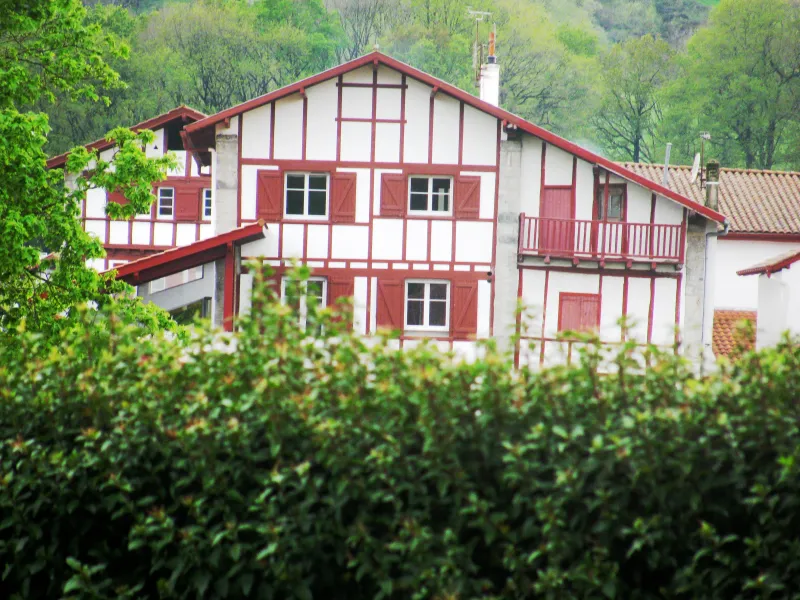
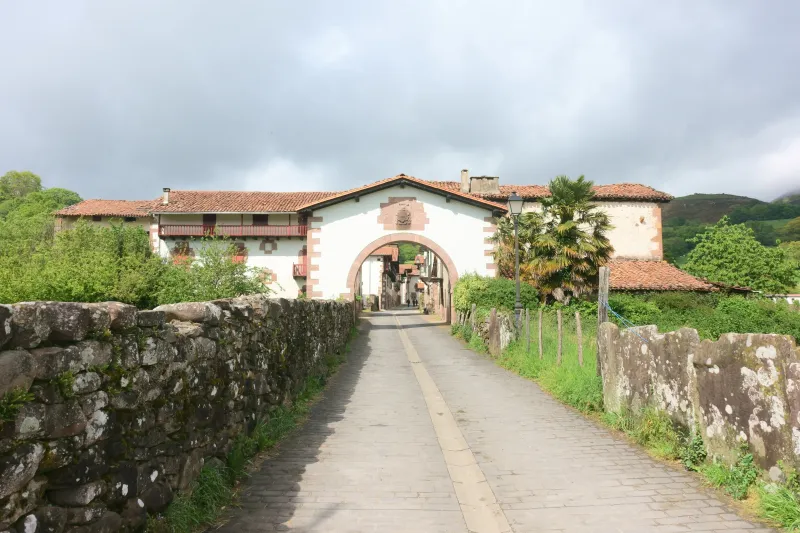
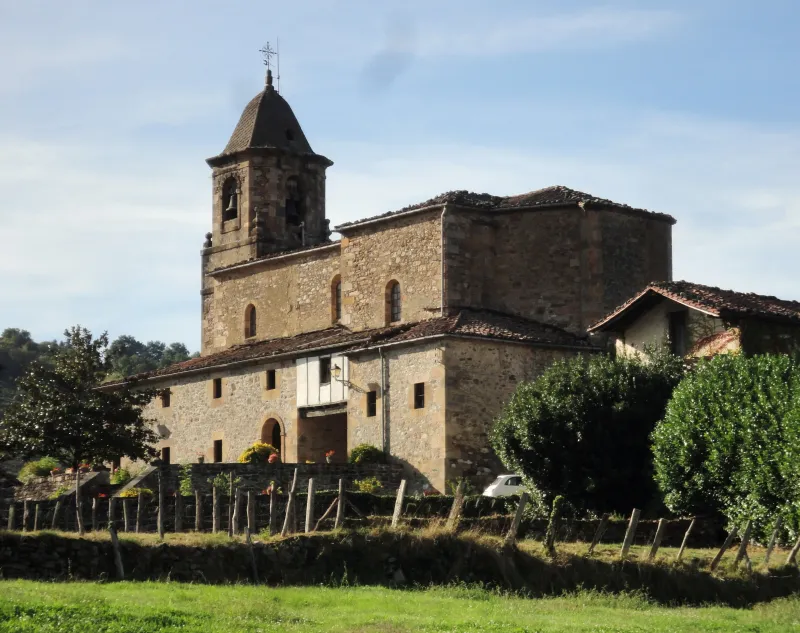
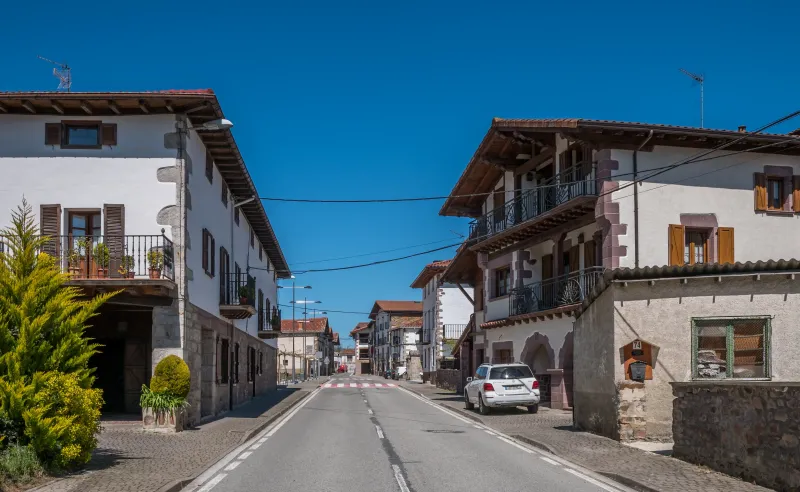
The traditional starting point is the medieval city of Bayonne, an important port and commercial center. From there, the route heads south and enters Navarre through the Dantxarinea neighborhood. Immediately, the pilgrim immerses themselves in the unique landscape of the Baztán Valley, the largest municipality in Navarre, known for its green meadows, oak and beech forests, and traditional stone-built houses with two-water roofs. A fundamental milestone on the early stages is the Monastery of San Salvador de Urdax. Founded in the 9th century by the premonstratensian order, it was an important center of power and hospitality, offering refuge and assistance to pilgrims who had just crossed the border.
The route traverses the valley passing through its main towns, such as Elizondo, the capital, until facing the last major obstacle: the Belate Pass. The importance of this passage in the Middle Ages is demonstrated by the foundation, in the 12th century, of a large pilgrim hospital at its summit, under the protection of Navarre's kings and managed by the Canons of Velate. Although only ruins remain today, their existence confirms the constant flow of walkers.
Once descended from the pass, the landscape changes and the route enters the drier valleys of Pamplona's basin. It passes through towns like Lantz, famous for its rural carnivals, and finally arrives at the Pamplona comarca, where it joins the Great Navarran Camino Francés (the one coming from Roncesvalles) in the localities of Arre or Villava, on the outskirts of the capital. At this point, pilgrims who have enjoyed the solitude and beauty of the Baztán merge with the bustling stream of walkers of the Camino Francés.
Restored and well-marked in recent years, the Baztán Way offers today an exceptional Jacobean experience. It is a shorter and less crowded route, ideal for those seeking to immerse themselves deeply in the culture and nature of the Basque Country and Navarre, following the footsteps of medieval pilgrims who chose the green gate to enter Spain.
We answer your questions
Frequently Asked Questions about Way of Baztan
How long does the Camino de Baztán take?
The Camino de Baztán, with a total distance of 108.4 km, can be completed in about 5 days. Ourway Travel offers personalized itineraries to ensure you enjoy every step.
What is the best time of year to walk the Camino de Baztán?
The best period to undertake the Camino de Baztán is between April and June, as well as in September and October. During these months, you can enjoy pleasant weather with temperatures ranging from 10°C to 25°C, offering a perfect combination of good weather and fewer crowds compared to summer.
What is the difficulty of the Camino de Baztán?
The Camino de Baztán has a moderate difficulty. It offers a mild challenge by crossing the Pyrenees through lower passes than Roncesvalles, allowing pilgrims to enjoy beautiful landscapes without facing extreme altitudes.
What is the cost of the Baztan Way trip with Ourway Travel?
The cost for the Baztan Way with Ourway Travel varies depending on your chosen options, such as accommodation and additional services. Our expert team will provide you with a personalized quote based on your specific needs and preferences.
What does Ourway Travel's service for the Camino de Baztán include?
Ourway Travel's service for the Camino de Baztán includes full reservation management, customized itinerary, advisory support and 24/7 customer care. Additionally, we provide detailed information about the route and practical tips to enhance your experience.
How does the Camino de Baztán compare to other northern routes?
The Camino de Baztán offers a shorter and less crowded alternative compared to other routes like the Camino del Norte. It traverses beautiful Pyrenean landscapes, providing a peaceful journey that allows one to enjoy the natural beauty and rich Navarrese culture.
Which should I choose between the Camino de Baztán or Roncesvalles?
Choose the Camino de Baztán if you are looking for a more peaceful experience with fewer crowds, and want to explore the natural charms of the Navarrese valley. In contrast, Roncesvalles is known for its mountainous challenge, offering an epic journey but with greater pilgrim traffic.
How do I obtain the pilgrim credential for the Baztan Way?
To get a pilgrim credential for the Baztan Way, you can request it at our office or when starting your journey with Ourway Travel. You may also acquire one at the Pilgrim's House in Bayonne before beginning the route.
Organize Your Camino
Ready for this adventure?
Way of Baztan