
Camino de Santiago
Vadiniense Route
The Vadinian Way links the Lebaniego Way (St. Toribio) with the French Way (Mansilla de las Mulas). A spectacular journey through the Picos de Europa and the Leónese mountains.
Organize your Vadiniense RouteOrigin
San Vicente de la BarqueraDestination
Mansilla de las MulasDistance
212.3 km
Days
10
Difficulty
High
Last updated: 21/05/2024
The Route
General Description of Vadiniense Route
Related Routes
Connections of Vadiniense Route
Camino Francés
779 km
33
Moderate
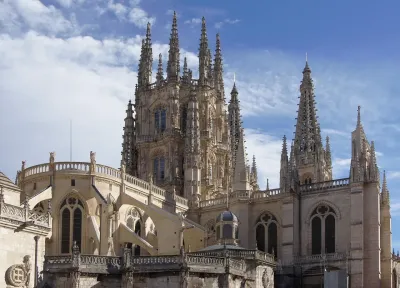
The Camino Francés is the pilgrimage route to Santiago par excellence, chosen by thousands of pilgrims every year. Running roughly 780 km from Saint-Jean-Pied-de-Port, or slightly less from Roncesvalles, it crosses northern Spain. This path, declared a World Heritage Site by UNESCO, offers an exceptional network of services and pilgrim hostels. Pilgrims make their way through Navarra, La Rioja, Castilla y León, and finally Galicia, marveling at cities rich in monuments such as Pamplona, Burgos, and León, and at villages with a charm of their own. The diversity of its scenery is one of its great draws, from the Pyrenees and the Castilian plains to the green forests of Galicia. It is a physical and spiritual journey that leaves an indelible mark, ideal both for seasoned pilgrims and for those setting out on the Camino de Santiago for the first time.
Stages of this variant:
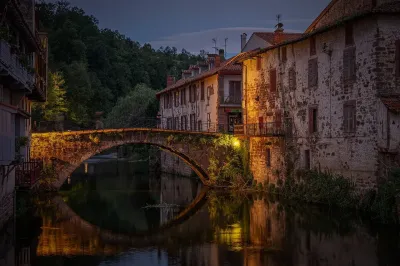
Stage 1: Saint-Jean-Pied-de-Port to Roncesvalles
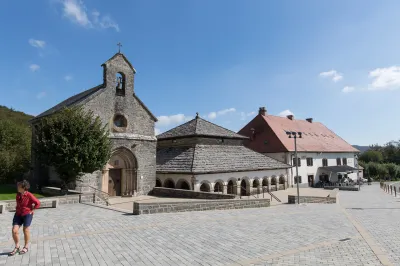
Stage 2: Roncesvalles to Zubiri
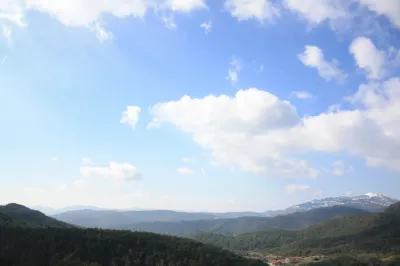
Stage 3: Zubiri to Pamplona
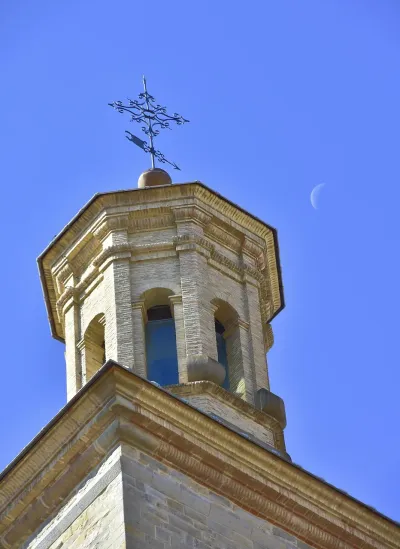
Stage 4: Pamplona to Puente la Reina
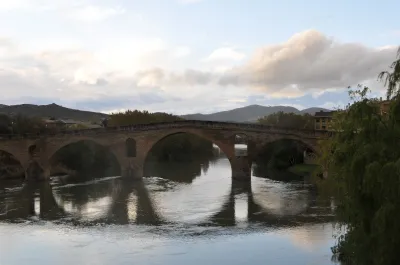
Stage 5: Puente la Reina to Estella
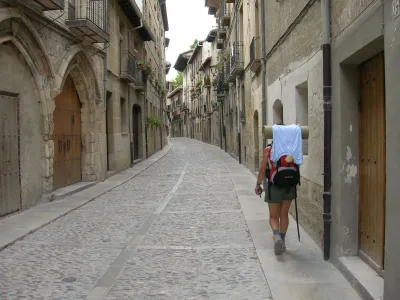
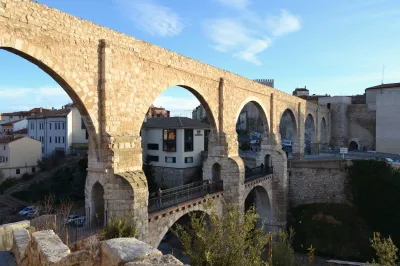
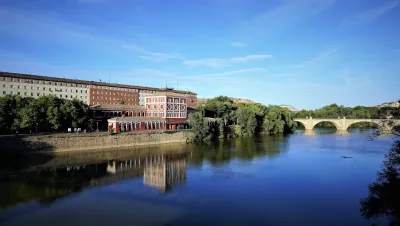
Camino Lebaniego
72 km
3
Media
The Lebaniego Way leads to the Monastery of Santo Toribio de Liébana, one of the five holy sites of Christendom with a Jubilee Year. This monastery safeguards the Holy Cross, the largest piece considered to be from the cross of Christ. The main route, approximately 72 km long, begins in San Vicente de la Barquera and traverses beautiful valleys and mountains, with the Picos de Europa as its backdrop.
Although it does not lead directly to Santiago, many pilgrims undertake it as a pilgrimage in itself or as a precursor, connecting afterwards with the French Way through the Vadiniense Route. It is a moderately difficult path with great spirituality.
Stages of this variant:
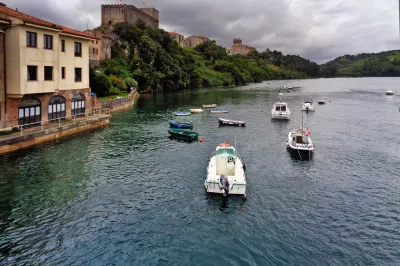
Stage 1: San Vicente de la Barquera to Cades
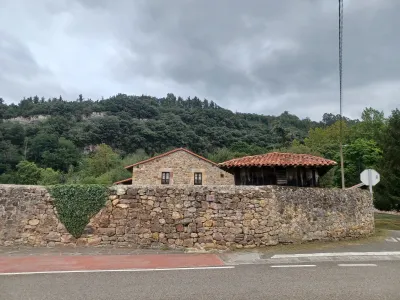
Stage 2: Cades to Cabañes
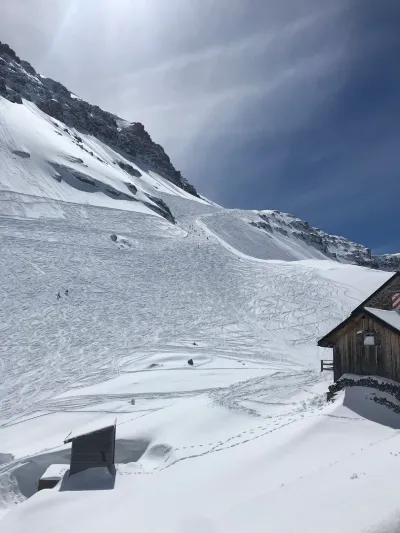
Stage 3: Cabañes to Santo Toribio de Liébana
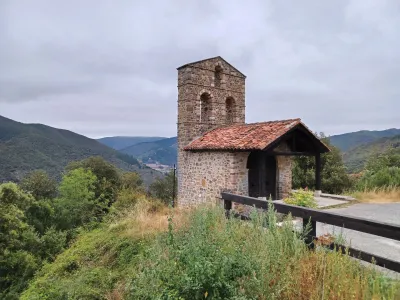
Stage 4: Monasterio de Santo Toribio de Liébana to Potes
Camino Lebaniego Castellano
227 km
9
Media
The Lebaniego Castellano Way is a 227 km historical route that leads to the Santo Toribio of Liébana Monastery from Palencia. It passes through the Palentine province in a northerly direction, entering the Palentine Mountains before crossing into Cantabria.
This route offers a different perspective on Lebonese pilgrimage, covering landscapes of the meseta, river valleys and the slopes of the Cantabrian Range. It is a less-traveled path with limited infrastructure, requiring good planning but allowing for discovery of rich Romanesque heritage and enjoying rural Castilian tranquility.
Stages of this variant:
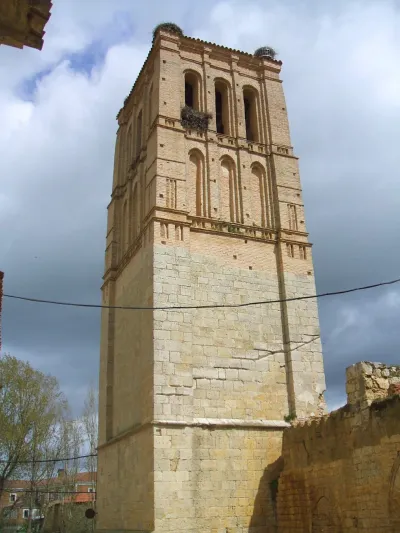
Stage 1: Palencia to Amayuelas de Abajo
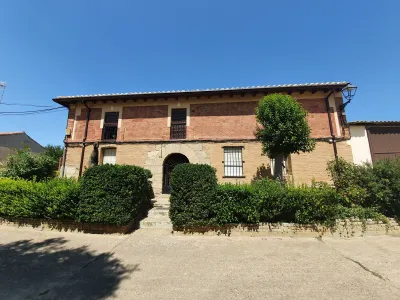
Stage 2: Amayuelas de Abajo to Frómista
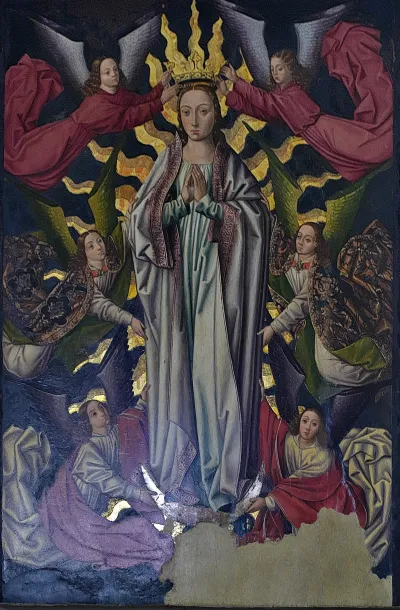
Stage 3: Frómista to Osorno la Mayor
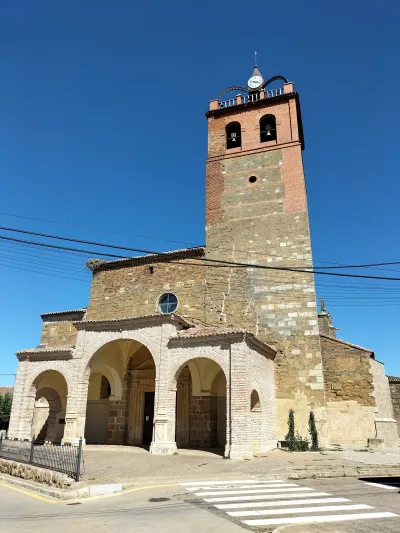
Stage 4: Osorno la Mayor to Herrera de Pisuerga
Stage 5: Herrera de Pisuerga to Perazancas de Ojeda
Your trip with Ourway
Everything you need for your Camino
No hassle. Your perfect route, from start to finish.
Accommodation
Selected hotels and hostels at every stage
Luggage transfer
Your backpack travels from stage to stage
Camino Guide
Detailed map with directions and services
24h Support
Team available for any unforeseen event
Pilgrim credential
Official documentation included
No commitment
Free personalized consultation
Walk this route with us
Fancy walking this route?
We don't have a ready-made package for this route yet, but we'll organise it around you. Tell us how you'd like to experience it and a specialist will reply within 24 h.
Request your proposalStages
Stages of Vadiniense Route
San Vicente de la Barquera → Cades
This is the first stage of the Ruta Vadiniense, which connects the North Way with the Lebaniego and French ways. Leaving behind the beautiful maritime scene of San Vicente de la Barquera, the path ent...
Cades → Cicera
This stage of the Ruta Vadiniense is a mountain day that ventures into the Hermida Gorge, one of the longest gorges in the Iberian Peninsula, carved by the Deva River. The route is spectacular, with s...
Cicera → Potes
This stage brings the pilgrim to the heart of Liébana and its capital, Potes. It is a mountainous journey with an demanding profile, which includes the ascent to Collado de Arceón. The route runs thro...
Potes → Espinama
This stage is an immersion in the Picos de Europa National Park. Leaving Potes, the path ascends gently through Camaleño valley, following the course of the Deva river. It's a day of great landscape b...
Portilla de la Reina → Riaño
This stage is a spectacular ride through the Riaño Mountain, in the province of León. The profile is undulating, with an initial ascent to Pandetrave Pass. The route runs through a high mountain lands...
Towns
Featured Towns of Vadiniense Route
Explore the key towns and cities of this route.

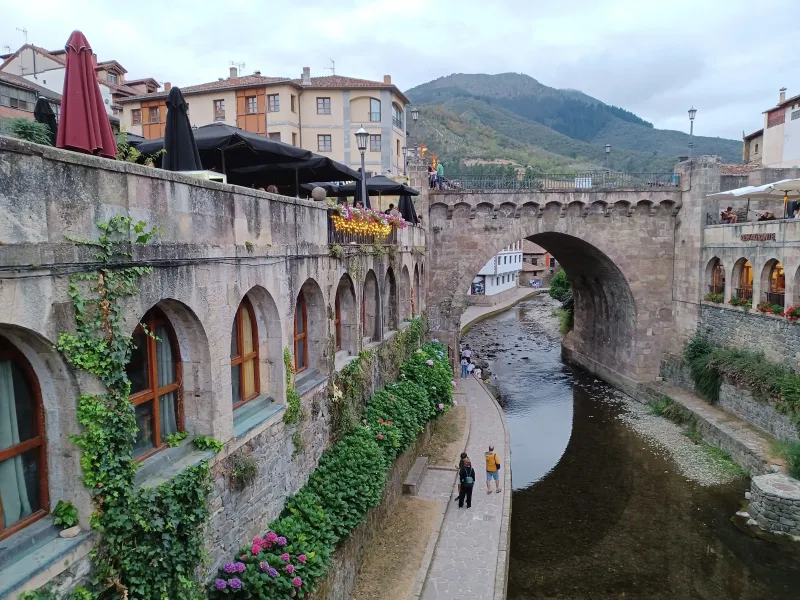
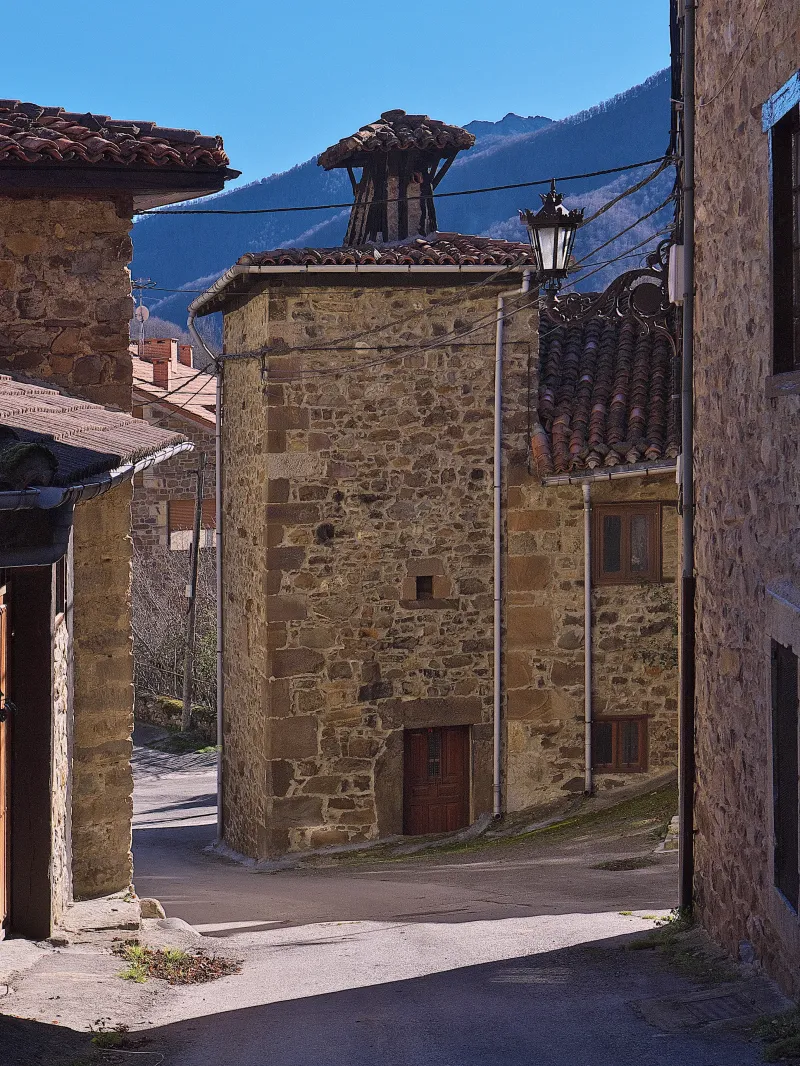
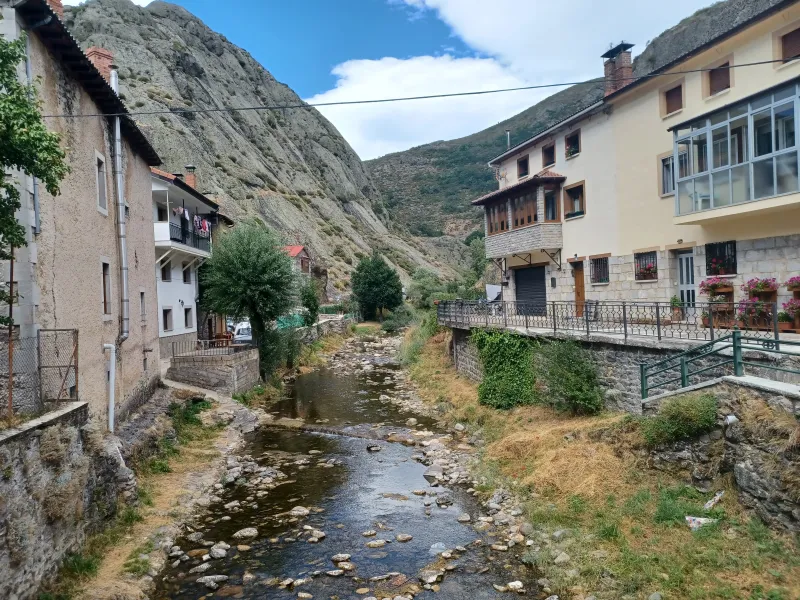
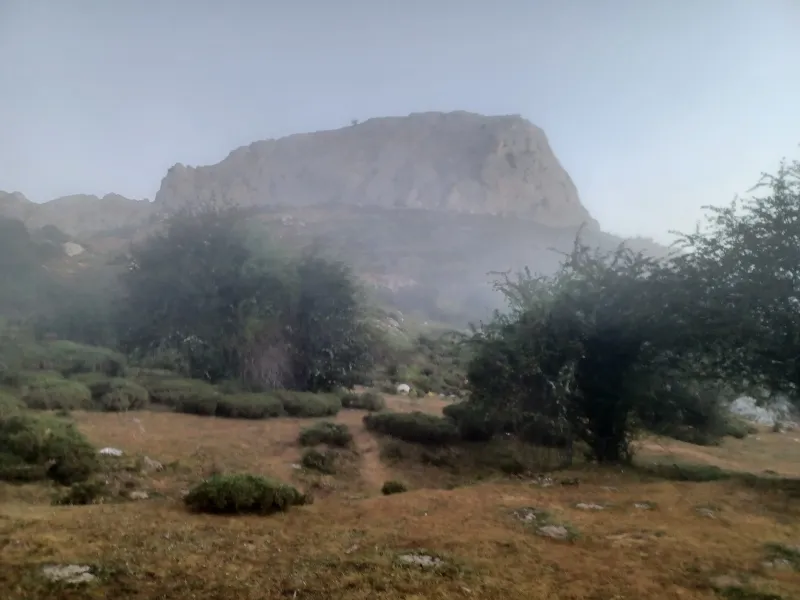
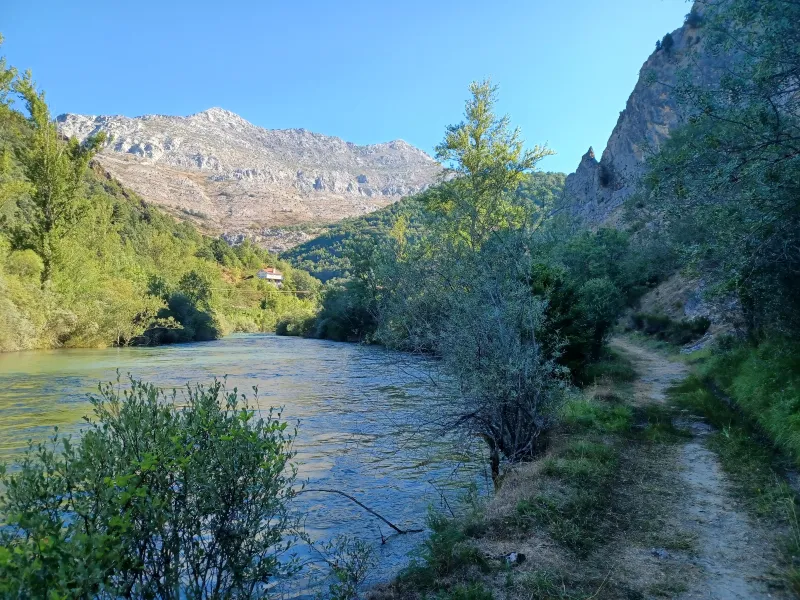
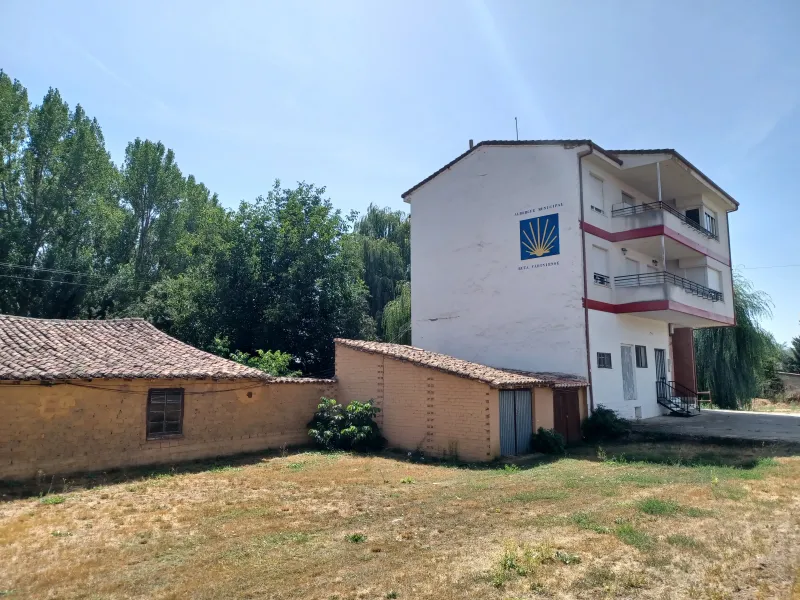
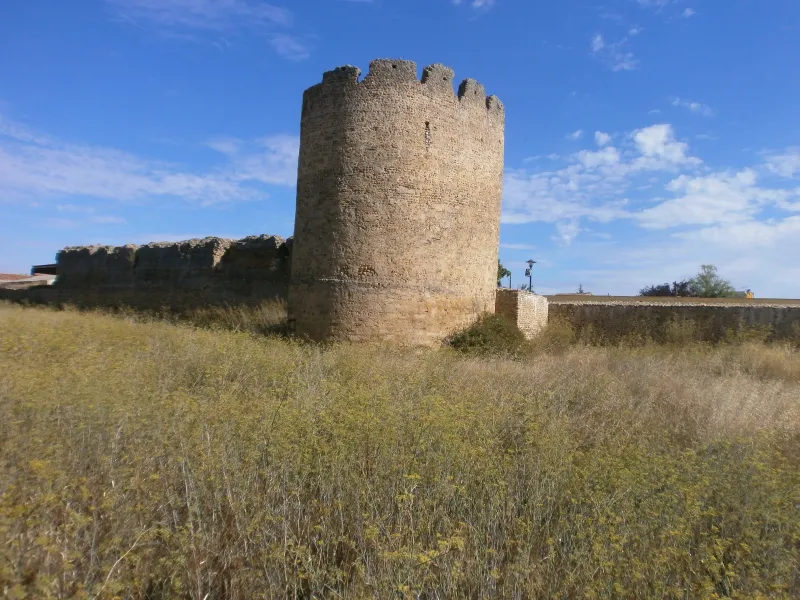
History
Millenary History of the Camino de Santiago: Origins and Evolution Vadiniense Route
Discover the origins and evolution of Vadiniense Route
The origin and reason for the Vadiniense Way lie in the extraordinary importance of Santo Toribio de Liébana. This monastery, nestled in the heart of the Picos de Europa, has since the 8th century custodyed the relic of the Holy Cross, the piece considered to be the largest preserved fragment of Christ's cross. This relic made Liébana a potent focus of pilgrimage, one of the five holy sites of Christianity with the privilege of celebrating an Age of Jubilee forever. Thousands of pilgrims, known as "crucenos", would journey to Liébana to venerate the sacred wood.
Many of these pilgrims, once they had fulfilled their devotion in Liébana, felt the desire to continue their journey westward, towards the tomb of the Apostle Santiago. The Vadiniense Way was born as a logical response to this need. Instead of returning to the coast to follow the North Route, this route offered a more direct path south and west, crossing the Cantabrian Mountains to link up with the great artery of European pilgrimage: the Camino Francés.
The trail begins in Potes, Liébana's capital, and immediately faces the majesty of the Picos de Europa. It is an exigent route, not suitable for any traveler. Its medieval route, which utilized ancient communication routes and shepherd passes, ascends to mountain peaks like Pandetrave before descending into the spectacular Valdeón valley, now in the province of León. Continuing south, it passes through the new Riaño (the original town was submerged by a dam in 1987, adding a layer of nostalgia to the landscape) and follows the eastern Leonesa mountains.
Although it lacks the abundant documentation of the Camino Francés, its historical use is attested by the local geography, toponymy, and the existence of pilgrim hospitals at key points along the route, such as Portilla de la Reina, which offered refuge to travelers in an often hostile environment. It was not only a route of faith but also a significant commercial and transhumant route that connected Cantabrian lands with the Meseta castellana.
After approximately 150 kilometers, the Vadiniense Way reaches its goal, converging with the Camino Francés in Mansilla de las Mulas, very close to León. In this point, solitary pilgrims coming from Liébana's mountains joined the river of travelers flowing from France to share their final journeys towards Santiago. The modern revival of this itinerary has rescued one of the most beautiful and wild traverses of the Camino network, offering contemporary pilgrims the possibility of living two pilgrimages in a single journey, connecting devotion to the Cross with that of the Apostle.
We answer your questions
Frequently Asked Questions about Vadiniense Route
How many kilometers and how many days does the Ruta Vadiniense take to reach Santiago de Compostela?
The Ruta Vadiniense is a historical route connecting the Monastery of Santo Toribio de Liébana with the Camino Francés, covering a total distance of 212.3 kilometers and requiring approximately 10 days to complete in its entirety.
What is the difficulty level of the Ruta Vadiniense?
The Ruta Vadiniense is characterized by a high difficulty due to its steep elevation changes and solitary stretches, recommended for experienced pilgrims with a great passion for nature.
What is the best time of year to do the Via Francigena Route?
The best period to undertake the Camino de Santiago Ruta Vadiniense, considering weather conditions and pilgrim numbers, is from April to June and September to October. During these months, you can enjoy pleasant weather without extreme temperatures or overcrowded accommodations.
What is the cost of undertaking the Via Francigena with Ourway Travel and what does the service include?
The cost for undertaking the Via Francigena through Ourway Travel varies depending on the level of comfort chosen. The average package includes accommodation in selected hostels, luggage transfer between stages, and continuous assistance during the journey.
How can I reserve my spot for the Vadiniense Route with Ourway Travel?
To reserve your place on the Vadiniense Route through Ourway Travel, simply fill out our online reservation form or contact our customer service team directly. Our experts will help you customize your experience and ensure a quick confirmation process.
What is the difference between doing the Camino Francés and the Vadiniense Route?
While the Camino Francés is a well-known and busy route, characterized by its cultural diversity and monuments, the Vadiniense Route offers a less crowded but equally challenging journey through the Picos de Europa and Leonese mountains. This historical path connects two important pilgrimage sites: Santo Toribio de Liébana and the Camino Francés.
Which is the better option between Ruta Vadiniense and Camino del Norte for an experienced pilgrim?
Both routes offer unique experiences for seasoned pilgrims. If you are looking for physical challenges and a deep historical connection, the Ruta Vadiniense might be ideal due to its difficulty and less-traveled sections. However, if you prefer a rich cultural journey with varied sea views and historic coastal cities, the Camino del Norte would be an excellent choice.
Where can I get a pilgrim's credential and how is my backpack transported during the Vadiniense Way?
You can obtain your pilgrim’s credential at any tourist office or pilgrim hostel along the route. At Ourway Travel, we handle all aspects of your reservation process for you and provide detailed information on collecting your credential. We also take care of transporting your luggage between stages so that you can fully enjoy your journey.
Organize Your Camino
Ready for this adventure?
Vadiniense Route