
Camino de Santiago
The North Cycle Route
Cycled along the Cantabrian Sea in the North Way. A spectacular cycling route of 14 stages that combines cliffs, beaches and green mountains of northern Spain.
Organize your The North Cycle RouteLast updated: 09/08/2025
The Route
General Description of The North Cycle Route
Related Routes
Connections of The North Cycle Route
North Coast Path
855.4 km
38
High
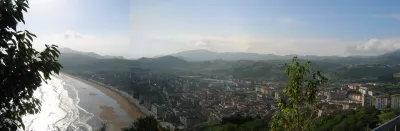
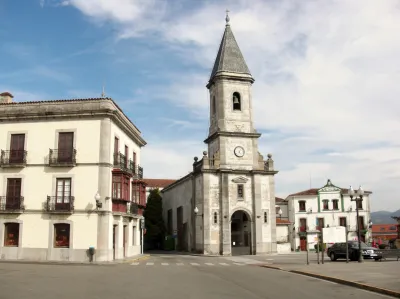
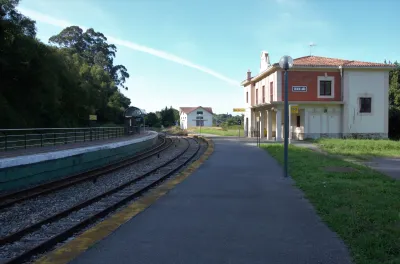
The North Way is one of the longest and most beautiful Jacobean routes. It covers the entire Cantabrian coast of Spain from Irún (Basque Country) to Arzúa (Galicia), where it joins the French Way. With a distance of 855 km, it passes through the Basque Country, Cantabria, Asturias and Galicia.
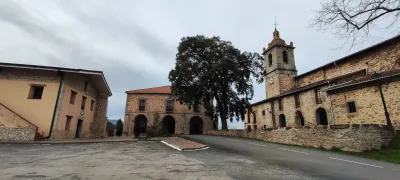
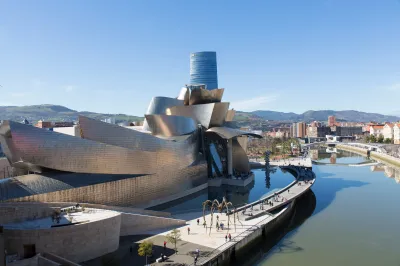
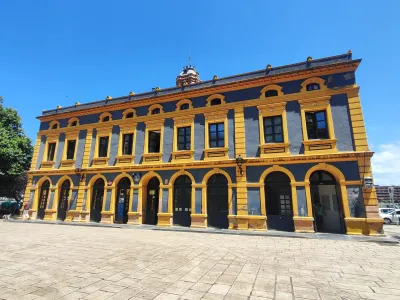
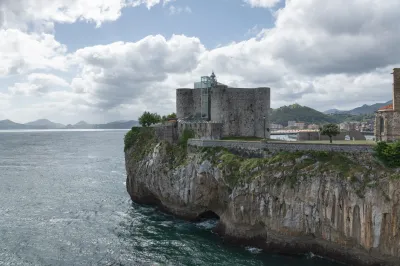
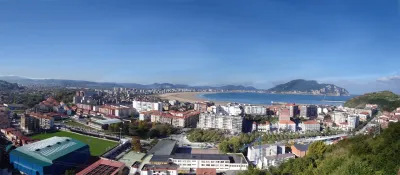
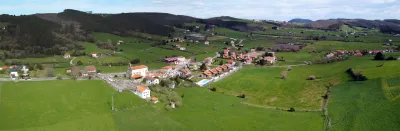
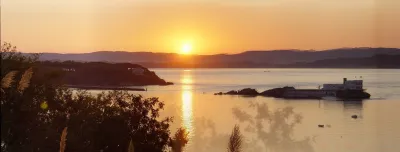
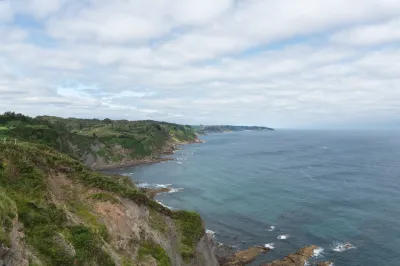
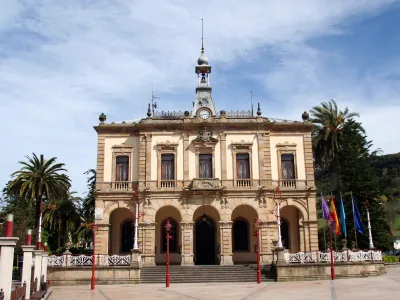
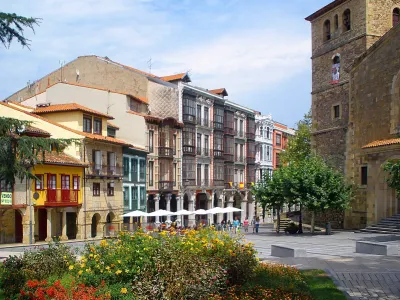
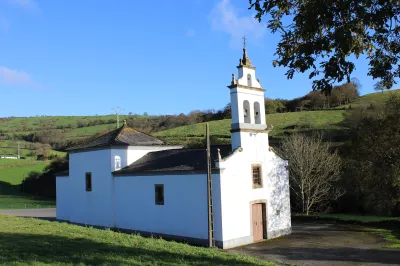
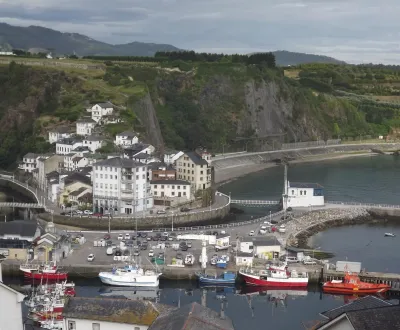
It offers an incredible combination of coastal landscapes with impressive beaches and cliffs, and mountain trails with green valleys. It is an demanding but very rewarding route that passes by cities such as San Sebastián, Bilbao and Santander. Its rich gastronomy and cultural heritage are among its greatest attractions.
Stages of this variant:
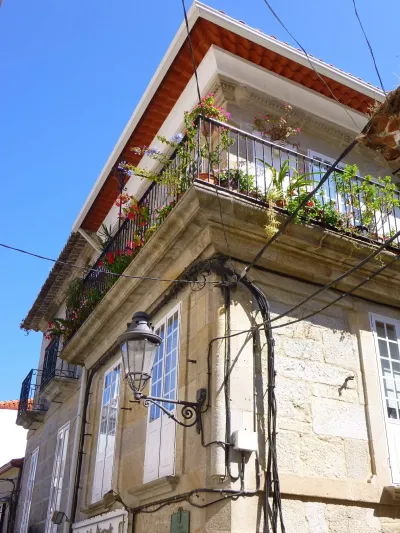
Stage 1: Bayona to Saint-Jean-de-Luz
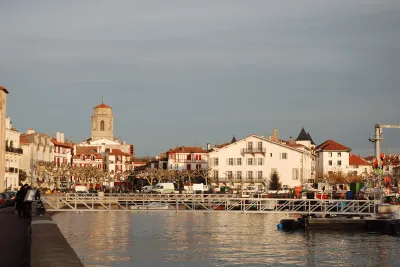
Stage 2: Saint-Jean-de-Luz to Irún
Stage 3: Irún to San Sebastián
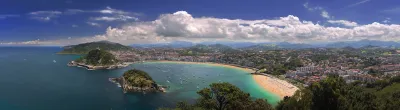
Stage 4: San Sebastián to Zarautz
Stage 5: Zarautz to Deba
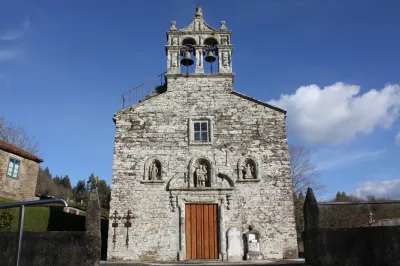
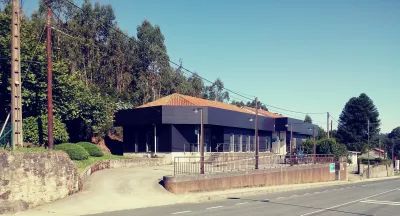
Lebanon Way
72 km
3
Media
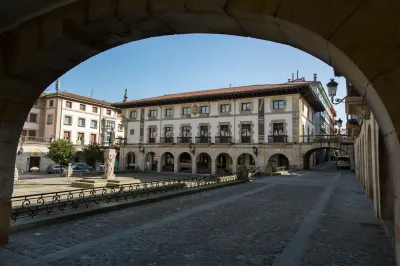
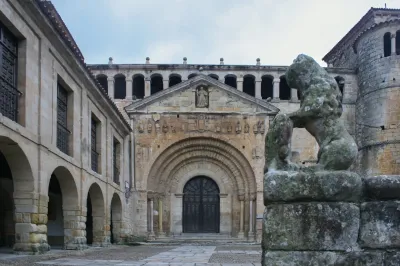
The Lebaniego Way leads to the Monastery of Santo Toribio de Liébana, one of the five holy sites of Christendom with a Jubilee Year. This monastery safeguards the Holy Cross, the largest piece considered to be from the cross of Christ. The main route, approximately 72 km long, begins in San Vicente de la Barquera and traverses beautiful valleys and mountains, with the Picos de Europa as its backdrop.
Although it does not lead directly to Santiago, many pilgrims undertake it as a pilgrimage in itself or as a precursor, connecting afterwards with the French Way through the Vadiniense Route. It is a moderately difficult path with great spirituality.
Stages of this variant:
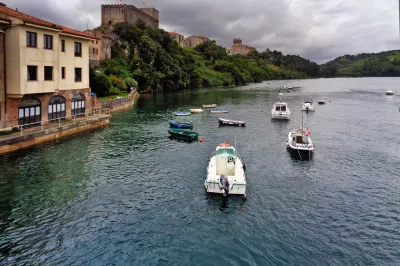
Stage 1: San Vicente de la Barquera to Cades
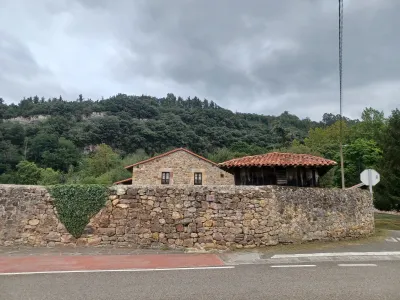
Stage 2: Cades to Cabañes
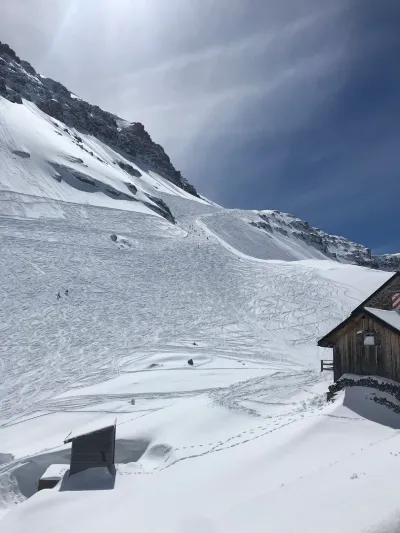
Stage 3: Cabañes to Santo Toribio de Liébana
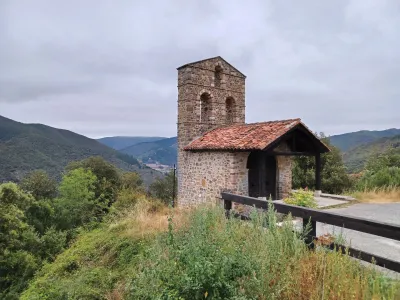
Stage 4: Monasterio de Santo Toribio de Liébana to Potes
Elevation Profile of
Elevation Profile of The North Cycle Route
Visualize the ups and downs of the route.
Loading elevation profile...
Error loading elevation profile or altitude data not available.
Your trip with Ourway
Everything you need for your Camino
No hassle. Your perfect route, from start to finish.
Accommodation
Selected hotels and hostels at every stage
Luggage transfer
Your backpack travels from stage to stage
Camino Guide
Detailed map with directions and services
24h Support
Team available for any unforeseen event
Pilgrim credential
Official documentation included
No commitment
Free personalized consultation
Stages
Stages of The North Cycle Route
Irún → Zarautz
First cycling stage of the Camino del Norte from the border. The 47 km link Irun with Zarautz passing through San Sebastian and the spectacular scenery of the coast of Gipuzkoa. The route combines gre...
Zarautz → Markina-Xemein
Cycling stage along the coast of Gipuzkoa and entry into Bizkaia. The 70 km link Zarautz with Markina-Xemein passing through Getaria, Zumaia (with the famous flysch of the Basque Coast), Deba and the ...
Markina-Xemein → Bilbao
This stage follows the course of the Esla River on a flat and pleasant route. It's a day to enjoy the riverine landscape and the tranquility of the road. The arrival in Benavente, a city with a rich h...
Bilbao → Castro Urdiales
Leaving behind the monumental Benavente, this stage enters into the valley of the River Tera. The route is an enjoyable stroll through flat terrain, between fields of cultivation. It's a day to enjoy ...
Castro Urdiales → Laredo
This long stage enters the Carballeda region. The route is a continuous rise and fall through a landscape of forests and hills. It's a day of great beauty and physical demand. Arrival in Mombuey, a vi...
Towns
Featured Towns of The North Cycle Route
Explore the key towns and cities of this route.
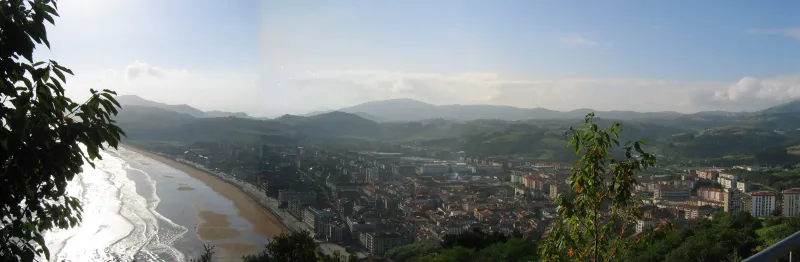
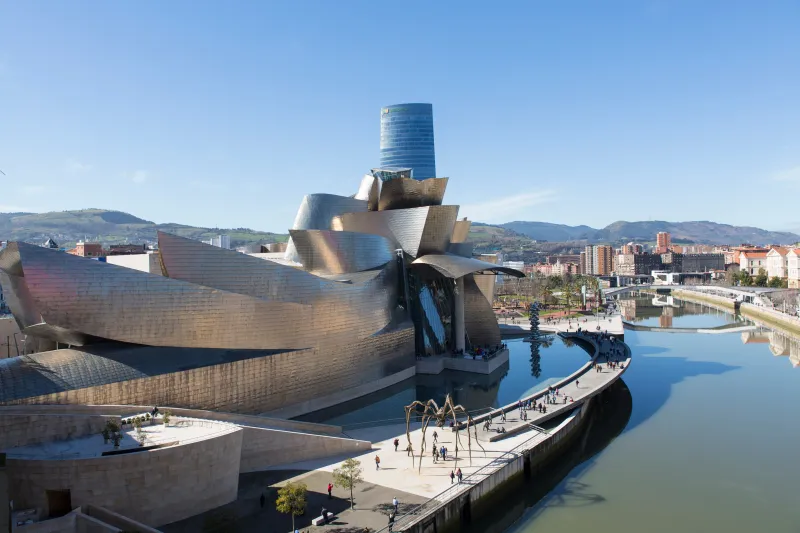
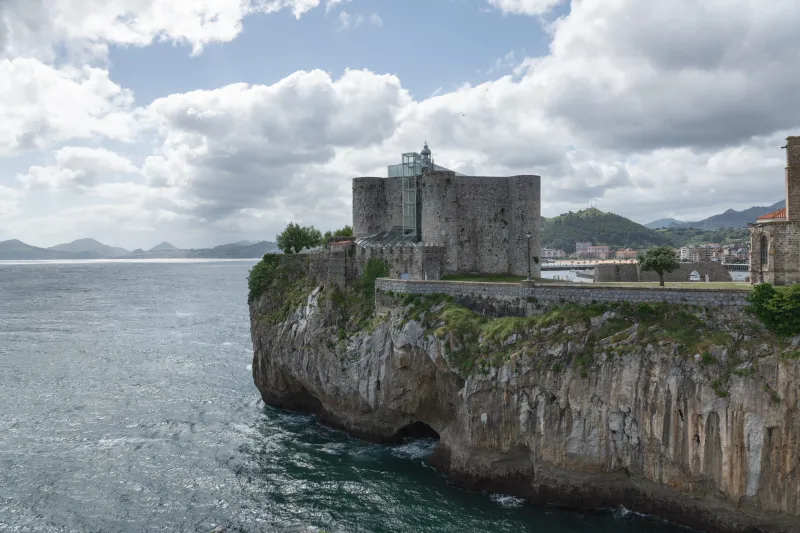
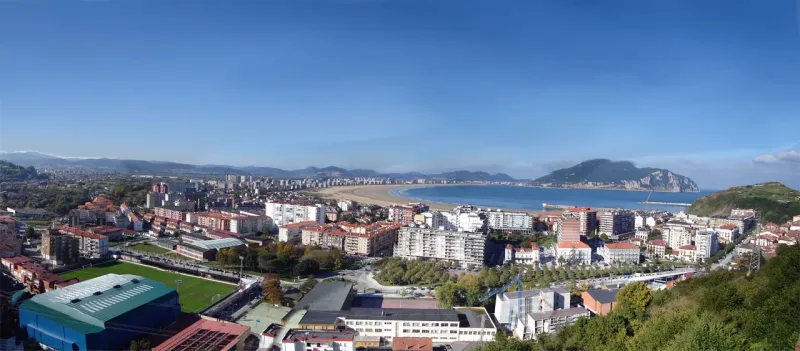
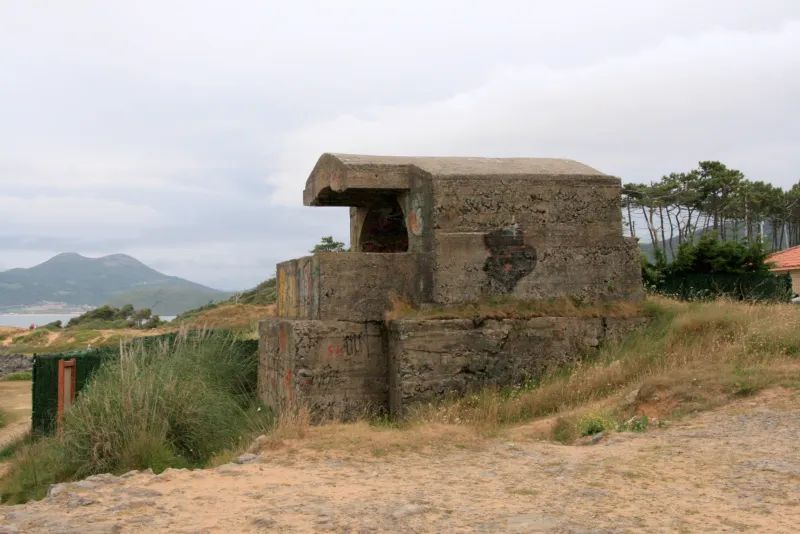
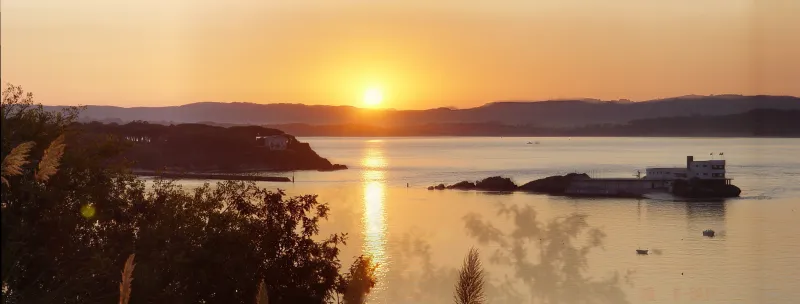
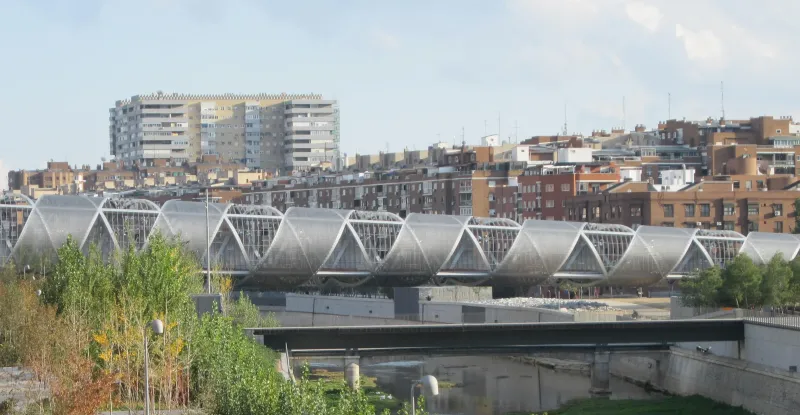
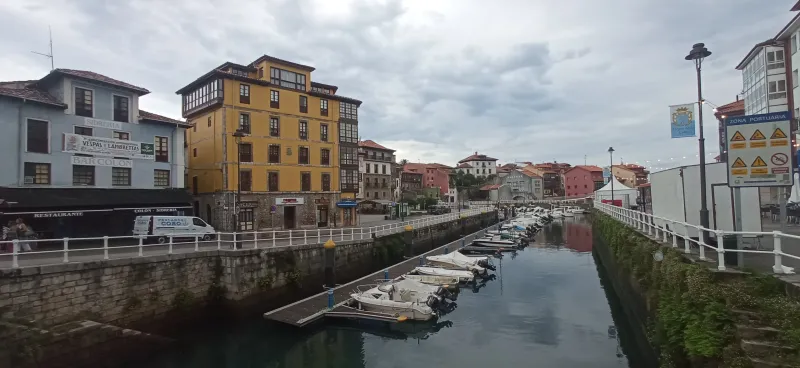
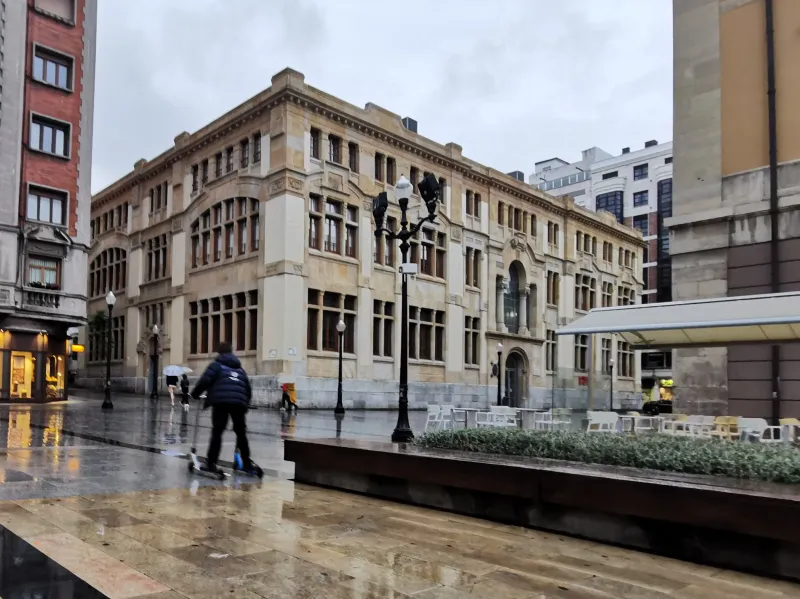
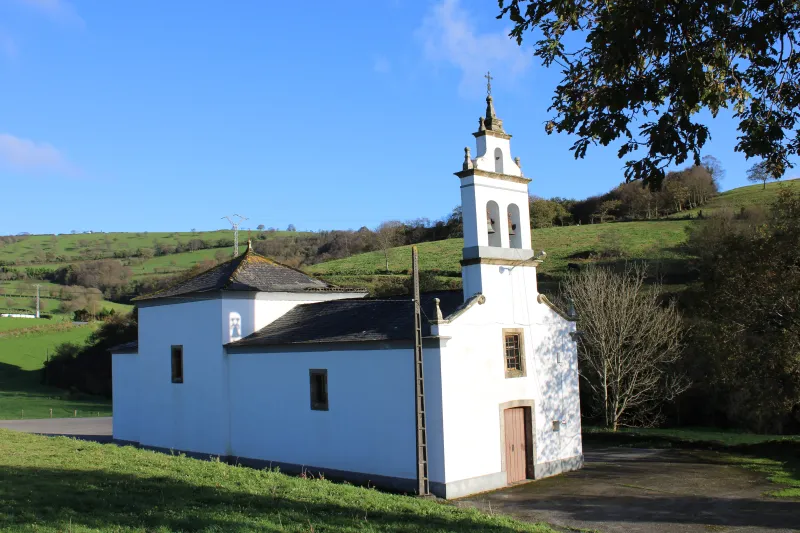
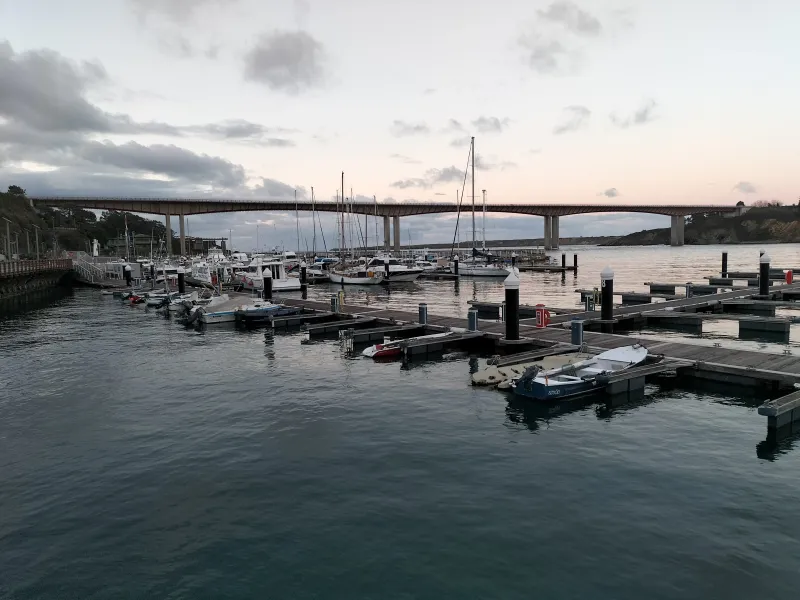
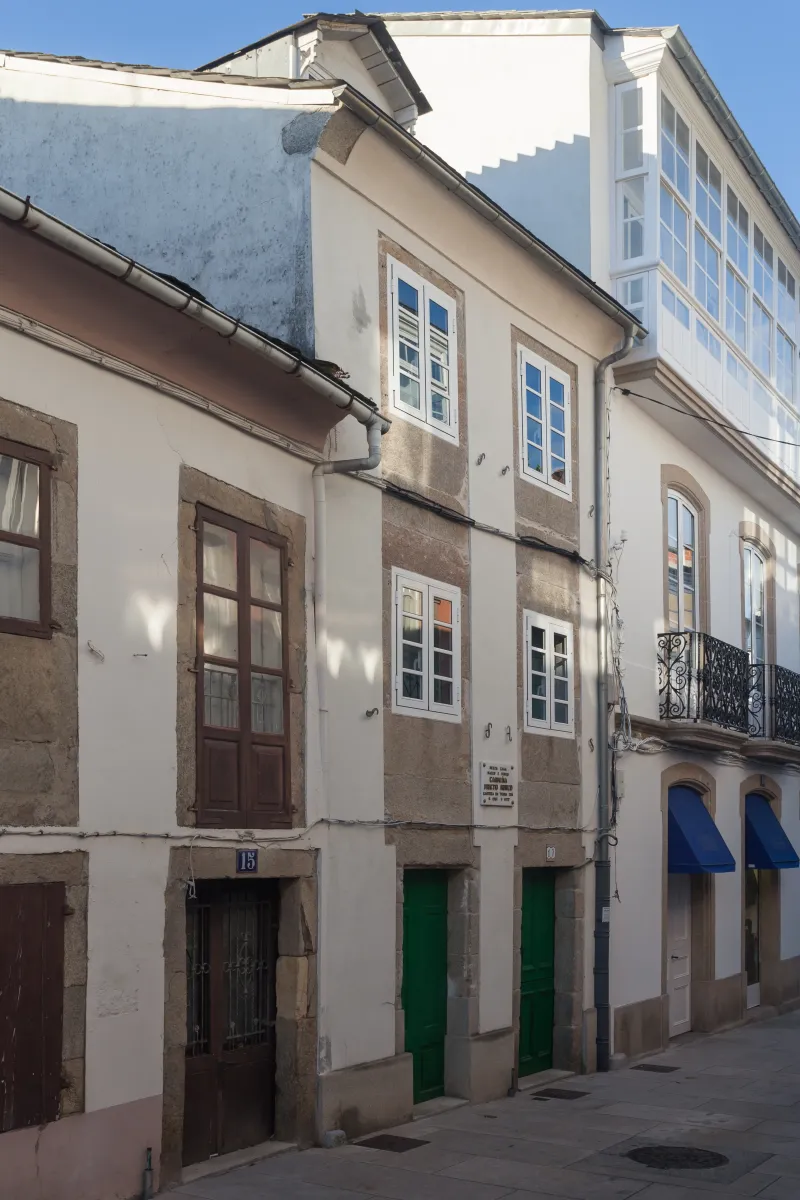
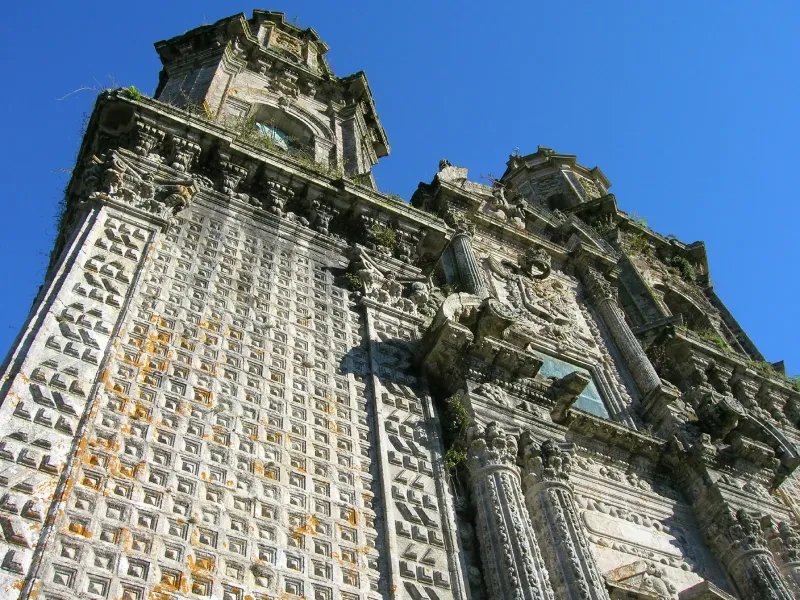
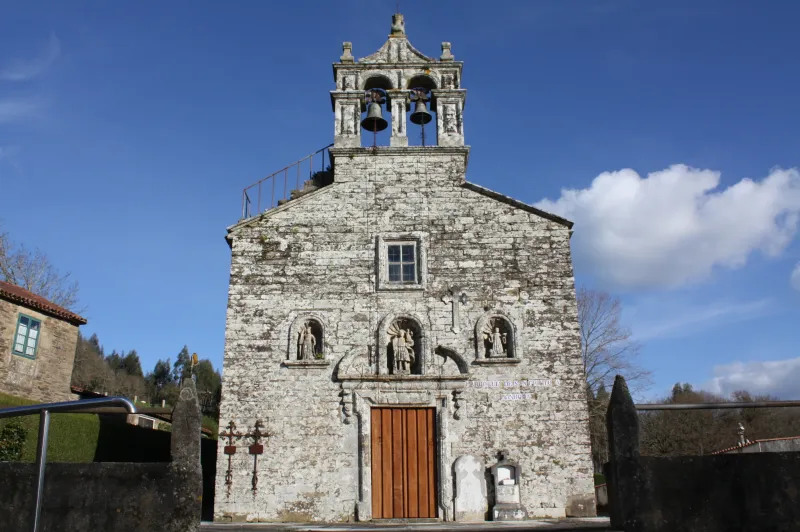
History
Millenary History of the Camino de Santiago: Origins and Evolution The North Cycle Route
Discover the origins and evolution of The North Cycle Route
The original North Way, one of the first and safest medieval routes, was always known for its difficulty. Its profile, a constant up and down to save rivers and valleys that plummet into the sea, made it a formidable challenge for walkers. This same characteristic kept it out of the Jacobean cycling route, which preferred the plains of the French Way. However, with improvements in mountain bikes and "touring" bicycles, and with an increasing number of cyclists seeking more authentic and scenic routes, the North Way became a coveted goal.
The adaptation of the itinerary for biking has been an organic process. The pedestrian path original, often narrow, technical and muddy, is not always suitable for two wheels. Therefore, the route for "bicigrinos" has consolidated variants that take advantage of local roads with little traffic, such as the N-634 which follows in parallel to the coast, and rural paths wider. The history of this adaptation is finding the perfect balance between cycleability, safety, and faithfulness to the historical route and the sea views.
Riding the North Way by bike is an experience of extraordinary visual intensity. The speed of the bicycle allows the pilgrim to cover in a single day the transition of landscapes, from green hills and cliffs in the Basque Country to Cantabrian beaches, coastal towns in Asturias and the entry into Galicia through the Lucense coast. It also allows for the freedom to make small detours to gaze at a spectacular viewpoint, descend into a hidden cove or visit a fishing port, greatly enriching the journey.
However, it is an error to underestimate its difficulty. It is one of the most challenging bike routes in Spain. The cyclist faces a cumulative brutal slope, with sections especially in Asturias known for their short but explosive slopes that test anyone's endurance. Requires excellent physical fitness, a robust bicycle and good logistical planning, as the distance between services can be greater than on the French Way.
The history of the North Way by bike is ultimately a story of overcoming. It is a modern tribute to the resistance of medieval pilgrims, translating their slow walking into a long-distance cycling effort of great endurance. This route has been chosen by those who not only want to reach Santiago but also immerse themselves in the full force and beauty of Green Spain, with the Cantabrian coast as an inseparable companion through fatigue and joy.
We answer your questions
Frequently Asked Questions about The North Cycle Route
How many kilometers and days does the Northern Way by Bike route take?
The Northern Way by Bike route spans a total distance of 814.7 km and is estimated to take approximately 14 days to complete, offering a significant physical challenge due to its difficulty.
What does booking the Northern Route by Bicycle with Ourway Travel include?
With Ourway Travel, your reservation includes guaranteed accommodation in hostels or hotels, detailed maps and a personalized itinerary. We also provide weather information and tips for physical preparation.
Which is the best time of year to undertake the Northern Way by bicycle?
The best period for cycling the Northern Way is from April to June and September until October. During these times, you can enjoy favorable weather conditions and a lower number of pilgrims.
How does the difficulty of the Northern Way by Bike compare to that of the French Way?
The Northern Way is significantly more challenging than the French Way due to its mountainous terrain and constant changes in elevation. It requires superior physical preparation, especially for cyclists.
What does it cost to do the Northern Way by Bike with Ourway Travel?
The exact cost of the Northern Way bike package varies depending on the start date and accommodation options. With Ourway, you can get a personalized quote by calling our reservations team.
Which is the better option between the Northern Way by Bike and the Primitivo Route?
The Northern Way offers a more coastal experience with views of the Cantabrian Sea, while the Primitivo route is greener and mountainous. The choice depends on your preference for coast or mountains.
How do you manage the pilgrim credential for the Northern Way by Bicycle?
To obtain your credential, you can request it directly from Ourway Travel when making your reservation. The credential is important to receive discounts at hostels and to certify your journey.
How is the backpack transported during the Northern Way by Bicycle?
Ourway Travel offers a luggage transfer service between stages, allowing you to carry only what's necessary for your daily travels. This enhances your pilgrimage experience.
Organize Your Camino
Ready for this adventure?
The North Cycle Route
Walk this route with us
Fancy walking this route?
We don't have a ready-made package for this route yet, but we'll organise it around you. Tell us how you'd like to experience it and a specialist will reply within 24 h.
Request your proposal