
Camino de Santiago
North Coast Path
Walks the North Way, a spectacular Jacobean route bordering the Cantabrian coast from San Sebastián to Galicia, an unforgettable journey between sea and mountain.
Organize your North Coast PathLast updated: 21/05/2025
The Route
General Description of North Coast Path
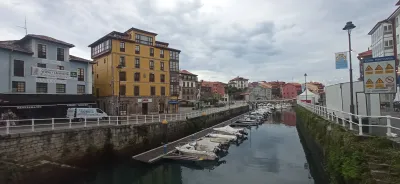
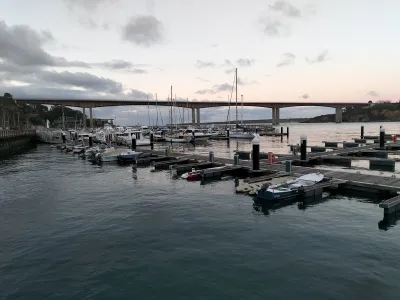
It offers an incredible combination of coastal landscapes with impressive beaches and cliffs, and mountain trails with green valleys. It is an demanding but very rewarding route that passes by cities such as San Sebastián, Bilbao and Santander. Its rich gastronomy and cultural heritage are among its greatest attractions.
Related Routes
Connections of North Coast Path
The North Cycle Route
814.7 km
14
High
The Camino del Norte by bike is a visually impressive experience that covers over 800 km along the coast. Over 14 stages, it passes through the Basque Country, Cantabria, Asturias and Galicia, offering constant contrasts between sea and mountain. The "bicigrino" will enjoy coastal stretches with views of cliffs and wild beaches. The terrain is demanding and rugged, with frequent ups and downs, so a good physical preparation is recommended.
Stages of this variant:
Stage 1: Irun to Zarautz (By bike)
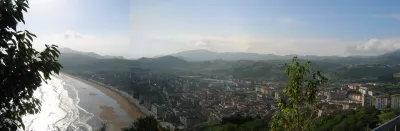
Stage 2: Zarautz to Markina-Xemein (By bike)
Stage 3: Markina-Xemein to Bilbao (By bike)
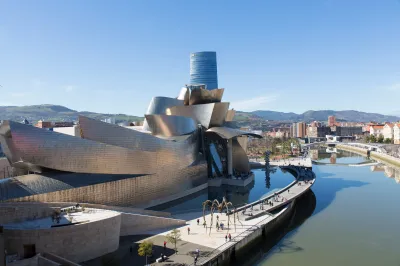
Stage 4: Bilbao to Castro Urdiales (By bike)
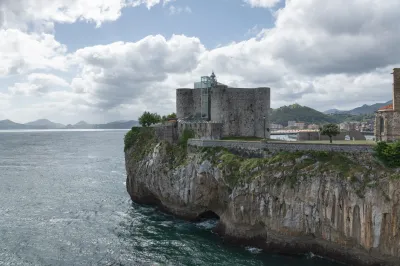
Stage 5: Castro Urdiales to Laredo (By bike)
Lebanon Way
72 km
3
Media
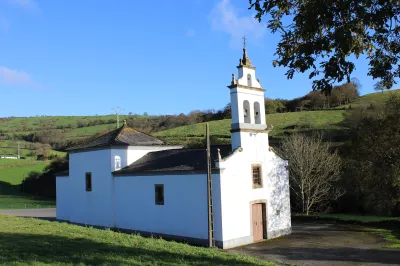
The Lebaniego Way leads to the Monastery of Santo Toribio de Liébana, one of the five holy sites of Christendom with a Jubilee Year. This monastery safeguards the Holy Cross, the largest piece considered to be from the cross of Christ. The main route, approximately 72 km long, begins in San Vicente de la Barquera and traverses beautiful valleys and mountains, with the Picos de Europa as its backdrop.
Although it does not lead directly to Santiago, many pilgrims undertake it as a pilgrimage in itself or as a precursor, connecting afterwards with the French Way through the Vadiniense Route. It is a moderately difficult path with great spirituality.
Stages of this variant:
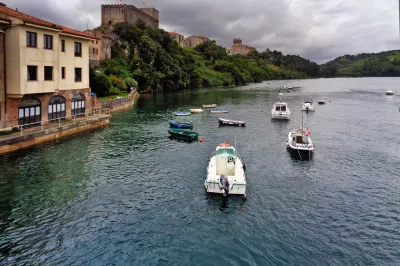
Stage 1: San Vicente de la Barquera to Cades
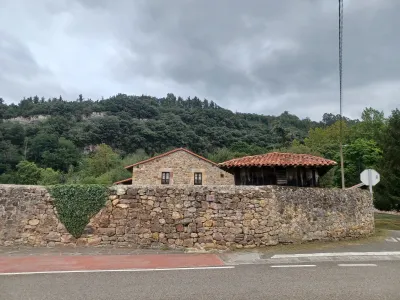
Stage 2: Cades to Cabañes
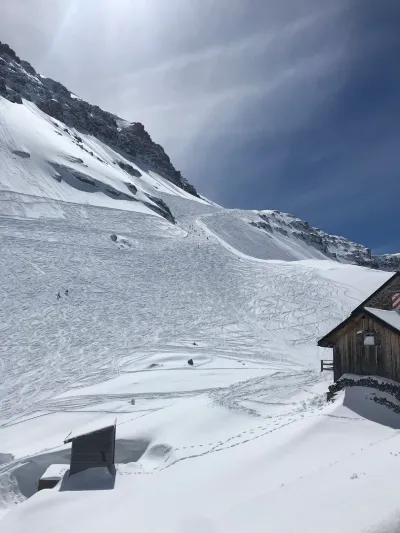
Stage 3: Cabañes to Santo Toribio de Liébana
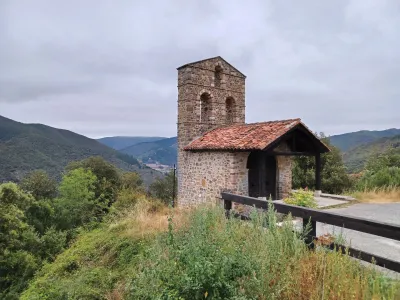
Stage 4: Monasterio de Santo Toribio de Liébana to Potes
The Primitive Way
321 km
14
High
Considered the first Jacobean itinerary, the Primitive Way was the route taken by King Alfonso II the Chaste in the 9th century to visit the Apostle's tomb. Starting from Oviedo, this demanding 321 km trail ventures into Asturias and Lugo mountains until it joins the French Way in Melide.
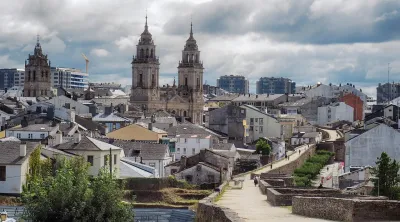
Known for its hardness due to constant inclines, but rewarding pilgrims with breathtaking landscapes, native forests, and a lower crowd, allowing for a more introspective experience. It passes through charming localities such as Tineo and Lugo, whose Roman wall is UNESCO World Heritage Site. It's the perfect option for those seeking a physical challenge and a deep connection to the origins of the Way and nature.
Stages of this variant:
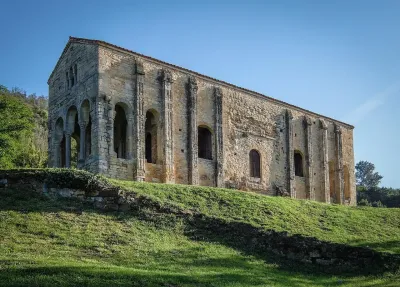
Stage 1: Oviedo to Grado
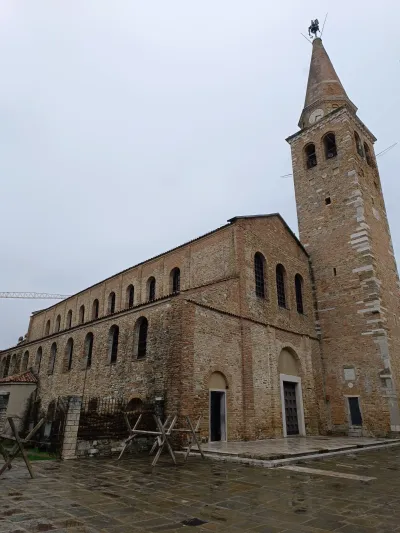
Stage 2: Grado to Salas
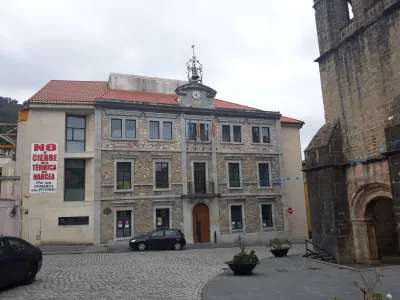
Stage 3: Salas to Tineo
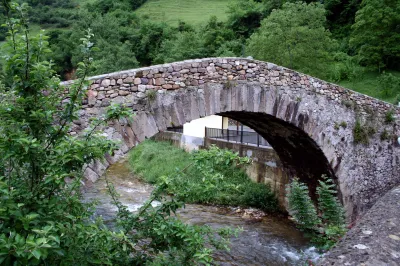
Stage 4: Tineo to Borres / La Espina
Stage 5: Borres to Berducedo
Elevation Profile of
Elevation Profile of North Coast Path
Visualize the ups and downs of the route.
Loading elevation profile...
Error loading elevation profile or altitude data not available.
Your trip with Ourway
Everything you need for your Camino
No hassle. Your perfect route, from start to finish.
Accommodation
Selected hotels and hostels at every stage
Luggage transfer
Your backpack travels from stage to stage
Camino Guide
Detailed map with directions and services
24h Support
Team available for any unforeseen event
Pilgrim credential
Official documentation included
No commitment
Free personalized consultation
Stages
Stages of North Coast Path
Bayona → Saint-Jean-de-Luz
First day of the Camino del Norte for those starting in France. The stage starts in Bayonne (Baiona in Basque), the historic capital of the French Basque Country, and follows the Basque coastline thro...
Saint-Jean-de-Luz → Irún
Border stage crossing from the French Basque Country to the Spanish Basque Country. From Saint-Jean-de-Luz, the road momentarily moves away from the coast to pass through Ciboure and Urrugne, and begi...
Irún → San Sebastián
One of the most spectacular stages of the entire Northern Way. From Irun, the route ascends to Mount Jaizkibel, a natural vantage point 525 m above the Bay of Biscay with views of the French coast, th...
San Sebastián → Zarautz
Coastal stage with two main options. The official one crosses Mount Igueldo from San Sebastian and continues inland to Orio, crossing the valley of the river that bears its name, before climbing a fin...
Zarautz → Deba
Coastal transition stage with several spectacular viewpoints over the cliffs of the flysch of the Basque Coast, declared Geopark by UNESCO. The route leaves Zarautz and advances through Getaria, Zumai...
Deba → Markina-Xemein
First stage of the Northern Way inland, leaving the coast to enter the rural valleys of Bizkaia. From Deba begins a continuous and demanding ascent through oak and beech forests to the hermitage of Ca...
Towns
Featured Towns of North Coast Path
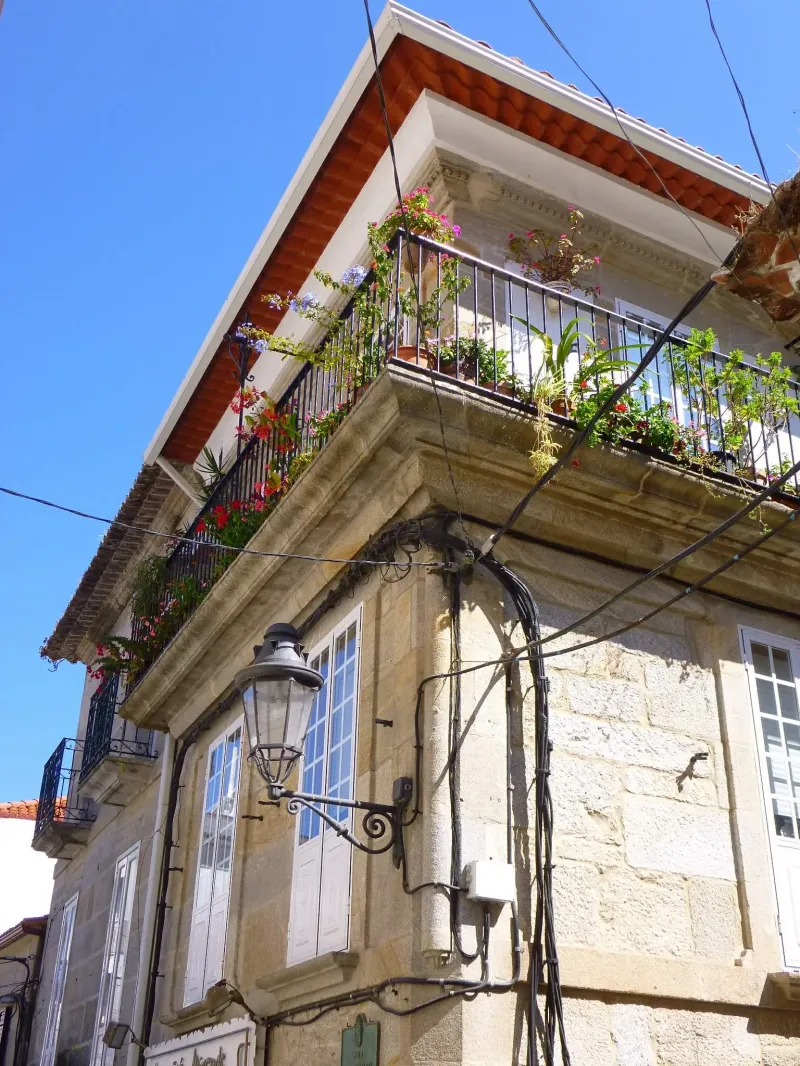
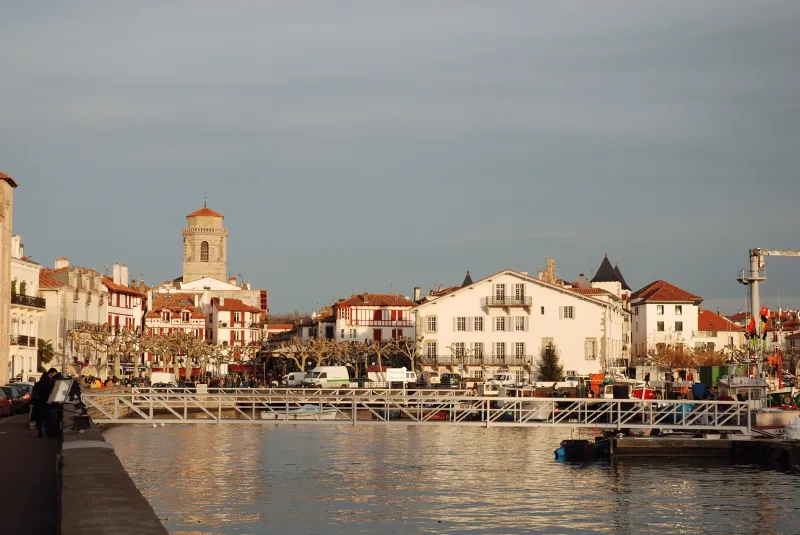
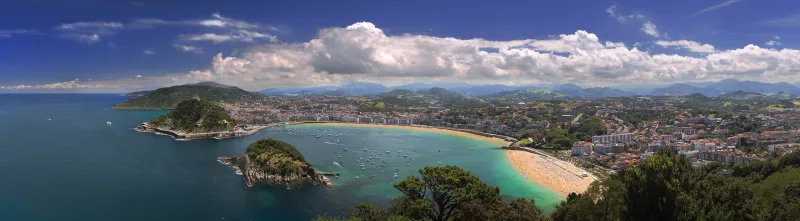
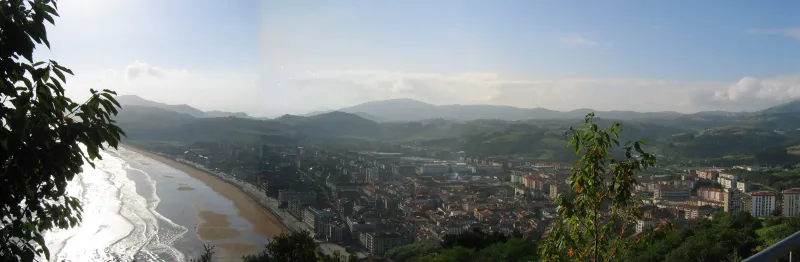
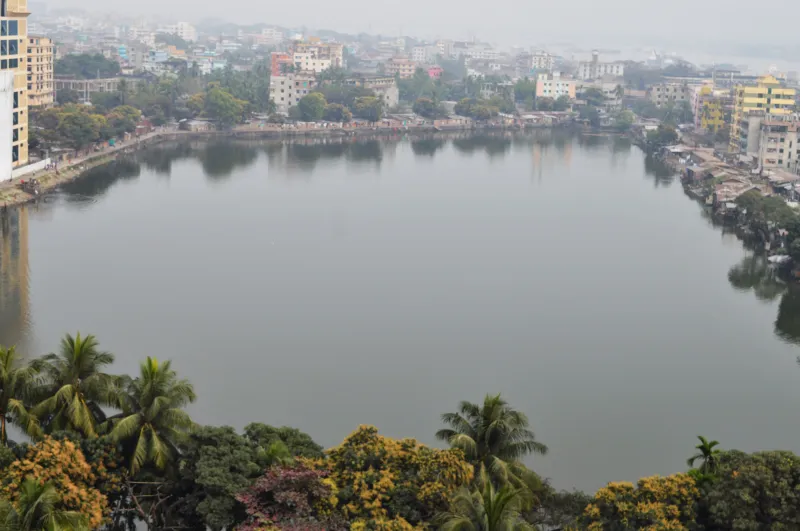
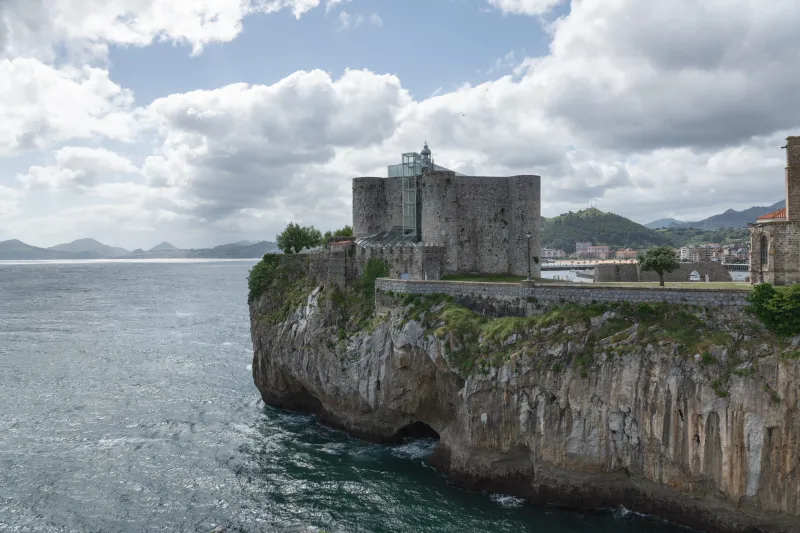
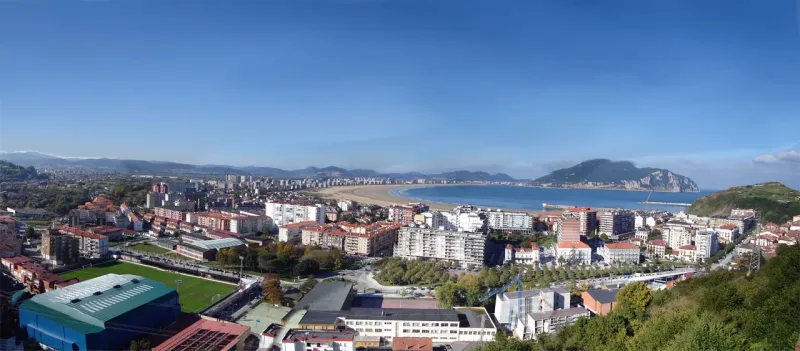
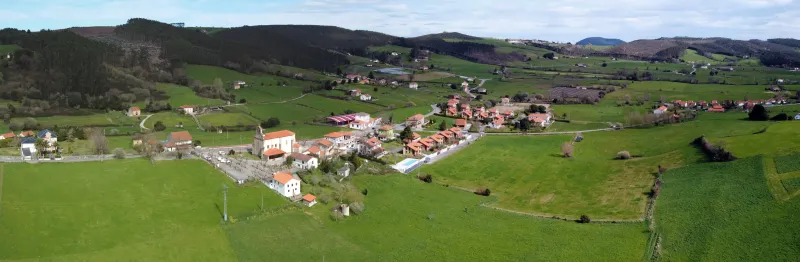
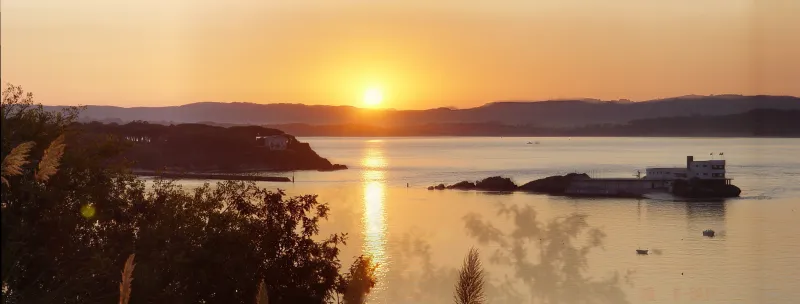
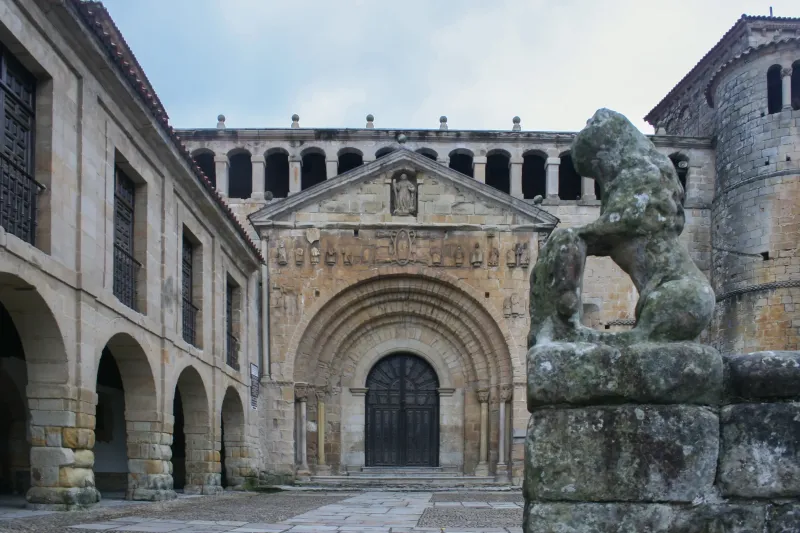
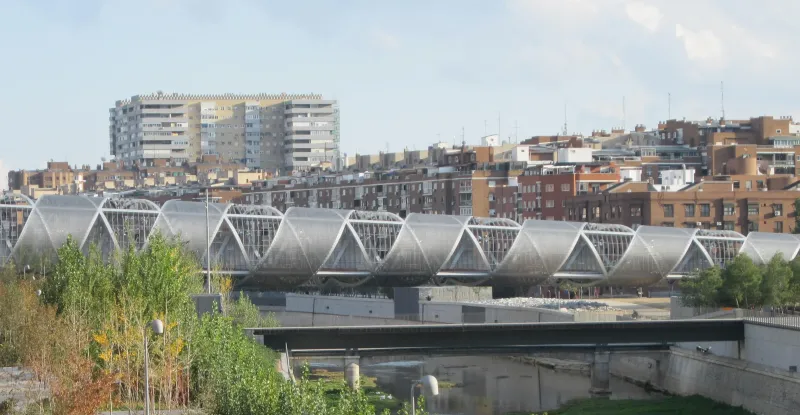
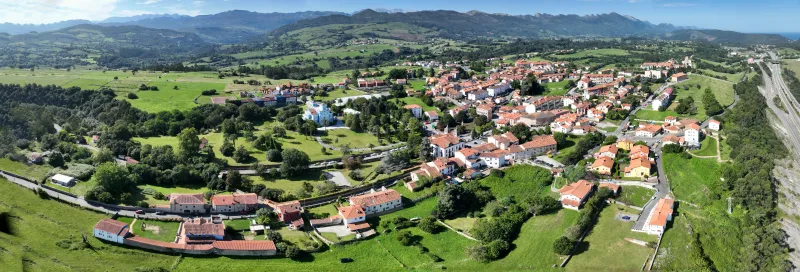
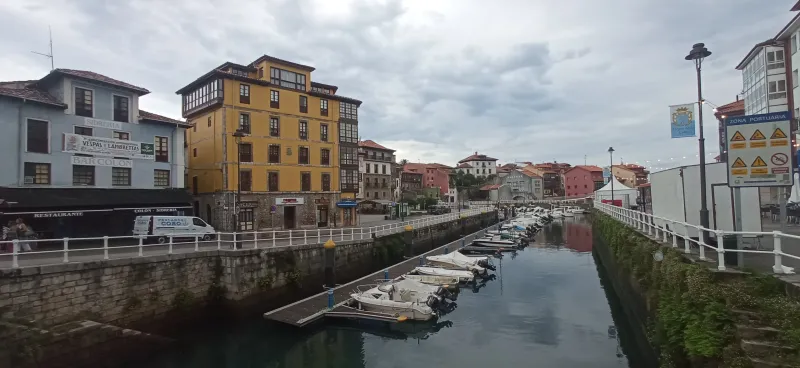
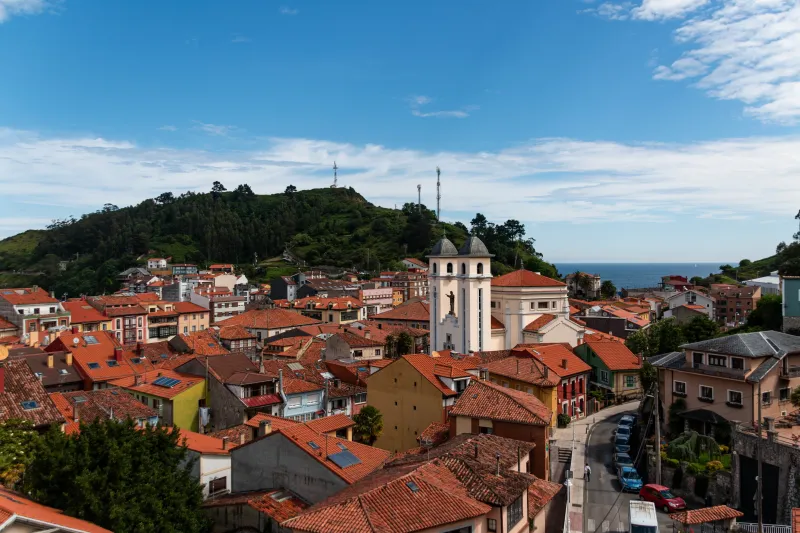
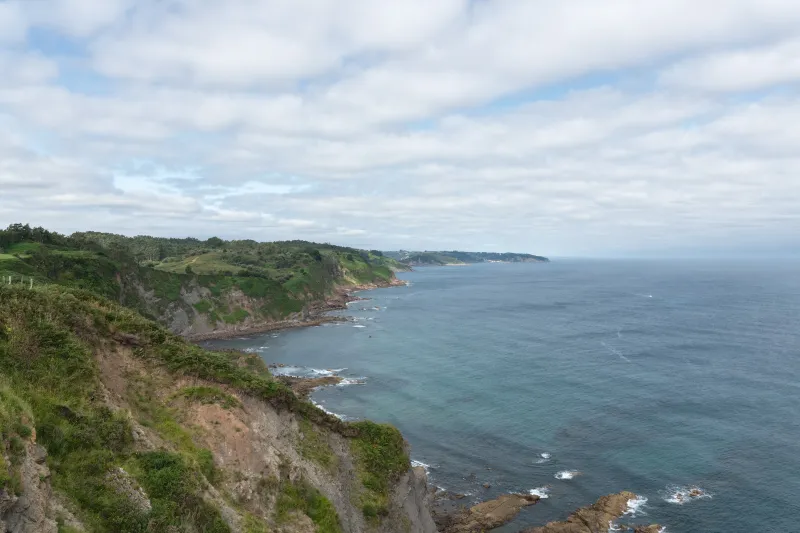
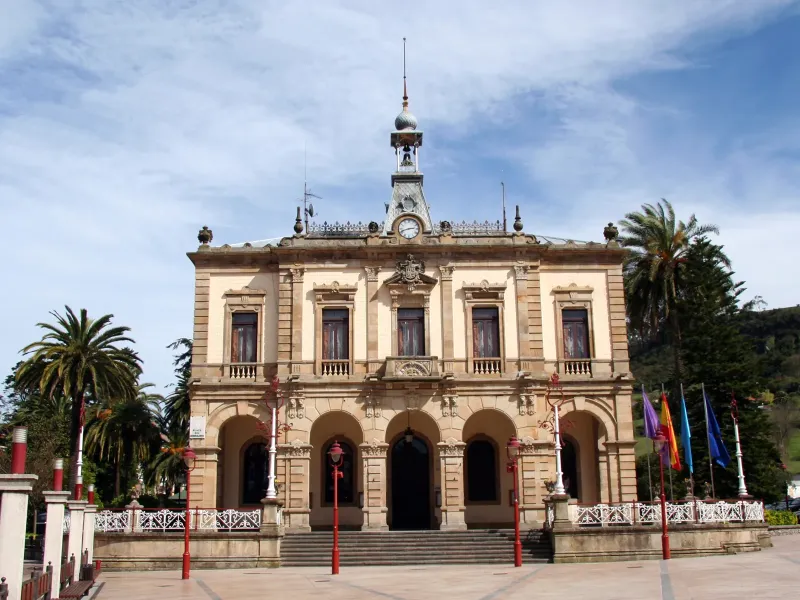
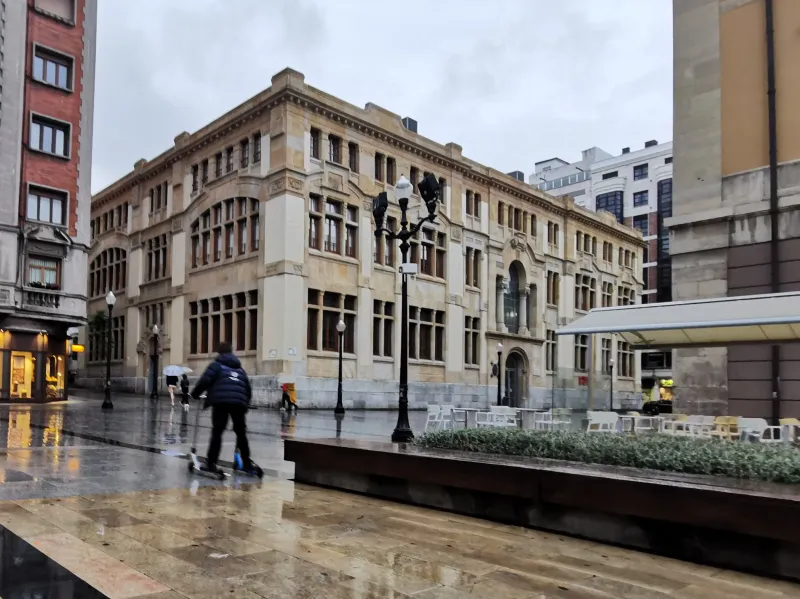
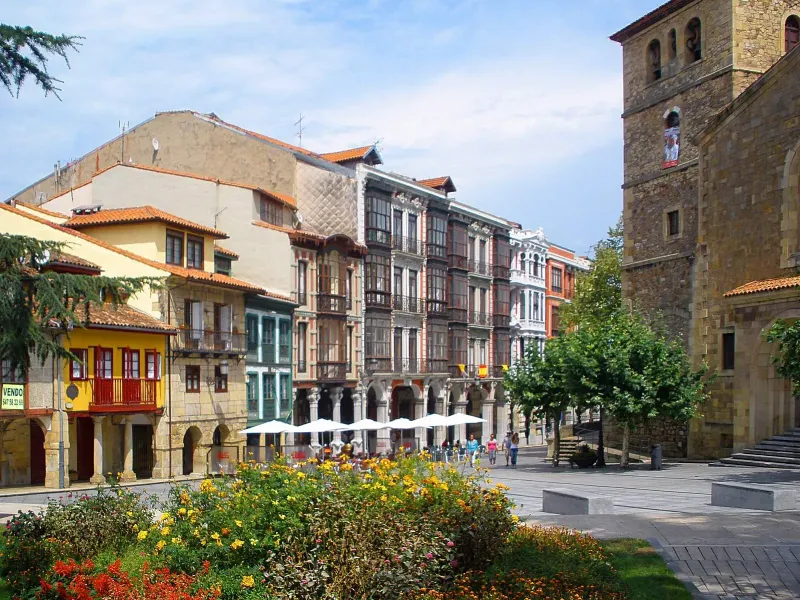
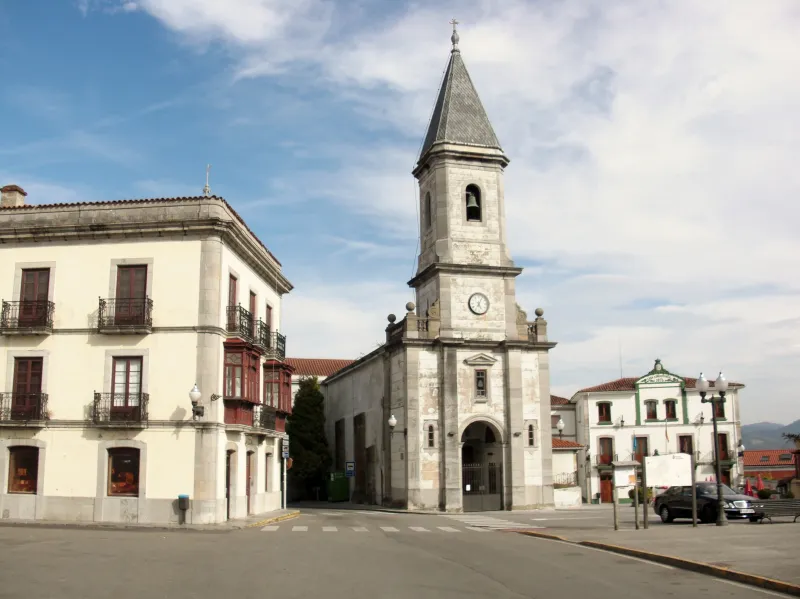
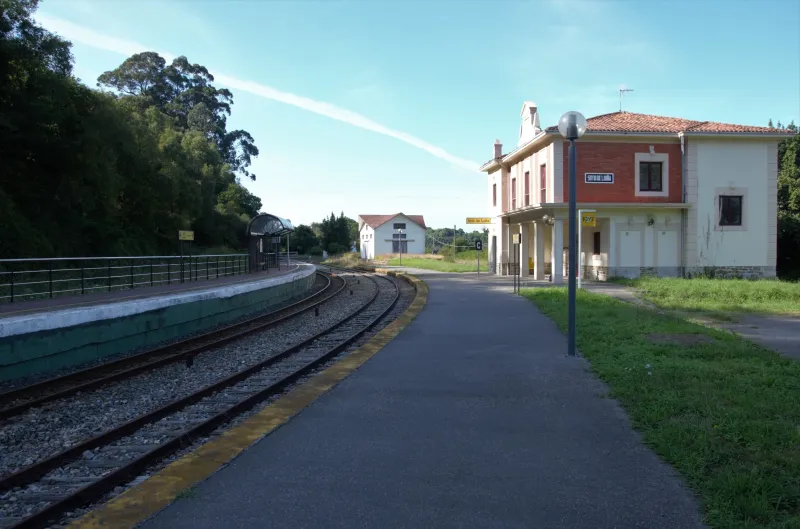
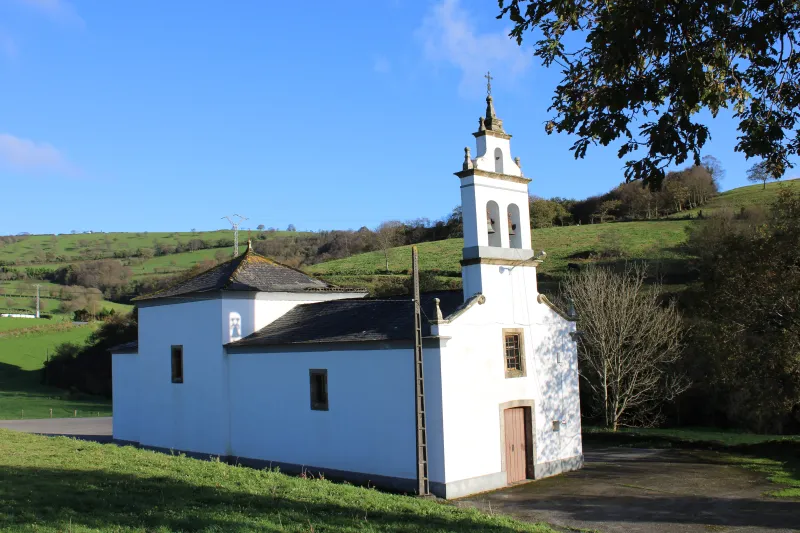
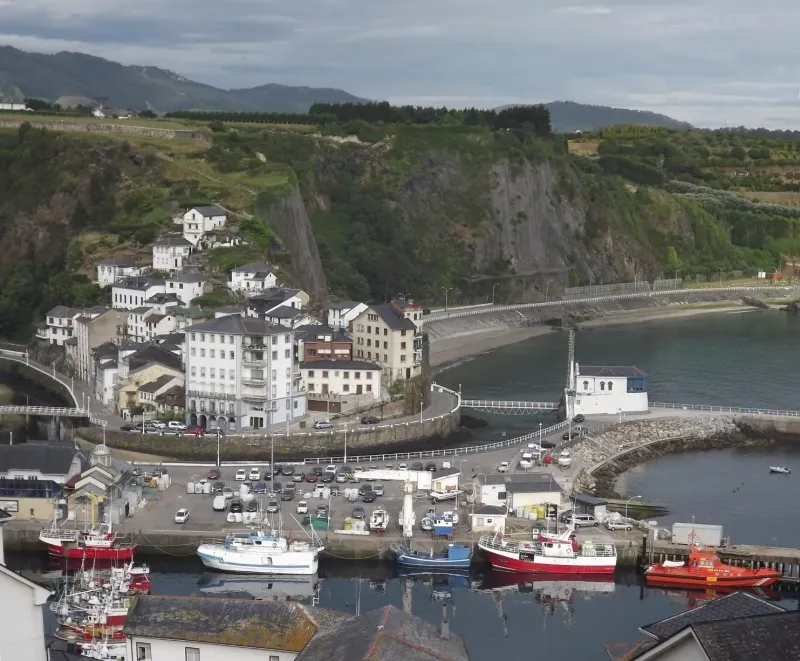
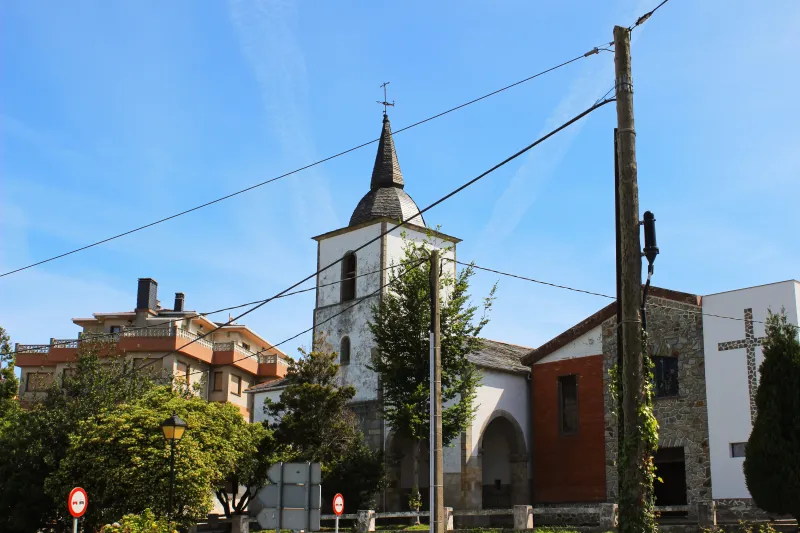
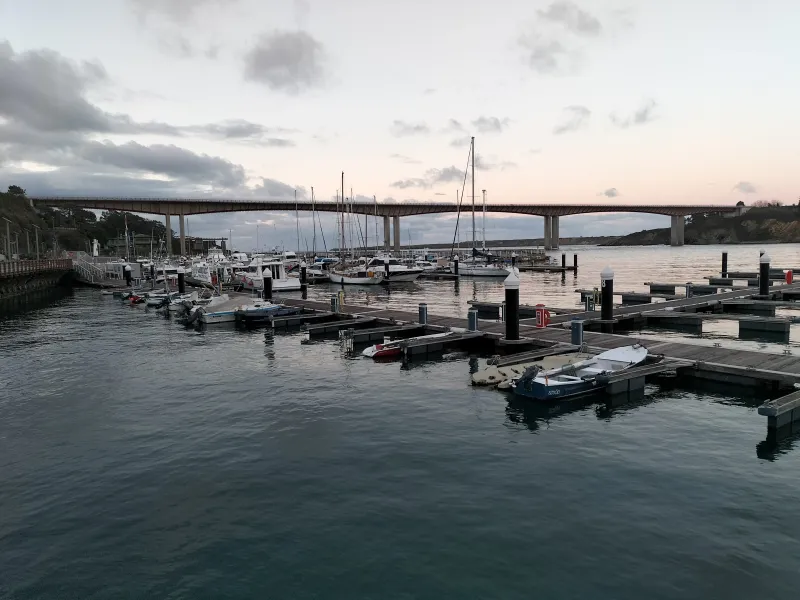
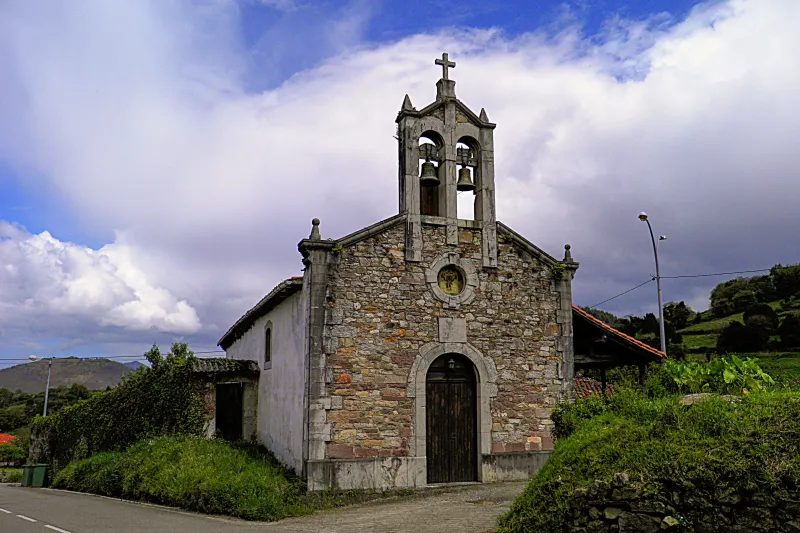
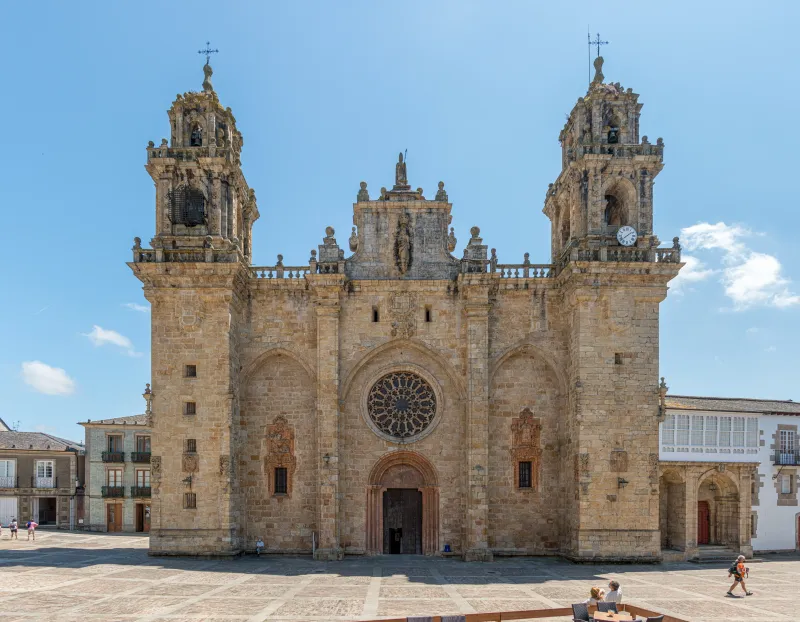
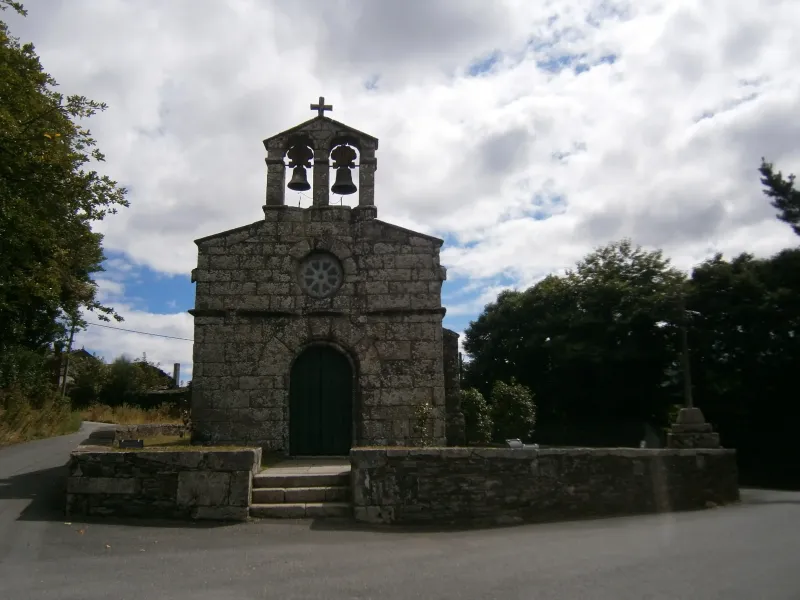
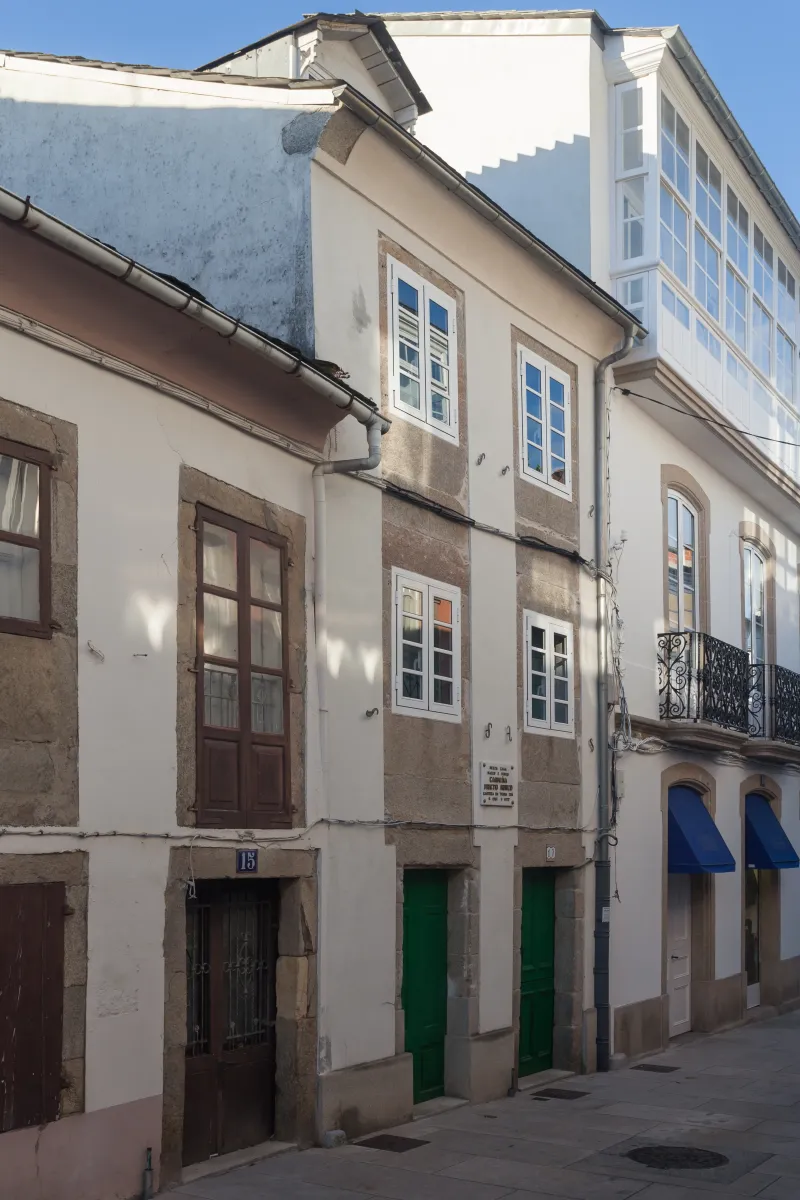
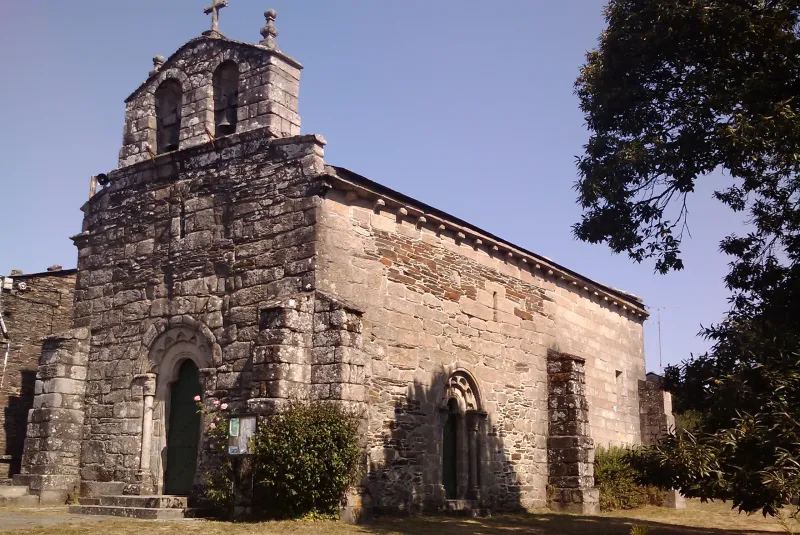
Explore the key towns and cities of this route.
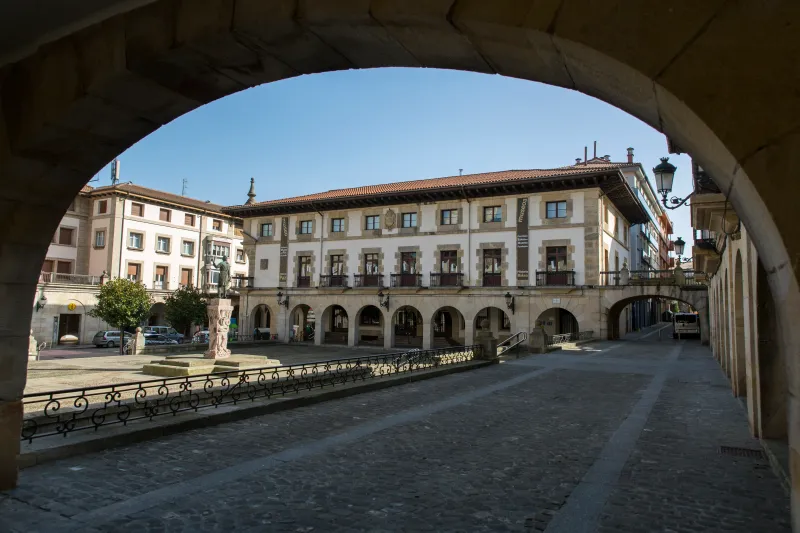
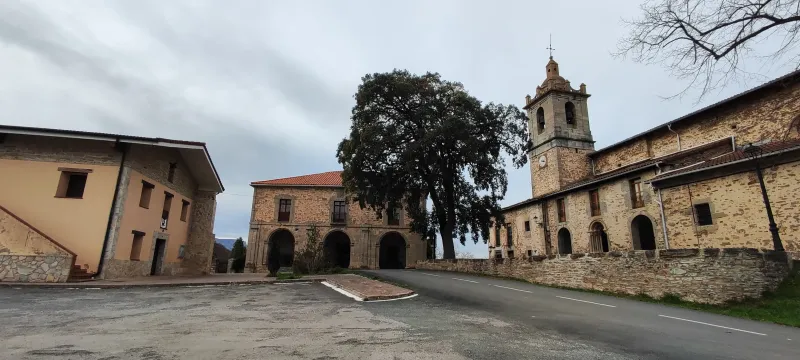
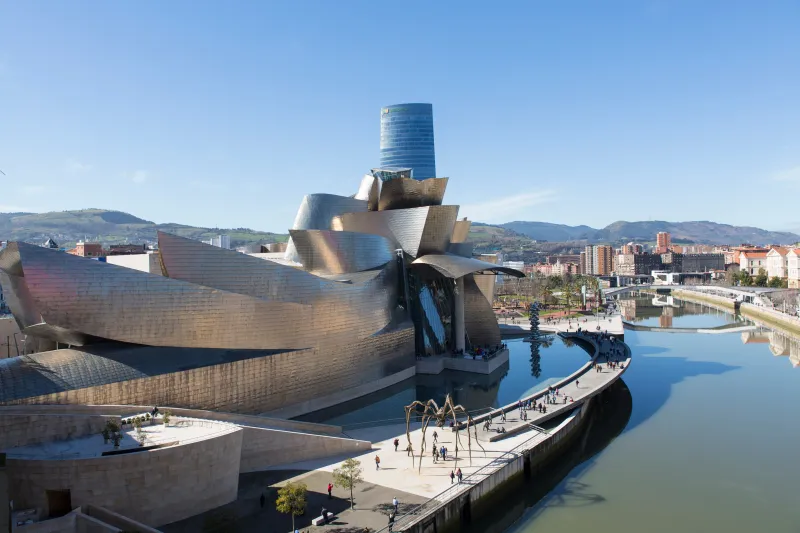
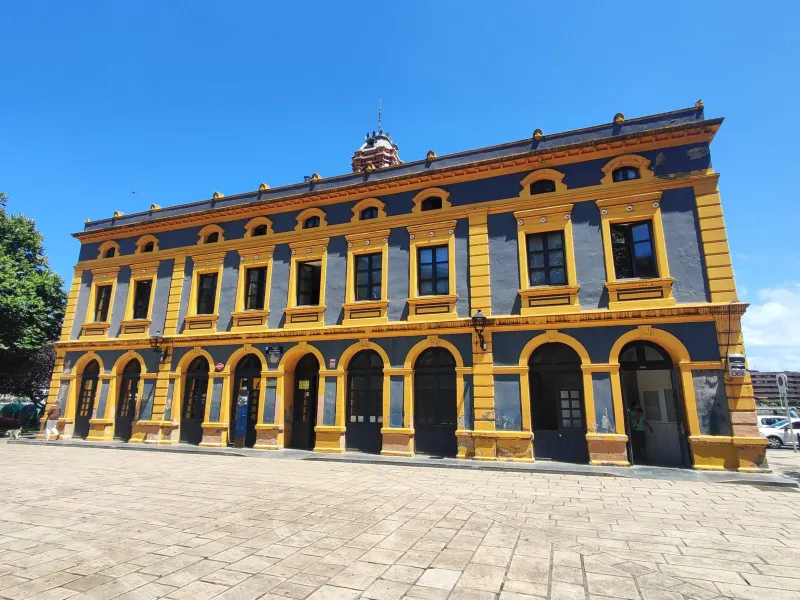
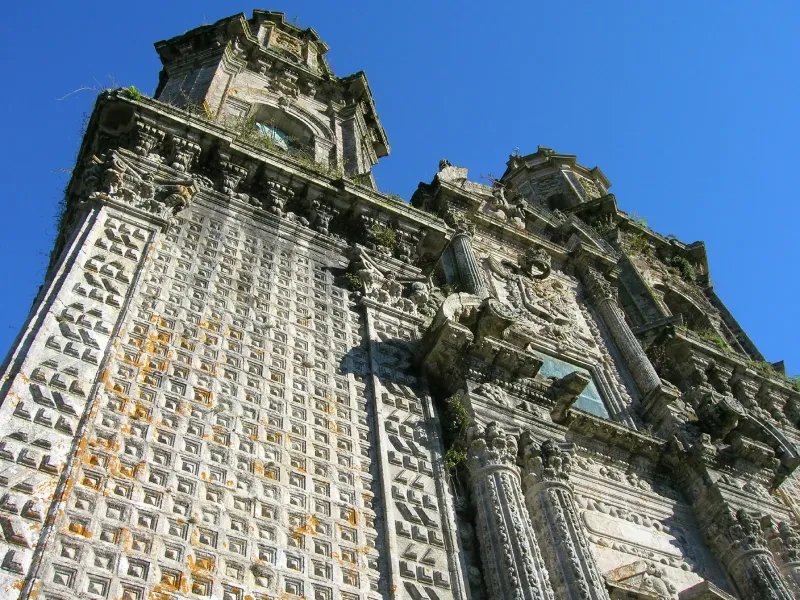
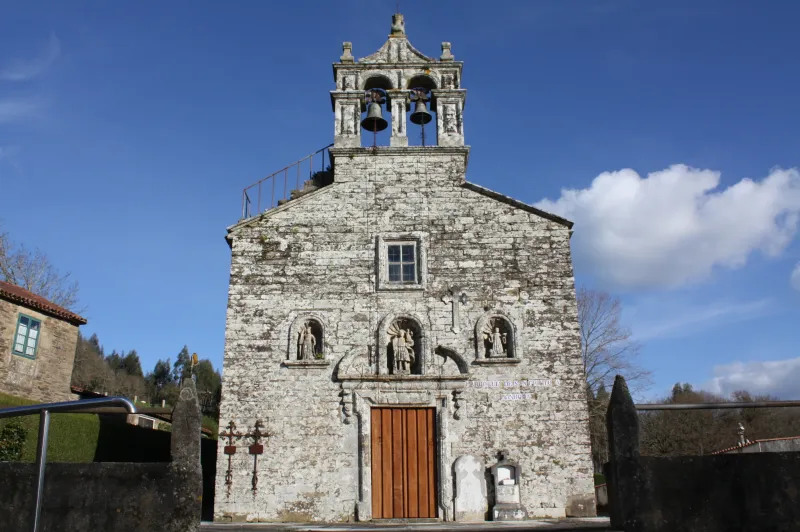
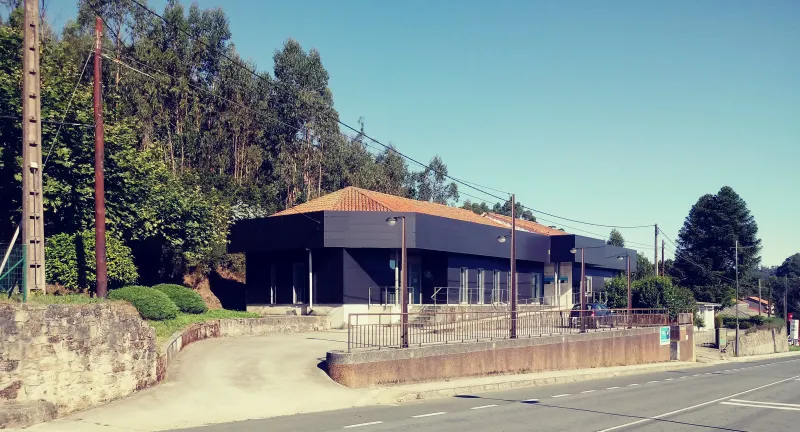
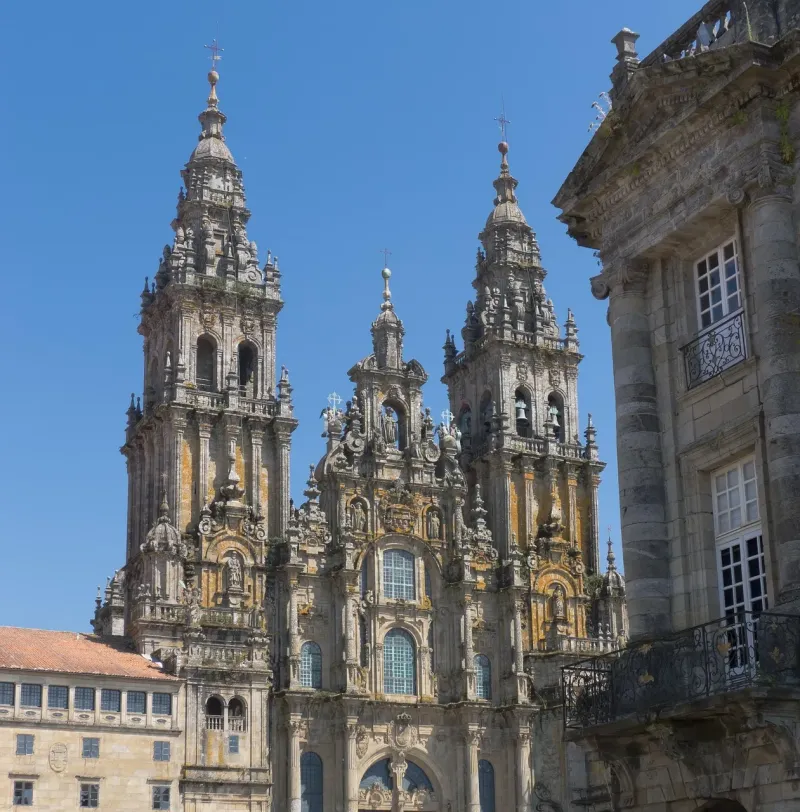
History
Millenary History of the Camino de Santiago: Origins and Evolution North Coast Path
Discover the origins and evolution of North Coast Path
In the High Middle Ages, security was the primary concern for any traveler. The Christian kingdoms of Asturias, and later León and Castile, clung to the northwestern part of the peninsula, protected by the formidable natural barrier of the Cantabrian Mountains. The North Way ran entirely through this secure territory. For a pilgrim crossing the Pyrenees via Bidasoa, this route allowed him to walk west without ever leaving the protection of the Christian kingdoms, bordering a coast dotted with small villages and monasteries that offered refuge.
This itinerary also had an international dimension due to its maritime character. The numerous and secure ports along the Cantabrian coast (such as San Sebastián, Castro Urdiales, Laredo, Santander, Gijón or Ribadeo) became entry points for thousands of pilgrims arriving by sea from distant places. Vessels coming from England, Ireland, Flanders, Scandinavia and northern Germany docked in these ports, and their passengers joined the terrestrial route from there, making the North Way a cosmopolitan route and an important channel for cultural and commercial exchange.
Along its course, the route developed an important infrastructure of accommodation. Monasteries of great power and influence, such as Santillana del Mar in Cantabria, San Salvador de Valdediós in Asturias or Sobrado dos Monxes in Galicia, played a fundamental role, offering hospitality, medical care, and spiritual guidance to walkers. Local nobility and kings also promoted the construction of bridges, hospitals, and hostels to facilitate the difficult journey.
The North Way's path is intrinsically demanding. Unlike the meseta, the coastal geography is a constant rise and fall, forcing the pilgrim to cross countless rivers, valleys, and small hills that die into the sea. This physical effort was rewarded by an unparalleled beauty: steep cliffs, wild beaches, lush forests of eucalyptus and chestnuts, and picturesque seaside villages.
From the 12th century onwards, with the advancement of the Reconquista and the promotion of the Camino Francés by the monarchy and the Order of Cluny, the North Way lost its status as a primary route. The Camino Francés, flatter and with more developed logistics, absorbed most of the pilgrim flow. However, the Coastal Way never abandoned itself. It continued to be the natural route for the inhabitants of the Cantabrian comarcas and for pilgrims arriving by sea.
Its great resurgence has occurred in recent decades. Pilgrims from all over the world, seeking an alternative to the more crowded Camino Francés, have rediscovered the beauty of this route. Its combination of physical challenge, spectacular landscapes, exceptional cuisine, and rich cultural heritage has made it the second most popular Jacobean route. Its importance was universally recognized in 2015 when it was declared a UNESCO World Heritage Site as part of "The Ways of St James of Compostela: Camino Francés and Northern Spanish Routes".
We answer your questions
Frequently Asked Questions about North Coast Path
Is the Northern Way the most beautiful?
Many pilgrims consider it the most spectacular due to its coastal landscapes with cliffs, beaches, fishing villages, and green mountains. It runs along the entire Cantabrian coast from Irún to Santiago, passing through San Sebastián, Bilbao, Santander, and Gijón.
How long does it take to walk the Northern Way?
The Northern Way is about 825 km from Irún to Santiago de Compostela, divided into around 34 stages. It's one of the longest routes and takes between 5 to 6 weeks to complete.
Is the Camino del Norte difficult?
Yes, it is one of the most challenging routes due to the mountainous terrain along the Cantabrian coast with constant climbs and descents. The accumulated elevation gain is significantly higher than on the Camino Francés. It can also rain frequently at any time of year.
What is the best time to do the Camino del Norte?
The best time to undertake the Camino del Norte are the months of May, September and October. During these periods, you will enjoy pleasant weather with less rain and a moderate number of pilgrims. Ourway Travel helps you plan your trip during these seasons to ensure the best possible experience.
What are the costs associated with the Camino del Norte of Santiago through Ourway Travel?
The costs for the Camino del Norte include accommodation, luggage transfer, and personalized advice. At Ourway Travel, we manage all these aspects at a cost that varies depending on the season and any additional services requested. We provide detailed and customized quotes to ensure transparency.
How does the Camino del Norte compare to the Camino Francés in terms of difficulty?
The Camino del Norte is considered more challenging than the Camino Francés due to its greater length and the presence of mountainous terrain. However, it offers a unique experience with stunning coastal and mountain landscapes. At Ourway Travel, we help you prepare for the challenges of the route.
What does Ourway Travel's service for the Camino del Norte include?
Our service for the Camino del Norte includes accommodation in selected hostels, luggage transfer between stages and personalized advice. Additionally, we provide you with an official pilgrim credential and detailed maps of the route.
How do I book my route on the Camino del Norte with Ourway Travel?
To reserve your journey on the Camino del Norte, simply fill out our online booking form or contact our expert advisory team directly. At Ourway Travel, we handle all the details to ensure your experience is memorable and hassle-free.
Organize Your Camino
Ready for this adventure?
North Coast Path
Walk this route with us
Fancy walking this route?
We don't have a ready-made package for this route yet, but we'll organise it around you. Tell us how you'd like to experience it and a specialist will reply within 24 h.
Request your proposal