
Camino de Santiago
Valley of Mena Trail
Discover the Valley of Mena Route, a connection route between Bilbao and Burgos. A historic and scenic link of great beauty through this Burgalian valley to the French Way.
Organize your Valley of Mena TrailLast updated: 21/05/2025
The Route
General Description of Valley of Mena Trail
Related Routes
Connections of Valley of Mena Trail
The French Way
779 km
33
Media
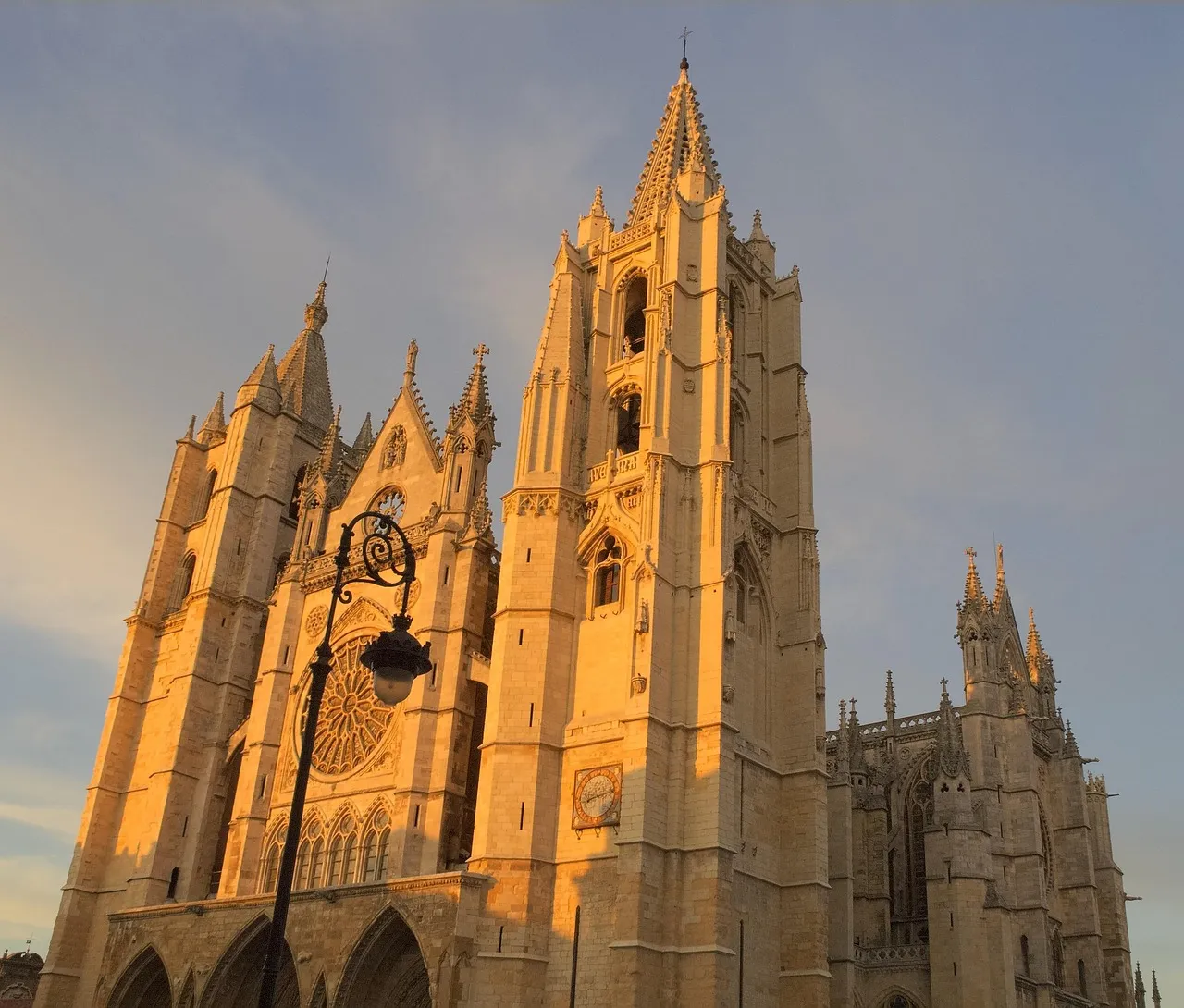
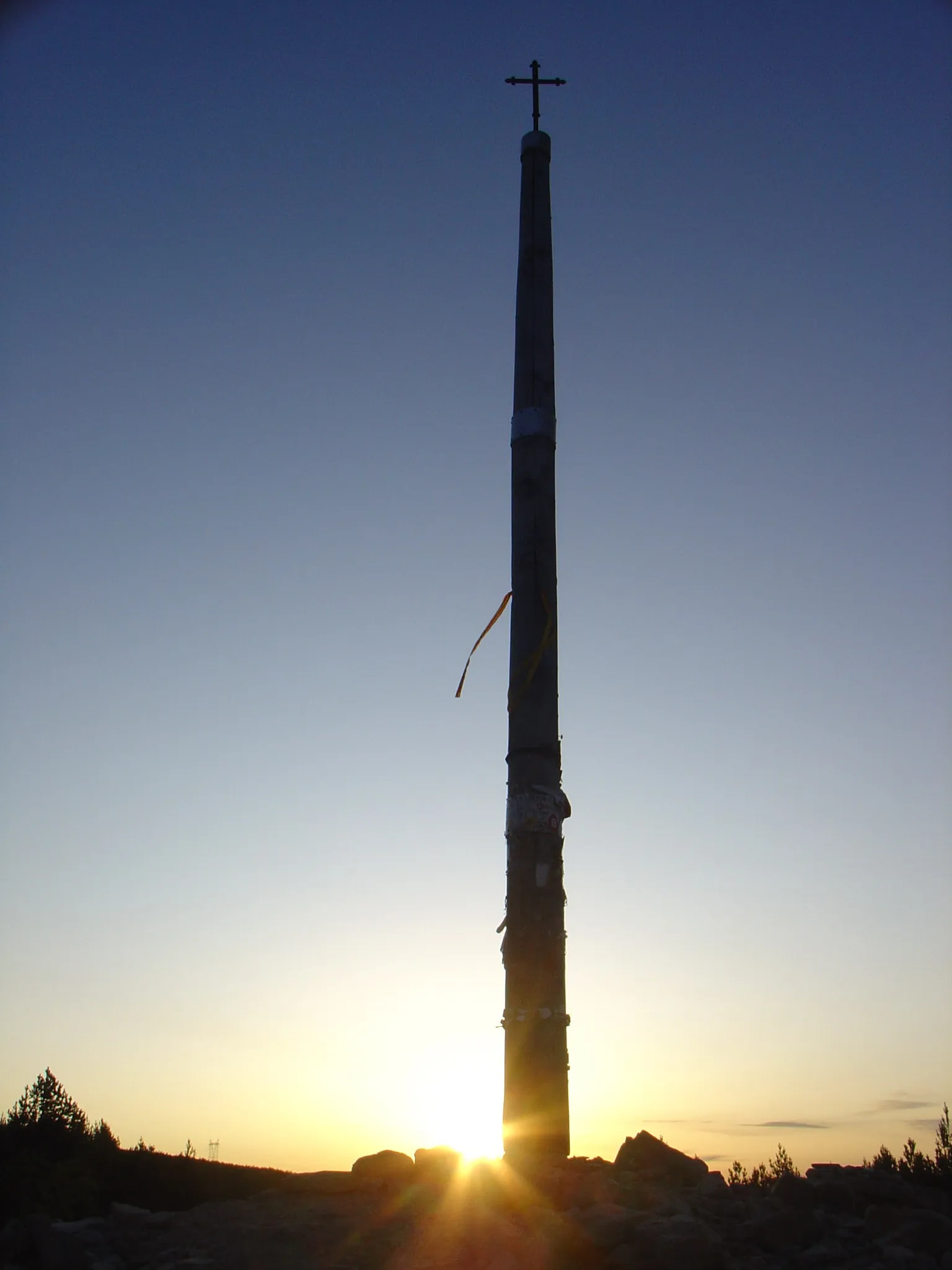
The Camino Francés is the pilgrimage route to Santiago de Compostela of excellence, chosen by thousands of pilgrims every year. With a journey of approximately 780 km from Saint-Jean-Pied-de-Port or less from Roncesvalles, it traverses northern Spain. This path, declared a World Heritage Site by UNESCO, offers exceptional infrastructure for services and hostels.
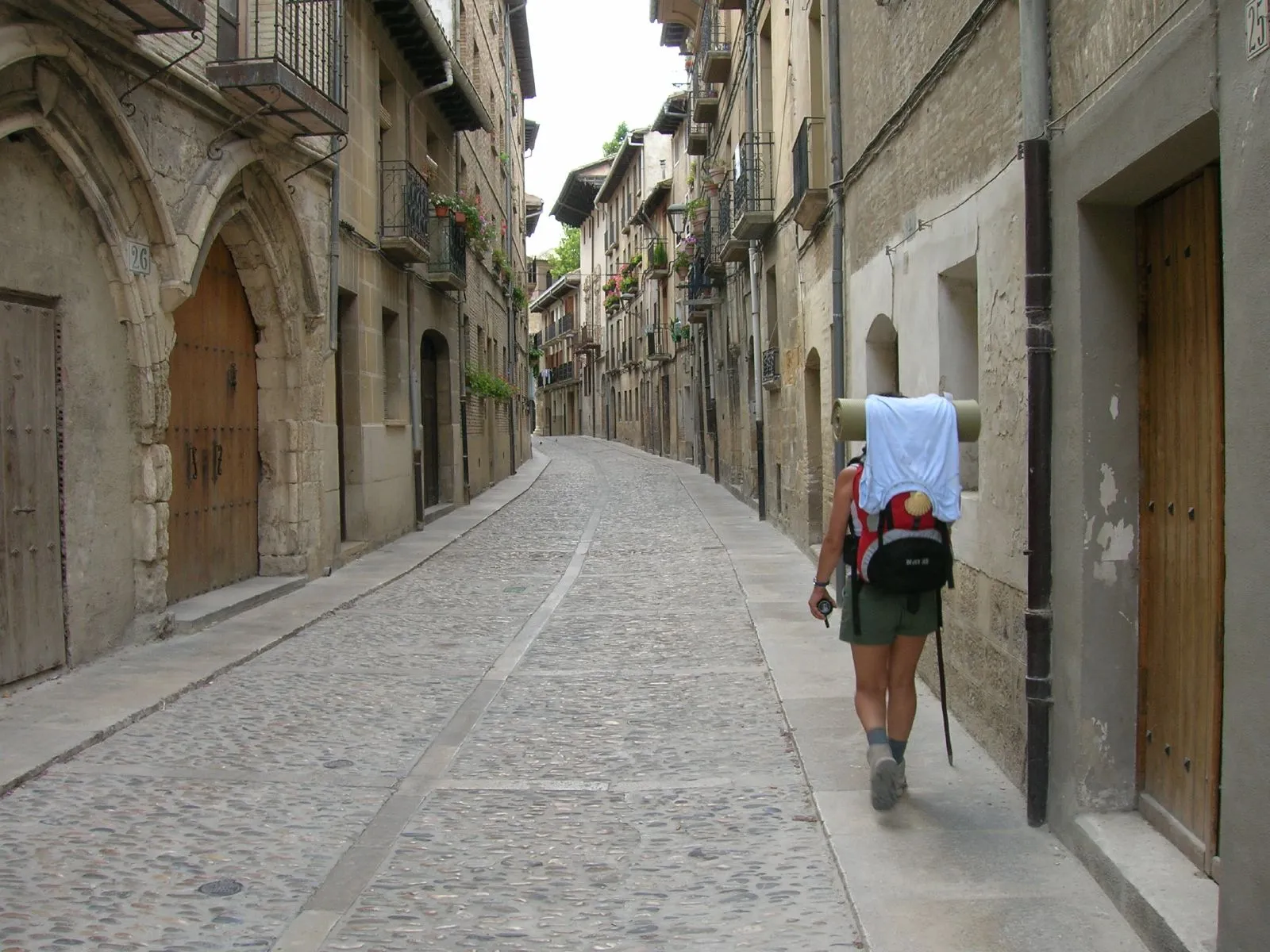
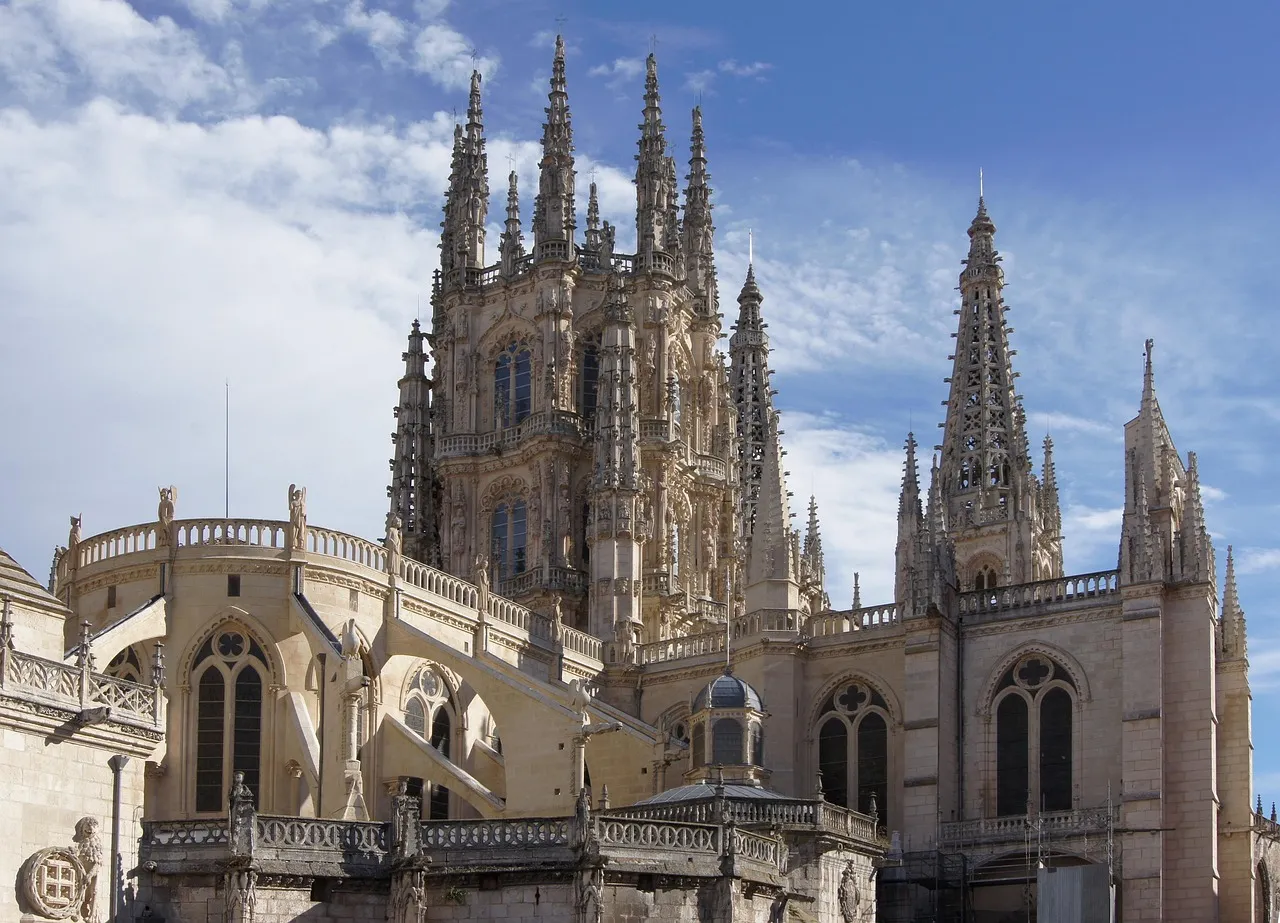
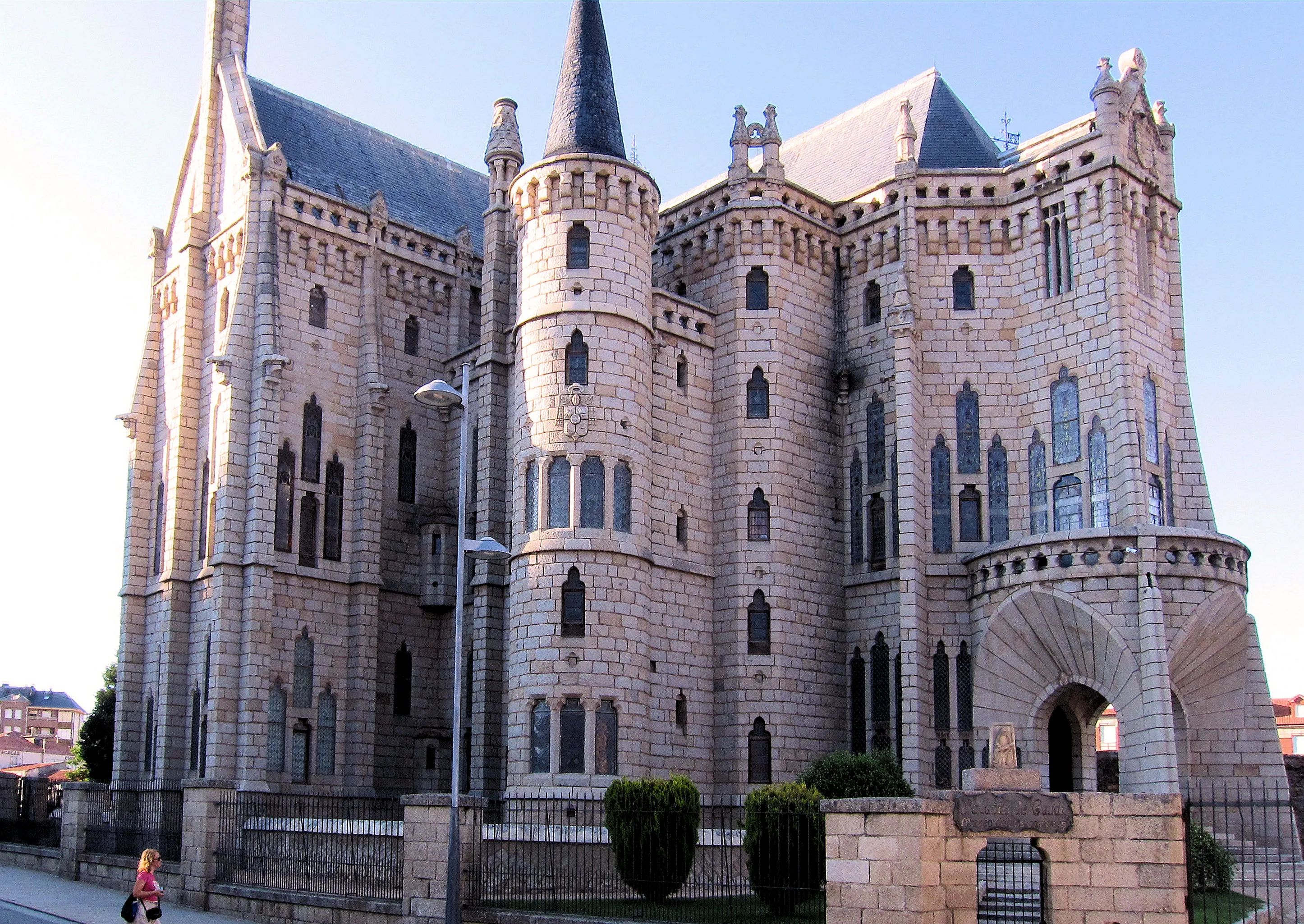
Pilgrims traverse Navarra, La Rioja, Castile and León, and finally Galicia, marveling at monumental cities such as Pamplona, Burgos, and León, and charming villages. The diversity of its landscapes is one of its greatest attractions, from the Pyrenees and the Castilian plains to the green forests of Galicia. It's a physical and spiritual journey that leaves an indelible mark, ideal for both experienced pilgrims and those starting out on the Camino de Santiago.
Stages of this variant:
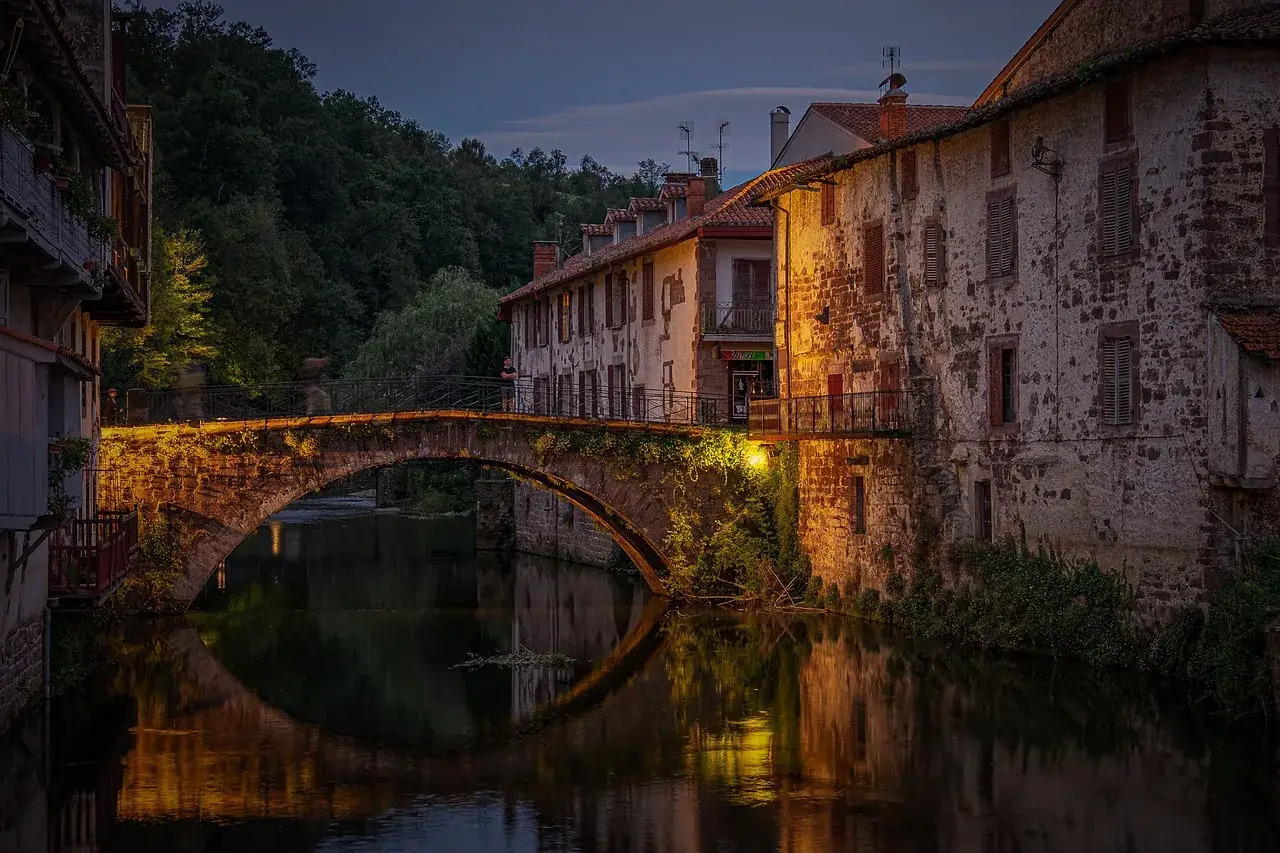
Stage 1: St. Jean Pied de Port to Roncesvalles
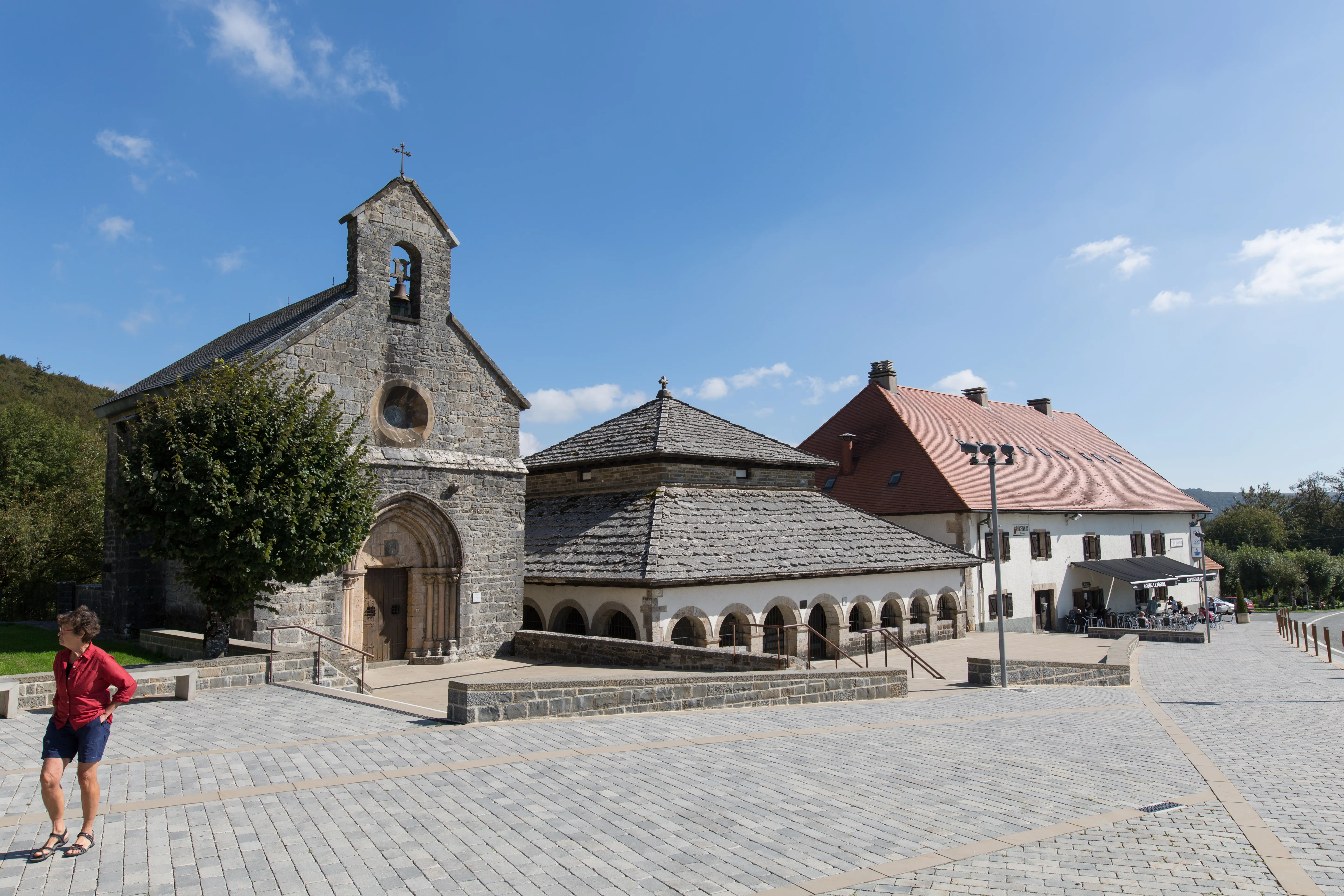
Stage 2: Roncesvalles to Zubiri
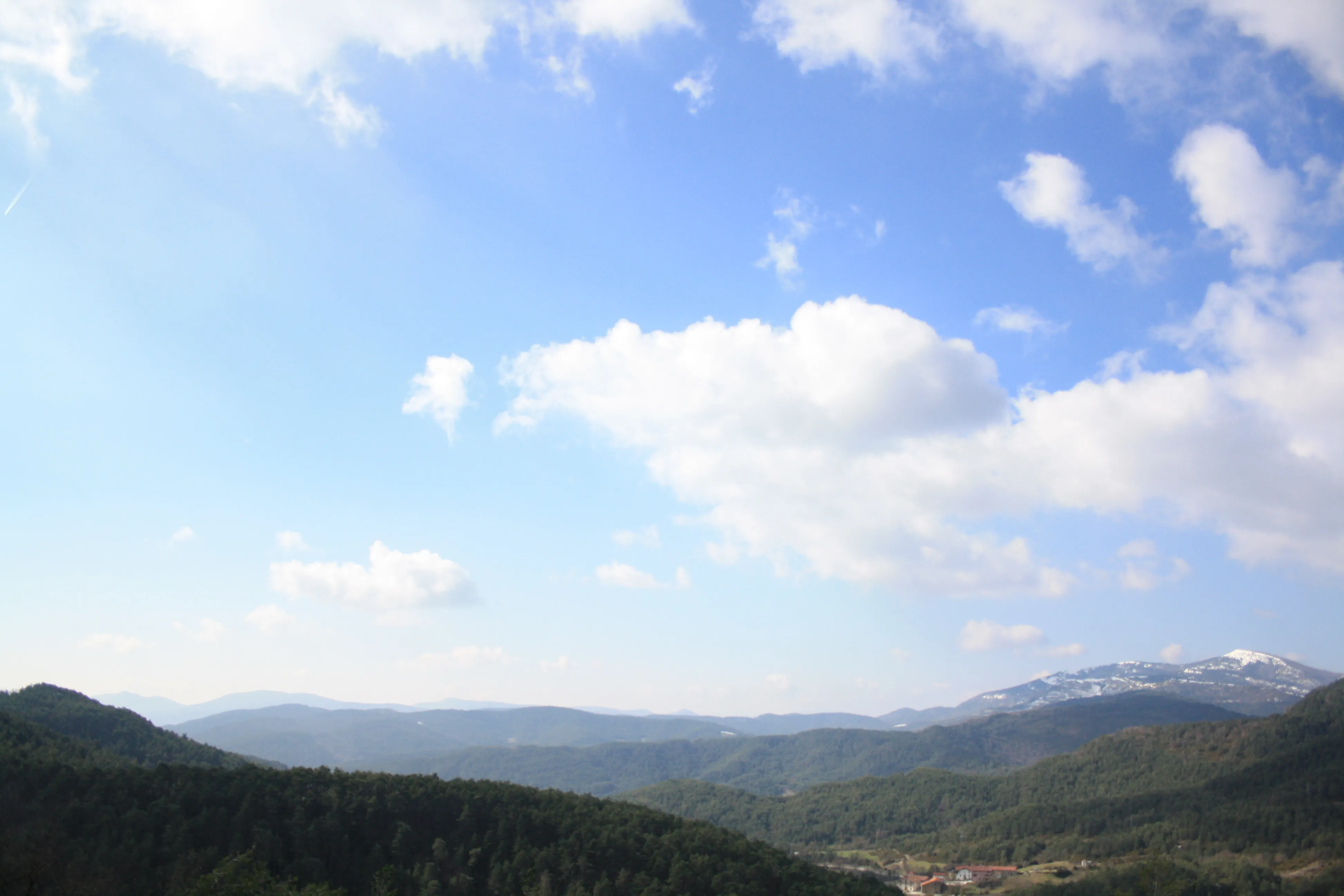
Stage 3: Zubiri is going to Pamplona.
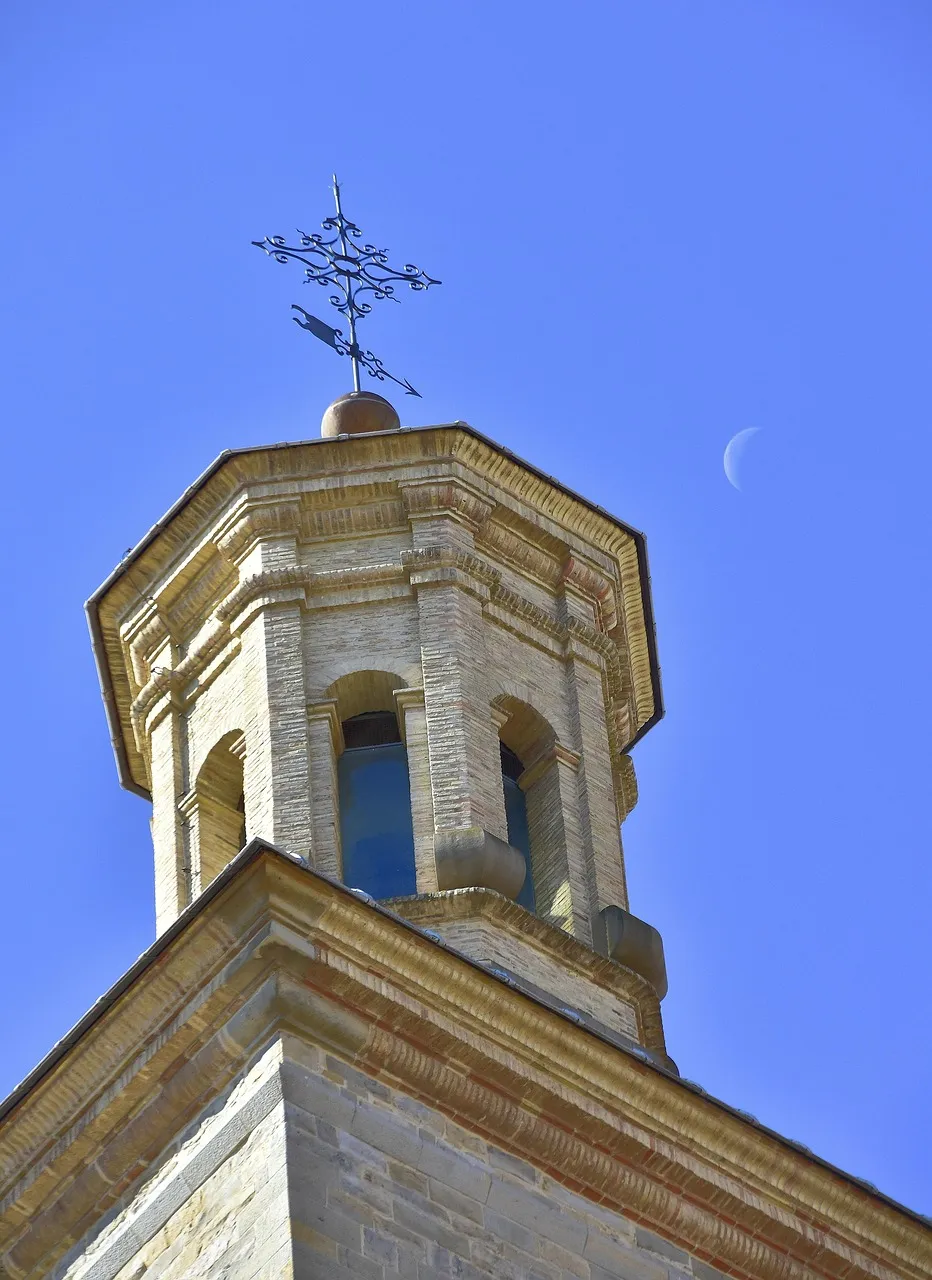
Stage 4: Pamplona to Pontevedra
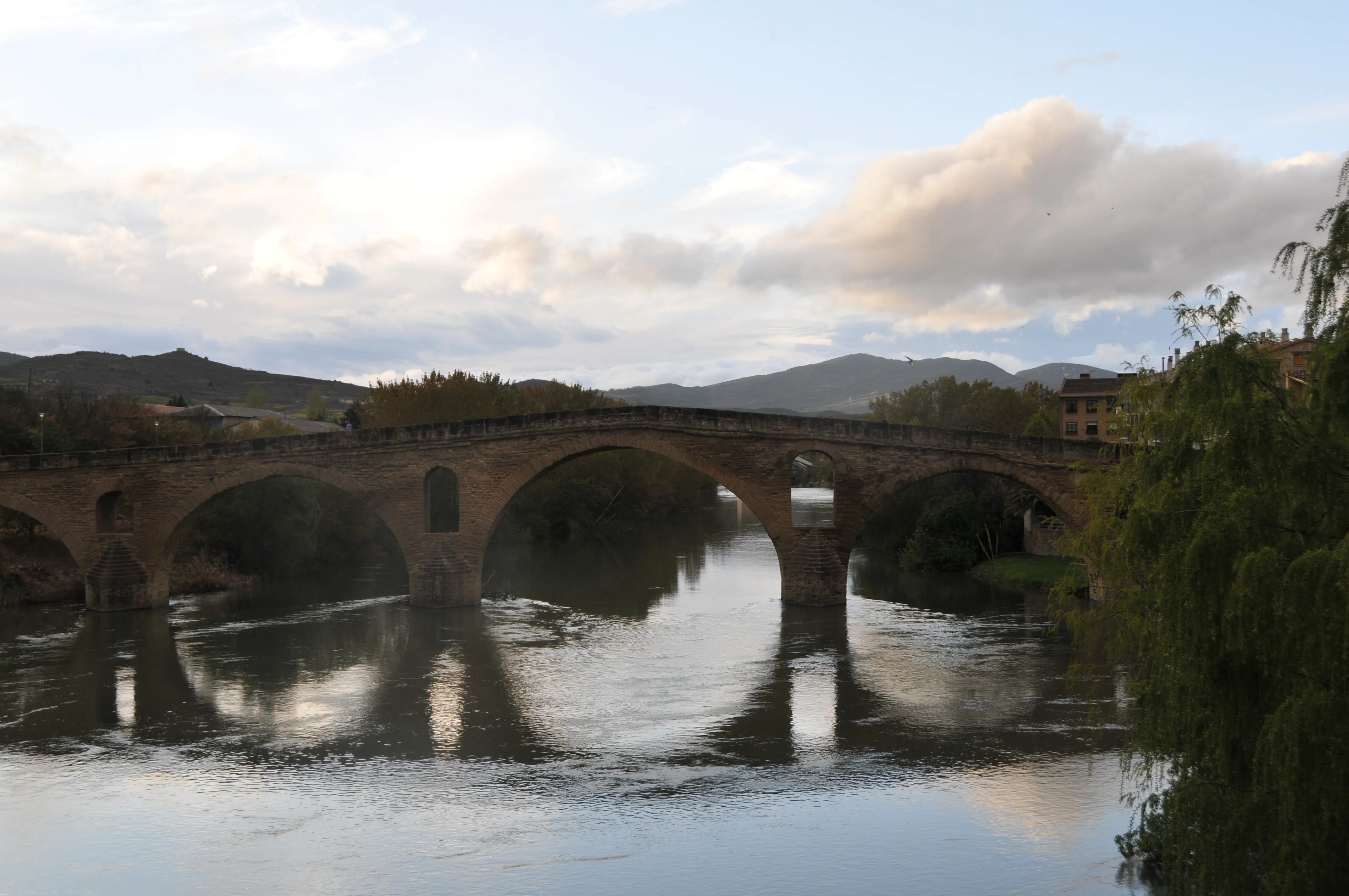
Stage 5: Bridge of Queen to Estella
Your trip with Ourway
Everything you need for your Camino
No hassle. Your perfect route, from start to finish.
Accommodation
Selected hotels and hostels at every stage
Luggage transfer
Your backpack travels from stage to stage
Camino Guide
Detailed map with directions and services
24h Support
Team available for any unforeseen event
Pilgrim credential
Official documentation included
No commitment
Free personalized consultation
Stages
Stages of Valley of Mena Trail
Bilbao → Güeñes
The first stage of the Forgotten Way from Bilbao is a transitional journey that takes the pilgrim out of the great city. The route is demanding, with an initial strong climb to leave the valley of Bil...
Güeñes → Villasana de Mena
Stage of the Camino del Valle de Mena, historical branch that links Bizkaia with the Mena Valley in the province of Burgos. The 22 km cross the Ordunte Mountains through medium altitude passes, with a...
Villasana de Mena → Medina de Pomar
This stage enters the foothills of the Pyrenees. The profile becomes more demanding, with a continuous up and down through a landscape of hills and valleys. The route passes through charming villages ...
Medina de Pomar → Quintana de Valdivieso
This stage enters the heart of Baztán Valley. The day begins with an ascent to Otsondo port, the main difficulty of the day. Once at the top, a long and pleasant descent leads the pilgrim through the ...
Quintana de Valdivieso → Cernégula
This stage continues through the Baztán Valley, on a terrain of gentle undulations. It is a short and pleasant day that allows you to enjoy with calmness the beauty of the landscape. The route runs th...
Cernégula → Sotopalacios
This stage marks the exit from Baztán Valley. The journey involves ascending to Belate Pass, a long and demanding climb along an ancient pilgrimage route. The landscape is of great beauty, with beech ...
Towns
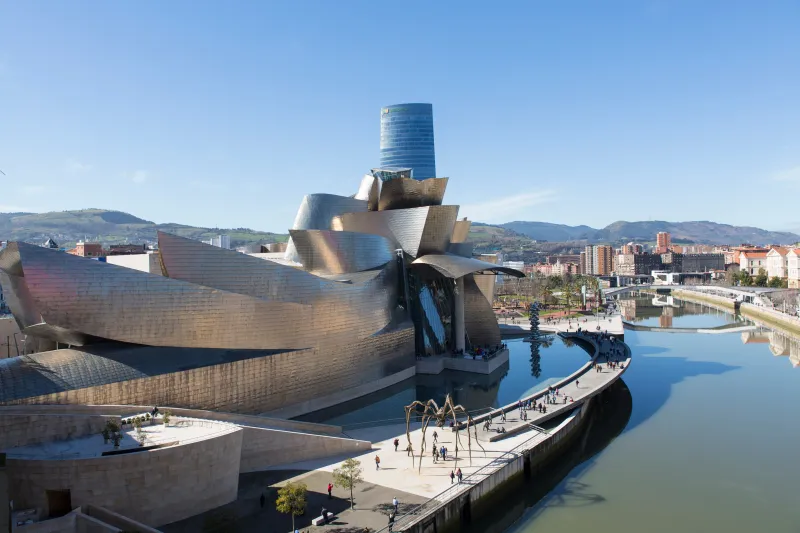
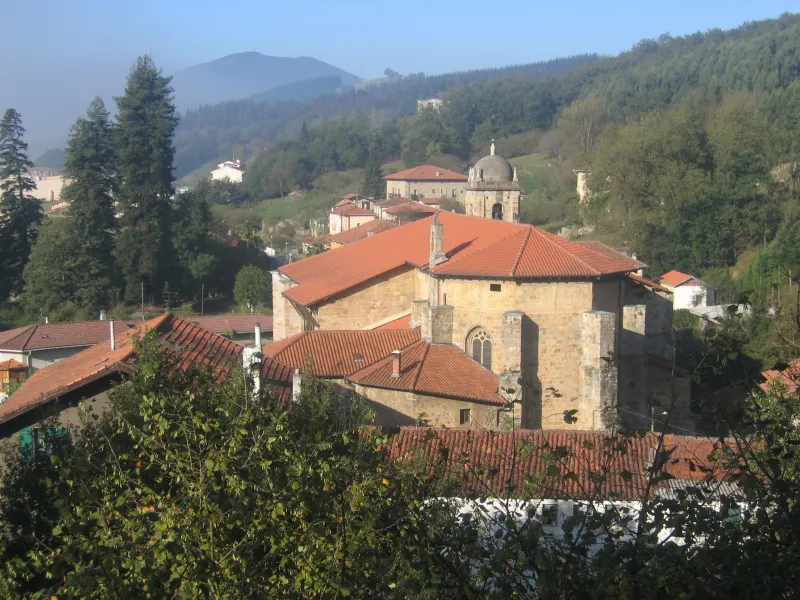
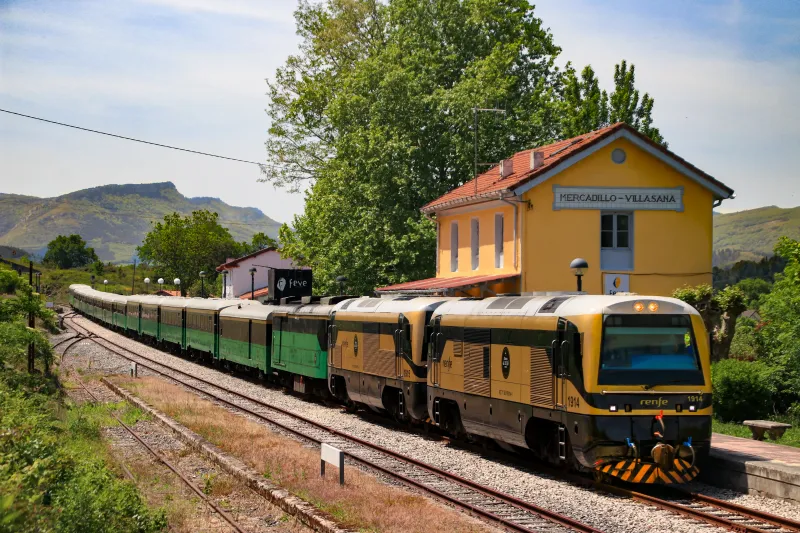
Featured Towns of Valley of Mena Trail
Explore the key towns and cities of this route.
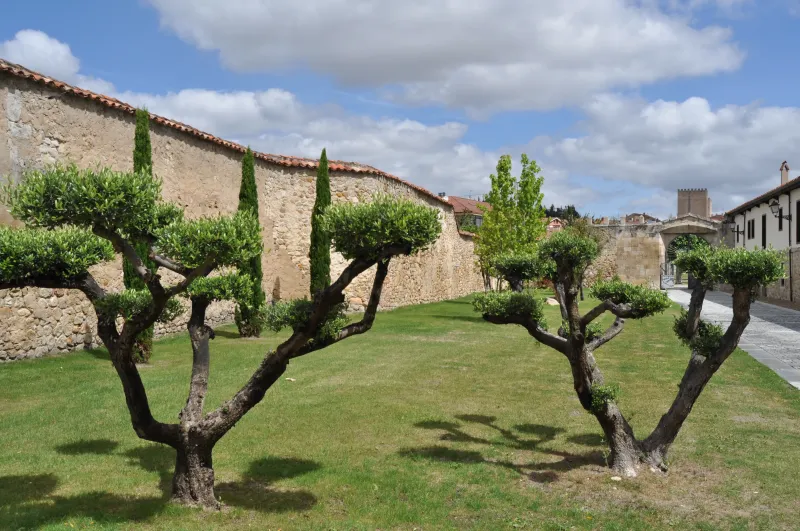
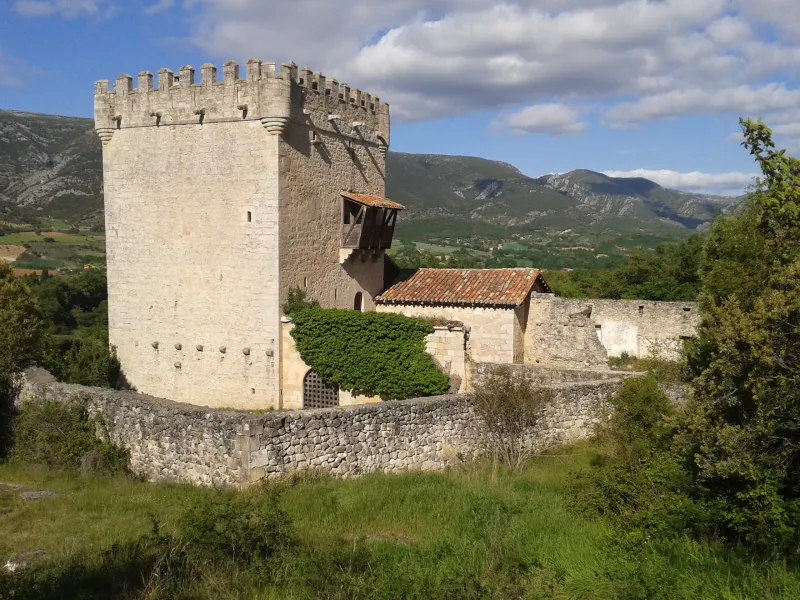
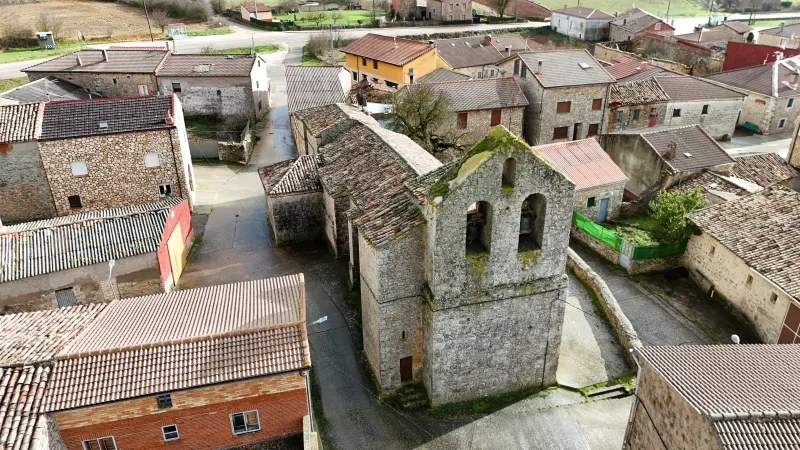
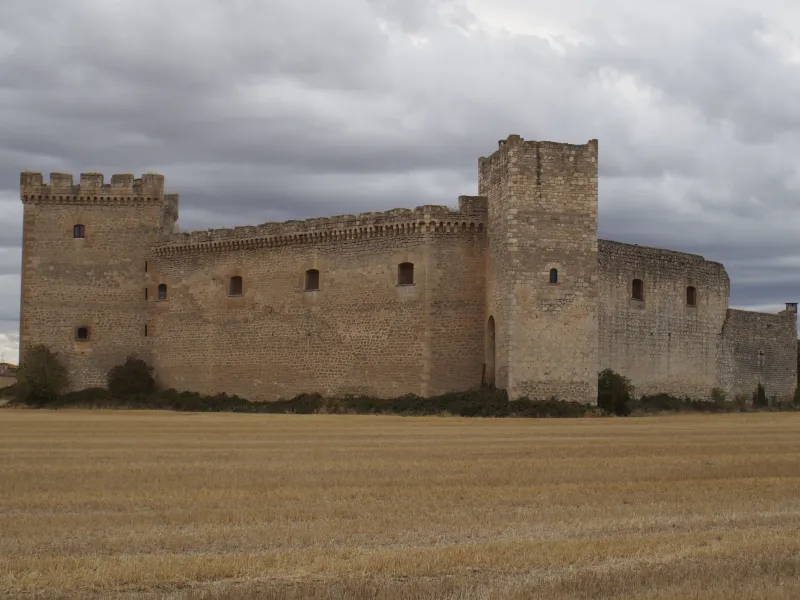
History
Millenary History of the Camino de Santiago: Origins and Evolution Valley of Mena Trail
Discover the origins and evolution of Valley of Mena Trail
The founding of Bilbao in 1300 by Don Diego López de Haro marked a turning point for northern peninsula communications. The town quickly became a prosperous commercial port, attracting ships and merchants from Flanders, England, and other points in Northern Europe. With the merchants came also travelers and pilgrims who, once on land, wanted to continue their journey towards Santiago de Compostela. For them, the option was not necessarily to follow the coastal line, but to find an efficient route that would lead them into the interior to connect with the French Way, the great medieval pilgrimage route.
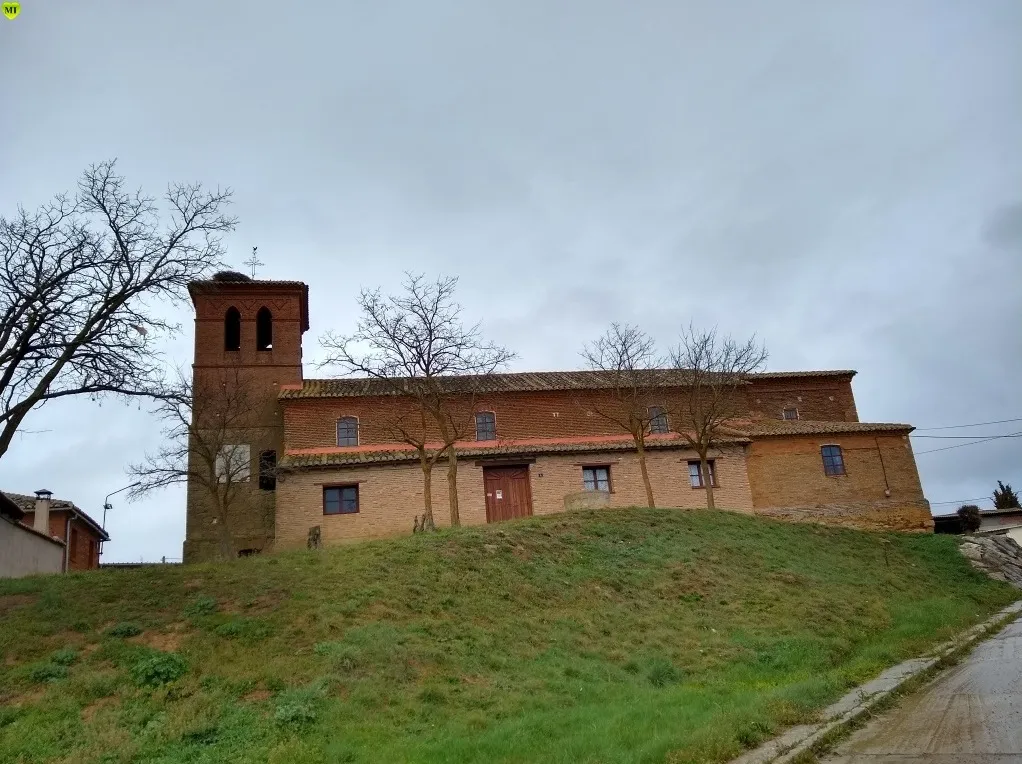
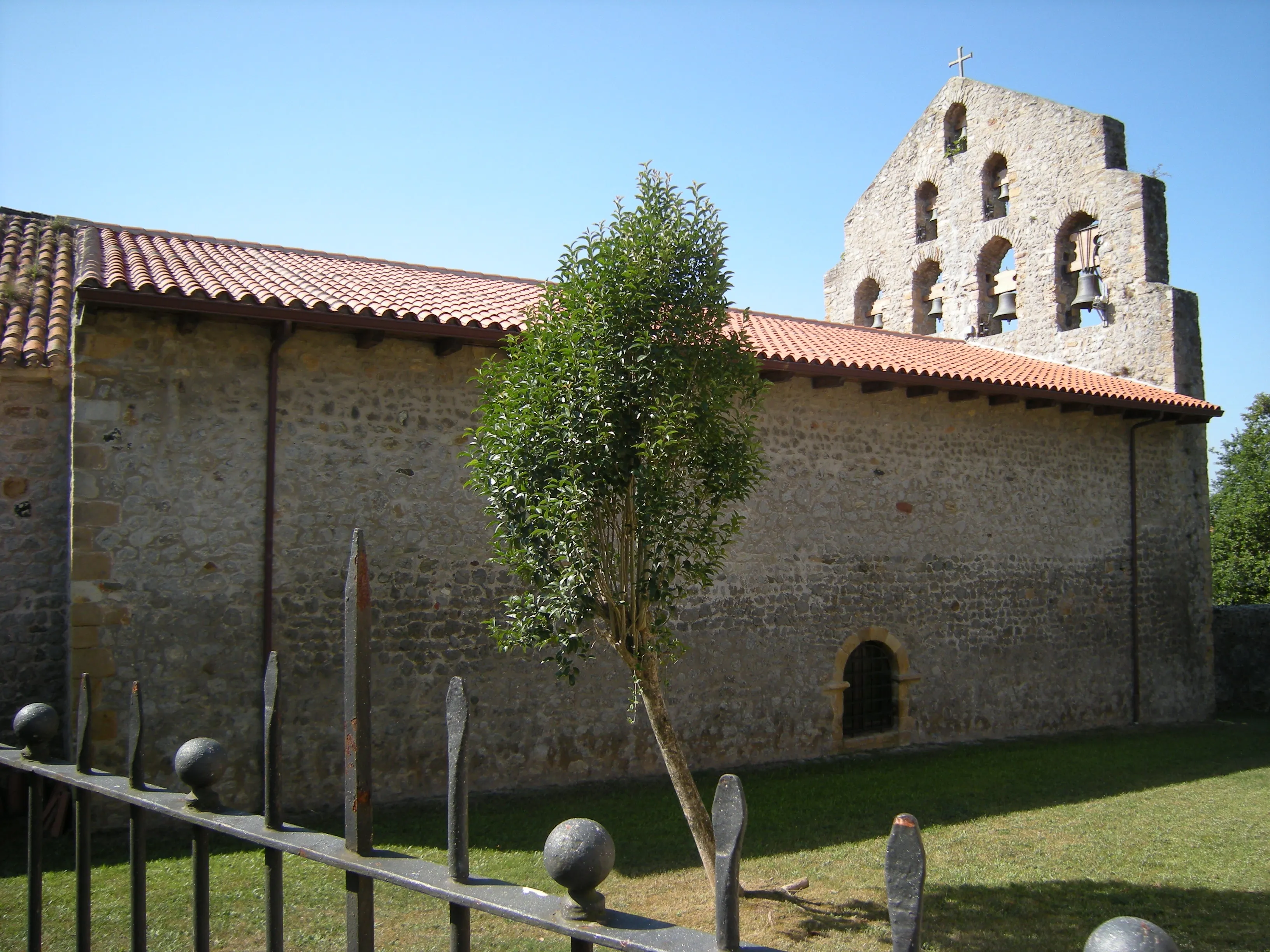
The Mena Valley, a comarca in northern Burgos province, which by its geography and climate seems like a piece of green Cantabria embedded in Castile, offered this natural corridor. From Bilbao, the road went south, passing through the strategic village of Balmaseda —a crossroads where it converged with the Forgotten Way— and entered the valley. This area was of great importance in the Middle Ages, as attested by its extraordinary patrimony: a notable concentration of Romanesque churches and hermitages, such as Santa María de Siones or San Lorenzo de Vallejo, and numerous fortified houses, which speak of a prosperous and well-defended territory.
Although there are no medieval chronicles that describe it as a "Jacobian route" with its own name, its use by pilgrims is inferred from the geographical logic and the infrastructure of the time. Commercial roads were the safest and best-maintained routes, and they were used by all types of travelers. The presence of this rich Romanesque patrimony and news about ancient hospitals in the area suggests constant transit of people who needed spiritual and physical assistance, a profile that fits perfectly the pilgrim.
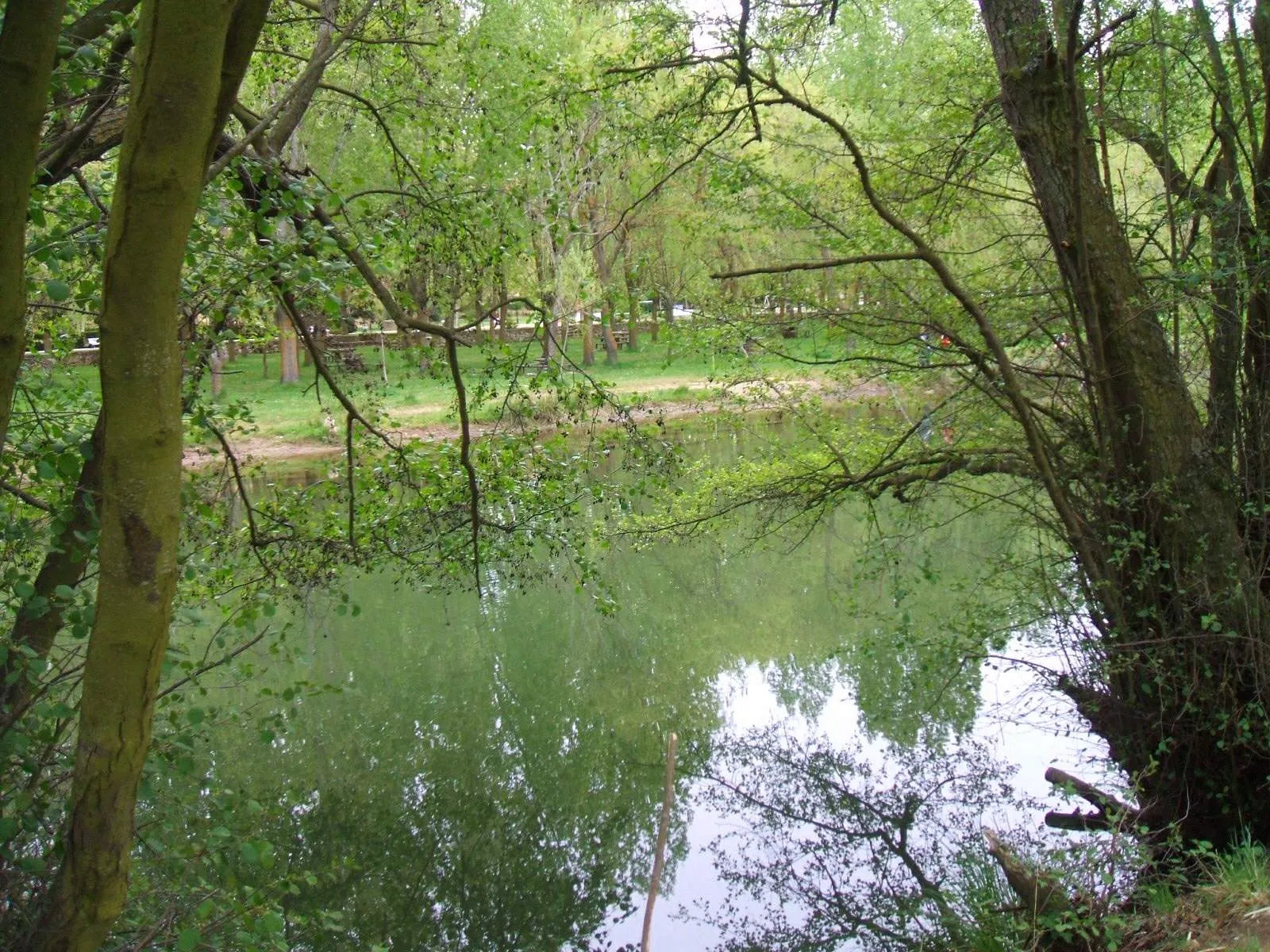
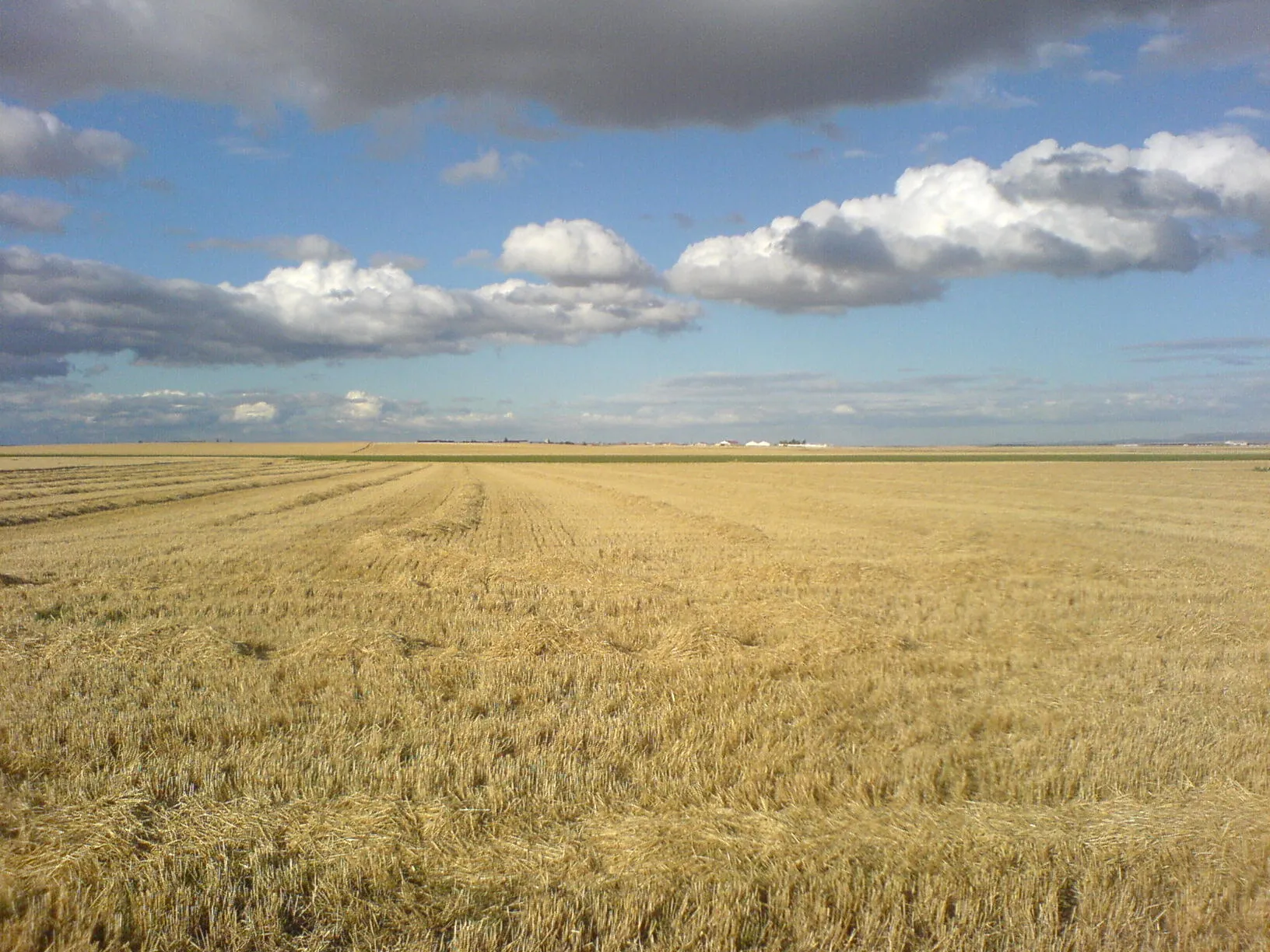
One of the greatest riches of this route is the spectacular transition of landscapes it offers. The pilgrim starts from the green and humid environment of Vizcaya, immerses himself in the singularity of the Mena Valley, and finally emerges into the vast and austere plains of the Meseta castellana to face the final stretch towards Burgos. This contrast of landscapes is a reflection of its own historical function as a bridge between two geographical and cultural realities.
We answer your questions
Frequently Asked Questions about Valley of Mena Trail
How many days are needed to complete the Mena Valley Route with Ourway Travel?
The Mena Valley Route, which is approximately 155 km long, generally takes around 7 days to complete. This itinerary allows you to enjoy at a comfortable pace and explore the rich history and natural beauty of the valley.
Which is the best time of year to do the Mena Valley Way?
The medium season, which includes April to June and September to October, is considered the best time for this route. During this period, you can enjoy pleasant weather and a lower number of pilgrims compared to summer, allowing for a more peaceful experience.
What does booking the Mena Valley Route with Ourway Travel include?
When you book your journey through Ourway Travel for the Mena Valley Route, you will receive a comprehensive package that includes safe and comfortable transportation between departure and arrival cities, accommodation in selected hostels or hotels, as well as management of all your reservations. Additionally, we provide continuous support throughout your pilgrimage to ensure a hassle-free experience.
How does the Camino del Valle del Mena compare to other routes to Santiago?
The Camino del Valle del Mena is a unique alternative that offers an inland approach, less known compared to traditional routes like the Camino Francés. Although it may be less traveled, this route provides you with the opportunity to explore valuable cities and towns in Burgos, as well as landscapes reflecting the transition between Cantabrian mountains and Castilian plateau.
What is the difficulty level of the Mena Valley Trail by Ourway?
The Mena Valley Trail is classified as moderate. This trail offers a balance between moderate hiking and rest periods, passing through beautiful rural areas with some steep ascents. At Ourway Travel, we adjust your itinerary so you can enjoy the natural beauty without overexerting yourself physically.
What is the cost of the Mena Valley Way with Ourway Travel?
The price for the Mena Valley Way varies depending on travel dates and service choices. At Ourway, we offer customized packages that include accommodation, transfers, and assistance along the route. For a more precise quote, we recommend contacting us directly.
How can the Mena Valley Trail be reserved with Ourway?
To reserve your journey on the Mena Valley Trail with Ourway Travel, simply fill out our online reservation form or contact our team of experts directly. We offer a personalized service to design your perfect itinerary and manage all the details of your trip from the comfort of your home.
What do I need to know about the transportation of my backpack during the Camino del Valle del Mena?
During your pilgrimage on the Camino del Valle del Mena, Ourway Travel handles the transportation of your luggage from one point to another so you can enjoy without worrying about carrying it. We always provide precise information on how to manage your belongings throughout each stage and ensure they are safe and in good place.
Organize Your Camino
Ready for this adventure?
Valley of Mena Trail