
Camino de Santiago
Epilogue to Fisterra and Muxía by Bicycle
Take your pilgrimage to the "End of the World" on a bike. Discover the Atlantic Coast, lighthouses and the spirituality of the Atlantic in this 3-day route from Santiago.
Organize your Epilogue to Fisterra and Muxía by BicycleLast updated: 09/08/2025
The Route
General Description of Epilogue to Fisterra and Muxía by Bicycle
Related Routes
Connections of Epilogue to Fisterra and Muxía by Bicycle
Way to Finisterre and Muxía
89 km
3
Media
The Way to Fisterra and Muxía is a unique route, as it is the only one that traditionally starts from Santiago rather than ending there. Many pilgrims, after arriving at the Apostle's tomb, continue their journey to these two iconic points on the Costa da Morte, considered in ancient times the "finis terrae" (the end of the known world).
Stages of this variant:
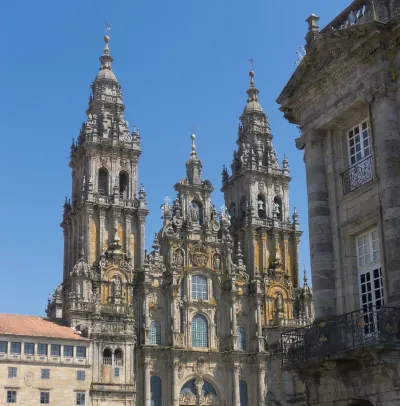
Stage 1: Santiago de Compostela to Negreira
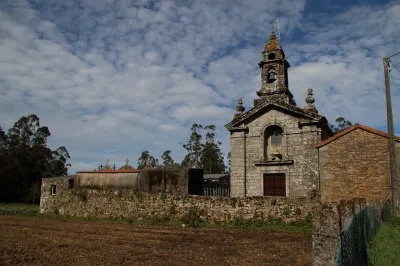
Stage 2: Negreira to Olveiroa
Stage 3: Olveiroa to Cee
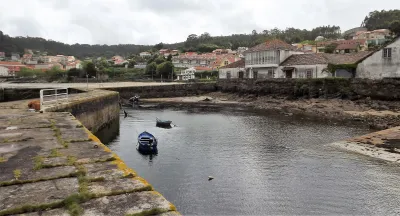
Stage 4: Cee to Finisterre
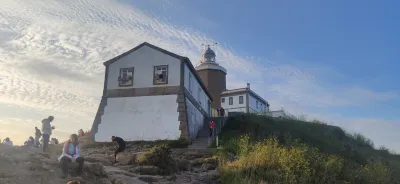
Stage 5: Finisterre to Lires
Elevation Profile of
Elevation Profile of Epilogue to Fisterra and Muxía by Bicycle
Visualize the ups and downs of the route.
Loading elevation profile...
Error loading elevation profile or altitude data not available.
Your trip with Ourway
Everything you need for your Camino
No hassle. Your perfect route, from start to finish.
Accommodation
Selected hotels and hostels at every stage
Luggage transfer
Your backpack travels from stage to stage
Camino Guide
Detailed map with directions and services
24h Support
Team available for any unforeseen event
Pilgrim credential
Official documentation included
No commitment
Free personalized consultation
Stages
Stages of Epilogue to Fisterra and Muxía by Bicycle
Santiago de Compostela → Olveiroa
First cycling stage of the epilogue to Fisterra/Muxía, historical route to the 'End of the World' that medieval pilgrims completed after reaching Santiago. The 55 km link Compostela with Olveiroa cros...
Olveiroa → Finisterre
Final cycling stage to Cape Fisterra, considered by the Romans as the Finis Terrae (End of the Known World). The 40 km link Olveiroa with Fisterra passing by Cee and Corcubión through the Corcubión es...
Olveiroa → Muxía
For the cyclist seeking the mystical essence of Costa da Morte, this stage is a direct journey to the heart of legends. From the recovered village of Olveiroa, the road splits northwards, on a solitar...
Muxía → Finisterre
This stage joins the two bike ends of the Camino, a coastal ride of great beauty with a flat profile. The views of cliffs and beaches are spectacular. It is a day to enjoy the sea and the landscape of...
Towns
Featured Towns of Epilogue to Fisterra and Muxía by Bicycle
Explore the key towns and cities of this route.
History
Millenary History of the Camino de Santiago: Origins and Evolution Epilogue to Fisterra and Muxía by Bicycle
Discover the origins and evolution of Epilogue to Fisterra and Muxía by Bicycle
Tradition has it that continuing the path to Fisterra is almost as old as the pilgrimage itself. Medieval pilgrims, after reaching their destination in Compostela, felt an almost mystical need to keep walking until they saw the ocean, until the land ended and the sun sank into the sea. This act, heir to pagan rites of purification and rebirth, became the true end of the journey for many. Over time, the visit to Muxía's sanctuary was added, with its own powerful marine legend.
The bicycle has proven itself to be the perfect tool for this epilogue. After a long and often exhausting journey to Santiago, the bicycle allows you to cover the almost 90 kilometers to Fisterra and the additional 30 kilometers to Muxía in a more relaxed and panoramic way. The story of its popularity among cyclists is due to this ease and the beauty of its route. The terrain, a continuous rise and fall through gentle hills across rural Galicia, is accessible to almost any cyclist and type of bicycle, from road bikes to mountain bikes.
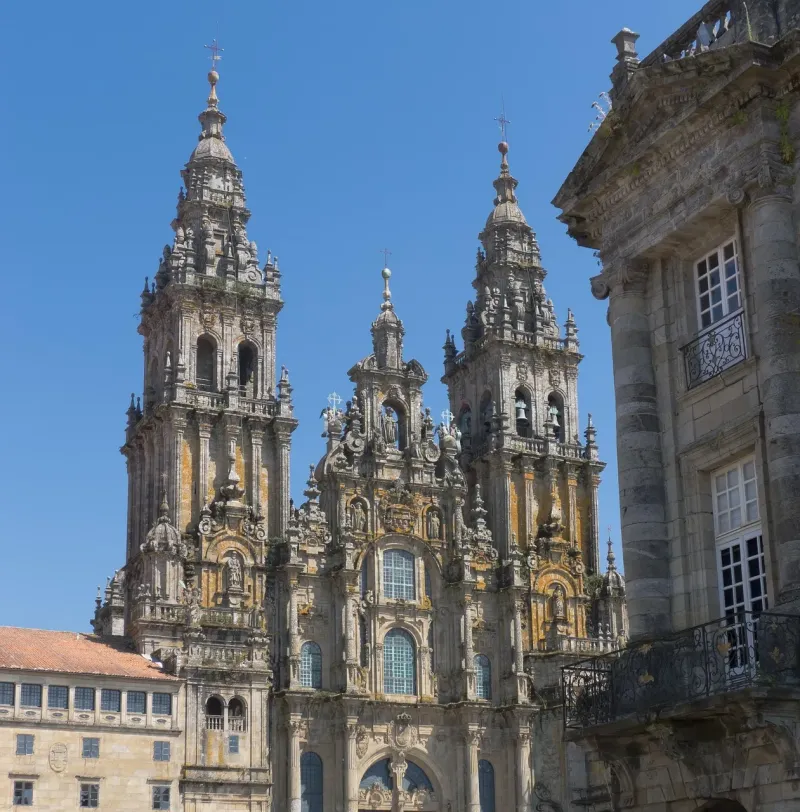
The bike ride begins leaving behind the majesty of Santiago Cathedral. The "bicigrino" heads west, crossing a landscape of oak and eucalyptus forests, and passing by historic villages like Negreira. Emotion builds as you progress, until after a curve, the ocean view appears for the first time, an unforgettable moment. Arrival at the coast, near Cee and Corcubión, with its tranquil rivers, is the prelude to the grand finale.
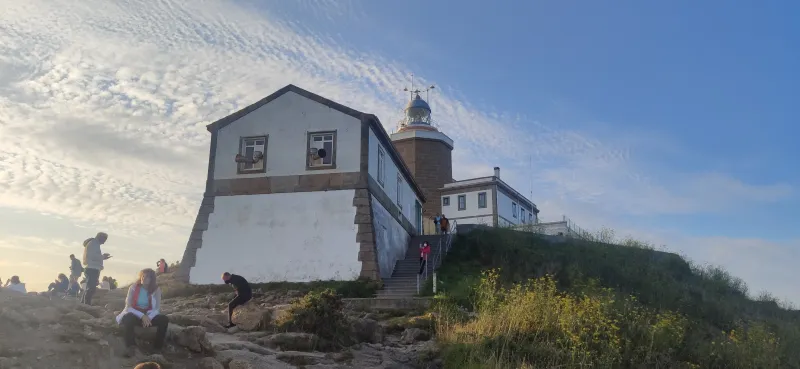
The bicycle offers a unique freedom in this stretch. It allows the pilgrim to deviate to bathe in the beautiful Langosteira beach, climb without excessive effort to Fisterra's lighthouse to witness sunset, and then ride along the stunning coastal road that connects Fisterra with Muxía, one of the most beautiful bike routes in all Galicia. A visit to Muxía, its Virgin of the Barca sanctuary, and the "sacred stones" surrounding it, completes the mystical circle of Costa da Morte.
In the end, the story of this bicycle epilogue is that of a joyful culmination of the pilgrimage. It's the modern way to fulfill the ancestral rite of "The End of the World". After days or weeks of effort and discipline to reach Santiago, the bicycle becomes an instrument of freedom and exploration, allowing the pilgrim to bid farewell in the best possible way: with the sea breeze on their face and the vastness of the ocean as a witness to their achievement.
We answer your questions
Frequently Asked Questions about Epilogue to Fisterra and Muxía by Bicycle
How many kilometers and days does the Epilogue to Fisterra and Muxía by Bicycle cover?
The route of the Epilogue to Fisterra and Muxía by bicycle covers a total distance of 151.1 km and is estimated to take approximately 3 days to complete.
What is the best time to do the Epilogue from Fisterra and Muxía?
The medium season, specifically between April and June or September and October, offers favorable weather and a moderate number of pilgrims. This period allows you to enjoy the scenery without major crowds.
How does the Epilogue to Fisterra and Muxía compare in difficulty to other routes like the French Way?
The Epilogue to Fisterra and Muxía is considered of medium difficulty, with hilly but manageable terrain. Unlike the French Way which can be more challenging in some stretches due to its elevation changes, this route offers greater freedom to explore the coast without the same level of physical difficulty.
What does Ourway Travel include in the Epilogue to Fisterra and Muxía by Bicycle?
Ourway Travel handles accommodation reservations, provides a detailed itinerary with key tourist attractions, facilitates the rental of safe and comfortable bicycles, and offers personalized advice to ensure an unforgettable experience.
What is the difficulty level of the Epilogue to Fisterra and Muxía by Bicycle?
The route has a medium difficulty level, with moderate climbs and descents through Galicia. This journey combines varied but manageable terrain, ideal for pilgrims seeking a challenging yet not overly demanding experience.
How do I book the Epilogue to Fisterra and Muxía by Bike with Ourway Travel?
To reserve this itinerary, simply visit our official Ourway Travel website and complete the online request. Our team will confirm your booking and provide you with all necessary information to start your journey towards the 'End of the World'.
What is the difference between doing the Epilogue to Fisterra and Muxía by bicycle and continuing on foot?
Doing this epilogue by bicycle offers greater speed and comfort for exploring the legendary Costa da Morte, with its natural beauty and historical sites. Unlike walking, which can be slower and more demanding, traveling by bike allows you to enjoy coastal landscapes and cliffs from a panoramic perspective.
What do I need for the pilgrim credential and luggage transportation during the Epilogue to Fisterra and Muxía by Bicycle?
Ourway Travel provides you with all the information on how to obtain your pilgrim credential. Additionally, we manage the luggage transportation service so that you can travel light and enjoy the scenery without worrying about your belongings.
Organize Your Camino
Ready for this adventure?
Epilogue to Fisterra and Muxía by Bicycle
Walk this route with us
Fancy walking this route?
We don't have a ready-made package for this route yet, but we'll organise it around you. Tell us how you'd like to experience it and a specialist will reply within 24 h.
Request your proposal