
Camino de Santiago
Via Augusta from Cadiz
The Via Augusta from Cadiz restores the ancient Roman road to link the oldest city in the West with Seville, connecting with the Via of the Silver.
Organize your Via Augusta from CadizLast updated: 21/05/2025
The Route
General Description of Via Augusta from Cadiz
Related Routes
Connections of Via Augusta from Cadiz
Way of the Plate
963.6 km
38
High
The Silver Way (La Vía de la Plata) is the longest of the Camino de Santiago paths in Spain, with almost 1000 km. Its route, which starts in Seville, largely follows the ancient Roman road that connected Mérida to Astorga. It traverses Andalusia, Extremadura and Castile and León, offering pilgrims two options in Granja de Moreruela (Zamora): continue on to Astorga to link with the French Way or take the Sanabrés Way directly to Galicia.
It is a route of immense historical and monumental wealth. Due to its length and high temperatures in its southern section, it requires excellent planning. It offers diverse landscapes, from the extreme dehesas to the plains and mountains of Castile and León.
Stages of this variant:
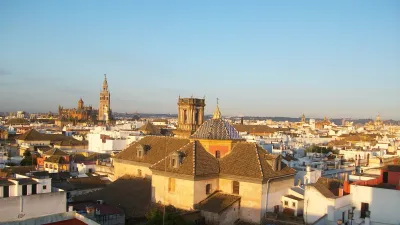
Stage 1: Sevilla to Guillena
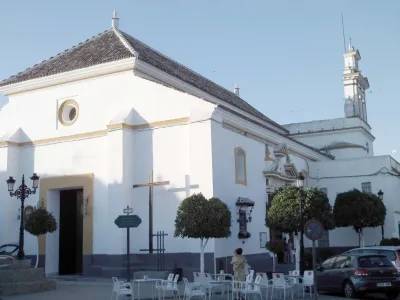
Stage 2: Guillena to Castilblanco de los Arroyos
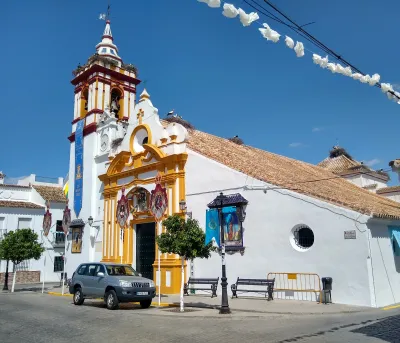
Stage 3: Castilblanco de los Arroyos to Almadén de la Plata
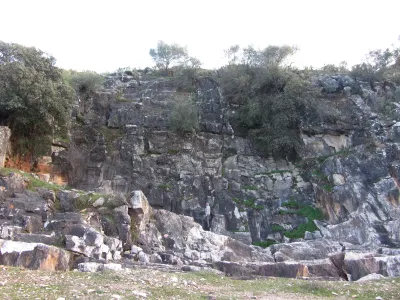
Stage 4: Almadén de la Plata to Monesterio

Stage 5: Monesterio to Fuente de Cantos

Your trip with Ourway
Everything you need for your Camino
No hassle. Your perfect route, from start to finish.
Accommodation
Selected hotels and hostels at every stage
Luggage transfer
Your backpack travels from stage to stage
Camino Guide
Detailed map with directions and services
24h Support
Team available for any unforeseen event
Pilgrim credential
Official documentation included
No commitment
Free personalized consultation
Walk this route with us
Fancy walking this route?
We don't have a ready-made package for this route yet, but we'll organise it around you. Tell us how you'd like to experience it and a specialist will reply within 24 h.
Request your proposalStages
Stages of Via Augusta from Cadiz
Cádiz → Puerto Real
The opening day of the Vía Augusta sets out from the old town of Cádiz and covers 27 kilometres across the isthmus and the marshes of the bay to Puerto Real. The route follows the corridor of the old ...
Puerto Real → Jerez de la Frontera
The second stage of the Vía Augusta links Puerto Real with Jerez de la Frontera, skirting the bay before turning inland into the Marco de Jerez. The exit crosses the La Algaida pine wood and the Río S...
Jerez de la Frontera → El Cuervo de Sevilla
A stage of the Vía Augusta in the province of Cádiz, following the old Roman course of the Via Heraclea. Its roughly 28 kilometres link Jerez de la Frontera, capital of the sherry appellation with its...
El Cuervo de Sevilla → Las Cabezas de San Juan
A stage of the Vía Augusta between the provinces of Cádiz and Seville. Its roughly 29 kilometres run through the low Andalusian countryside, among crops of cereal, olive and cotton. Las Cabezas de San...
Las Cabezas de San Juan → Utrera
The longest stage of the Vía Augusta, 32 kilometres of open countryside between Las Cabezas de San Juan and Utrera. The day begins with the descent from the hill crowned by Las Cabezas and settles at ...
Utrera → Alcalá de Guadaíra
A stage of the Vía Augusta across the Seville countryside. Its roughly 19 kilometres link Utrera, capital of Gypsy-Andalusian flamenco and famed for its mostachones, with Alcalá de Guadaíra, the histo...
Towns
Featured Towns of Via Augusta from Cadiz
Explore the key towns and cities of this route.
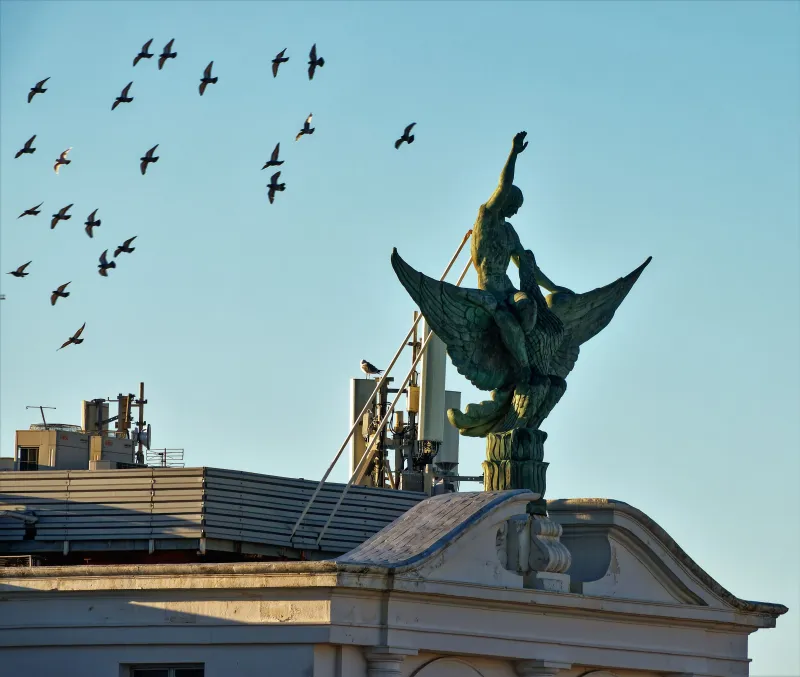
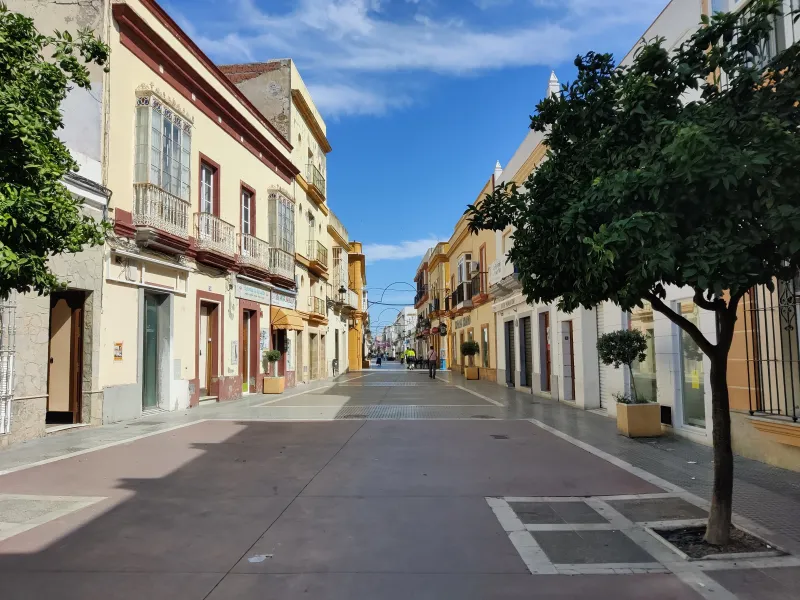
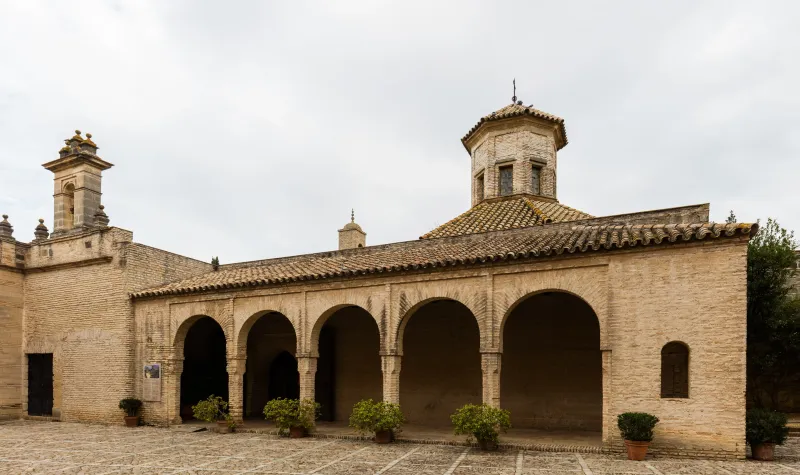
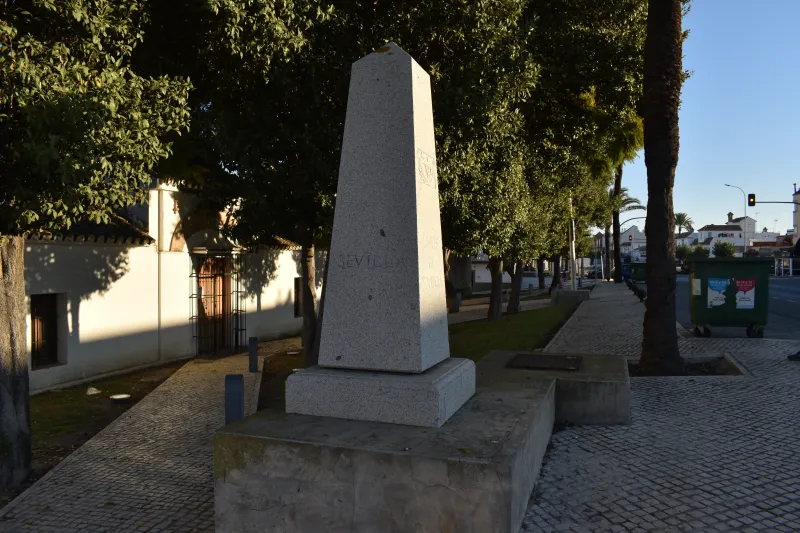
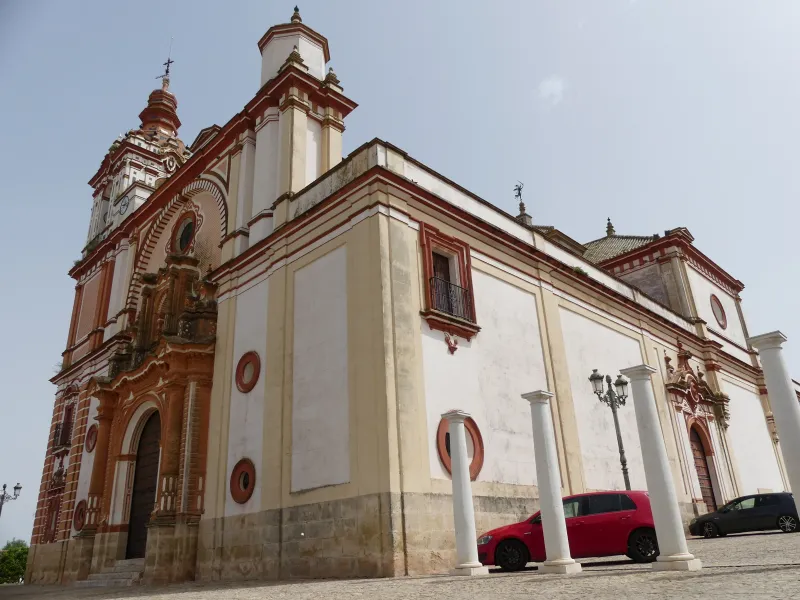

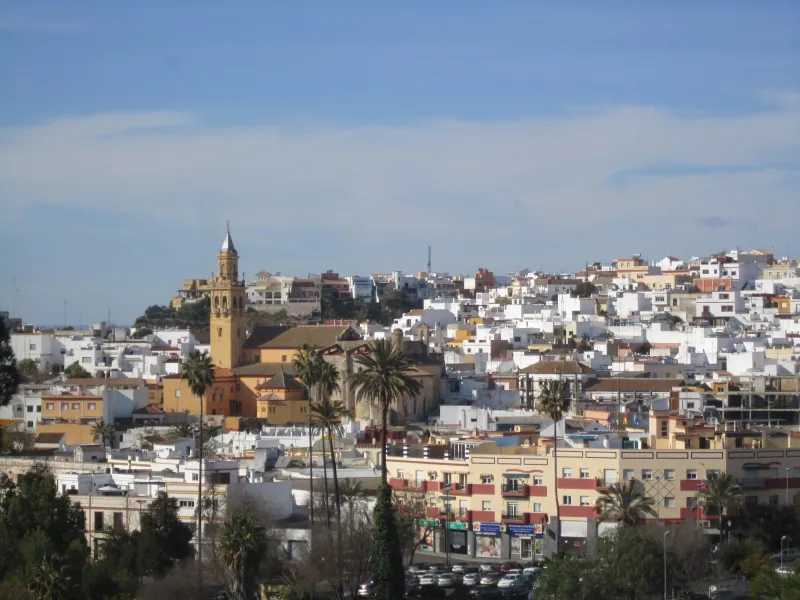
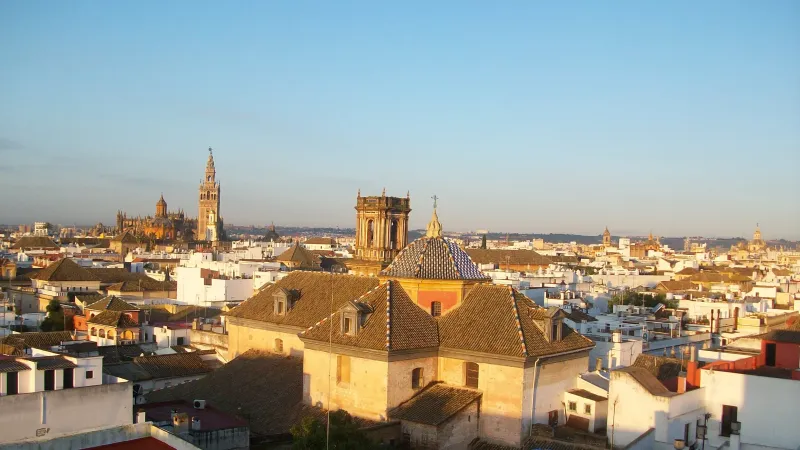
History
Millenary History of the Camino de Santiago: Origins and Evolution Via Augusta from Cadiz
Discover the origins and evolution of Via Augusta from Cadiz
The history of this route begins over three thousand years ago, around 1100 BC, when Phoenician sailors founded Gadir on an island in the Guadalquivir's mouth. Later, the Romans turned it into Gades, one of the most prosperous cities in the Empire, famous for its salted fish and dancers. To connect this Atlantic gem with Rome, Roman engineers drew the final section of their great road, the Via Augusta, which ran along the entire Mediterranean coast from the Pyrenees. The route between Gades and Hispalis (Seville) was therefore a major economic, military, and administrative route.
With the arrival of Christianity and the subsequent discovery of St. James' tomb, this perfectly built and maintained road became the natural route for pilgrims in the region. For a resident of Cadiz, Jerez or the bay area, or any traveler arriving at their important port, the Via Augusta was the only logical and safe path to start the journey northwards. The goal of this initial section was to reach the great metropolis of Sevilla, which solidified itself as the official starting point of the Way of the Plata from the Middle Ages.
The modern itinerary aims to recreate the route of the ancient road as far as possible. Part of Cadiz city, "the silver spoon," and crosses the bay, a landscape of salt pans and marshes of great ecological value. Passes through historic villages like Puerto Real, El Puerto de Santa María, and above all, Jerez de la Frontera. Jerez, already in the Middle Ages, was a city of great importance, famous for its wines, which were already exported to all Europe, and for breeding its cartujan horses. Its castle and Gothic churches were an important stopover for pilgrims.
From Jerez, the road enters the countryside, an undulating landscape of fertile lands dedicated to cereal and sunflower cultivation. Passes through localities like Lebrija and Utrera before spotting in the distance the Giralda, the campanile of Sevilla's cathedral. The arrival in Sevilla marked the end of the first stage of the journey. In the Andalusian capital, the pilgrim could rest, replenish supplies, and mentally prepare for the true challenge ahead: the over 700 kilometers of the Way of the Plata to Astorga.
The recovery of the Via Augusta from Cadiz as a formal Jacobean route is an effort by Andalusian associations to give a coherent and deeply meaningful starting point to the Way of the Plata. Offers a relatively flat and low-difficulty journey, ideal for first contact with pilgrimage. Walking this section is to start the journey to Santiago from the same historical confines of Europe, uniting the light of Cadiz with the grandeur of Sevilla as a prelude to the adventure of the Great West Road.
We answer your questions
Frequently Asked Questions about Via Augusta from Cadiz
How long is the Via Augusta from Cadiz?
The Via Augusta from Cadiz has a total length of 170 km, making this route a moderate journey. This itinerary is ideal for those who want to combine Roman history with the Camino de Santiago.
How many days are needed to complete the Via Augusta from Cadiz?
It is estimated that an average pilgrim can complete the Via Augusta from Cadiz in approximately 6 days, although this time may vary depending on the walker's speed and personal preferences.
When is the best time to do the Via Augusta from Cadiz?
The recommended period for undertaking the Via Augusta from Cadiz is during mid-season, specifically between April and June or September and October. During these months, you can enjoy pleasant weather and a lower number of pilgrims.
What is the cost of the complete tour package for the Via Augusta from Cadiz with Ourway?
The costs for the tour package along the Via Augusta from Cadiz may vary depending on travel dates and included services. At Ourway, we manage personalized reservations that include accommodation in selected hostels, luggage transfer, and route advice.
What does the reservation service with Ourway include for the Vía Augusta from Cádiz?
Our booking package for the Vía Augusta from Cádiz includes accommodation in selected hostels, luggage transfer between stages, and personalized advice on the route. Additionally, you can opt for additional services such as guided tours or medical insurance.
How would you compare the Vía Augusta from Cádiz to other Camino routes?
The Vía Augusta from Cádiz offers a unique experience by blending Roman history with Andalusian heritage. Unlike more popular routes such as the French Way or the Silver Route, this itinerary is less crowded but equally exciting, providing a deep cultural journey.
How do you choose between the Via Augusta from Cadiz and the Route of the Guadiana for pilgrimage?
The choice depends on your personal interests. The Via Augusta from Cadiz is ideal if you seek a unique blend of Roman history and Jacobean influence, while the Route of the Guadiana offers a more rural and varied environment. Also consider the dates available for each route and your level of cultural interest.
What type of pilgrim credential do I need to walk the Via Augusta from Cadiz?
To undertake the Via Augusta from Cadiz, it is advisable to have an official pilgrim's credential. This allows you to stay in hostels and receive benefits such as discounts at some sacred sites along the route.
Organize Your Camino
Ready for this adventure?
Via Augusta from Cadiz