
Stage of the Camino
Benavente to Santa Croya de Tera
From Benavente To Santa Croya de Tera
Plan your CaminoStage of the Camino
Stage Description
A linking stage that connects Benavente with the Camino Sanabrés, avoiding the Astorga branch and the Camino Francés. A gentle, essentially flat day that follows the Tera valley upstream through grain fields, irrigated farmland and small Zamoran hamlets such as Villanázar and Mózar. The walking is comfortable, along farm tracks and stretches of old drovers' roads, with little shade and the wide horizon of the Zamoran plain. Arrival in Santa Croya de Tera, on the riverbank, places the pilgrim at the gateway to the Sanabrés: in neighbouring Santa Marta de Tera awaits the Romanesque church of San Martín, home to the famous stone image of Saint James as a pilgrim.
This linking stage allows pilgrims arriving in Benavente along the Camino del Sureste or the Vía de la Plata to continue towards Santiago on the Camino Sanabrés without passing through Astorga or touching the Camino Francés. It covers 23.1 essentially flat kilometres, with no passes or notable climbs, completed in about six hours of unhurried walking.
The day begins in the historic centre of Benavente, with the memory of the castle of La Mota and its Caracol Tower overlooking the river plain. The route descends towards the irrigated farmland where the Órbigo, Esla and Tera rivers converge, and soon swaps asphalt for farm tracks that run between grain fields, maize plots and riverside poplar groves.
The central section follows the valley upstream past small Zamoran hamlets such as Villanázar and Mózar, where adobe and brick houses recall the traditional architecture of the Tierra de Campos. Shade is scarce and the horizon wide: in the hot months it is wise to set out early and carry water, as services between villages are minimal.
The stage ends in Santa Croya de Tera, a small riverside village with a long-established albergue, one of the pioneers of the route. Just across the bridge lies Santa Marta de Tera and its 11th-century Romanesque church of San Martín, whose southern portal holds the celebrated stone image of Saint James the pilgrim, one of the oldest known depictions of the walking apostle. From here, the pilgrim is fully incorporated into the Camino Sanabrés.
The day begins in the historic centre of Benavente, with the memory of the castle of La Mota and its Caracol Tower overlooking the river plain. The route descends towards the irrigated farmland where the Órbigo, Esla and Tera rivers converge, and soon swaps asphalt for farm tracks that run between grain fields, maize plots and riverside poplar groves.
The central section follows the valley upstream past small Zamoran hamlets such as Villanázar and Mózar, where adobe and brick houses recall the traditional architecture of the Tierra de Campos. Shade is scarce and the horizon wide: in the hot months it is wise to set out early and carry water, as services between villages are minimal.
The stage ends in Santa Croya de Tera, a small riverside village with a long-established albergue, one of the pioneers of the route. Just across the bridge lies Santa Marta de Tera and its 11th-century Romanesque church of San Martín, whose southern portal holds the celebrated stone image of Saint James the pilgrim, one of the oldest known depictions of the walking apostle. From here, the pilgrim is fully incorporated into the Camino Sanabrés.
Last updated: 15/08/2026
Where to Sleep
Accommodations in this Stage
Find the perfect place for your rest in Benavente o Santa Croya de Tera.

Hotel Villa de Benavente
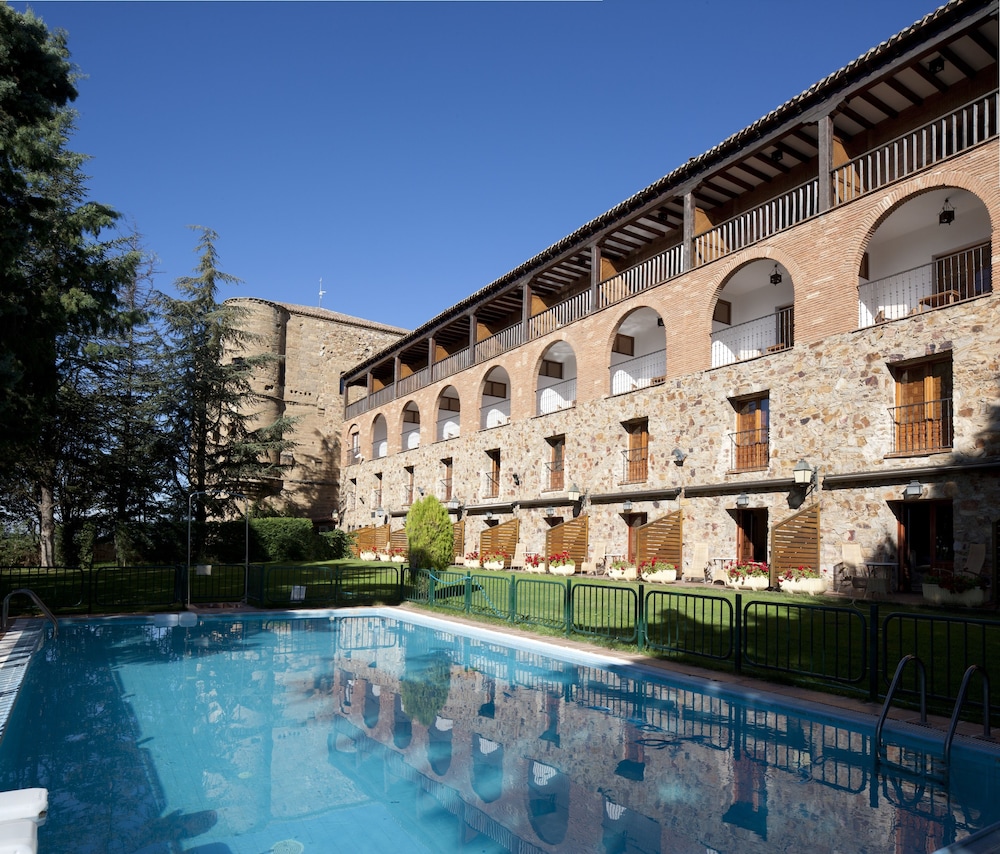
Parador De Benavente
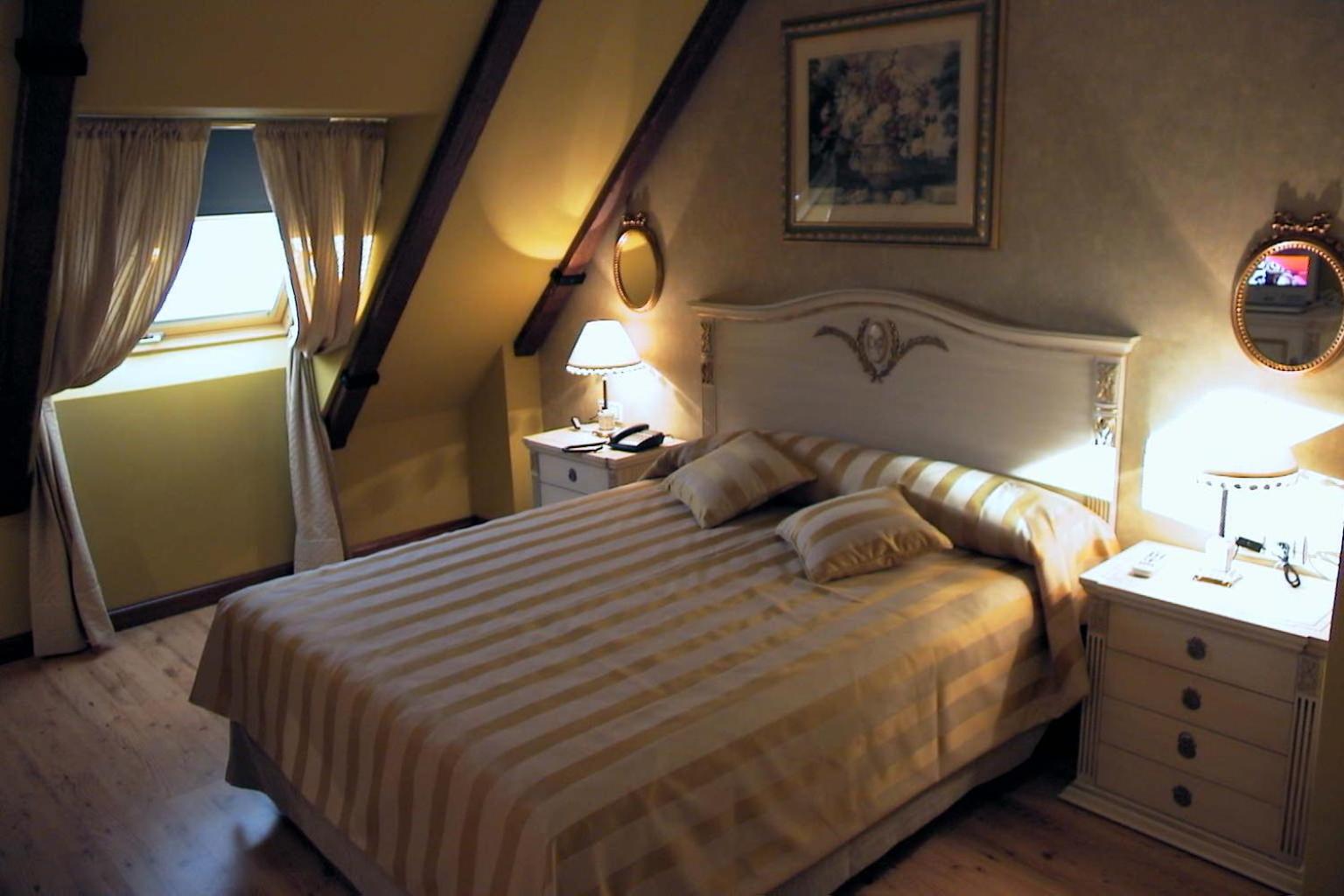
Hotel Santiago

MLC Benavente
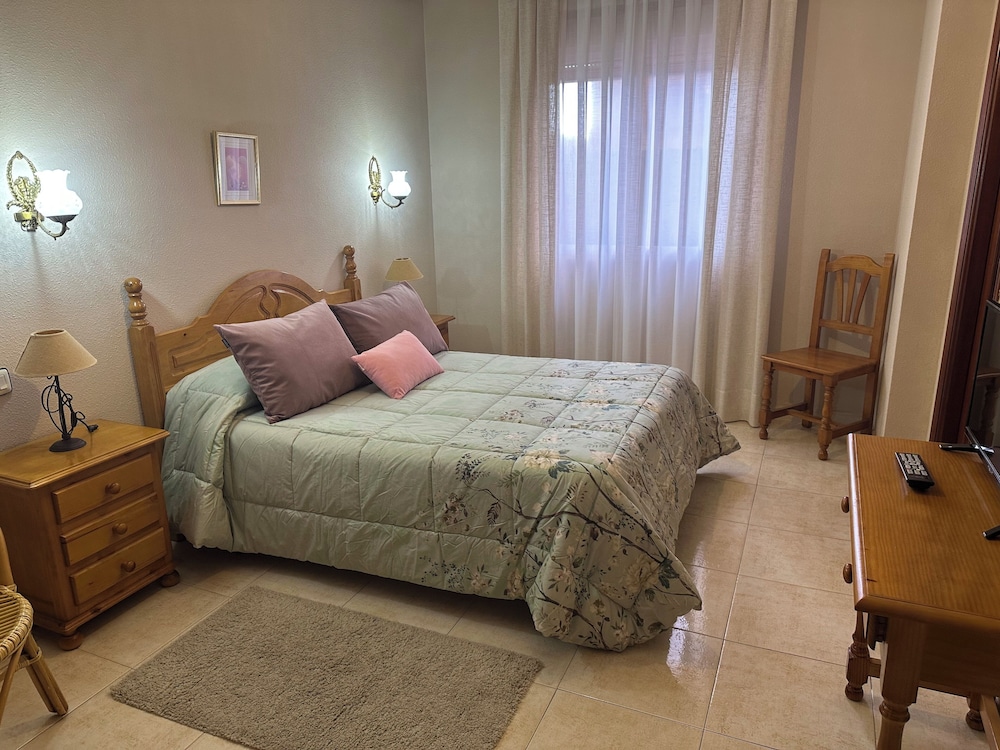
Hotel Covadonga
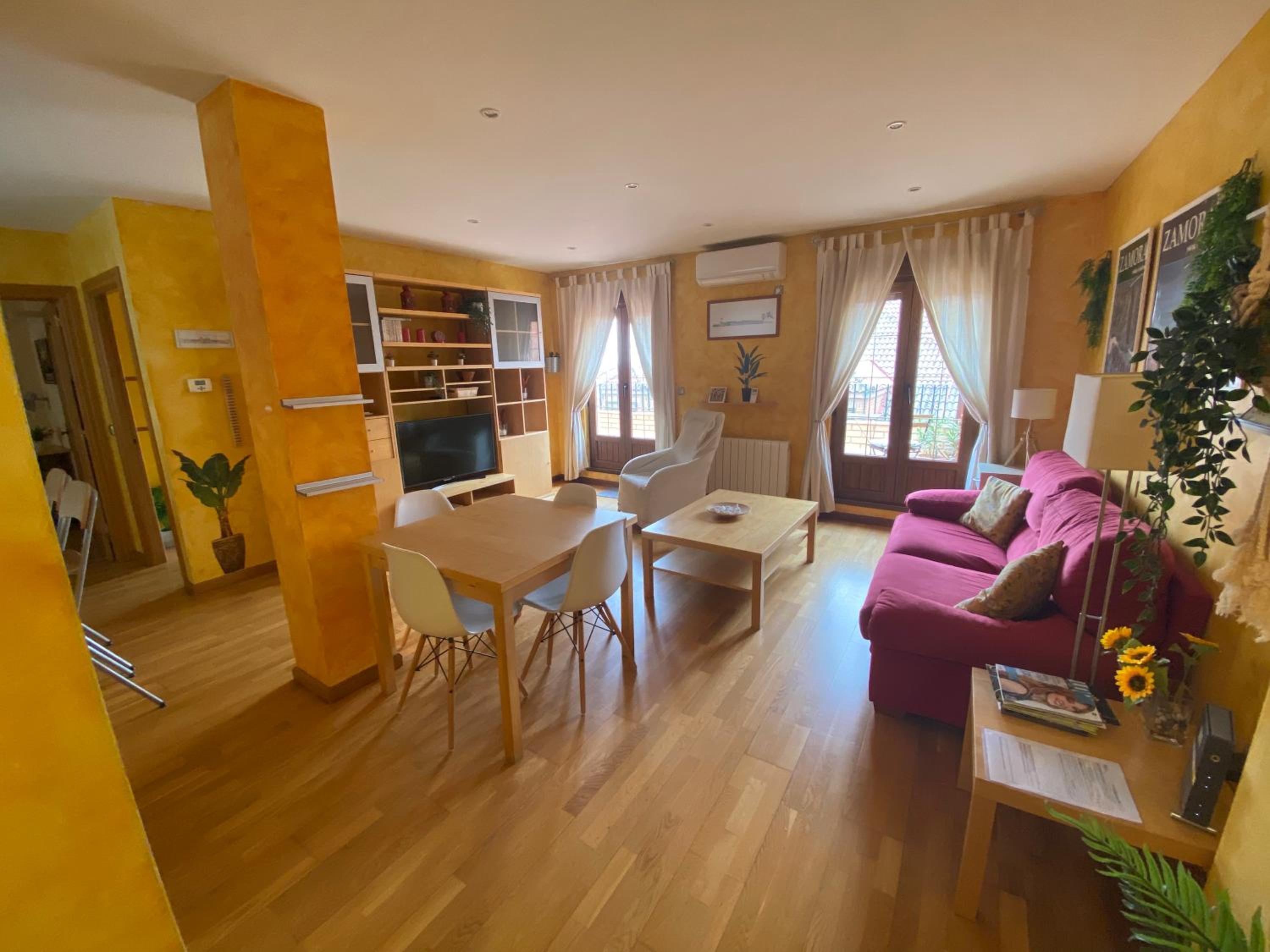
Atico centrico con terraza y garaje
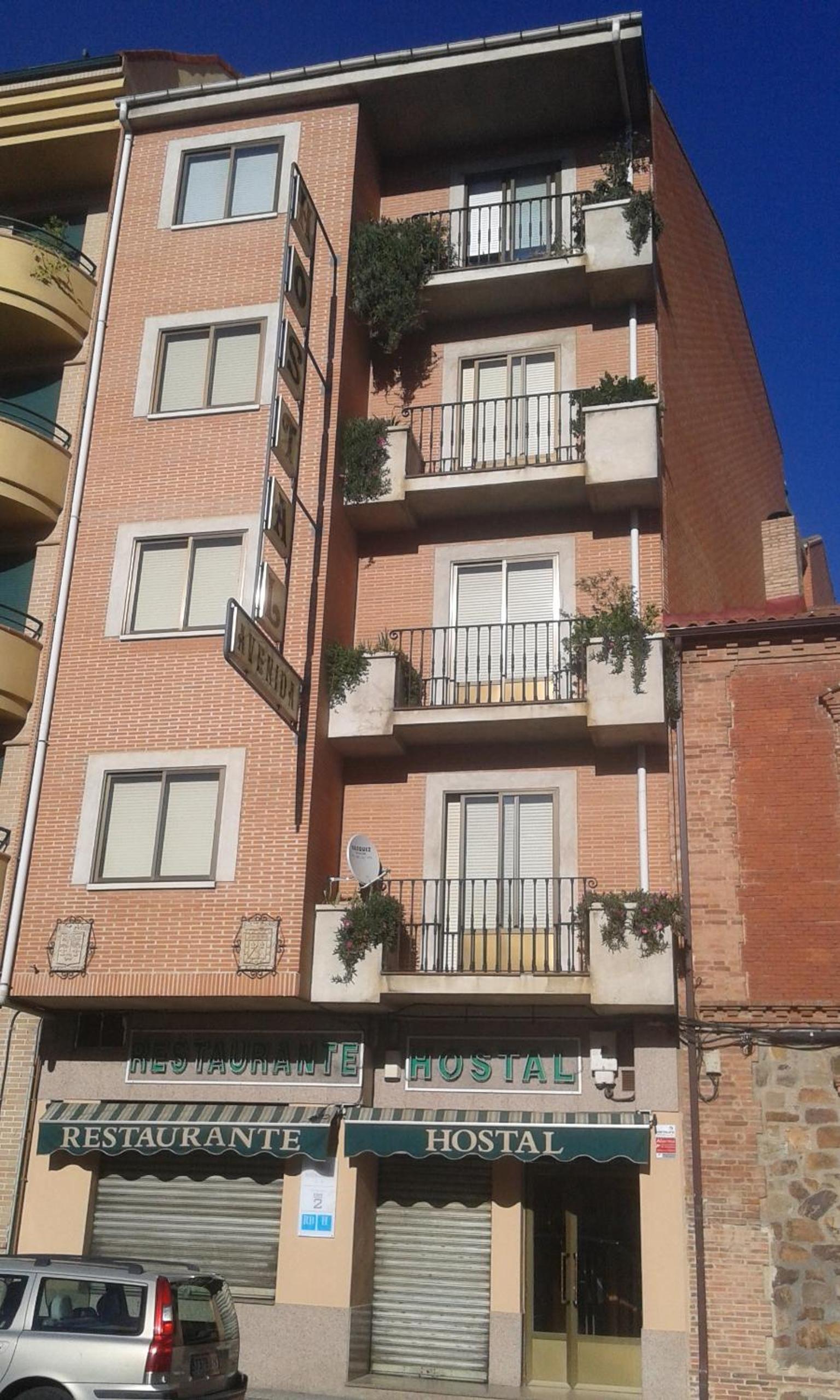
Hostal Avenida
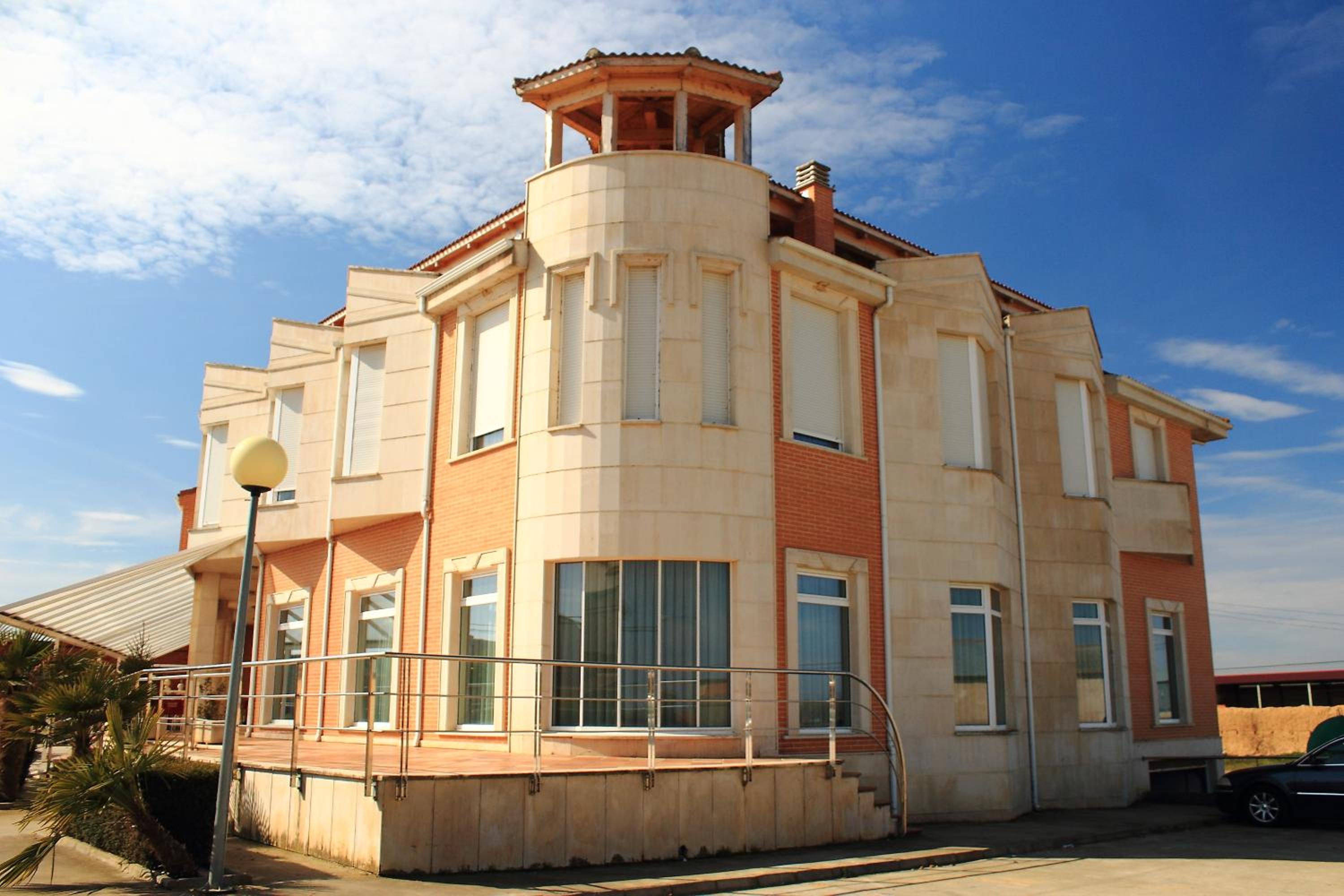
Hostal Castilla
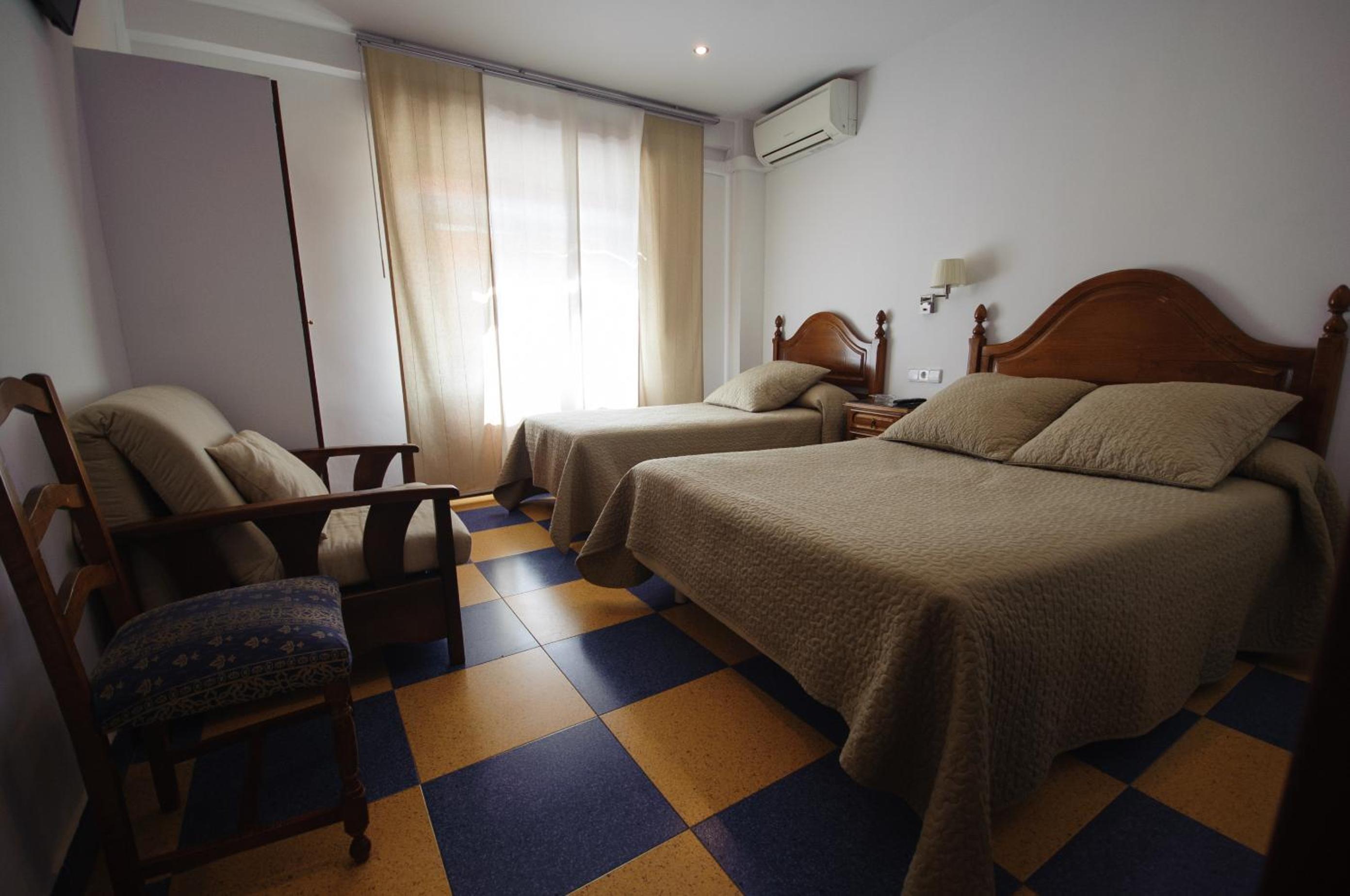
Hostal Restaurante la Trucha

Hostal Universal
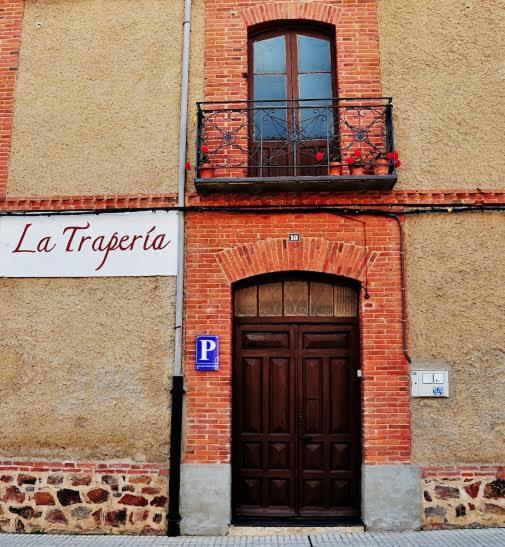
La Trapería Hostal - Pensión con encanto
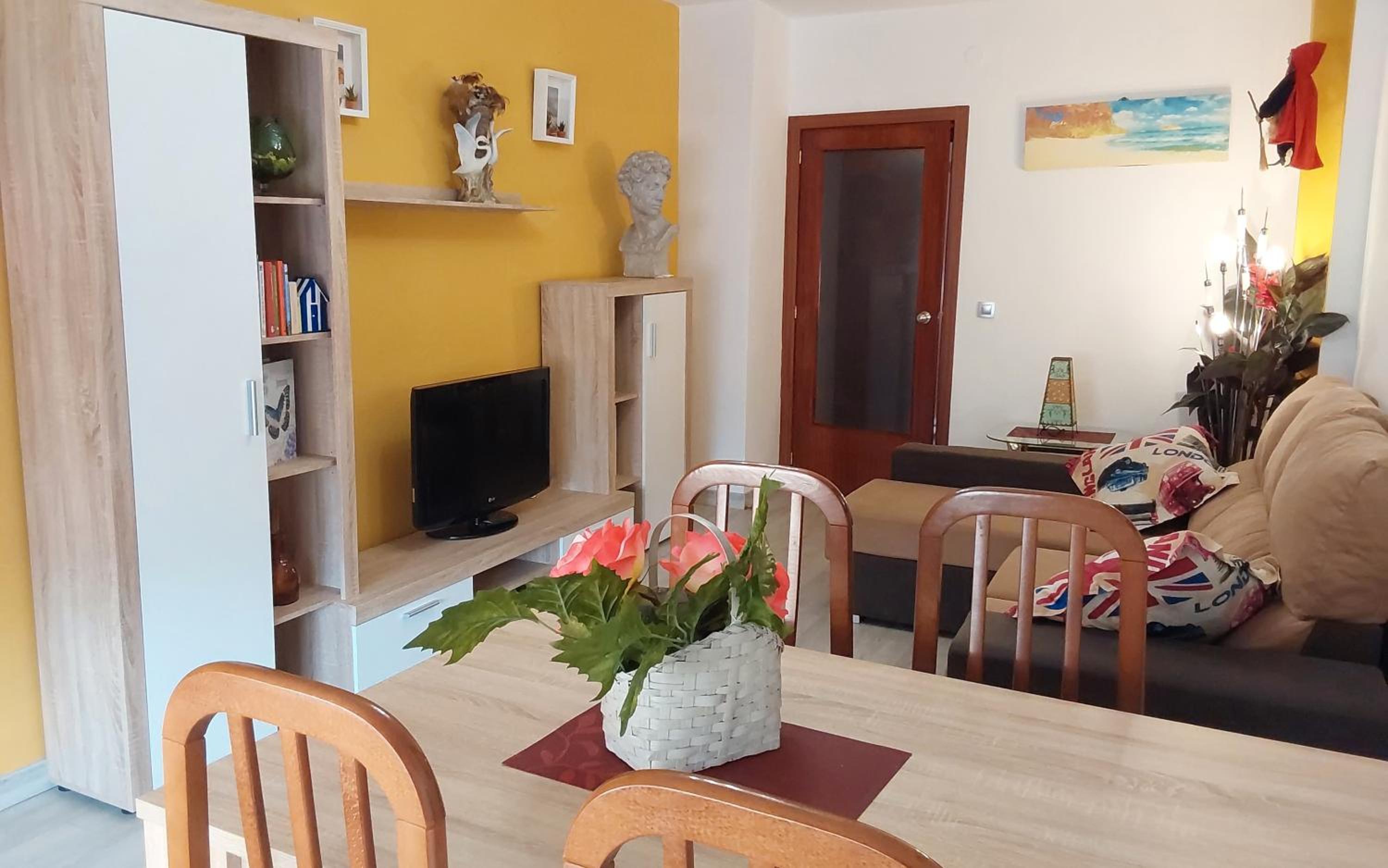
Piso turístico en el centro de Benavente
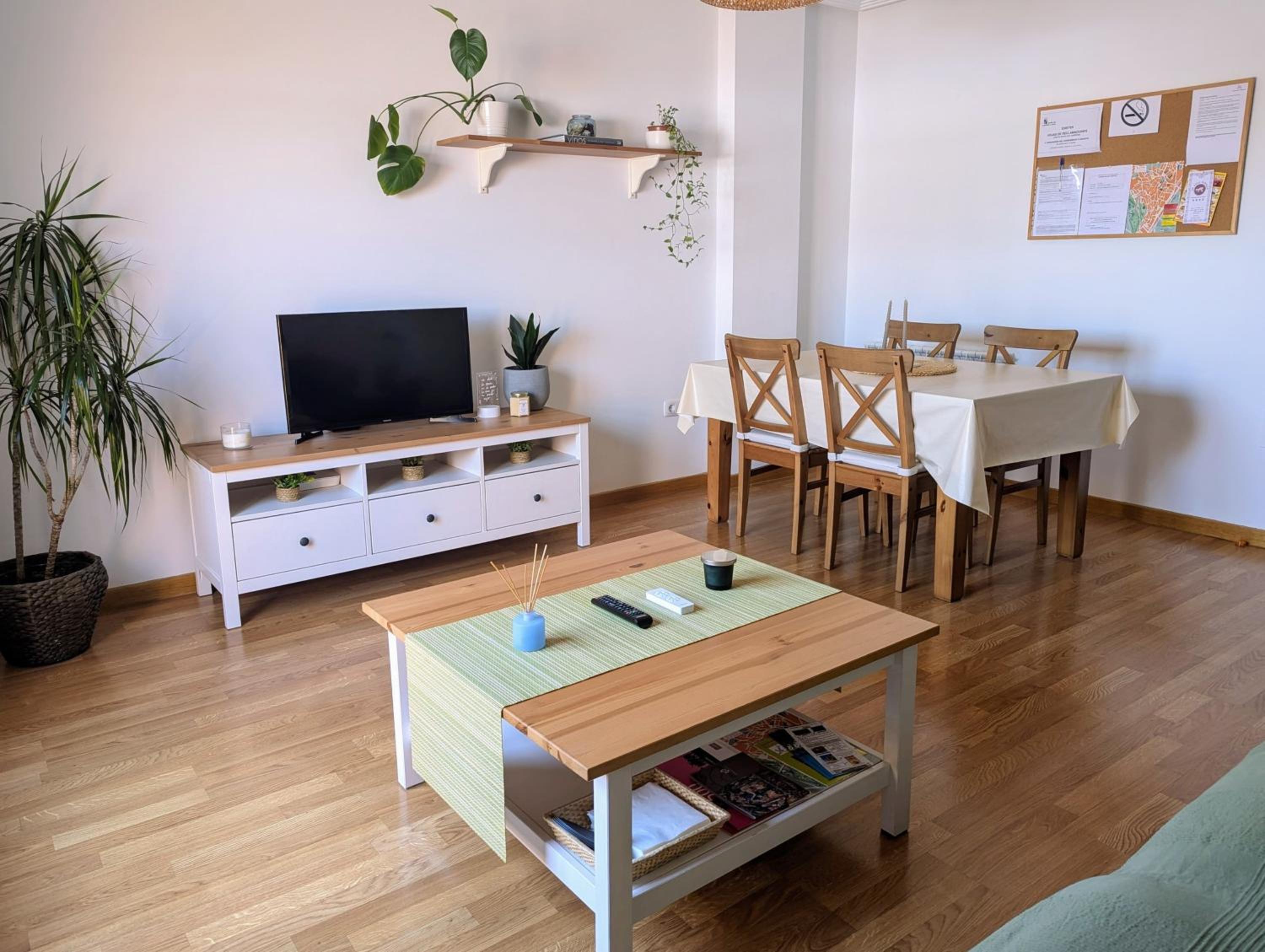
Puerta del Noroeste
Start your adventure
Ready to walk this stage?
We design your personalised Camino de Santiago experience.
Plan your Camino