
Stage of the Camino
Stage Mombuey to Puebla de Sanabria
From Mombuey To Puebla de Sanabria
Plan your CaminoOrigin
Destination
Distance
31.70 km
Duration
8.00 h
Difficulty
Moderate
Ascent
350 m
Descent
327 m
Stage of the Camino
Stage Description
A long stage with a broken profile that marks the Camino Sanabrés's entry into the Sanabria region. Its 31.7 kilometres set out beside Mombuey's Templar tower and string together a rosary of hamlets in La Carballeda —Valdemerilla, Cernadilla, San Salvador de Palazuelo, Entrepeñas— along tracks and paths that alternate with sections running parallel to the N-525. Past Asturianos the landscape closes in with oak woods and pine forest, and the route becomes a relentless up and down that demands careful pacing. Palacios de Sanabria, Remesal, Otero de Sanabria and Triufé punctuate the final third, with the Sanabria sierras rising to the north. The arrival in Puebla de Sanabria comes up the Tera valley, with the castle of the Counts of Benavente outlined on its hilltop announcing the end of the stage.
At 31.7 kilometres, this is one of the longest days on the Camino Sanabrés and the one that completes the passage from the Zamoran plateau to the mountains. The profile abandons the gentle undulation of earlier stages to chain together short climbs and descents that accumulate altitude without any clearly defined passes: the walker leaves Mombuey at 890 metres and enters Puebla de Sanabria at 941, with a high point close to 1,006 metres. It is not a hard stage because of its gradients, but because of its length and the leg-breaking nature of the route.
The departure from Mombuey passes the church of La Asunción, whose thirteenth-century Templar tower —declared a historic-artistic monument in 1931— bears the carved ox head that gave the village its name. The Camino crosses beneath the A-52 motorway and the high-speed rail line and threads a succession of small hamlets in La Carballeda: Valdemerilla at kilometre 4.5, Cernadilla shortly after, and San Salvador de Palazuelo, which has a hostel for anyone who set out late. The surface alternates farm tracks with paths running between stone walls.
Beyond Entrepeñas the route climbs steadily to Asturianos, at kilometre 16.4, where the last guaranteed services stand before the long stretch ahead. From here the landscape changes completely: dense oak and pine woods replace the open fields, the N-525 keeps company at a middle distance, and the pilgrim crosses the highest ground of the day, with the Segundera and La Cabrera sierras drawn along the northern horizon.
The final third links Palacios de Sanabria, Remesal, Otero de Sanabria and Triufé by forest tracks, with a clearly marked firebreak after Remesal serving as a landmark. From there the route drops towards the Tera valley, crosses the river and tackles the last climb, the one that rises to the hill on which the old town of Puebla de Sanabria stands.
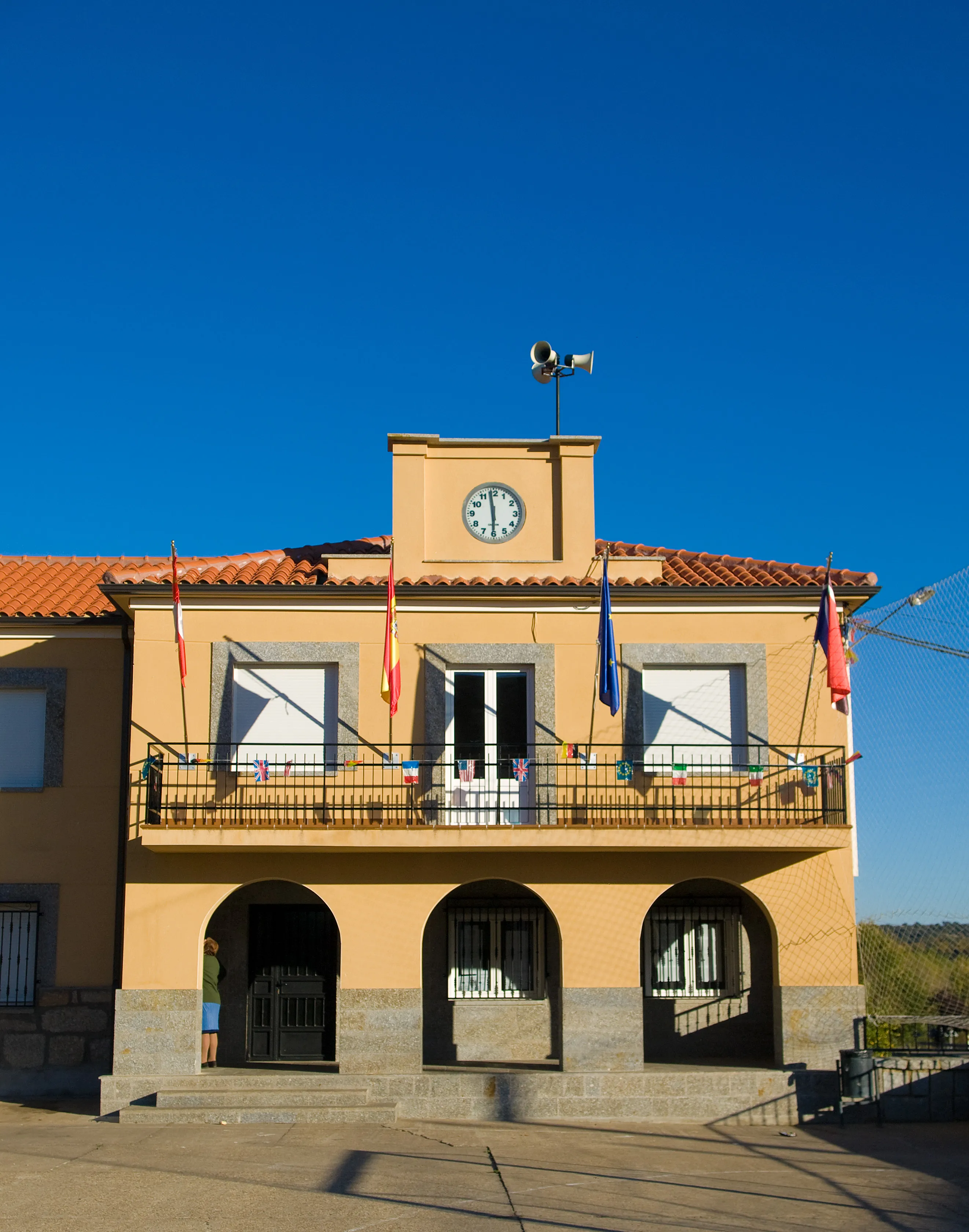
The destination repays the effort. Puebla de Sanabria, admitted in 2017 to the association of the Most Beautiful Villages of Spain, preserves a walled old town presided over by the castle of the Counts of Benavente, raised in the mid-fifteenth century on a high-medieval fortress and crowned by the keep known as El Macho. The twelfth-century Romanesque church of Santa María del Azogue and the town hall with its arcaded galleries complete the ensemble. Twelve kilometres away lies Lake Sanabria, the largest glacial lake on the Iberian Peninsula.
The departure from Mombuey passes the church of La Asunción, whose thirteenth-century Templar tower —declared a historic-artistic monument in 1931— bears the carved ox head that gave the village its name. The Camino crosses beneath the A-52 motorway and the high-speed rail line and threads a succession of small hamlets in La Carballeda: Valdemerilla at kilometre 4.5, Cernadilla shortly after, and San Salvador de Palazuelo, which has a hostel for anyone who set out late. The surface alternates farm tracks with paths running between stone walls.
Beyond Entrepeñas the route climbs steadily to Asturianos, at kilometre 16.4, where the last guaranteed services stand before the long stretch ahead. From here the landscape changes completely: dense oak and pine woods replace the open fields, the N-525 keeps company at a middle distance, and the pilgrim crosses the highest ground of the day, with the Segundera and La Cabrera sierras drawn along the northern horizon.
The final third links Palacios de Sanabria, Remesal, Otero de Sanabria and Triufé by forest tracks, with a clearly marked firebreak after Remesal serving as a landmark. From there the route drops towards the Tera valley, crosses the river and tackles the last climb, the one that rises to the hill on which the old town of Puebla de Sanabria stands.
The destination repays the effort. Puebla de Sanabria, admitted in 2017 to the association of the Most Beautiful Villages of Spain, preserves a walled old town presided over by the castle of the Counts of Benavente, raised in the mid-fifteenth century on a high-medieval fortress and crowned by the keep known as El Macho. The twelfth-century Romanesque church of Santa María del Azogue and the town hall with its arcaded galleries complete the ensemble. Twelve kilometres away lies Lake Sanabria, the largest glacial lake on the Iberian Peninsula.
Last updated: 01/09/2026
Where to Sleep
Accommodations in this Stage
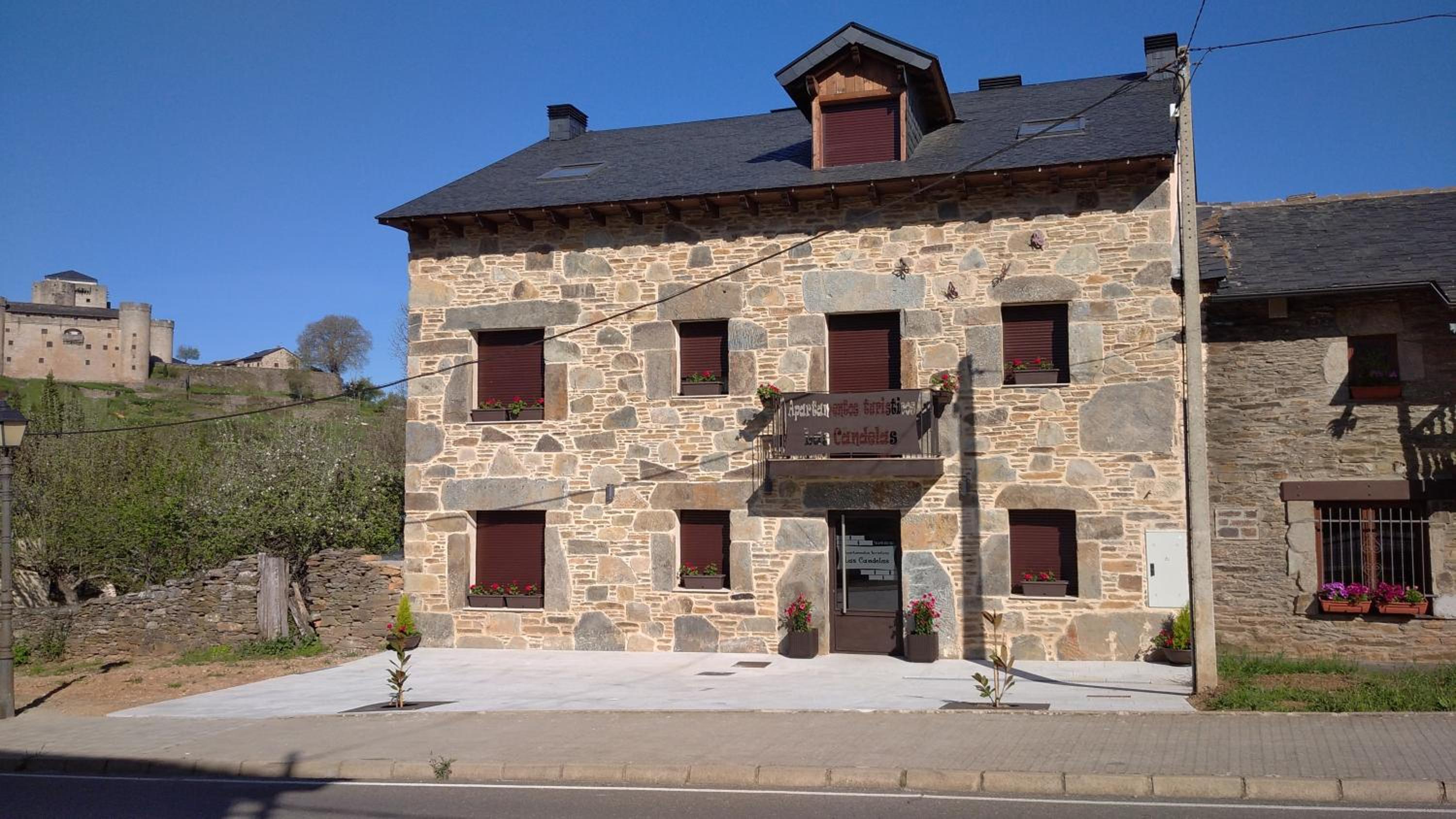
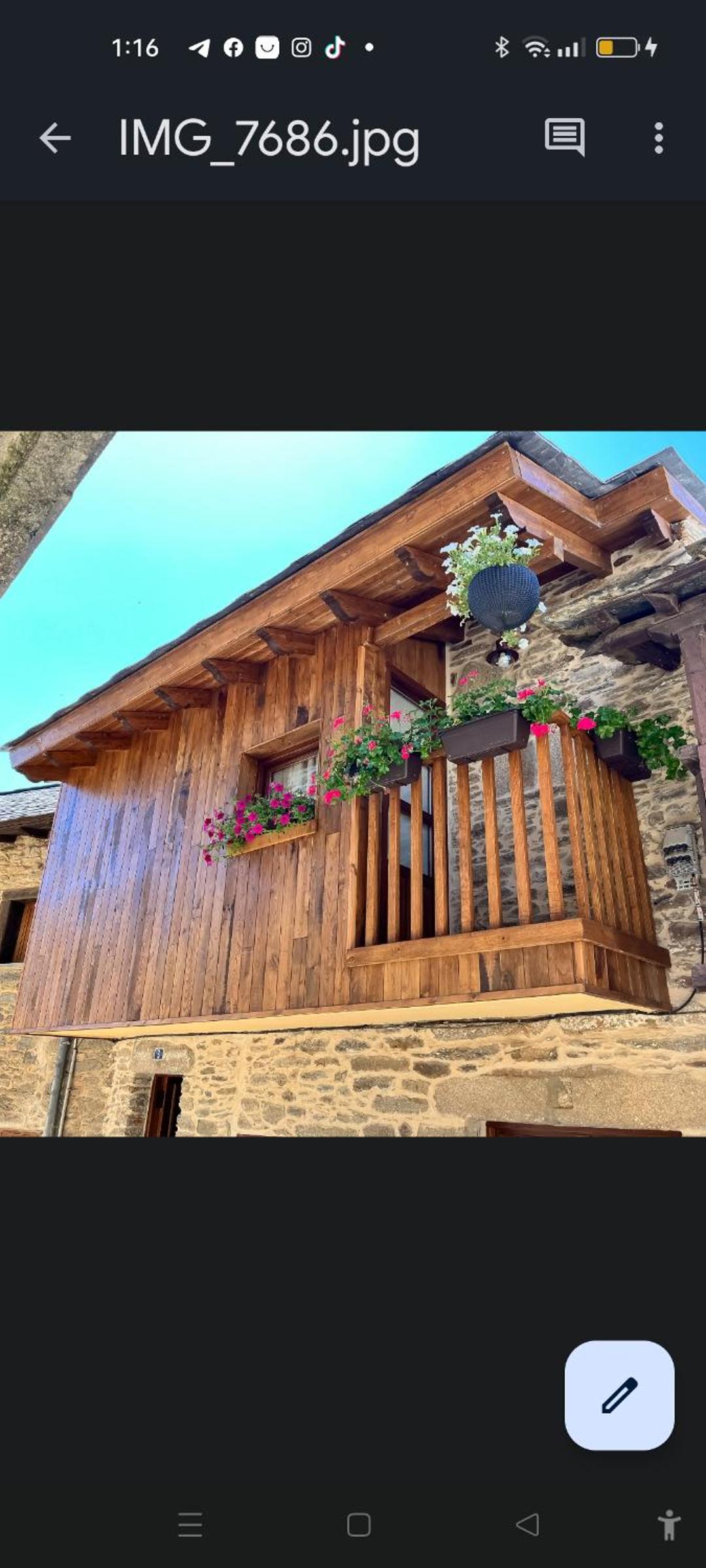
Find the perfect place for your rest in Mombuey o Puebla de Sanabria.

Start your adventure
Ready to walk this stage?
We design your personalised Camino de Santiago experience.
Plan your CaminoWalk this route with us
Fancy walking this route?
We don't have a ready-made package for this route yet, but we'll organise it around you. Tell us how you'd like to experience it and a specialist will reply within 24 h.
Request your proposal