
Stage of the Camino
Stage Description
The longest stage of the route strings together gentle hills and fortified villages as it passes from the Pistoia plain into the Valdinievole. The way leaves Pistoia westwards, reaches the parish church of Groppoli and climbs to the castle of Serravalle Pistoiese, whose tower watched over the corridor between Pistoia and Lucca. It then drops to Montecatini Terme, the spa town that had its golden age in the early twentieth century, and tackles the final section through the villages perched above the Valdinievole: Buggiano Castello, Stignano and Uzzano, stone hamlets with views over the valley. The ascent comes in short, repeated pulls with no hard stretches, but the mileage makes it worth splitting the day in hot weather or without training.
At 29.6 kilometres this is the longest stage of the Cammino di San Jacopo, and also one of the most varied: in a single day you pass from farmed plain to the hills of the Valdinievole, with 300 metres of ascent spread over short pulls that follow one another relentlessly but never become genuinely hard.
Leaving Pistoia, the way puts the walls behind it and heads west among plant nurseries, the other great productive landscape of the district. The first landmark is the pieve di Groppoli, a Romanesque church of early medieval origin, from where the path begins to climb towards the saddle that closes off the plain.
At the top stands Serravalle Pistoiese, the high point of the stage. Its castle, with the Rocca Nuova and the hexagonal tower attributed to Castruccio Castracani, controlled the narrow passage between the mountains and the marsh, that is, the only natural corridor between Pistoia and Lucca. From its walls the whole Valdinievole lies in view.
The descent leads to Montecatini Terme, a spa of European renown whose bath houses, the Tettuccio and the Excelsior, retain their early twentieth-century Liberty air. It is the lowest point of the day and a good place for a long break before the final section.
The last part climbs again to trace the villages that look out over the valley: Buggiano Castello, with its medieval square and citrus gardens; Stignano, tiny and silent; and Uzzano, its church of Santi Jacopo e Martino leaning over the void. From there the way drops to Pescia, capital of the Valdinievole and one of Europe's largest cut-flower markets, crossed by the river of the same name and laid out around the long Piazza Mazzini.
As for services, the stage is well supplied: Serravalle Pistoiese and above all Montecatini Terme, halfway along, offer fountains, bars and shops for restocking. The villages of the final section are far smaller and should not be relied on for supplies. Because of its length, many walkers prefer to split the day with a night in Montecatini and tackle the Valdinievole villages the next morning on fresh legs.
Leaving Pistoia, the way puts the walls behind it and heads west among plant nurseries, the other great productive landscape of the district. The first landmark is the pieve di Groppoli, a Romanesque church of early medieval origin, from where the path begins to climb towards the saddle that closes off the plain.
At the top stands Serravalle Pistoiese, the high point of the stage. Its castle, with the Rocca Nuova and the hexagonal tower attributed to Castruccio Castracani, controlled the narrow passage between the mountains and the marsh, that is, the only natural corridor between Pistoia and Lucca. From its walls the whole Valdinievole lies in view.
The descent leads to Montecatini Terme, a spa of European renown whose bath houses, the Tettuccio and the Excelsior, retain their early twentieth-century Liberty air. It is the lowest point of the day and a good place for a long break before the final section.
The last part climbs again to trace the villages that look out over the valley: Buggiano Castello, with its medieval square and citrus gardens; Stignano, tiny and silent; and Uzzano, its church of Santi Jacopo e Martino leaning over the void. From there the way drops to Pescia, capital of the Valdinievole and one of Europe's largest cut-flower markets, crossed by the river of the same name and laid out around the long Piazza Mazzini.
As for services, the stage is well supplied: Serravalle Pistoiese and above all Montecatini Terme, halfway along, offer fountains, bars and shops for restocking. The villages of the final section are far smaller and should not be relied on for supplies. Because of its length, many walkers prefer to split the day with a night in Montecatini and tackle the Valdinievole villages the next morning on fresh legs.
Last updated: 28/08/2026
Where to Sleep
Accommodations in this Stage
Find the perfect place for your rest in Pistoia o Pescia.
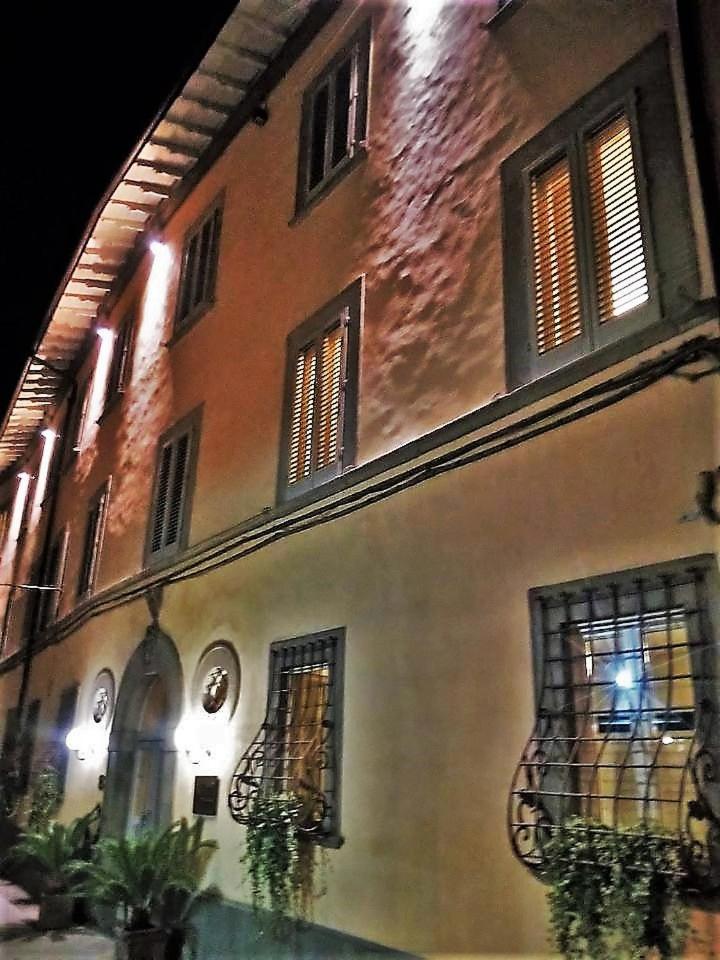
Hotel Patria
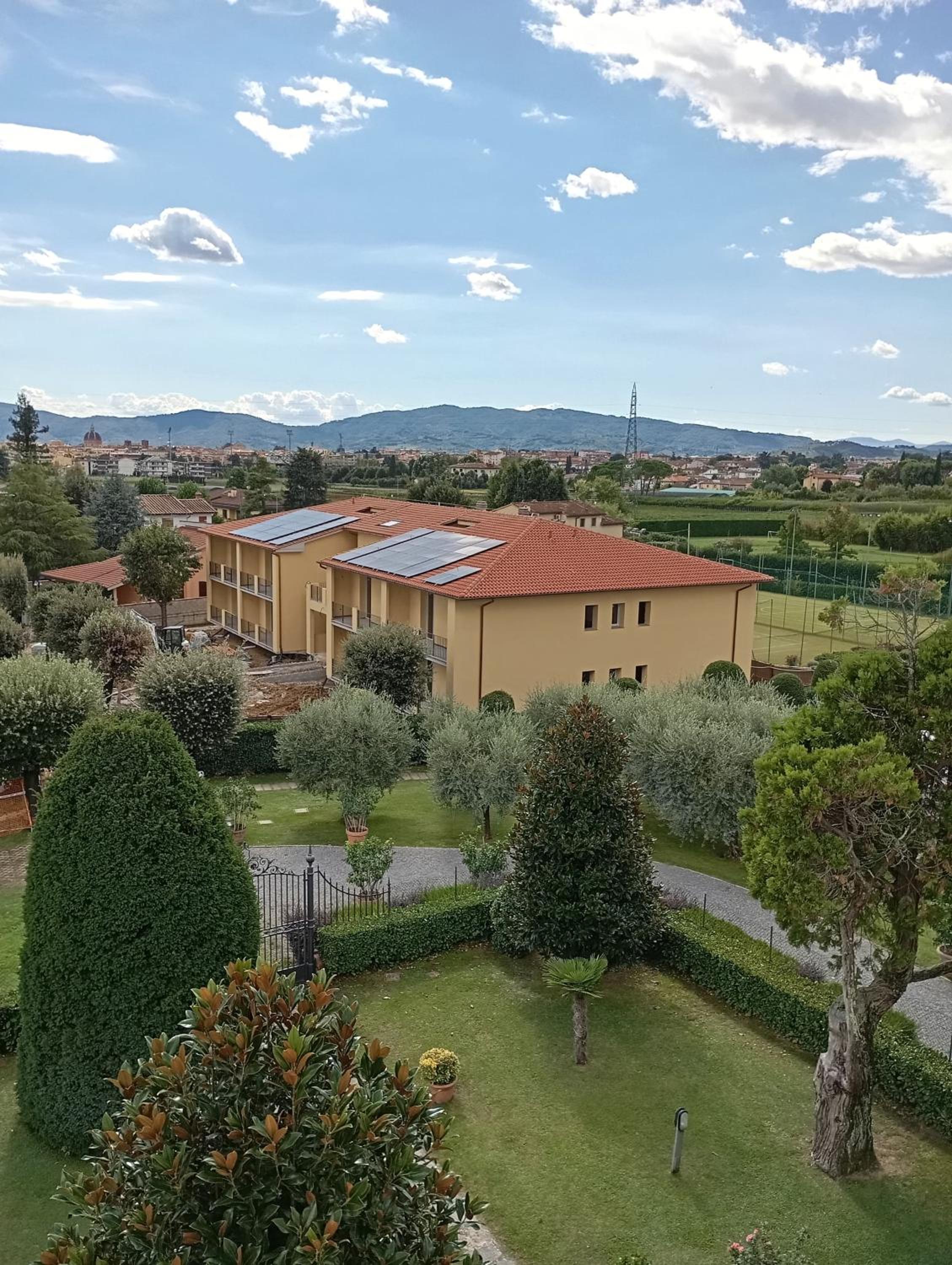
Hotel Villa Cappugi
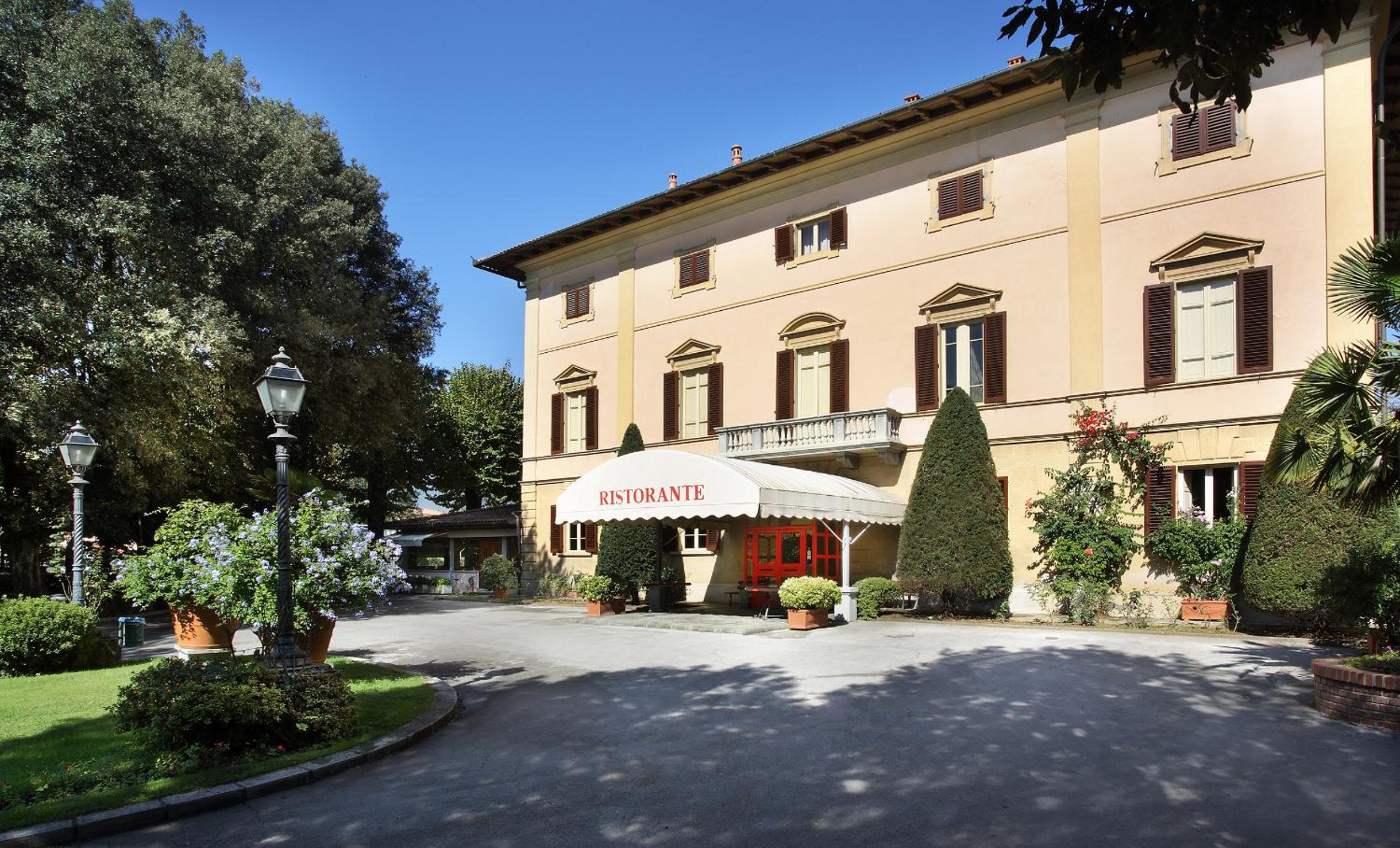
Hotel Villa Delle Rose
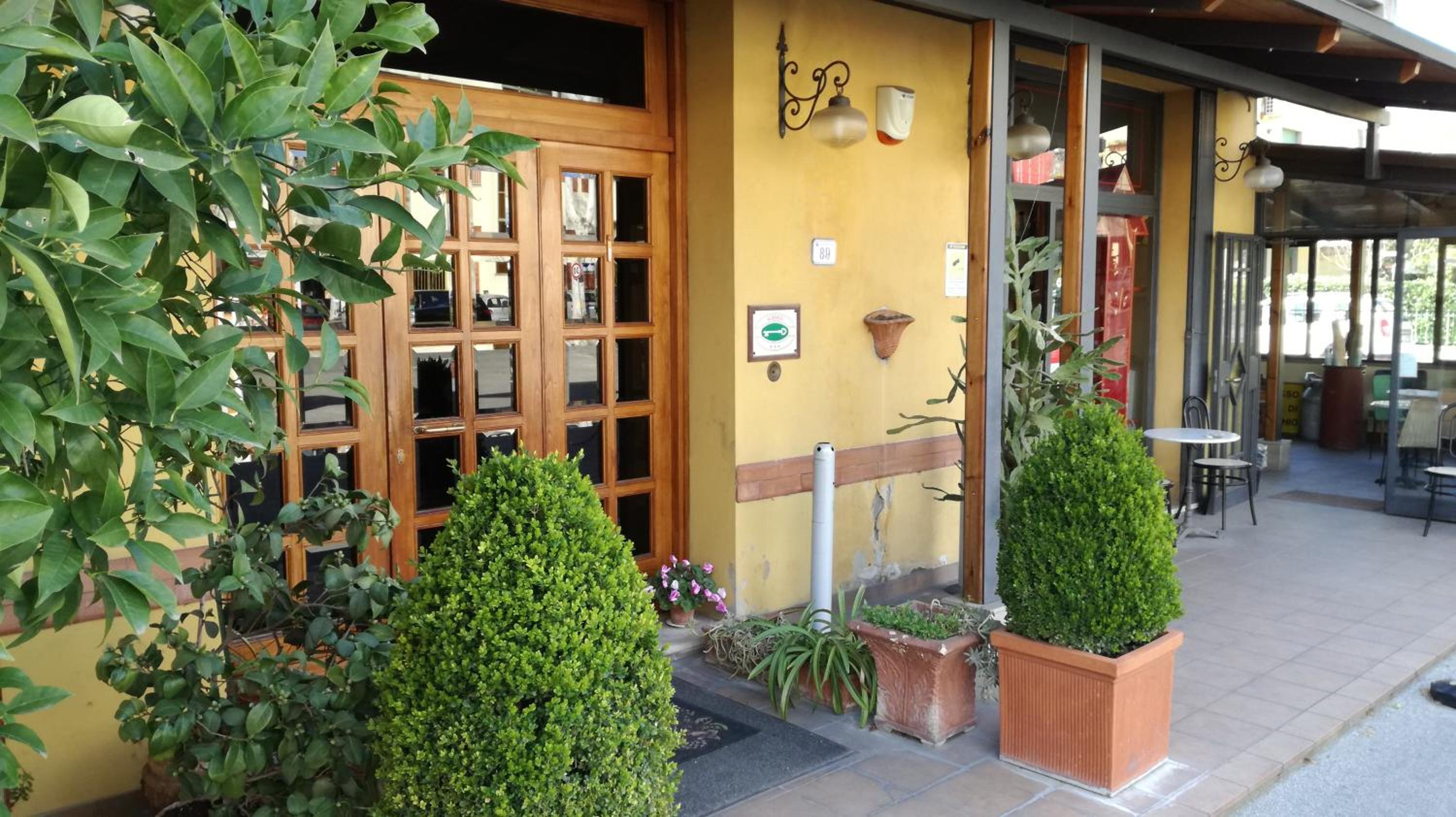
Albergo Le Rose
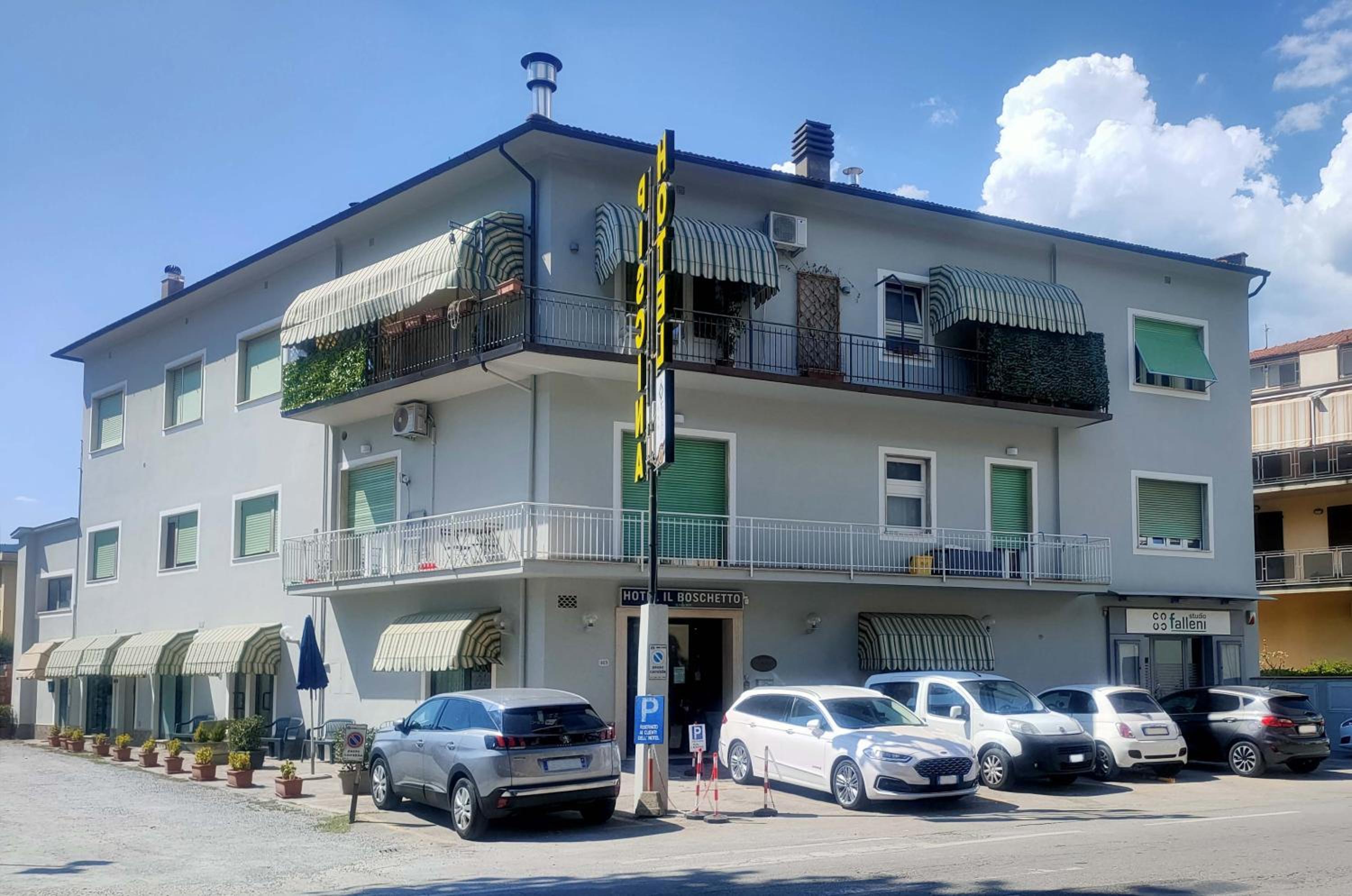
Hotel Il Boschetto
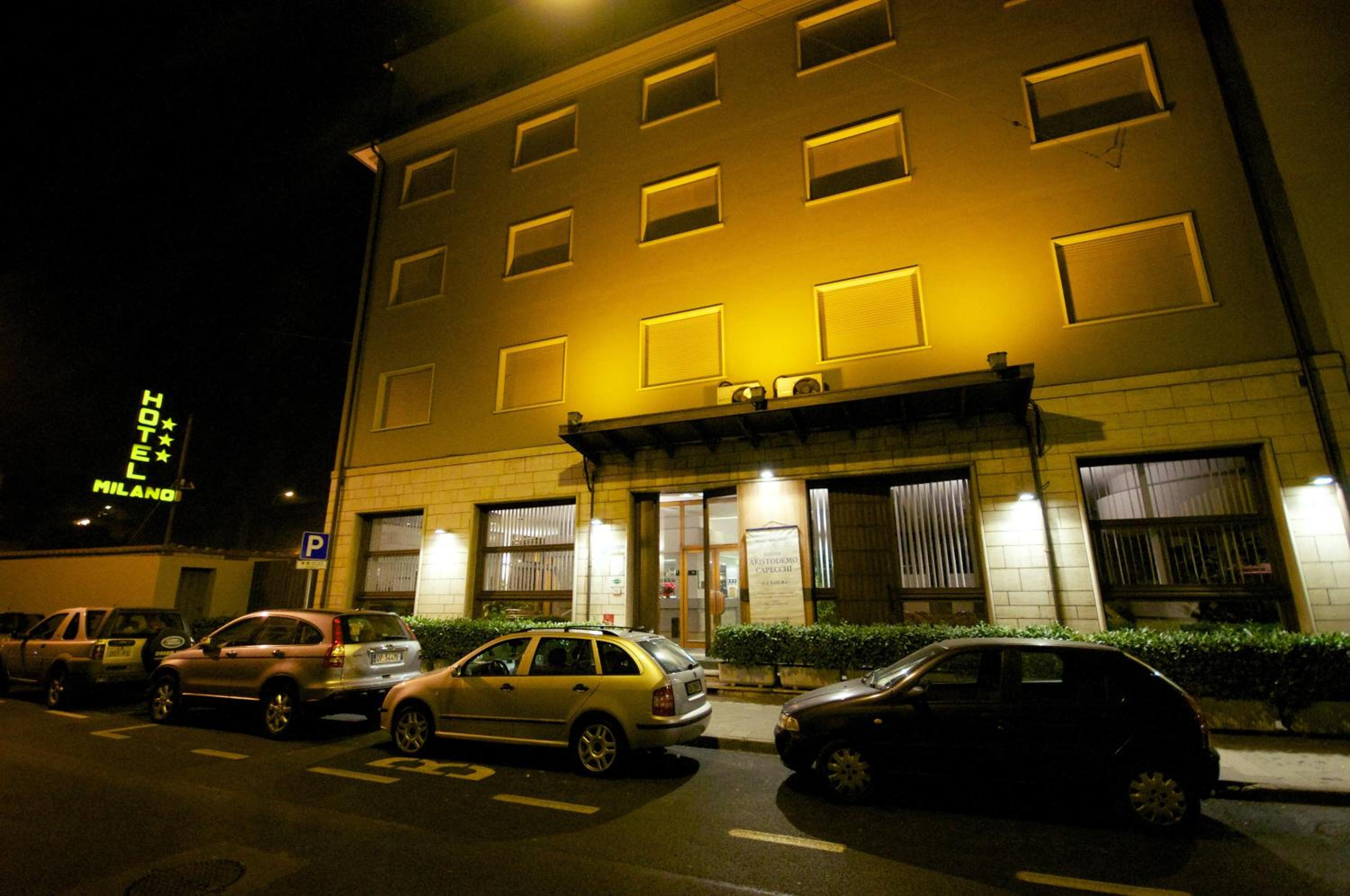
Hotel Milano
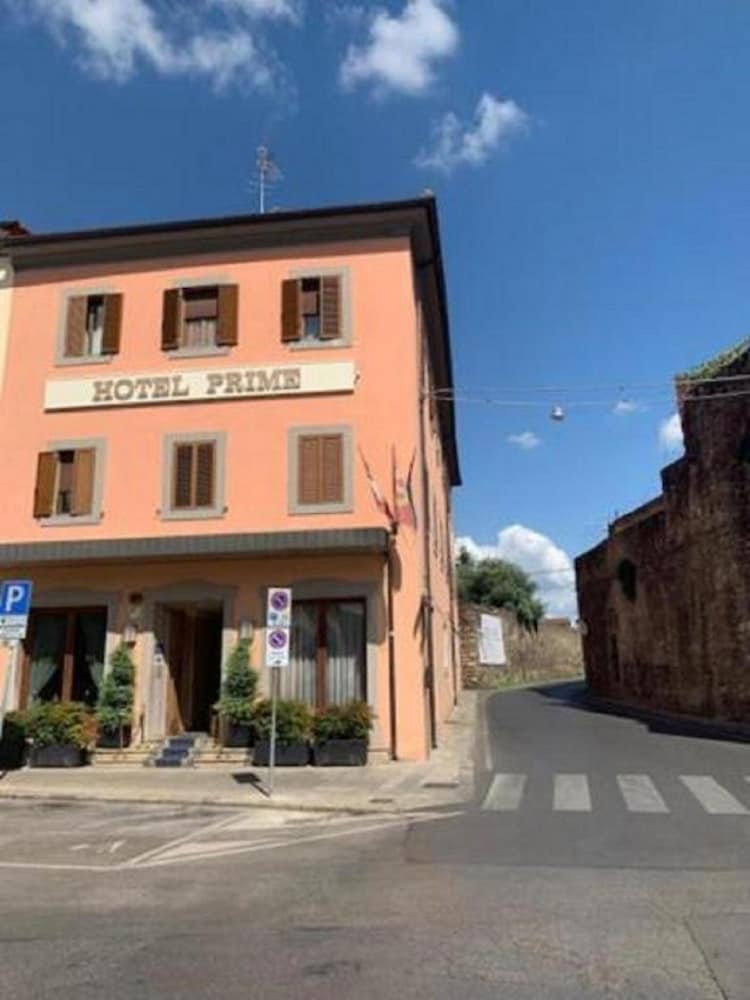
Hotel PRime già Hotel Piccolo Ritz
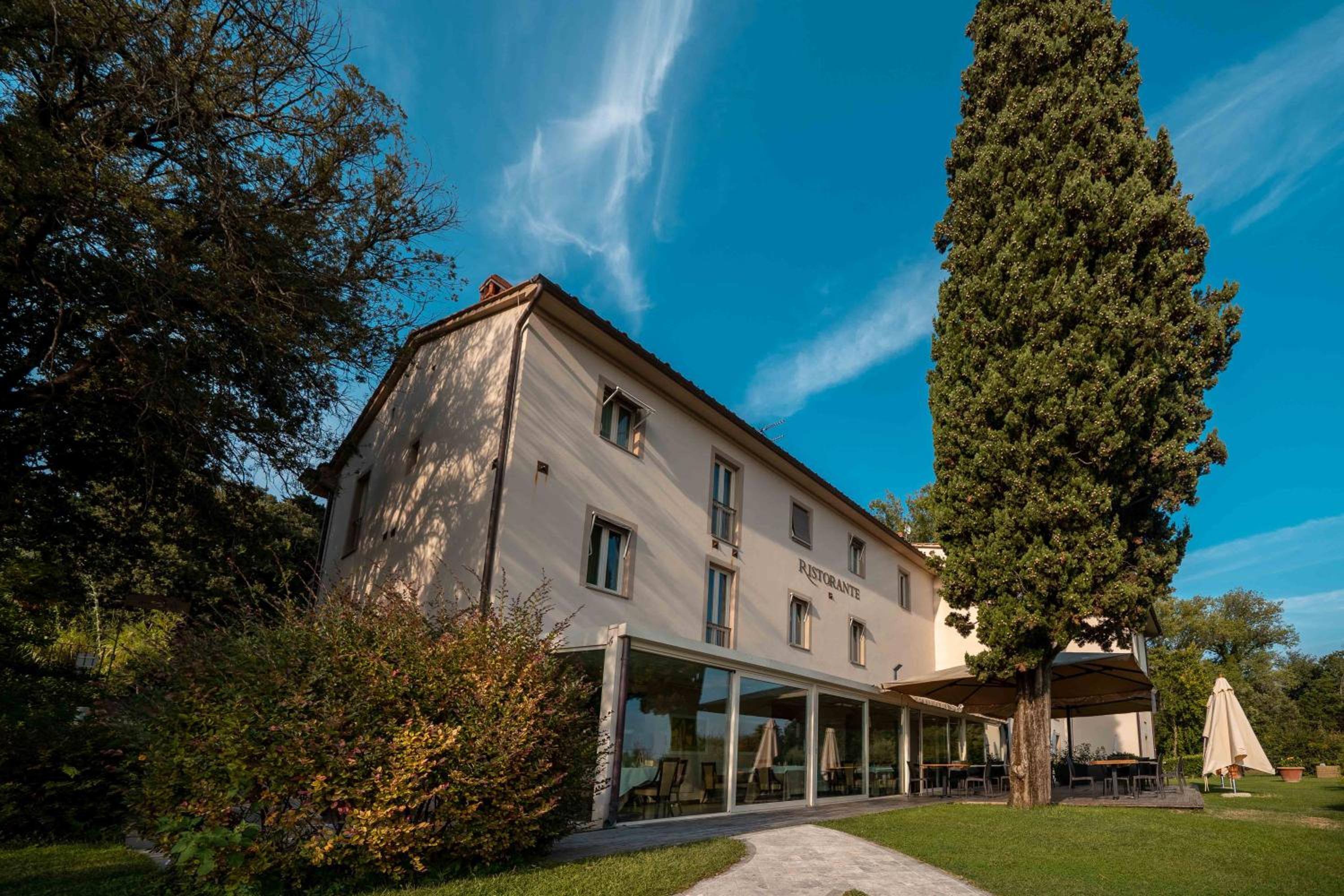
Villa Giorgia Albergo in Collina
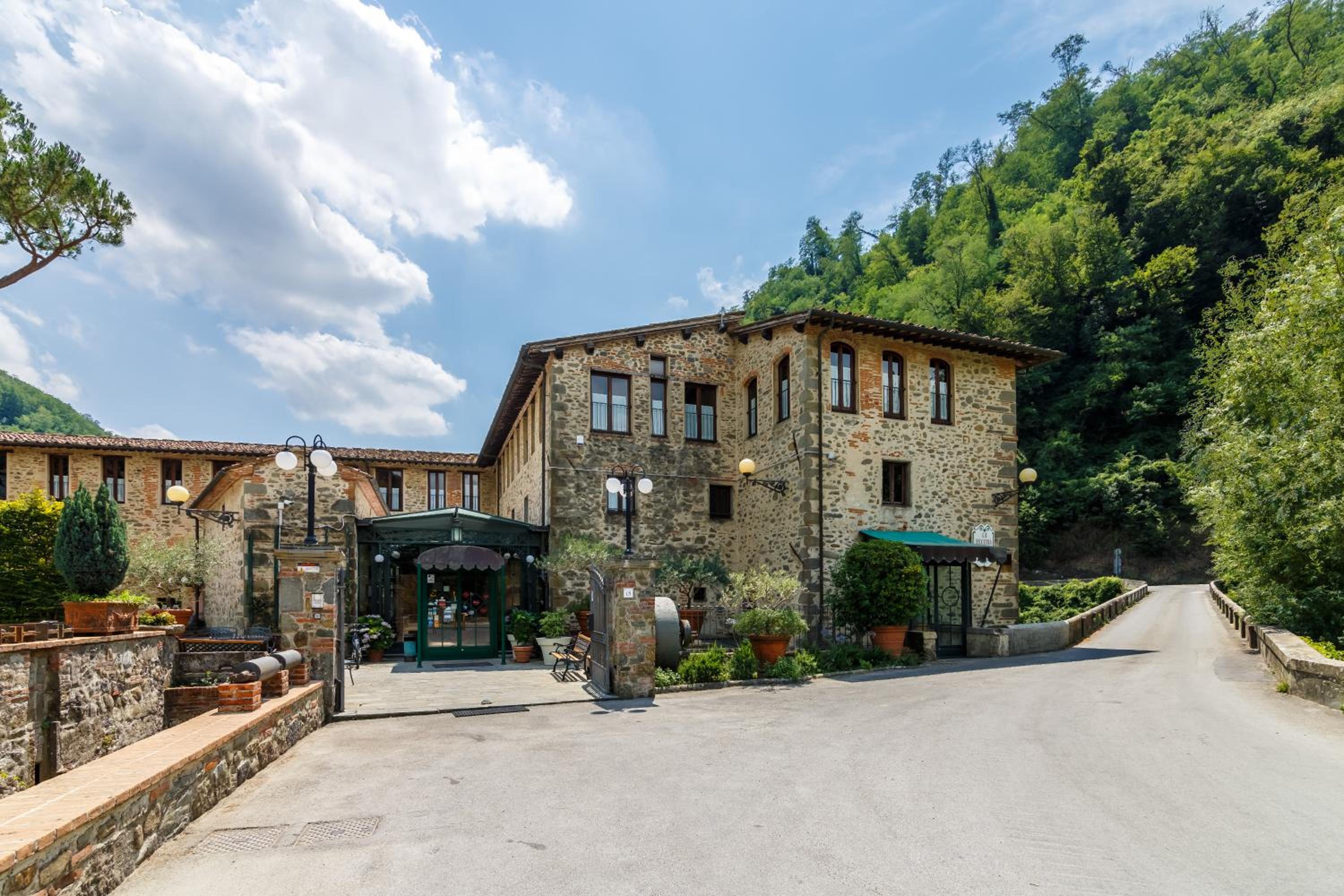
Villaggio Albergo San Lorenzo e Santa Caterina
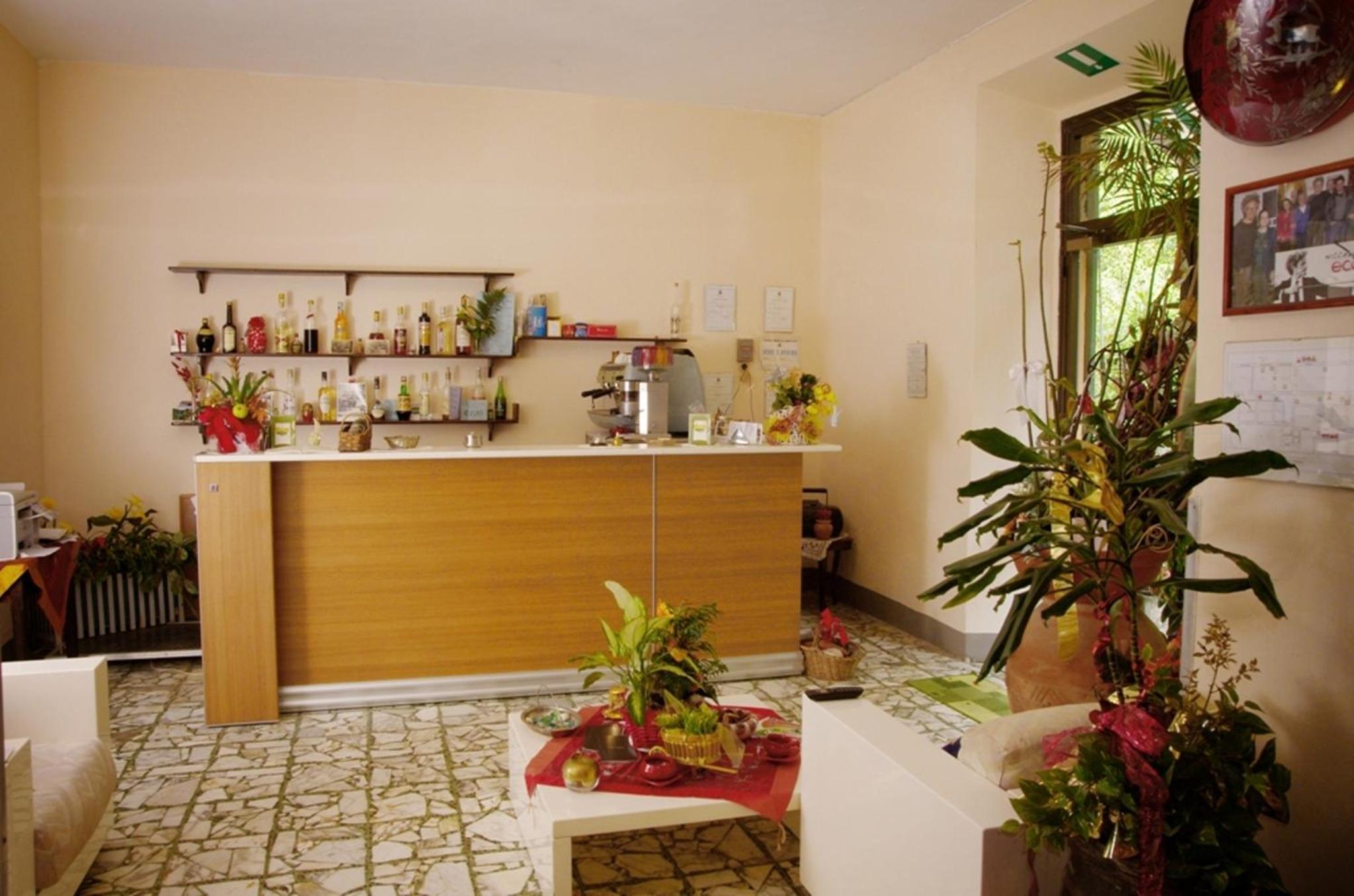
Albergo Ristorante Guidi
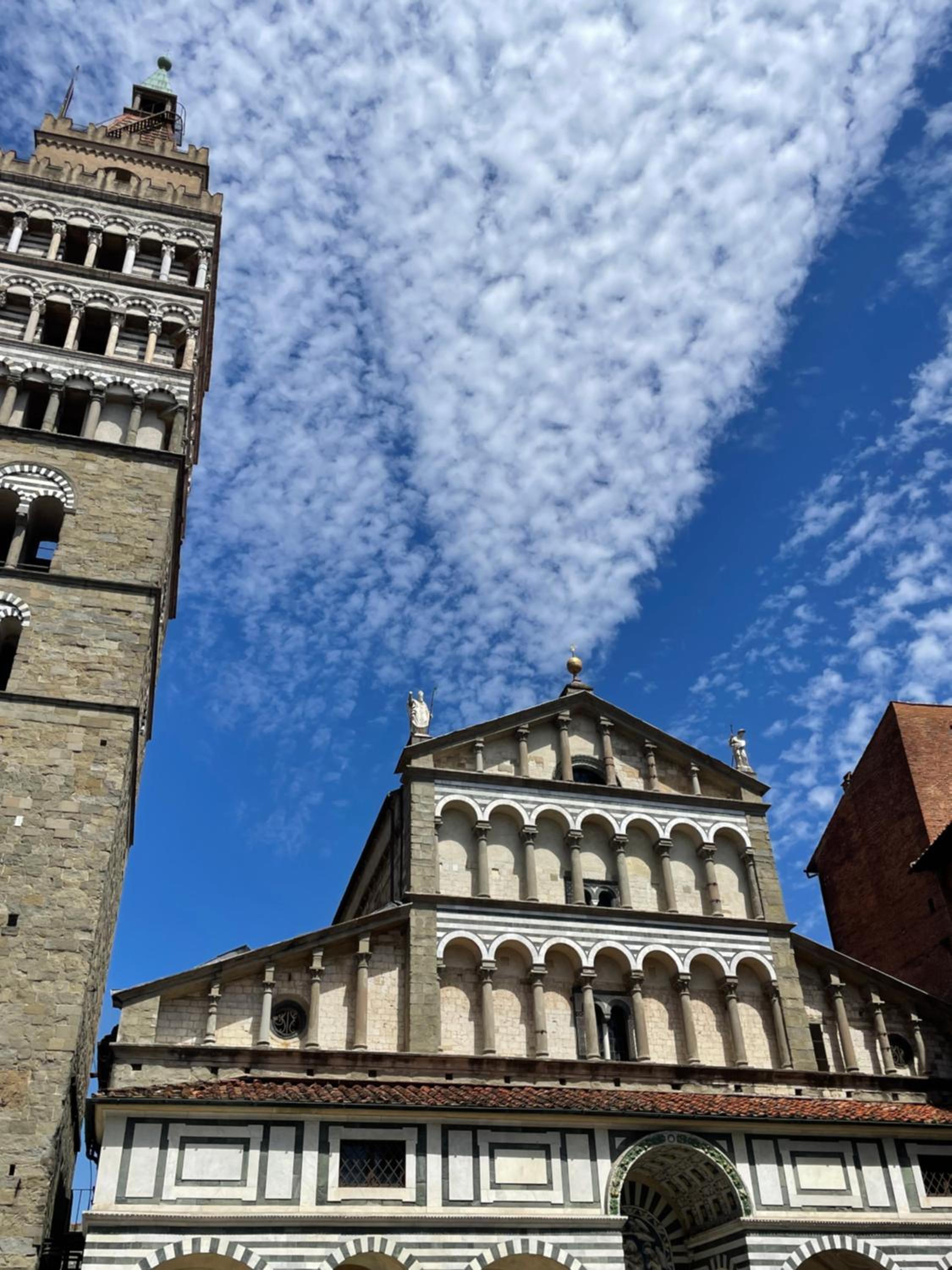
Adua Flat - perfect place for visiting Tuscany
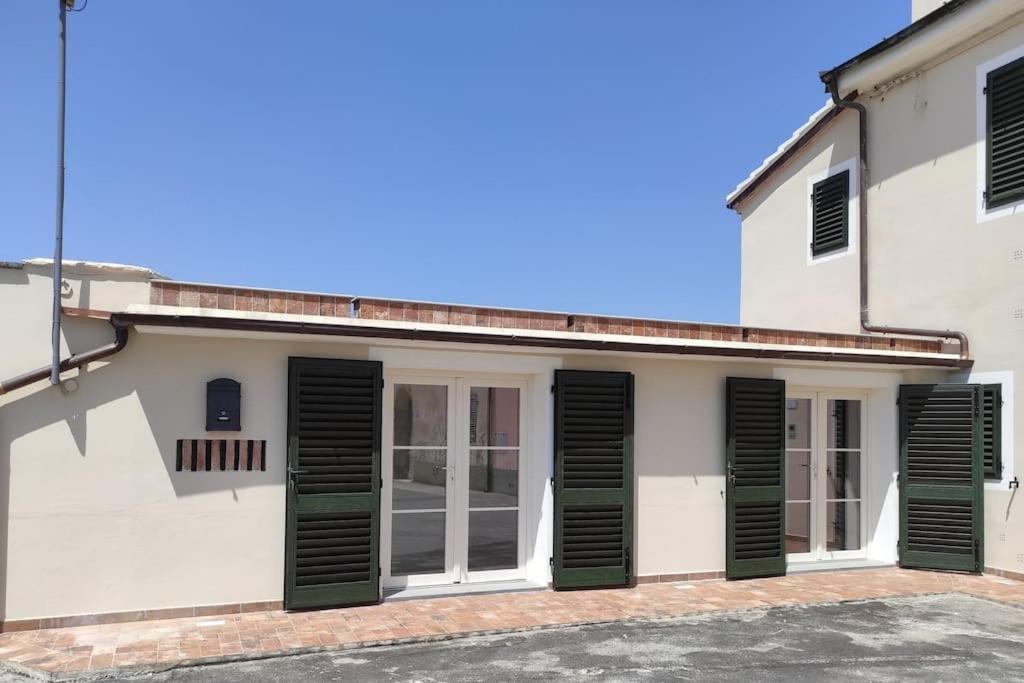
Affittacamere Villa Mary
Start your adventure
Ready to walk this stage?
We design your personalised Camino de Santiago experience.
Plan your CaminoWalk this route with us
Fancy walking this route?
We don't have a ready-made package for this route yet, but we'll organise it around you. Tell us how you'd like to experience it and a specialist will reply within 24 h.
Request your proposal