Stage of the Camino
Stage Description
A long day through inland Galicia linking the bread-making town of Cea with the Terra de Deza. The stage starts by climbing towards the Santo Domingo pass, the highest point of the day, and reaches O Castro de Dozón, the border between the provinces of Ourense and Pontevedra. From there the profile turns descending and rolling, dropping to the river Asneiro at Pontenoufe and stringing together a series of hamlets — A Xesta, Medelo, Baxán — linked by sunken lanes, oak groves and tracks between meadows. This is deep rural Galicia, of hórreos, wayside crosses and scattered farmsteads, and it ends in Botos, beside the Lalín railway station, three kilometres from the centre of the Deza capital.
This stage covers the section of the Camino Sanabrés between San Cristovo de Cea and Botos and is one of the longest days of the Galician route. It combines a first half of steady climbing and a second of rolling descent, always through a landscape of scattered hamlets, stone walls and Atlantic woodland.
Cea sends the pilgrim off with the smell of its ovens: Cea bread is the only bread in Spain with a Protected Geographical Indication and is still baked in communal stone ovens following a method documented since the Middle Ages. A few kilometres away, though off the main route, stands the Cistercian monastery of Santa María la Real de Oseira, known as the Galician Escorial, which many pilgrims take a whole day to visit.
The departure climbs towards the Santo Domingo pass, the roof of the day, along a paved track parallel to the N-525. Beyond the col, the path descends to O Castro de Dozón, where it crosses the boundary between Ourense and Pontevedra and enters the Terra de Deza. A track then leads to Puxallos and continues downhill to Pontenoufe, where a bridge spans the river Asneiro at the lowest point of the route.
The final third is a rosary of hamlets: A Xesta, Medelo, Baxán, with their hórreos on granite pillars, their wayside crosses at the crossroads and their groves of centuries-old oaks shading the sunken lanes. The terrain rises and falls constantly but gently, and fenced meadows definitively replace the Castilian cereal. The stage ends in Botos, in the parish of Donsión, beside the Lalín railway station. From there a footpath of about three kilometres allows you to reach the centre of Lalín, capital of the Terra de Deza and the foremost town for Galician cocido, for anyone who wants to dine well and sleep in the larger town.
Cea sends the pilgrim off with the smell of its ovens: Cea bread is the only bread in Spain with a Protected Geographical Indication and is still baked in communal stone ovens following a method documented since the Middle Ages. A few kilometres away, though off the main route, stands the Cistercian monastery of Santa María la Real de Oseira, known as the Galician Escorial, which many pilgrims take a whole day to visit.
The departure climbs towards the Santo Domingo pass, the roof of the day, along a paved track parallel to the N-525. Beyond the col, the path descends to O Castro de Dozón, where it crosses the boundary between Ourense and Pontevedra and enters the Terra de Deza. A track then leads to Puxallos and continues downhill to Pontenoufe, where a bridge spans the river Asneiro at the lowest point of the route.
The final third is a rosary of hamlets: A Xesta, Medelo, Baxán, with their hórreos on granite pillars, their wayside crosses at the crossroads and their groves of centuries-old oaks shading the sunken lanes. The terrain rises and falls constantly but gently, and fenced meadows definitively replace the Castilian cereal. The stage ends in Botos, in the parish of Donsión, beside the Lalín railway station. From there a footpath of about three kilometres allows you to reach the centre of Lalín, capital of the Terra de Deza and the foremost town for Galician cocido, for anyone who wants to dine well and sleep in the larger town.
Last updated: 17/08/2026
Where to Sleep
Accommodations in this Stage
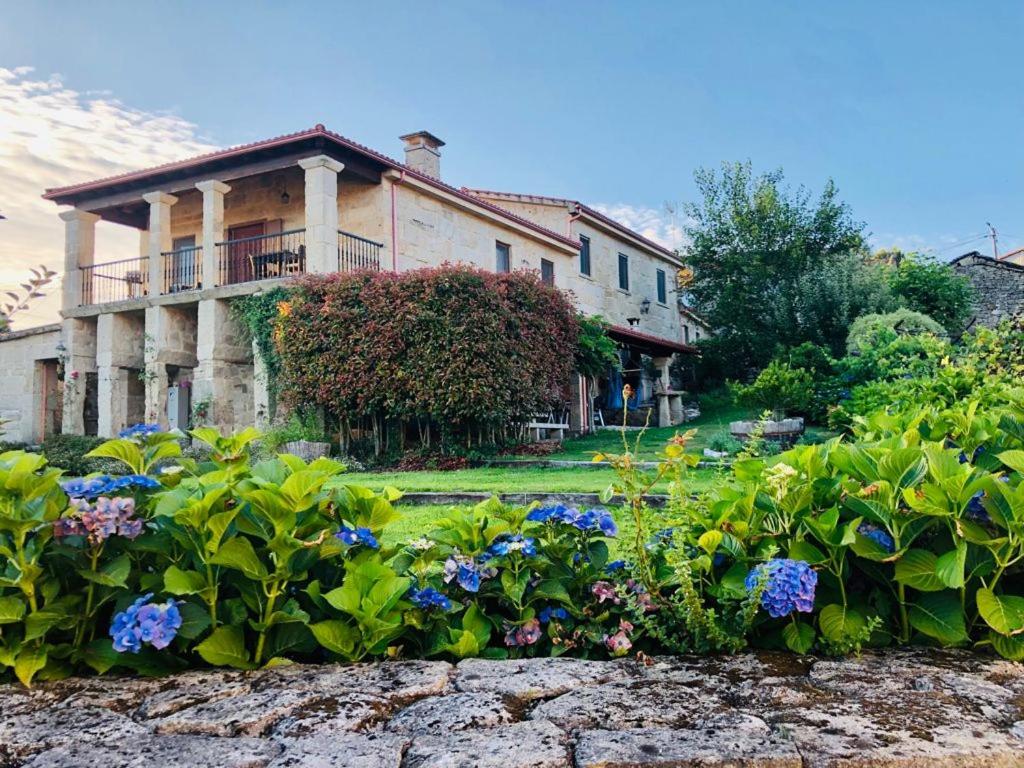
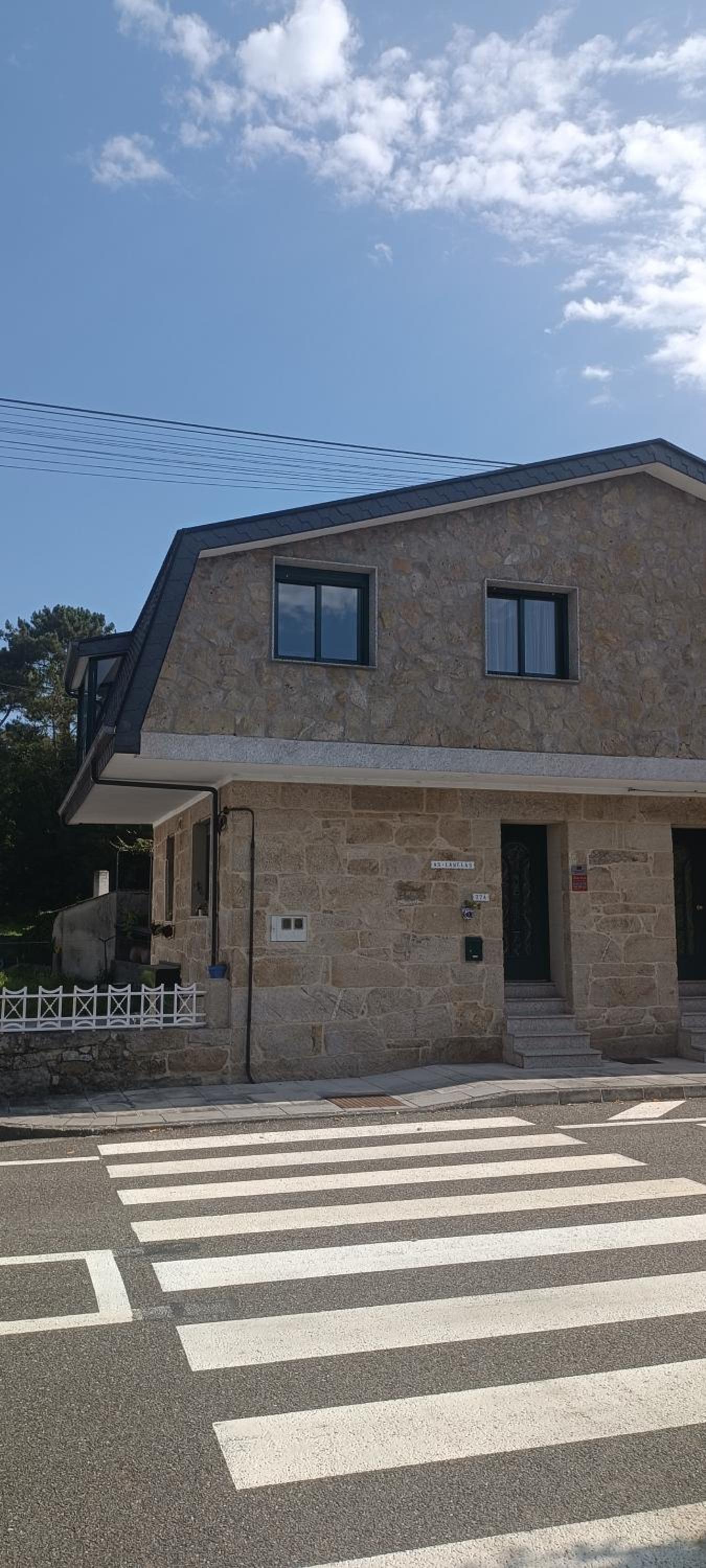
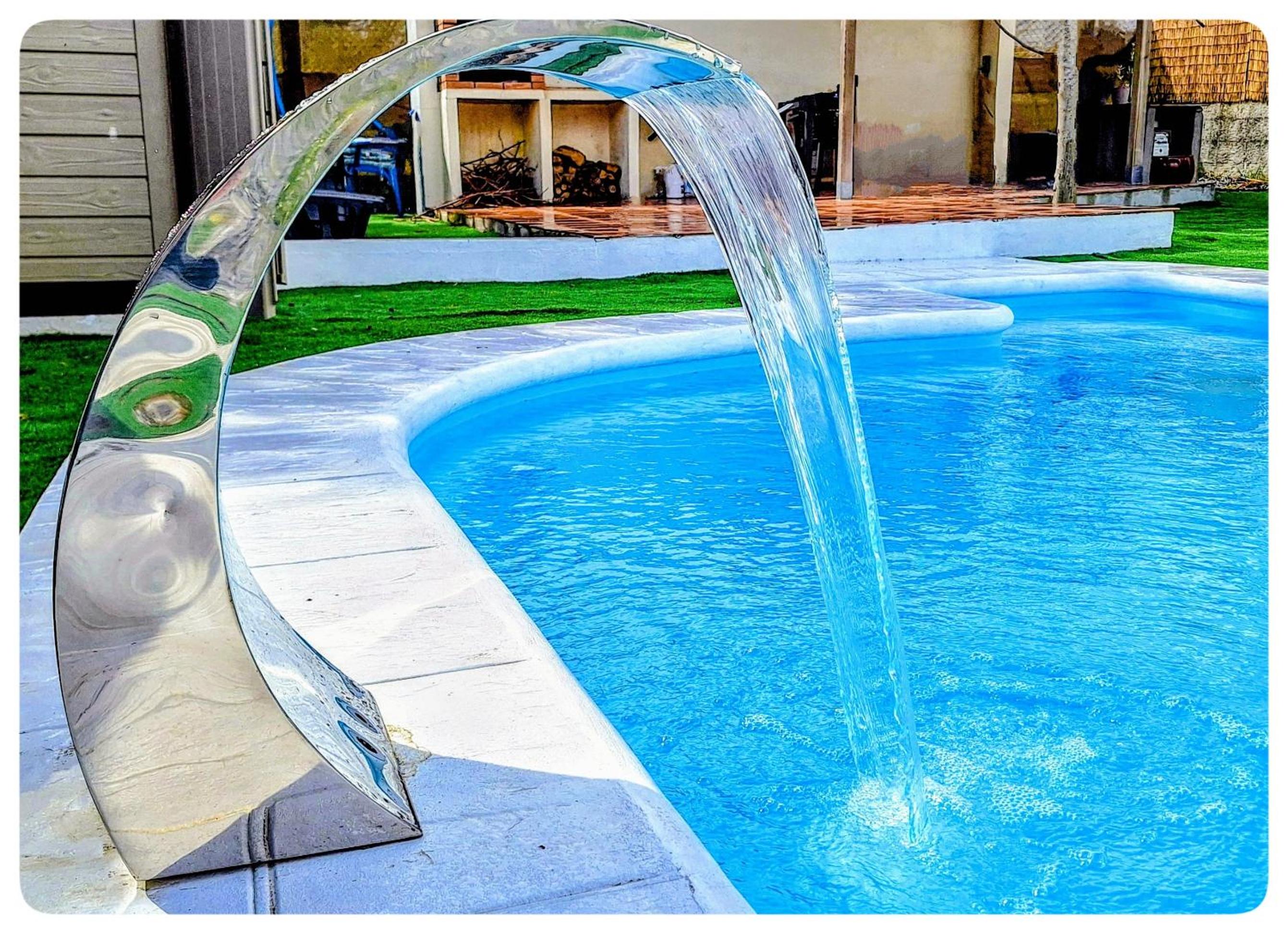
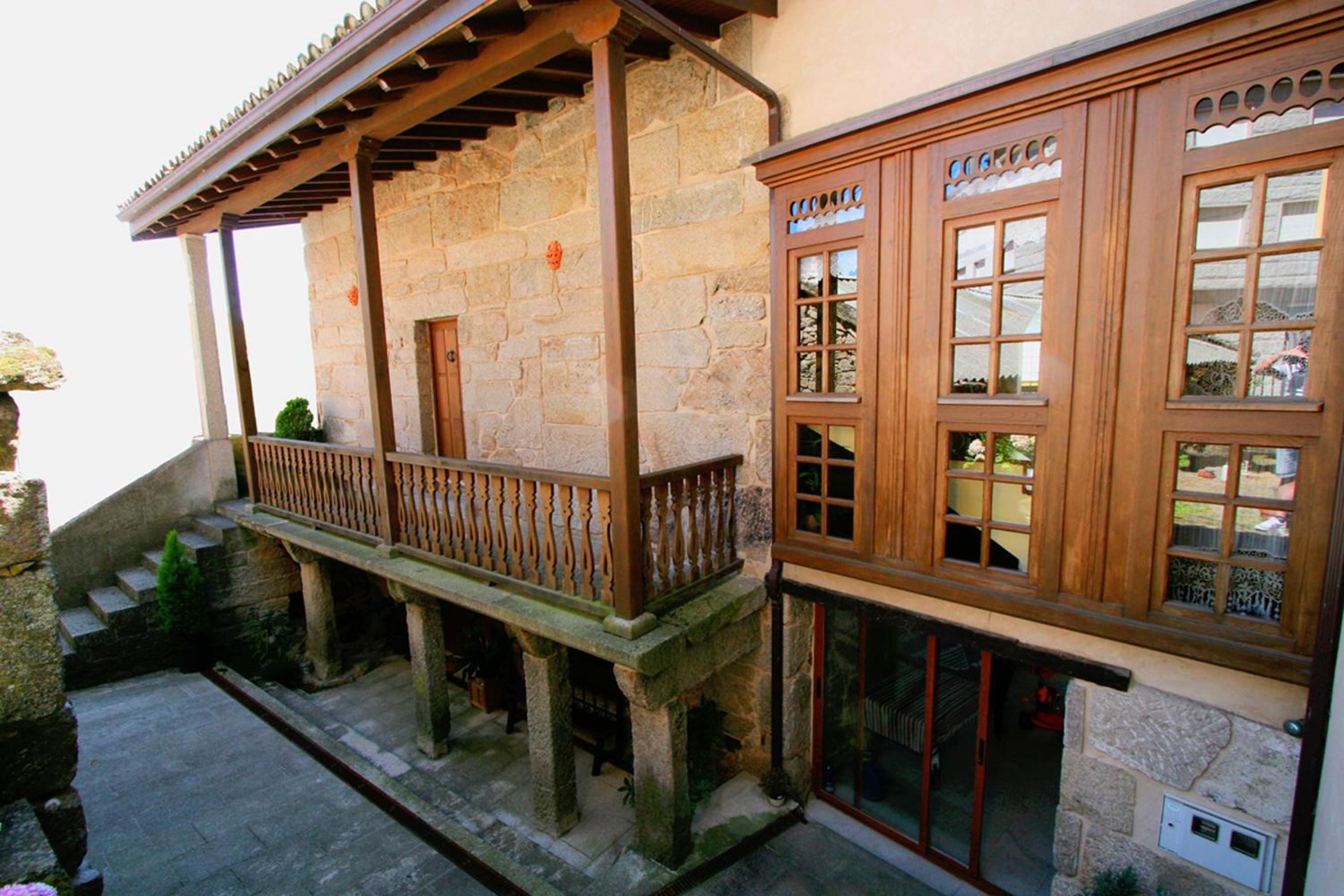
Find the perfect place for your rest in San Cristovo de Cea o Botos.
Start your adventure
Ready to walk this stage?
We design your personalised Camino de Santiago experience.
Plan your CaminoWalk this route with us
We take care of every detail
Accommodation booked stage by stage, your backpack waiting when you arrive and someone on the phone if anything goes wrong.