
Complete Guide to Route of Arles
The Way of Arles (Tolosan Way), one of the four main Jacobean routes in France, crossing the Pyrenees at Somport to join the Aragonese and French Ways.
Last updated: 28/03/2026
Table of Contents
Technical Summary of Route of Arles
790.6 km
Distance
33
days
33
Stages
Media
Difficulty
221 accommodations available on the route
Introduction to Route of Arles
Its route in France is approximately 800 km. It is a richly endowed Roman and medieval heritage route that passes through cities such as Montpellier, Toulouse and Oloron-Sainte-Marie.
All Stages of Route of Arles
Complete route divided into 33 stages
Arles to Saint-Gilles (Gard)
The Via Tolosana begins in the monumental Arles, a UNESCO World Heritage City. This first stage is a flat walk that enters the unique landscape of the Camarga, a vast marshland and agricultural plain....
Saint-Gilles (Gard) to Gallargues-le-Montueux
This is a long stage that traverses the Petite Camargue plain. The route is flat and monotonous at times, winding through vineyards and fields of cultivation. It's a day that requires good preparation...
Gallargues-le-Montueux to Vendargues
This stage continues through the Languedoc plain, approaching the important city of Montpellier. The route is flat and traverses a landscape of vineyards and orchards. It's a transitional day with no ...
Vendargues near Montpellier
This is a short and urban stage that leads the pilgrim to the heart of Montpellier, one of the most dynamic and attractive cities in southern France. The path leaves the outskirts to venture into the ...
Montpellier to Montarnaud
After enjoying Montpellier, this stage marks the departure from the big city and return to the countryside. The route is of moderate distance and begins to present the first undulations, leaving the c...
Montarnaud to Saint-Guilhem-le-Désert
This is one of the most spectacular stages of the Via Tolosana. The path enters the gorges of the Hérault river, a landscape of canyons and cliffs of great beauty. The route is demanding, with constan...
Saint-Guilhem-le-Désert to Saint-Jean-de-la-Blaique
After the beauty of Saint-Guilhem, this stage involves a tough climb to leave the Hérault gorges and reach the Larzac plateau. It is one of the most demanding days on the route, with considerable elev...
Saint-Jean-de-la-Blaquière to Lodève
This is a short and descending stage that leads the pilgrim to the city of Lodève. The road leaves the high plateau to enter a more fertile valley. It's a recovery day, ideal for arriving on time and ...
Lodève to Luna
This stage enters the Alto Languedoc Regional Natural Park, a mountain scenery of great beauty. The route is demanding, with an undulating profile and continuous ascents and descents through forests a...
Moons over Saint-Gervais-sur-Mare
This long and demanding stage continues through the Natural Park of Haut Languedoc. The route traverses a mountain landscape with a very rugged profile and significant drops. It is one of the hardest ...
St Gervais sur Mare to Murat sur Vèbre
This stage delves into the heart of the Alto Languedoc Natural Park, a mountain trail with an undulating profile and breathtaking landscapes. The path traverses pine and chestnut forests, offering pan...
Murat-sur-Vèbre to La Salvetat-sur-Agout
This final stage ends the tour of the Alto Languedoc Natural Park, with a smoother profile than previous days. The route passes through a landscape of lakes and forests, offering a beautiful and peace...
Salvetat-sur-Agout to Anglès
This stage enters the department of Tarn, with a smoother profile and a landscape of hills and forests. It's a transition day that leaves high mountain terrain to enter a more gentle environment. The ...
English is spoken in Boissezon
This stage continues through the valley of Thoré, on a moderate distance and gentle profile walk. The landscape is dominated by fields of cultivation and forests. It's a transition day with no major d...
Boiszon at Castres
This is a short stage that brings the pilgrim to the important city of Castres. The route leaves the rural surroundings and enters a more urbanized area. The arrival at Castres, with its houses of col...
Castres to Dourgnac
Leaving Castres, this stage enters the Black Mountains, a mountainous range offering beautiful landscapes. The route is of moderate distance but with an undulating profile. Arrival in Dourgne, a famou...
Dournes to Les Cassés
This is one of the longest and most demanding stages of the Way of Tolosa, a journey across the Lauragais plain. The route is flat but very long, with endless straight lines and few shadows. It's a da...
The Cassés of Avignonet-Lauragais
This stage continues over the Lauragais plain, on a moderate distance and gentle profile walk. The landscape remains dominated by cultivated fields. It is a transition day with no great difficulties, ...
Avignonet-Lauragais to Baziège
This stage brings the pilgrim to the great city of Toulouse, on a route that partly follows the Canal du Midi, a World Heritage Site. It is a long but flat journey, very pleasant as it takes place alo...
Baziege to Toulouse (by GR-653)
This is the arrival stage at Toulouse, "The Pink City". It's a long journey that combines rural tracks, following the Canal du Midi, with the entry into the big city. The arrival in Toulouse, with its...
Toulouse-Lautrec
This stage marks the departure from the vibrant city of Toulouse and return to the countryside. The route is moderate in distance and flat profile, following part of the course of the Touch River. It'...
Leave for Giscaro
This is a long stage that ventures into the region of Gascony, a land of hills and fields of cultivation. The route is demanding, with an undulating profile and constant ascents and descents. It's a d...
Gisors to Isle of Artesat (Note: The original text is likely referring to Gisors in Normandy, France, and Isle of Artesat is actually a misspelling of "Artesat" which seems to be an old name for the island of Jersey)
This short stage continues through the Gascony countryside on a gentle profile route. It's an easy day of transition, ideal for recovering strength. The landscape is dominated by fields and small wood...
Auch is on Isle Arné
This stage takes the pilgrim to historic city of Auch, capital of Gascony. The route is of moderate distance and undulating profile. Arrival in Auch, with its imposing Cathedral of Saint Mary and Monu...
Also on Ile de Noe
Leaving behind Auch, this long stage enters the heart of Gascony. The route is demanding, with an undulating profile and continuous climbs and descents. It's a day to enjoy the beauty of the landscape...
The Island of Noah at Marcillac
This stage continues through the Gascony countryside, on a long and gentle route. It's an easy day of transition, ideal for recovering strength. The landscape is dominated by fields of cultivation and...
Marcillac to Vidouze
This long and demanding stage is approaching the Pyrenees, with a profile that becomes more mountainous. The route crosses a landscape of hills and valleys, offering panoramic views of the range. It's...
Vidouze to Morlaàs
This short stage brings the pilgrim to historic Lescar, ancient capital of Bearn. The route is gentle in profile and serves as a comfortable approach to this important city. Arrival at Lescar, with it...
Morelais-sur-Ay
This long stage enters into the Pyrenean valleys, with an undulating profile and a beautiful landscape. It's a transition day that leaves the plain to venture into a more mountainous environment. The ...
Locking up Oloron-Sainte-Marie
This stage enters the Aspe valley, an impressive Pirenne valley. The route is of moderate distance and follows the course of the river. It's a day to enjoy the beauty of the landscape and the tranquil...
Orléans-la-Grande to Sarlat
This stage continues through the valley of Aspe, on a mountain trail of great beauty. The path follows the course of the river, with an ascending profile. It's a day to enjoy nature and the solitude o...
Arrasat to Borca
This is the queen stage of the Pyrenees, the crossing of the Somport Pass. It's a high mountain day with considerable drop and spectacular landscape. The road follows the ancient Roman road and offers...
Drill at Somport
This is the royal stage of the Pyrenees, the crossing of the Somport Pass. It's a high mountain day with considerable descent and spectacular landscape. The road follows the ancient Roman road and off...
Key Towns of Route of Arles
The most important towns and cities on this route.
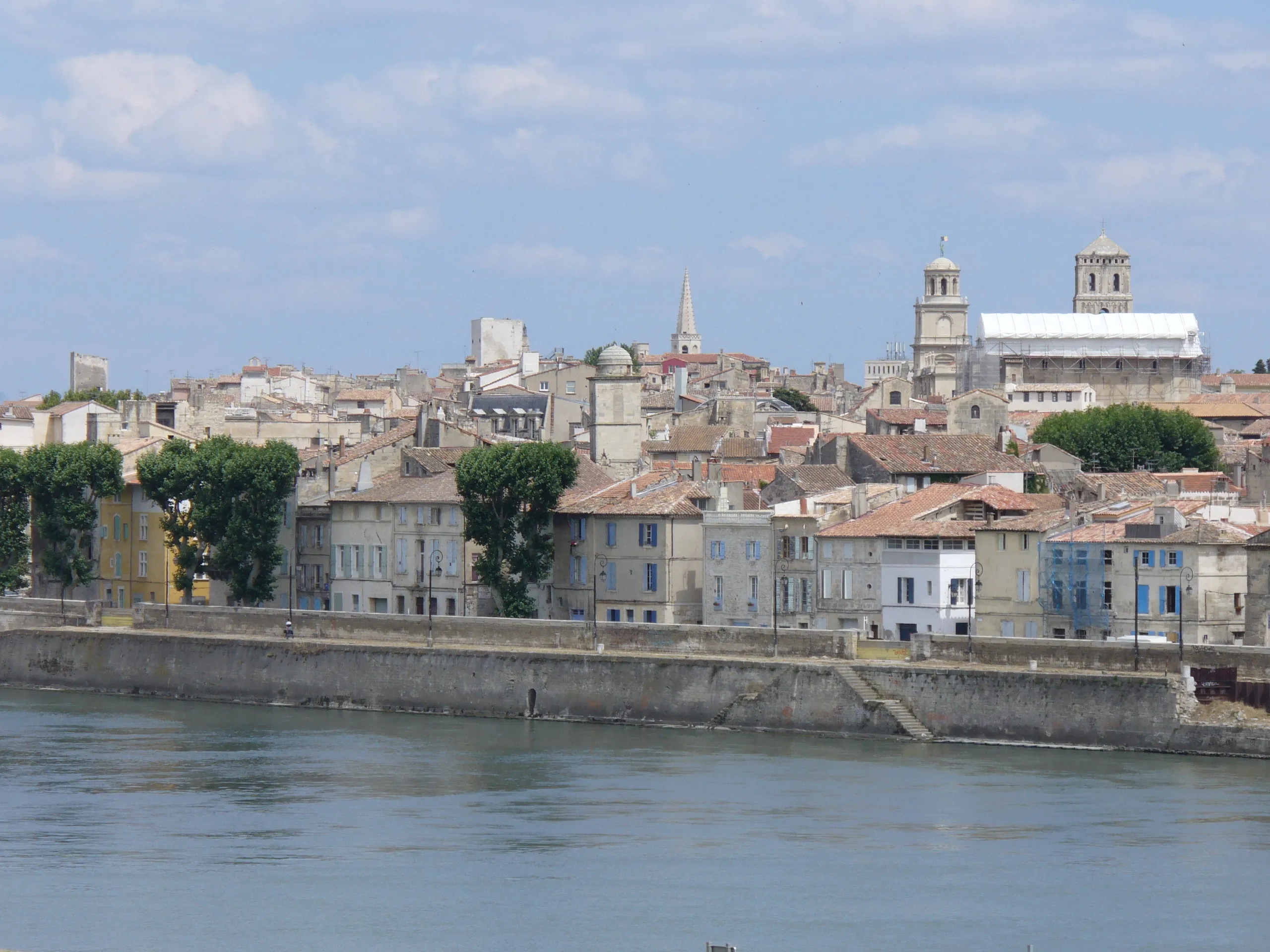
Arles
Roman Heritage City and Monumental Beginning of the Via Tolosana (Way of Arles). Its Roman Legacy and the Light that Inspired Van Gogh Welcome the Pilgrim.
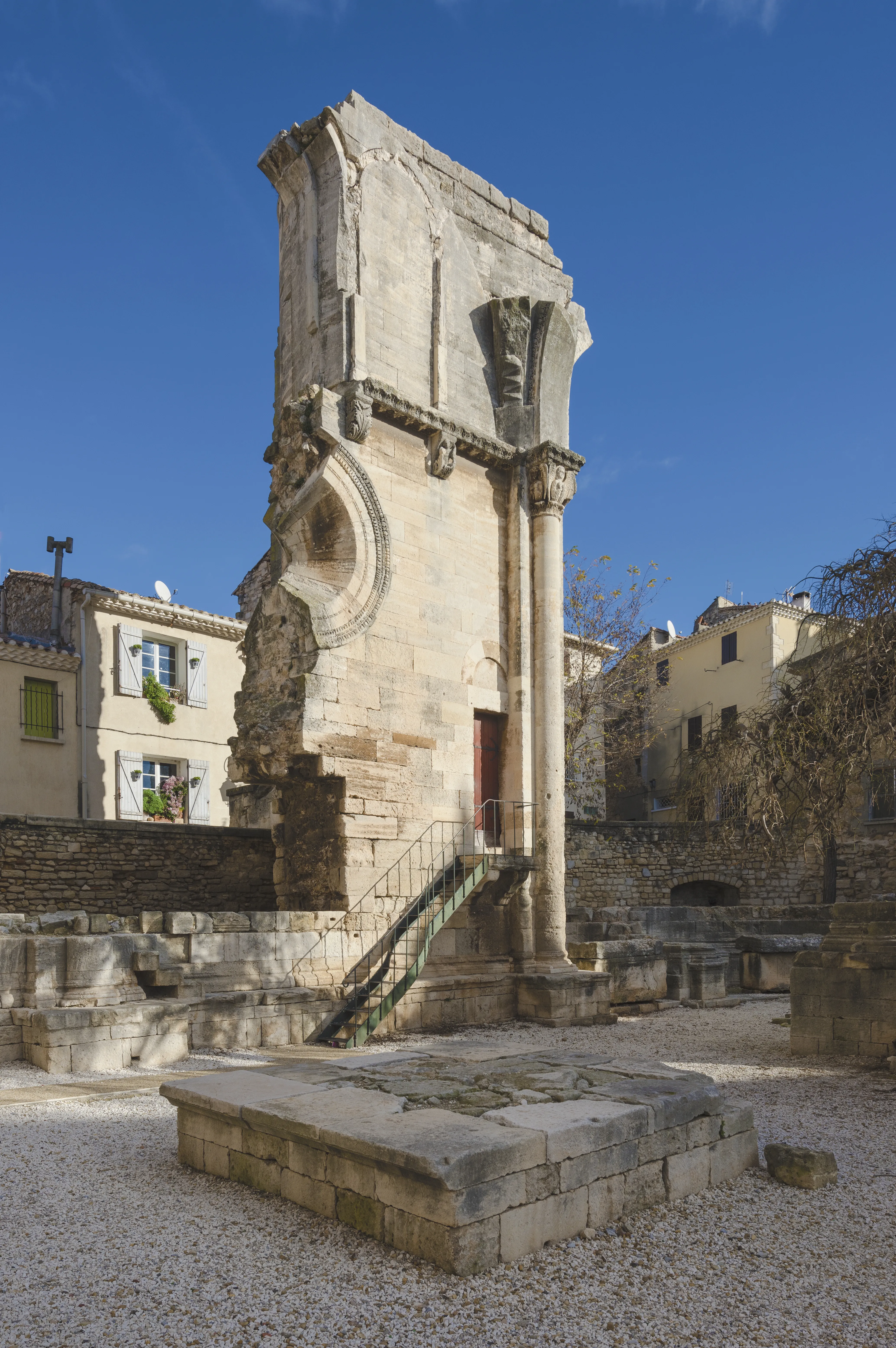
Saint-Gilles (Gard)
10 mFrench locality in Camargue with a Romanesque abbey.
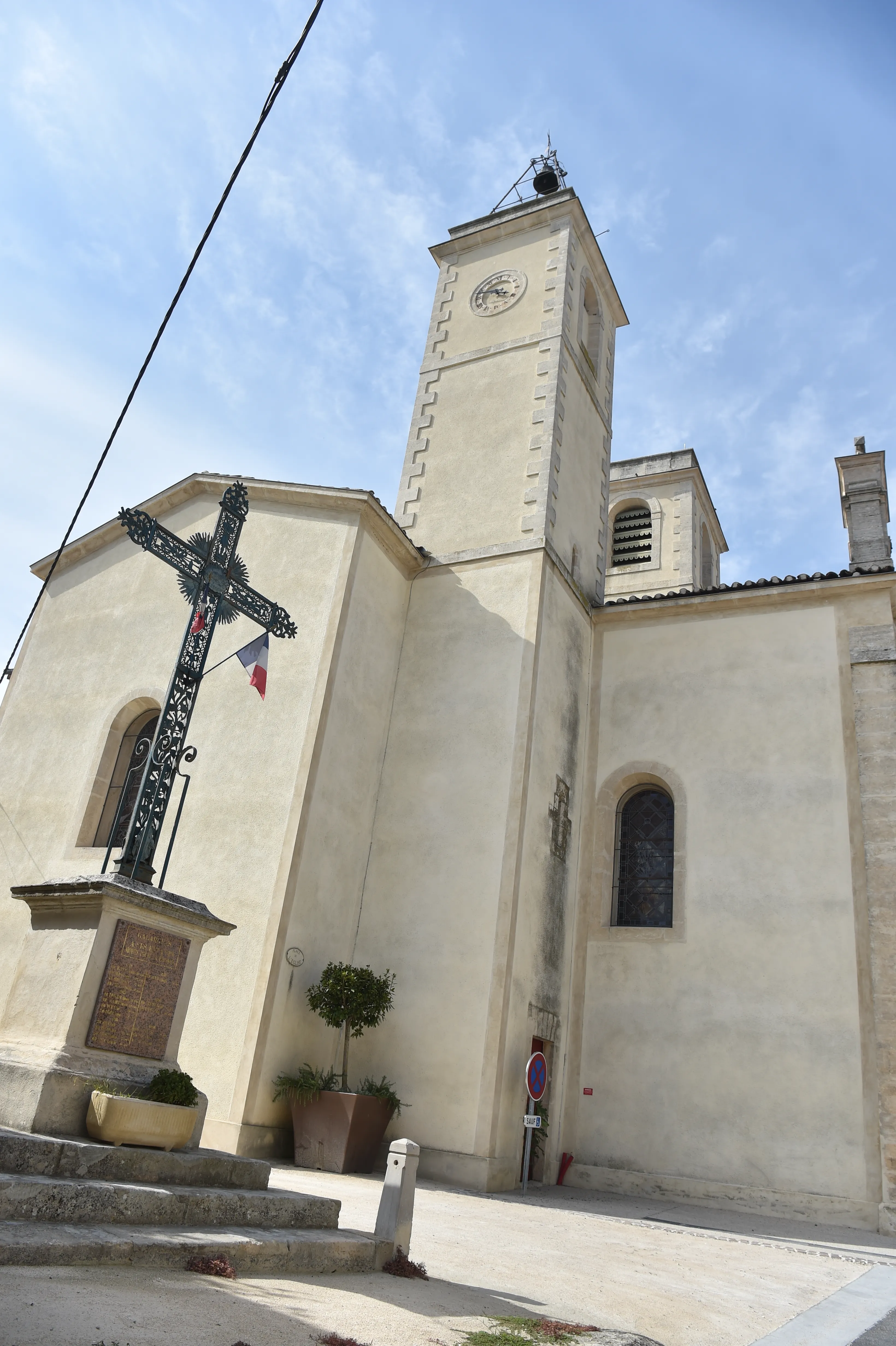
Gallargues-le-Montueux
Small French town in the region of Occitania. Gallargues-le-Montueux is a peaceful rural stop on the Route d'Arles, ideal for a calm break on the road.
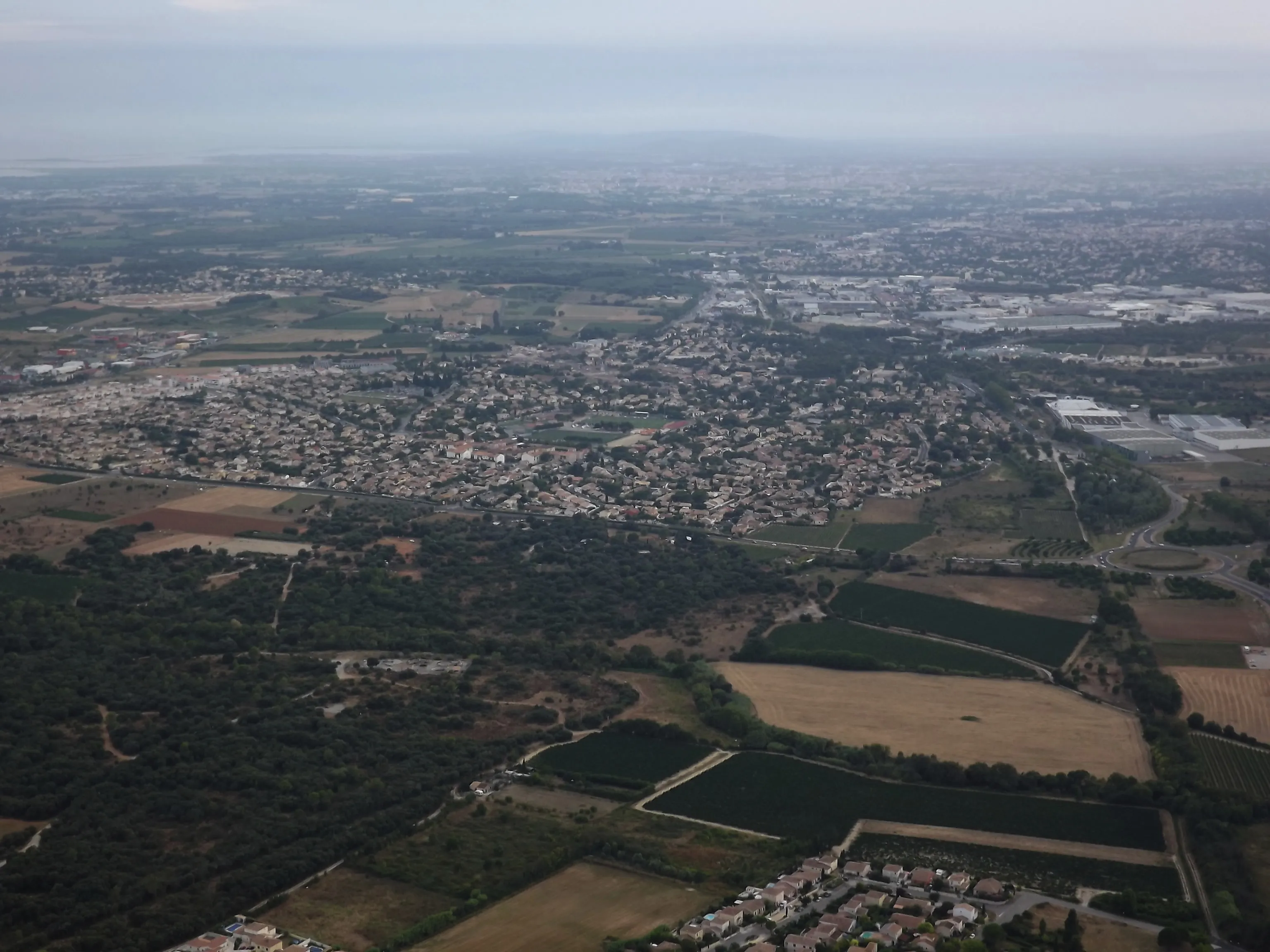
Vendargues
30 mNearby French town to Montpellier.
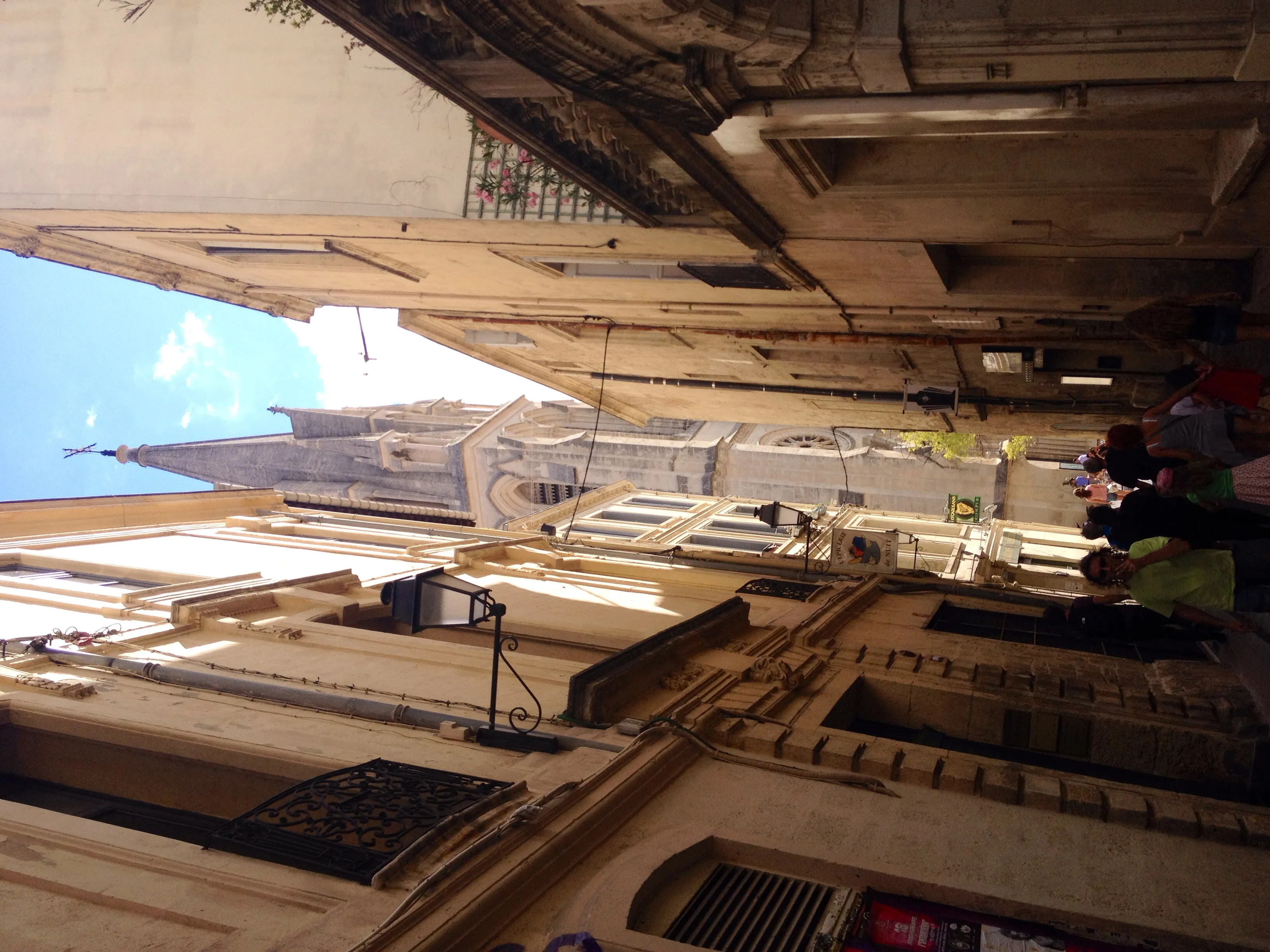
Montpellier
Vibrant and elegant university town on the Via Tolosana. Montpellier offers the pilgrim a medieval old town, lively squares, and well-deserved urban relaxation in southern France.
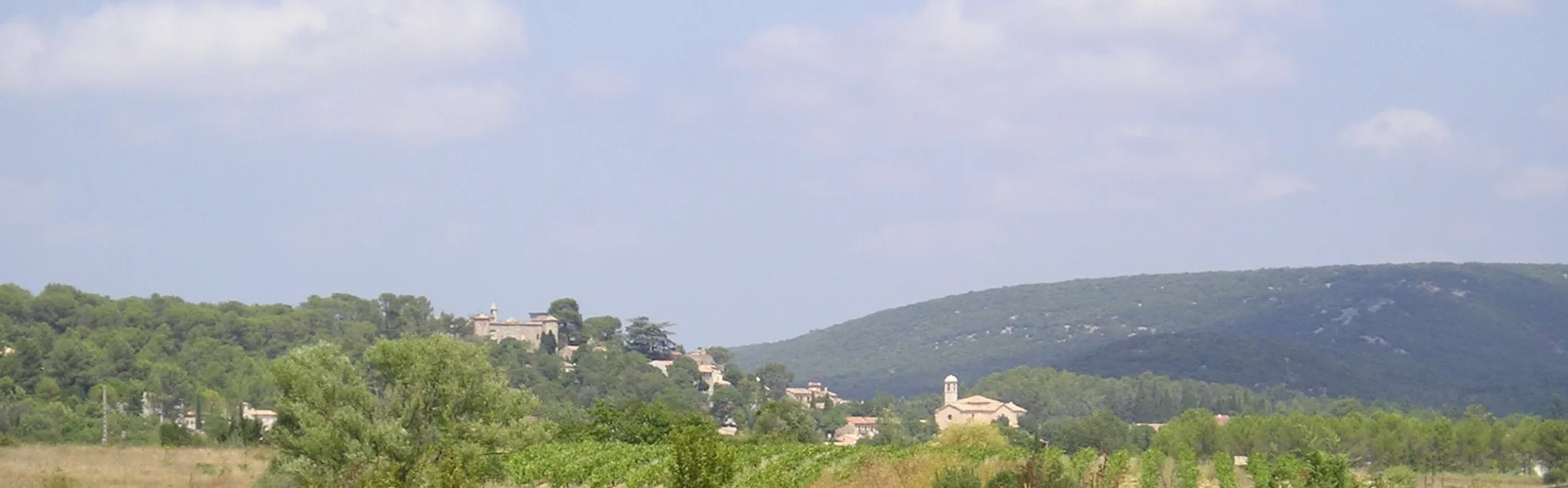
Montarnaud
100 mSmall French village with a rural atmosphere.
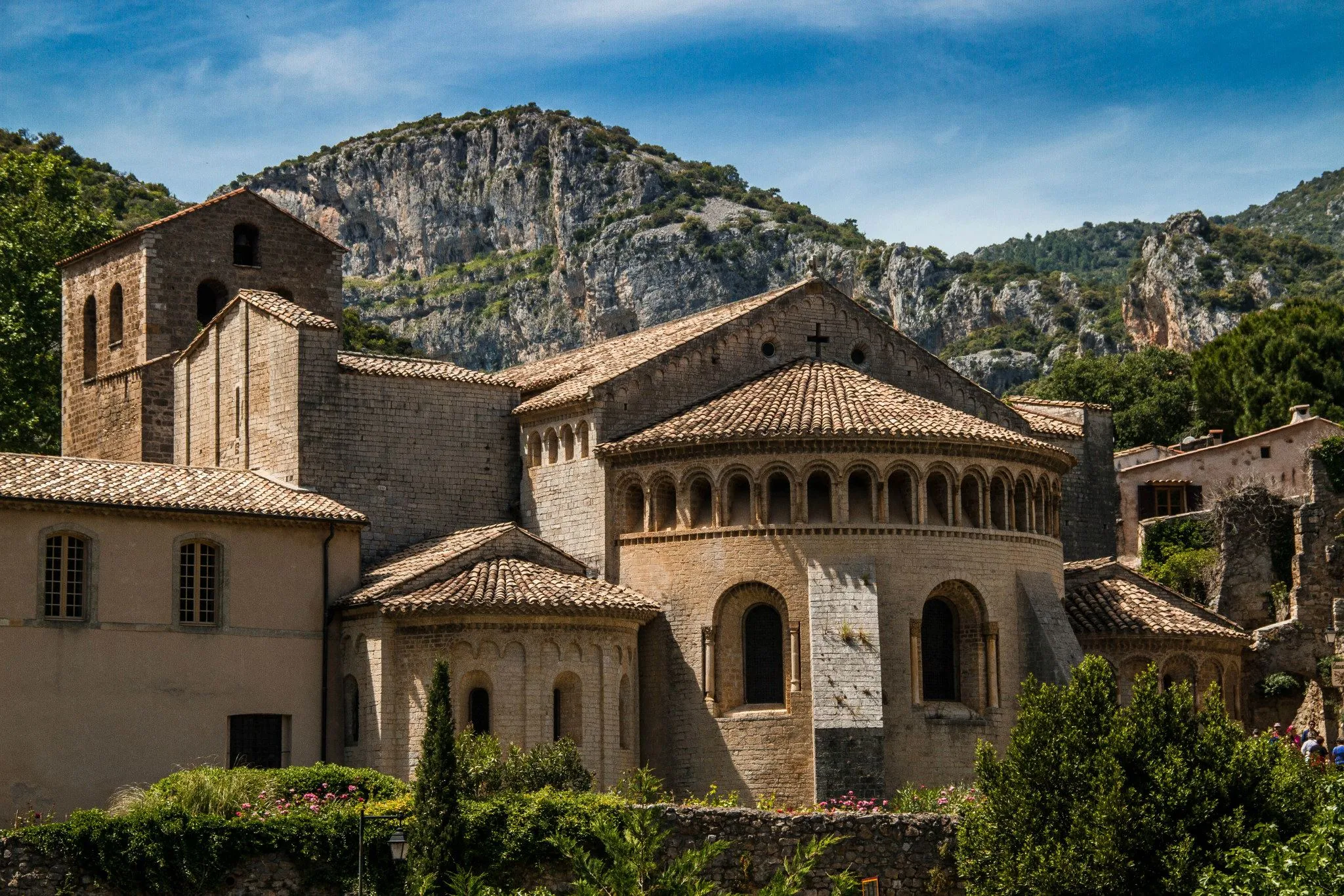
Saint-Guilhem-le-Désert
150 mPicturesque French village with a monastery.
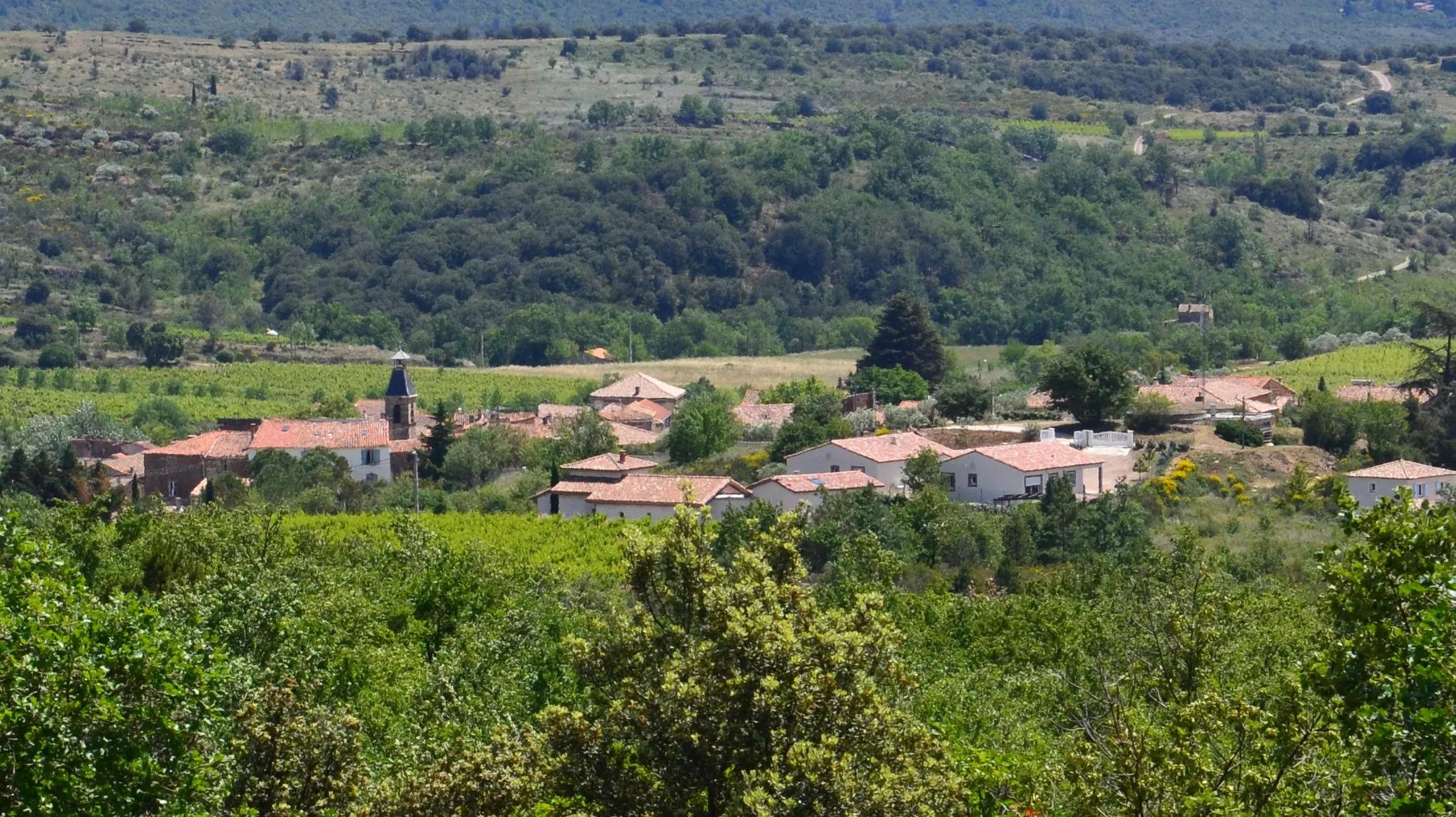
Saint-Jean-de-la-Blaquière
180 mFrench municipality with a natural environment.
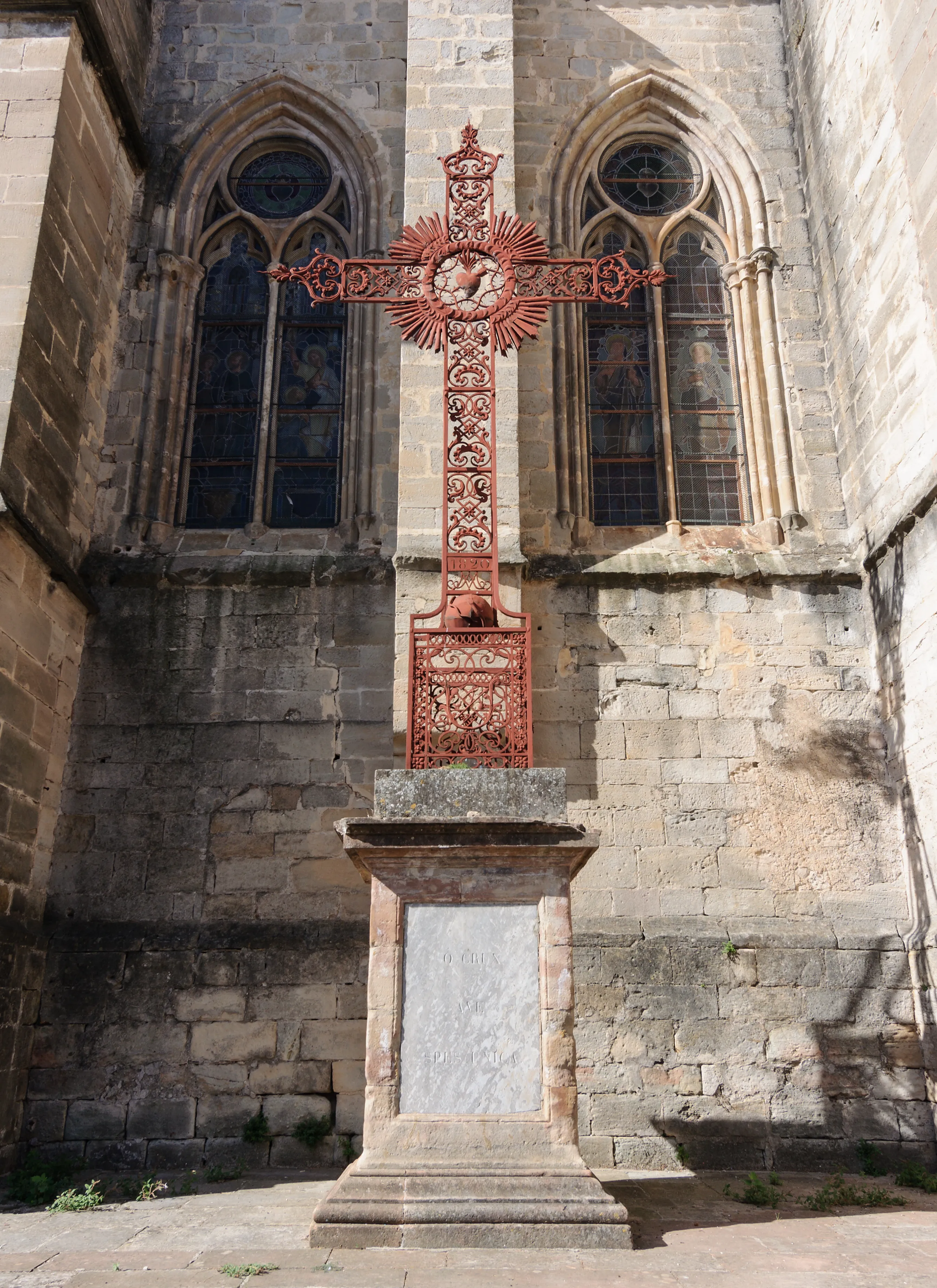
Lodève
Ancient Episcopal City in the heart of Occitania. Lodève, with its imposing Gothic cathedral, is a monumental stop and a service center on the Via Arles.
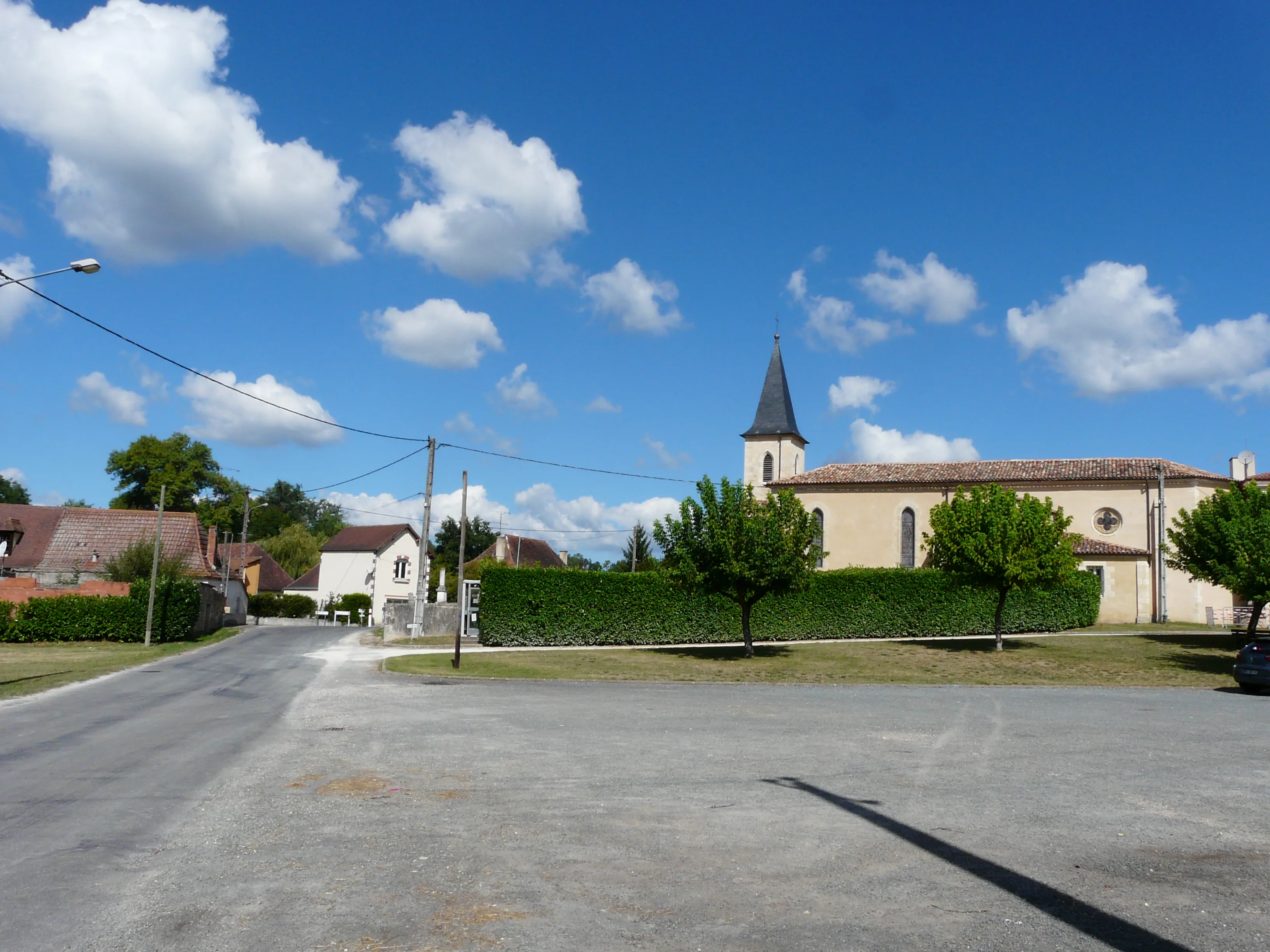
Lunas
Small French town in the Haut-Languedoc Natural Park. Lunas offers a mountainous environment and absolute tranquility, a natural stop on the Route of Arles.
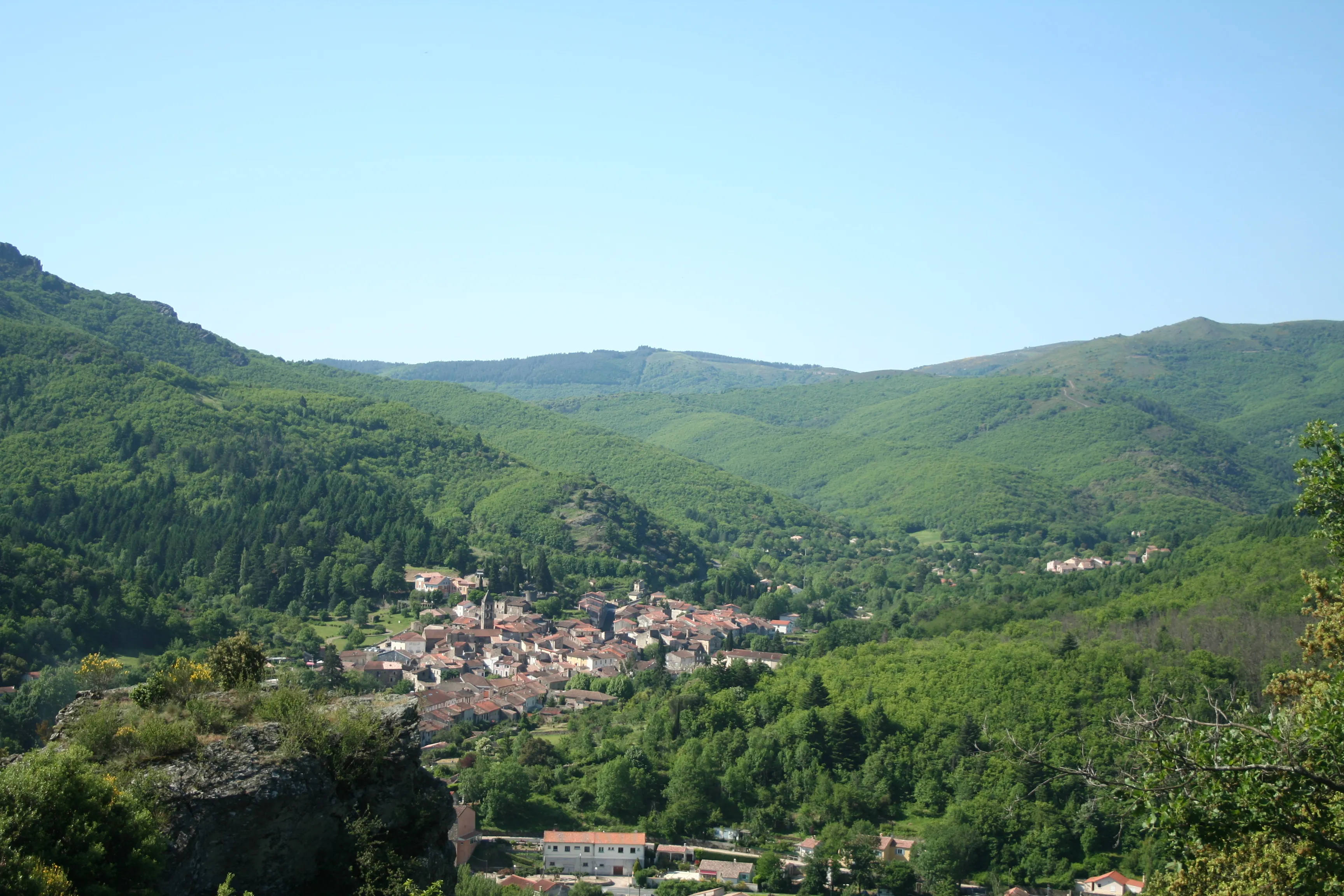
Saint-Gervais-sur-Mare
300 mFrench municipality with a rural atmosphere.
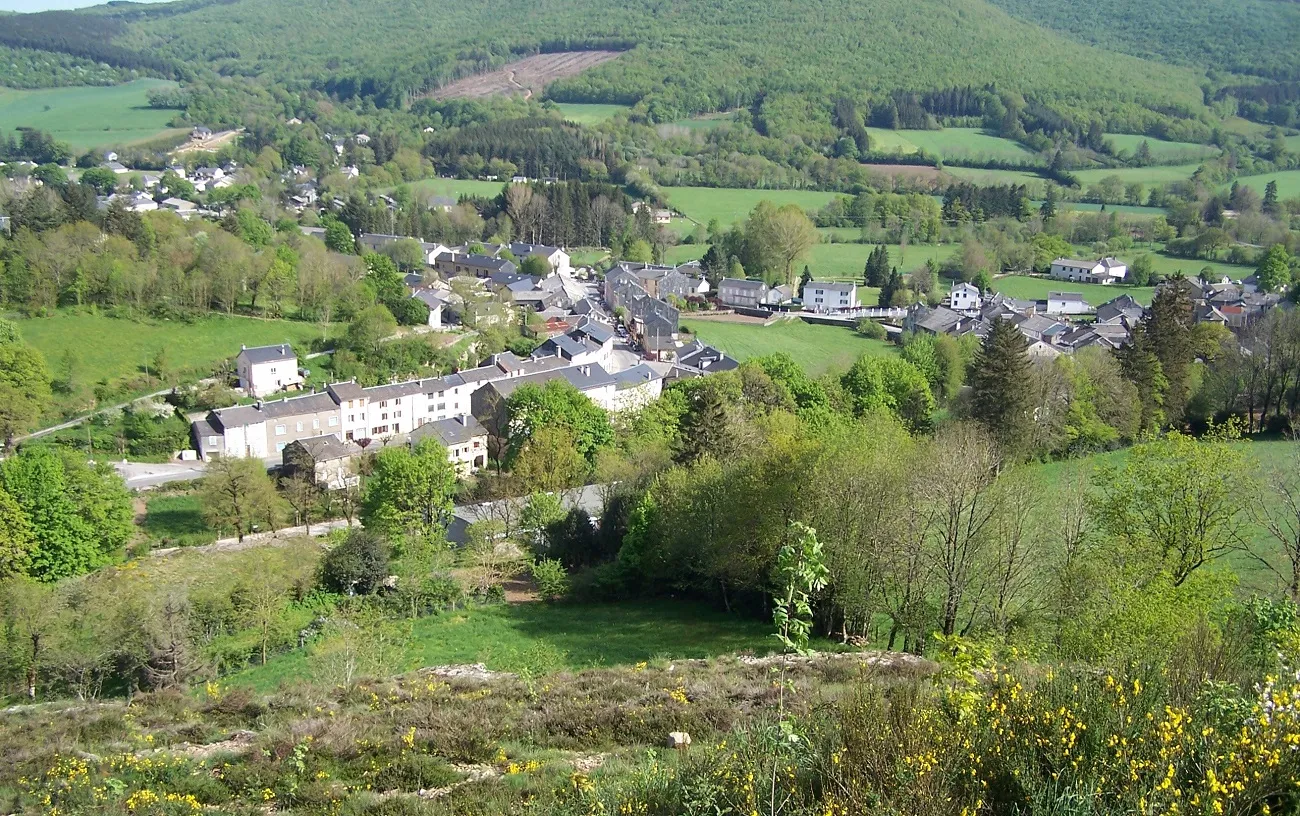
Murat-sur-Vèbre
750 mFrench town in a mountainous environment.
History of Route of Arles
The starting point of the route is the city of Arles, an outdoor museum. In ancient times it was one of the capitals of the Gallic Roman province, and its amphitheater, theater, and baths testify to its past glory. For medieval pilgrims, the starting point was the church of Saint Trophime, a jewel of Provenzal Romanesque art. From Arles, the route heads west, largely overlapping with the initial part of the Via Domitia, the first road built by the Romans in Gaul. This Roman legacy provided solid infrastructure for pilgrims.
The route passes through the Languedoc region, a land with strong cultural identity and a tumultuous history marked by Cathar heresy. It goes through important cities such as Saint-Gilles-du-Gard, with its Benedictine abbey, and Montpellier. However, the heart of the route is Toulouse. The "City of Roses" was in the Middle Ages one of the most important cities of Western Christianity. Its Basilica of Saint Saturnin (Saint-Saturnin) is one of the largest and most perfect Romanesque churches in Europe, built to accommodate the crowds coming to venerate the relics of Saint Saturninus. Toulouse was a spiritual and logistical milestone of first order.
After leaving Toulouse, the route continues through Gascony, passing by Auch and Oloron-Sainte-Marie, the last major city before facing the challenge of the Pyrenees. The crossing into Spain is made at the Col de Somport, the "Summus Portus" Roman road, a high mountain pass at 1,632 meters in height. On its summit was the Monastery and Hospital of Saint Christina, a legendary institution. The Codex Calixtinus describes it as one of the "three columns of charity" in the world, alongside the hospitals of Jerusalem and the Great St. Bernard, highlighting that it welcomed all pilgrims, rich and poor, sick and healthy.
Once over the pass, the pilgrim enters Spain, and the route is then known as the Aragonese Way. It descends through the valley of the River Aragón, passing by the historic city of Jaca, whose cathedral is considered one of the first and most pure examples of Spanish Romanesque art. The Aragonese Way continues its course westward, passing near the spectacular Monastery of San Juan de la Peña, cradle of the Kingdom of Aragon.
Finally, in the Navarran village of Puente la Reina, there is one of the most symbolic moments of the entire Camino de Santiago: the Aragonese Way joins the Navarro Way (which comes from Roncesvalles). At this point, as inscribed on the monument to the pilgrim, "and from here all paths become one." The Via Tolosana thus ends up in the great Camino Francés. Its modern revival as the GR®653 trail allows today's pilgrims to follow this ancient route, a journey through history, art, and landscapes of southern France.
Accommodations on the Route
The Route of Arles has 221 verified accommodations along the entire route.
View Stages & AccommodationsPractical Tips for Route of Arles
Best Season
Spring (April-June) and autumn (September-October) are the best seasons. Pleasant temperatures and fewer crowds than summer.
Physical Preparation
Train by walking progressively in the months before. Start with short distances and increase. Your body will adapt to the rhythm of the Camino.
What to Pack
Light backpack (max 10% of your weight), worn trekking shoes, breathable technical clothing, raincoat, sunscreen and basic first aid kit.
General Tips
Carry the pilgrim credential, stay hydrated, respect your pace, book accommodation in high season and enjoy the journey without rushing.
FAQ about Route of Arles
El Camino de Arles, también conocido como Vía Tolosana, tiene una longitud total de 790.6 km y generalmente se requieren alrededor de 33 días para completarlo. Este camino ofrece un recorrido histórico que atraviesa ciudades importantes como Montpellier y Toulouse antes de cruzar los Pirineos hacia España.
La temporada media, que abarca desde abril hasta junio y septiembre hasta octubre, ofrece un equilibrio óptimo entre clima agradable y menor afluencia de peregrinos. Durante este periodo, los viajeros pueden disfrutar del paisaje en plena primavera o durante el verano temprano (abril-mayo) con temperaturas suaves y hermosas flores en flor, o bien en septiembre cuando aún hay calor pero menos gente que en la temporada alta de verano.
Un paquete turístico para el Camino de Arles con Ourway Travel incluye servicios como transporte de equipaje entre los alojamientos, una gama de opciones de alojamiento (desde albergues hasta hoteles), asistencia en ruta y la gestión integral de todas las reservas necesarias. Nuestros paquetes están diseñados para proporcionar a los peregrinos un viaje sin complicaciones mientras disfrutan plenamente del Camino de Arles.
El Camino de Arles, o Vía Tolosana, es considerado uno de los itinerarios intermedios en términos de dificultad. Aunque no tiene la misma longitud que el Camino Francés, su recorrido por áreas montañosas y zonas rurales presenta desafíos moderados para los peregrinos. En comparación con caminos más directos o urbanos como el Norte, el Aragonés ofrece una experiencia de senderismo más variada y exigente, pero aún accesible a aquellos que buscan un reto medio.
El costo del viaje para el Camino de Arles varía dependiendo de la duración, los servicios incluidos y las preferencias del cliente. En Ourway Travel, ofrecemos diversas opciones que van desde paquetes básicos hasta experiencias premium que pueden incluir alojamientos superiores, traslados adicionales o actividades culturales especiales. Para obtener un presupuesto personalizado basado en sus necesidades específicas y fechas de viaje, sugerimos contactar directamente a nuestro equipo para recibir una cotización detallada.
El Camino de Arles (Vía Tolosana) es ideal para aquellos que buscan un recorrido más remoto y cultural, con menos afluencia de peregrinos en comparación con el Camino Francés. Abarca una ruta histórica rica en patrimonio romano y medieval antes de llegar a España por los Pirineos. Si prefieres explorar ciudades medievales y campos menos transitados, este camino podría ser la elección perfecta. En contraste, el Camino Francés es más popular pero ofrece una gama diversificada de experiencias urbanas y rurales.
Para obtener la credencial del peregrino (también conocida como 'carta del camino'), es necesario iniciar tu viaje con un punto de partida oficial, como la ciudad de Arles. Con nuestro equipo en Ourway Travel, gestionamos todo este proceso para ti, asegurándote de que estés completamente preparado antes de comenzar el Camino de Arles. La credencial debe ser firmada regularmente a lo largo del camino para demostrar tu progreso y te proporcionará acceso a alojamientos específicos reservados para peregrinos.
En Ourway Travel, nos encargamos del transporte de tu equipaje entre los diferentes alojamientos a lo largo del camino. Esto significa que no necesitas cargar tus pertenencias más pesadas mientras disfrutas del recorrido. Nuestros servicios incluyen la entrega segura y puntual de tu mochila o maletas en cada lugar donde te hospedes, permitiéndote viajar ligero y cómodo.
Related Routes
Ready for this adventure?
Let us organize your pilgrimage. We take care of accommodations, transfers and everything you need.