
Camino de Santiago
Route of Arles
The Way of Arles (Tolosan Way), one of the four main Jacobean routes in France, crossing the Pyrenees at Somport to join the Aragonese and French Ways.
Organize your Route of ArlesLast updated: 21/05/2025
The Route
General Description of Route of Arles
Its route in France is approximately 800 km. It is a richly endowed Roman and medieval heritage route that passes through cities such as Montpellier, Toulouse and Oloron-Sainte-Marie.
Related Routes
Connections of Route of Arles
Bayonne Way
286.2 km
12
Media
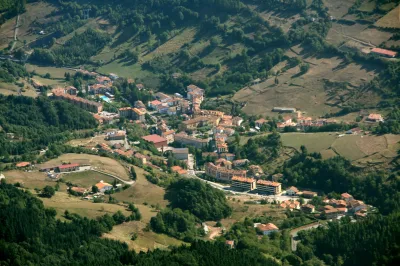
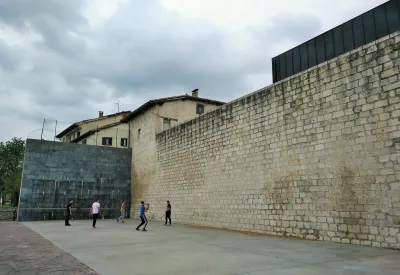
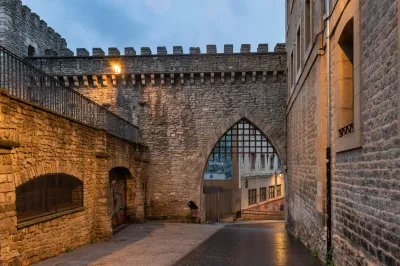
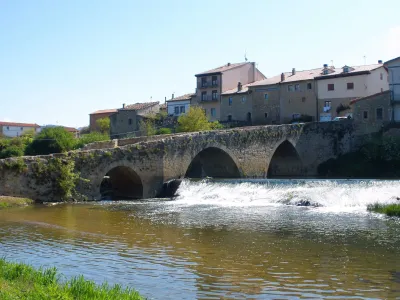
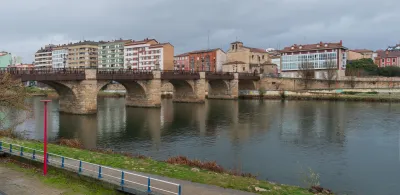
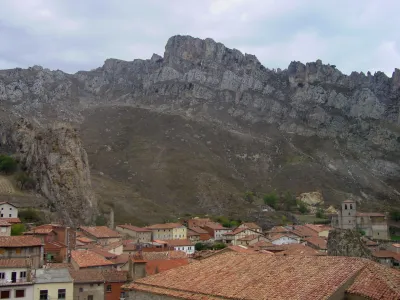
The Via de Bayona is a historical itinerary that connects the city of Bayonne, in French Basque Country, to Burgos, where it links with the Way of St. Francis. With a distance of approximately 286 km, this route was an important alternative interior for medieval pilgrims. It passes through the French Basque Country and part of La Rioja, passing by cities such as Vitoria-Gasteiz and Miranda de Ebro.
It offers a rich experience in history and culture, traversing varied landscapes. Although it sometimes overlaps or gets confused with the Vasco Interior Way, the Via de Bayona has its own identity as a connection route from France to the heart of the Way of St. Francis.
Stages of this variant:
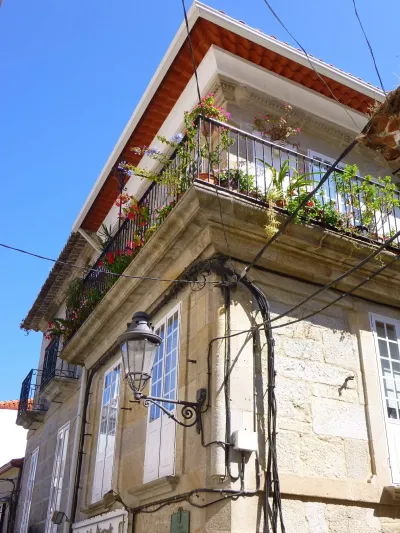
Stage 1: Bayona to Irún

Stage 2: Irún to Hernani
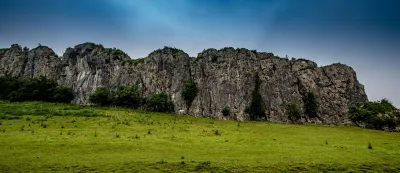
Stage 3: Hernani to Tolosa
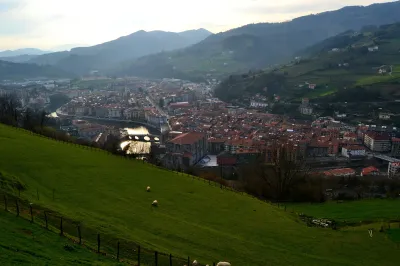
Stage 4: Tolosa to Beasain
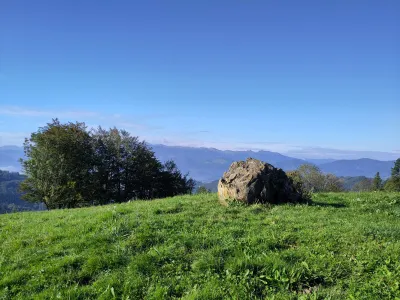
Stage 5: Beasain to Zegama
Way of Baztan
108.4 km
5
Media
The Baztán Way is an ancient and beautiful Jacobean route that connects Bayonne (France) with Villava, at the gates of Pamplona, where it links up with the French Way. With a 108 km journey, it crosses the Pyrenees via a lower pass than Roncesvalles, following the course of the Bidasoa River and crossing the spectacular Baztán Valley.
It is known for its green landscapes, traditional farmhouses, and rich Navarran culture. It offers a shorter and less crowded alternative to enter Spain, ideal for those seeking a different Pirencean experience and closer contact with nature.
Stages of this variant:
Stage 1: Bayona to Souraïde
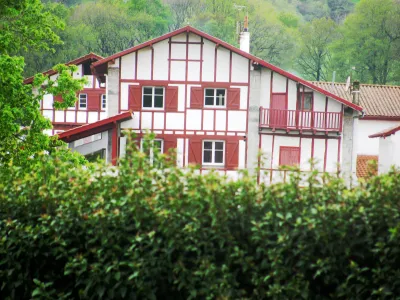
Stage 2: Souraïde to Amaiur/Maya
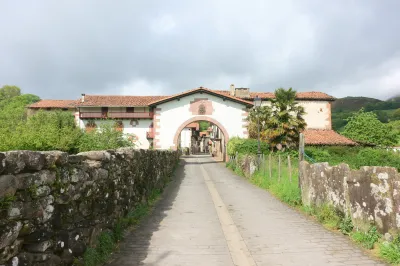
Stage 3: Amaiur/Maya to Berroeta
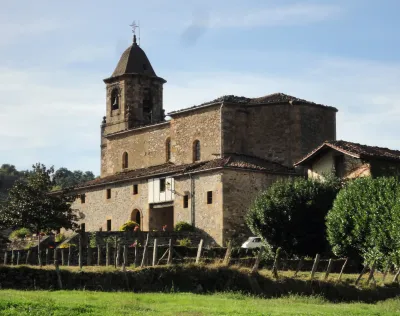
Stage 4: Berroeta to Olagüe
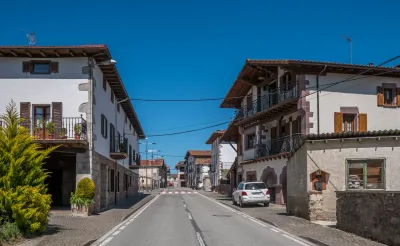
Stage 5: Olagüe to Pamplona
Elevation Profile of
Elevation Profile of Route of Arles
Visualize the ups and downs of the route.
Loading elevation profile...
Error loading elevation profile or altitude data not available.
Your trip with Ourway
Everything you need for your Camino
No hassle. Your perfect route, from start to finish.
Accommodation
Selected hotels and hostels at every stage
Luggage transfer
Your backpack travels from stage to stage
Camino Guide
Detailed map with directions and services
24h Support
Team available for any unforeseen event
Pilgrim credential
Official documentation included
No commitment
Free personalized consultation
Walk this route with us
Fancy walking this route?
We don't have a ready-made package for this route yet, but we'll organise it around you. Tell us how you'd like to experience it and a specialist will reply within 24 h.
Request your proposalStages
Stages of Route of Arles
Arles → Saint-Gilles (Gard)
The Via Tolosana begins in the monumental Arles, a UNESCO World Heritage City. This first stage is a flat walk that enters the unique landscape of the Camarga, a vast marshland and agricultural plain....
Saint-Gilles (Gard) → Gallargues-le-Montueux
This is a long stage that traverses the Petite Camargue plain. The route is flat and monotonous at times, winding through vineyards and fields of cultivation. It's a day that requires good preparation...
Gallargues-le-Montueux → Vendargues
This stage continues through the Languedoc plain, approaching the important city of Montpellier. The route is flat and traverses a landscape of vineyards and orchards. It's a transitional day with no ...
Vendargues → Montpellier
This is a short and urban stage that leads the pilgrim to the heart of Montpellier, one of the most dynamic and attractive cities in southern France. The path leaves the outskirts to venture into the ...
Montpellier → Montarnaud
After enjoying Montpellier, this stage marks the departure from the big city and return to the countryside. The route is of moderate distance and begins to present the first undulations, leaving the c...
Montarnaud → Saint-Guilhem-le-Désert
This is one of the most spectacular stages of the Via Tolosana. The path enters the gorges of the Hérault river, a landscape of canyons and cliffs of great beauty. The route is demanding, with constan...
Towns
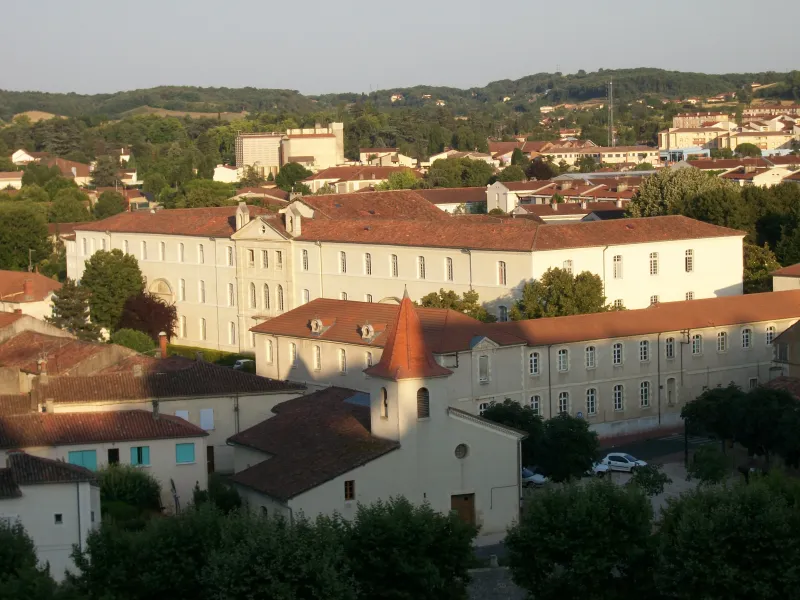
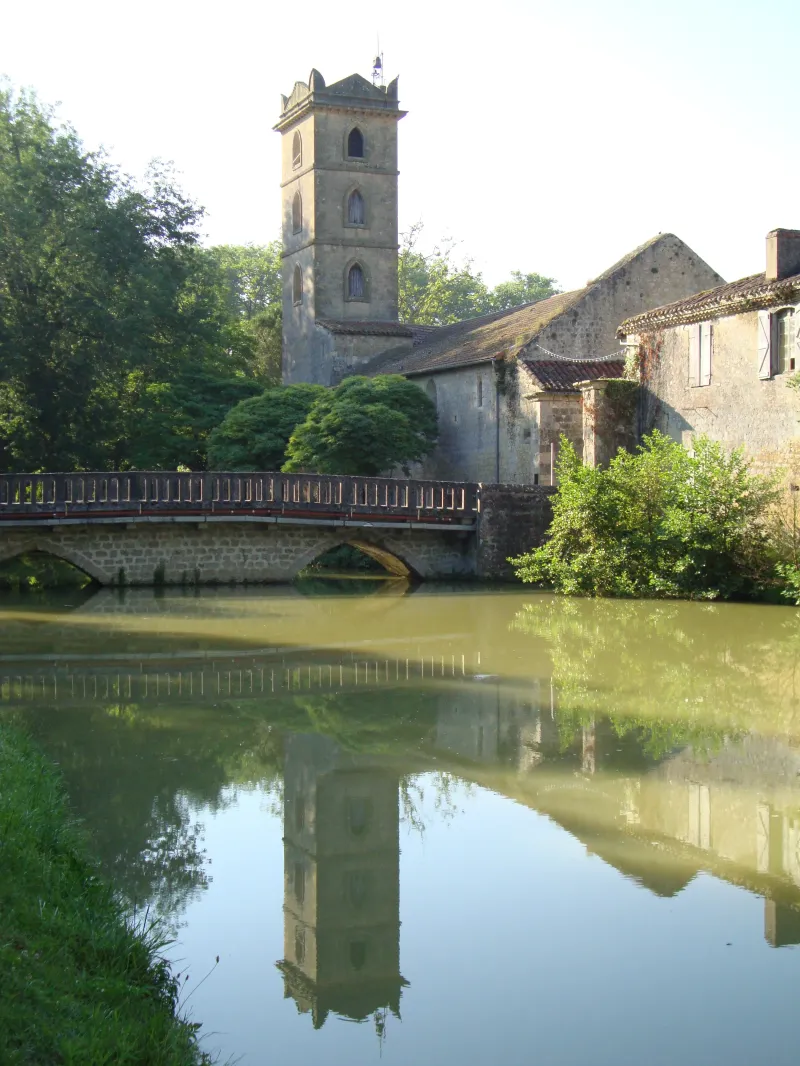
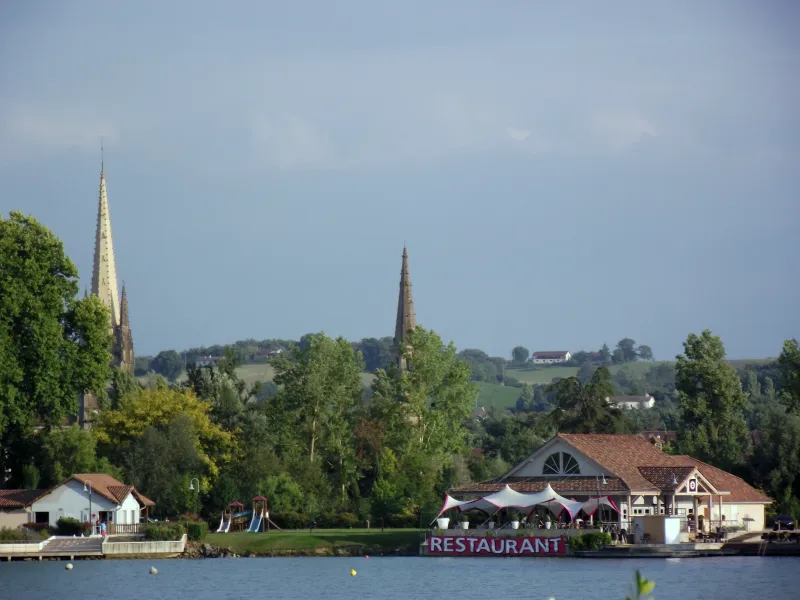
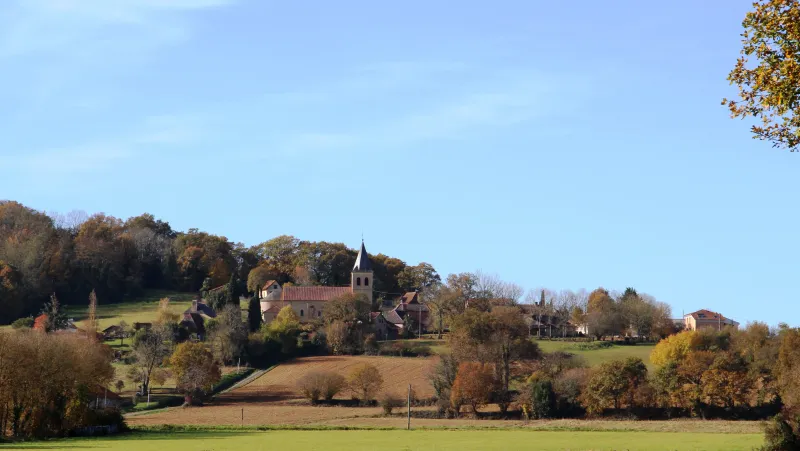
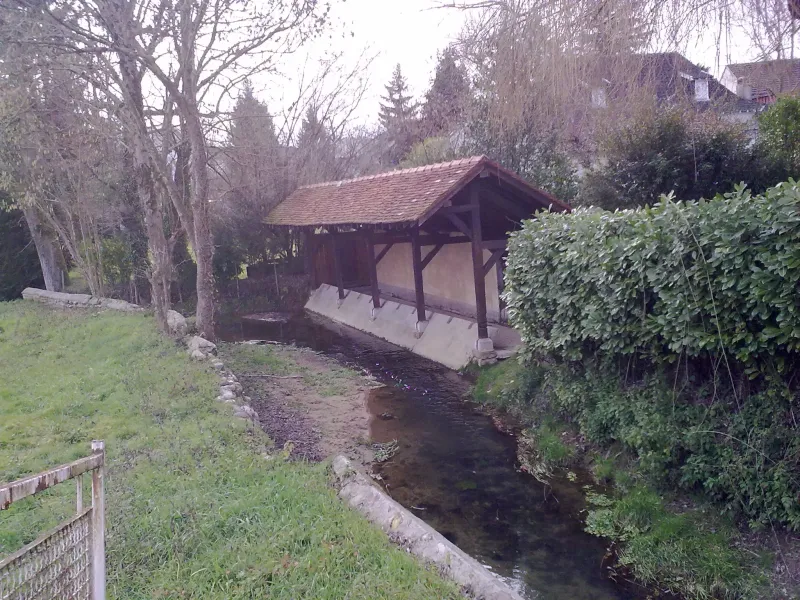
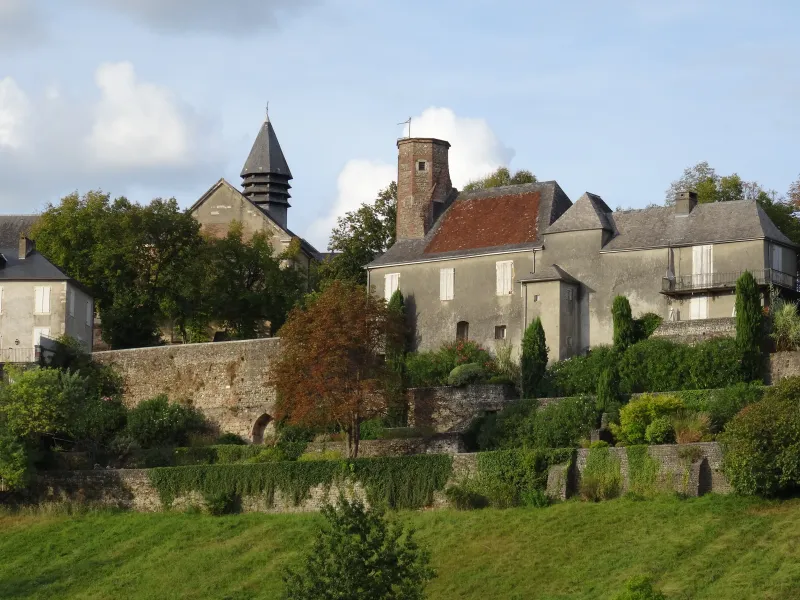
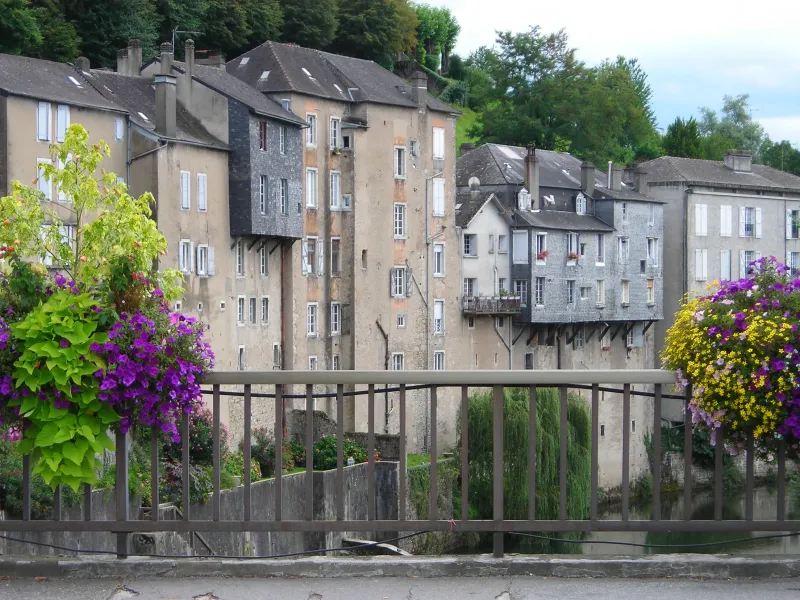
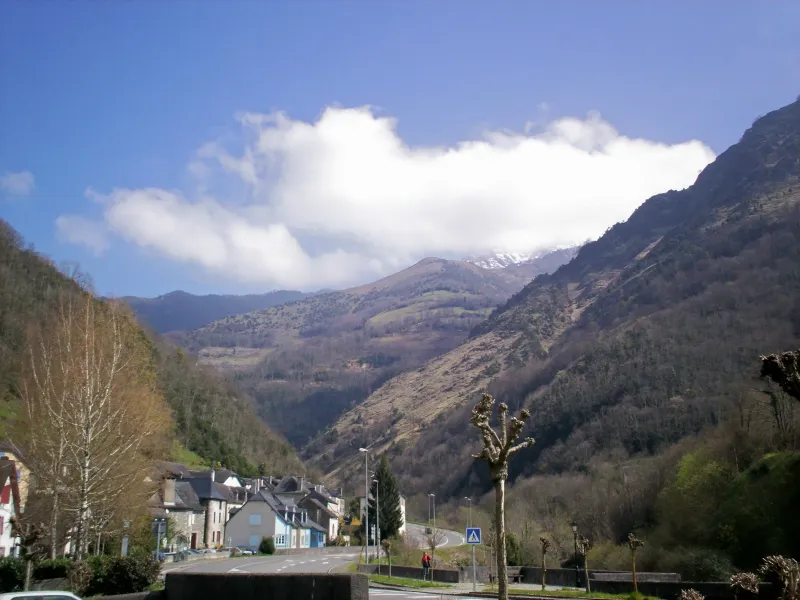
Featured Towns of Route of Arles
Explore the key towns and cities of this route.
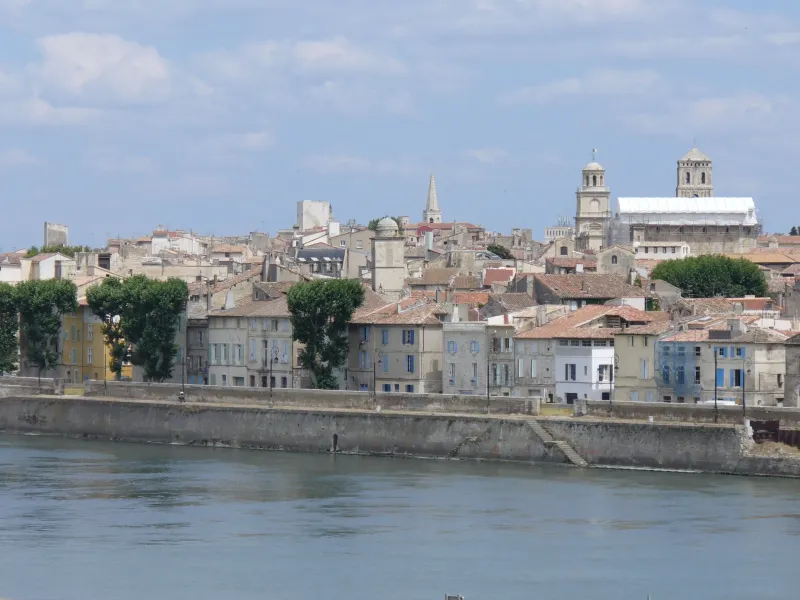
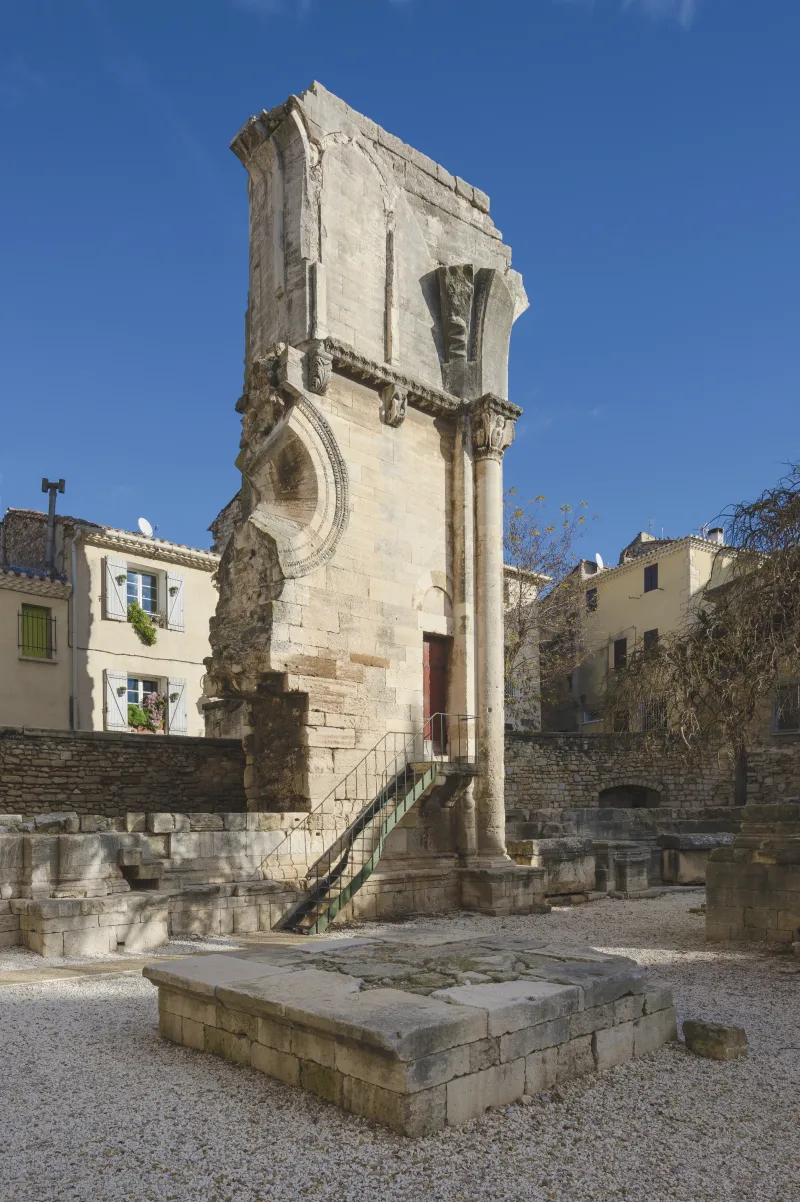
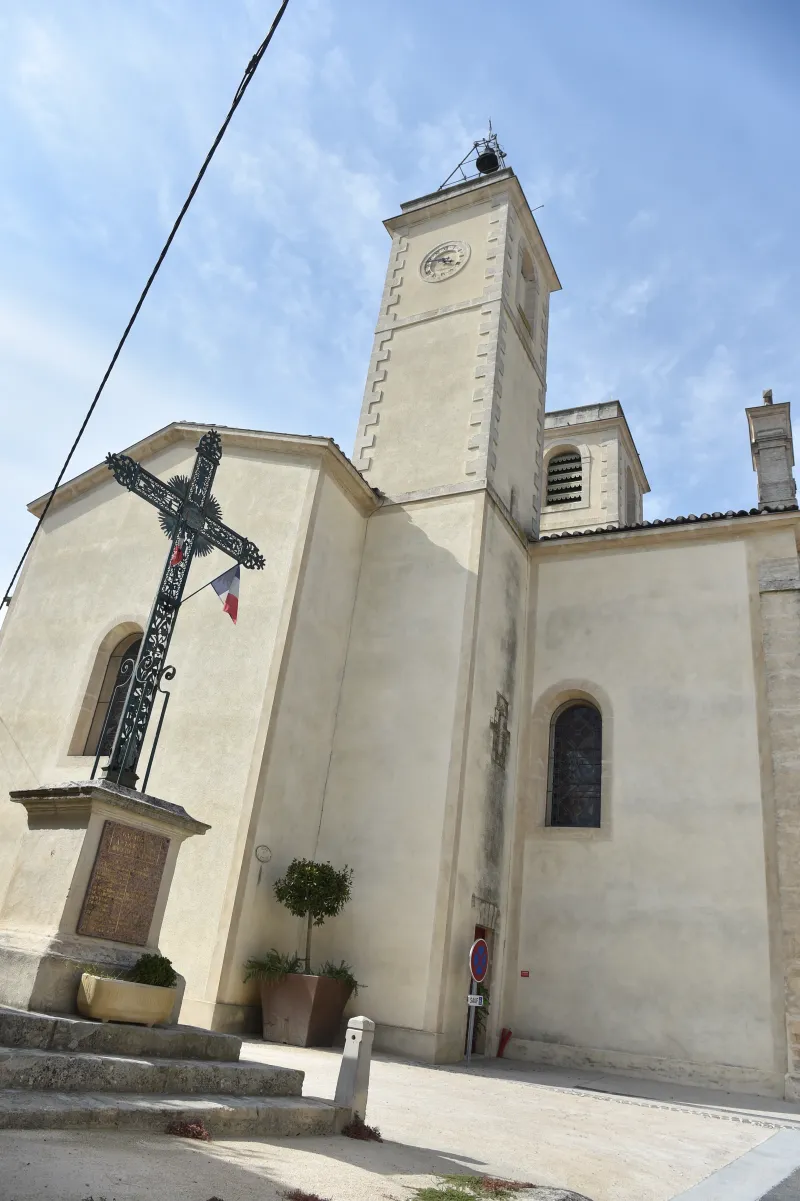
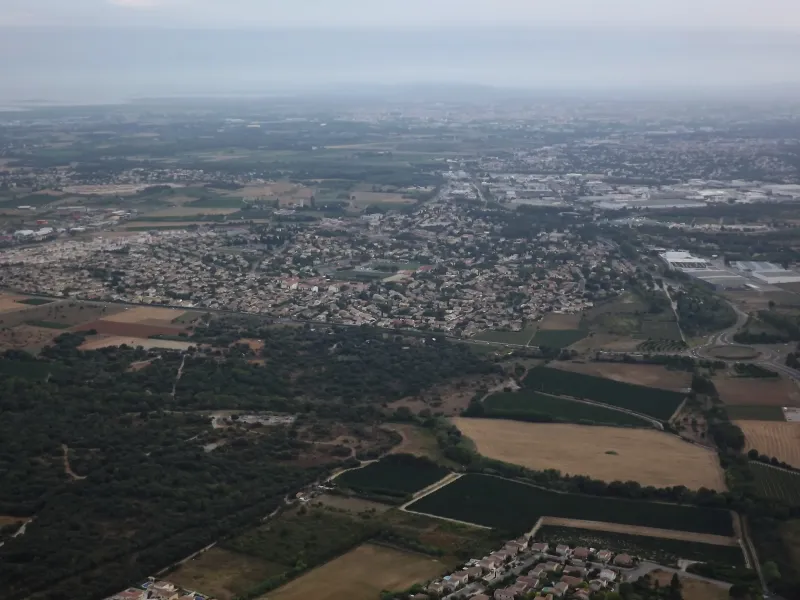
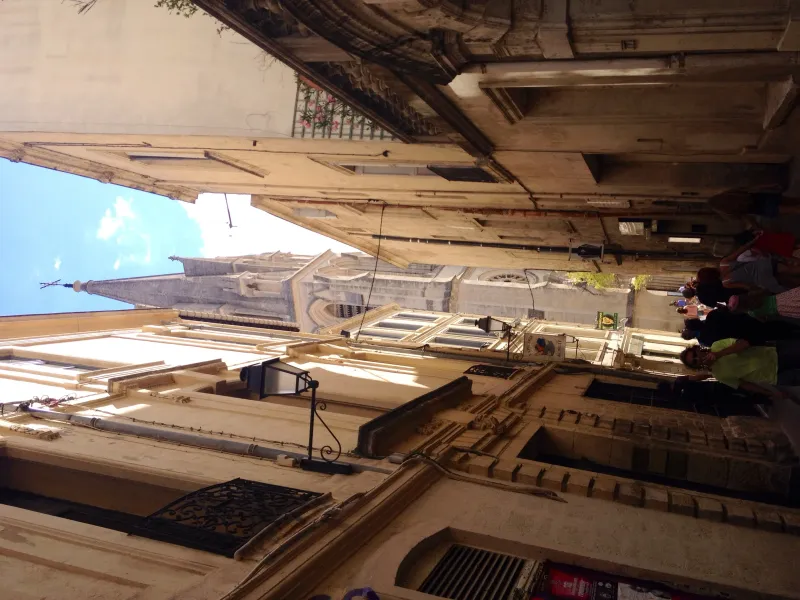
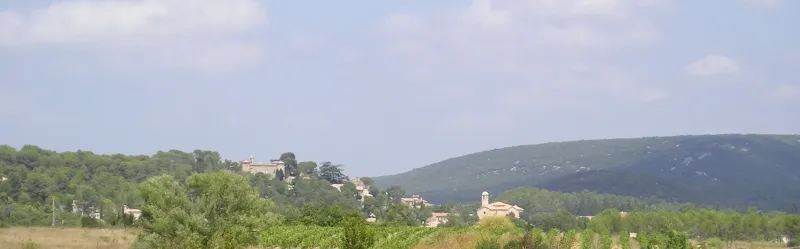
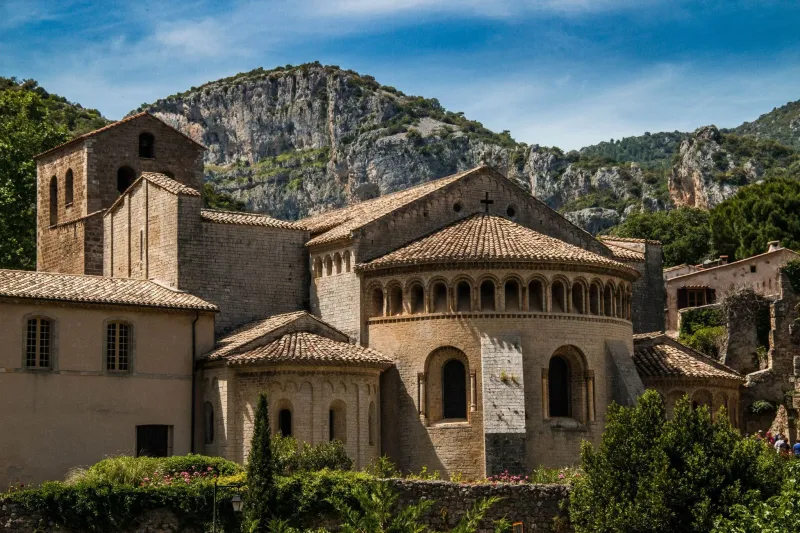
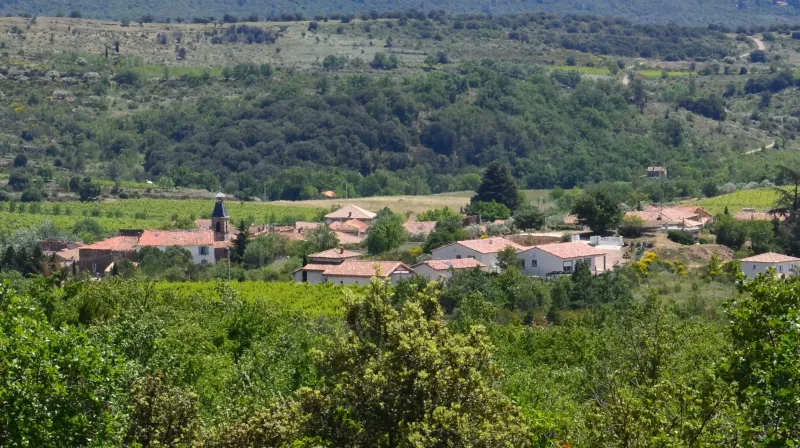
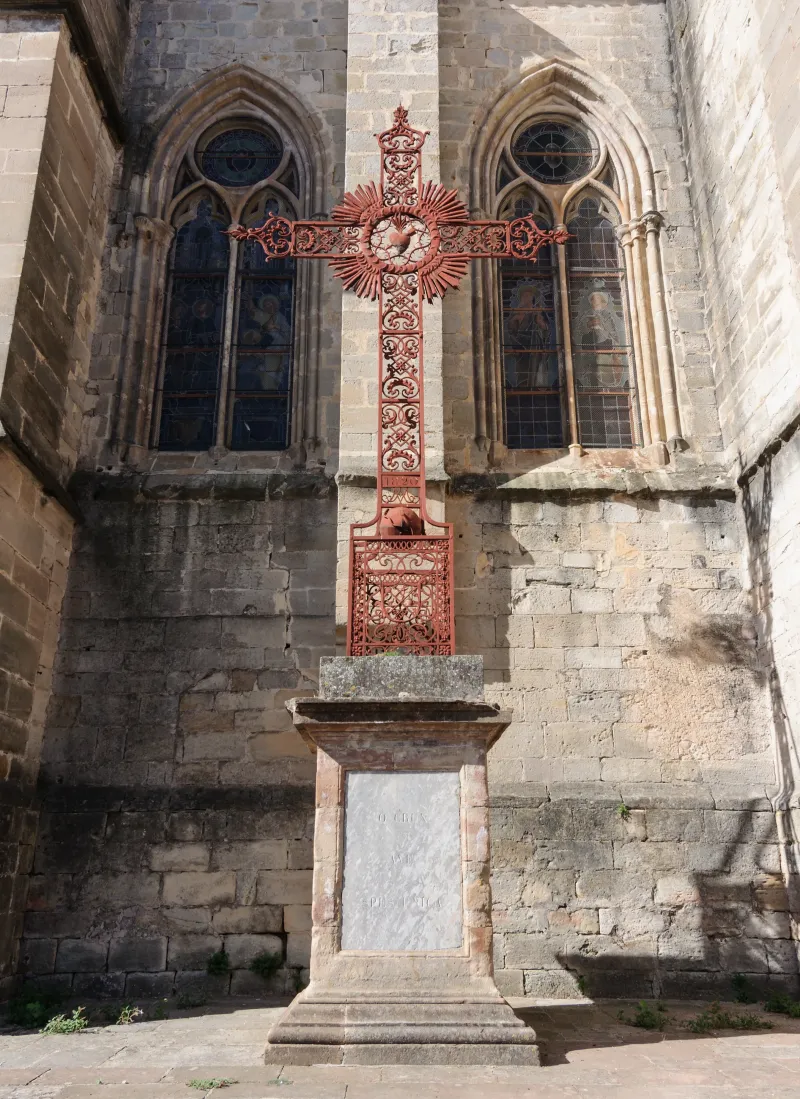
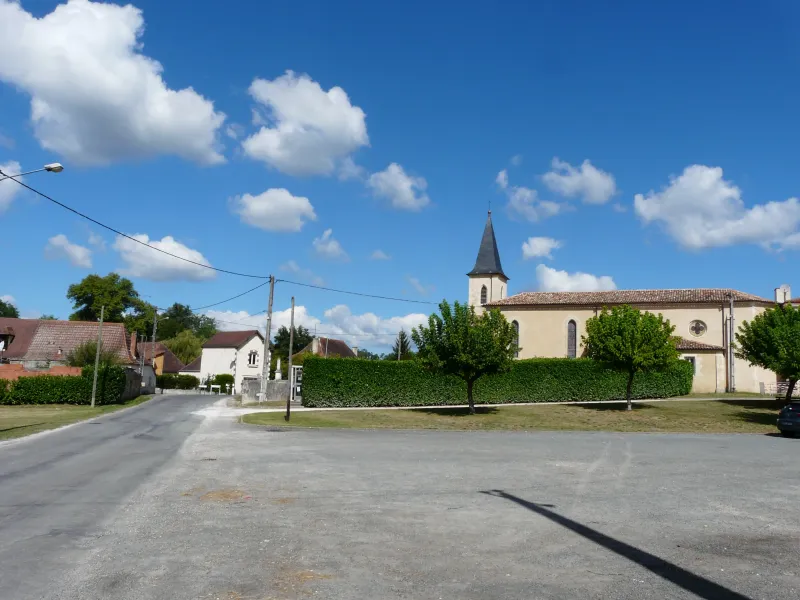
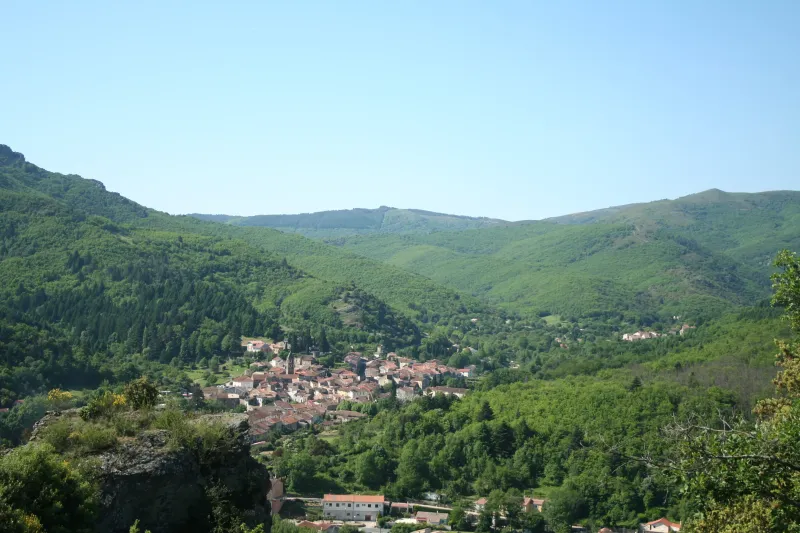
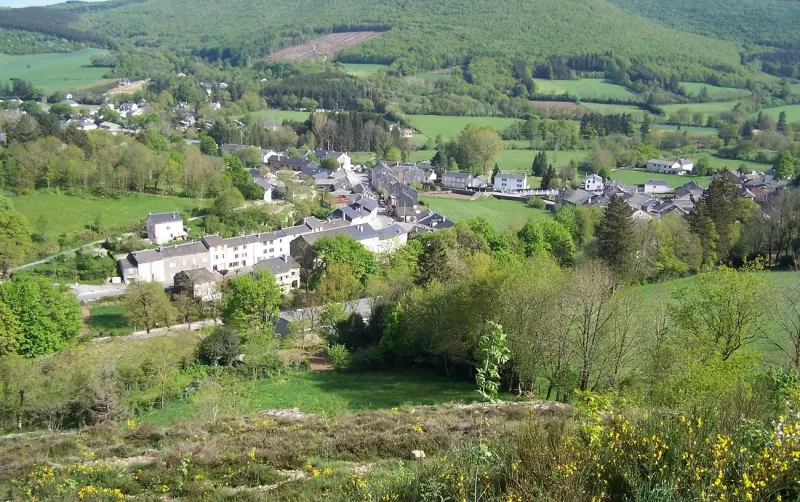
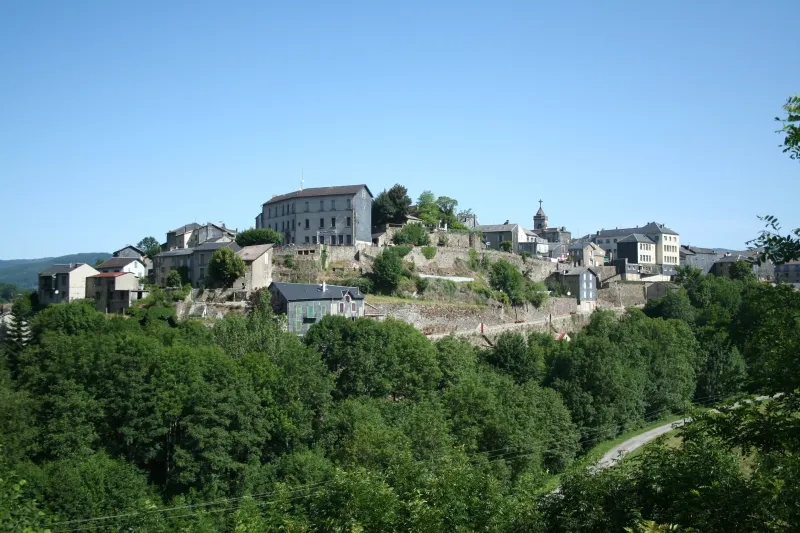
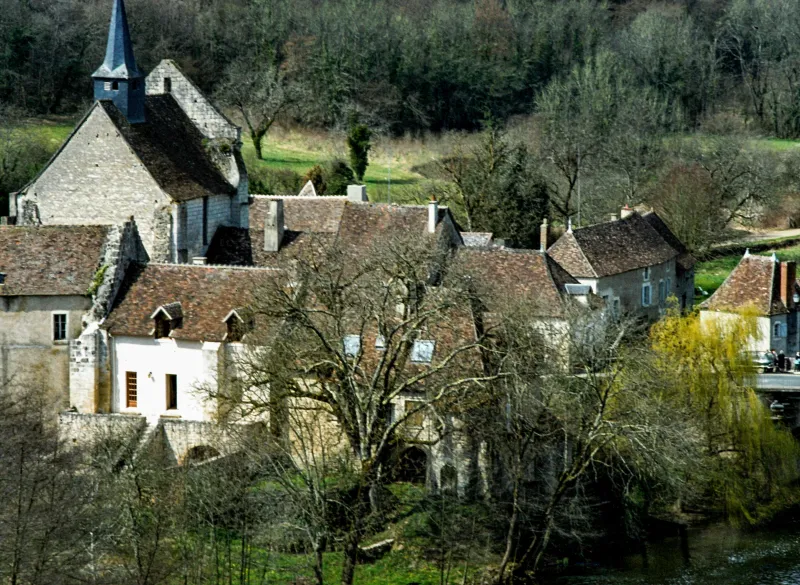
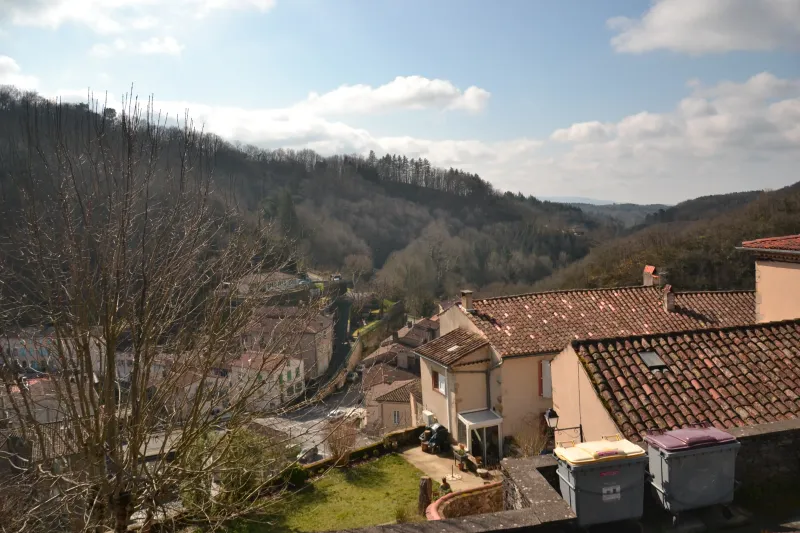
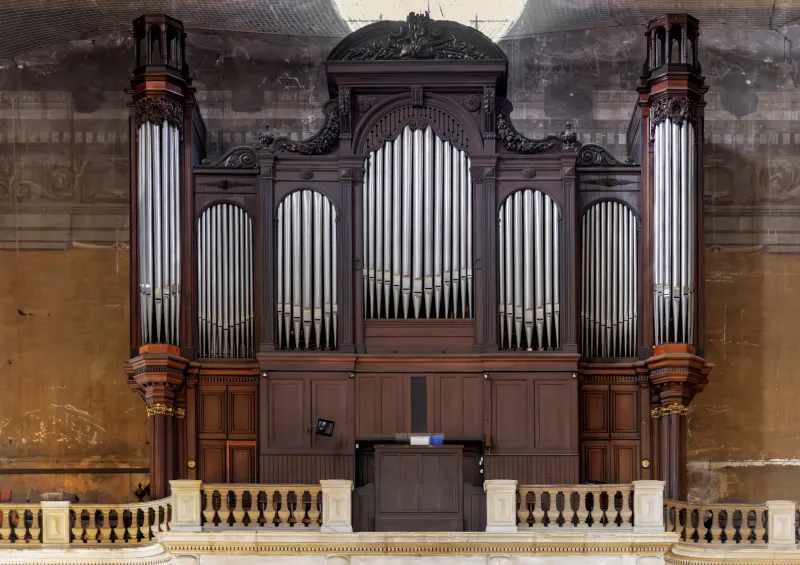
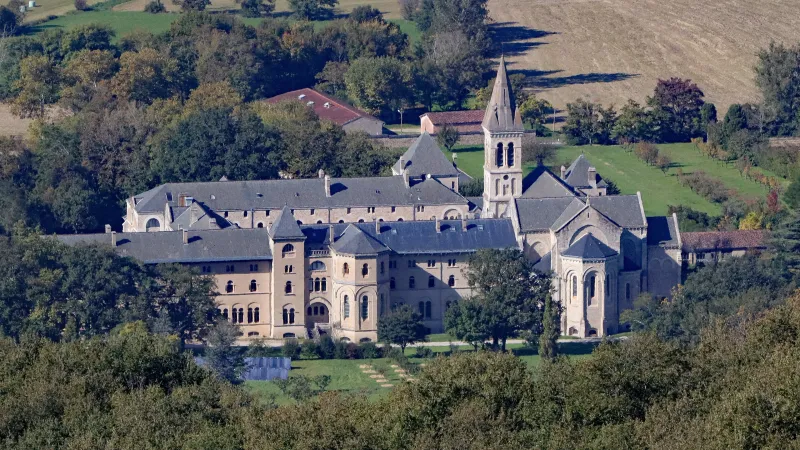
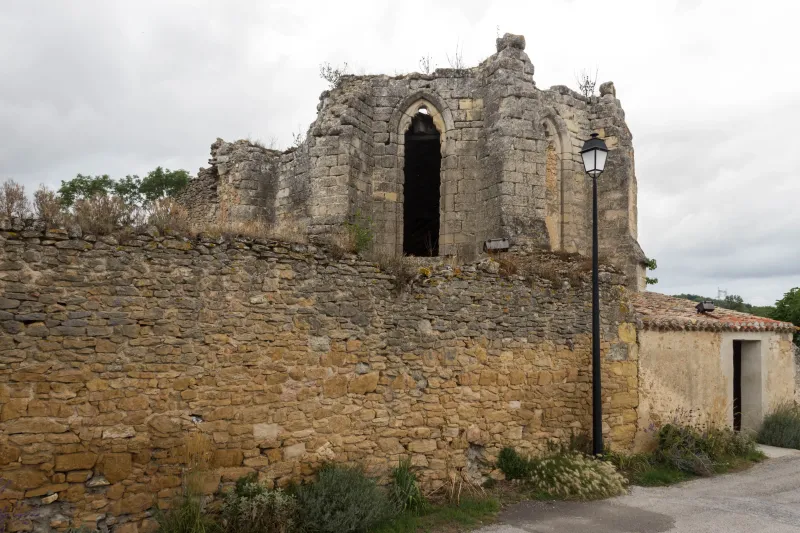
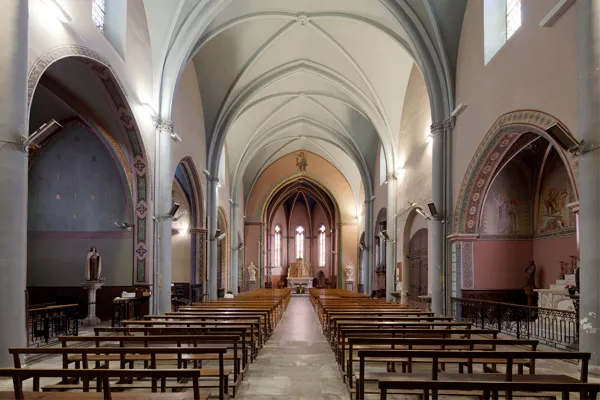
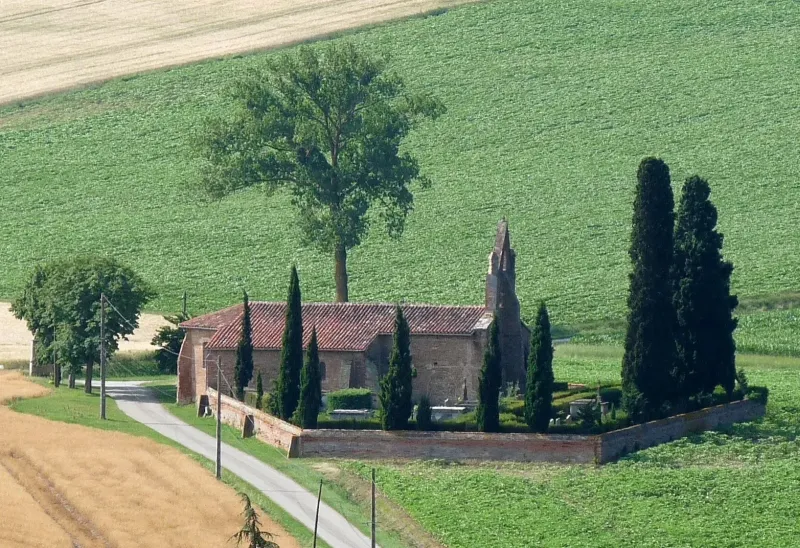
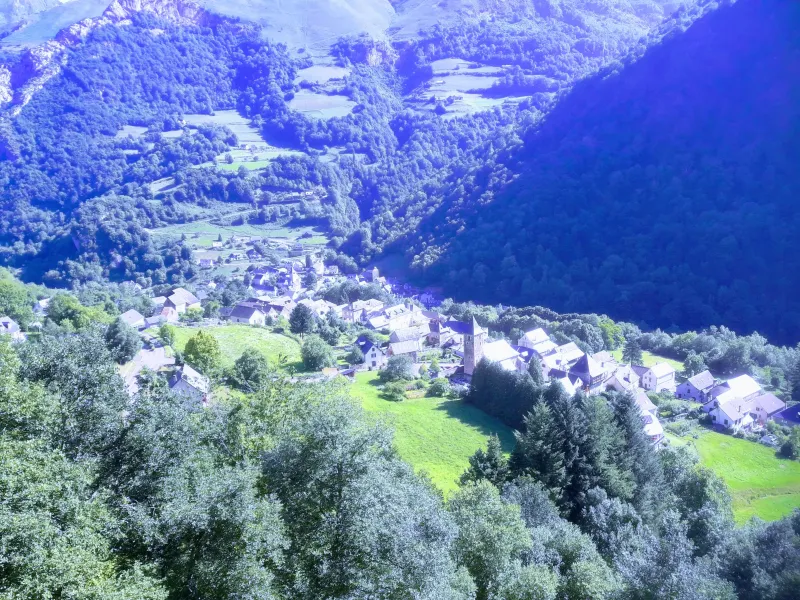
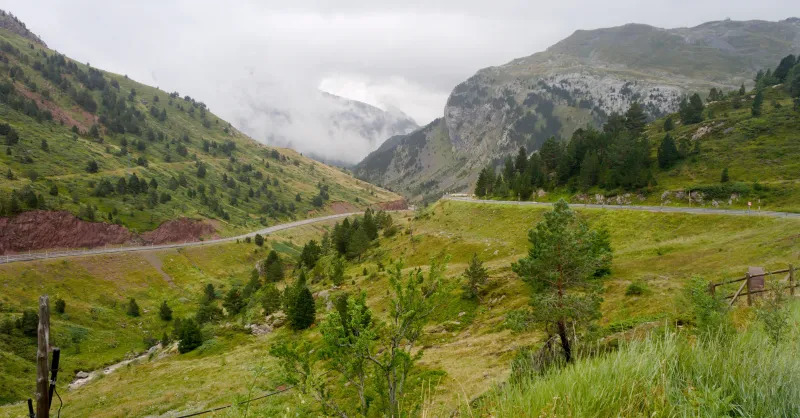
History
Millenary History of the Camino de Santiago: Origins and Evolution Route of Arles
Discover the origins and evolution of Route of Arles
The starting point of the route is the city of Arles, an outdoor museum. In ancient times it was one of the capitals of the Gallic Roman province, and its amphitheater, theater, and baths testify to its past glory. For medieval pilgrims, the starting point was the church of Saint Trophime, a jewel of Provenzal Romanesque art. From Arles, the route heads west, largely overlapping with the initial part of the Via Domitia, the first road built by the Romans in Gaul. This Roman legacy provided solid infrastructure for pilgrims.
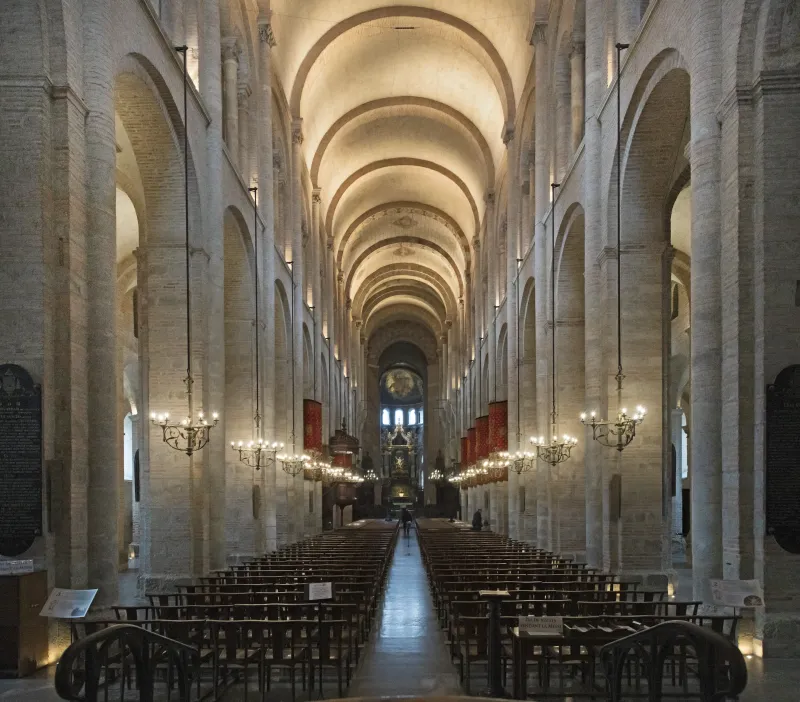
The route passes through the Languedoc region, a land with strong cultural identity and a tumultuous history marked by Cathar heresy. It goes through important cities such as Saint-Gilles-du-Gard, with its Benedictine abbey, and Montpellier. However, the heart of the route is Toulouse. The "City of Roses" was in the Middle Ages one of the most important cities of Western Christianity. Its Basilica of Saint Saturnin (Saint-Saturnin) is one of the largest and most perfect Romanesque churches in Europe, built to accommodate the crowds coming to venerate the relics of Saint Saturninus. Toulouse was a spiritual and logistical milestone of first order.
After leaving Toulouse, the route continues through Gascony, passing by Auch and Oloron-Sainte-Marie, the last major city before facing the challenge of the Pyrenees. The crossing into Spain is made at the Col de Somport, the "Summus Portus" Roman road, a high mountain pass at 1,632 meters in height. On its summit was the Monastery and Hospital of Saint Christina, a legendary institution. The Codex Calixtinus describes it as one of the "three columns of charity" in the world, alongside the hospitals of Jerusalem and the Great St. Bernard, highlighting that it welcomed all pilgrims, rich and poor, sick and healthy.
Once over the pass, the pilgrim enters Spain, and the route is then known as the Aragonese Way. It descends through the valley of the River Aragón, passing by the historic city of Jaca, whose cathedral is considered one of the first and most pure examples of Spanish Romanesque art. The Aragonese Way continues its course westward, passing near the spectacular Monastery of San Juan de la Peña, cradle of the Kingdom of Aragon.
Finally, in the Navarran village of Puente la Reina, there is one of the most symbolic moments of the entire Camino de Santiago: the Aragonese Way joins the Navarro Way (which comes from Roncesvalles). At this point, as inscribed on the monument to the pilgrim, "and from here all paths become one." The Via Tolosana thus ends up in the great Camino Francés. Its modern revival as the GR®653 trail allows today's pilgrims to follow this ancient route, a journey through history, art, and landscapes of southern France.
We answer your questions
Frequently Asked Questions about Route of Arles
How long is the Camino de Arles and how much time does it take to complete?
The Camino de Arles, also known as the Via Tolosana, has a total length of 790.6 km and generally takes around 33 days to complete. This route offers a historical journey through important cities such as Montpellier and Toulouse before crossing the Pyrenees into Spain.
What is the best time of year to do the Camino de Arles?
The shoulder season, from April to June and September to October, offers an optimal balance between pleasant weather and lower pilgrim numbers. During this period, travelers can enjoy the landscape in full spring or early summer (April-May) with mild temperatures and beautiful blooming flowers, or in September when there is still warmth but fewer people than during peak summer.
What does a tour package for the Camino de Arles with Ourway Travel include?
A tour package for the Camino de Arles with Ourway Travel includes services such as luggage transport between accommodations, a range of accommodation options (from hostels to hotels), route assistance and comprehensive management of all necessary reservations. Our packages are designed to provide pilgrims with a hassle-free journey while fully enjoying the Camino de Arles.
How does the Way of Arles compare to other Jacobean routes in terms of difficulty?
The Way of Arles, or Via Tolosana, is considered one of the intermediate routes in terms of difficulty. Although it isn't as long as the Camino Francés, its route through mountainous and rural areas presents moderate challenges for pilgrims. Compared to more direct or urban routes like the Northern Route, the Aragonese Way offers a more varied and demanding hiking experience, but remains accessible to those seeking a medium-level challenge.
How much does it cost to do the Camino de Arles with Ourway Travel?
The cost of the journey for the Camino de Arles varies depending on duration, included services, and client preferences. At Ourway Travel, we offer various options ranging from basic packages to premium experiences that may include superior accommodations, additional transfers or special cultural activities. For a personalized quote based on your specific needs and travel dates, we recommend contacting our team directly for a detailed quotation.
How can I decide between the Camino Frances and the Camino de Arles?
The Camino de Arles (Via Tolosana) is ideal for those seeking a more remote and culturally rich route, with fewer pilgrims compared to the Camino Francés. It covers a historically rich path filled with Roman and medieval heritage before crossing into Spain through the Pyrenees. If you prefer exploring medieval cities and less-trodden fields, this route might be the perfect choice. In contrast, the Camino Francés is more popular but offers a diverse range of urban and rural experiences.
What do I need to obtain the pilgrim credential for the Camino de Arles?
To get the pilgrim credential (also known as 'carta del camino'), you must start your journey from an official starting point, such as the city of Arles. With our team at Ourway Travel, we manage this entire process for you, ensuring that you are fully prepared before setting off on the Camino de Arles. The credential needs to be regularly stamped along the way to demonstrate your progress and will provide access to specific accommodations reserved for pilgrims.
How is the backpack managed during the Camino de Arles with Ourway Travel?
At Ourway Travel, we take care of your luggage transportation between different accommodations along the route. This means you don't need to carry heavier belongings while enjoying the journey. Our services include secure and timely delivery of your backpack or suitcases at each place where you stay, allowing you to travel light and comfortably.
Organize Your Camino
Ready for this adventure?
Route of Arles