
Complete Guide to Way of Baztan
The Baztán Way connects Bayonne (France) with Pamplona through the picturesque Navarre valley of Baztán. A beautiful Pyrenean alternative to join the French Way.
Last updated: 28/03/2026
Table of Contents
Technical Summary of Way of Baztan
108.4 km
Distance
5
days
5
Stages
Media
Difficulty
42 accommodations available on the route
Introduction to Way of Baztan
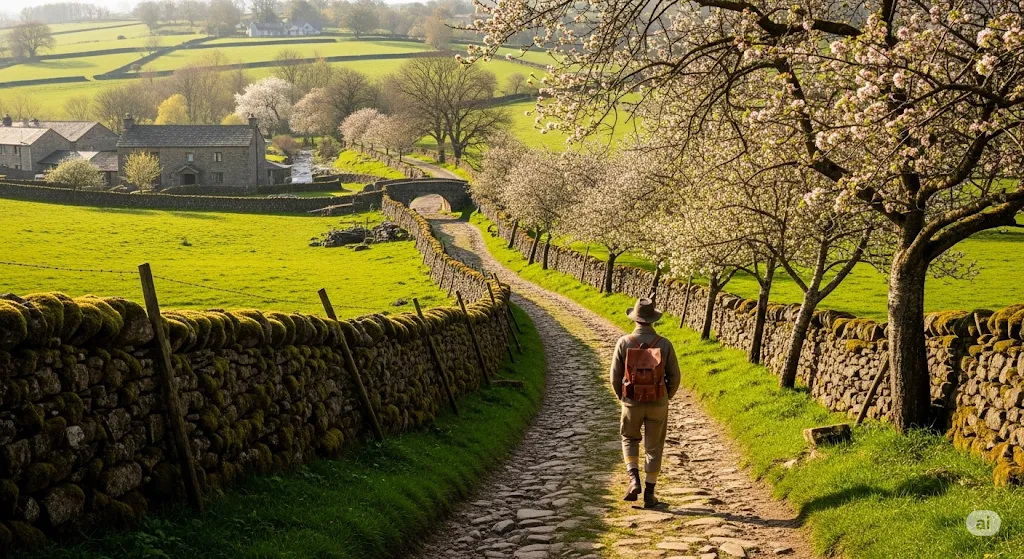
It is known for its green landscapes, traditional farmhouses, and rich Navarran culture. It offers a shorter and less crowded alternative to enter Spain, ideal for those seeking a different Pirencean experience and closer contact with nature.
All Stages of Way of Baztan
Complete route divided into 5 stages
Bayonne to Suraide
This stage is the sum of the mythical Route of the Hospitals, one of the most difficult and beautiful of the Primitive Way. It's a long traverse through high mountain, without services, that demands e...
Souraide to Amaiur/Mya
This is a short and gentle stage that serves as an alternative to mountainous days. The route runs through a terrain of soft undulations, through a landscape of meadows and forests. It's a walk with n...
I'm not familiar with this phrase. Can you provide more context or information about it?
This stage continues in the west of Asturias, on a terrain of medium mountain. The profile is a continuous rise and fall, with the ascent to Alto de Lavadoira as the main difficulty. The landscape is ...
Berrone to Olague
The last stage of the Camino Sanabrés is a short but emotionally charged journey. The route is a gentle stroll that descends into the valley of the Ulla River before tackling the final uphill climb on...
The Way of St James (also known as Camino de Santiago)
This stage is a tough mountain day that ventures into the deepest Galicia. The profile is a continuous rise and fall, with the ascent to Montouto as the main milestone. The landscape is serene in beau...
Key Towns of Way of Baztan
The most important towns and cities on this route.
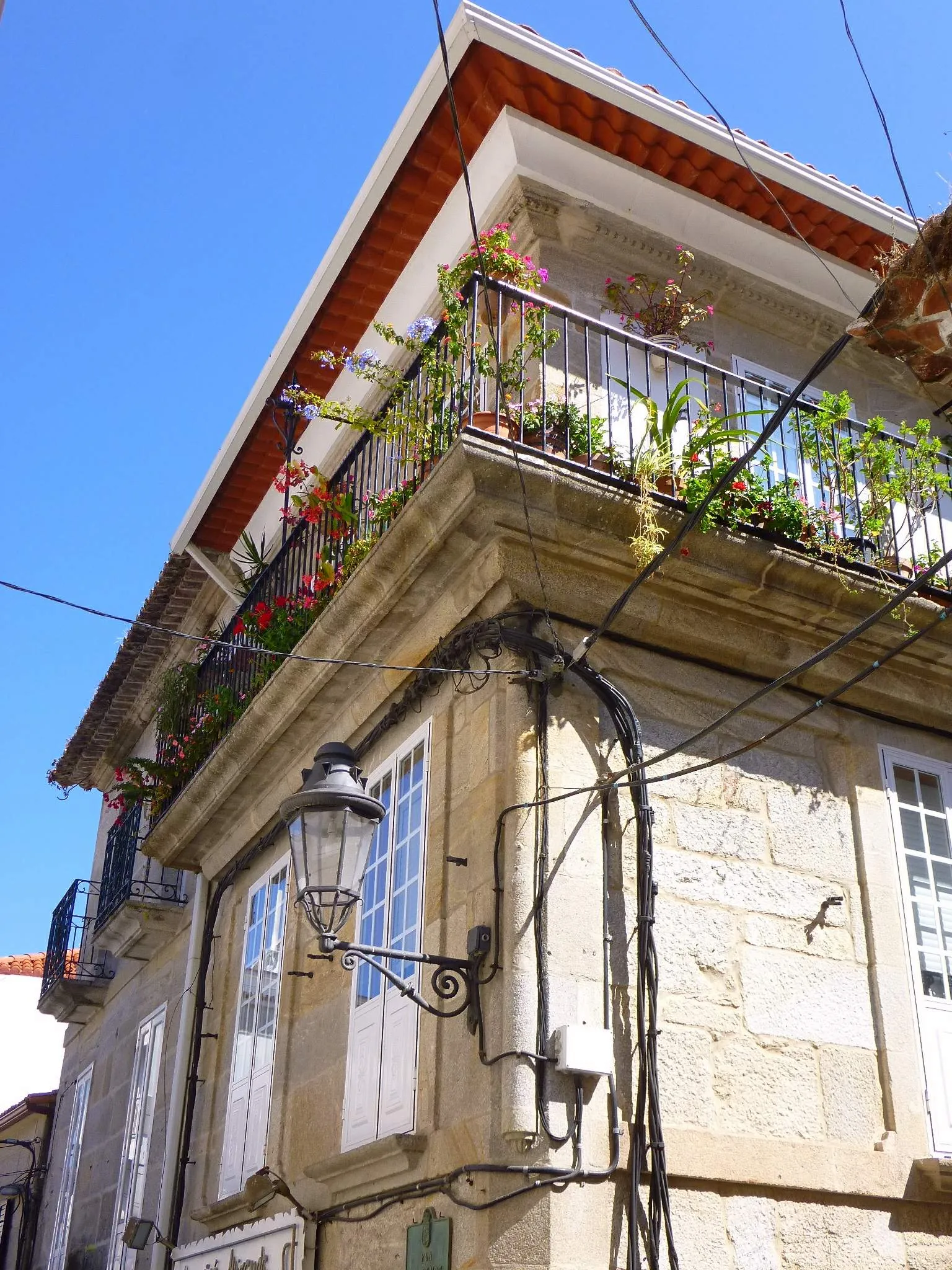
Bayona
Beautiful French Basque capital and crossroads of Jacobean routes. Bayonne is the starting point of the Via Bayonnaise and the Baztan Way, a charming route's beginning.
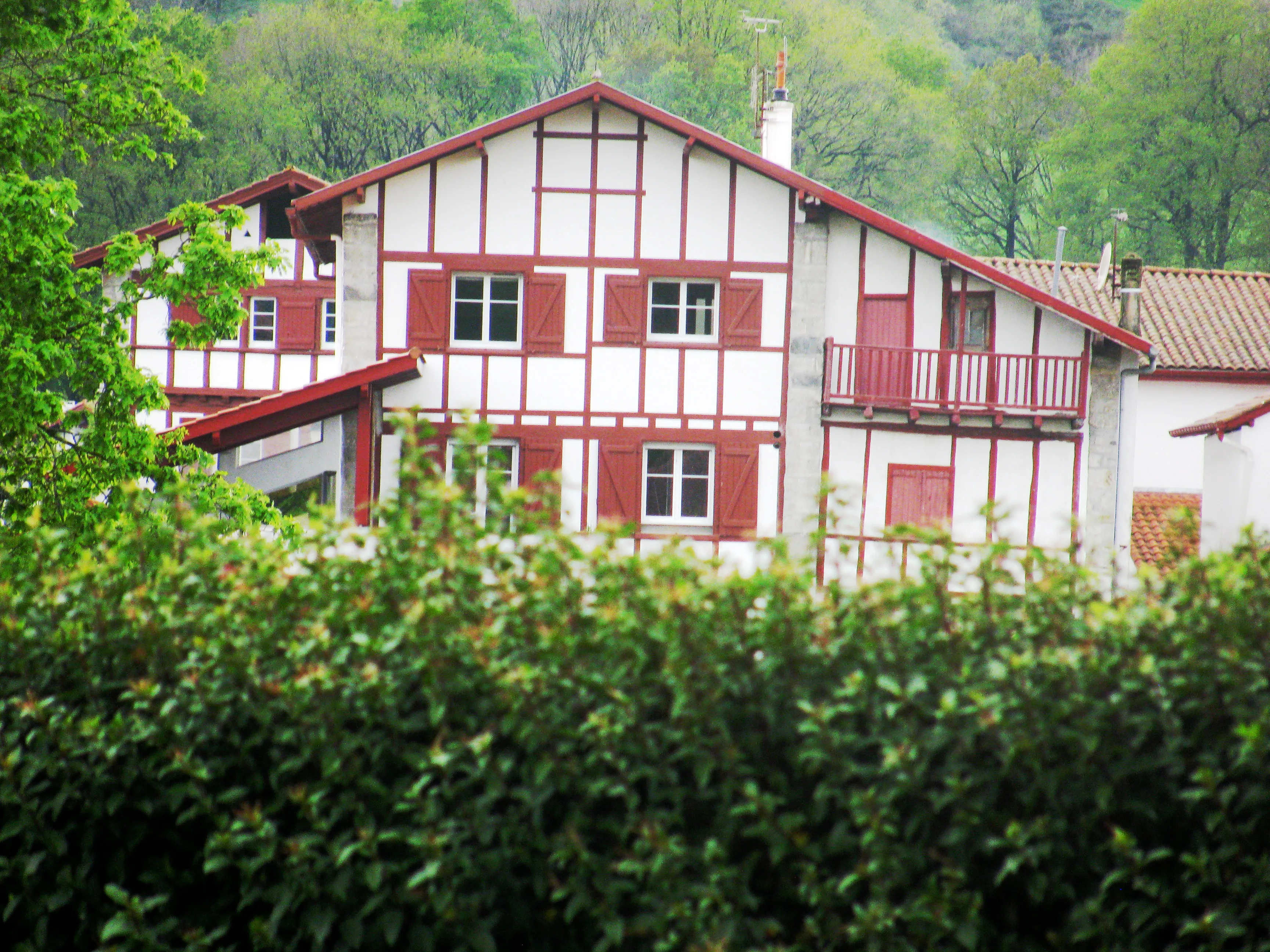
Souraïde
80 mCharming French Basque town. Souraïde, with its rural surroundings and mountain views, offers a peaceful and picturesque stop on the Jacobean routes of the region.
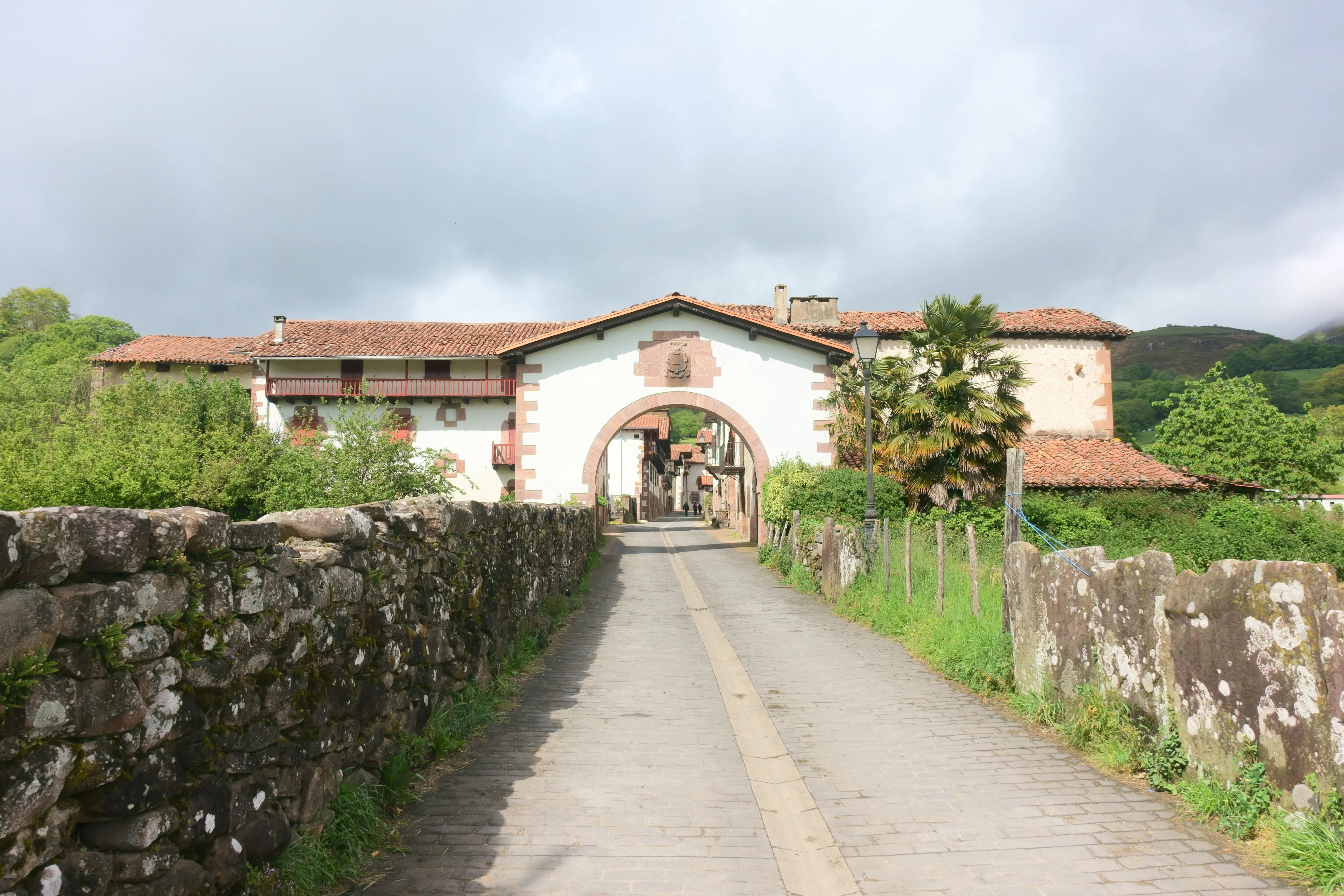
Amaiur/Maya
190 mNavarrone street with a deep historical significance. Amaiur/Maya was the last stronghold of resistance in the Kingdom of Navarre, a place of memory and beauty on the Baztan Route.
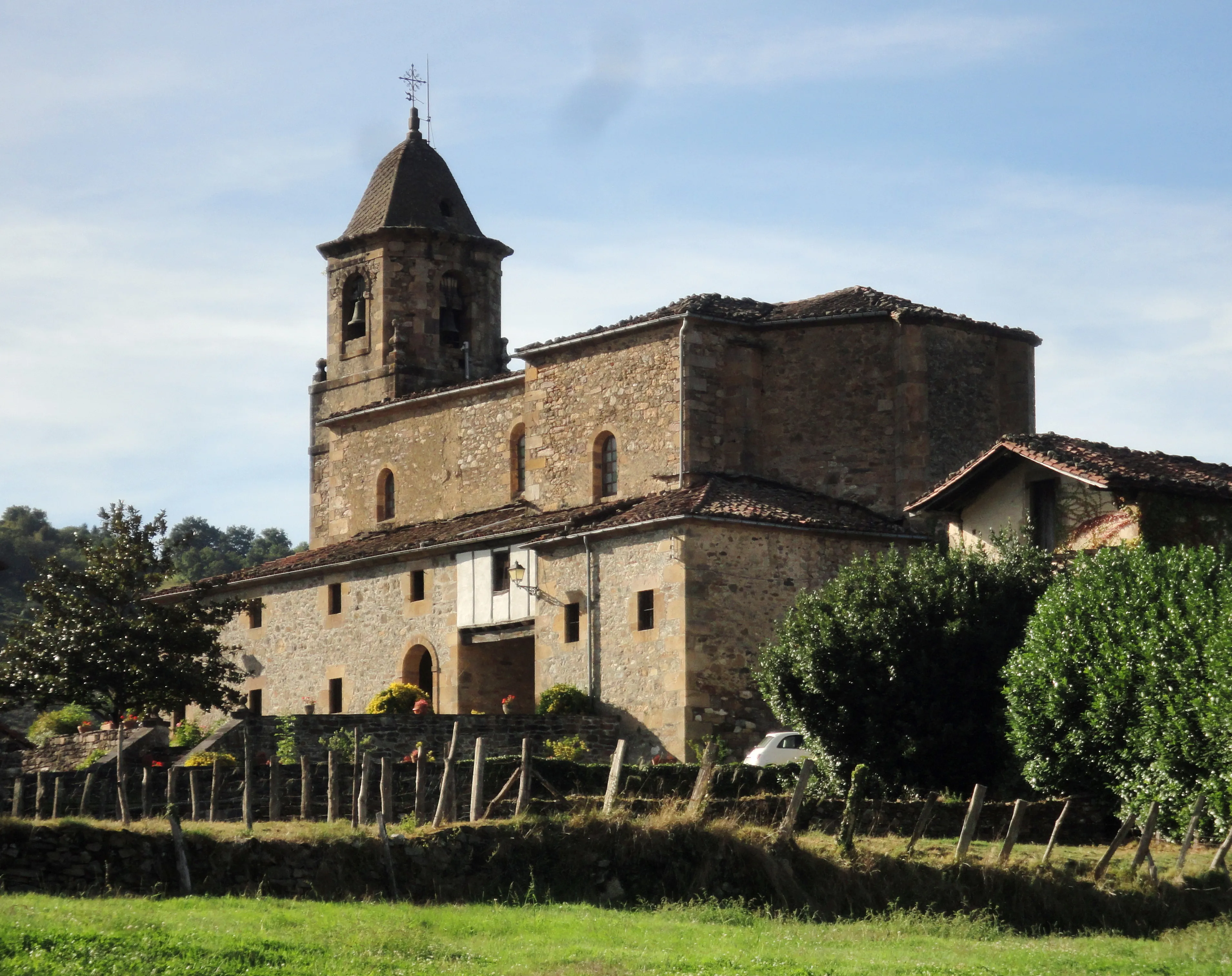
Berroeta
340 mBerroeta is a Navarran locality at the heart of the Baztan Valley. It offers a beautiful rural landscape and traditional Basque farm architecture on the Baztan Route.
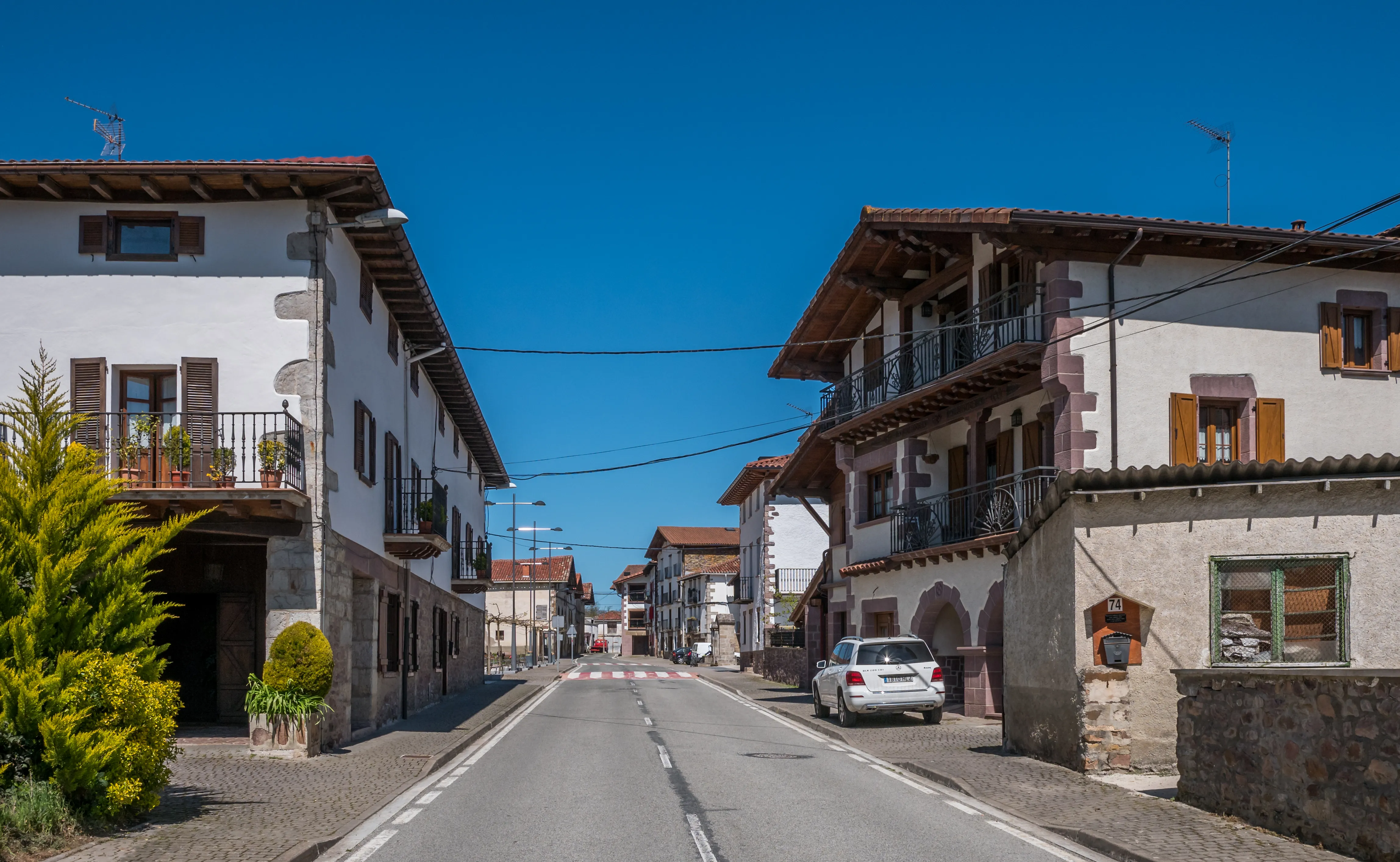
Olagüe
Capital of the Anué Valley and one of the last stops on the Camino de Baztán. Olagüe is a key service center for pilgrims before arriving in Pamplona.
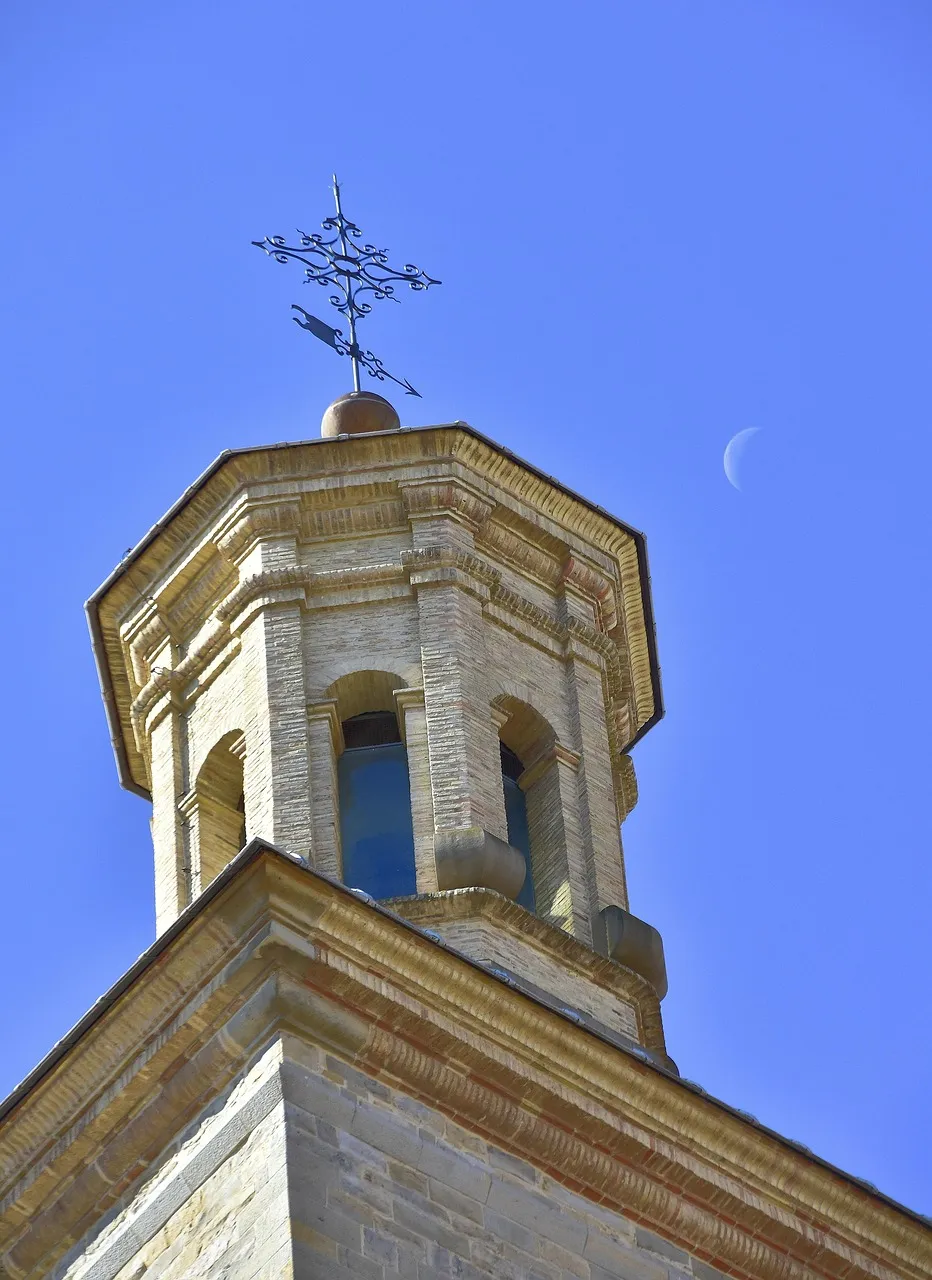
Pamplona
First major city on the French Way in Spain. Pamplona, famous for the Sanfermines, offers pilgrims a vibrant old town, Renaissance walls and exquisite gastronomy of pinchos.
History of Way of Baztan
Although the route through Roncesvalles became the main entry point for the Camino Francés, the Baztán Route had great importance in the first centuries of pilgrimage. Its main advantage was its altitude. While Roncesvalles requires overcoming almost 1,500 meters, the Baztán Way crosses the Pyrenean divide at much lower ports, such as Otsondo (around 600 meters) and Belate (around 850 meters). This difference was crucial in winter, when snow could block Roncesvalles for weeks, making the Baztán the only viable alternative for pilgrims coming from the Aquitaine region.
The traditional starting point is the medieval city of Bayonne, an important port and commercial center. From there, the route heads south and enters Navarre through the Dantxarinea neighborhood. Immediately, the pilgrim immerses themselves in the unique landscape of the Baztán Valley, the largest municipality in Navarre, known for its green meadows, oak and beech forests, and traditional stone-built houses with two-water roofs. A fundamental milestone on the early stages is the Monastery of San Salvador de Urdax. Founded in the 9th century by the premonstratensian order, it was an important center of power and hospitality, offering refuge and assistance to pilgrims who had just crossed the border.
The route traverses the valley passing through its main towns, such as Elizondo, the capital, until facing the last major obstacle: the Belate Pass. The importance of this passage in the Middle Ages is demonstrated by the foundation, in the 12th century, of a large pilgrim hospital at its summit, under the protection of Navarre's kings and managed by the Canons of Velate. Although only ruins remain today, their existence confirms the constant flow of walkers.
Once descended from the pass, the landscape changes and the route enters the drier valleys of Pamplona's basin. It passes through towns like Lantz, famous for its rural carnivals, and finally arrives at the Pamplona comarca, where it joins the Great Navarran Camino Francés (the one coming from Roncesvalles) in the localities of Arre or Villava, on the outskirts of the capital. At this point, pilgrims who have enjoyed the solitude and beauty of the Baztán merge with the bustling stream of walkers of the Camino Francés.
Restored and well-marked in recent years, the Baztán Way offers today an exceptional Jacobean experience. It is a shorter and less crowded route, ideal for those seeking to immerse themselves deeply in the culture and nature of the Basque Country and Navarre, following the footsteps of medieval pilgrims who chose the green gate to enter Spain.
Accommodations on the Route
The Way of Baztan has 42 verified accommodations along the entire route.
View Stages & AccommodationsPractical Tips for Way of Baztan
Best Season
Spring (April-June) and autumn (September-October) are the best seasons. Pleasant temperatures and fewer crowds than summer.
Physical Preparation
Train by walking progressively in the months before. Start with short distances and increase. Your body will adapt to the rhythm of the Camino.
What to Pack
Light backpack (max 10% of your weight), worn trekking shoes, breathable technical clothing, raincoat, sunscreen and basic first aid kit.
General Tips
Carry the pilgrim credential, stay hydrated, respect your pace, book accommodation in high season and enjoy the journey without rushing.
FAQ about Way of Baztan
El recorrido del Camino de Baztán, que tiene una distancia total de 108.4 km, se puede completar en aproximadamente 5 días. Ourway Travel te ofrece itinerarios personalizados para asegurar que disfrutes al máximo cada paso.
La mejor época para emprender el Camino de Baztán es entre abril y junio, así como en septiembre y octubre. Durante estos meses se disfruta de un clima agradable con temperaturas que van desde los 10°C hasta los 25°C, ofreciendo la combinación perfecta de buen tiempo y menos multitudes que durante el verano.
El Camino de Baztán tiene una dificultad media. Ofrece un desafío moderado al cruzar los Pirineos por pasos más bajos que Roncesvalles, lo cual permite a los peregrinos disfrutar de hermosos paisajes sin enfrentarse a altitudes extremas.
El costo para realizar el Camino de Baztán con Ourway Travel varía según las opciones elegidas, como alojamiento y servicios adicionales. Nuestro equipo experto te proporcionará una cotización personalizada basada en tus necesidades específicas y preferencias.
El servicio del Camino de Baztán con Ourway Travel incluye gestión completa de reservas, itinerario personalizado, asesoramiento y soporte 24/7. Además, te proporcionamos información detallada sobre la ruta y consejos prácticos para maximizar tu experiencia.
El Camino de Baztán ofrece una alternativa más corta y menos masificada que otras rutas, como el Camino del Norte. Atraviesa hermosos paisajes pirenaicos, con un recorrido tranquilo que permite disfrutar de la naturaleza y cultura navarra en su máximo esplendor.
Elige el Camino de Baztán si buscas una experiencia más tranquila con menos multitudes, y deseas explorar los encantos naturales del valle navarro. En contraste, Roncesvalles es conocido por su desafío montañoso, ofreciendo un viaje épico pero con mayor afluencia de peregrinos.
Para obtener la credencial de peregrino del Camino de Baztán, puedes solicitarla en nuestra oficina o al iniciar tu viaje con Ourway Travel. También es posible conseguir una en la Casa del Peregrino de Bayona antes de comenzar el camino.
Ready for this adventure?
Let us organize your pilgrimage. We take care of accommodations, transfers and everything you need.