
Complete Guide to Path of the Lighthouses
The Way of the Lighthouses (El Camiño dos Faros) is an spectacular hiking route that follows the Costa da Morte of Galicia from Malpica to Finisterre. It's not Jacobean, but connects with the spirit of the end of the world.
Last updated: 28/03/2026
Table of Contents
Technical Summary of Path of the Lighthouses
200 km
Distance
8
days
8
Stages
Alta
Difficulty
86 accommodations available on the route
Introduction to Path of the Lighthouses
All Stages of Path of the Lighthouses
Complete route divided into 8 stages
Malpica de Maliana - Niñóns
The first stage of the Portuguese Way from Lisbon is an urban and peri-urban route that follows the course of the Tagus River. It's a flat and pleasant journey, allowing for a peaceful departure from ...
Children's playground - Ponteceso
This stage continues along the Tajo riverbank, on a flat and pleasant route. It's a day to enjoy the riverine landscape and the tranquility of the road. The arrival in Azambuja, a city with a rich her...
Ponteceso and Laxe
This long stage ventures into the heart of Ribatejo, land of horses and bulls. The route is flat but very demanding due to its distance. It's a day to enjoy the landscape of the lezíria, the alluvial ...
Relaxation - Erosion
Leaving behind the monumental Santarém, this long stage continues along the Leziria of the Tagus. The route is flat and pleasant, ideal for recovering strength. It's a day to enjoy the countryside of ...
Aroo - Camariñas
This stage concludes in the monumental city of Tomar, the seat of the Knights Templars in Portugal. The route is of moderate distance and undulating profile. Arrival in Tomar, with its impressive Conv...
Camariñas-Muxía
Leaving behind the monumental Tomar, this long stage enters the central mountains of Portugal. The route is a continuous up and down through a landscape of forests and hills. It's a beautiful but phys...
Muxía - Nemiña translates to "Muxía - Nemiña" in English (no direct translation)
This stage continues through the central hills of Portugal, on a route of great beauty and solitude. The road passes over a landscape of forests and hills, with spectacular views. It is a day to enjoy...
Nemours - Cape Finisterre
This stage is an enjoyable descent towards the monumental city of Coimbra. The road traverses a rural and solitary landscape, which contrasts with the great city that approaches. Arrival in Coimbra, w...
Key Towns of Path of the Lighthouses
The most important towns and cities on this route.
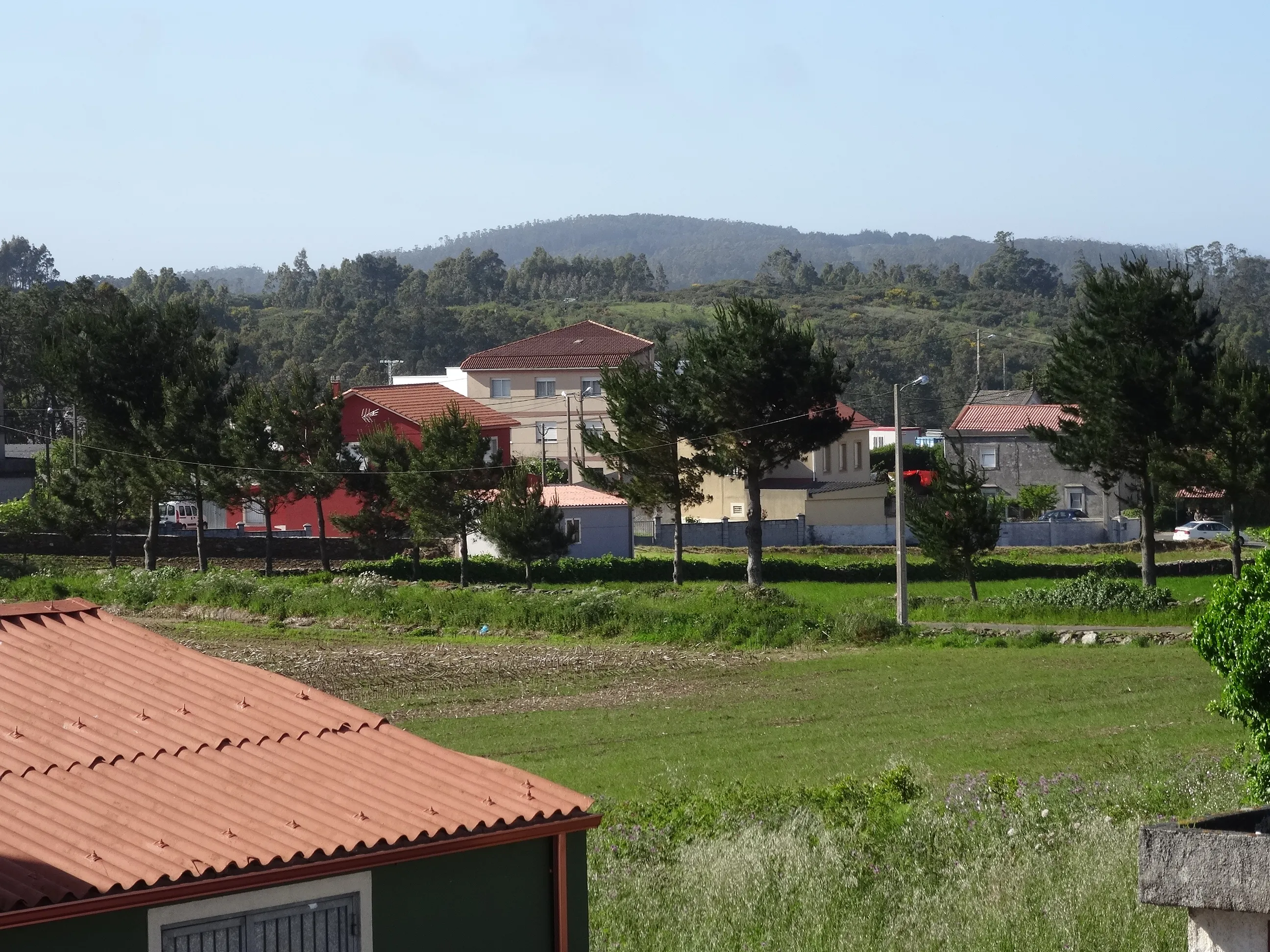
Malpica de Bergantiños
25 mSeaside village, starting point of the Camino dos Faros.
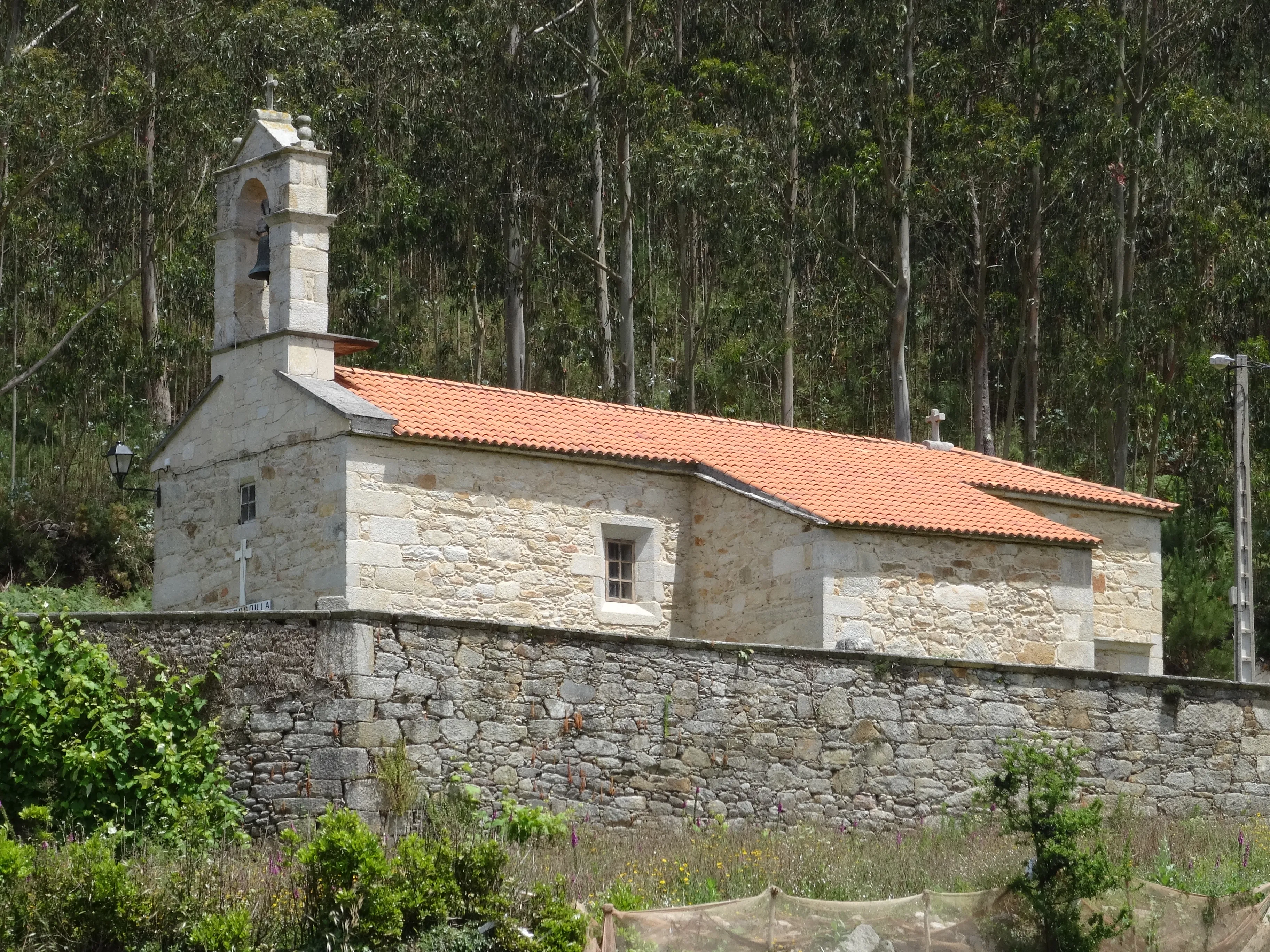
Niñóns
Small and wild cove in the Costa da Morte. Niñóns offers the pilgrim of the Camino two Lighthouses a landscape of cliffs, rocks and open sea, the essence most pure of the Galician coast.
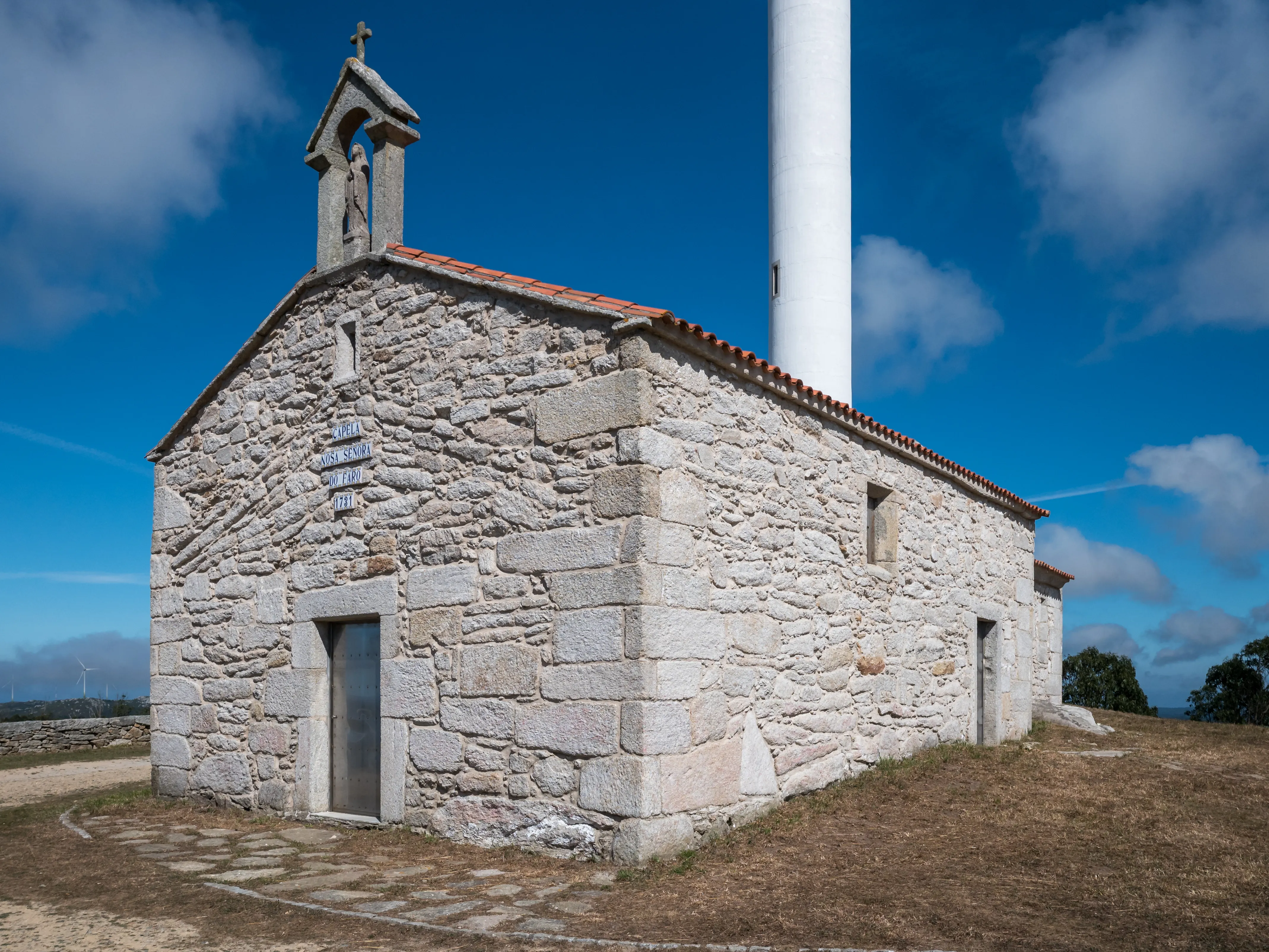
Ponteceso
Birthplace of the Galician bard Eduardo Pondal and a maritime village on the Costa da Morte. Ponteceso, by the banks of the River Anllóns, is a stopover with culture, nature, and a taste of the sea.
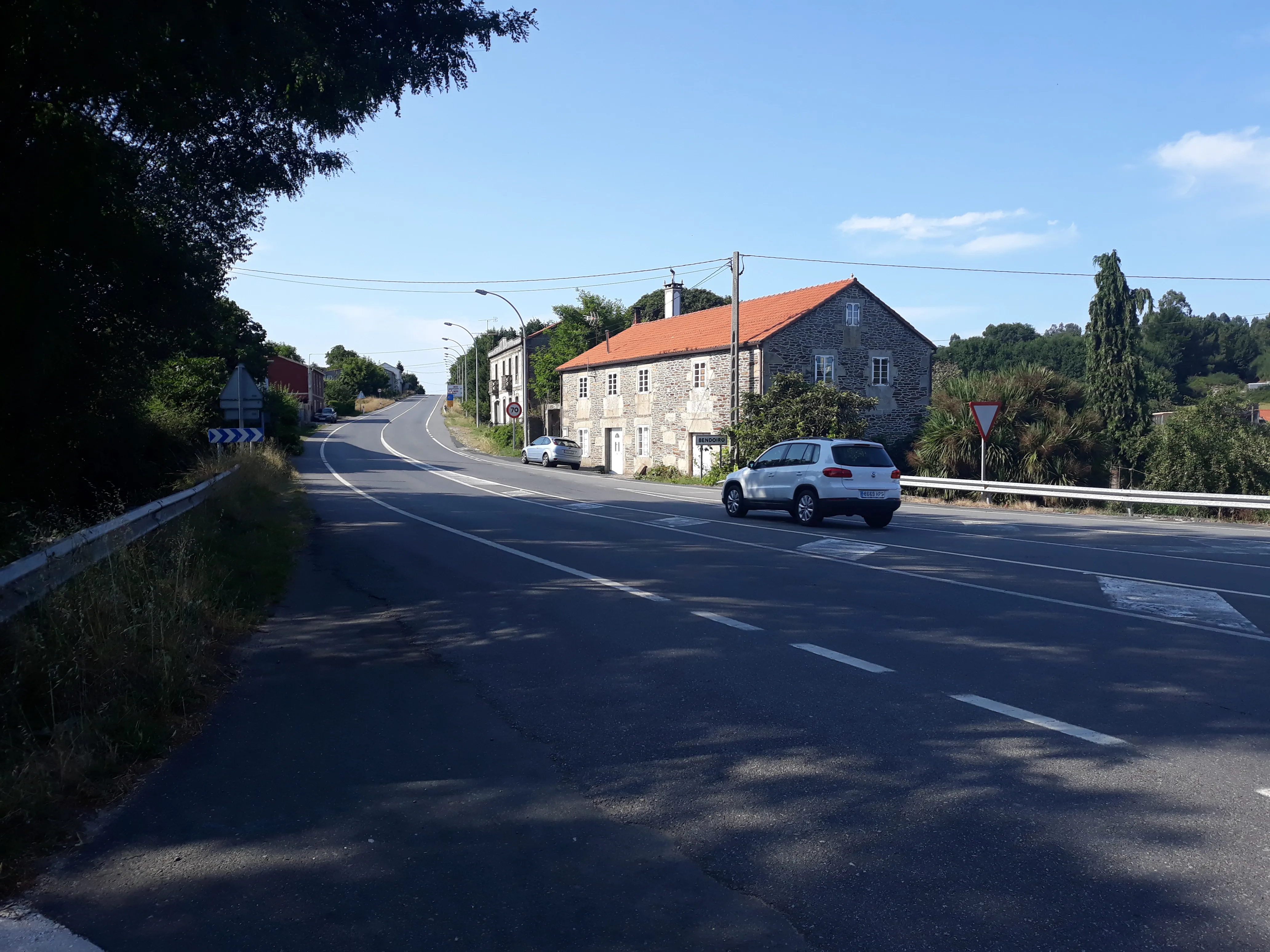
Laxe
Lighthouse in Costa da Morte. The Lighthouse of Laxe, with views to the estuary, is a quiet place to enjoy the Galician coastal landscape. A point of interest for pilgrims exploring the beauty of the coastline.
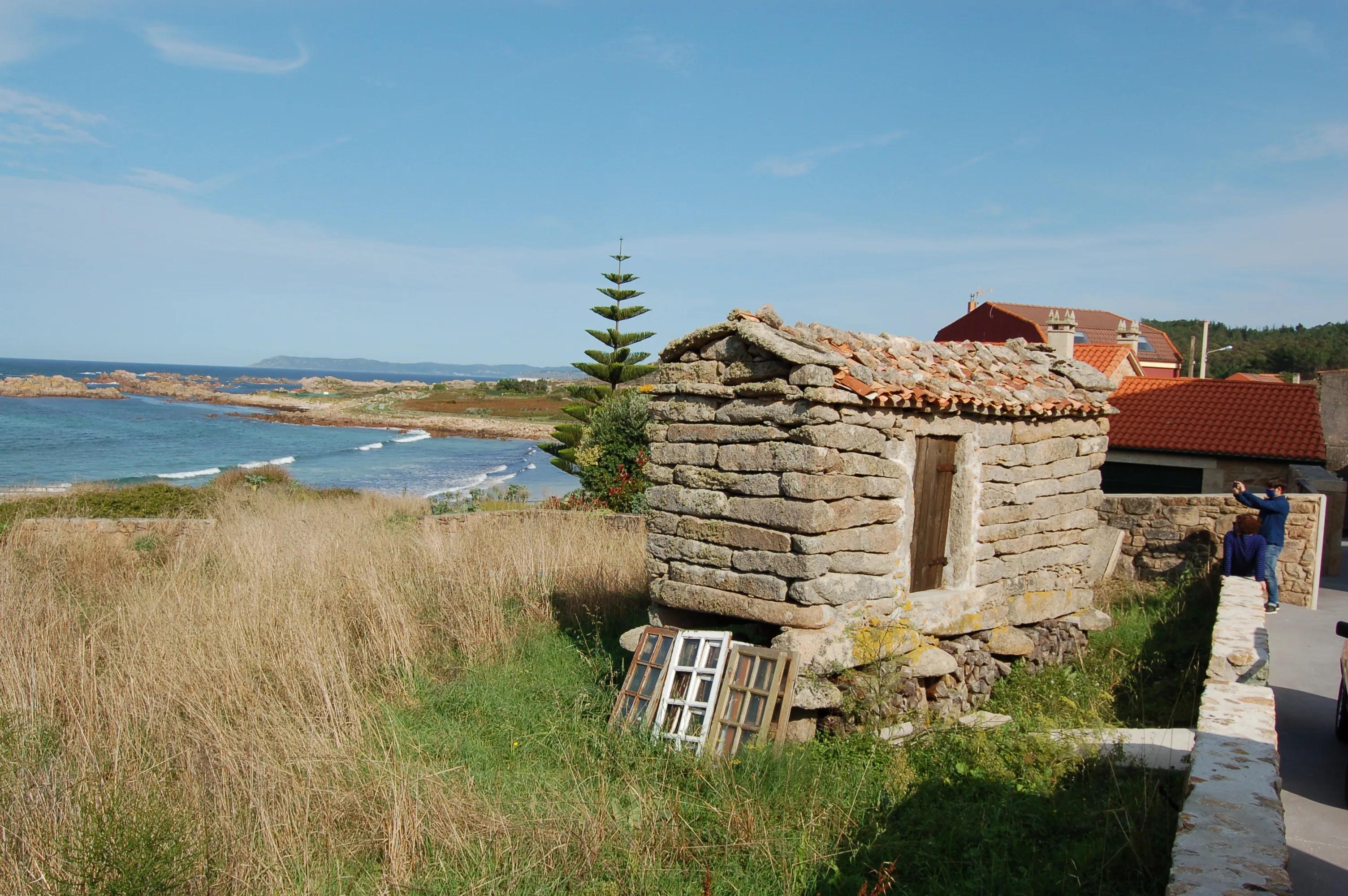
Arou
Small marine village in the Treze Bay, one of the most pristine and spectacular areas of the Camino dos Faros. Arou is a haven of peace on Costa da Morte.
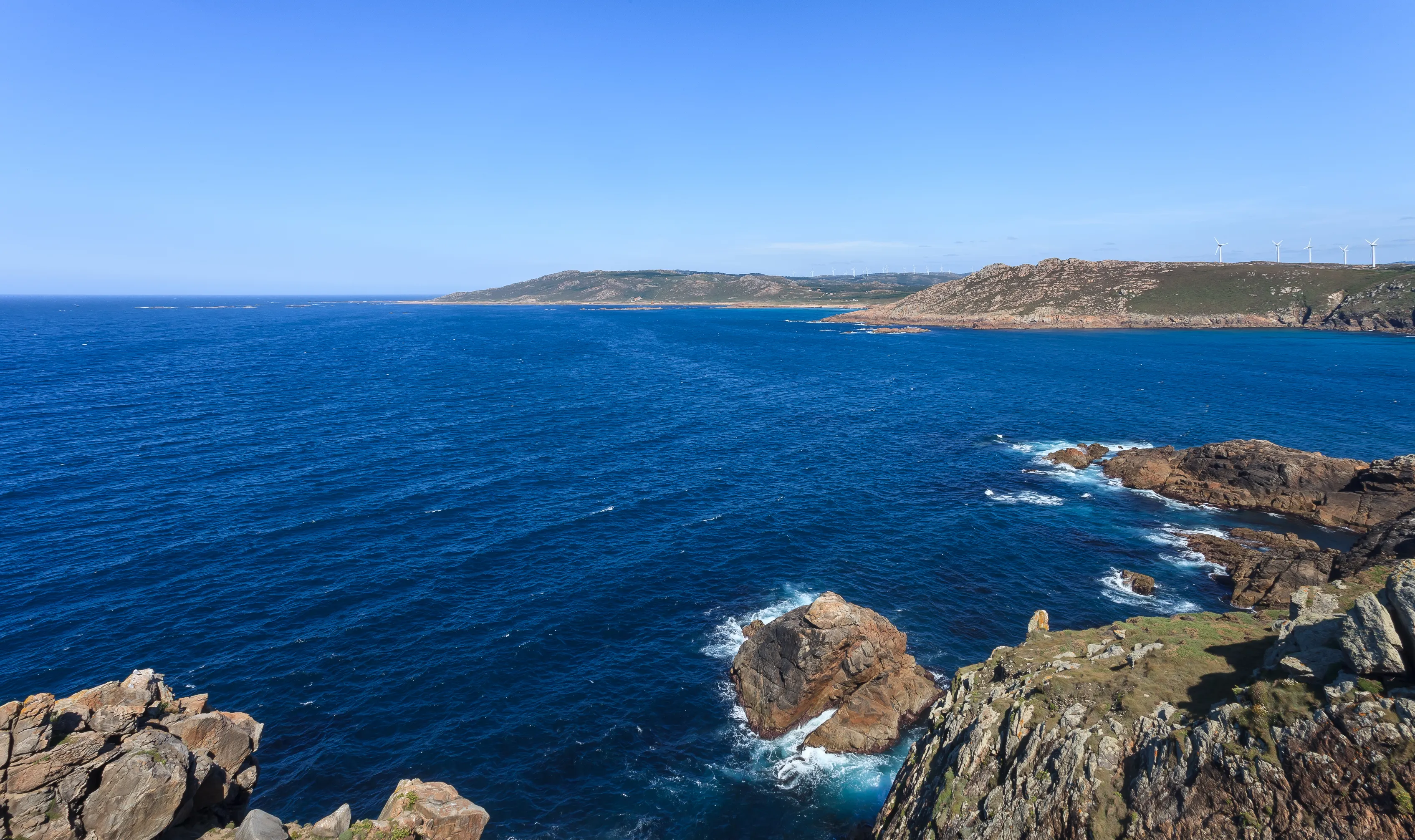
Camariñas
Capital of needle lace. Camariñas is a seaside village with a bustling port and a deep artisanal tradition, an essential stop on the Way of the Lighthouses.
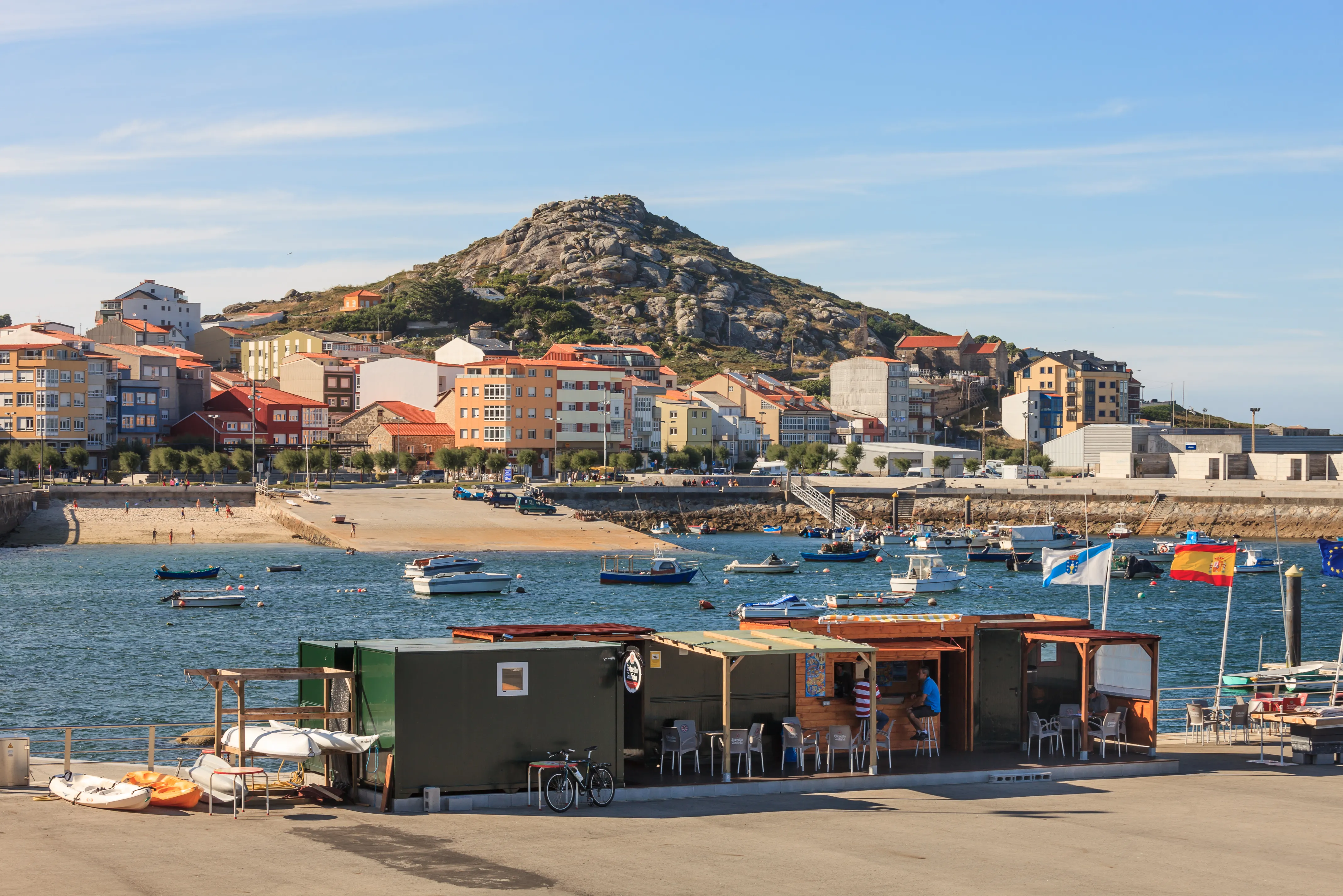
Muxía
Maritime village of Costa da Morte and the end of the Way. Its Sanctuary of Our Lady of the Boat, alongside rocks and sea, is a place of legends and spirituality.
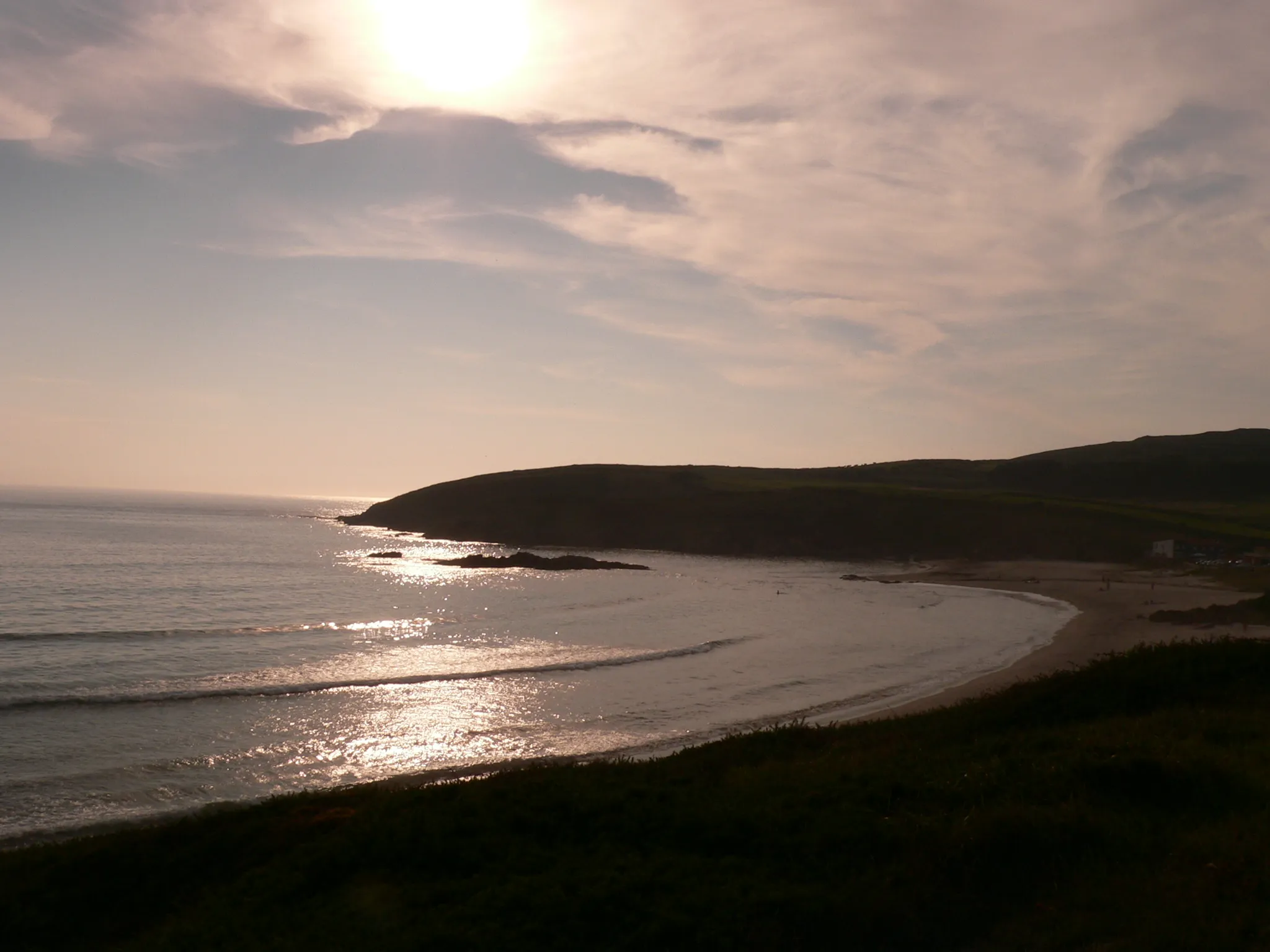
Nemiña
Small coastal parish in the Lires estuary. Nemiña, with its extensive beach ideal for surfing, is a natural paradise on the Way of the Lighthouses and on the Jacobean route to Muxía.
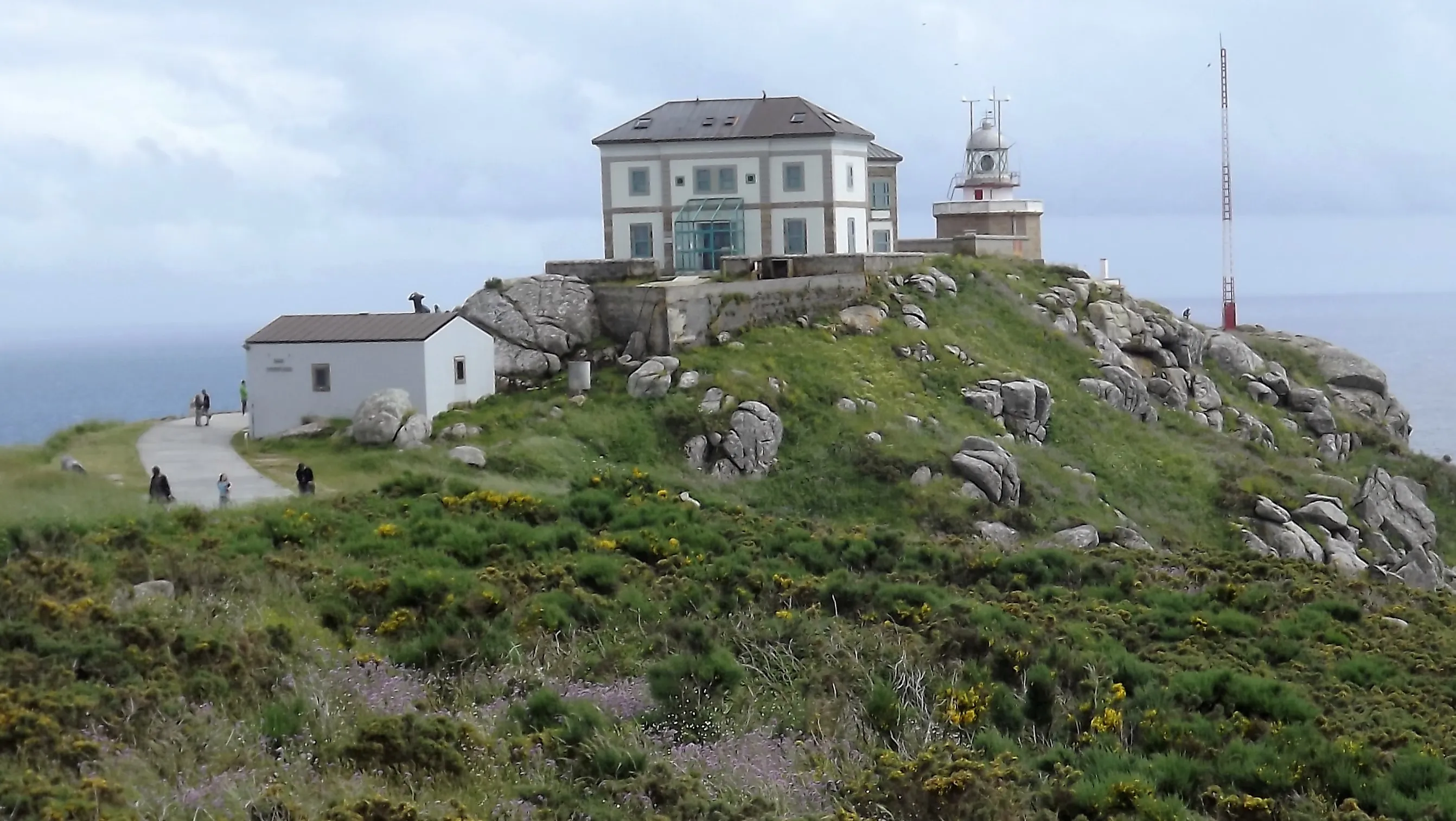
Cabo Finisterre
140 mThe "end of the world" for the Romans, end of the journey.
History of Path of the Lighthouses
Everything began in 2013. A group of hikers from the area, self-proclaimed "Os Trasnos" (the little fairies), proposed a challenge: to demonstrate that it was possible to unite Malpica with Fisterra following a continuous path that strictly followed the coastline. During months, they explored the coast, rediscovering old fishermen's paths, routes used by "percebeiros" (prawn collectors) who risked their lives on cliffs, and old contrabandist routes. They joined these forgotten trail fragments, cleaned up inaccessible sections, and documented each stage with photos and descriptions that started to be shared in a blog and social networks.
What began as a personal project turned into a viral phenomenon. The beauty of the images and the epic nature of the proposal attracted the attention of thousands of hikers from Galicia, Spain, and soon from all over the world. The "Camiño dos Faros" association organized popular gatherings to walk the stages, gathering hundreds of people and creating a social movement that claimed protection and recognition for the route. The story of its creation is an example of how civil society can take the initiative to put its own natural and cultural heritage on display.
The name, "Camiño dos Faros", describes it perfectly. It's a 200-kilometer itinerary that connects all lighthouses and main points of interest in the Costa da Morte, from the lighthouse of Las Sisargas in Malpica to the iconic lighthouse of Fisterra. It traverses a legendary landscape, known as "the Coast of Death" due to the countless shipwrecks that have occurred in its treacherous waters. The path is an homage to that tragic history, but also to the sublime beauty of an untamed coastline: cliffs that take your breath away, deserted white-sand beaches, dunes, estuaries, and headlands that plunge fiercely into the Atlantic.
Although it's not a Jacobean route, its final destination establishes a powerful symbolic connection. The Camiño dos Faros ends at Cape Fisterra, the same "end of the world" pagan destination that is the endpoint of the Camino de Fisterra and Muxía, the extension undertaken by pilgrims from Santiago. This creates a bridge between both experiences. Many hikers, after introspecting on the Camino de Santiago, seek in the Camiño dos Faros an experience more physical and connected to nature in its purest form.
In just over a decade, the history of the Camiño dos Faros has gone from being the dream of a group of friends to becoming a consolidated reality, an international reference hiking trail. Its story is not recorded in medieval codes, but on blogs and in the passion of the people who made it possible, demonstrating that great trails can also be born in our time.
Accommodations on the Route
The Path of the Lighthouses has 86 verified accommodations along the entire route.
View Stages & AccommodationsPractical Tips for Path of the Lighthouses
Best Season
Spring (April-June) and autumn (September-October) are the best seasons. Pleasant temperatures and fewer crowds than summer.
Physical Preparation
Train by walking progressively in the months before. Start with short distances and increase. Your body will adapt to the rhythm of the Camino.
What to Pack
Light backpack (max 10% of your weight), worn trekking shoes, breathable technical clothing, raincoat, sunscreen and basic first aid kit.
General Tips
Carry the pilgrim credential, stay hydrated, respect your pace, book accommodation in high season and enjoy the journey without rushing.
FAQ about Path of the Lighthouses
El Camino de los Faros, con una distancia total de 200 km, suele completarse en alrededor de 8 días. Esta ruta es especialmente recomendada para amantes del senderismo y la naturaleza que buscan un desafío moderado a alto.
En Ourway Travel, nuestro itinerario del Camino de los Faros incluye traslados entre ciudades, alojamiento en hoteles o albergues seleccionados y asistencia continua. Además, gestionamos la documentación necesaria para tu viaje.
La temporada media en abril-junio y septiembre-octubre ofrece un clima ideal para disfrutar del Camino de los Faros, con temperaturas frescas pero soleadas y menos afluencia de peregrinos. Mayo es especialmente hermoso debido al verde intenso y las flores, mientras que septiembre aún mantiene el calor sin ser tan agobiante como en julio-agosto.
El Camino de los Faros se considera una ruta con dificultad alta debido a su recorrido por senderos junto a acantilados, playas y faros. La ruta requiere un estado físico adecuado para enfrentar desafíos como pendientes pronunciadas y terreno rocoso.
Reservar el Camino de los Faros con Ourway es sencillo. Puedes hacer tu reserva en línea directamente desde nuestra página web, donde encontrarás todas las opciones disponibles para personalizar tu experiencia. Nuestro equipo también está disponible por teléfono o correo electrónico para asistirte.
El Camino de los Faros es único en comparación a otros caminos tradicionales de Santiago, como el Camino Francés. Aunque no sigue una ruta histórica jacobea, ofrece un espectacular recorrido costero que conecta directamente con la belleza salvaje y épica de la Costa da Morte.
Lo más destacado del Camino de los Faros son sus impresionantes vistas costeras, faros históricos, playas desiertas y la conexión directa con el espíritu peregrino al finalizar en Cabo Finisterre. Esta ruta es ideal para amantes de la naturaleza y quienes buscan una experiencia única en Galicia.
Para el Camino de los Faros, aunque no es oficialmente un camino jacobea, puedes obtener una credencial del peregrino que refleje tu ruta. Ourway Travel puede ayudarte a gestionar este proceso y asegurar que tienes todos los documentos necesarios para tu viaje.
Ready for this adventure?
Let us organize your pilgrimage. We take care of accommodations, transfers and everything you need.