
Complete Guide to Way of Mozarabia from Jaen to Merida
Route from Jaén, land of olives, to historic Mérida on the Via de la Plata.
Last updated: 28/03/2026
Table of Contents
Technical Summary of Way of Mozarabia from Jaen to Merida
330 km
Distance
14
days
4
Stages
Media
Difficulty
77 accommodations available on the route
Introduction to Way of Mozarabia from Jaen to Merida
All Stages of Way of Mozarabia from Jaen to Merida
Complete route divided into 4 stages
Jaen to Torredelcampo
The Jaén branch of the Mozarabic Way begins with a short stage that allows you to leave the capital and delve into the most iconic landscape of the province: the Olive Tree Sea. The route starts from ...
Torredelcampo to Martos
This stage is a total immersion in the olive grove of Jaén. The path runs over an undulating terrain, constantly rising and falling through a landscape dominated by this ancient cultivation. It's a da...
Martos to Alcaudete
This long stage connects the provinces of Palencia and León on a route that follows the course of the Canal de Castilla. It is a flat and pleasant day, ideal for recovering strength. The arrival in Ca...
Alcaudete to Baena
This stage is one of the most representative of the Meseta, a 17 km long straight road along the ancient Roman road Vía Aquitania. The route is flat, monotonous and without shadows, an authentic menta...
Key Towns of Way of Mozarabia from Jaen to Merida
The most important towns and cities on this route.

Jaén
Capital of the "Sea of Olives" and starting point of a branch of the Way of St. James. Its imposing Renaissance cathedral and castle welcome the pilgrim.
Torredelcampo
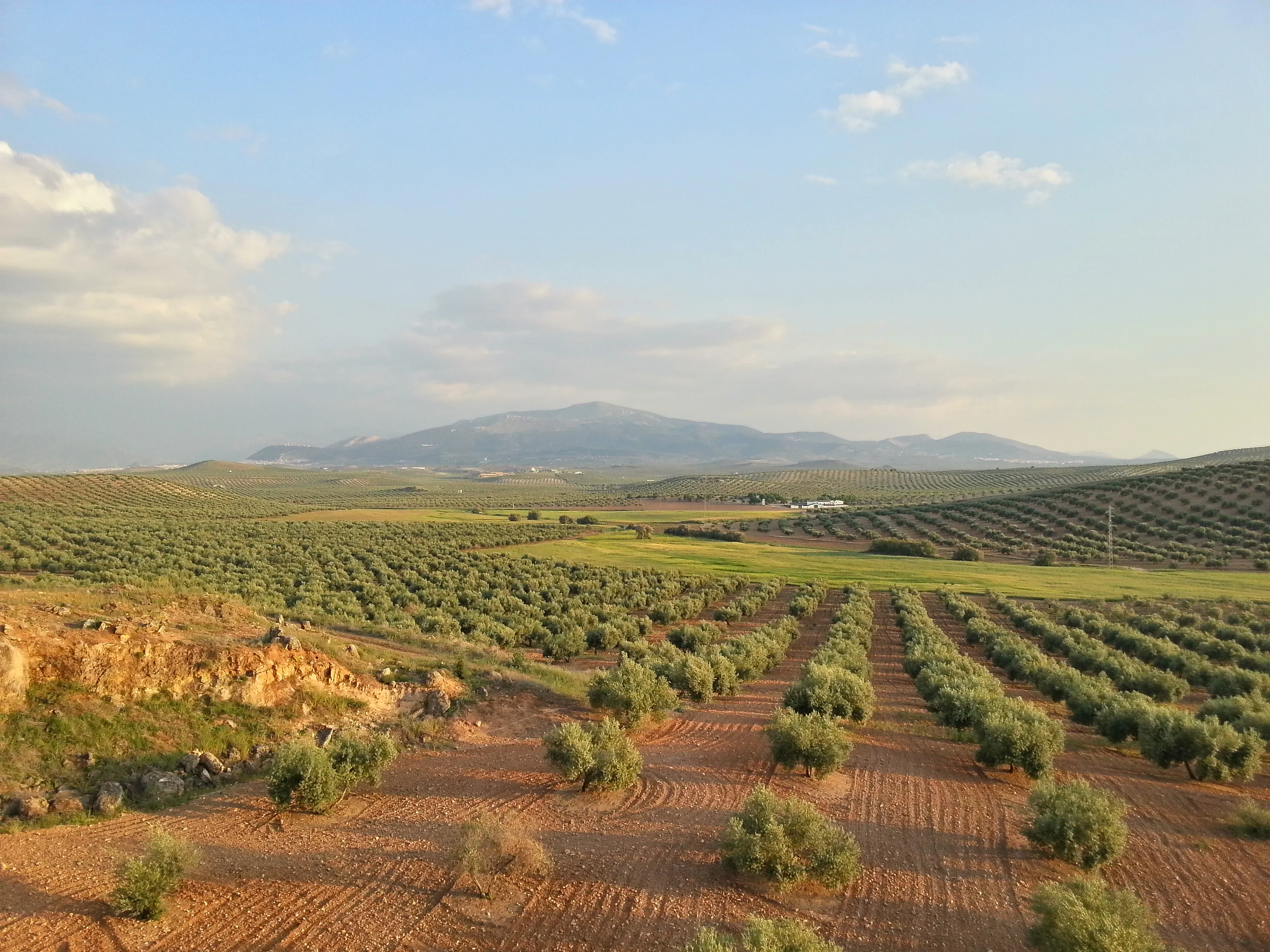
Jienese village in the heart of olive grove countryside. Torredelcampo is a functional stop on the Mozarabic Way, just a step from the capital, Jaén, with services and rural atmosphere.
Martos
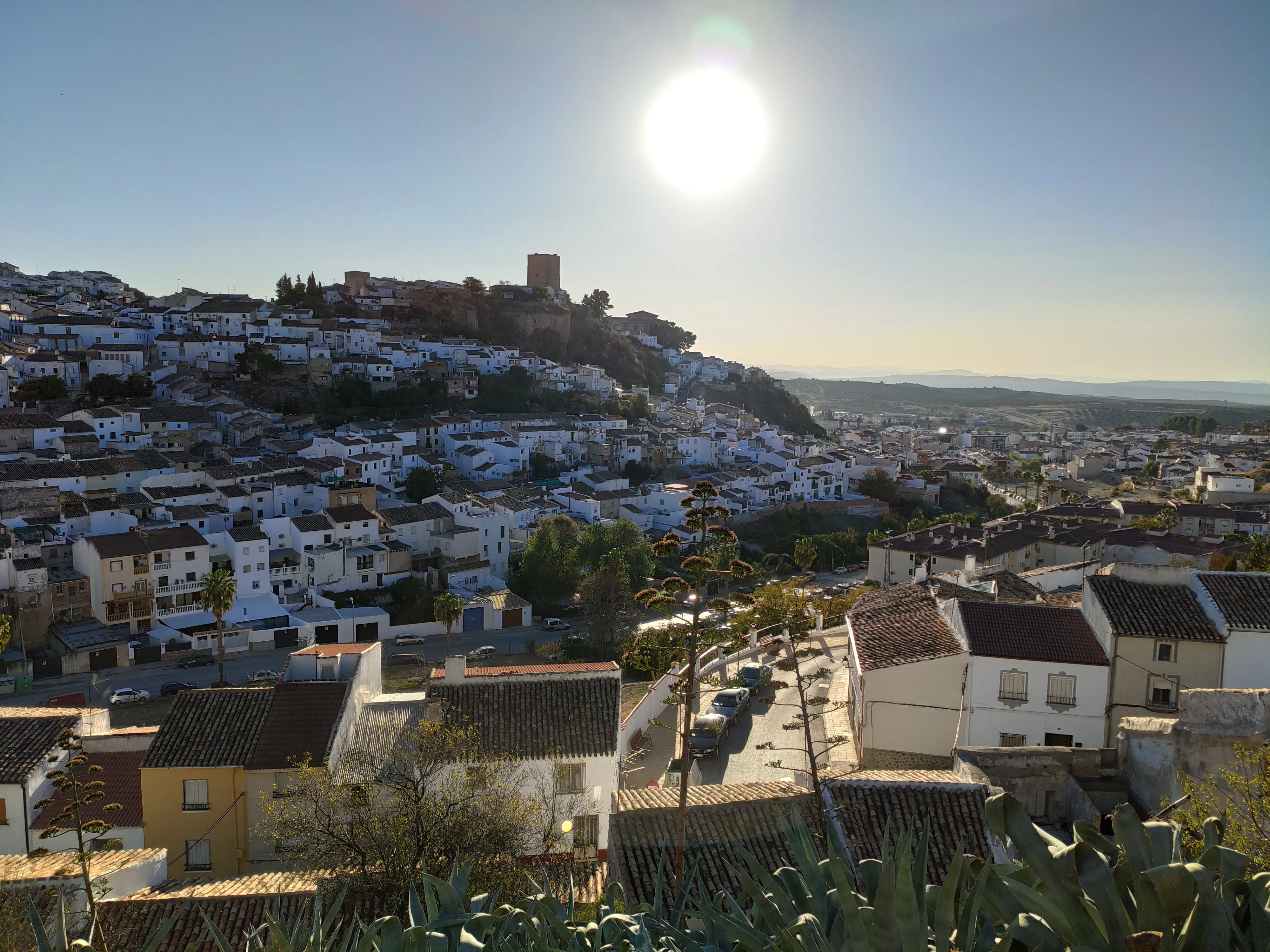
Capital of virgin olive oil. Martos, with its imposing Peña and its heritage, is a key stop on the Mozarabic Way to discover olive culture in Jaén.
Alcaudete
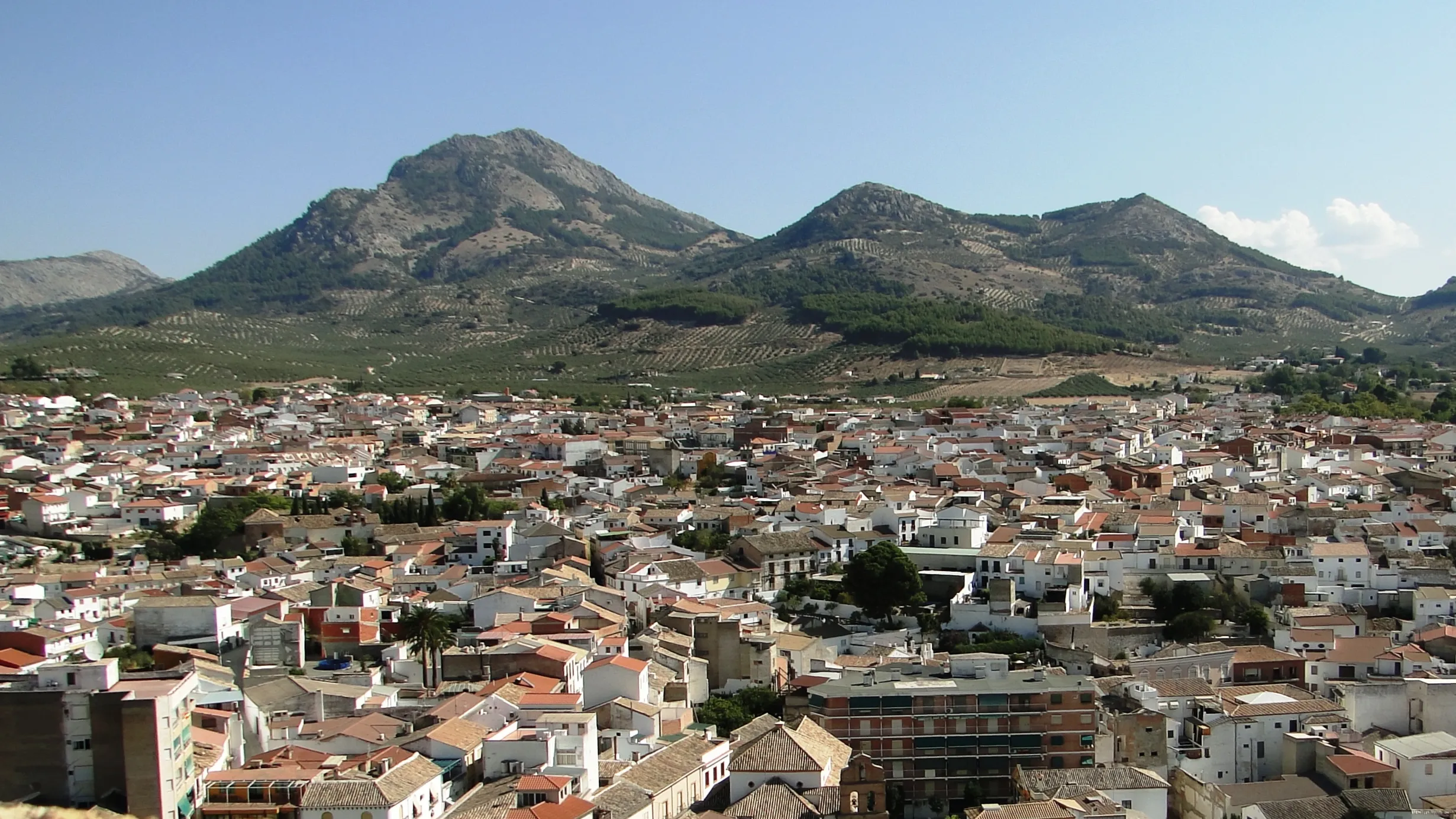
Alcaudete is crowned with an imposing Calatrava castle. Alcaudete is a monumental stop on the Mozarabic Route, a place to immerse oneself in the history of border strongholds.
Baena
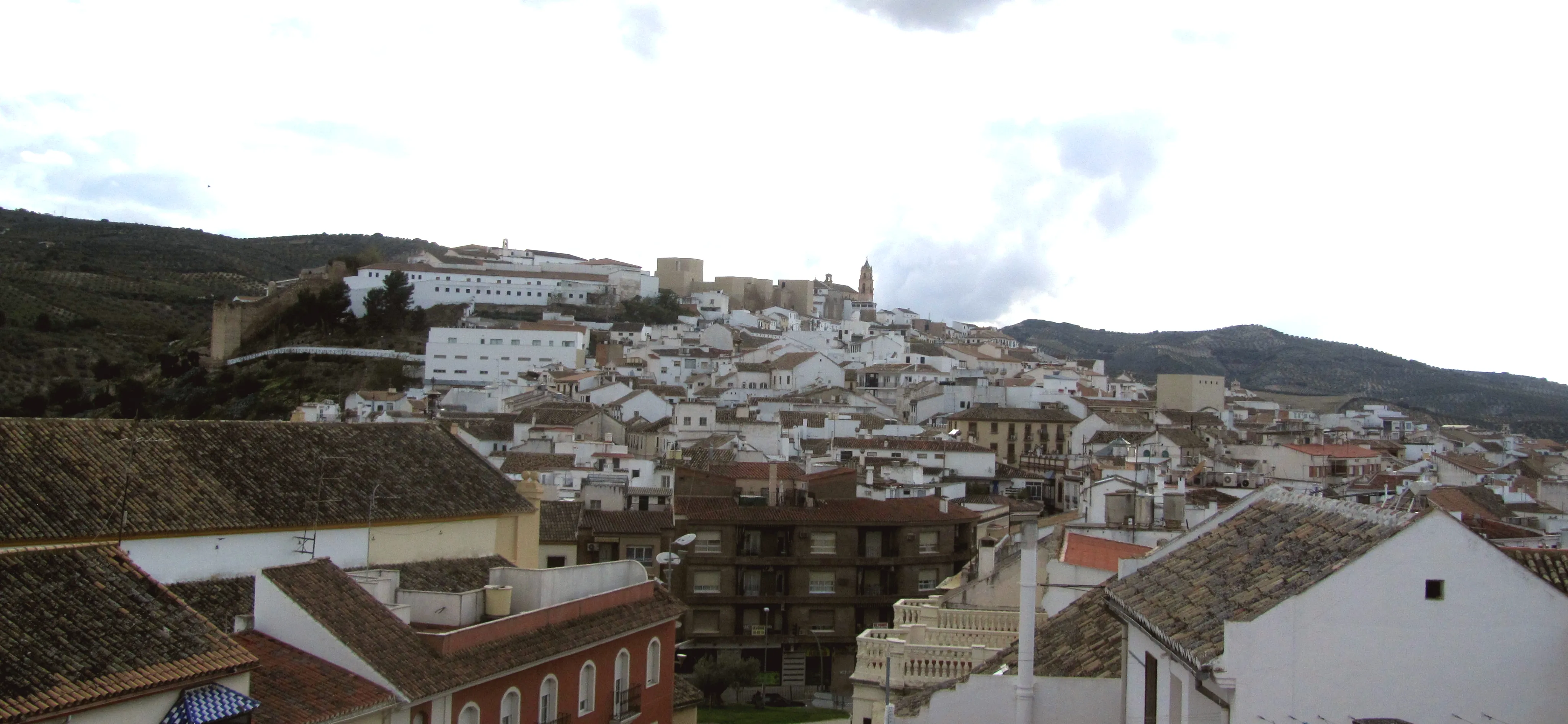
Heart of the Denomination of Origin for olive oil. Baena offers the pilgrim of the Mozarabic Way a stop to enjoy the "liquid gold" and its rich Cordoban historical heritage.
History of Way of Mozarabia from Jaen to Merida
The city of Jaén, after being conquered by King Ferdinand III "the Holy" in 1246, became the capital of a border kingdom with the Nasrid emirate of Granada. Its imposing Cathedral, an obra maestra of Renaissance architecture by Andrés de Vandelvira, rose as a symbol of Christian faith in this strategic territory. The province was dotted with castles and watchtowers, and much of its defense and administration was entrusted to military orders, mainly the Order of Calatrava. In this environment of faith and constant military vigilance, devotion to St. James the Apostle, the patron of the Reconquista, was especially intense.
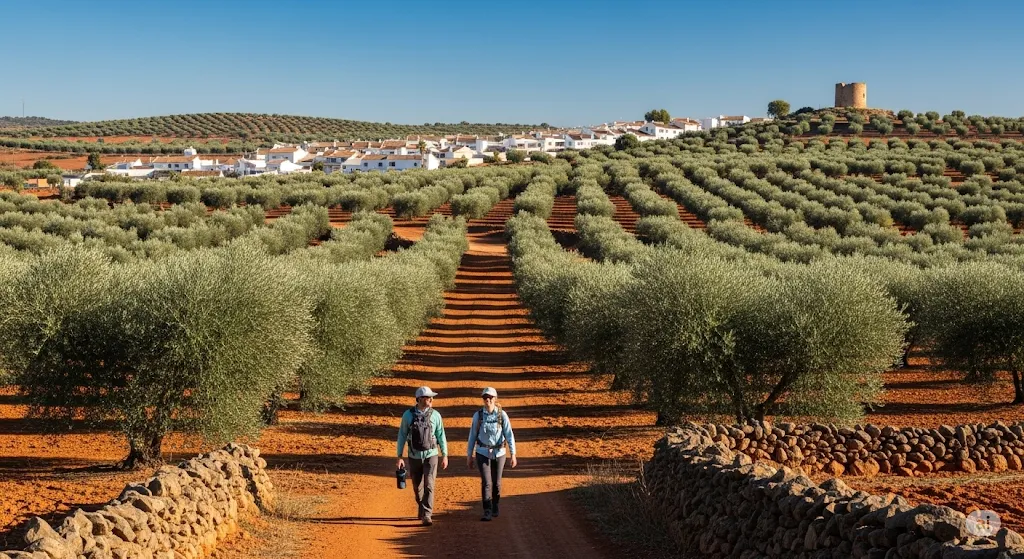
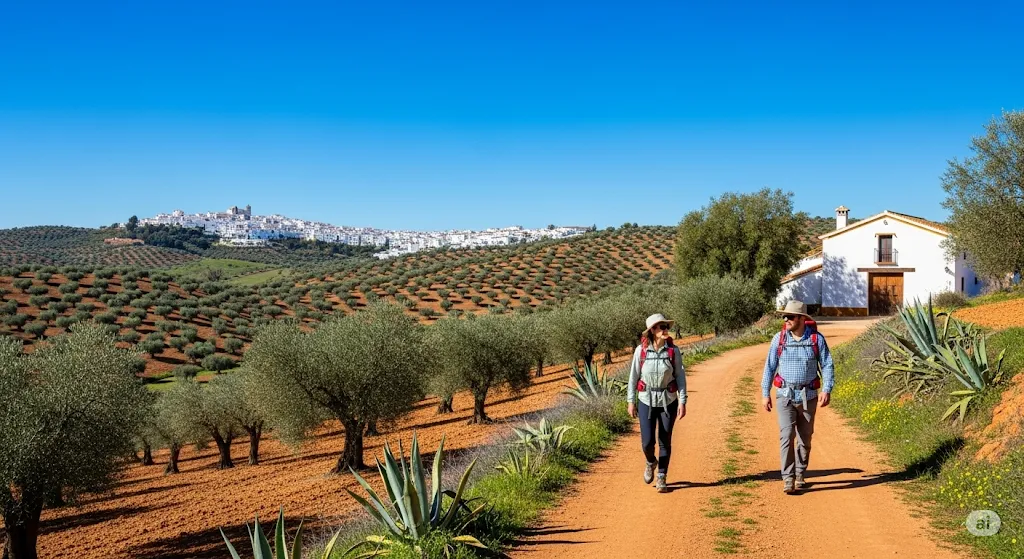
For pilgrims from Jaén, the most logical route to Santiago was to head west to connect with Córdoba. This corridor, which united the two important cities, made use of existing communication routes used since Roman times. The path begins at Jaén Cathedral and immediately plunges into the landscape that defines the province: the "sea of olives". Millions of olives cover the hills in all directions, a unique cultural landscape in the world, shaped by centuries of human labor.
The itinerary passes through historic villages with a rich heritage. An important milestone is Martos, considered the "Birthplace of Olive Oil", with its rocky peak dominating the countryside. It continues to Alcaudete, with an imposing Calatrava castle magnificently restored. The route enters Córdoba province and arrives in Baena and Castro del Río, two other major centers of olive oil production, before finally reaching the capital cordobesa.
Like for pilgrims from Granada and Almería, Córdoba was the great meeting point. The arrival at the Mezquita-Cathedral was a crucial moment in the journey. In Córdoba, pilgrims from Jaén joined other Mozarabic walkers to form a larger and safer group, preparing themselves to face the challenge of crossing Sierra Morena and entering the dehesas of Extremadura. All the effort of the Andalusian stages culminated in arriving at Mérida, where finally they linked up with the Via de la Plata.
The recovery of this branch of the Mozarabic Way has highlighted a route of very defined character. Although perhaps less spectacular in terms of great mountain landscapes compared to other variants, it offers an immersion into the olive oil culture, a fundamental pillar of Mediterranean civilization. It's a path of undulating horizons and plateaus, a journey through the history of medieval borders and austere spirituality of Jaén's lands, before joining the great river of pilgrimage.
Accommodations on the Route
The Way of Mozarabia from Jaen to Merida has 77 verified accommodations along the entire route.
View Stages & AccommodationsPractical Tips for Way of Mozarabia from Jaen to Merida
Best Season
Spring (April-June) and autumn (September-October) are the best seasons. Pleasant temperatures and fewer crowds than summer.
Physical Preparation
Train by walking progressively in the months before. Start with short distances and increase. Your body will adapt to the rhythm of the Camino.
What to Pack
Light backpack (max 10% of your weight), worn trekking shoes, breathable technical clothing, raincoat, sunscreen and basic first aid kit.
General Tips
Carry the pilgrim credential, stay hydrated, respect your pace, book accommodation in high season and enjoy the journey without rushing.
FAQ about Way of Mozarabia from Jaen to Merida
El Camino Mozárabe desde Jaén hasta Mérida tiene una distancia total de 330 km, lo cual requiere aproximadamente 14 días para completarlo a un ritmo moderado. En Ourway Travel te ofrecemos la mejor experiencia en cada etapa del camino.
Este camino tiene una dificultad media, lo que significa que combina rutas de senderismo con caminos pavimentados y subidas suaves. En Ourway Travel te brindamos toda la información necesaria para prepararte adecuadamente.
La mejor época para emprender este viaje es entre abril y octubre, con mayo y septiembre siendo los meses ideales por su clima templado y menor cantidad de peregrinos en comparación con julio y agosto. En Ourway Travel recomendamos realizar las reservas con antelación durante esta temporada.
Los precios para nuestro tour en el Camino Mozárbe desde Jaén hasta Mérida varían dependiendo de la fecha y las opciones que elijas. En Ourway Travel, puedes encontrar paquetes personalizados que incluyen alojamiento, traslados y asistencia durante todo el camino.
Un viaje con Ourway Travel incluye: alojamiento en albergues de peregrinos o hoteles, traslado de equipaje entre etapas, credenciales del peregrino y asistencia 24/7 durante todo el recorrido. También te proporcionamos información detallada sobre historia y cultura local.
El Camino Mozárbe ofrece una experiencia única debido a su rica historia islámica y cristiana, pasando por zonas menos turísticas que otros caminos como el Francés. En Ourway Travel, valoramos la singularidad de este camino y lo recomendamos para aquellos interesados en la cultura andaluza.
La elección entre el Camino Mozárbe y el Camino Francés depende de tus intereses. El Camino Mozárbe ofrece una experiencia más tranquila con hermosos paisajes andaluces, mientras que el Francés es más conocido por su variedad cultural y monumental. En Ourway Travel te ayudamos a elegir la ruta que mejor se adapte a tus preferencias.
En Ourway Travel gestionamos todo lo relacionado con tu credencial del peregrino, asegurándote que esté lista para cuando empieces tu viaje. Además, nos encargamos de transportar tu equipaje entre etapas, permitiéndote disfrutar del camino sin preocupaciones sobre tus pertenencias.
Ready for this adventure?
Let us organize your pilgrimage. We take care of accommodations, transfers and everything you need.