
Camino de Santiago
Way of Mozarabia from Jaen to Merida
Route from Jaén, land of olives, to historic Mérida on the Via de la Plata.
Organize your Way of Mozarabia from Jaen to MeridaLast updated: 23/05/2025
The Route
General Description of Way of Mozarabia from Jaen to Merida
Related Routes
Connections of Way of Mozarabia from Jaen to Merida
Way of the Plate
963.6 km
38
High
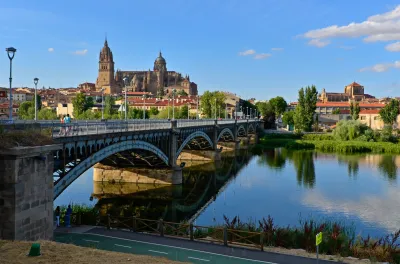
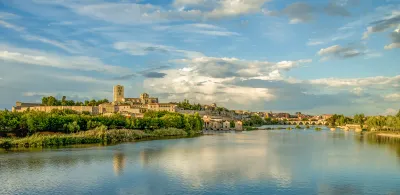
The Silver Way (La Vía de la Plata) is the longest of the Camino de Santiago paths in Spain, with almost 1000 km. Its route, which starts in Seville, largely follows the ancient Roman road that connected Mérida to Astorga. It traverses Andalusia, Extremadura and Castile and León, offering pilgrims two options in Granja de Moreruela (Zamora): continue on to Astorga to link with the French Way or take the Sanabrés Way directly to Galicia.
It is a route of immense historical and monumental wealth. Due to its length and high temperatures in its southern section, it requires excellent planning. It offers diverse landscapes, from the extreme dehesas to the plains and mountains of Castile and León.
Stages of this variant:
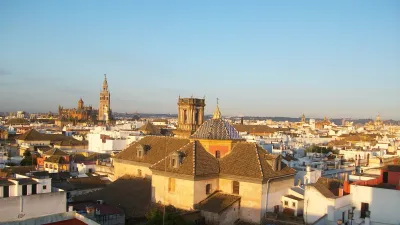
Stage 1: Sevilla to Guillena

Stage 2: Guillena to Castilblanco de los Arroyos
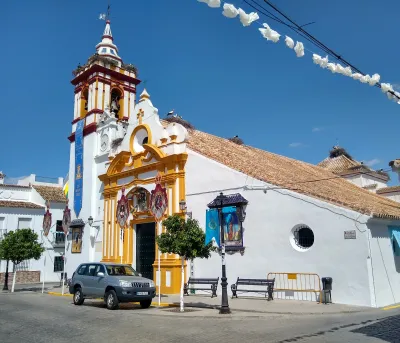
Stage 3: Castilblanco de los Arroyos to Almadén de la Plata
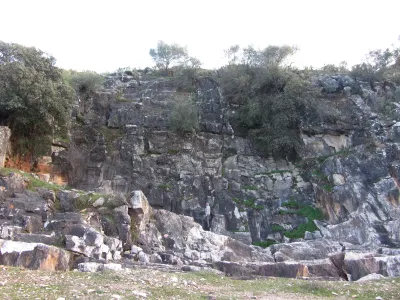
Stage 4: Almadén de la Plata to Monesterio
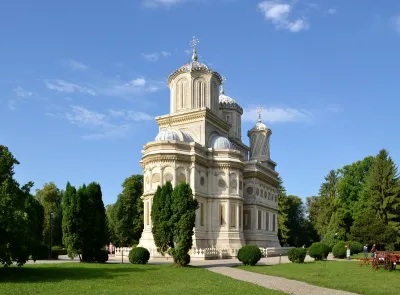
Stage 5: Monesterio to Fuente de Cantos


Way of Mozarab from Almería
590 km
24
High
Starting from Almería, this historic branch of the Mozarabic Way traverses contrasting landscapes, from the coast to the Extremaduran grasslands, connecting with the Via Plata in Mérida after a demanding journey. It is a path of deep Andalusian heritage.
Stages of this variant:
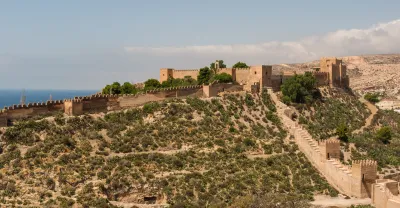
Stage 1: Almería to Rioja
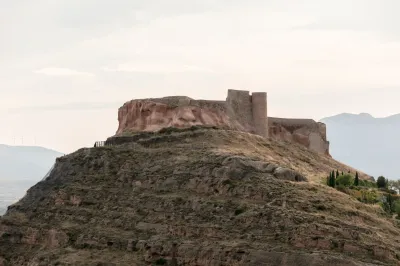
Stage 2: Rioja - Alboloduy
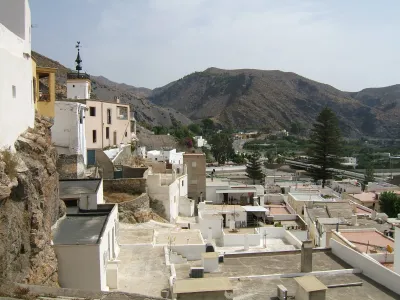
Stage 3: Alboloduy - Abla

Stage 4: Abla - Huéneja
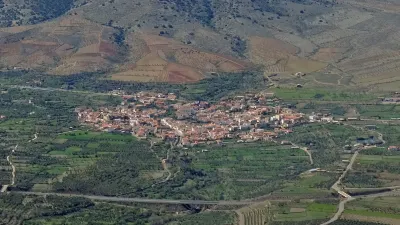
Stage 5: Huéneja - Alquife
Mozarabic Way from Málaga
400 km
17
High
The Mozarabic Way from Málaga allows pilgrims to start their journey from the Mediterranean coast, ascending through the Malagueña mountains and entering the interior of Andalusia. The route converges with other Mozarabic branches towards Córdoba and finally to Mérida.
Stages of this variant:
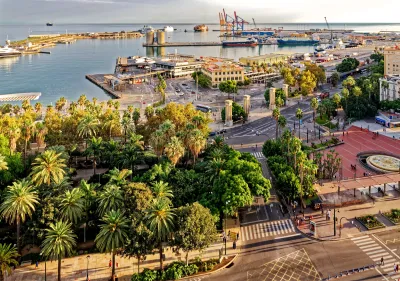
Stage 1: Málaga to Almogía
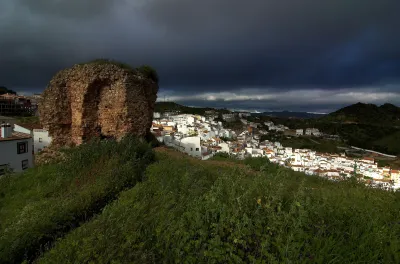
Stage 2: Almogía to Villanueva de la Concepción
Stage 3: Villanueva de la Concepción to Antequera
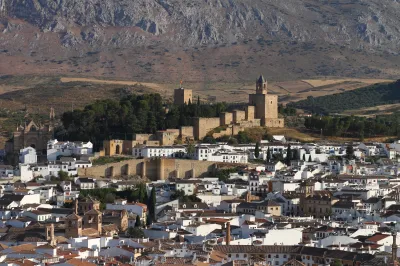
Stage 4: Antequera to Villanueva de Algaidas
Stage 5: Villanueva de Algaidas to Encinas Reales
Mozarab Path from Granada
385 km
16
High
The Mozarabic Way from Granada offers a journey through the heart of Andalusia. Starting from monumental Granada, pilgrims head north, finding historic cities like Cordoba before reaching Merida and the Silver Road.
Stages of this variant:
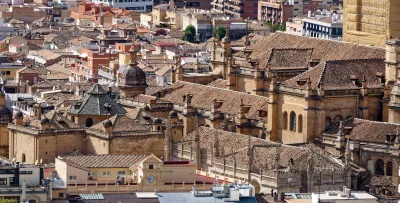
Stage 1: Granada to Pinos Puente
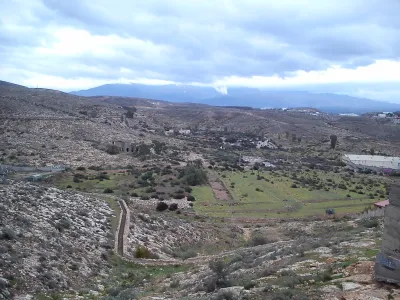
Stage 2: Pinos Puente to Moclin
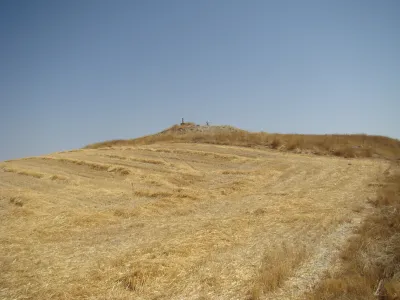
Stage 3: Moclin to Alcalá la Real

Stage 4: Alcalá la Real to Alcaudete
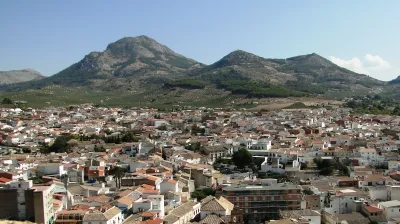
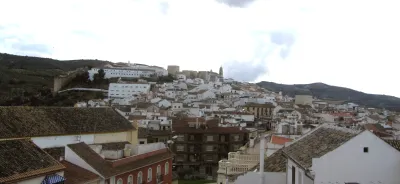
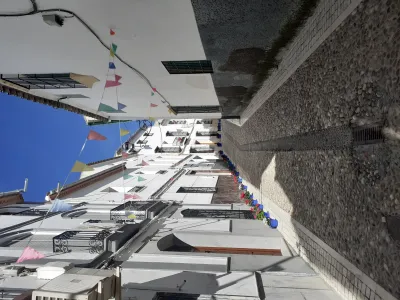
Stage 5: Alcaudete to Baena
The Mozarabic Way from Córdoba to Mérida
246.3 km
10
Media
This section of the Mozarabic Way, starting from historic Córdoba, is one of the most significant. It leads pilgrims through the Extremaduran grasslands to Mérida, an important Roman city and key point on the Via Plata. It's a beautiful natural path with deep historical significance.
Stages of this variant:
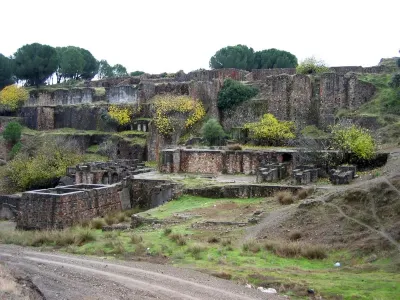
Stage 2: Cerro Muriano to Villaharta
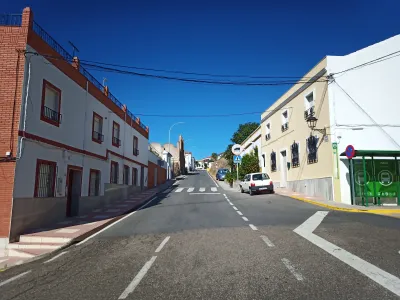
Stage 3: Villaharta to Alcaracejos
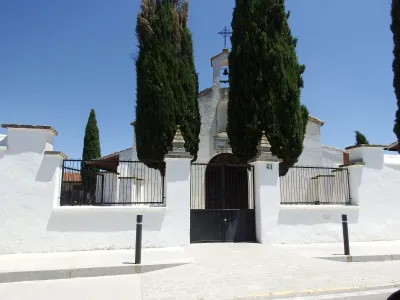
Stage 4: Alcaracejos to Hinojosa del Duque
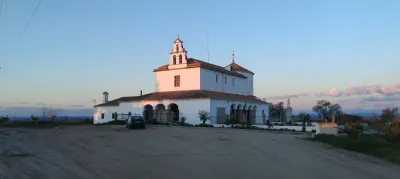
Stage 5: Hinojosa del Duque to Monterrubio de la Serena
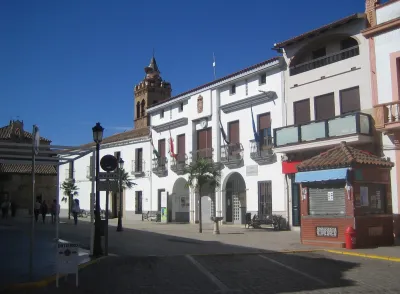
Stage 6: Monterrubio de la Serena to Castuera
Mozarabian Way
- km
-
High
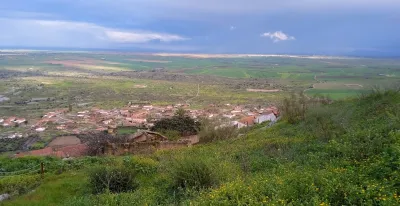
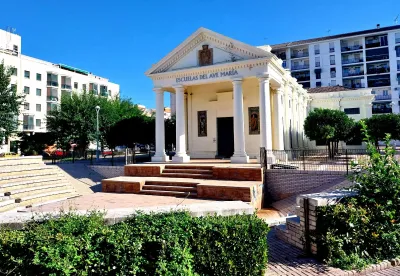
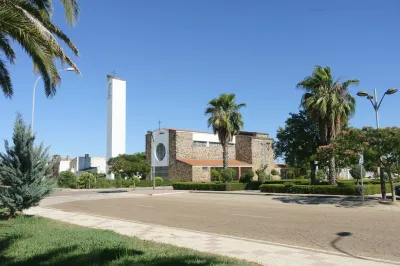
The Camino Mozárabe is not a single route but a collection of historical itineraries that depart from various cities in Andalusia such as Almería, Granada, Jaén, Córdoba, and Málaga. These paths were followed by Christians living in Al-Ándalus (Mozarabs) to pilgrimage to Santiago.
The routes usually converge in the monumental city of Mérida to continue north on the Vía de la Plata. The distances vary greatly depending on the origin, exceeding 1,000 km in total to Santiago. These paths are loaded with history, traversing diverse landscapes and allowing for the discovery of the deep footprint of Andalusian culture.
No detailed stages available for this variant.
Your trip with Ourway
Everything you need for your Camino
No hassle. Your perfect route, from start to finish.
Accommodation
Selected hotels and hostels at every stage
Luggage transfer
Your backpack travels from stage to stage
Camino Guide
Detailed map with directions and services
24h Support
Team available for any unforeseen event
Pilgrim credential
Official documentation included
No commitment
Free personalized consultation
Stages
Stages of Way of Mozarabia from Jaen to Merida
Jaén → Torredelcampo
The Jaén branch of the Mozarabic Way begins with a short stage that allows you to leave the capital and delve into the most iconic landscape of the province: the Olive Tree Sea. The route starts from ...
Torredelcampo → Martos
This stage is a total immersion in the olive grove of Jaén. The path runs over an undulating terrain, constantly rising and falling through a landscape dominated by this ancient cultivation. It's a da...
Martos → Alcaudete
Stage of the Mozarabic Way in its Jaén section. The 22 km link Martos with Alcaudete through the heart of the olive groves of the province of Jaén, the world's leading producer of olive oil. The lands...
Towns
Featured Towns of Way of Mozarabia from Jaen to Merida
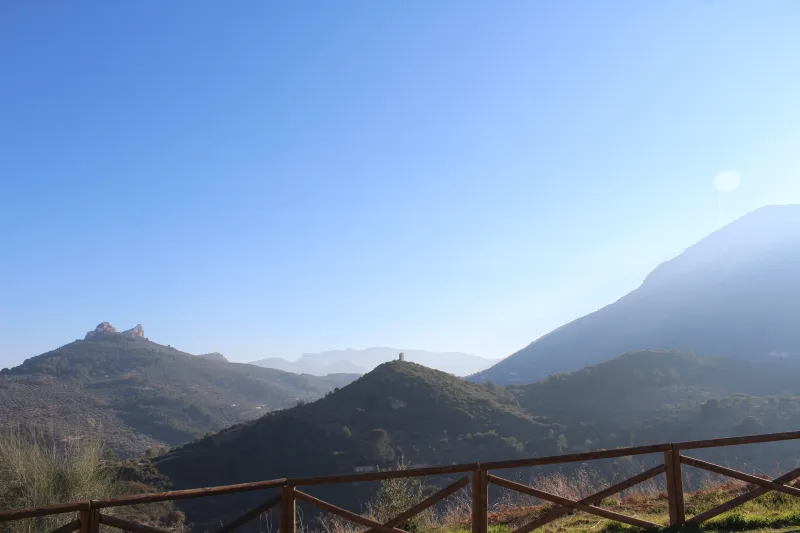
Explore the key towns and cities of this route.
History
Millenary History of the Camino de Santiago: Origins and Evolution Way of Mozarabia from Jaen to Merida
Discover the origins and evolution of Way of Mozarabia from Jaen to Merida
The city of Jaén, after being conquered by King Ferdinand III "the Holy" in 1246, became the capital of a border kingdom with the Nasrid emirate of Granada. Its imposing Cathedral, an obra maestra of Renaissance architecture by Andrés de Vandelvira, rose as a symbol of Christian faith in this strategic territory. The province was dotted with castles and watchtowers, and much of its defense and administration was entrusted to military orders, mainly the Order of Calatrava. In this environment of faith and constant military vigilance, devotion to St. James the Apostle, the patron of the Reconquista, was especially intense.
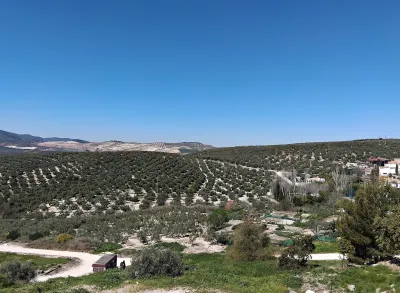
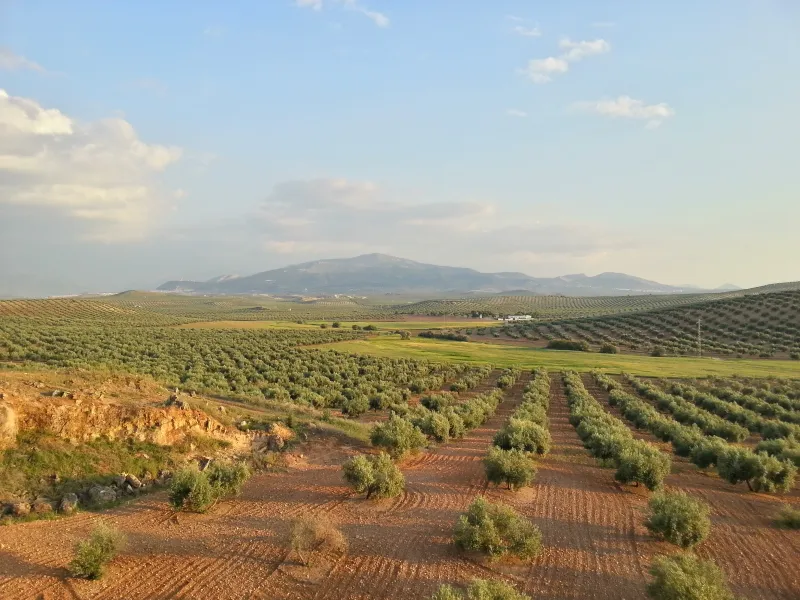
For pilgrims from Jaén, the most logical route to Santiago was to head west to connect with Córdoba. This corridor, which united the two important cities, made use of existing communication routes used since Roman times. The path begins at Jaén Cathedral and immediately plunges into the landscape that defines the province: the "sea of olives". Millions of olives cover the hills in all directions, a unique cultural landscape in the world, shaped by centuries of human labor.
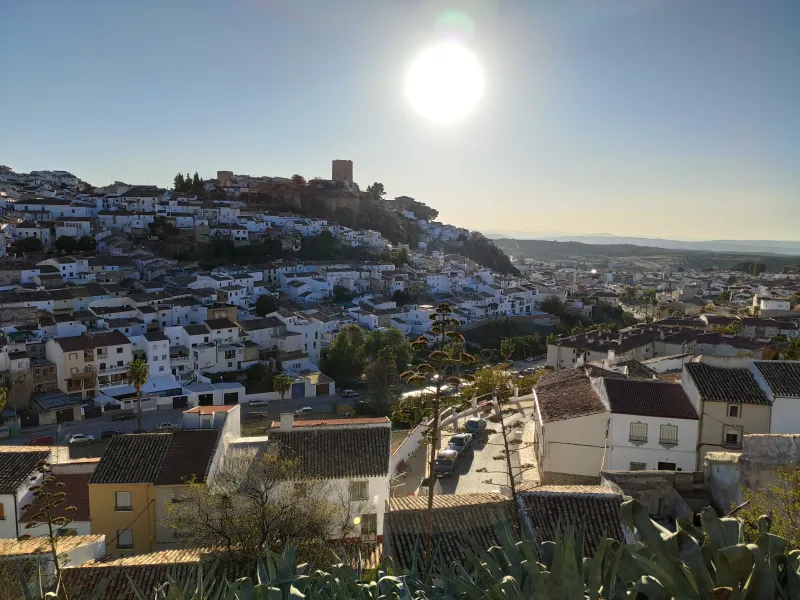
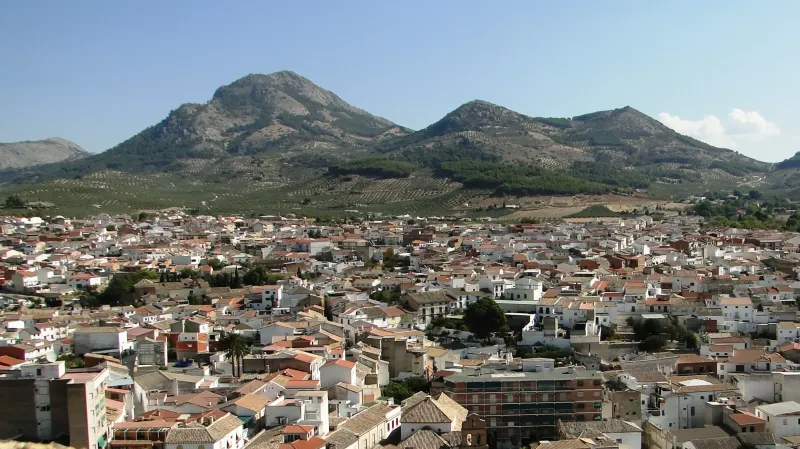
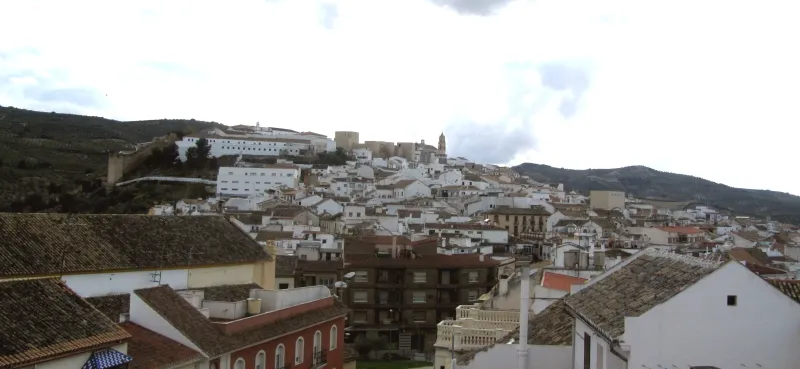
The itinerary passes through historic villages with a rich heritage. An important milestone is Martos, considered the "Birthplace of Olive Oil", with its rocky peak dominating the countryside. It continues to Alcaudete, with an imposing Calatrava castle magnificently restored. The route enters Córdoba province and arrives in Baena and Castro del Río, two other major centers of olive oil production, before finally reaching the capital cordobesa.
Like for pilgrims from Granada and Almería, Córdoba was the great meeting point. The arrival at the Mezquita-Cathedral was a crucial moment in the journey. In Córdoba, pilgrims from Jaén joined other Mozarabic walkers to form a larger and safer group, preparing themselves to face the challenge of crossing Sierra Morena and entering the dehesas of Extremadura. All the effort of the Andalusian stages culminated in arriving at Mérida, where finally they linked up with the Via de la Plata.
The recovery of this branch of the Mozarabic Way has highlighted a route of very defined character. Although perhaps less spectacular in terms of great mountain landscapes compared to other variants, it offers an immersion into the olive oil culture, a fundamental pillar of Mediterranean civilization. It's a path of undulating horizons and plateaus, a journey through the history of medieval borders and austere spirituality of Jaén's lands, before joining the great river of pilgrimage.
We answer your questions
Frequently Asked Questions about Way of Mozarabia from Jaen to Merida
How long is the Mozarabic Way from Jaén to Mérida, and how many days are needed to complete it?
The Mozarabic Way from Jaén to Mérida covers a total distance of 330 km, which takes approximately 14 days to complete at a moderate pace. At Ourway Travel, we offer the best experience for each stage of your journey.
What difficulty does the Mozarabic Way have from Jaén to Mérida?
This route has a moderate difficulty, combining hiking trails with paved roads and gentle ascents. At Ourway Travel, we provide you with all the necessary information to prepare adequately.
What is the best time of year to undertake the Mozarabic Way from Jaén to Mérida?
The ideal period for this journey is between April and October, with May and September being the perfect months due to their mild climate and fewer pilgrims compared to July and August. Ourway Travel recommends making reservations in advance during these months.
What is the cost of the complete Mozarabic Way journey from Jaén to Mérida with Ourway Travel?
Prices for our tour on the Mozarabic Way from Jaén to Mérida vary depending on the date and options you choose. At Ourway Travel, you can find customized packages that include accommodation, transfers, and assistance throughout the journey.
What services are included in a Mozarabic Way trip with Ourway Travel?
A trip with Ourway Travel includes: accommodation in pilgrim hostels or hotels, luggage transfer between stages, pilgrim credentials and 24/7 assistance throughout the journey. We also provide detailed information about local history and culture.
¿Cómo se compara el Camino Mozárbe desde Jaén a Mérida con otros caminos hacia Santiago de Compostela?
El Camino Mozárbe ofrece una experiencia única debido a su rica historia islámica y cristiana, pasando por zonas menos turísticas que otros caminos como el Francés. En Ourway Travel, valoramos la singularidad de este camino y lo recomendamos para aquellos interesados en la cultura andaluza.
Which is the better option between the Mozárabe Way from Jaén to Mérida and the French Way?
Choosing between the Mozárabe Way and the French Way depends on your interests. The Mozárabe Way offers a more peaceful experience with beautiful Andalusian landscapes, while the French Way is renowned for its cultural variety and monuments. At Ourway Travel, we help you choose the route that best suits your preferences.
What should I consider regarding the pilgrim's credential and backpack transportation during the Mozarabic Way from Jaén to Mérida?
At Ourway Travel, we handle everything related to your pilgrim's credential, ensuring it is ready when you start your journey. Additionally, we take care of transporting your luggage between stages, allowing you to enjoy the way without worries about your belongings.
Organize Your Camino
Ready for this adventure?
Way of Mozarabia from Jaen to Merida
Walk this route with us
Fancy walking this route?
We don't have a ready-made package for this route yet, but we'll organise it around you. Tell us how you'd like to experience it and a specialist will reply within 24 h.
Request your proposal