
Complete Guide to Valley of Mena Trail
Discover the Valley of Mena Route, a connection route between Bilbao and Burgos. A historic and scenic link of great beauty through this Burgalian valley to the French Way.
Last updated: 28/03/2026
Table of Contents
Technical Summary of Valley of Mena Trail
155 km
Distance
7
days
7
Stages
Media
Difficulty
50 accommodations available on the route
Introduction to Valley of Mena Trail
All Stages of Valley of Mena Trail
Complete route divided into 7 stages
Bilbao to Guémené
The first stage of the Forgotten Way from Bilbao is a transitional journey that takes the pilgrim out of the great city. The route is demanding, with an initial strong climb to leave the valley of Bil...
Gueines in Villafranca del Bierzo
The first stage of the Camino Baztanés in French territory is an enjoyable stroll that takes the pilgrim out of historic Bayonne. The route follows largely the course of the Nive River in a flat and b...
Villasana de Mena to Medina de Pomar
This stage enters the foothills of the Pyrenees. The profile becomes more demanding, with a continuous up and down through a landscape of hills and valleys. The route passes through charming villages ...
Medina of Pomar to Quintana de Valdivieso
This stage enters the heart of Baztán Valley. The day begins with an ascent to Otsondo port, the main difficulty of the day. Once at the top, a long and pleasant descent leads the pilgrim through the ...
Quintana de Valdivieso to Cernegui
This stage continues through the Baztán Valley, on a terrain of gentle undulations. It is a short and pleasant day that allows you to enjoy with calmness the beauty of the landscape. The route runs th...
Cernăuți to Sopot Palaces
This stage marks the exit from Baztán Valley. The journey involves ascending to Belate Pass, a long and demanding climb along an ancient pilgrimage route. The landscape is of great beauty, with beech ...
Soto de Palacios to Burgos
The last stage of the Baztan Route is an enjoyable stroll that brings the pilgrim to Navarre's capital. The profile is predominantly descending and flat, following the valley of the River Ultzama. The...
Key Towns of Valley of Mena Trail
The most important towns and cities on this route.
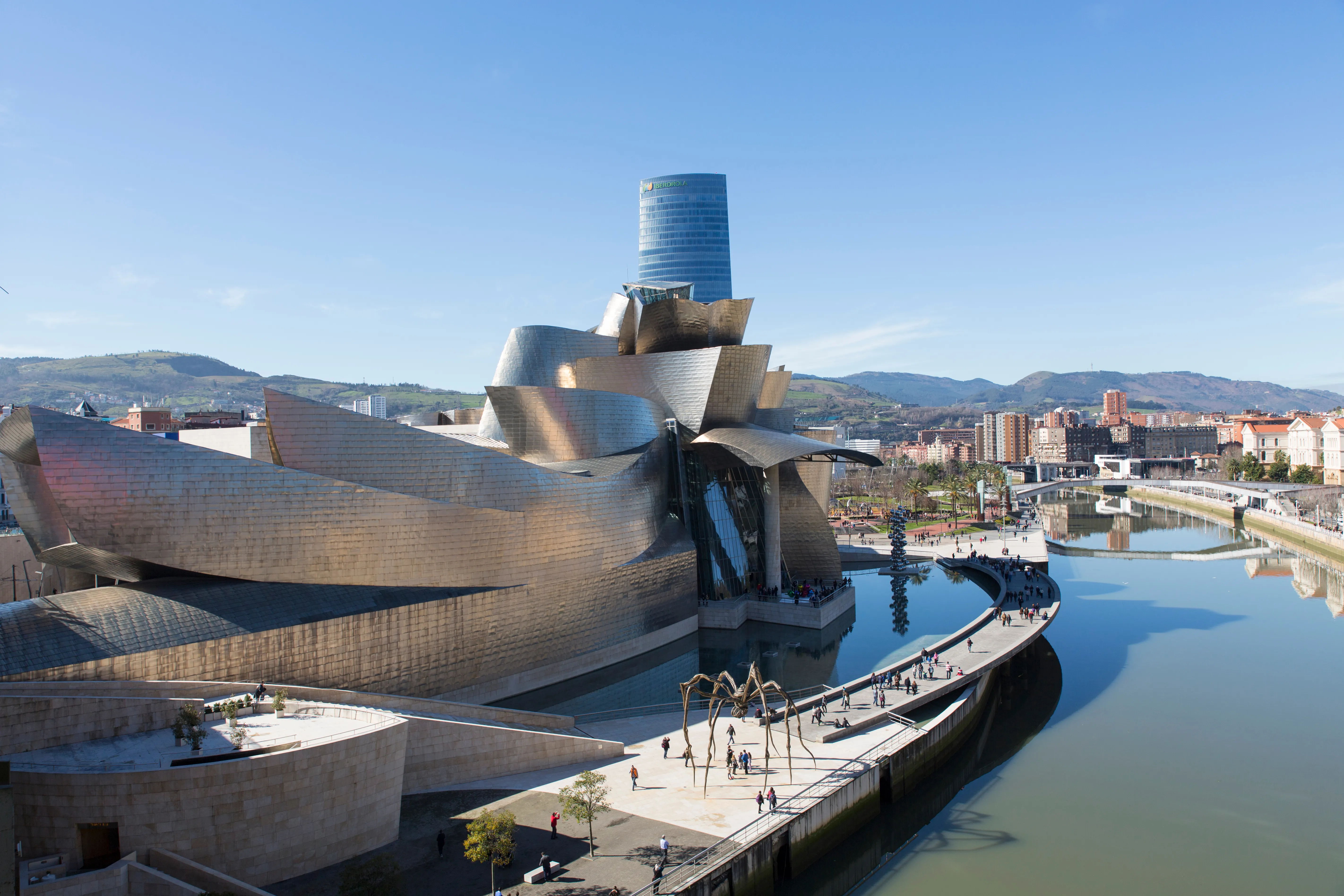
Bilbao
Vibrant start of the North Way. Bilbao offers the pilgrim a cosmopolitan beginning of the route marked by the Guggenheim Museum, its bay and exquisite pintxos cuisine.
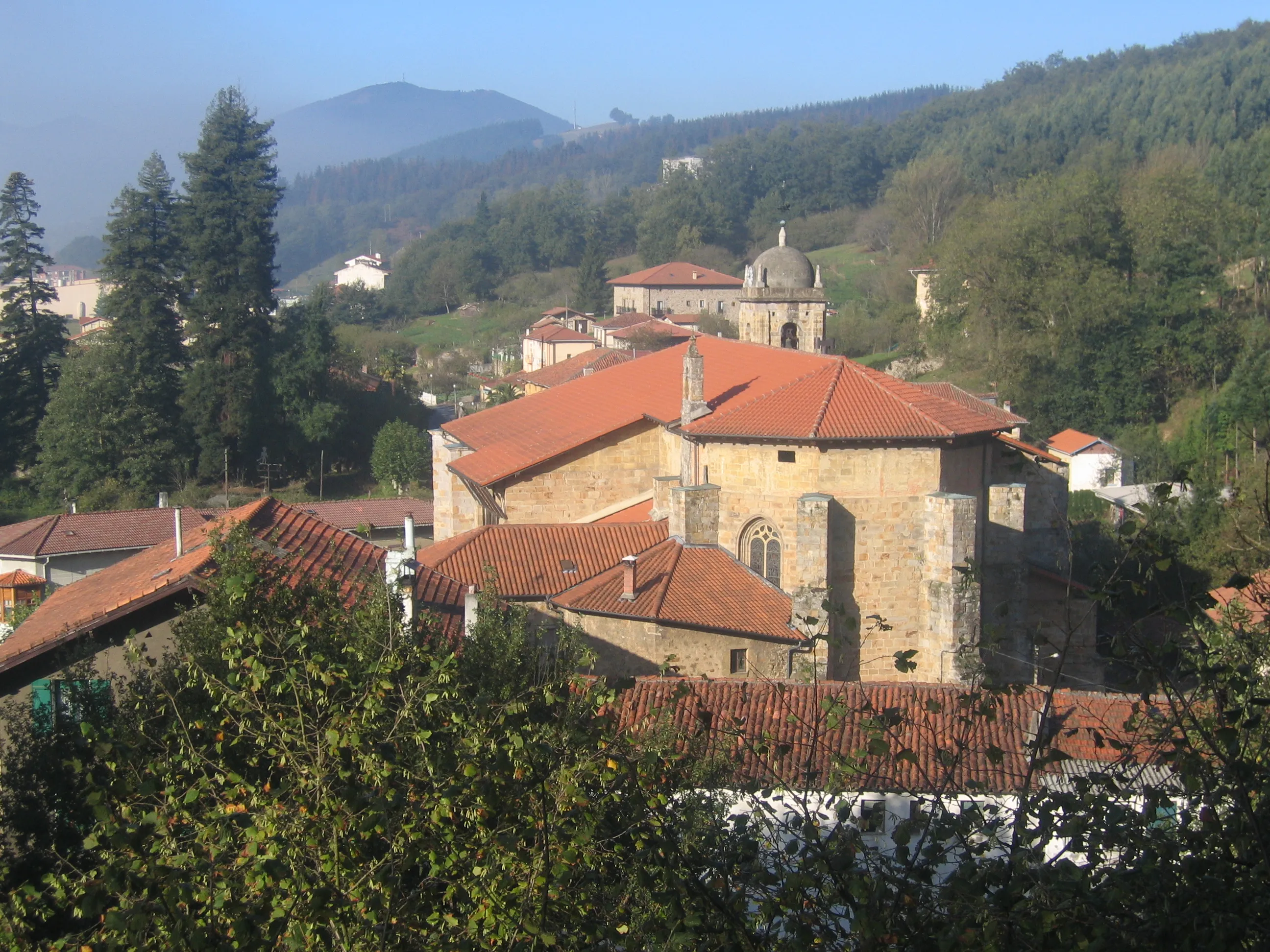
Güeñes
60 mGüeñes, with its heritage of tower houses and its peaceful atmosphere, is a rural stop on the routes that cross the Encartations.
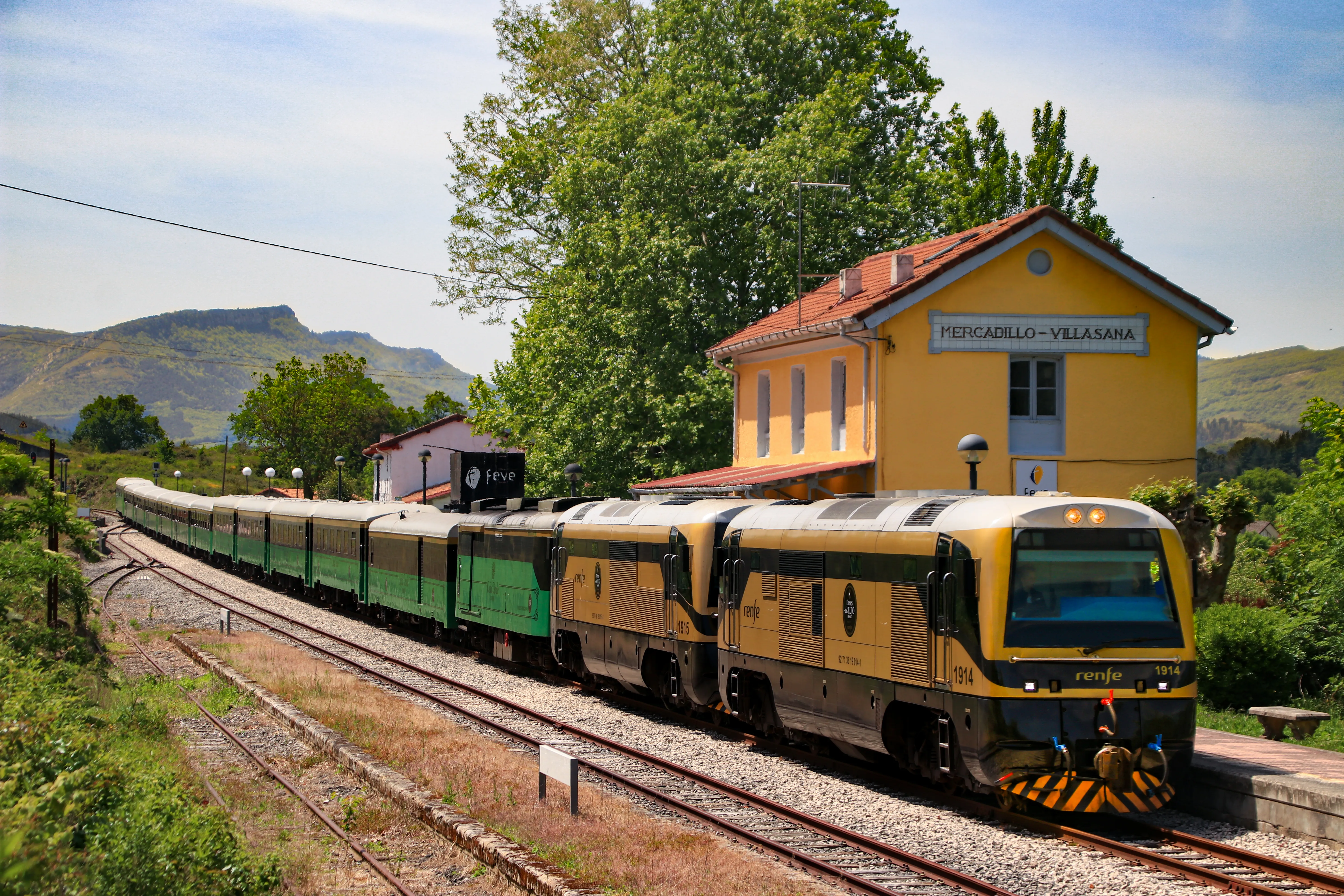
Villasana de Mena
Heart of the Green Valley of Mena in Burgos and stage of the Forgotten Way. A haven of peace for the pilgrim, with a rich heritage and the beauty of the inner Cantabria.
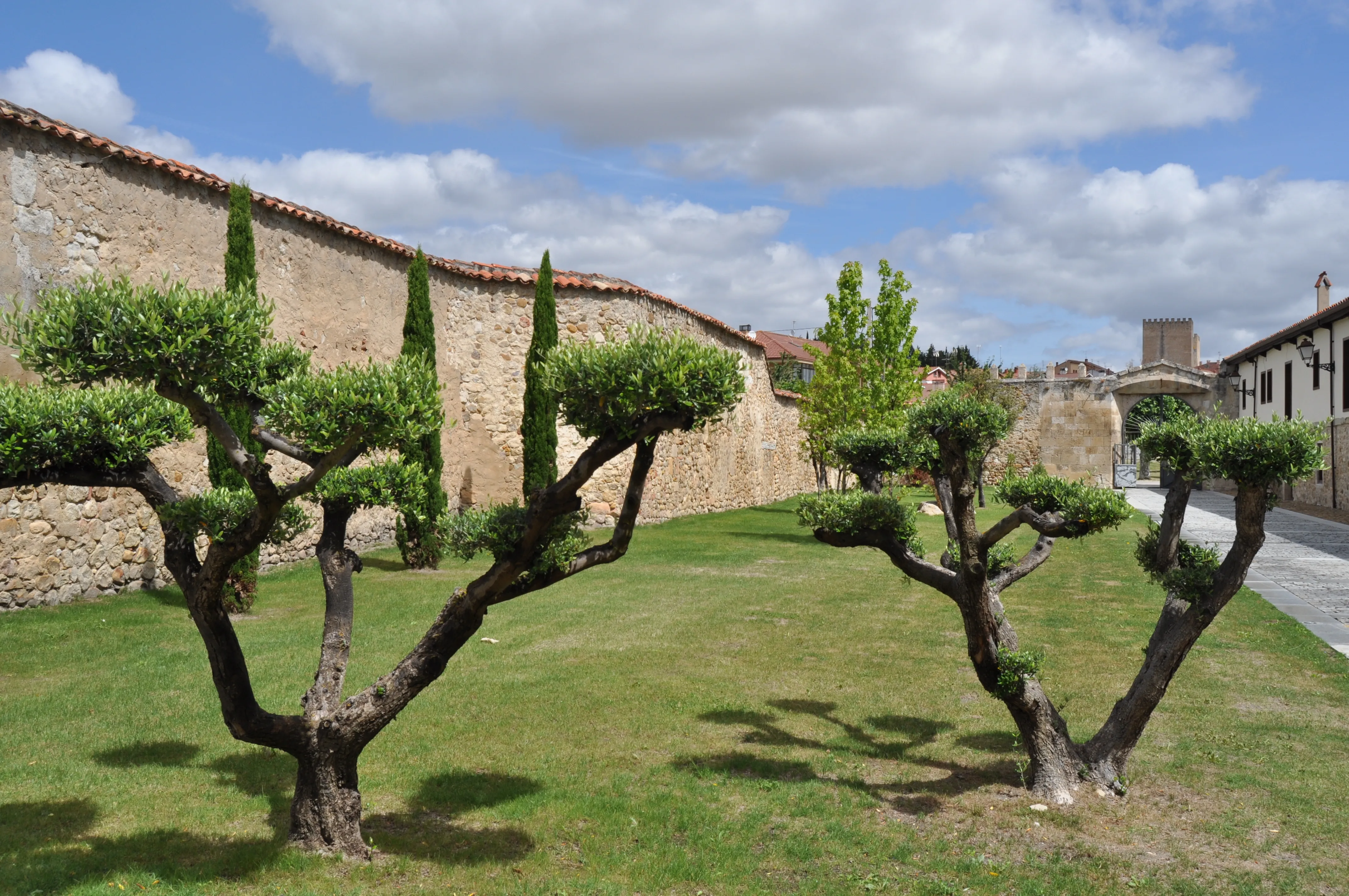
Medina de Pomar
600 mCapital of the Las Merindades region. Medina de Pomar, with its imposing Alcázar of the Constables, is a historic gem and a center of services in northern Burgos.
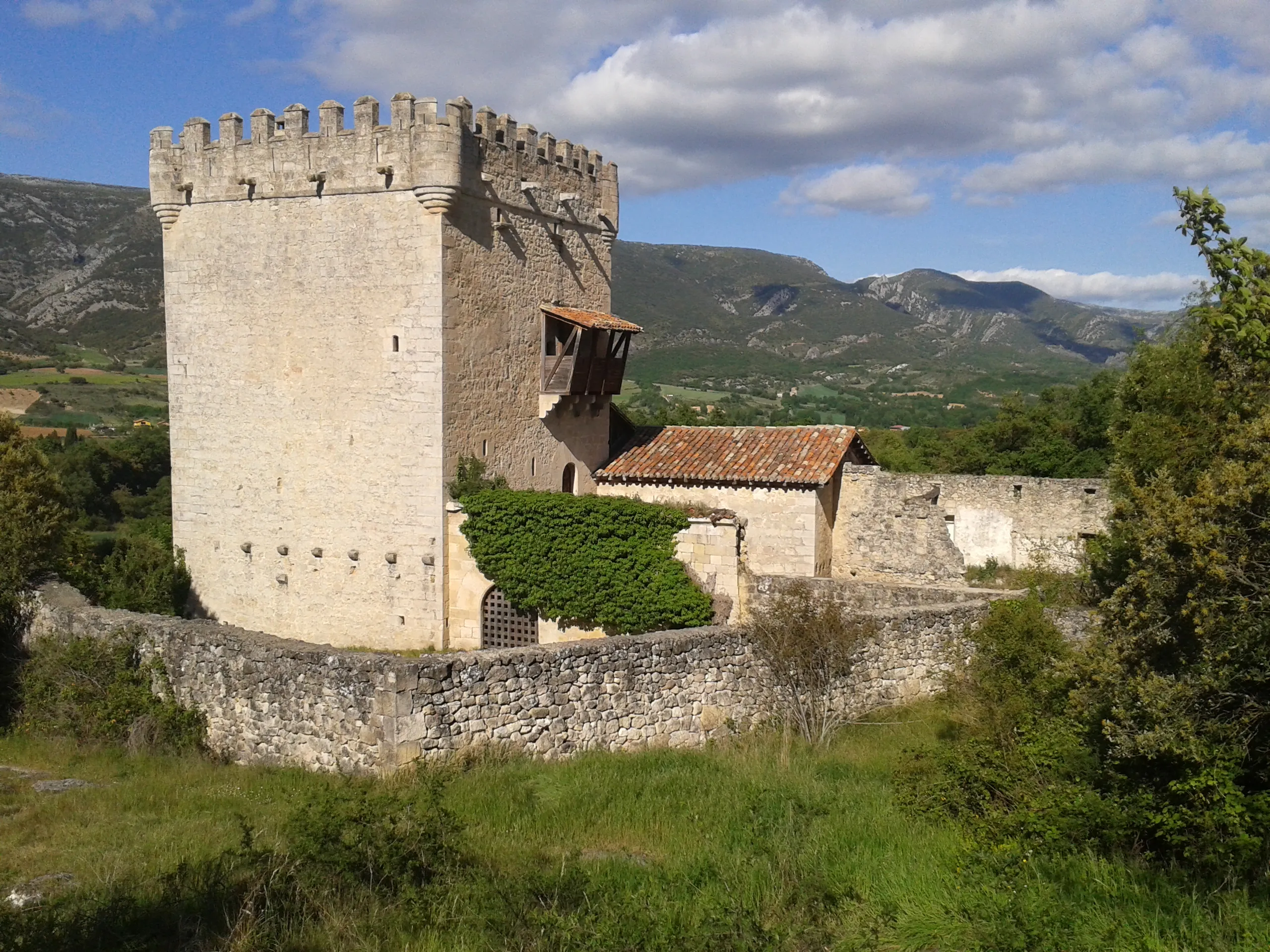
Quintana de Valdivieso
750 mValladolid town with an important heritage, such as the church of Saint Mary. It is a stopping point on the way, ideal for pilgrims' rest.
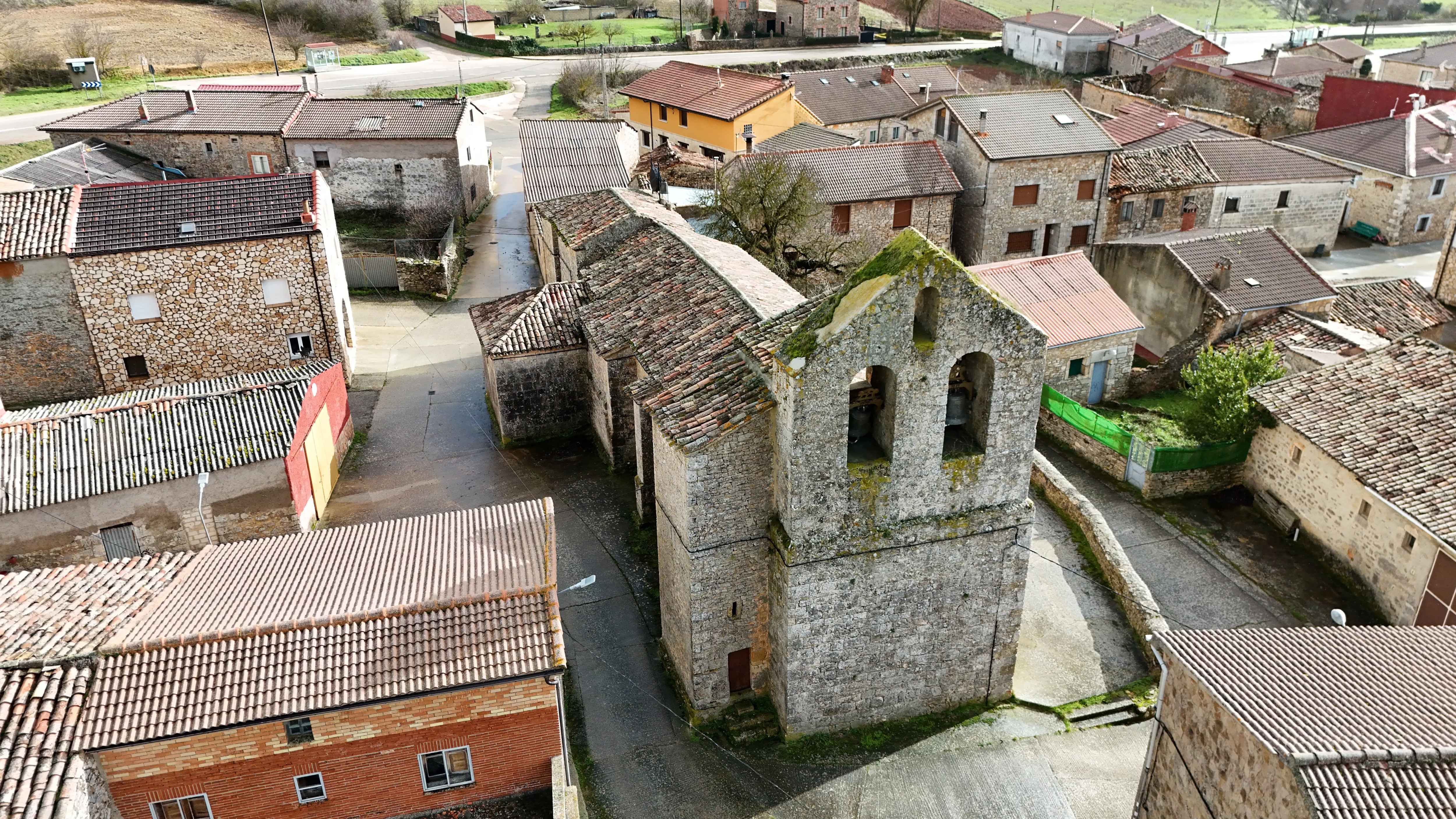
Cernégula
1000 mBurgal town famous for its "Mojon" and its surroundings of highlands. A transition place on the way to the plateau, with basic services for the pilgrim.
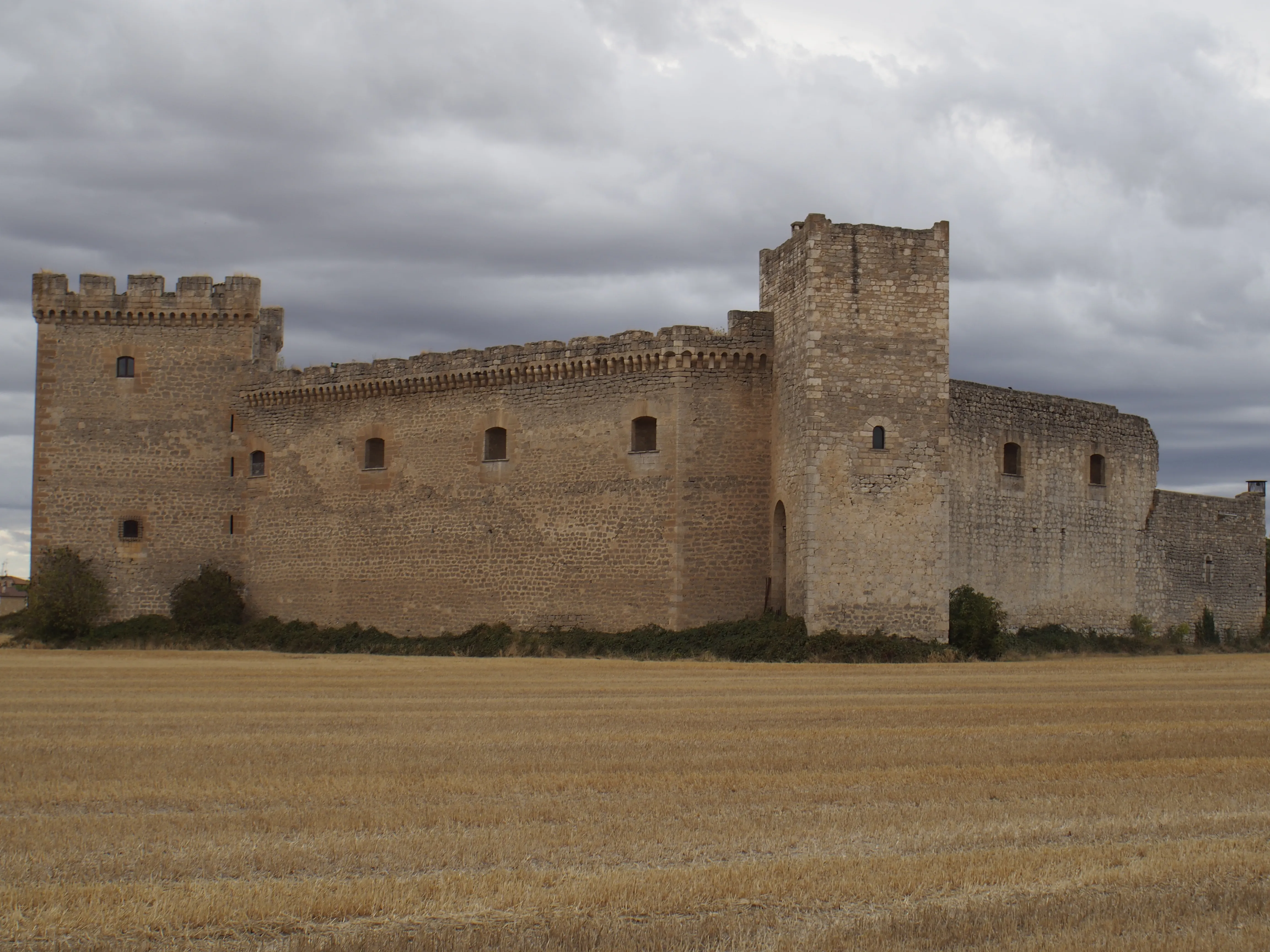
Sotopalacios
840 mRural town with an important medieval castle. Sotopalacios is a historic stopping point on the route, ideal for pilgrims to rest in a rural setting.
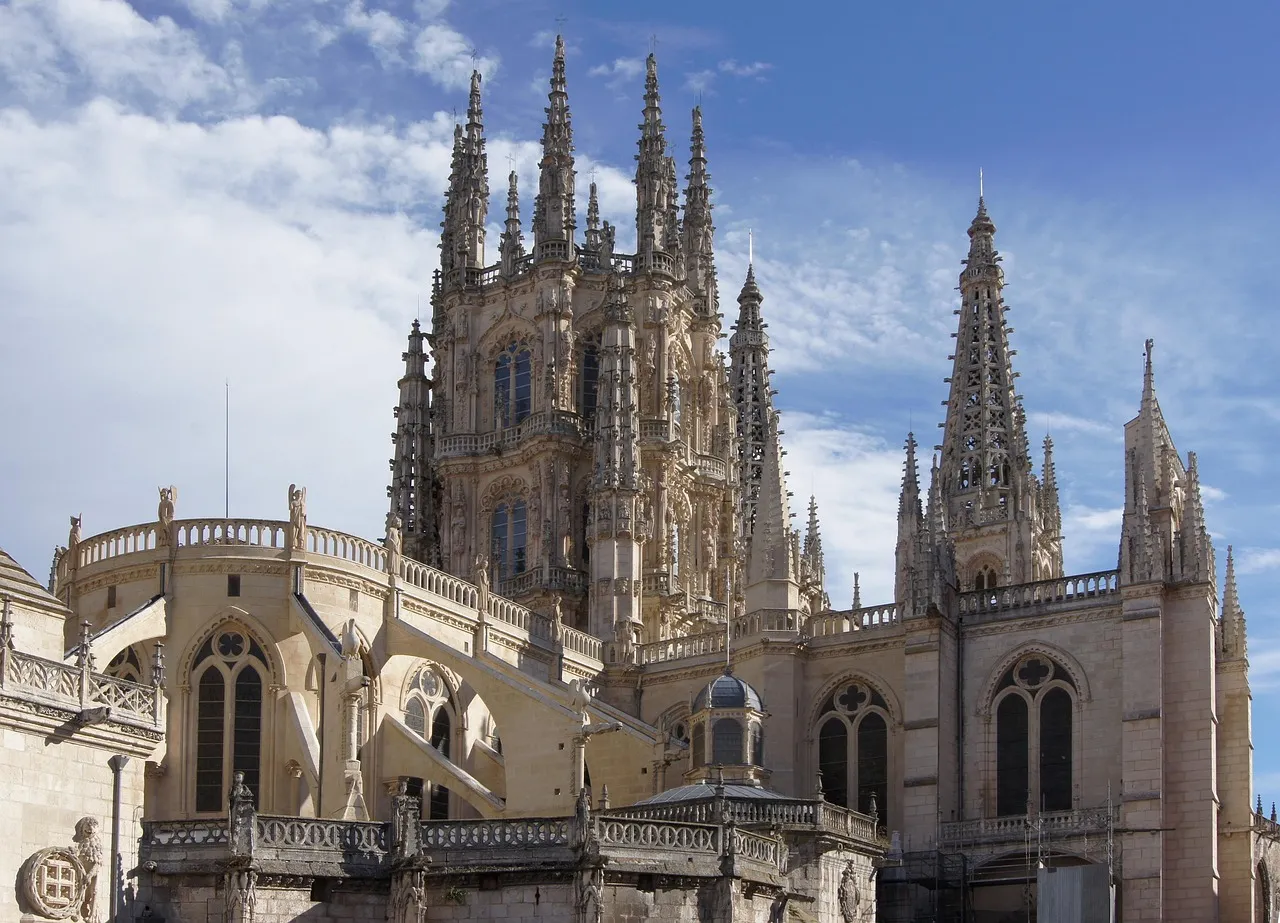
Burgos
Monumental heart of the Camino Francés. Burgos dazzles the pilgrim with its majestic Gothic cathedral, World Heritage Site, and rich historical legacy on the Castilian plateau.
History of Valley of Mena Trail
The founding of Bilbao in 1300 by Don Diego López de Haro marked a turning point for northern peninsula communications. The town quickly became a prosperous commercial port, attracting ships and merchants from Flanders, England, and other points in Northern Europe. With the merchants came also travelers and pilgrims who, once on land, wanted to continue their journey towards Santiago de Compostela. For them, the option was not necessarily to follow the coastal line, but to find an efficient route that would lead them into the interior to connect with the French Way, the great medieval pilgrimage route.
The Mena Valley, a comarca in northern Burgos province, which by its geography and climate seems like a piece of green Cantabria embedded in Castile, offered this natural corridor. From Bilbao, the road went south, passing through the strategic village of Balmaseda —a crossroads where it converged with the Forgotten Way— and entered the valley. This area was of great importance in the Middle Ages, as attested by its extraordinary patrimony: a notable concentration of Romanesque churches and hermitages, such as Santa María de Siones or San Lorenzo de Vallejo, and numerous fortified houses, which speak of a prosperous and well-defended territory.
Although there are no medieval chronicles that describe it as a "Jacobian route" with its own name, its use by pilgrims is inferred from the geographical logic and the infrastructure of the time. Commercial roads were the safest and best-maintained routes, and they were used by all types of travelers. The presence of this rich Romanesque patrimony and news about ancient hospitals in the area suggests constant transit of people who needed spiritual and physical assistance, a profile that fits perfectly the pilgrim.
One of the greatest riches of this route is the spectacular transition of landscapes it offers. The pilgrim starts from the green and humid environment of Vizcaya, immerses himself in the singularity of the Mena Valley, and finally emerges into the vast and austere plains of the Meseta castellana to face the final stretch towards Burgos. This contrast of landscapes is a reflection of its own historical function as a bridge between two geographical and cultural realities.
Accommodations on the Route
The Valley of Mena Trail has 50 verified accommodations along the entire route.
View Stages & AccommodationsPractical Tips for Valley of Mena Trail
Best Season
Spring (April-June) and autumn (September-October) are the best seasons. Pleasant temperatures and fewer crowds than summer.
Physical Preparation
Train by walking progressively in the months before. Start with short distances and increase. Your body will adapt to the rhythm of the Camino.
What to Pack
Light backpack (max 10% of your weight), worn trekking shoes, breathable technical clothing, raincoat, sunscreen and basic first aid kit.
General Tips
Carry the pilgrim credential, stay hydrated, respect your pace, book accommodation in high season and enjoy the journey without rushing.
FAQ about Valley of Mena Trail
El Camino del Valle del Mena, que mide aproximadamente 155 km, generalmente requiere alrededor de 7 días para completarlo. Este itinerario te permite disfrutar a un ritmo cómodo y explorar la rica historia y belleza natural del valle.
La temporada media, que comprende los meses de abril a junio y septiembre a octubre, se considera la mejor época para realizar este camino. Durante esta época, disfrutarás de un clima agradable y una menor afluencia de peregrinos en comparación con el verano, permitiéndote así una experiencia más tranquila.
Cuando reserves tu viaje a través de Ourway Travel para el Camino del Valle del Mena, obtendrás un paquete completo que incluye transporte seguro y cómodo entre las ciudades de origen y destino, alojamiento en albergues seleccionados o hoteles, así como la gestión de todas tus reservas. Además, te proporcionamos apoyo continuo durante tu travesía para asegurar una experiencia sin complicaciones.
El Camino del Valle del Mena es una alternativa única que ofrece un enfoque más interior y menos conocido en comparación con rutas más tradicionales como el Camino Francés. Aunque puede ser menos transitado, este camino te proporciona la oportunidad de explorar valiosas ciudades y pueblos burgaleses, así como paisajes que reflejan una transición entre los montañeses cantábricos y la meseta castellana.
El nivel de dificultad en el Camino del Valle del Mena se clasifica como medio. Este camino te ofrece un balance entre senderismo moderado y descansos, pasando por hermosas áreas rurales con algunas subidas pronunciadas. En Ourway Travel, ajustamos tu itinerario para que disfrutes de la belleza natural sin excederte en el esfuerzo físico.
El precio del Camino del Valle del Mena puede variar según las fechas de viaje y la elección de servicios. En Ourway, proporcionamos paquetes personalizados que incluyen alojamiento, traslados y asistencia durante el camino. Para un presupuesto más preciso, te recomendamos contactarnos directamente para una cotización detallada.
Para reservar tu travesía por el Camino del Valle del Mena con Ourway Travel, simplemente completa nuestro formulario de reserva en línea o comunícate directamente con nuestro equipo de expertos. Ofrecemos un servicio personalizado para diseñar tu itinerario perfecto y gestionamos todos los detalles de tu viaje desde la comodidad de tu hogar.
Durante tu peregrinaje en el Camino del Valle del Mena, Ourway Travel se encarga de gestionar el transporte de tu equipaje desde un punto a otro para que puedas disfrutar sin preocuparte por la carga. Siempre te proporcionamos información precisa sobre cómo manejar tus pertenencias durante cada etapa y asegurarnos de que estén seguras y en buen lugar.
Ready for this adventure?
Let us organize your pilgrimage. We take care of accommodations, transfers and everything you need.