
Complete Guide to Via Augusta from Cadiz
The Via Augusta from Cadiz restores the ancient Roman road to link the oldest city in the West with Seville, connecting with the Via of the Silver.
Last updated: 28/03/2026
Table of Contents
Technical Summary of Via Augusta from Cadiz
170 km
Distance
6
days
7
Stages
Baja
Difficulty
108 accommodations available on the route
Introduction to Via Augusta from Cadiz
All Stages of Via Augusta from Cadiz
Complete route divided into 7 stages
Cadiz - Puerto Real
This stage enters the Leonesa Central Mountains. The profile is a gentle but continuous ascent following the valley of the Bernesga River. The landscape is of great beauty, with the peaks of the Canta...
Port Royal - Cadiz
This stage is a high mountain day that prepares the pilgrim for crossing the Cantabrian Mountains Range. The profile is an ascending, demanding route through an alpine landscape of great beauty. The t...
Jerez de la Frontera - The Crow of Seville
This is the queen stage of the Forgotten Path, an spectacular high mountain traverse that crosses the Cantabrian Mountains through the Pajares Pass. After topping the pass, a long and vertiginous desc...
The Rook of Seville - The Cabezas de San Juan
The last stage of the Forgotten Way from León ends in Asturias' capital. The route enters the mining basins, on a terrain with a gentle slope. The landscape is a mix of green valleys and industrial su...
The Cabezas of San Juan - Utrera
This stage enters the valley of the River Valcarce, serving as an approach to O Cebreiro. The profile is a false flat ascending profile that gains height almost imperceptibly. The path runs in a narro...
Utrera - Alcalá de Guadaíra
This is one of the most difficult, mythical and beautiful stages of the Camino Francés. The journey involves ascending from the Valcarce valley to the top of O Cebreiro, the entrance to Galicia. The f...
Alcala de Guadaira - Seville
After the mythical ascent to O Cebreiro, this short stage is a spectacular walk along the mountain's crest. The profile is a gentle rise and fall of over 1,200 meters in altitude, with panoramic views...
Key Towns of Via Augusta from Cadiz
The most important towns and cities on this route.
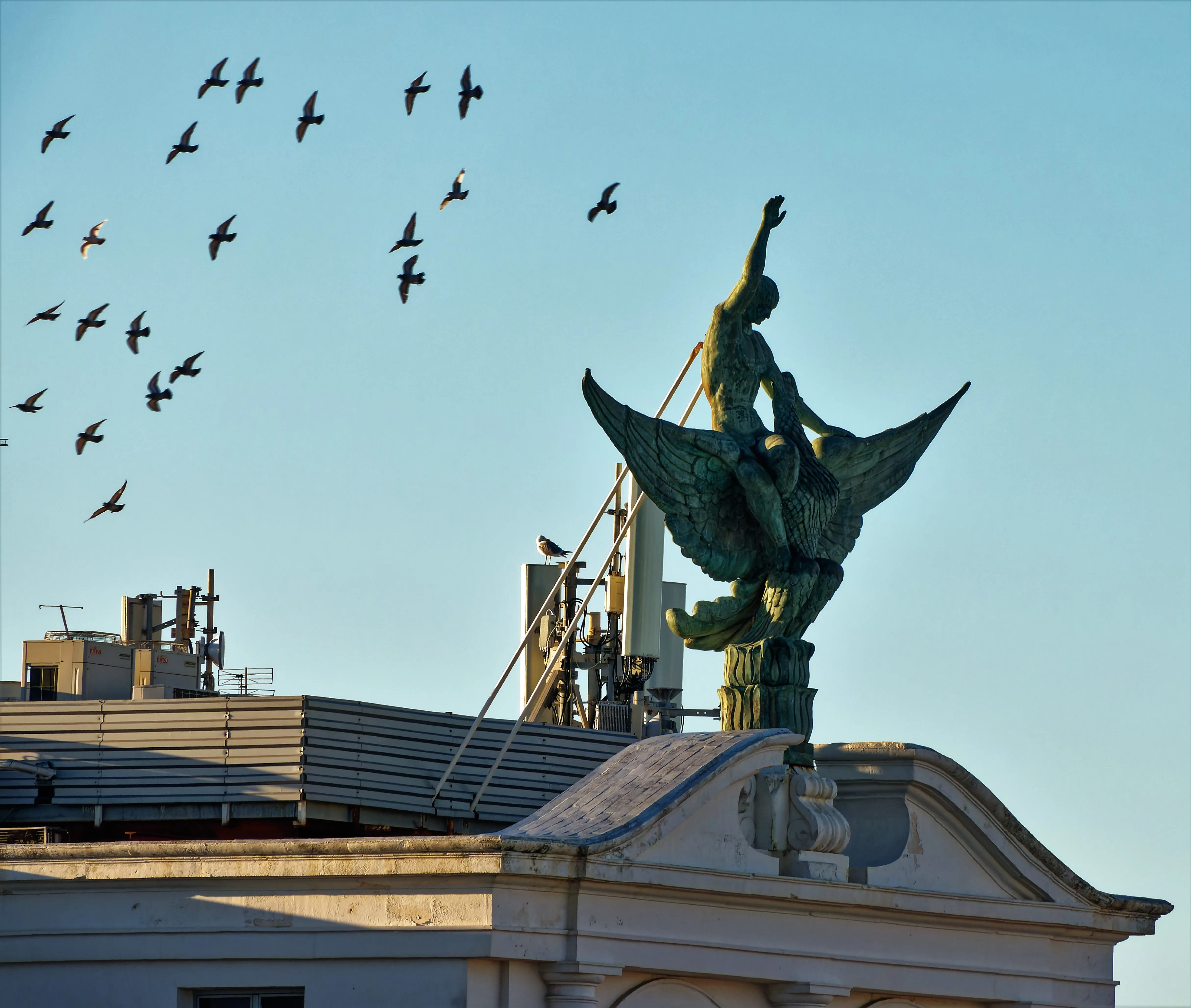
Cádiz
Known as the "Silver Spoon", Cádiz is the oldest city in the West. A starting point for Jacobean routes filled with history, Atlantic light and unique charm.
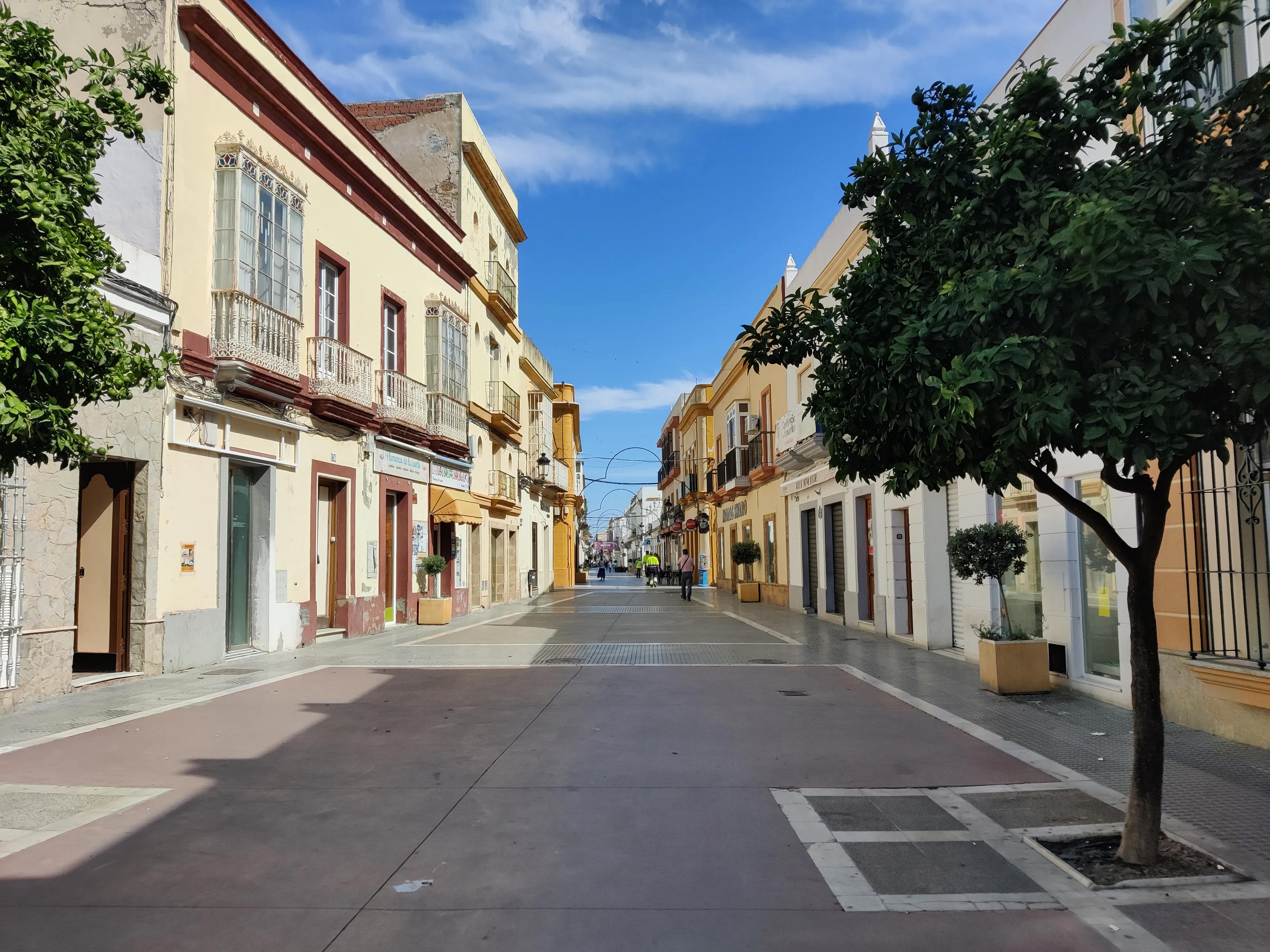
Puerto Real
Marine villa in the heart of Cadiz Bay. A peaceful stage on the Via Augusta, surrounded by the Las Marismas Natural Park, a paradise for birds.
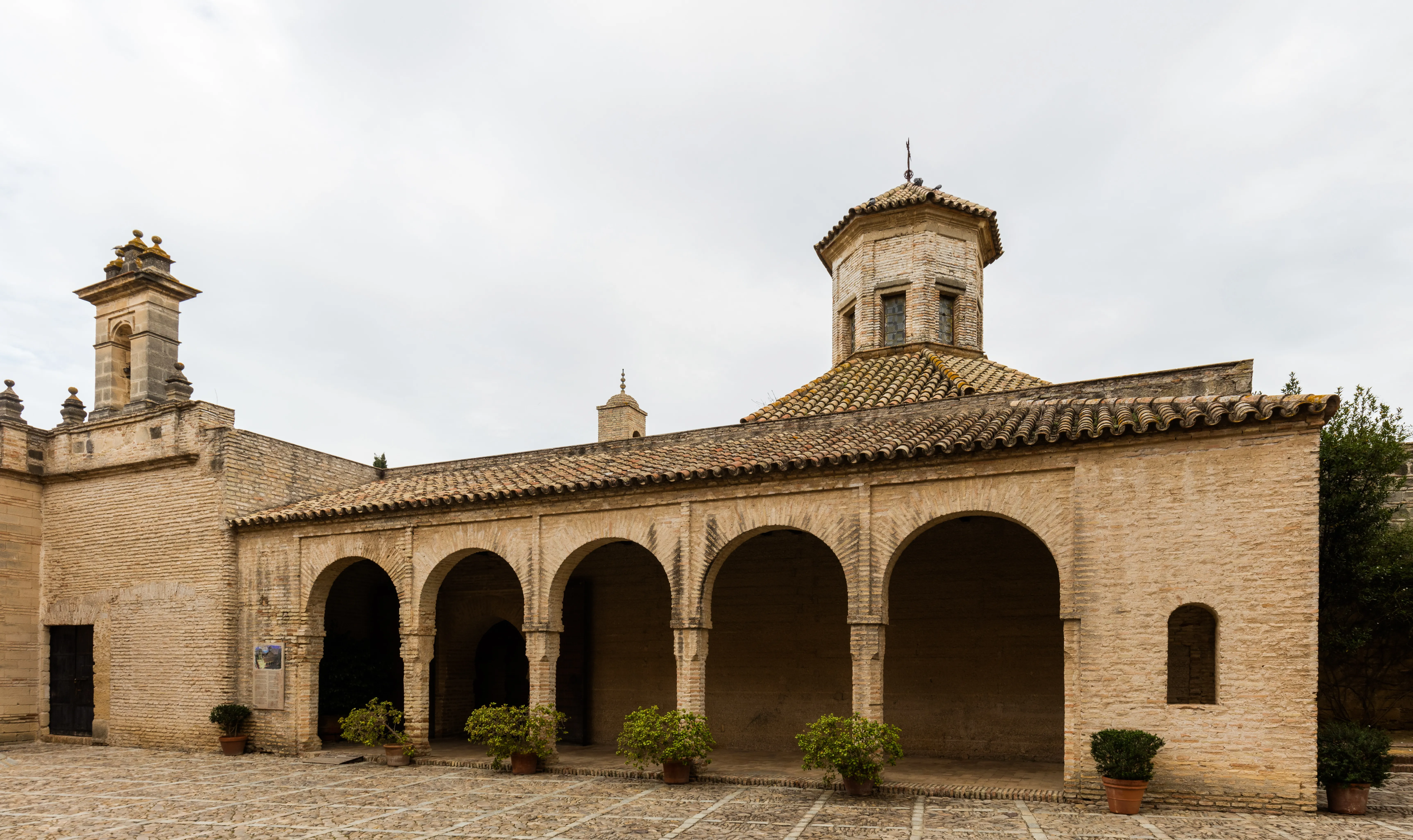
Jerez de la Frontera
Birthplace of flamenco, Sherry wine from Jerez and equestrian art. Jerez de la Frontera is an indispensable cultural detour in Andalusia for pilgrims, offering a full experience rich in art and tradition.
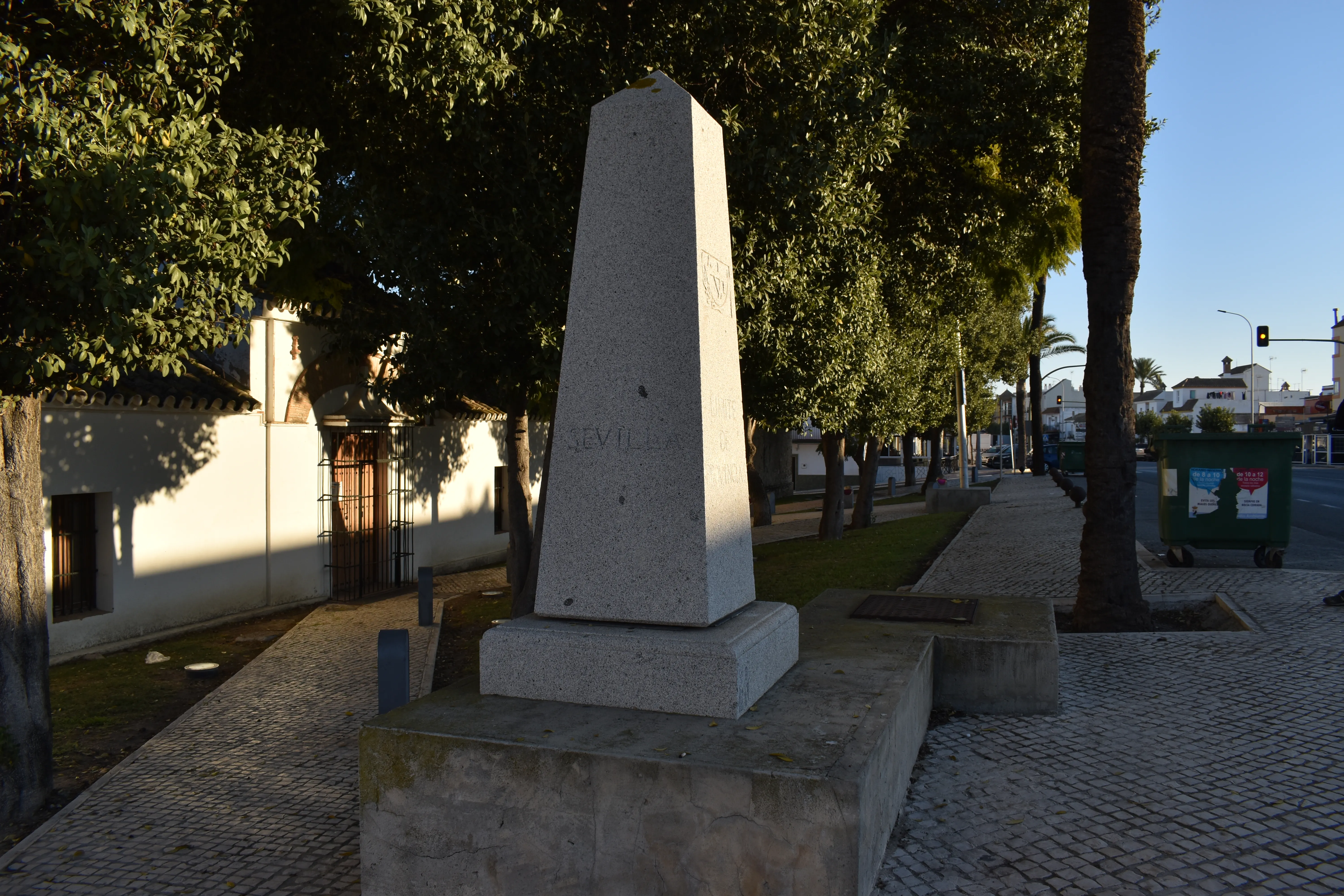
El Cuervo de Sevilla
63 mSeville town in the Lower Guadalquivir region. The Crow is an important crossroads and a functional stop on the Via Augusta, at the border with the province of Cadiz.
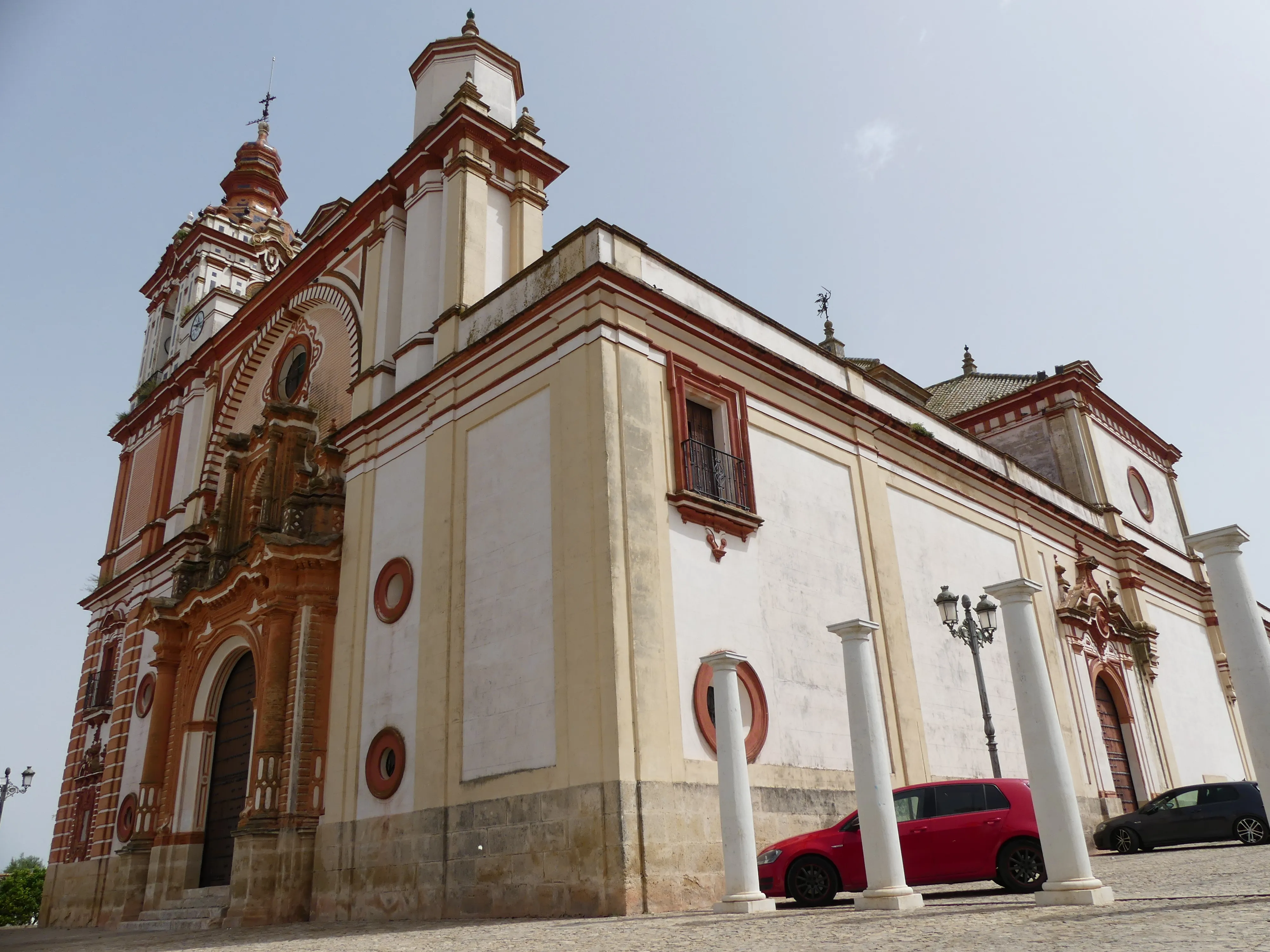
Las Cabezas de San Juan
75 mSeville villa with a rich history. The Cabezas de San Juan, on the Via Augusta, is famous for being the place where the Constitution of 1812 was proclaimed, a milestone in Spanish history.
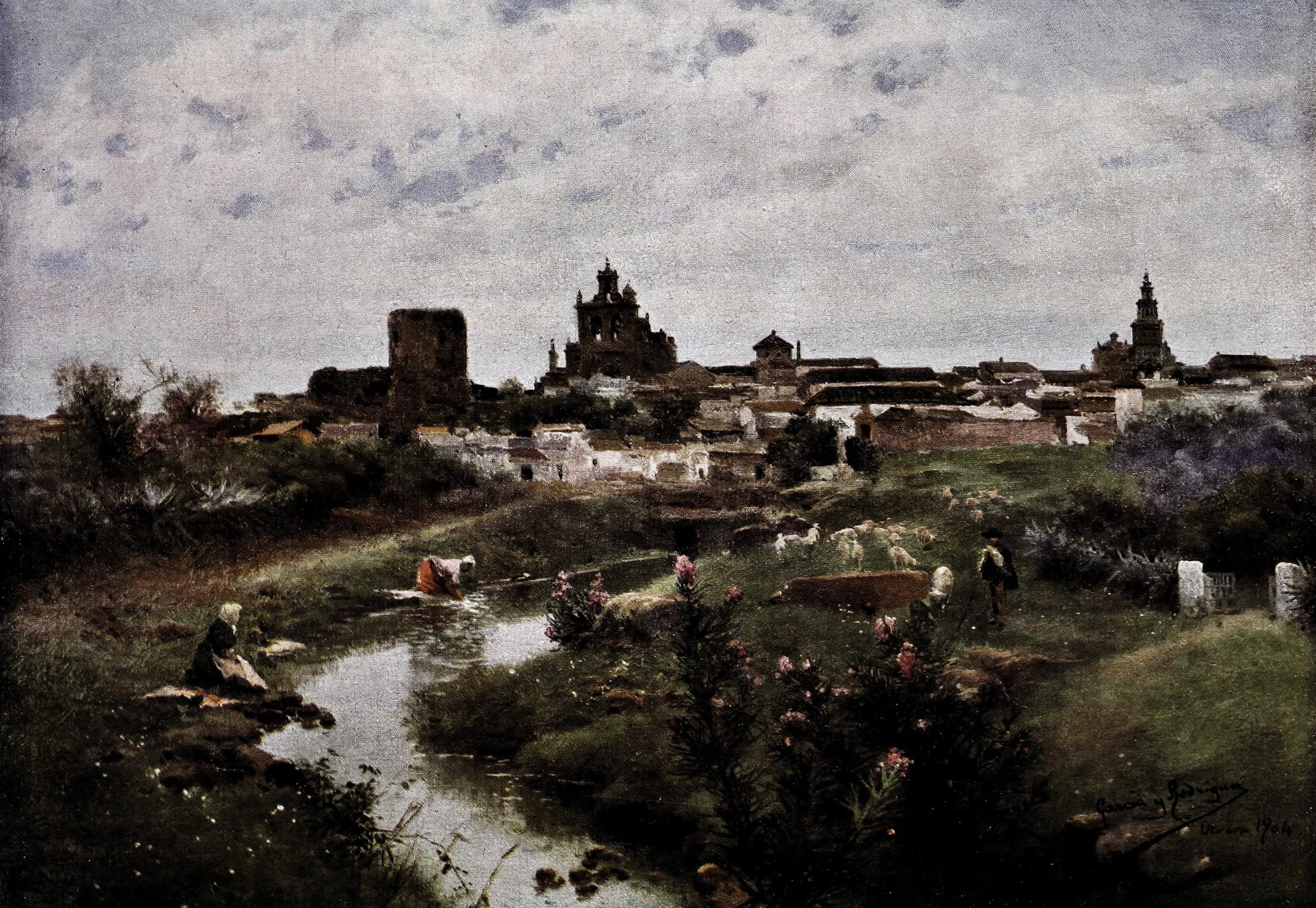
Utrera
Utrera is considered the cradle of flamenco, a Sevillian city with deep cultural roots and significant heritage, an essential point to feel the soul of Andalusia on the Way of St. James.
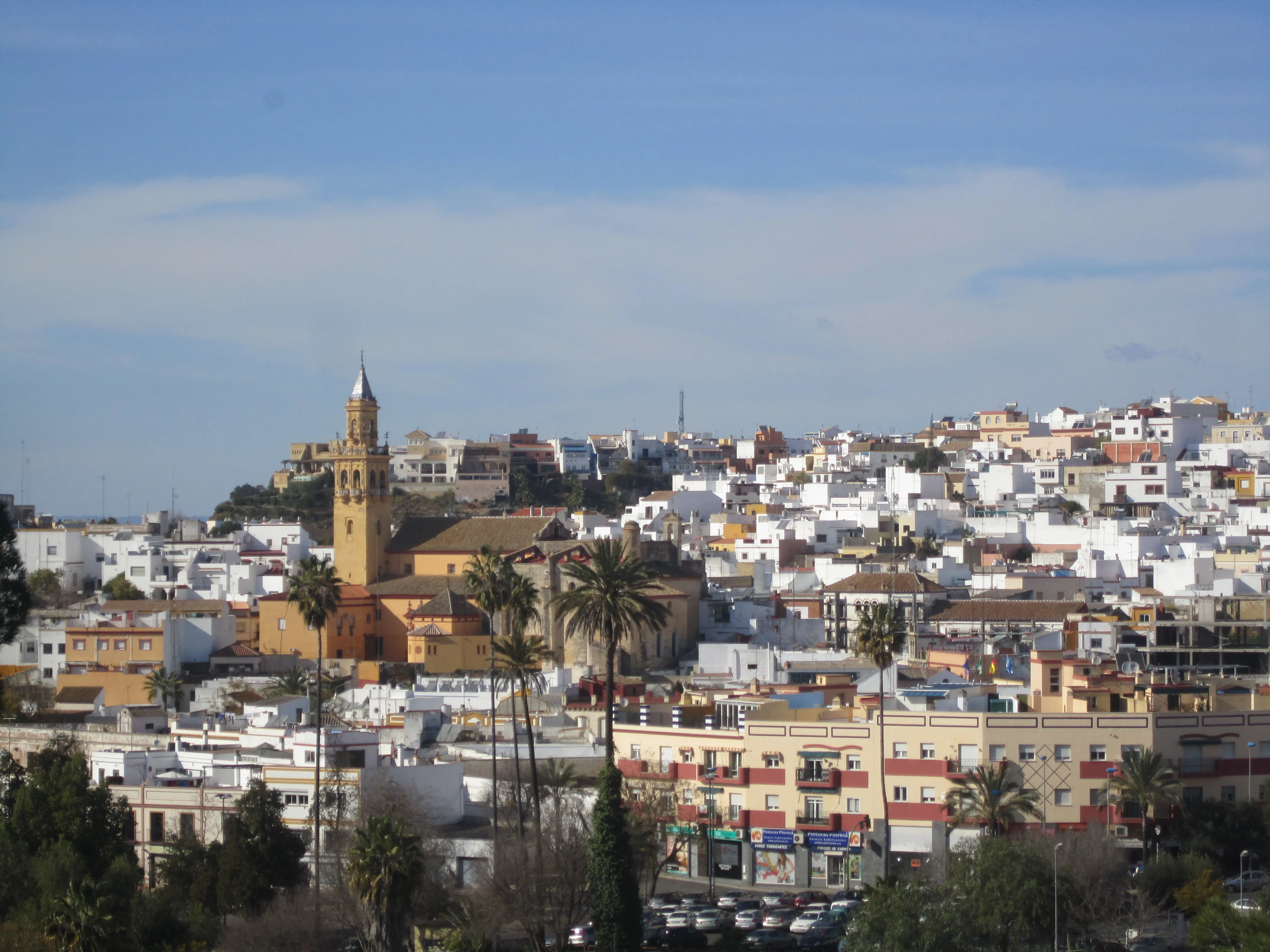
Alcalá de Guadaíra
45 mThe city of mills and bread. Alcalá de Guadaíra, with its imposing medieval castle and its riverbank, is a monumental stop at the gates of Seville on the Via Augusta.
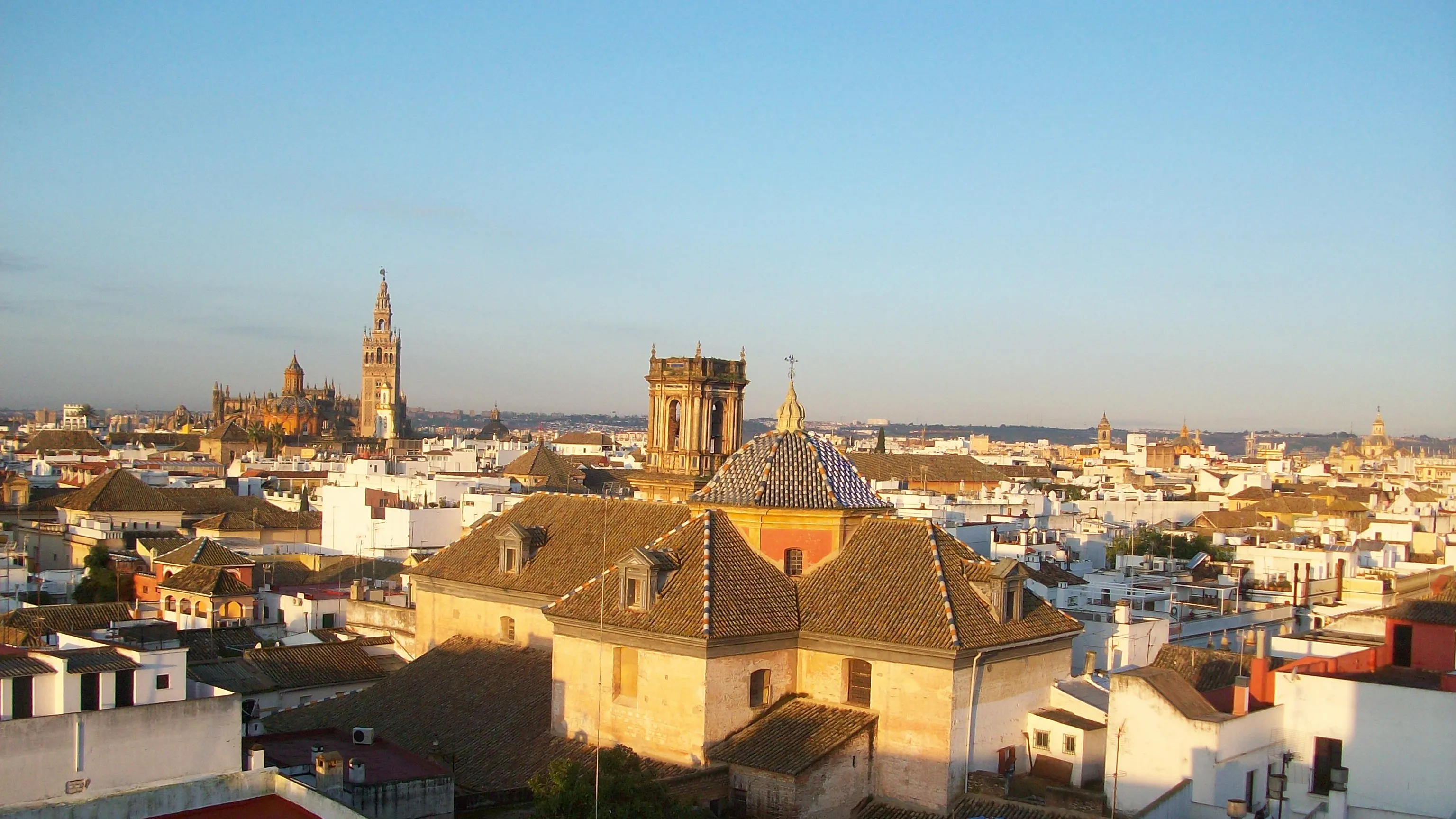
Sevilla
Majestic start of the Silver Way in the heart of Andalusia. Seville, with its Giralda and cathedral, offers the pilgrim a beginning of the route filled with art, history, and light.
History of Via Augusta from Cadiz
The history of this route begins over three thousand years ago, around 1100 BC, when Phoenician sailors founded Gadir on an island in the Guadalquivir's mouth. Later, the Romans turned it into Gades, one of the most prosperous cities in the Empire, famous for its salted fish and dancers. To connect this Atlantic gem with Rome, Roman engineers drew the final section of their great road, the Via Augusta, which ran along the entire Mediterranean coast from the Pyrenees. The route between Gades and Hispalis (Seville) was therefore a major economic, military, and administrative route.
With the arrival of Christianity and the subsequent discovery of St. James' tomb, this perfectly built and maintained road became the natural route for pilgrims in the region. For a resident of Cadiz, Jerez or the bay area, or any traveler arriving at their important port, the Via Augusta was the only logical and safe path to start the journey northwards. The goal of this initial section was to reach the great metropolis of Sevilla, which solidified itself as the official starting point of the Way of the Plata from the Middle Ages.
The modern itinerary aims to recreate the route of the ancient road as far as possible. Part of Cadiz city, "the silver spoon," and crosses the bay, a landscape of salt pans and marshes of great ecological value. Passes through historic villages like Puerto Real, El Puerto de Santa María, and above all, Jerez de la Frontera. Jerez, already in the Middle Ages, was a city of great importance, famous for its wines, which were already exported to all Europe, and for breeding its cartujan horses. Its castle and Gothic churches were an important stopover for pilgrims.
From Jerez, the road enters the countryside, an undulating landscape of fertile lands dedicated to cereal and sunflower cultivation. Passes through localities like Lebrija and Utrera before spotting in the distance the Giralda, the campanile of Sevilla's cathedral. The arrival in Sevilla marked the end of the first stage of the journey. In the Andalusian capital, the pilgrim could rest, replenish supplies, and mentally prepare for the true challenge ahead: the over 700 kilometers of the Way of the Plata to Astorga.
The recovery of the Via Augusta from Cadiz as a formal Jacobean route is an effort by Andalusian associations to give a coherent and deeply meaningful starting point to the Way of the Plata. Offers a relatively flat and low-difficulty journey, ideal for first contact with pilgrimage. Walking this section is to start the journey to Santiago from the same historical confines of Europe, uniting the light of Cadiz with the grandeur of Sevilla as a prelude to the adventure of the Great West Road.
Accommodations on the Route
The Via Augusta from Cadiz has 108 verified accommodations along the entire route.
View Stages & AccommodationsPractical Tips for Via Augusta from Cadiz
Best Season
Spring (April-June) and autumn (September-October) are the best seasons. Pleasant temperatures and fewer crowds than summer.
Physical Preparation
Train by walking progressively in the months before. Start with short distances and increase. Your body will adapt to the rhythm of the Camino.
What to Pack
Light backpack (max 10% of your weight), worn trekking shoes, breathable technical clothing, raincoat, sunscreen and basic first aid kit.
General Tips
Carry the pilgrim credential, stay hydrated, respect your pace, book accommodation in high season and enjoy the journey without rushing.
FAQ about Via Augusta from Cadiz
La Vía Augusta desde Cádiz tiene una longitud total de 170 km, lo que convierte este recorrido en un camino moderado. Este itinerario es ideal para aquellos que buscan combinar historia romana con el Camino de Santiago.
Se estima que un peregrino promedio puede completar la Vía Augusta desde Cádiz en aproximadamente 6 días, aunque este tiempo puede variar dependiendo de la velocidad del caminante y sus preferencias personales.
La época recomendada para realizar la Vía Augusta desde Cádiz es durante las temporadas media, específicamente entre abril y junio o septiembre y octubre. En estas fechas se disfruta de un clima agradable y una menor afluencia de peregrinos.
Los costos del paquete turístico para la Vía Augusta desde Cádiz pueden variar según las fechas de viaje y los servicios incluidos. En Ourway, gestionamos reservas personalizadas que incluyen alojamiento en albergues seleccionados, traslado de equipaje y asesoramiento sobre el recorrido.
Nuestro paquete de reserva para la Vía Augusta desde Cádiz incluye alojamiento en albergues seleccionados, traslado de equipaje entre etapas y asesoramiento personalizado sobre el recorrido. Además, puedes optar por servicios adicionales como tour guiados o seguro médico.
La Vía Augusta desde Cádiz ofrece una experiencia única al combinar historia romana y patrimonio andaluz. A diferencia de los caminos más transitados como el Camino Francés o la Vía de la Plata, este itinerario es menos concurrido pero igualmente emocionante, ofreciendo un viaje cultural profundo.
La elección depende de tus intereses personales. La Vía Augusta desde Cádiz es ideal si buscas una mezcla única de historia romana e influencia jacobea, mientras que la Ruta del Guadiana ofrece un entorno más rural y variado. Considera también las fechas disponibles para cada ruta y tu nivel de interés cultural.
Para realizar la Vía Augusta desde Cádiz, es recomendable tener una credencial peregrina oficial. Esta te permite alojarte en albergues y obtener beneficios como descuentos en algunos lugares sagrados a lo largo del camino.
Ready for this adventure?
Let us organize your pilgrimage. We take care of accommodations, transfers and everything you need.