
Camino de Santiago
Camino Inglés from A Coruña
Shorter variant of the English Way, starting from A Coruña. Suitable for fewer days, although it does not award the Pilgrim's Compostela on its own as it doesn't reach 100km to Santiago.
Organize your Camino Inglés from A CoruñaLast updated: 23/05/2025
The Route
General Description of Camino Inglés from A Coruña
Related Routes
Connections of Camino Inglés from A Coruña
Camino Inglés by Bike
155.2 km
3
Media
The English Way by bike condenses the historic route of pilgrims arriving by sea into 2 or 3 stages. Starting from Ferrol port, the "bicigrino" passes through coastal landscapes, marina villages like Pontedeume and Betanzos, and rural interior Galicia, until joining the Coruña branch in Hospital de Bruma. With an undulating terrain and demanding hills, it's a short but intense route, perfect for a multi-day getaway to obtain the Compostela.
Stages of this variant:
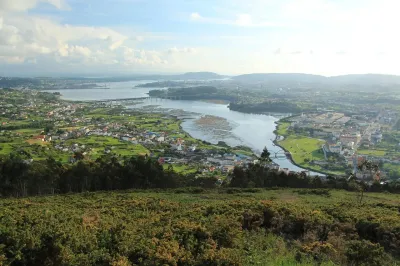
Stage 1: Ferrol to Betanzos (By bike)
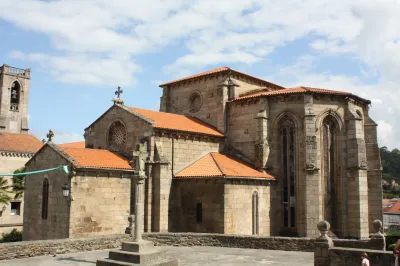
Stage 2: Betanzos to Santiago de Compostela (By bike)
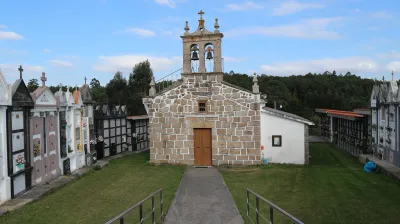
Stage 3: Sergude to Hospital de Bruma
Camino Inglés from Ferrol
119 km
6
Lower
The English Way is the route traditionally followed by northern European pilgrims, especially from the British Isles and Ireland, who arrived by sea to Ferrol and A Coruña ports. From Ferrol, the journey is 119 km, surpassing the minimum required for obtaining the Compostela. Both variants meet at Hospital de Bruma to continue together towards Santiago.
Stages of this variant:
Stage 1: Ferrol to Pontedeume
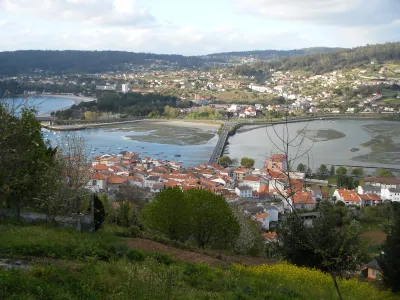
Stage 2: Pontedeume to Betanzos
Stage 3: Betanzos to Bruma
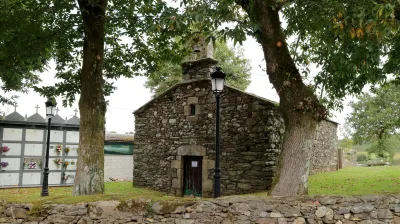
Stage 4: Bruma to Sigüeiro
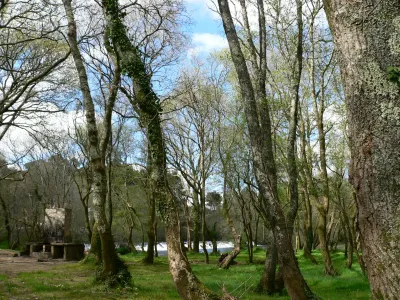
Stage 5: Sigüeiro to Santiago de Compostela
Elevation Profile of
Elevation Profile of Camino Inglés from A Coruña
Visualize the ups and downs of the route.
Loading elevation profile...
Error loading elevation profile or altitude data not available.
Your trip with Ourway
Everything you need for your Camino
No hassle. Your perfect route, from start to finish.
Accommodation
Selected hotels and hostels at every stage
Luggage transfer
Your backpack travels from stage to stage
Camino Guide
Detailed map with directions and services
24h Support
Team available for any unforeseen event
Pilgrim credential
Official documentation included
No commitment
Free personalized consultation
Walk this route with us
Fancy walking this route?
We don't have a ready-made package for this route yet, but we'll organise it around you. Tell us how you'd like to experience it and a specialist will reply within 24 h.
Request your proposalStages
Stages of Camino Inglés from A Coruña
A Coruña → Sergude
The English Way variant from A Coruña begins with an acclimatization stage that takes the pilgrim out of the Hercules city. The route, with a flat profile and an initial urban section, enters the Coru...
Sergude → Hospital de Bruma
This is a short and gentle stage that connects the interior of A Coruña province with the point of convergence of the English Way. The route is an enjoyable stroll through rural Galicia, through a lan...
Hospital de Bruma → Sigüeiro
After the hardness of the previous stage, the path descends gently into the valley of the River Tambre. The route is an enjoyable stroll through rural Galicia. It's a day to enjoy the tranquility of G...
Sigüeiro → Santiago de Compostela
Last stage of the English Way to Santiago, shared by the variants from Ferrol and A Coruña. The approximately 17 km link Sigüeiro with the Praza do Obradoiro passing through the Polígono del Tambre an...
Towns
Featured Towns of Camino Inglés from A Coruña
Explore the key towns and cities of this route.
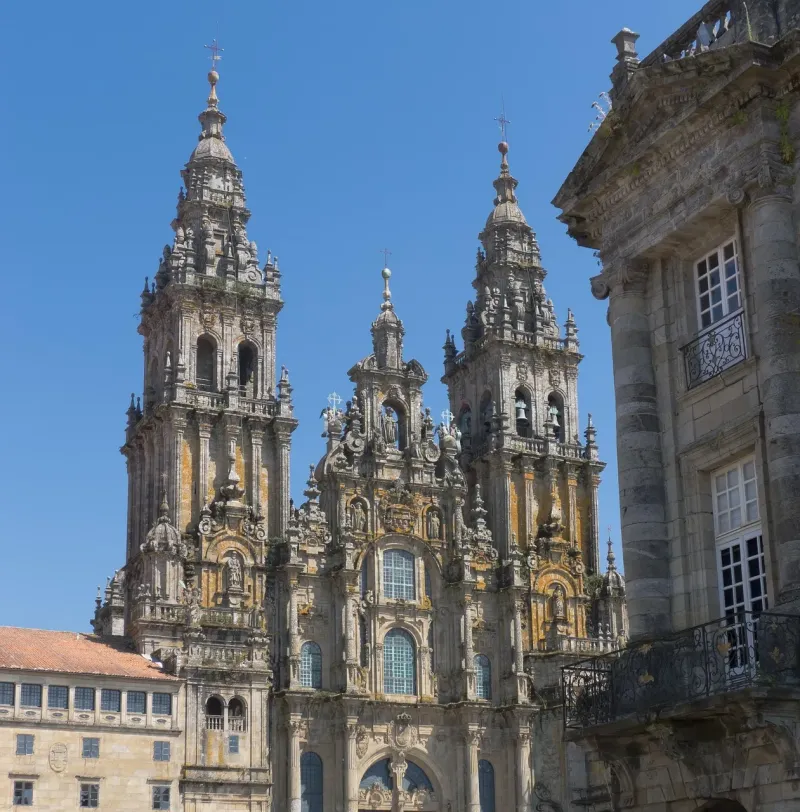
History
Millenary History of the Camino de Santiago: Origins and Evolution Camino Inglés from A Coruña
Discover the origins and evolution of Camino Inglés from A Coruña
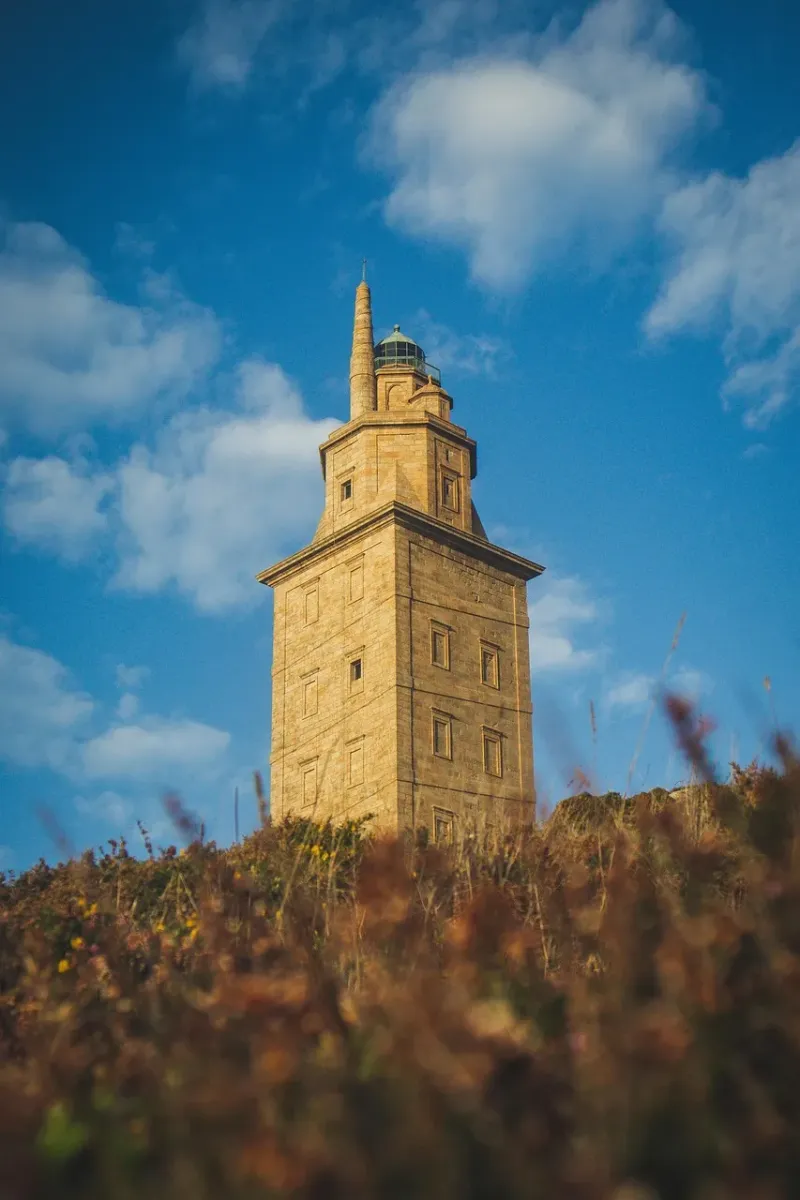
A Coruña, protected by the Tower of Hercules —the oldest Roman lighthouse in the world still in operation— has been one of the most strategic ports on the Atlantic peninsula. During the heyday of maritime pilgrimages in the 14th and 15th centuries, its bay was filled with the silhouettes of "cogs", robust merchant ships adapted for the occasion, which transported hundreds of pilgrims. The choice between disembarking at A Coruña or the more sheltered port of Ferrol depended often on the state of the sea, prevailing winds or commercial interests.
The journey for these pilgrims was long and perilous. After weeks or even months of a grueling sea crossing, disembarking in A Coruña was a moment of immense joy and relief. From there, they were expected to embark on a relatively short walk of about 73 kilometers to Santiago. This brevity was undoubtedly one of its advantages. It allowed them to reach the Apostle's tomb in just two or three days' time, a respite after the hardships of crossing the ocean.
The itinerary begins from A Coruña's historic quarter, St. James Church, and heads southward, leaving the city behind to plunge into Galicia's rural interior landscape. It traverses a terrain of gentle hills, lush eucalyptus forests and small villages on an ancient route network and trails. The landmark feature of this route is the Hospital de Bruma site in Mesía.
As its name suggests, Hospital de Bruma was the location of an important pilgrim hospital founded in 1140 by the Order of St. James. Its placement was not coincidental: it was situated at the exact point where this road from A Coruña converged with the route coming from Ferrol. In Bruma, the two currents of maritime pilgrims merged into a single and more substantial human river to face the final stages together towards Compostela. Today, the pilgrim hostel in Bruma remains a meeting place and a reminder of its significant historical function.
A particularity of this branch in modern times has been the regulation for obtaining the "Compostela". Since its route is under 100 kilometers minimum required, for a long time pilgrims who started only from A Coruña were not eligible to receive the certificate. However, the Church adapted the norm: now pilgrims (especially foreigners) can obtain the Compostela if they certify having walked at least 25 kilometers of a Jacobean route in their country of origin before starting the A Coruña to Santiago leg. This measure has revitalized the route enormously, restoring it its rightful popularity due to its profound historical significance. It is an authentic way to experience the final stage of those brave pilgrims who crossed the sea for their faith.
We answer your questions
Frequently Asked Questions about Camino Inglés from A Coruña
How many kilometers is the English Way from A Coruña?
The English Way from A Coruña measures approximately 73 km in total, which can be comfortably walked in around 3 days. This route is ideal for those seeking a quick but intense experience of the Camino towards Santiago.
What is the best time of year to do the Camino Inglés from A Coruña?
The best period for undertaking the Camino Inglés from A Coruña is during spring (April-June) and autumn (September-October). During these times, you will enjoy pleasant weather, fewer crowds than in summer, and still have no trouble finding accommodation. May is particularly recommended for its perfect temperature and beautiful scenery.
What does the English Way pilgrimage trip from A Coruña include with Ourway Travel?
With Ourway Travel, your journey on the English Way from A Coruña includes luggage transfer between stages, guaranteed accommodation in hostels or rural houses and a comprehensive package that simplifies planning. We also provide you with a pilgrim credential to help obtain the Compostela if you complete additional routes.
Why is the English Way from A Coruña better than other routes to Santiago?
The English Way from A Coruña stands out for its shorter distance and historical concentration, offering an intensive view of the maritime pilgrims' journey. Ideal for those who want to complete the route in fewer days, although it does not grant the Compostela solely due to its 73 km length.
How much does a trip on the Camino Ingles from A Coruña cost with Ourway Travel?
The cost of our itinerary for the Camino Inglés from A Coruña varies depending on the time of year and chosen amenities. Generally, it includes guaranteed accommodation, luggage transfer between stages, and personalized advice to make your journey as comfortable as possible.
Why should I choose the English Way from A Coruña instead of the route from Ferrol?
The English Way starting from A Coruña is an ideal choice for those seeking a shorter and more direct journey to Santiago, with only 73 km of walking. It offers a fascinating historical concentration due to its strategic position as a maritime port during the Middle Ages.
What is the difficulty of the English Way from A Coruña?
The difficulty of the English Way from A Coruña is considered low, with well-maintained paths and minimal challenges in terms of elevation. This route is perfect for beginners or those seeking a peaceful experience without significant physical demands.
How do I book the English Way from A Coruña with Ourway Travel?
To reserve your trip on the English Way starting from A Coruña, simply visit our website and select the corresponding option. Our team of experts is available to advise you on the best dates and assist you with all available options.
Organize Your Camino
Ready for this adventure?
Camino Inglés from A Coruña