
Camino de Santiago
Sea Road
Coastal route that unites Ribadeo and Ferrol, passing through the spectacular and wild north coast of Galicia, from the Lucene Coast to the Artabran Coast.
Organize your Sea RoadLast updated: 21/05/2025
The Route
General Description of Sea Road
The walker will discover the essence of the High Coast, starting with the famous Cathedral Beach in its early stages, passing through charming coastal villages such as San Cibrao, Viveiro or Cedeira. It is an alternative to the Camino del Norte interior, ideal for those seeking a deep connection with the sea, wild nature and unforgettable landscapes.
Related Routes
Connections of Sea Road
Camino Inglés from Ferrol
119 km
6
Lower
The English Way is the route traditionally followed by northern European pilgrims, especially from the British Isles and Ireland, who arrived by sea to Ferrol and A Coruña ports. From Ferrol, the journey is 119 km, surpassing the minimum required for obtaining the Compostela. Both variants meet at Hospital de Bruma to continue together towards Santiago.
Stages of this variant:
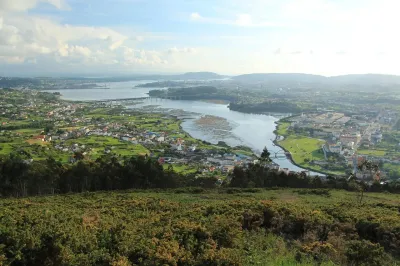
Stage 1: Ferrol to Pontedeume
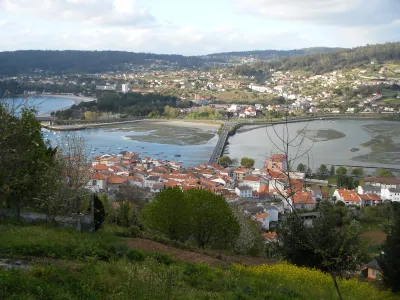
Stage 2: Pontedeume to Betanzos
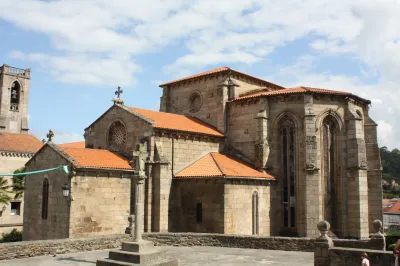
Stage 3: Betanzos to Bruma
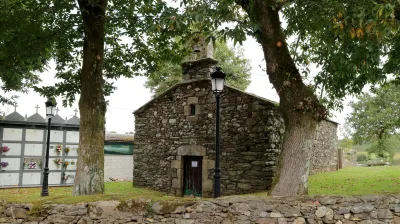
Stage 4: Bruma to Sigüeiro
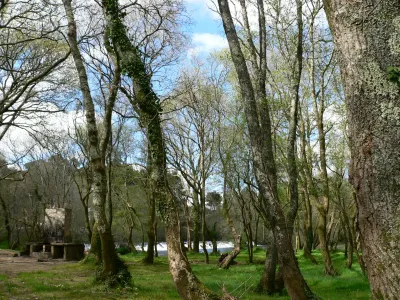
Stage 5: Sigüeiro to Santiago de Compostela
Elevation Profile of
Elevation Profile of Sea Road
Visualize the ups and downs of the route.
Loading elevation profile...
Error loading elevation profile or altitude data not available.
Your trip with Ourway
Everything you need for your Camino
No hassle. Your perfect route, from start to finish.
Accommodation
Selected hotels and hostels at every stage
Luggage transfer
Your backpack travels from stage to stage
Camino Guide
Detailed map with directions and services
24h Support
Team available for any unforeseen event
Pilgrim credential
Official documentation included
No commitment
Free personalized consultation
Walk this route with us
Fancy walking this route?
We don't have a ready-made package for this route yet, but we'll organise it around you. Tell us how you'd like to experience it and a specialist will reply within 24 h.
Request your proposalStages
Stages of Sea Road
Ribadeo → San Cosme de Barreiros
First stage of the Camiño do Mar, the pilgrim route that follows the northern coast of Galicia to Ferrol. It sets out from Ribadeo, a port town on the Eo estuary, the natural border with Asturias, and...
San Cosme de Barreiros → Fazouro
A 17.9-kilometre stage that leaves the coast to follow the old pilgrim way through the interior of Foz. It starts at the stone bridge of A Espiñeira over the river Masma, where the 15th-century chapel...
Fazouro → San Cibrao
A 23.3-kilometre stage of medium difficulty that follows the old Camino Real from Viveiro to Ribadeo through the interior of A Mariña, a short distance from the coast. It leaves from the old bridge of...
San Cibrao → Viveiro
A long and demanding 28.3-kilometre stage leading to Viveiro, one of the most important towns of A Mariña. The route leaves San Cibrao, crosses the municipality of Xove alternating coast and country l...
Viveiro → O Vicedo
A 21.4-kilometre stage along the Lugo coast with a moderate profile. The route leaves Viveiro along its estuary and follows the Cantabrian shoreline on coastal paths and rural lanes, with views of Coe...
O Vicedo → Porto de Espasante
A transition stage between Lugo and A Coruña across the northernmost tip of the Iberian Peninsula. The 17 kilometres leave O Vicedo along the seafront and link the beaches of Castelos and Arealonga to...
Towns
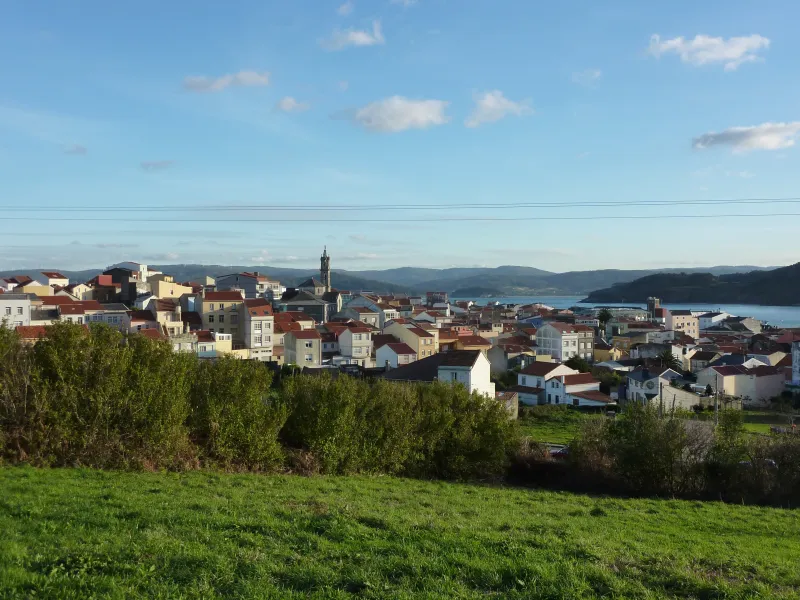
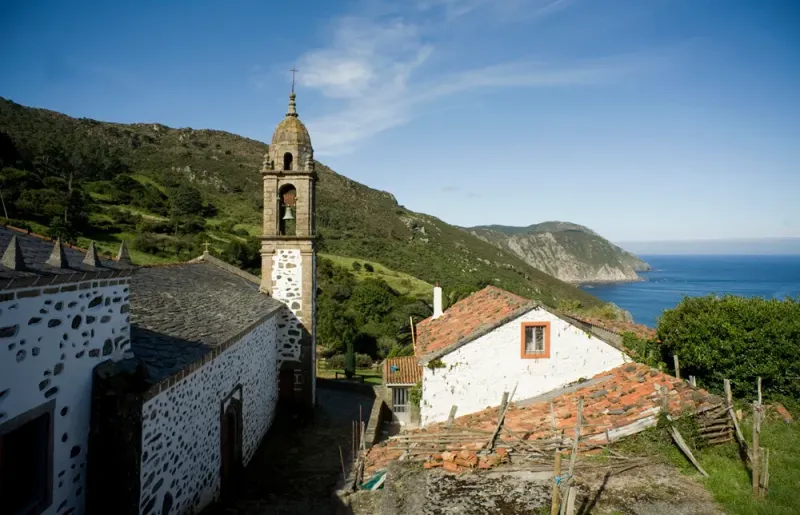
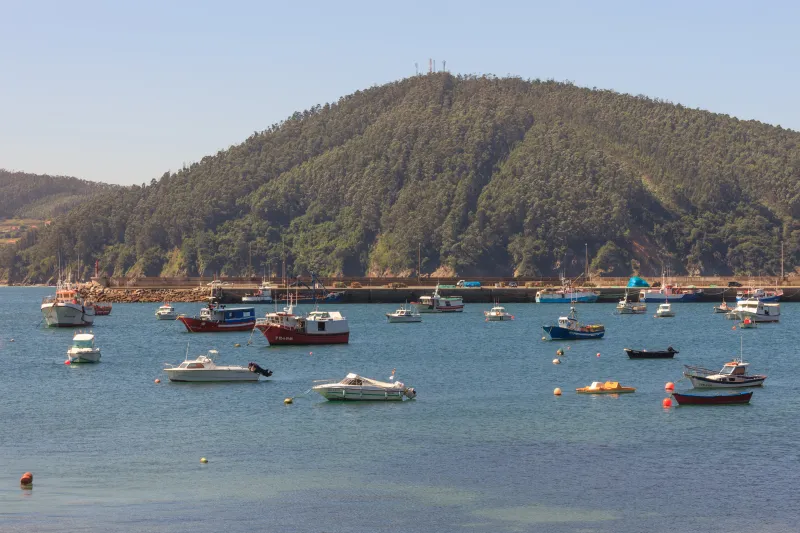
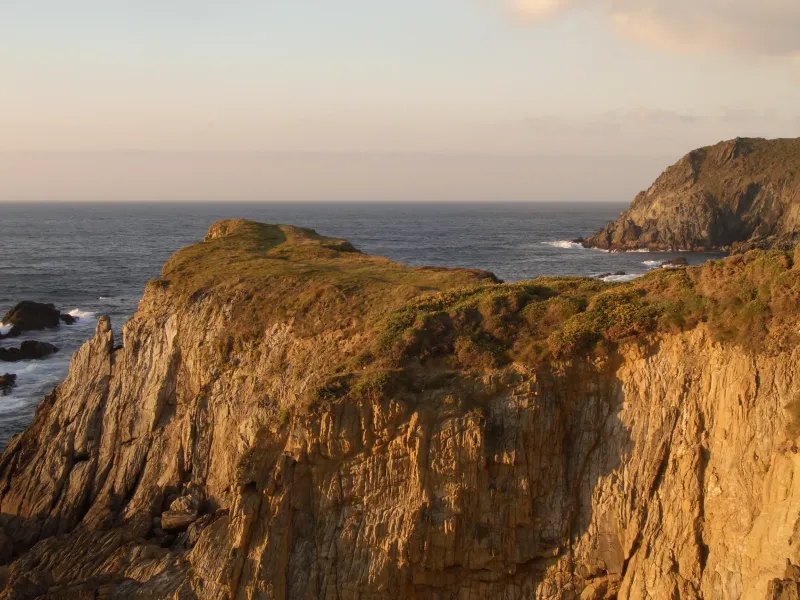
Featured Towns of Sea Road
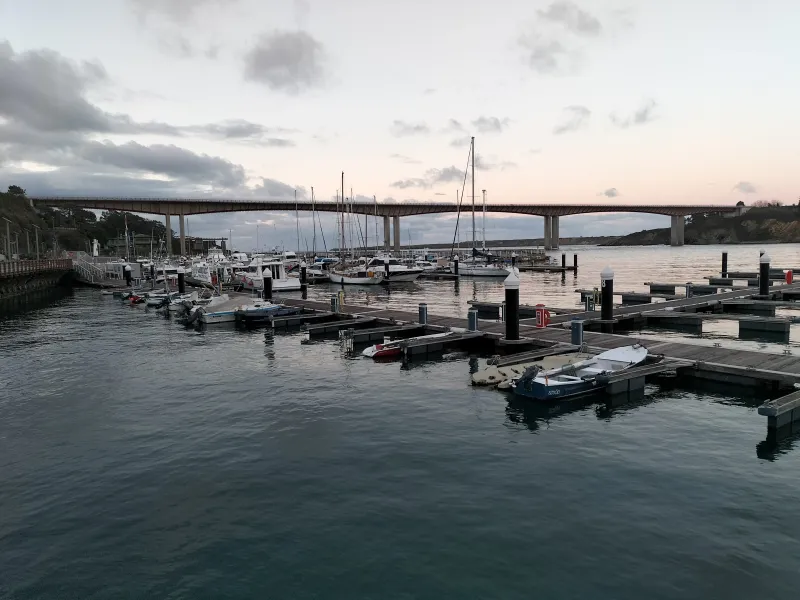
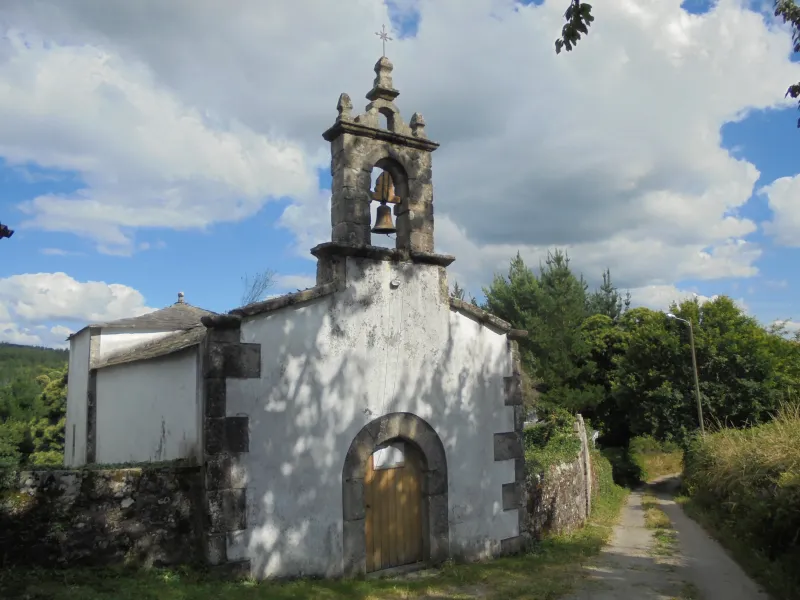
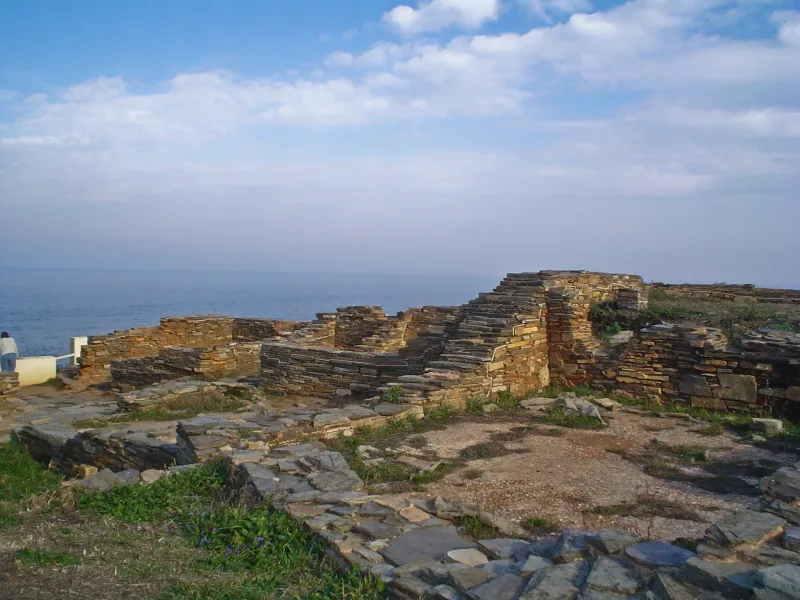
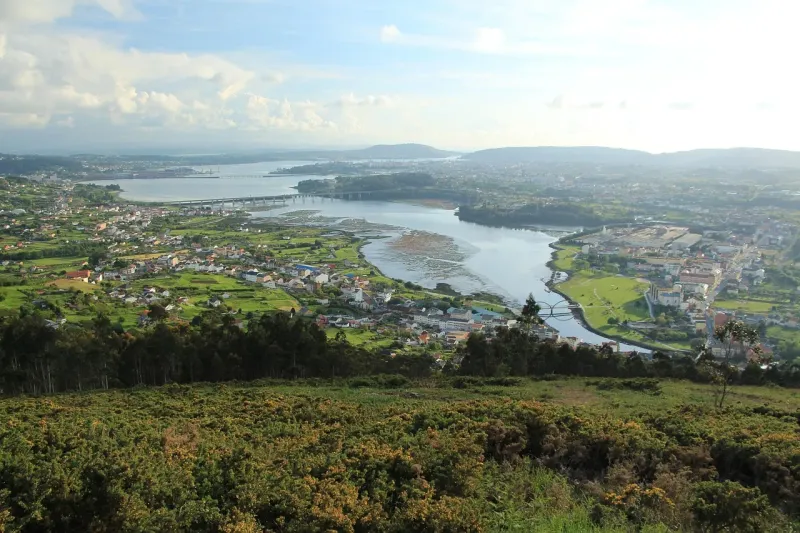
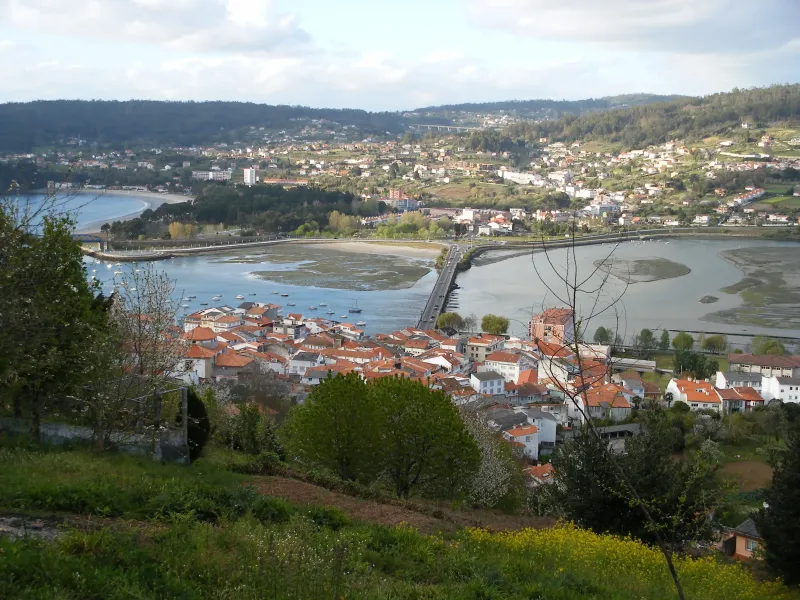
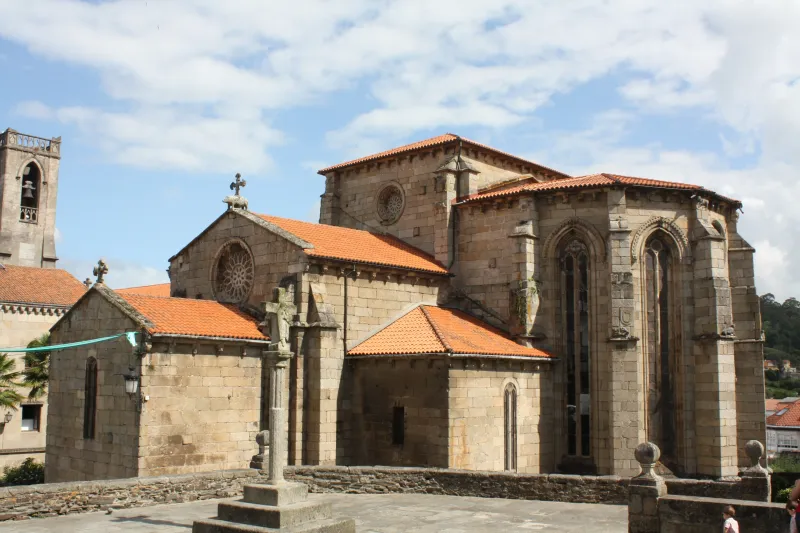
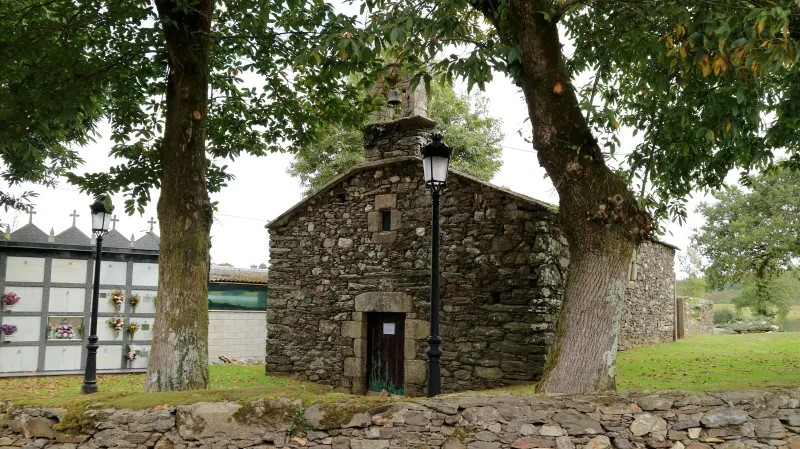
Explore the key towns and cities of this route.
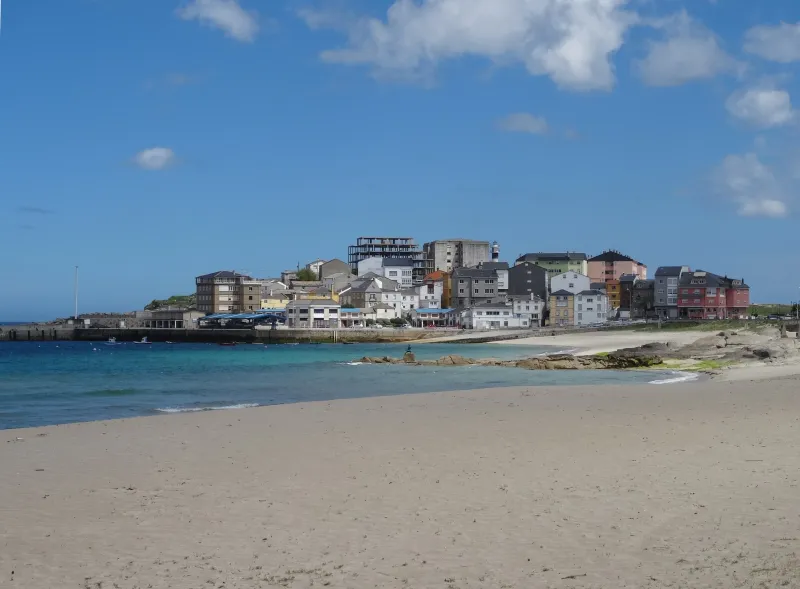
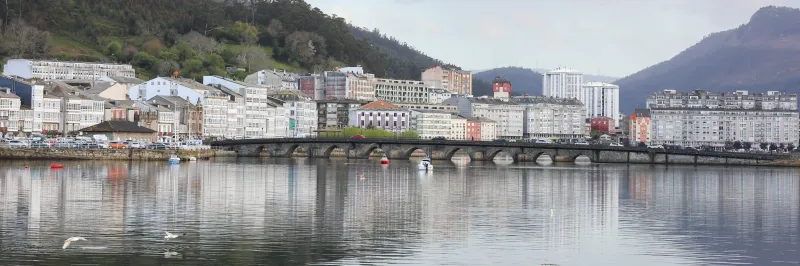
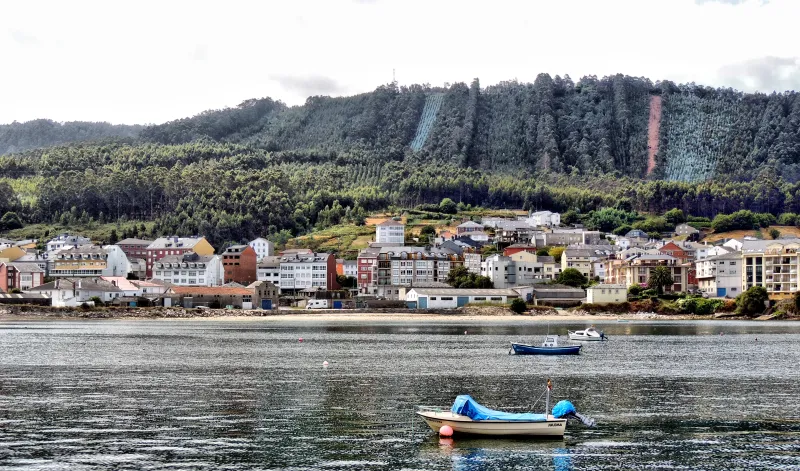
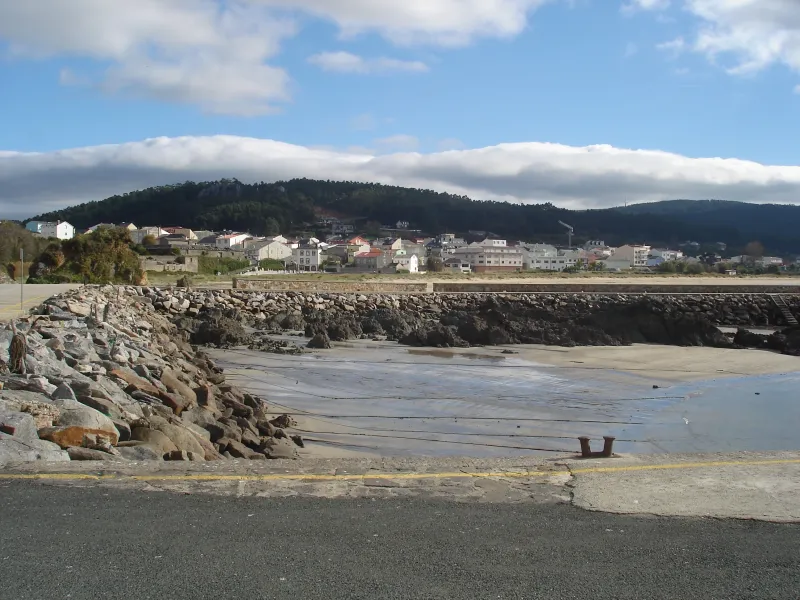
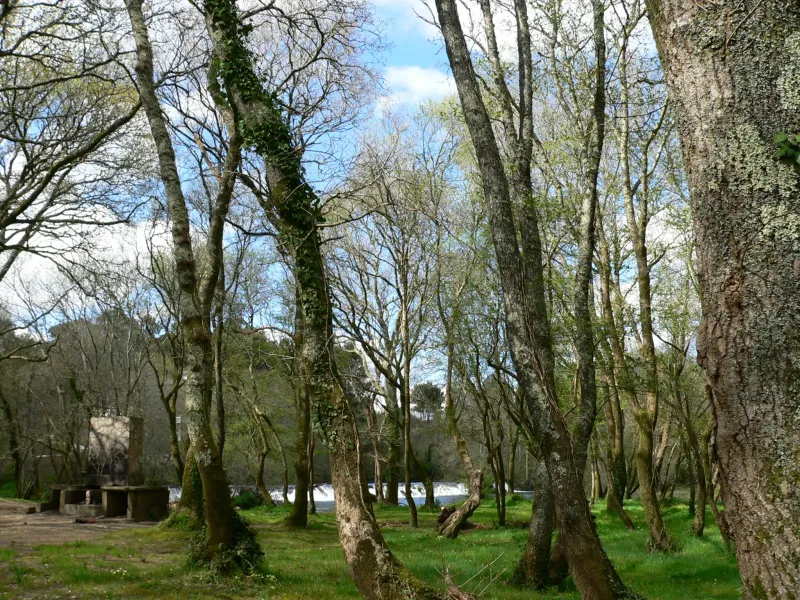
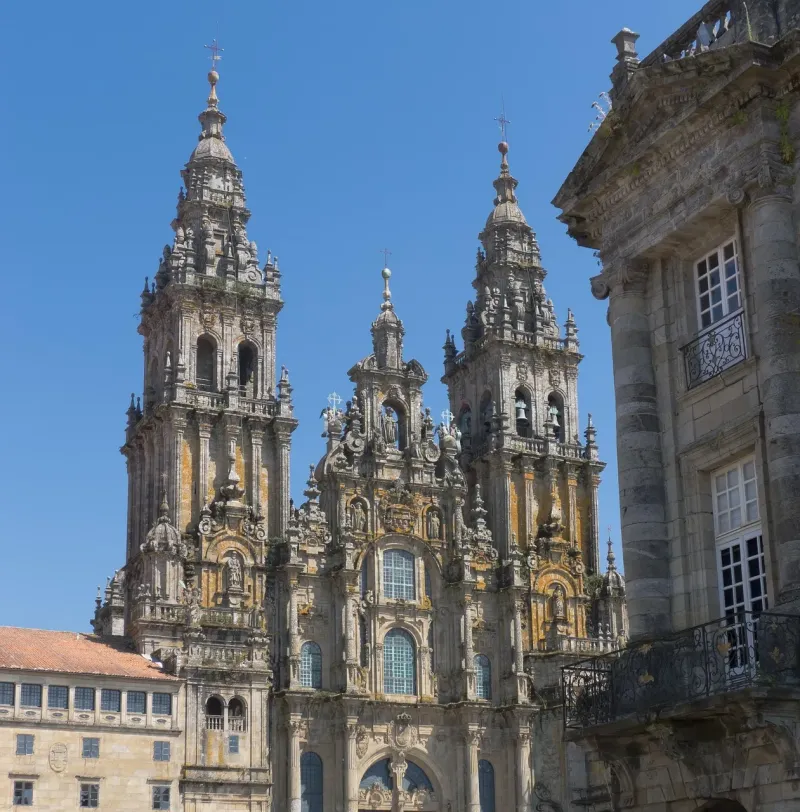
History
Millenary History of the Camino de Santiago: Origins and Evolution Sea Road
Discover the origins and evolution of Sea Road
Traditionally, entering Galicia by Ribadeo, the North Way diverges into the interior in search of the ancient episcopal seat of Mondoñedo. This historical decision had a compelling logic: it avoided an extremely rugged coastline and sought the safety and services of an important city. However, coastal towns like Viveiro, O Vicedo, Ortigueira, or Cedeira always remained connected to each other. Fishermen, merchants, and locals traversed a network of roads that bordered the coast. The modern Way of the Sea recovers and gives coherence to this ancient coastal route.
The Jacobean legitimacy of this route is based on several pillars. First, it is a logical connection between the North Way in Ribadeo and the start of the English Way in Ferrol. Second, the villages it passes through have a deep jacobean tradition, with numerous churches and chapels dedicated to the Apostle, and some of them, like Viveiro, were important ports in medieval times that could accommodate pilgrims arriving by sea.
The third and most singular pillar of its history is the inclusion of one of Galicia's most important and ancestral pilgrimages: the pilgrimage to San Andrés de Teixido. This sanctuary, nestled in a valley that overlooks some of Europe's highest cliffs, is a magical place, imbued with pre-Christian traditions. The popular Galician saying goes: "A San Andrés de Teixido vai de morto quen non foi de vivo" (San Andrés de Teixido goes from death to life who was not born alive), highlighting the importance almost obligatory of this pilgrimage for the Gallegos. The Way of the Sea integrates this ancestral destination naturally into the journey to Santiago, offering the pilgrim an experience of immense spiritual and cultural richness.
The route is demanding. From the famous Playa de las Catedrales in Ribadeo, the path advances westward, facing a broken profile. The most spectacular and difficult tramo is the passage through the Serra da Capelada, between Cedeira and Ortigueira, where the cliffs of Vixía Herbeira are located. The views of the ocean crashing against the rocks are unforgettable. After visiting San Andrés, the path continues along a equally savage coast until reaching Ferrol's ria, where the landscape softens and the pilgrim can prepare to begin the English Way.
The formalization of this route is a recent effort by local communities to show the world a natural and cultural heritage of first order. It is a solitary, windy, and natural path in its purest form, a challenge for experienced pilgrims seeking an alternative to the interior and a deep connection with authentic Galicia.
We answer your questions
Frequently Asked Questions about Sea Road
How long is the Camiño do Mar in kilometers and how many days does it take to complete?
The Camiño do Mar has a total length of 273 km, which generally takes between 10 to 12 days for an average pilgrim to cover. At Ourway Travel, we offer you the option to customize your itinerary according to your needs and pace.
Which is the best time of year to do the Camiño do Mar?
The best period to undertake the Camiño do Mar is from April to June or September to October. During these seasons, you can enjoy a mild climate and moderate rainfall, creating ideal conditions for walking and exploring Galicia's northern coast.
What is the difficulty level of Camiño do Mar?
Camiño do Mar is classified as a medium to high difficulty route due to its topographical conditions, which include steep ascents and descents along the Galician coastline. At Ourway Travel, we provide you with all necessary information to prepare adequately.
How much does it cost to undertake the Camino do Mar with Ourway Travel?
The prices for our tour on the Camino do Mar vary depending on the chosen dates and included services. Generally, our packages are designed to offer a balance between comfort and affordability, ensuring unique experiences that reflect our dedication to the Way of St. James.
What services does Ourway Travel include in its tour of the Camino do Mar?
Our package for the Camino do Mar includes accommodation at selected hotels and rural houses, luggage transfer between stages, personalized assistance during your journey, and a carefully designed itinerary. We also facilitate obtaining pilgrim credentials.
What is the difference between Camiño do Mar and other Jacobean routes such as the French Way or Northern Way?
The Camiño do Mar stands out for its coastal natural beauty, offering a more wild journey through cliffs and pristine beaches. Unlike the popular and urban French Way or the inland Northern Way that follows a more terrestrial route, the Camiño do Mar provides a unique experience in direct contact with the Galician coast.
How can I choose between the English Way of St. James and the Camiño do Mar?
Both routes offer unique experiences, but if you are interested in a more challenging route that allows you to enjoy the Galician coastline with virgin landscapes, then the Camiño do Mar is your ideal choice. At Ourway Travel, you can receive personalized advice to help you make the right decision.
How can I obtain my pilgrim's credential for the Camino do Mar?
At Ourway Travel, we manage the entire process to get your pilgrim's credential. You just need to present yourself at a designated point with your personal data and a plausible reason for starting your journey on the Camino do Mar.
Organize Your Camino
Ready for this adventure?
Sea Road