
Camino de Santiago
Mendocino Coast Trail
The Camino Mendocino connects Guadalajara with the Madrid Route in Manzanares el Real. A short route that recalls the steps of the influential Mendoza family through the Alcarria.
Organize your Mendocino Coast TrailLast updated: 21/05/2024
The Route
General Description of Mendocino Coast Trail
Although it's a short stretch, it allows pilgrims from Guadalajara to connect with a main route towards Santiago. It is an lesser-known trail, ideal for a weekend experience or first contact with pilgrimage.
Related Routes
Connections of Mendocino Coast Trail
Madrid Path
343.3 km
13
High
The Madrid Way offers the possibility of starting the pilgrimage from Spain's capital. With a 343 km journey, this route starts in Madrid and heads north-west, crossing the imposing Sierra de Guadarrama and entering the vast plains of Castile and León. It passes through important cities such as Segovia and Valladolid before joining the French Way in the historic town of Sahagún.
It is a well-signposted path that combines mountain with long stretches across the meseta. It offers an unique view of the interior peninsula, allowing pilgrims from central zone to start their journey to Santiago from home.
Stages of this variant:
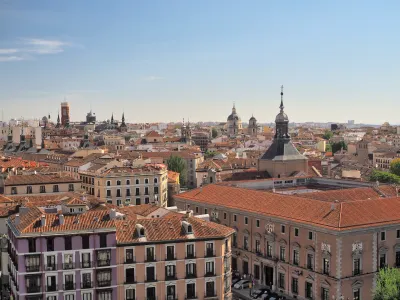
Stage 1: Madrid to Tres Cantos
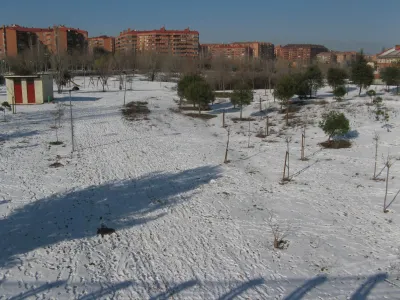
Stage 2: Tres Cantos to Manzanares el Real
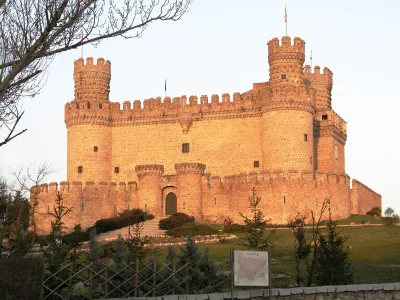
Stage 3: Manzanares el Real to Cercedilla
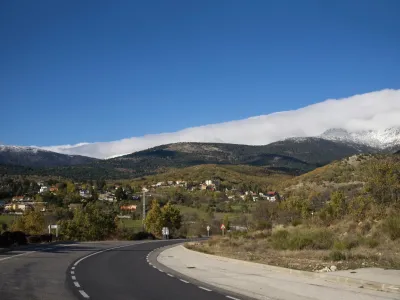
Stage 4: Cercedilla to Segovia
Stage 5: Segovia to Santa María la Real de Nieva
Elevation Profile of
Elevation Profile of Mendocino Coast Trail
Visualize the ups and downs of the route.
Loading elevation profile...
Error loading elevation profile or altitude data not available.
Your trip with Ourway
Everything you need for your Camino
No hassle. Your perfect route, from start to finish.
Accommodation
Selected hotels and hostels at every stage
Luggage transfer
Your backpack travels from stage to stage
Camino Guide
Detailed map with directions and services
24h Support
Team available for any unforeseen event
Pilgrim credential
Official documentation included
No commitment
Free personalized consultation
Stages
Stages of Mendocino Coast Trail
Torrelaguna → Guadalix de la Sierra
Stage description not available.
Guadalix de la Sierra → Manzanares el Real
Stage description not available.
Towns
Featured Towns of Mendocino Coast Trail
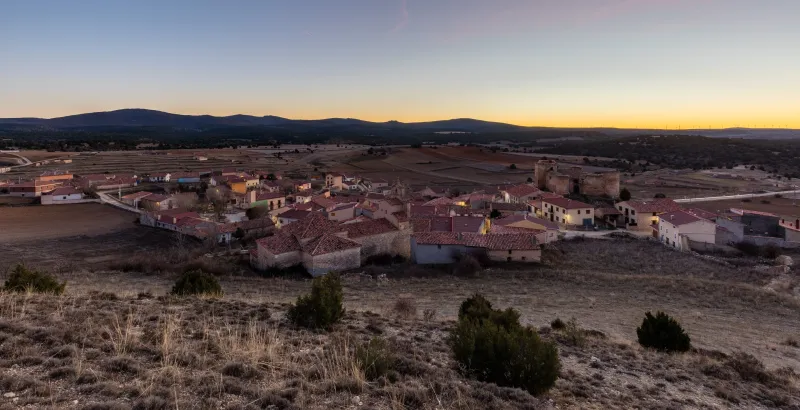
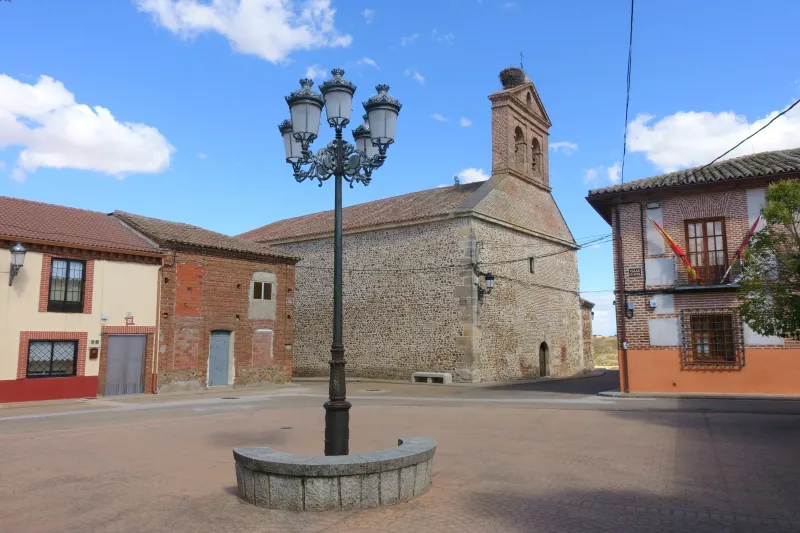
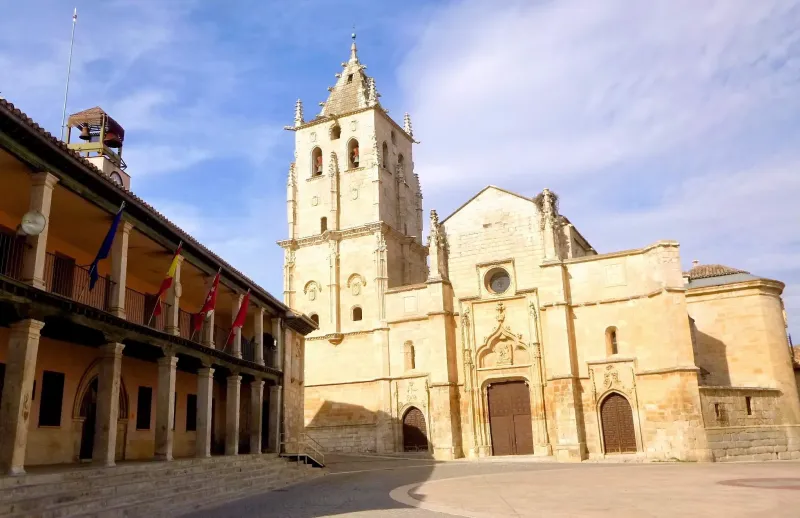
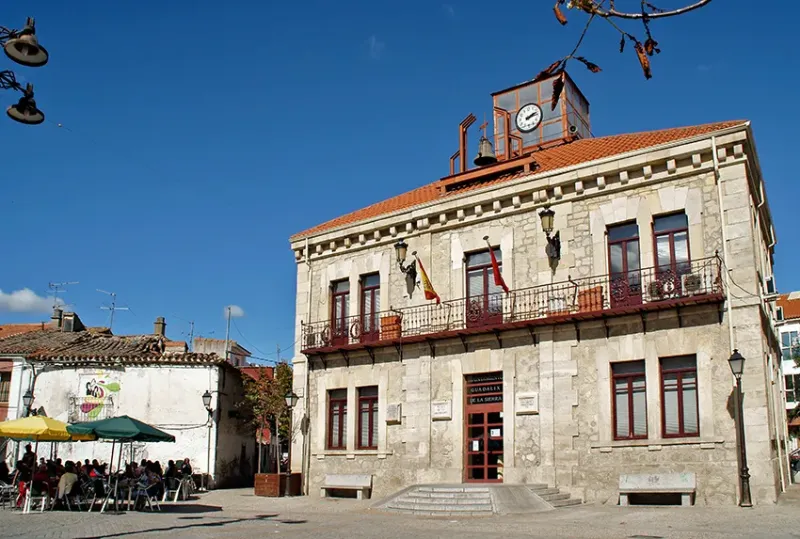
Explore the key towns and cities of this route.
History
Millenary History of the Camino de Santiago: Origins and Evolution Mendocino Coast Trail
Discover the origins and evolution of Mendocino Coast Trail
The history of this route is therefore the history of the family that gave it its name. The Mendozas, originating from Álava, established themselves in Castile and began a spectacular rise to power that lasted over three hundred years. They were men of arms, politicians, patrons, and clergy who played a leading role in the court of Castile. Figures such as Don Íñigo López de Mendoza, the Marqués of Santillana, stood out not only as military strategists but also as great poets and humanists of the 15th century. Later, Cardinal Pedro González de Mendoza became a key figure during the reign of the Catholic Kings, earning him the nickname "the third king of Spain" for his immense power and influence.
The legacy of the Mendozas was also architectural. They were major builders and promoters of a style that fused Gothic Isabeline with early Italian Renaissance influences. The Camino Mendocino has been designed intelligently to allow the pilgrim to follow the footprints of this monumental legacy. The starting point is the city of Guadalajara, where the family built their magnificent residence, the Palacio del Infantado, a jewel of Gothic Isabeline architecture. From there, the path heads northwest, passing through villages and castles that were under their dominion, such as Torija or Jadraque.
Although the itinerary is new in the form of "Camino de Santiago", the paths used are ancestral. The route takes advantage of the path of ancient real roads, rural tracks, and peasant paths that have connected these towns for centuries. The pilgrim walks on the same land that pastures, horsemen, and armies trod upon generations ago, traversing the undulating landscapes of Alcarria, famous for their honey and lavender, and the foothills of the Sierra de Guadarrama.
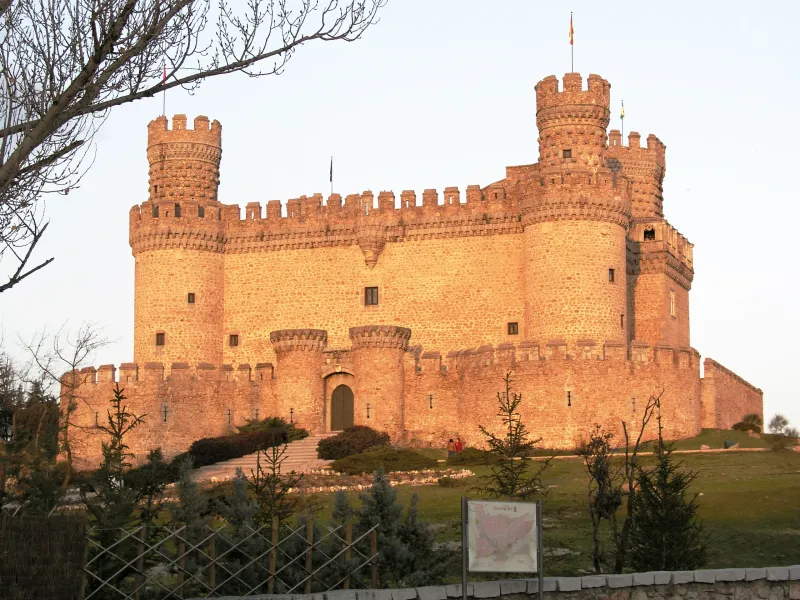
The final destination of the Camino Mendocino is the Madrid locality of Manzanares el Real. Here, the pilgrim meets the jewel of the Mendozas' patrimonial legacy: the Castillo Nuevo de los Mendoza, one of Spain's best-conserved fortresses-palaces. It is in Manzanares where this historical route fulfills its practical function, linking directly with the Camino de Madrid path. From this point on, the Guadalajara pilgrim joins a consolidated Jacobean route to continue their journey northwards, in search of the Camino Francés.
In conclusion, the Camino Mendocino is a perfect example of the vitality of the Jacobean phenomenon in the present day. It is a route that, without having an ancient medieval origin, creates a new and coherent narrative, inviting the walker to embark on a double journey: one physical towards Santiago, and another cultural, through the splendor and history of one of the families who forged Renaissance Spain.
Organize Your Camino
Ready for this adventure?
Mendocino Coast Trail
Walk this route with us
Fancy walking this route?
We don't have a ready-made package for this route yet, but we'll organise it around you. Tell us how you'd like to experience it and a specialist will reply within 24 h.
Request your proposal