
Camino de Santiago
Madrid Path
Start your pilgrimage from the heart of Spain. The Madrid Way crosses the Guadarrama Mountains and the Castilian tableland to join the French Way in Sahagún (León).
Organize your Madrid PathLast updated: 21/05/2024
The Route
General Description of Madrid Path
It is a well-signposted path that combines mountain with long stretches across the meseta. It offers an unique view of the interior peninsula, allowing pilgrims from central zone to start their journey to Santiago from home.
Related Routes
Connections of Madrid Path
Mendocino Coast Trail
79 km
4
Lower
The Camino Mendocino is a 79 km Jacobean connection route that connects Guadalajara with Manzanares el Real (Madrid), where it links up with the Madrid Route. Its name pays tribute to the influential Mendoza family, who played a significant role in the history of these lands. It traverses landscapes of Alcarria and the foothills of the Sierra de Guadarrama.
Although it's a short stretch, it allows pilgrims from Guadalajara to connect with a main route towards Santiago. It is an lesser-known trail, ideal for a weekend experience or first contact with pilgrimage.
Stages of this variant:

Stage 1: Guadalajara to Viñuelas
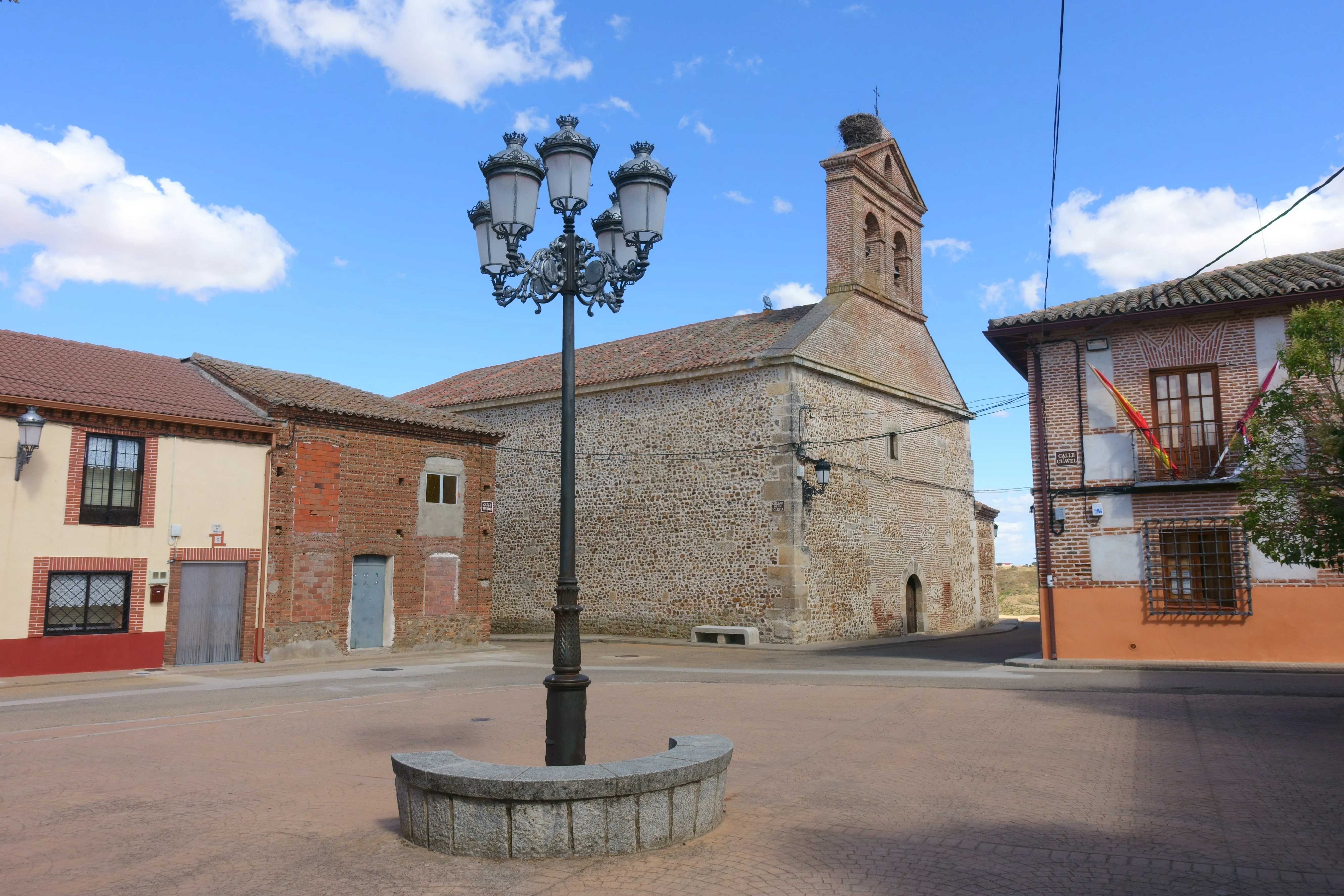
Stage 2: Vineyards near Torrelaguna
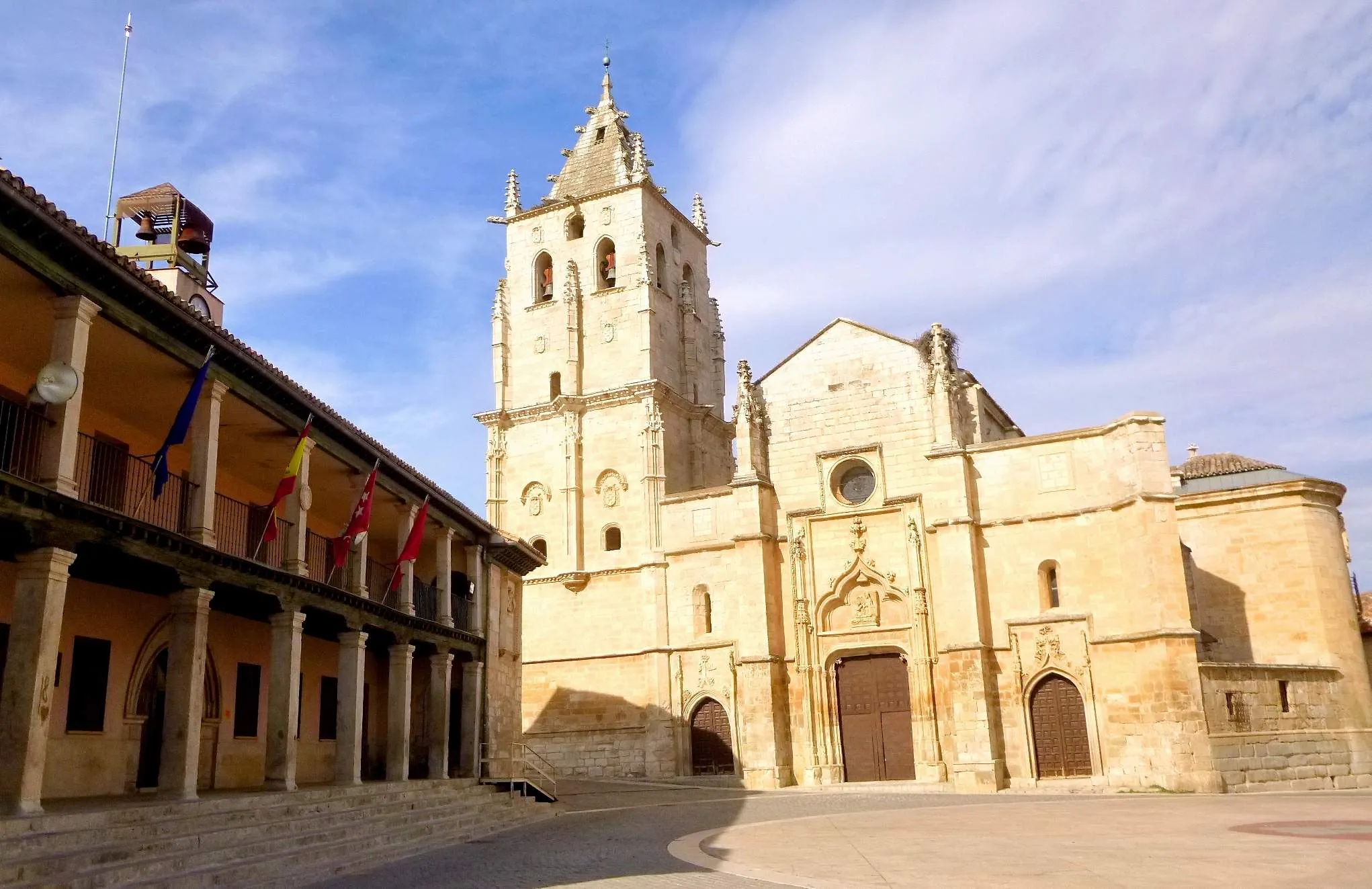
Stage 3: Torrelaguna to Guadalix of the Sierra
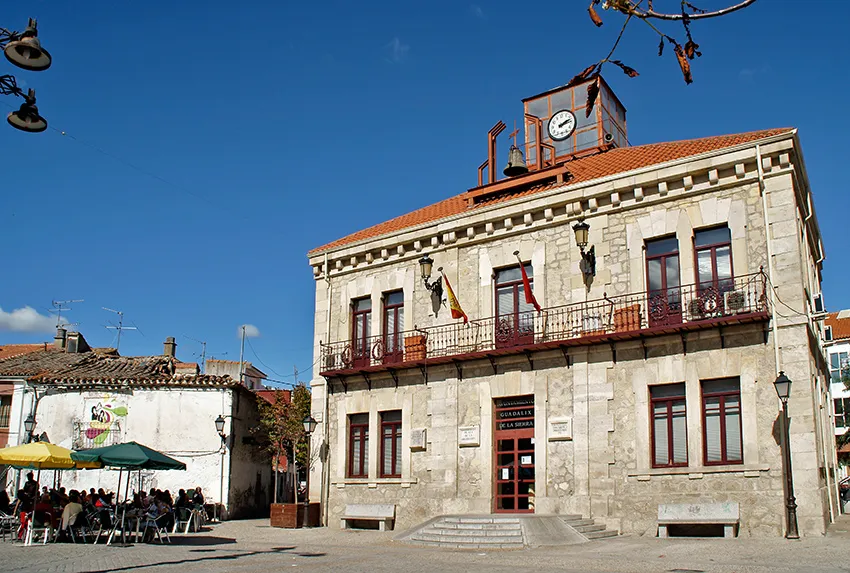
Stage 4: Guadalix of the Sierra to Manzanares el Real
The French Way
779 km
33
Media
The Camino Francés is the pilgrimage route to Santiago de Compostela of excellence, chosen by thousands of pilgrims every year. With a journey of approximately 780 km from Saint-Jean-Pied-de-Port or less from Roncesvalles, it traverses northern Spain. This path, declared a World Heritage Site by UNESCO, offers exceptional infrastructure for services and hostels.
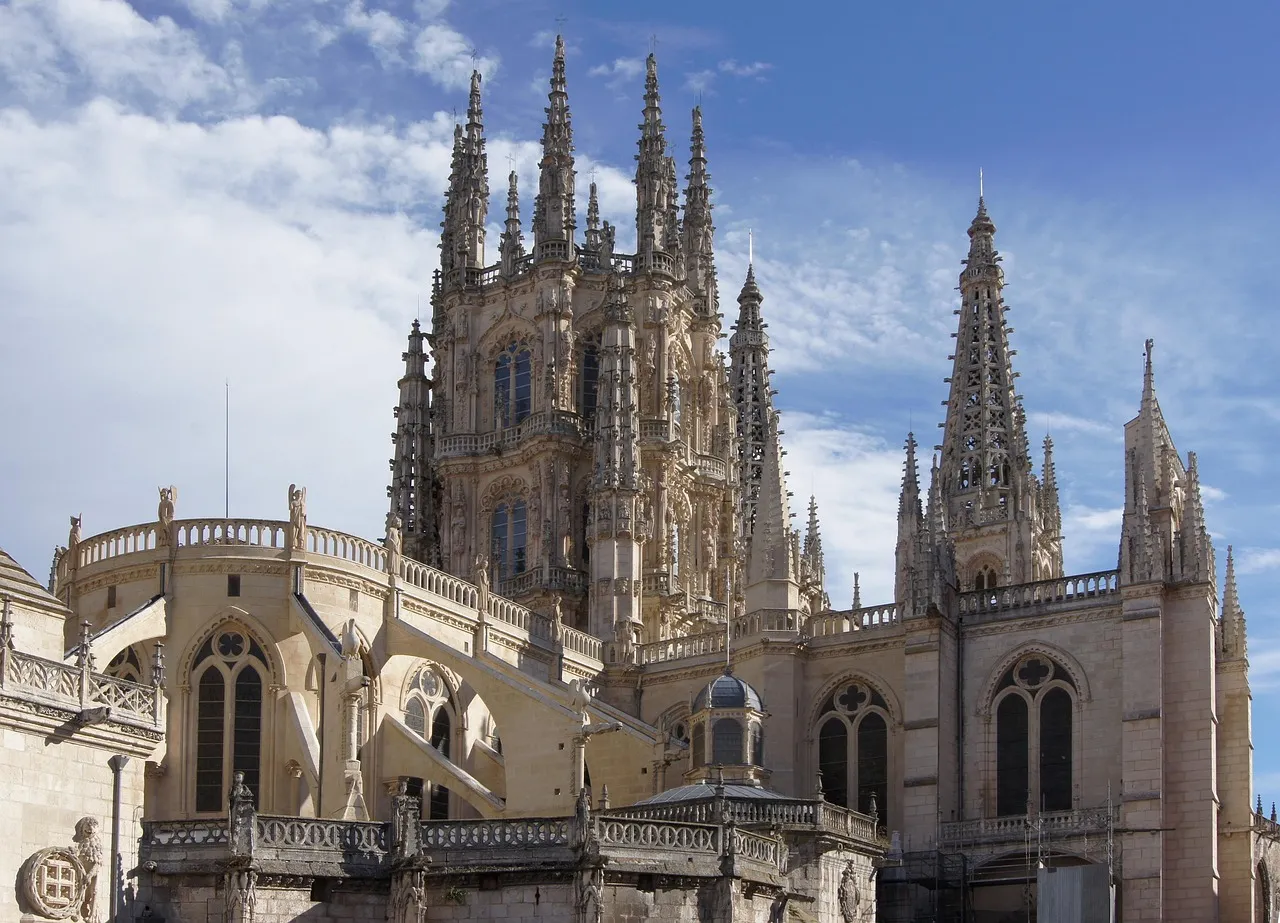
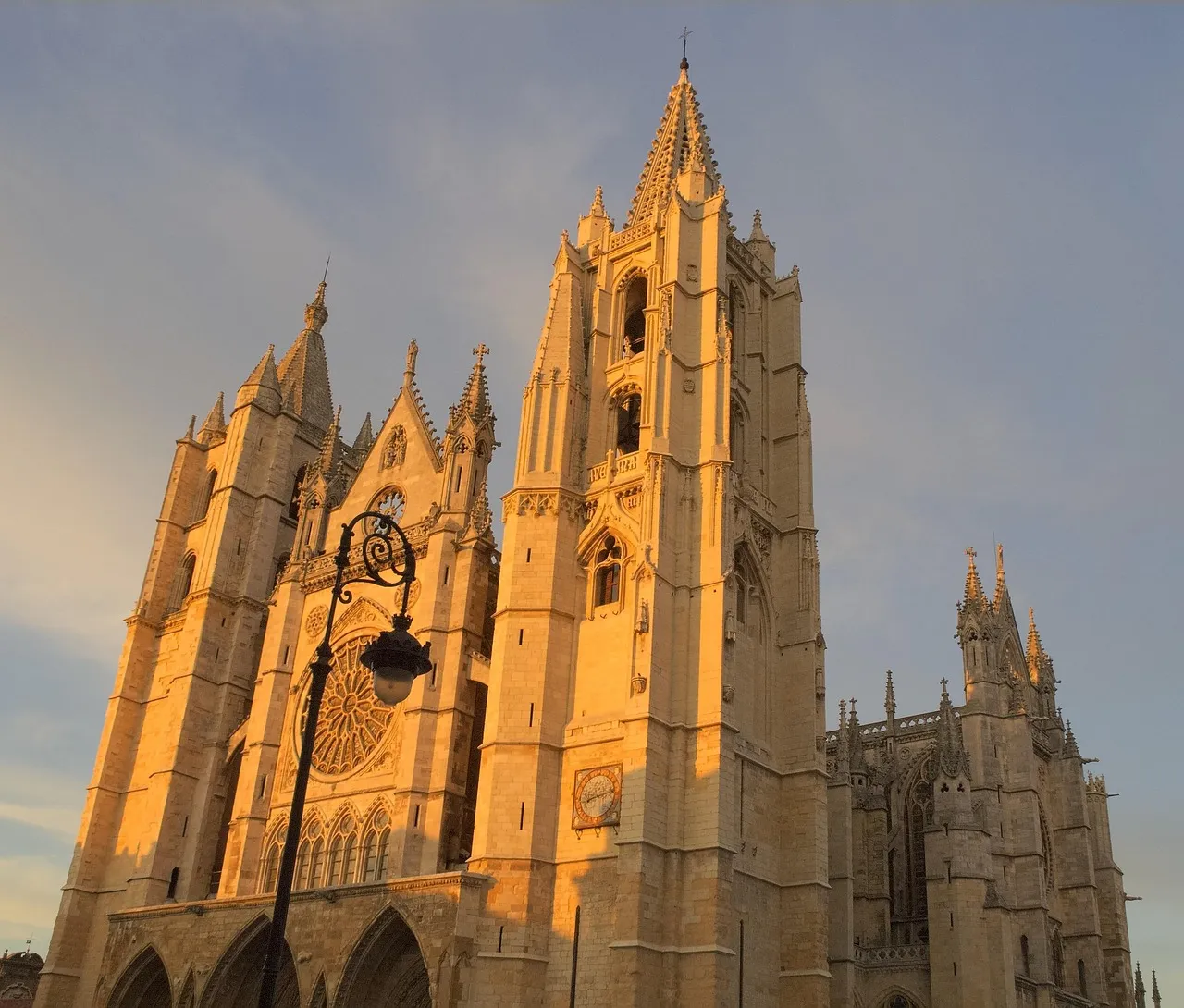
Pilgrims traverse Navarra, La Rioja, Castile and León, and finally Galicia, marveling at monumental cities such as Pamplona, Burgos, and León, and charming villages. The diversity of its landscapes is one of its greatest attractions, from the Pyrenees and the Castilian plains to the green forests of Galicia. It's a physical and spiritual journey that leaves an indelible mark, ideal for both experienced pilgrims and those starting out on the Camino de Santiago.
Stages of this variant:
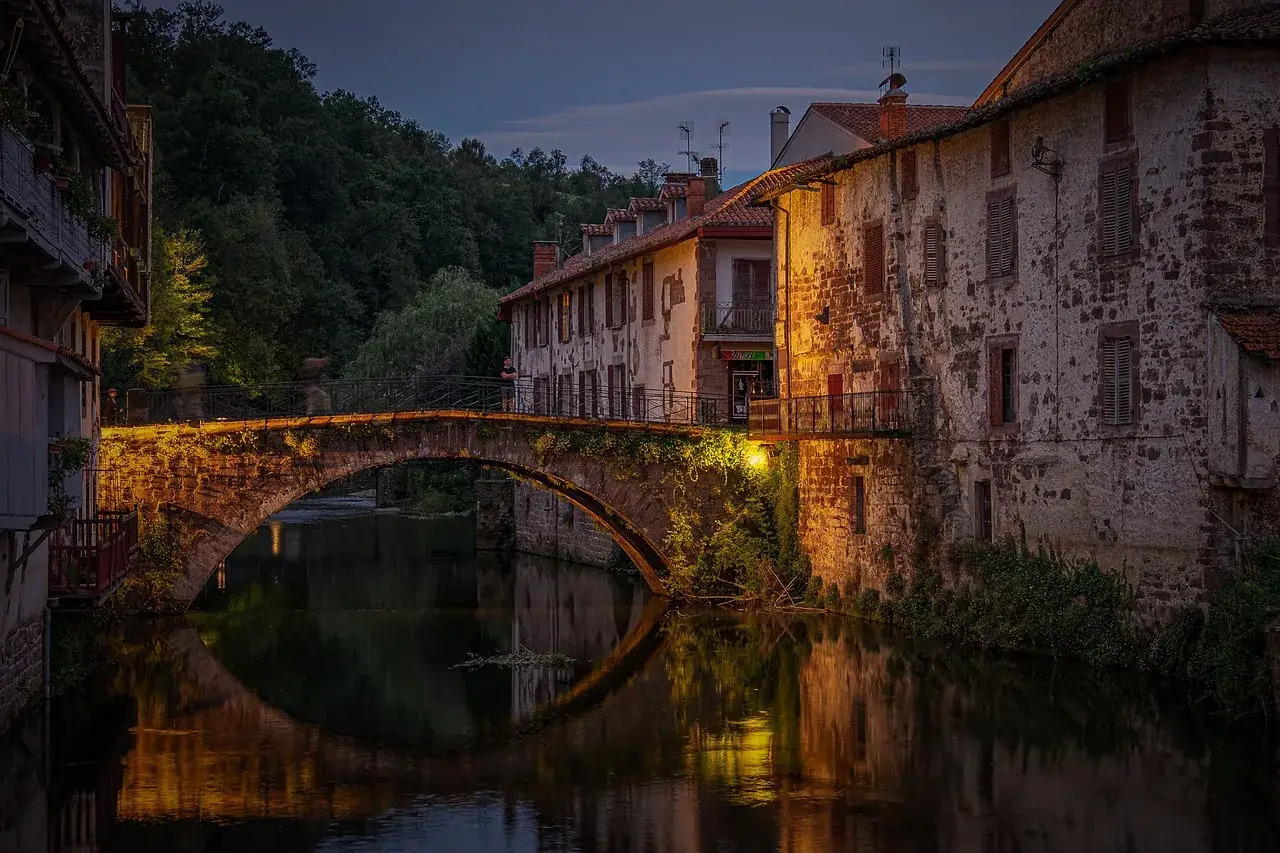
Stage 1: St. Jean Pied de Port to Roncesvalles
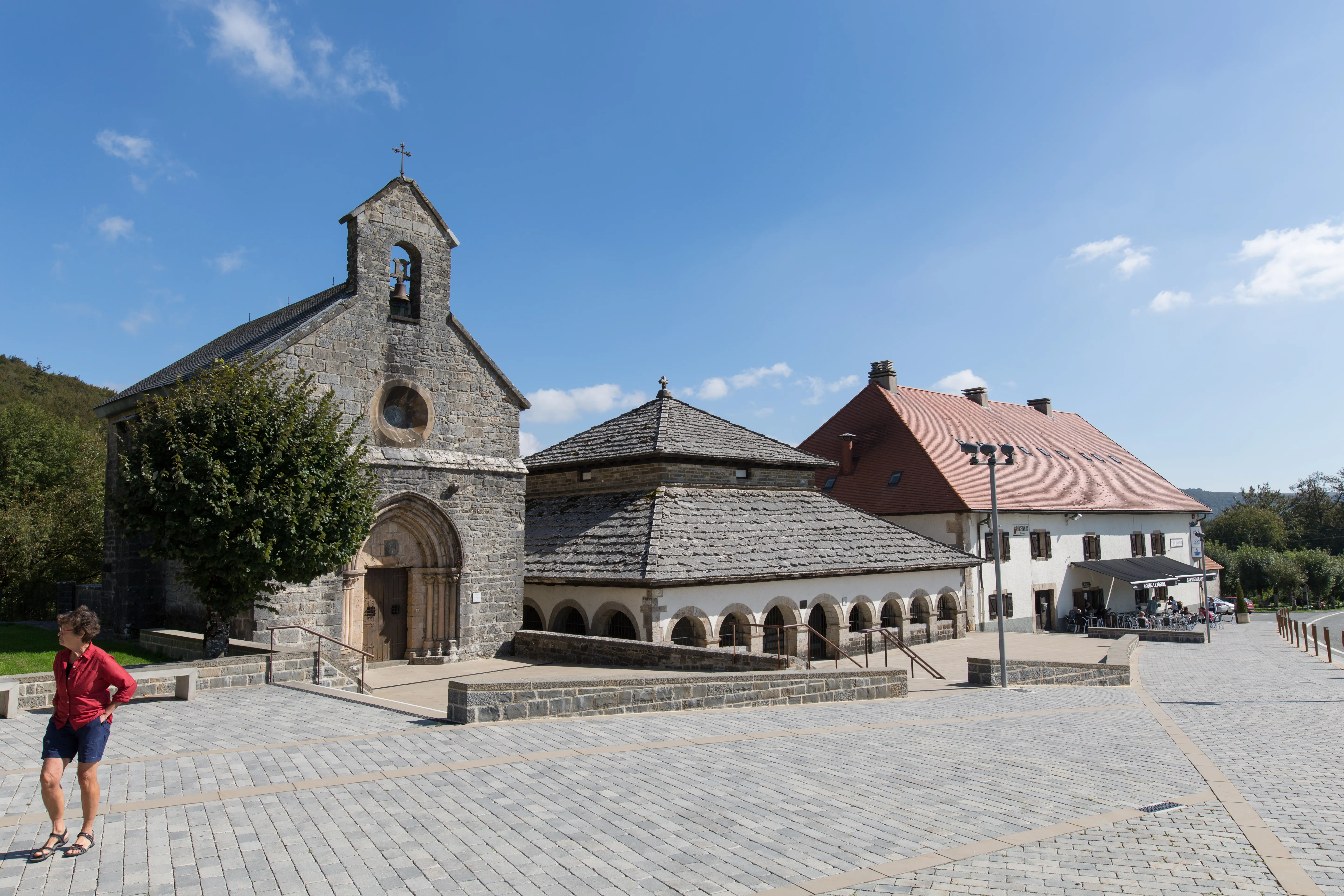
Stage 2: Roncesvalles to Zubiri
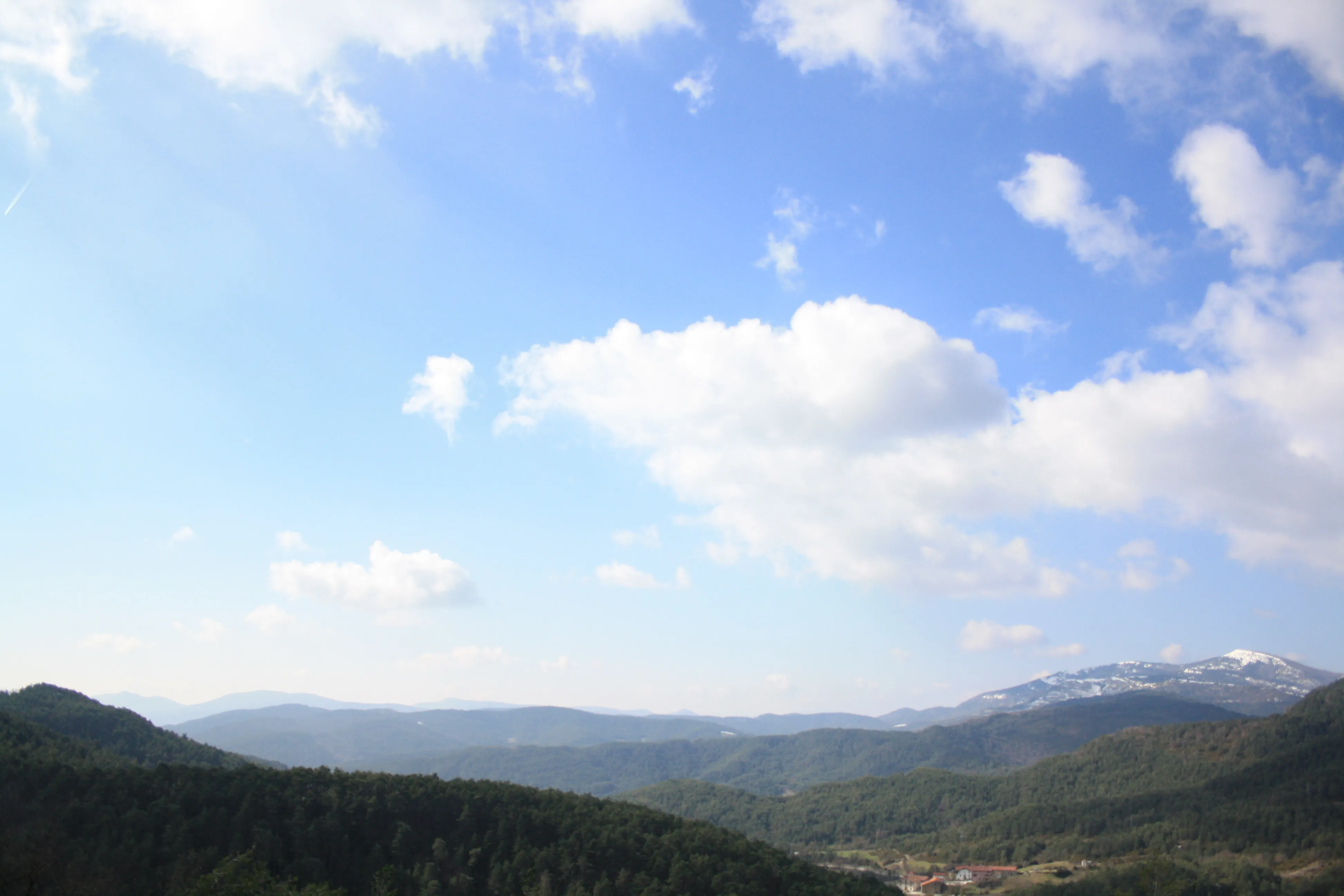
Stage 3: Zubiri is going to Pamplona.
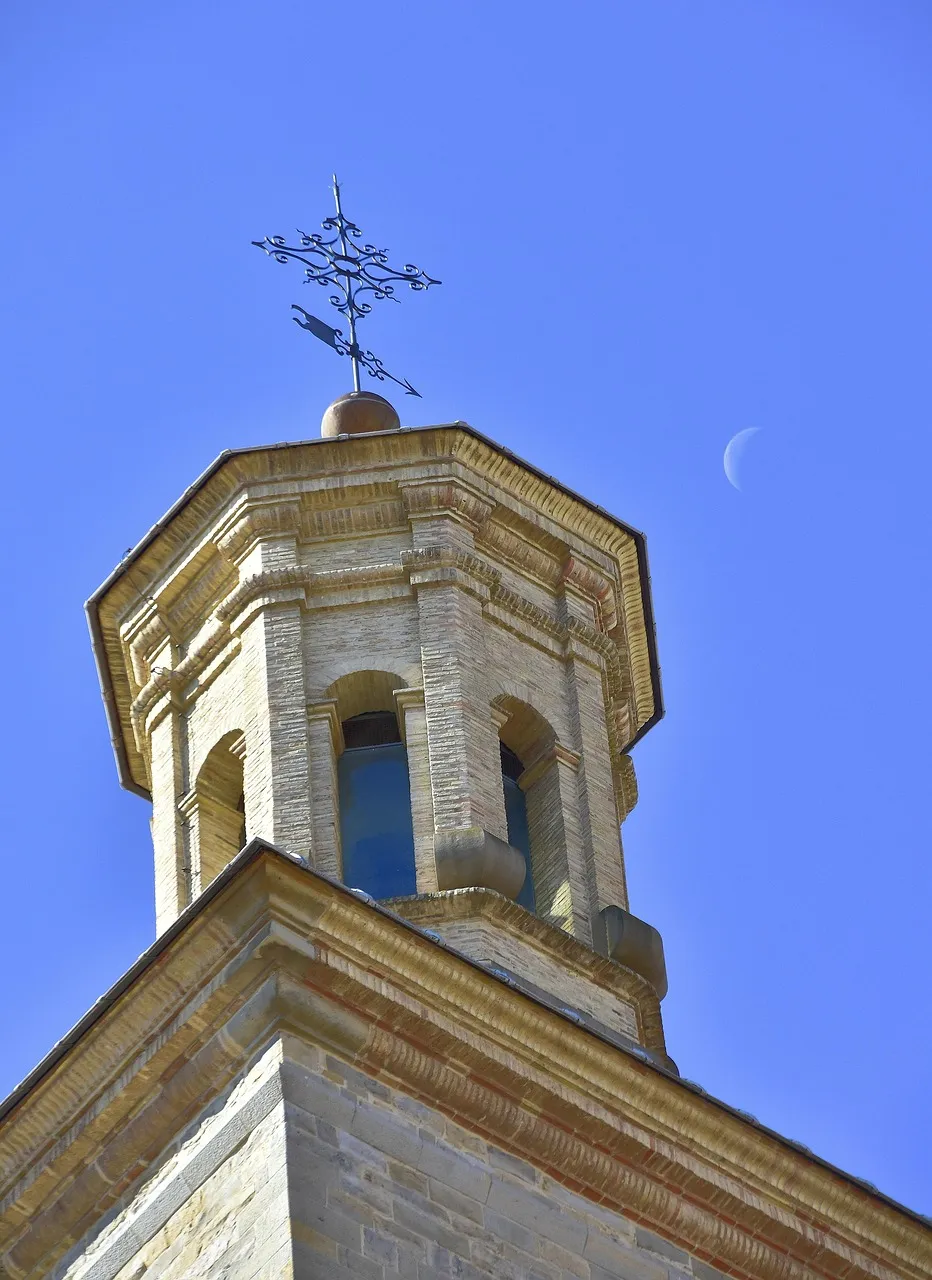
Stage 4: Pamplona to Pontevedra
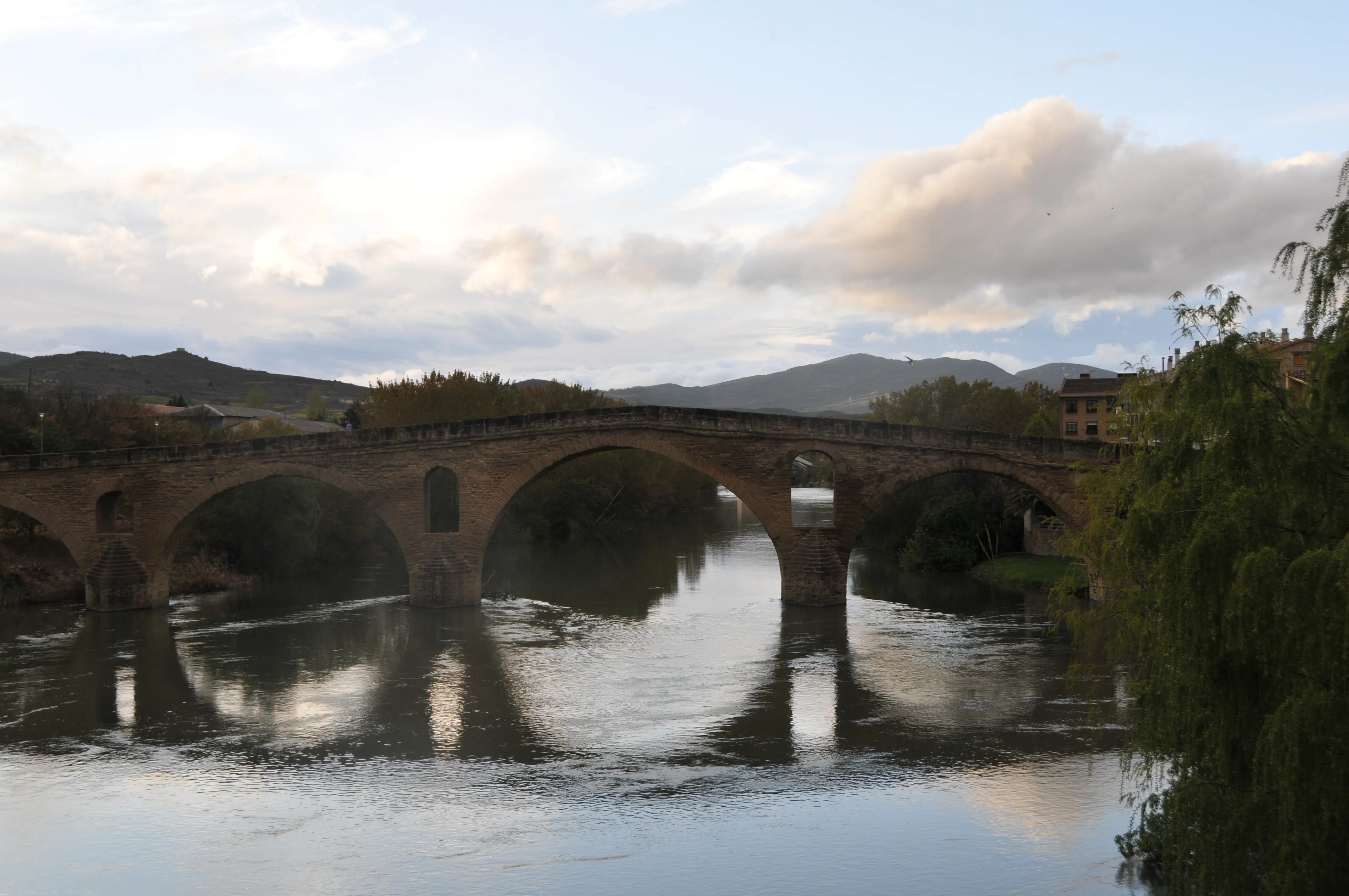
Stage 5: Bridge of Queen to Estella
Elevation Profile of
Elevation Profile of Madrid Path
Visualize the ups and downs of the route.
Loading elevation profile...
Error loading elevation profile or altitude data not available.
Your trip with Ourway
Everything you need for your Camino
No hassle. Your perfect route, from start to finish.
Accommodation
Selected hotels and hostels at every stage
Luggage transfer
Your backpack travels from stage to stage
Camino Guide
Detailed map with directions and services
24h Support
Team available for any unforeseen event
Pilgrim credential
Official documentation included
No commitment
Free personalized consultation
Stages
Stages of Madrid Path
Madrid → Tres Cantos
The first stage of the Madrid Way is a long urban and periurban journey that takes the pilgrim out of the great capital. The route, mainly on asphalt, crosses the north of the city and enters the El P...
Tres Cantos → Manzanares el Real
This stage enters the Regional Park of the Upper Manzanares Valley, at the foot of the Sierra de Guadarrama. The profile is a gentle but continuous ascent, preparing the pilgrim for mountain stages. T...
Manzanares el Real → Cercedilla
This is one of the most beautiful and alpine stages of the Madrid Way. The journey enters the heart of the Guadarrama Mountains, in a high mountain environment. The profile is an ongoing and demanding...
Cercedilla → Segovia
This is the queen stage of the Madrid Way, an impressive high mountain traverse that crosses the Sierra de Guadarrama. The path ascends along the historic Roman Road of Fuenfría, in a beautiful pine f...
Segovia → Santa María la Real de Nieva
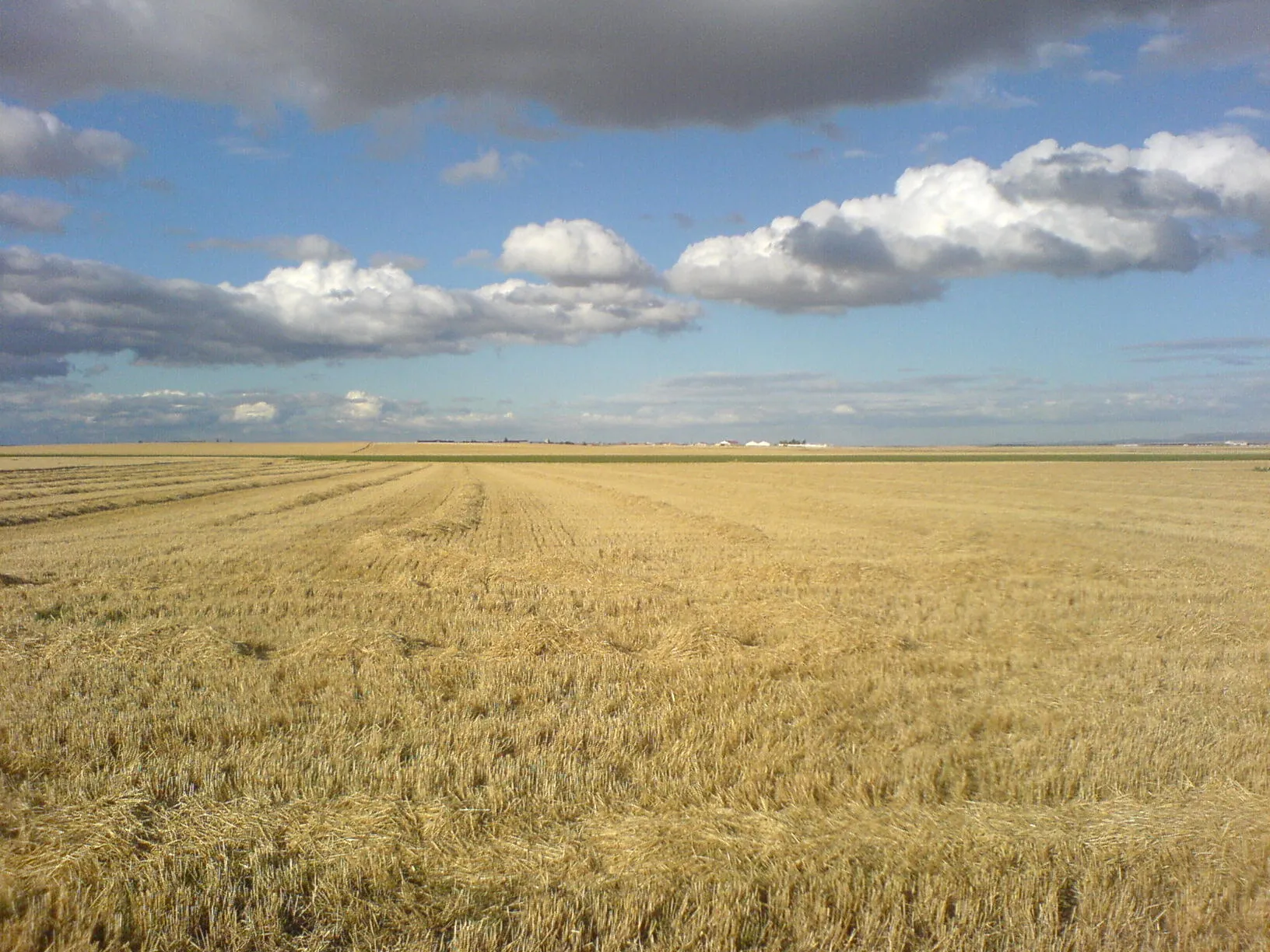
Leaving behind the monumental Segovia, this stage enters into the Castilian plain. It is a long and hilly journey, mainly flat, that runs through a landscape of cereal fields and pine forests. The rou...
Santa María la Real de Nieva → Coca
This stage continues through the Segovian countryside, on a flat and beautiful terrain. The landscape is dominated by extensive pine forests that offer pleasant stretches of shade. It's a comfortable ...
Towns
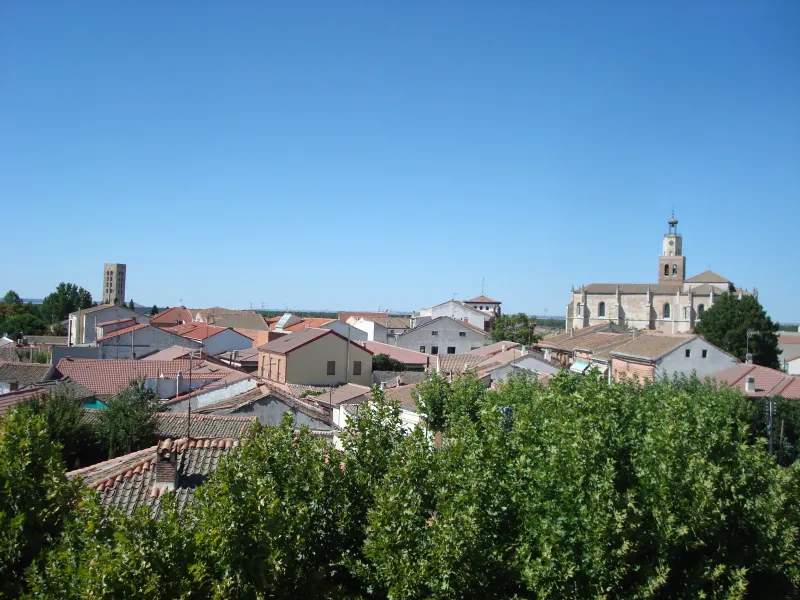
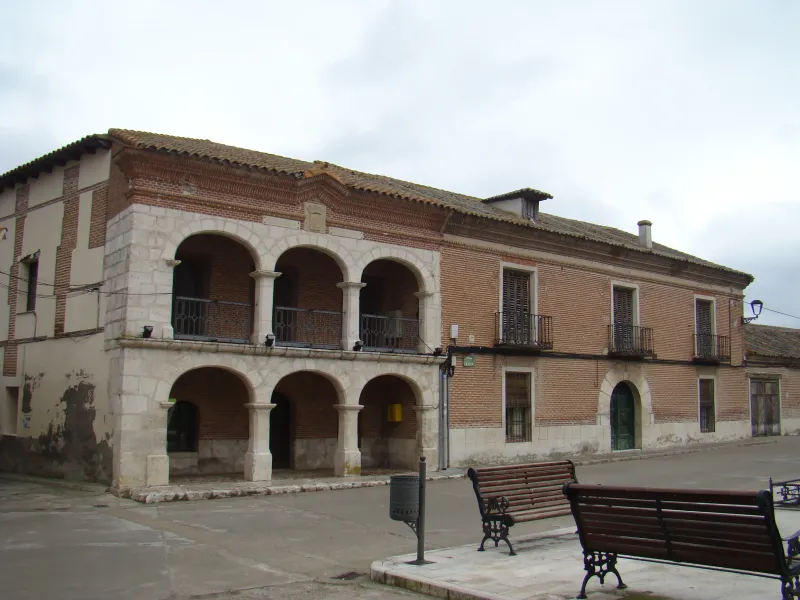
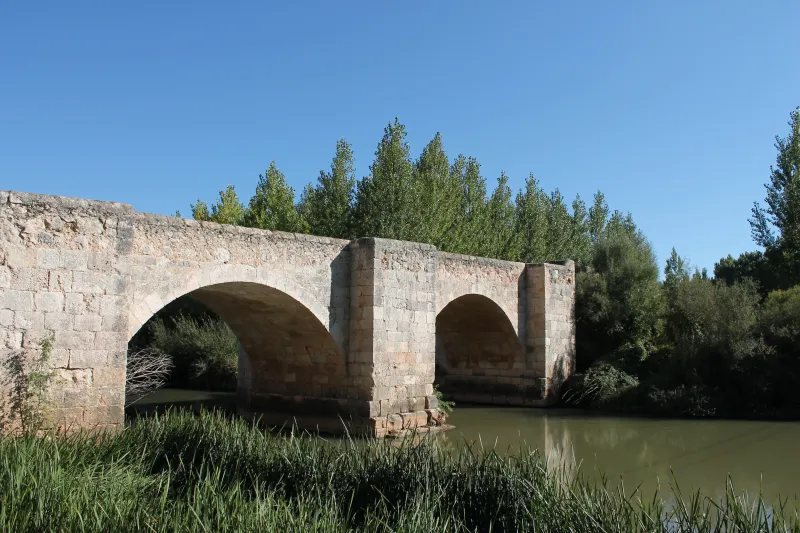
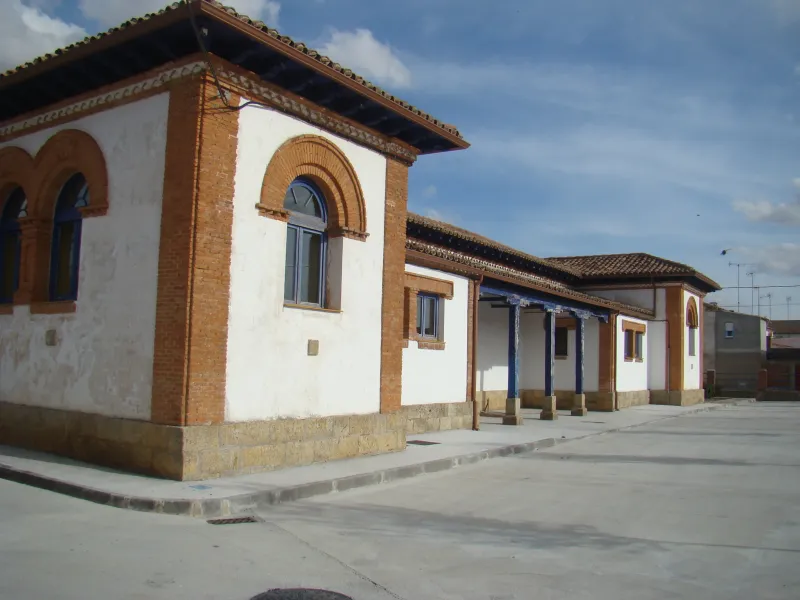
Featured Towns of Madrid Path
Explore the key towns and cities of this route.
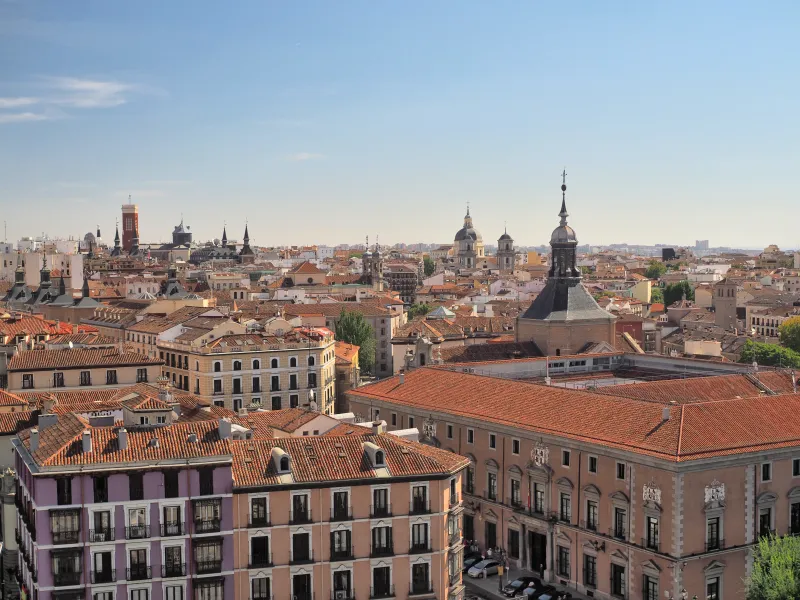
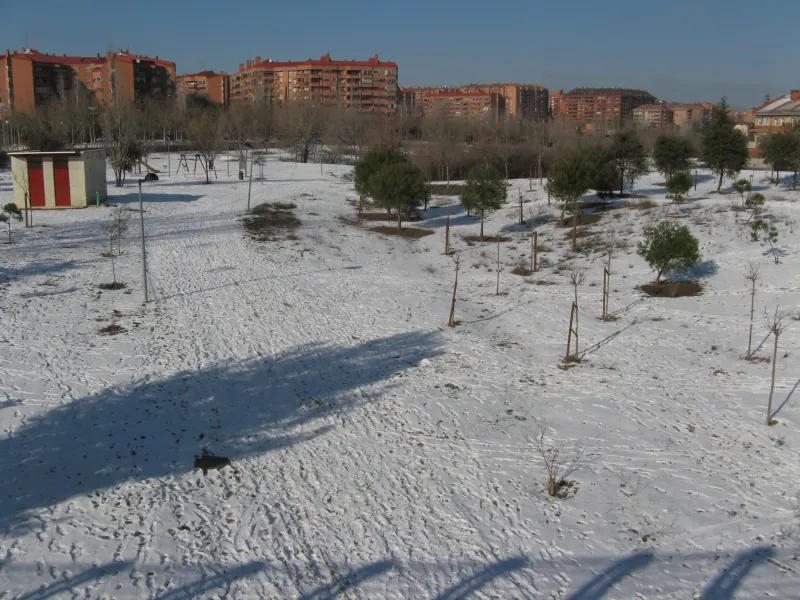
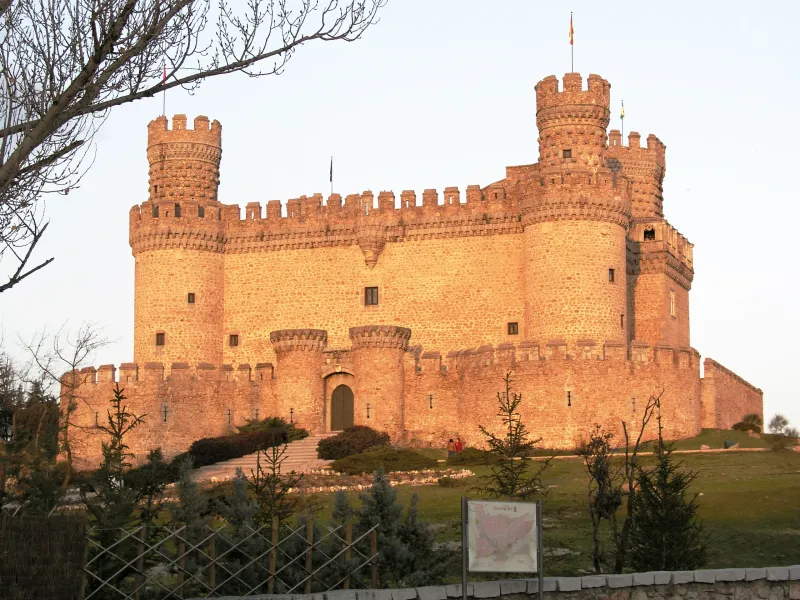
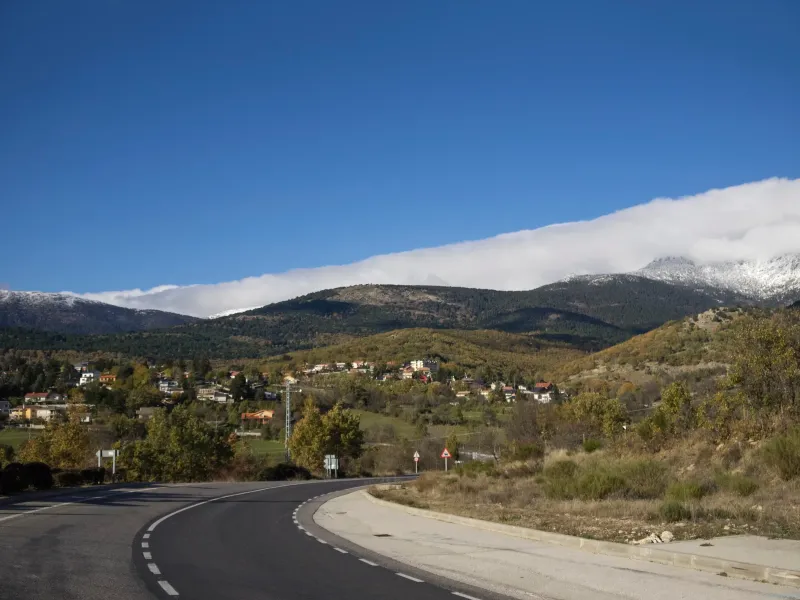


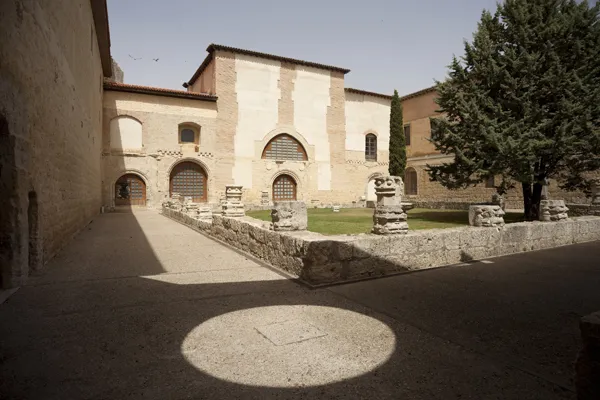
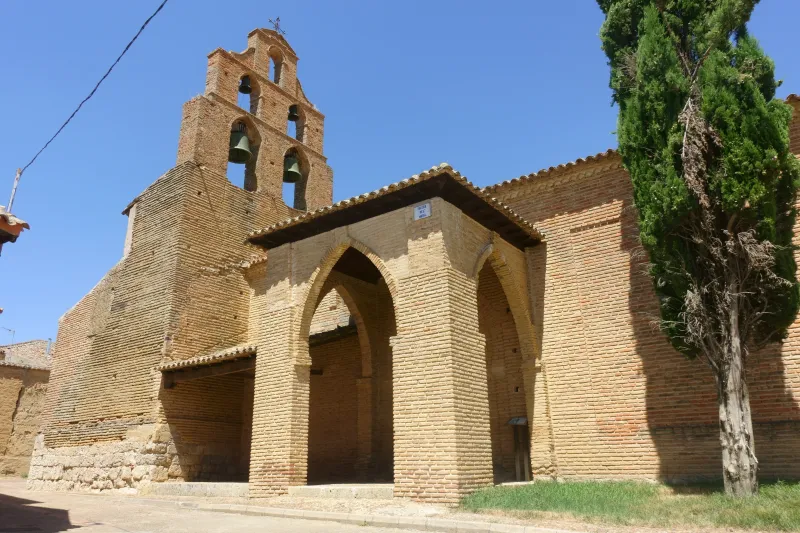
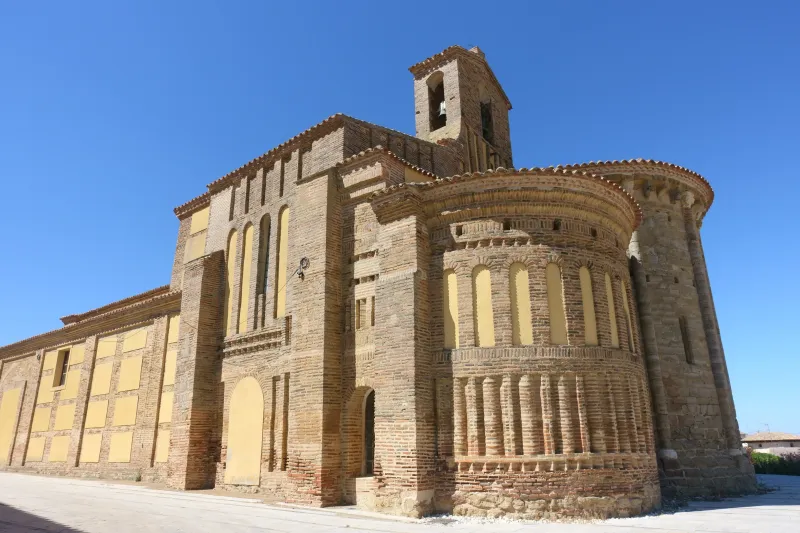
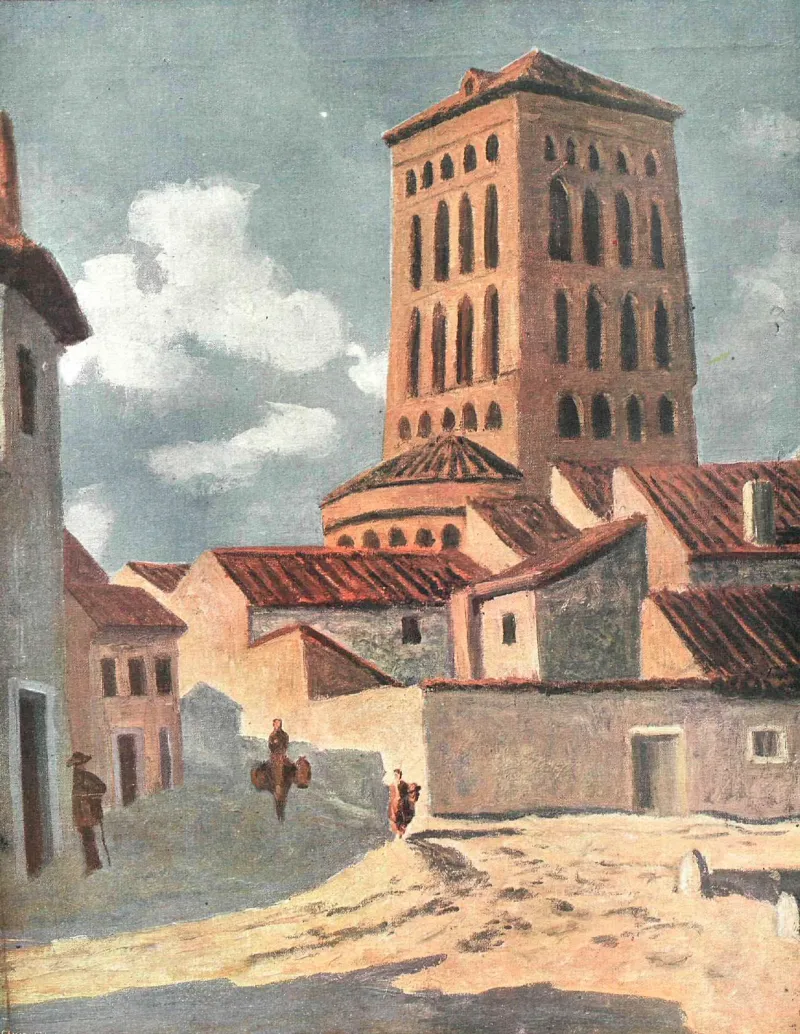
History
Millenary History of the Camino de Santiago: Origins and Evolution Madrid Path
Discover the origins and evolution of Madrid Path
The history of Madrid as a Jacobean starting point is unique. Unlike historic cities on the French Way such as Pamplona, Burgos or León, Madrid was a secondary village of importance during the Middle Ages and does not appear in medieval texts like the Códice Calixtino as an initial route. Its destination changed radically in 1561 when King Philip II made it the permanent capital of Spain. From then on, Madrid became the central hub of the radial network of roads in the peninsula. It is logical to assume that from that moment on, pilgrims of the court, officials and inhabitants of the growing city who wanted to walk to Santiago began their journey from the capital itself, following routes leading north-west.
The current route known as the Way of Madrid takes advantage of these historical routes. Its most emblematic and ancient section is the crossing of the Sierra de Guadarrama. To overcome this formidable natural barrier, the path follows the route of a Roman road of the 1st century that ascended to the Puerto de la Fuenfría. This mountain pass, with its Roman bridges and pine forest, is one of the most beautiful and evocative segments of any Jacobean route, an authentic journey through time.
However, the articulation of the Way of Madrid as a continuous, signposted, and infrastructure-supported route is a phenomenon from the end of the 20th century. The main merit lies with the Association of Friends of Santiago's Ways in Madrid, founded in 1987, which embarked on the monumental task of researching historic passes, defining the most logical itinerary, signaling it with yellow arrows, and editing the first guides. Their work and that of the volunteers who followed them rescued this connection from oblivion and, in practice, "created" the Way of Madrid for modern pilgrims.
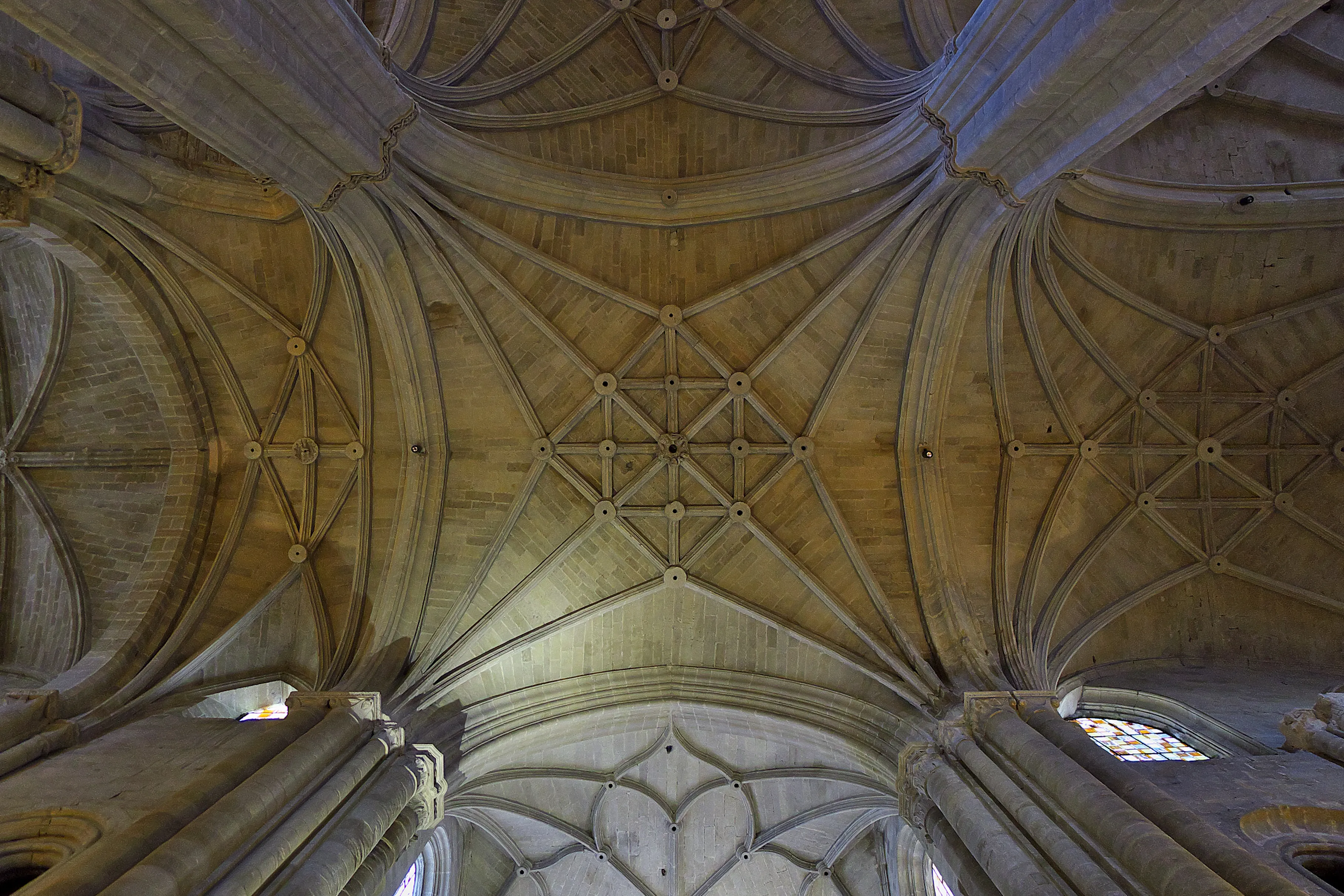
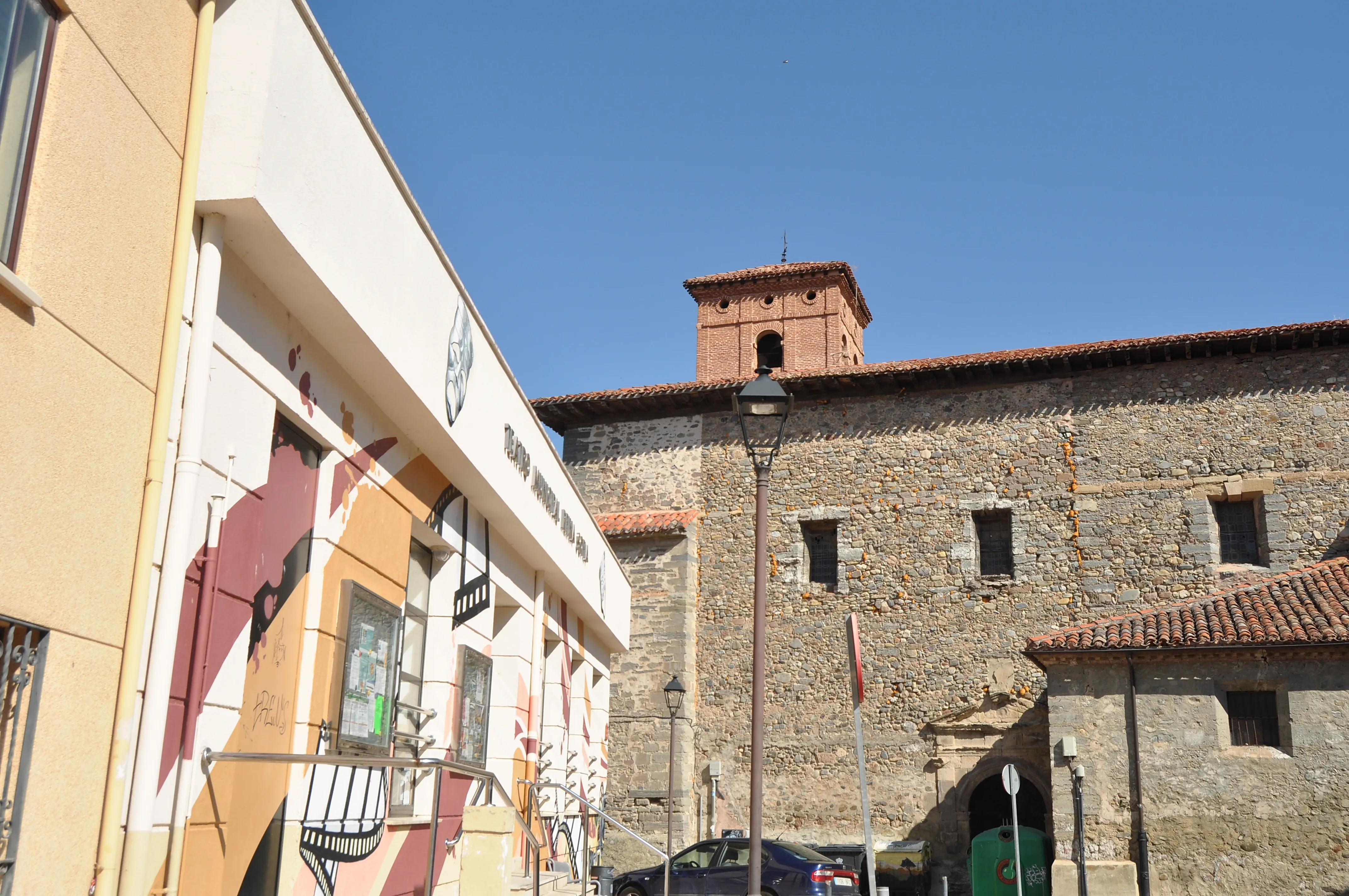
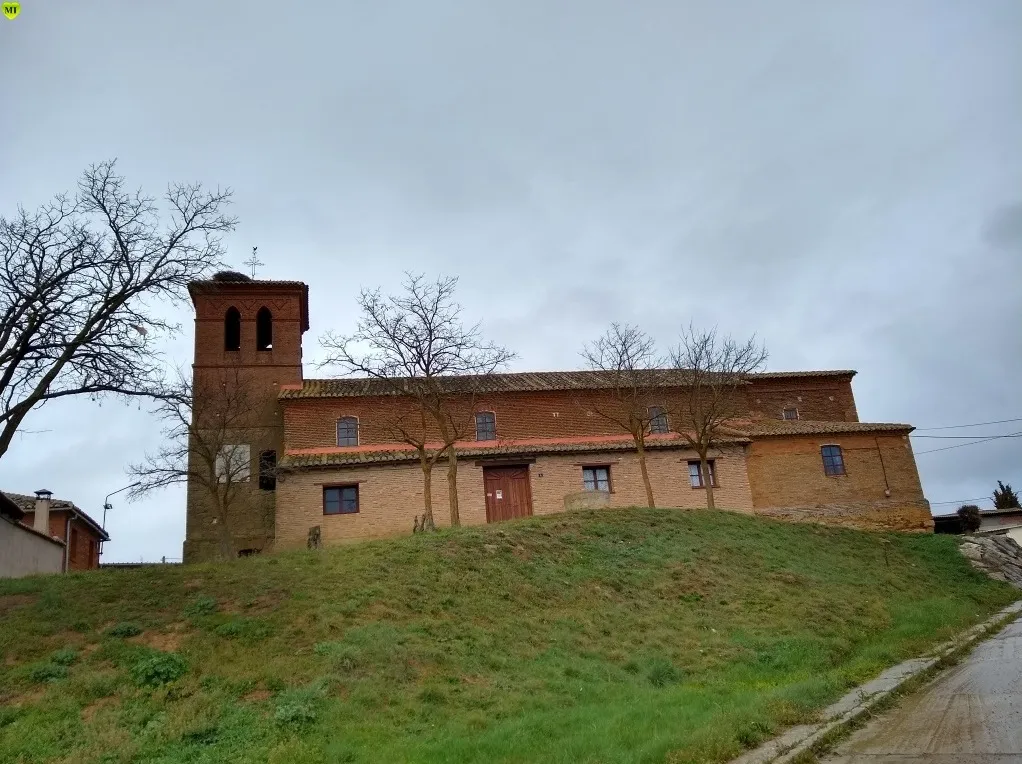
The itinerary starts at the Church of Santiago and John the Baptist in the center of Madrid. After leaving behind the great city, it enters the pre- Sierra de Guadarrama and faces the challenge of the mountain range. Once on the Segovian side, the landscape changes dramatically, giving way to vast plains of Castile and León. The path passes through villages loaded with history and art Mudéjar such as Santa María la Real of Nieva, and goes through important cities like Valladolid.
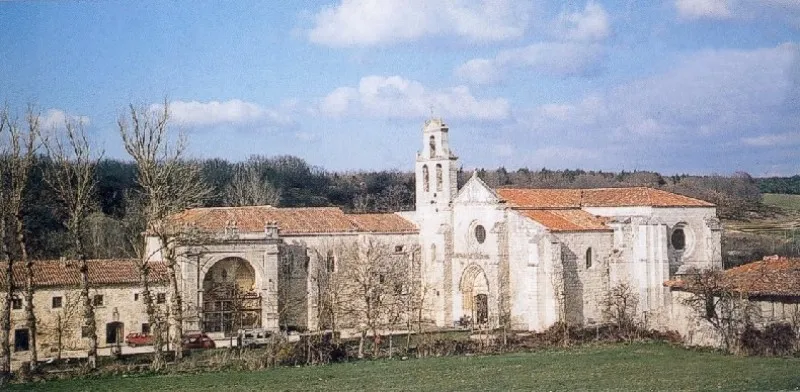
The final objective of this route is to reach the historic village of Sahagún in the province of León. Sahagún was one of the most powerful centers of power on the French Way due to its immense Cluniacense monastery. It is here that pilgrims from Madrid join the great river of walkers coming from France, to share the final stages until Santiago. Today, the Way of Madrid is a consolidated and increasingly popular route, an excellent option offering the unique experience of starting the pilgrimage from Spain's heart.
We answer your questions
Frequently Asked Questions about Madrid Path
How long does the Madrid Way last and what is its level of difficulty?
The Madrid Way lasts approximately 13 days, covering about 343 kilometers. The route presents a high level of difficulty due to crossing the Sierra de Guadarrama and traversing the extensive plains of Castilla.
When is the best time to do the Madrid Way?
The best period for this route is during April, May, September or October. During these months, you achieve a balance between favorable weather and moderate pilgrim traffic.
What does booking the Madrid Way with Ourway Travel include?
With your reservation through Ourway Travel for the Madrid Way, you receive guaranteed accommodation each night, a detailed itinerary, and 24/7 assistance throughout the route. Additionally, we handle all necessary reservations so that you can focus on enjoying the journey.
How does the Camino de Madrid compare to other Jacobean routes like the French Way?
The Camino de Madrid offers a unique experience by starting in Madrid and crossing the Sierra de Guadarrama, providing panoramic views and a more challenging route than coastal or urban paths. Unlike the French Way, this itinerary is less crowded, allowing for greater tranquility during the journey.
What are the key points to plan a trip on the Camino de Madrid?
To organize your pilgrimage along the Camino de Madrid, it is essential to secure accommodation in smaller towns and book ahead during peak season. Additionally, obtaining a pilgrim's credential and arranging luggage transport services if you're carrying backpacks are important.
What is the approximate cost to do the Madrid Way with Ourway Travel?
The total cost for doing the Madrid Way with Ourway Travel varies depending on the type of accommodation and additional services you choose. On average, our full package ranges from 800 to 1200 euros per person, including all nights at hotels and personalized assistance.
Why choose the Camino de Madrid instead of the Portuguese or Galician Way?
The Camino de Madrid allows you to start your pilgrimage from a central location like Madrid, offering a unique cultural and geographical route. Unlike the Portuguese or Galician Ways, this path is more challenging and provides panoramic views of the Sierra de Guadarrama mountains and Castilian plains.
How do I book the Madrid Way with Ourway Travel?
To reserve your pilgrimage on the Madrid Way, simply contact our team through our website. We provide a simple form where you can indicate your preferences and desired dates. Our experts will get in touch to finalize your booking.
Organize Your Camino
Ready for this adventure?
Madrid Path