
Camino de Santiago
Portuguese Cycle Route
Discover the essence of Galicia by bike, starting in Tui. This popular stretch of the Portuguese Way takes you to Santiago in 2 intense, rewarding stages.
Organize your Portuguese Cycle RouteLast updated: 09/08/2025
The Route
General Description of Portuguese Cycle Route
Related Routes
Connections of Portuguese Cycle Route
Camino Portugués (Central)
616.5 km
25
Moderate
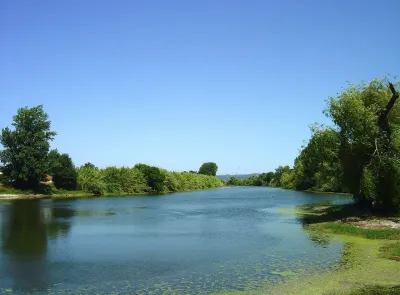
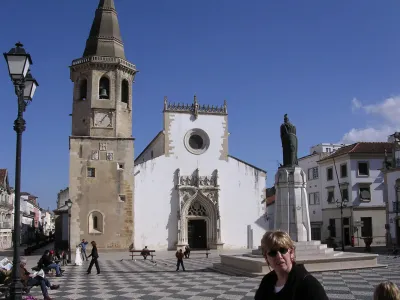
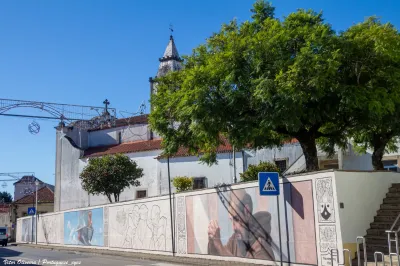
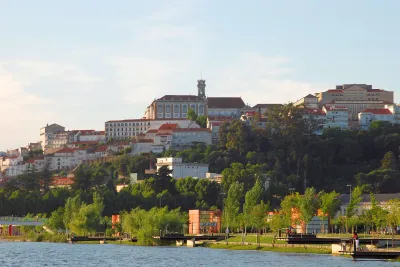
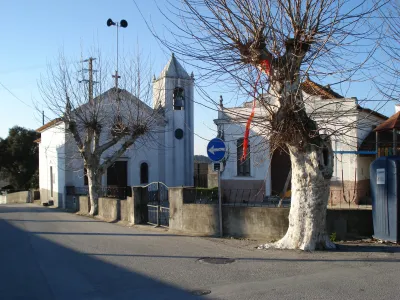
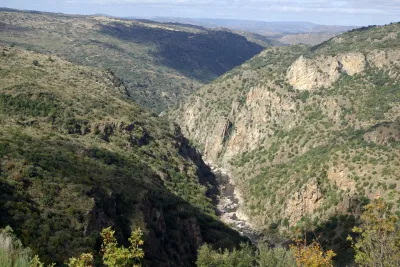
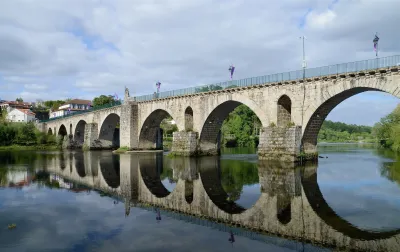
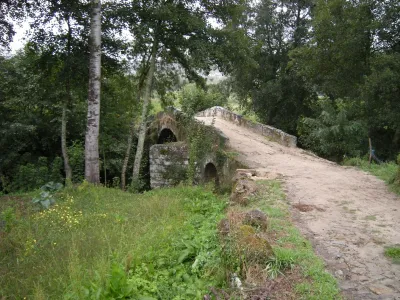
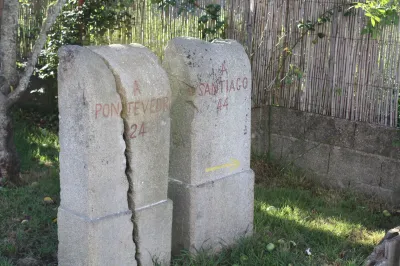
The Central Portuguese Way is one of the pilgrim routes with the deepest tradition and the second busiest in number of pilgrims. The full route starts in Lisbon (620 km), though a very popular alternative is to begin in Porto (240 km). This Camino crosses important Portuguese cities such as Coimbra and, once in Galicia, Tui, Pontevedra, and Padrón, the cradle of the Santiago tradition. It offers a great wealth of monuments and scenery, combining urban stretches with country paths, woodlands, and vineyards. It is well marked and has an excellent network of pilgrim hostels. It is an ideal choice for anyone who wants to experience the culture of two countries and enjoy a Camino of generally moderate difficulty.
Stages of this variant:
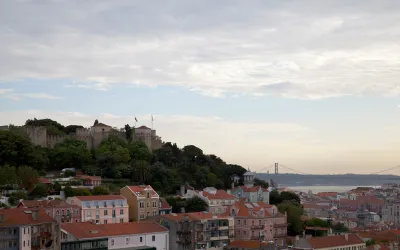
Stage 1: Lisboa to Vila Franca de Xira
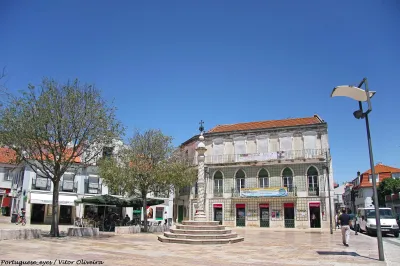
Stage 2: Vila Franca de Xira to Azambuja
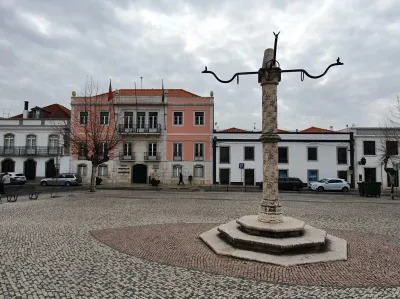
Stage 3: Azambuja to Santarém
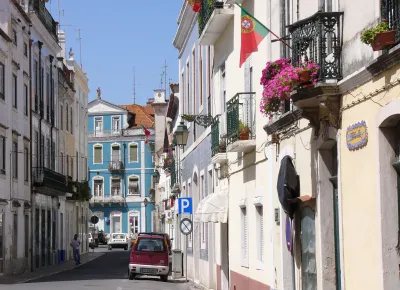
Stage 4: Santarém to Golegã
Stage 5: Golegã to Tomar

Camino Portugués (Coastal)
292.0 km
13
Moderate
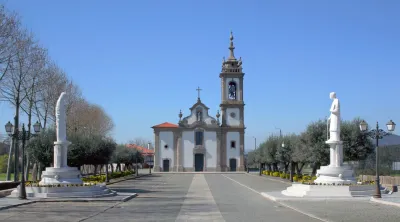
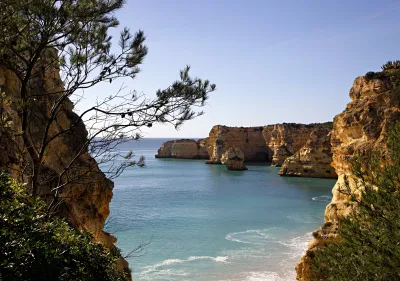
The Portuguese Coastal Way offers an alternative to the Central Way, especially appealing to anyone who loves the sea. Setting out from Porto, this roughly 280 km route follows the Atlantic shoreline for much of the way, joining the Central Way at Redondela. Pilgrims take in coastal scenery, beaches, and charming fishing towns in both Portugal (Viana do Castelo) and Galicia (A Guarda, Baiona). Although it pulls away from the sea for short stretches, the salt breeze and the ocean views are what define it. It is a route of moderate difficulty with good infrastructure, ideal for the warmer months.
Stages of this variant:
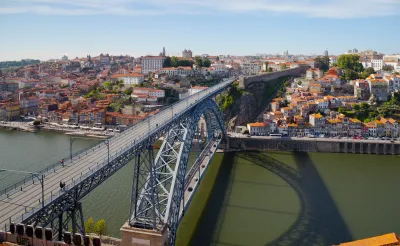
Stage 1: Porto to Labruge
Stage 2: Labruge to Póvoa de Varzim
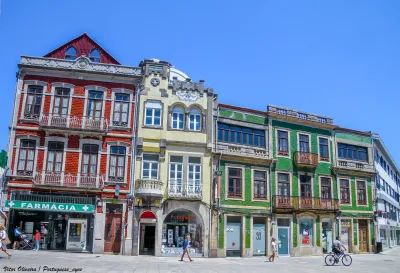
Stage 3: Póvoa de Varzim to Marinhas
Stage 4: Marinhas to Viana do Castelo
Stage 5: Viana do Castelo to Caminha
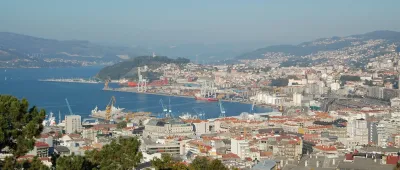
Portuguese Way Central - Spiritual Variant
108 km
3
Moderate
The Spiritual Variant of the Portuguese Way, covering 71.9 km in 3 stages, offers a unique experience of great symbolic value. The route branches off the Central Portuguese Way in Pontevedra and heads inland through the Rías Baixas before dropping down to the Ría de Arousa. The high point of the journey is the boat crossing along the Ulla River, a trip that recalls the legendary Traslatio, the arrival by sea of the body of the Apostle St. James in Galicia. It ends in Padrón, where it rejoins the main Portuguese Way to continue on the final stage to Santiago de Compostela. This is an option for pilgrims looking for a deep connection with the history and legend of the Camino, while enjoying coastal and river scenery and a deeply spiritual atmosphere. Combining hiking with a boat trip, it makes for an unforgettable experience.
Stages of this variant:
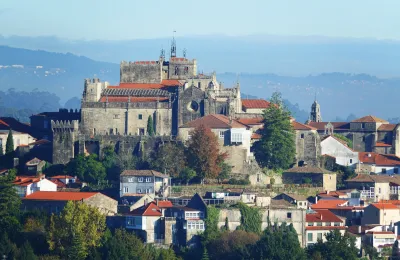
Stage 1: Tui to Redondela
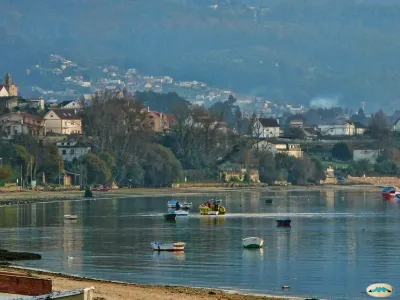
Stage 2: Redondela to Pontevedra
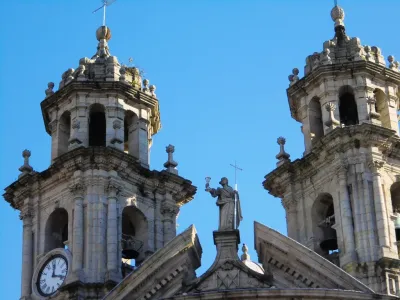
Stage 3: Pontevedra to A Armenteira (E-1)
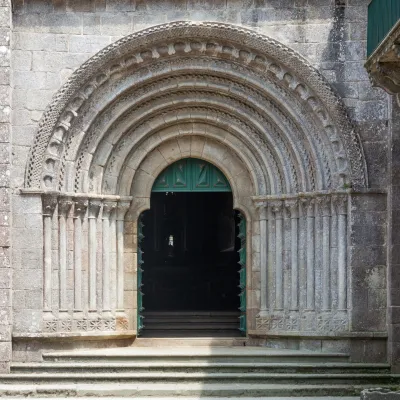
Stage 4: A Armenteira to Vilanova de Arousa (E-2)
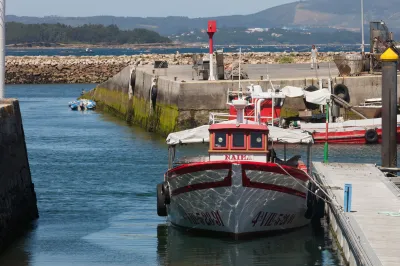
Stage 5: Vilanova de Arousa to Padrón (E-3)
Your trip with Ourway
Everything you need for your Camino
No hassle. Your perfect route, from start to finish.
Accommodation
Selected hotels and hostels at every stage
Luggage transfer
Your backpack travels from stage to stage
Camino Guide
Detailed map with directions and services
24h Support
Team available for any unforeseen event
Pilgrim credential
Official documentation included
No commitment
Free personalized consultation
Walk this route with us
Fancy walking this route?
We don't have a ready-made package for this route yet, but we'll organise it around you. Tell us how you'd like to experience it and a specialist will reply within 24 h.
Request your proposalStages
Stages of Portuguese Cycle Route
Oporto → Barcelos
Primera jornada sobre la bicicleta, que combina una salida urbana que exige atención con un tramo final plácido entre el campo minhoto. El recorrido arranca junto a la Sé do Porto y atraviesa la ciuda...
Barcelos → Ponte de Lima
Jornada corta y rural, la más descansada del tramo portugués y una buena oportunidad para rodar sin prisa. El recorrido deja Barcelos por el puente medieval y se interna enseguida en un paisaje de min...
Ponte de Lima → Tui
La única etapa verdaderamente exigente del Camino Portugués Central, y la que decide la jornada: la subida al Alto da Portela Grande. El recorrido sale de Ponte de Lima siguiendo el río y encara pront...
Tui → Pontevedra
First cycling stage of the Central Portuguese Way from the border with Portugal. From Tui we cross the Louro River and go through the industrial area of O Porriño (with a river detour recommended to a...
Pontevedra → Padrón
Etapa de transición por el corazón de las Rías Baixas, de perfil suave y firme cómodo, ideal para rodar a buen ritmo. El recorrido abandona el casco histórico de Pontevedra por el puente sobre el Lére...
Padrón → Santiago de Compostela
Etapa final, corta en kilómetros pero con más desnivel del que aparenta, porque Santiago se alcanza subiendo. El recorrido sale de Padrón por Iria Flavia, antigua sede episcopal donde reposa Camilo Jo...
Towns
Featured Towns of Portuguese Cycle Route
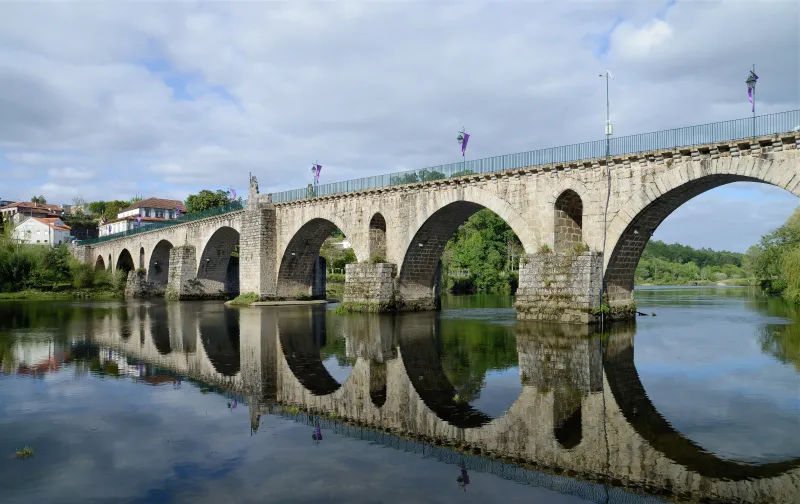
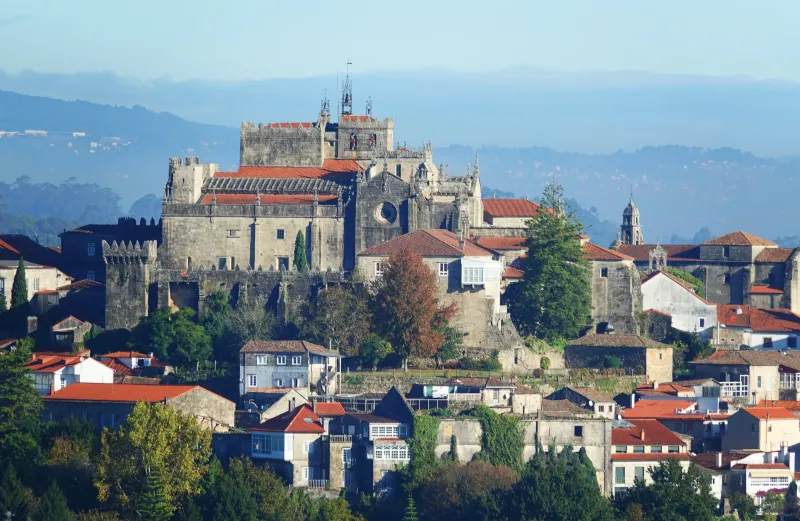
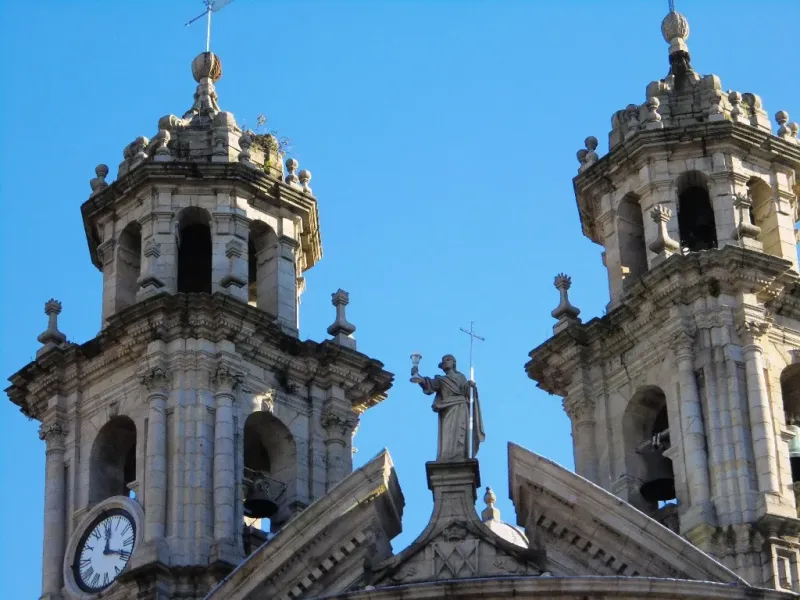
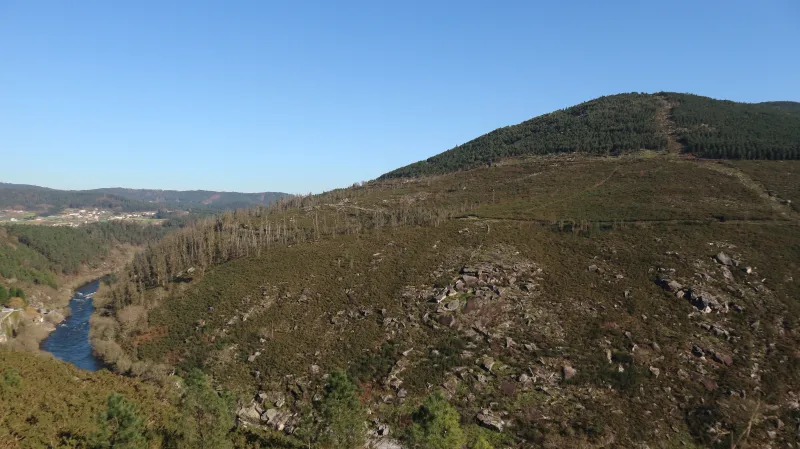
Explore the key towns and cities of this route.
History
Millenary History of the Camino de Santiago: Origins and Evolution Portuguese Cycle Route
Discover the origins and evolution of Portuguese Cycle Route
We answer your questions
Frequently Asked Questions about Portuguese Cycle Route
How long is the Portuguese Way by bike from Tui to Santiago?
The Portuguese Way by bike from Tui to Santiago is 118.8 km (73.8 miles) long, covered in roughly two days. Ourway Travel offers a detailed itinerary to help you plan your trip and make the most of every day on the route.
What is the best time of year to do the Portuguese Way by bike?
The shoulder season, which covers April to June and September to October, is considered the best time to do the Portuguese Way by bike from Tui to Santiago. In that period you get pleasant weather without the summer crowds. Ourway Travel recommends booking ahead, though it is not essential except for the last 100 km (62 miles).
What does the Ourway Travel tour package for the Portuguese Way by bike include?
Ourway Travel's tour package for the Portuguese Way by bike includes full itinerary management and selected, secure accommodations. We also provide technical assistance if you have a mechanical problem, and advice on how to get your pilgrim's credential. Ourway handles the entire booking so you can fully enjoy the route without any worries.
How does the Portuguese Way by bike compare with the other Camino de Santiago routes?
The Portuguese Way by bike is especially popular thanks to its moderate profile and consistently beautiful scenery, without the big climbs and descents found on some sections of the French Way. It offers a faster experience than the walking route, letting you earn your Compostela in just two stages. Ourway Travel gives you detailed comparisons to help you choose the perfect route for your preferences and abilities.
How difficult is the Portuguese Way by bike from Tui to Santiago?
The Portuguese Way by bike is moderate in difficulty, with gentle climbs and descents through Galician valleys and woodlands. This profile suits both experienced cyclists and beginners looking for a moderate challenge. Ourway Travel gives you specific advice on how to prepare physically for this route.
How do I book my bike trip on the Portuguese Way with Ourway Travel?
To book your bike trip on the Portuguese Way with Ourway Travel, simply fill out our online booking form. Our team will get in touch with you to confirm the details and will handle all the necessary logistics, from accommodations to obtaining your pilgrim's credential. Ourway Travel offers personalized service that ensures a hassle-free experience.
Why is the Portuguese Way by bike better for beginners than the other routes?
The Portuguese Way by bike is ideal for beginner cyclists thanks to its moderate profile and total distance of just 118.8 km (73.8 miles), covered in two days. Unlike the more mountainous Northern Way or the French Way with its high elevations, the final stretch from Tui to Santiago offers consistently beautiful scenery without demanding an advanced level of cycling. Ourway Travel highlights this route as the perfect introduction to the pilgrimage routes.
Where do I get the pilgrim's credential for the Portuguese Way by bike?
You can pick up your pilgrim's credential before starting the route, at a tourist office or a church near Tui. Ourway Travel can also handle this process for you as part of the full service we offer, to simplify your experience and make sure you have all the necessary documents from day one.
Organize Your Camino
Ready for this adventure?
Portuguese Cycle Route