
Camino de Santiago
Portuguese Way Central - Spiritual Variant
Alternative to the Portuguese Central Way that includes a boat section through the Ria de Arousa, recalling the Translatio. A journey through the estuary and river Ulla with great historical value.
Organize your Portuguese Way Central - Spiritual VariantLast updated: 23/05/2025
The Route
General Description of Portuguese Way Central - Spiritual Variant
Related Routes
Connections of Portuguese Way Central - Spiritual Variant
Portuguese Way (Central)
616.5 km
25
Media
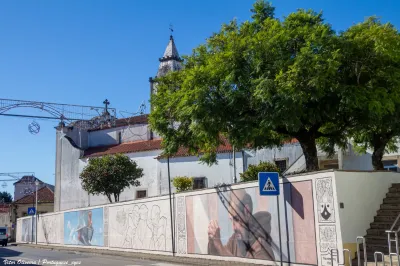
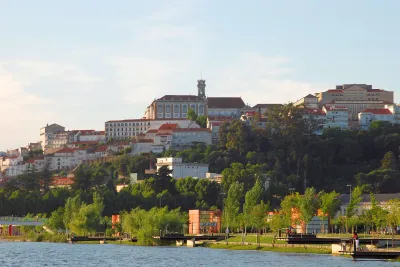
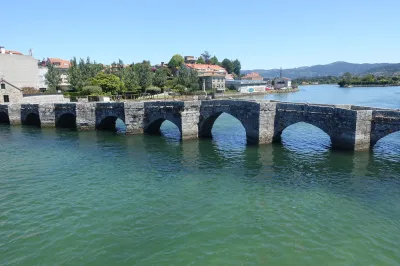
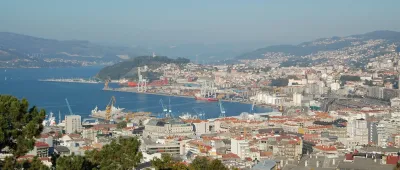
The Portuguese Central Way is one of the most traditional Jacobean routes and the second in terms of number of pilgrims. The entire route starts from Lisbon (620 km), although a very popular alternative is to start from Porto (240 km). This Camino passes through important Portuguese cities such as Coimbra and, already in Galicia, Tui, Pontevedra, and Padrón, the birthplace of Jacobean tradition.
It offers great monumental and landscape richness, combining urban trails with rural paths, forests, and vineyards. It is well signposted and has an excellent network of hostels. It is an ideal option for those who wish to experience the culture of two countries and enjoy a Camino with generally moderate difficulty.
Stages of this variant:
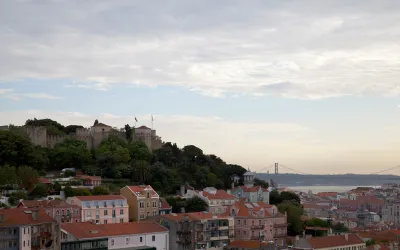
Stage 1: Lisboa to Vila Franca de Xira
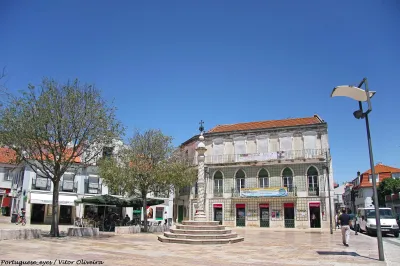
Stage 2: Vila Franca de Xira to Azambuja
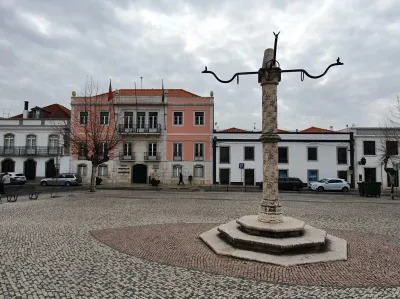
Stage 3: Azambuja to Santarém
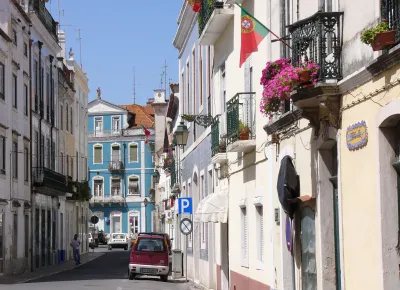
Stage 4: Santarém to Golegã
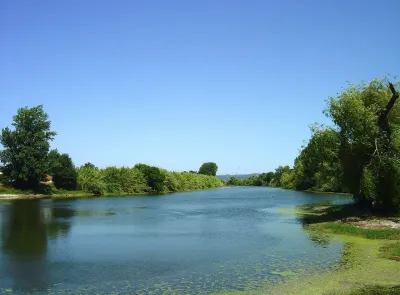
Stage 5: Golegã to Tomar
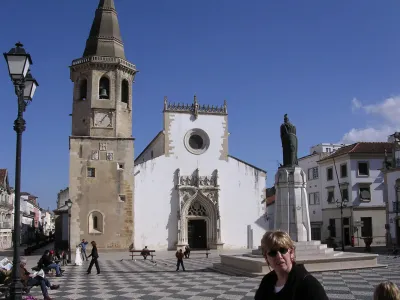
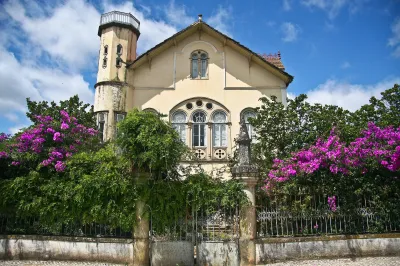
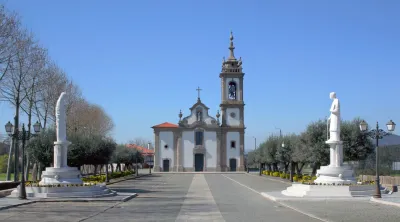
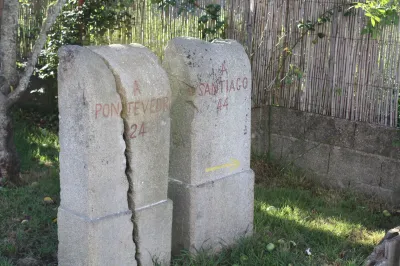
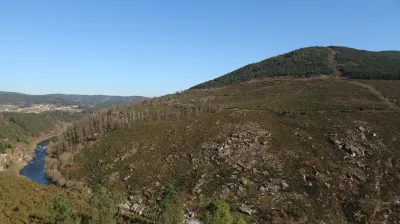
Portuguese Coastal Way
292.0 km
13
Media
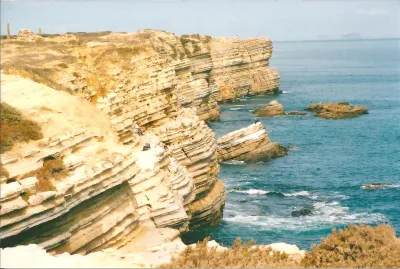
The Portuguese Coastal Way offers an alternative to the Central Way, especially attractive for sea lovers. Starting from Porto, this approximately 280 km route largely follows the Atlantic coast, joining the Central Way in Redondela. Pilgrims enjoy coastal landscapes, beaches and charming seaside villages both in Portugal (Viana do Castelo) and Galicia (A Guarda, Baiona). Although in some sections it temporarily departs from the sea, the maritime breeze and ocean views are its main protagonists. It is a moderately difficult route with good infrastructure, ideal for warmer months.
Stages of this variant:
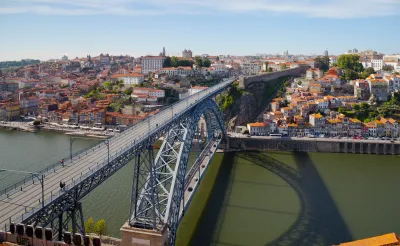
Stage 1: Porto to Labruge
Stage 2: Labruge to Póvoa de Varzim
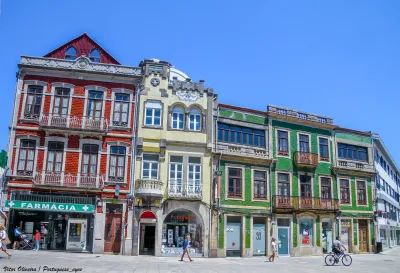
Stage 3: Póvoa de Varzim to Marinhas
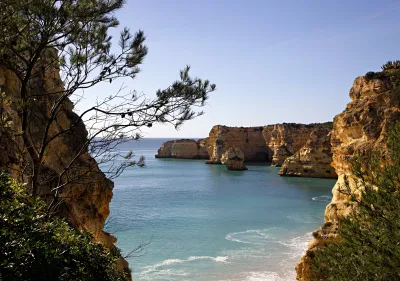
Stage 4: Marinhas to Viana do Castelo
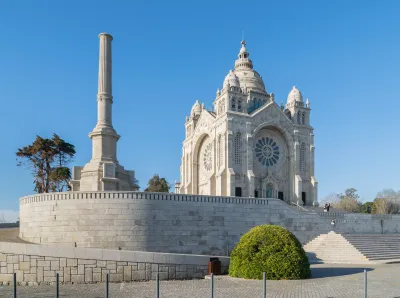
Stage 5: Viana do Castelo to Caminha
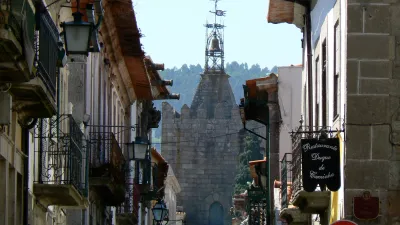
Portuguese Cycle Route
118.8 km
2
Media
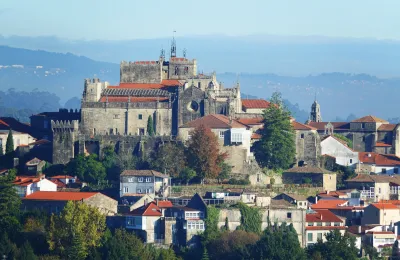
The Portuguese Way by bike from Tui is one of the most popular routes for cyclists due to its beauty, affordable profile and excellent infrastructure. In just 2 stages, this 119 km route allows you to get your Compostela and enjoy the essence of southern Galicia. The route passes through forests, vineyards and historic cities such as Pontevedra and Padrón. It's an ideal option for a weekend getaway or for getting started with backpacking cycling.
Stages of this variant:
Stage 1: Tui to Pontevedra (By bike)
Stage 2: Pontevedra to Santiago de Compostela (By bike)
Your trip with Ourway
Everything you need for your Camino
No hassle. Your perfect route, from start to finish.
Accommodation
Selected hotels and hostels at every stage
Luggage transfer
Your backpack travels from stage to stage
Camino Guide
Detailed map with directions and services
24h Support
Team available for any unforeseen event
Pilgrim credential
Official documentation included
No commitment
Free personalized consultation
Stages
Stages of Portuguese Way Central - Spiritual Variant
Tui → Redondela
This long stage is the first full day in Galicia for many pilgrims. The route is demanding, with a "break-a-leg" profile that includes the tough climb up Alto de A Madalena. The route crosses the Lour...
Redondela → Pontevedra
This stage is one of the most beautiful on the Portuguese Way in Galicia. After leaving Redondela, the path gently ascends, offering spectacular views of Vigo Bay. The most notable landmark is the med...
Pontevedra → Armenteira
First stage of the Spiritual Variant of the Portuguese Way. After leaving Pontevedra through the monastery of San Xoán de Poio, the route deviates from the central route and follows the banks of the e...
Armenteira → Vilanova de Arousa
Second stage of the Spiritual Variant, considered one of the most beautiful of the entire Camino. After leaving the monastery of A Armenteira, the route descends along the Ruta da Pedra e da Auga, an ...
Vilanova de Arousa → Padrón
Last stage of the Spiritual Variant, associated with the Translatio: the Jacobean tradition tells that the body of the apostle Santiago was brought from Jaffa to Iria Flavia (Padrón) sailing precisely...
Towns
Featured Towns of Portuguese Way Central - Spiritual Variant
Explore the key towns and cities of this route.
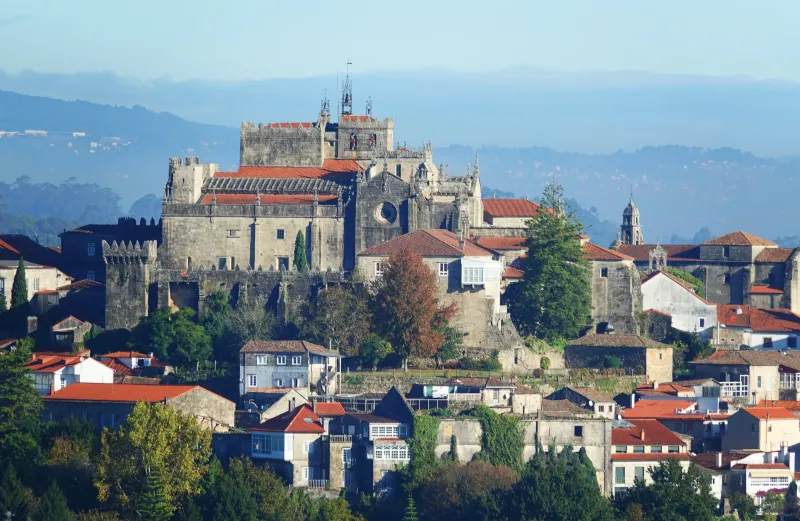
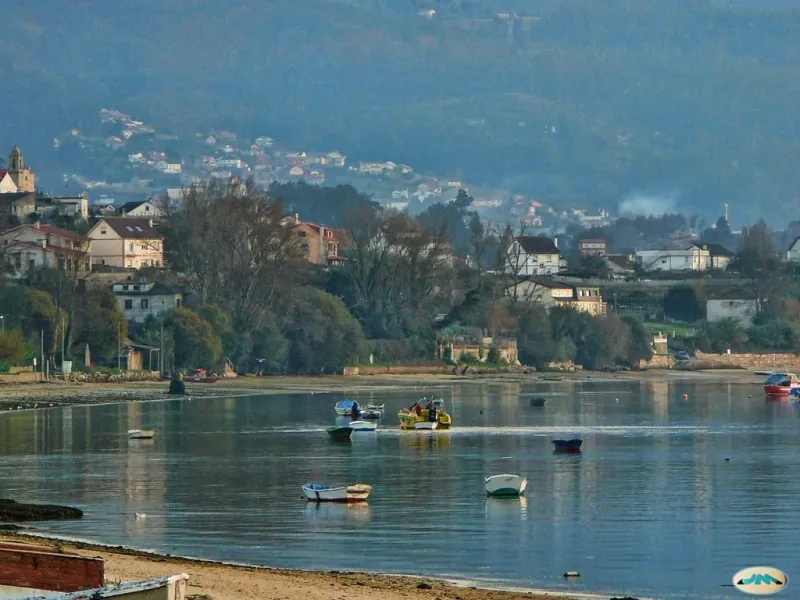
History
Millenary History of the Camino de Santiago: Origins and Evolution Portuguese Way Central - Spiritual Variant
Discover the origins and evolution of Portuguese Way Central - Spiritual Variant
The story of this variant is therefore the story of the legend. After being martyred in Jerusalem, St. James' disciples, Theodore and Athanasius, carried his body on a stone boat that, without crew or government, sailed across the Atlantic and entered Galicia through the Ría de Arousa. The boat navigated up the last stretch of the Ulla River until it docked at Iria Flavia, now Padrón. This sea and river journey is the cornerstone of Jacobean faith. The Spiritual Variant was designed by the O Salnés Council to create a walking and boat route that recreated this final leg of St. James' apostolic journey.
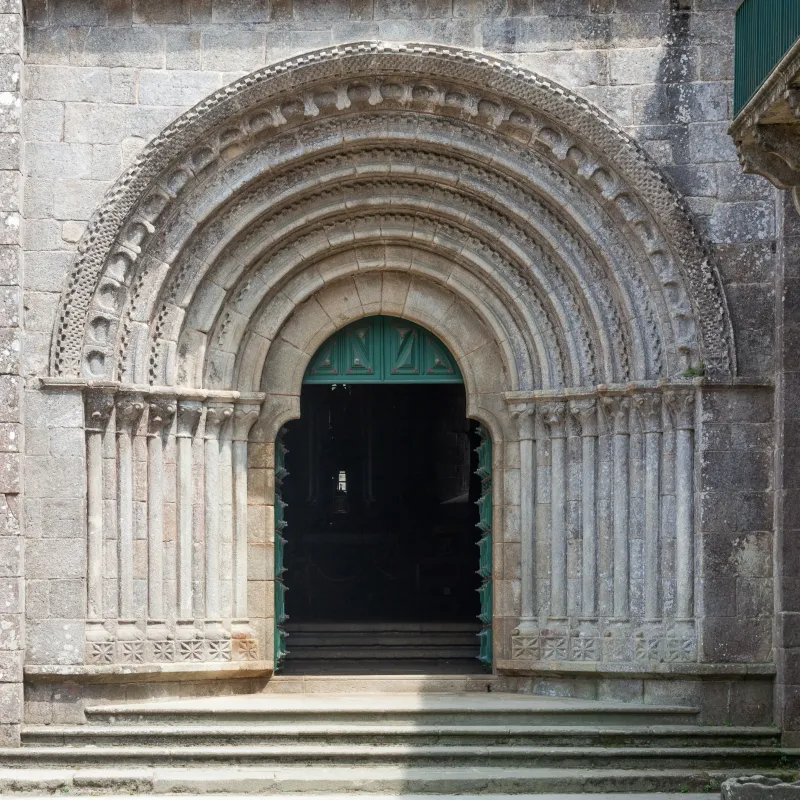
The itinerary diverges from the central Portuguese Way in Pontevedra. Instead of following the direct interior route to Padrón, it heads west towards O Salnés, the heart of the Rías Baixas and the birthplace of Albariño wine. The first stage is a spiritual journey as it culminates at the Monastery of Santa María de Armenteira, a magnificent Cistercian monastery founded in the 12th century, nestled in a peaceful and tranquil spot.
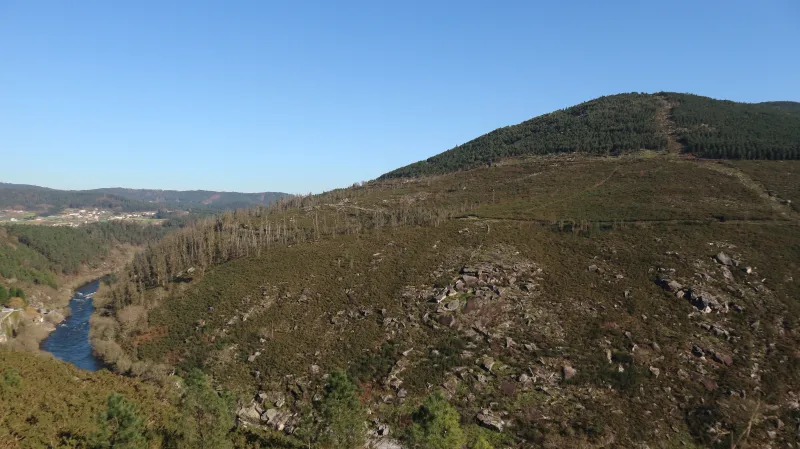
The second walking day is one of the most beautiful sections of any Camino. The "Route of Stone and Water" follows the course of the Armenteira River through a lush riverbank forest. The path is dotted with dozens of ancient stone watermills ("muíños") that create an enchanting atmosphere. This final descent ends at the Ría de Arousa's shore in Vilanova de Arousa, birthplace of writer Ramón María del Valle-Inclán.
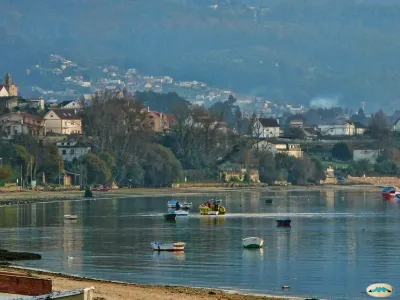
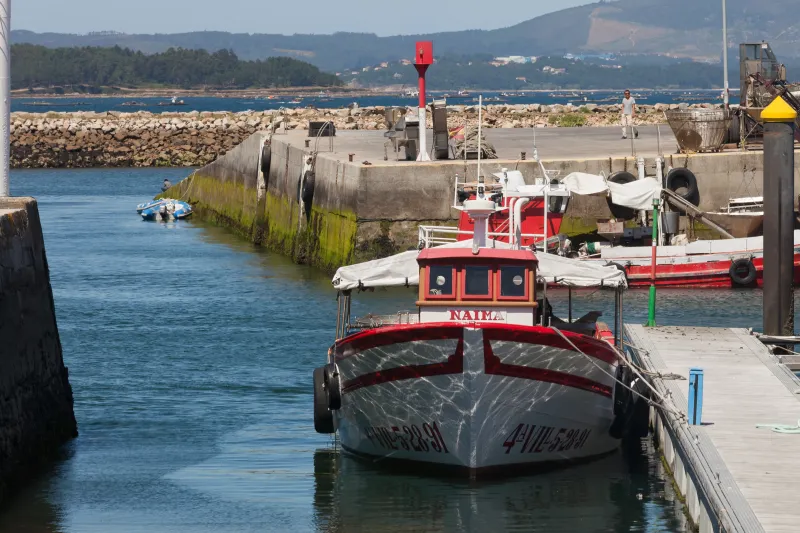
It's in Vilanova where the culmination and defining moment of the Spiritual Variant takes place. Here, the pilgrim boards to embark on the sea and river journey that recalls "Traslatio". The boat navigates the Ría de Arousa, Galicia's largest ria, passing through the "bateas" (mejillón cultivation platforms) and crosses the Cortegada Island. Then it enters the Ulla River's mouth and remounts it. During the ascent, the pilgrim can contemplate the world's only sea and river Vía Crucis: a series of 17 stone crossroads that mark both riverbanks, marking the boat of St. James' path. The final journey ends in Pontecesures, Padrón's fluvial port.
From Pontecesures, the pilgrim walks the last kilometers to Padrón, where they rejoin the traditional Portuguese Way, enriched by an unforgettable experience. In a few years, the Spiritual Variant has become one of the most sought-after options for pilgrims, a perfect synthesis of history, legend, nature, and culture that connects the 21st-century walker with the heart of the founding Jacobean myth.
We answer your questions
Frequently Asked Questions about Portuguese Way Central - Spiritual Variant
How long is the Central Portuguese Way - Spiritual Variant and how many days does it take to walk?
The Central Portuguese Way - Spiritual Variant measures 71.9 km in length, which can be covered in approximately 3 days given its moderate difficulty.
When is the best time to do the Central Portuguese Way - Spiritual Variant?
The ideal period for undertaking the Central Portuguese Way - Spiritual Variant is during the mid-season, which spans from April to June and September to October. This timeframe offers pleasant weather and a lower number of pilgrims compared to peak seasons.
What does Ourway Travel's service include for the Central Portuguese Way - Spiritual Variant?
Ourway Travel provides a comprehensive service that includes full itinerary management, accommodations in selected hostels or hotels, luggage transfer and boat route organization. Additionally, we offer personalized advice for your journey.
What is the difficulty level of the Central Portuguese Way - Spiritual Variant?
The difficulty level of the Central Portuguese Way - Spiritual Variant is considered medium. It includes stretches with walks on rural paths and a boat trip that adds a unique dimension to the experience.
How can I book my trip on the Central Portuguese Way - Spiritual Variant with Ourway Travel?
To book your trip on the Central Portuguese Way - Spiritual Variant with Ourway Travel, simply visit our website and select the itinerary option that appeals to you. Once done, fill out the reservation form by providing necessary details about your travel dates and personal preferences. Ourway will take care of the rest.
How can I obtain the pilgrim credential for the Central Portuguese Way - Spiritual Variant?
To get the pilgrim credential, you can request it at any tourist office or church in Spain before starting your journey. You can also ask for it directly from Ourway Travel when booking with us; we will advise you on where and how to pick it up.
How does the Central Portuguese Way - Spiritual Variant compare to other Jacobean routes in terms of history and importance?
The Central Portuguese Way - Spiritual Variant is unique for its direct connection to the legend of the Translatio, which narrates the journey of the Apostle Santiago's body from Jerusalem to Galicia. This route offers a rich historical and symbolic experience distinct from other Jacobean routes, particularly highlighting its riverine section by boat.
What makes the Central Portuguese Way - Spiritual Variant a preferred option over other variants of the route?
The spiritual variant offers a unique journey that combines pilgrimage experience with historical and legendary elements, such as the boat ride along the Ulla river. In addition to its symbolic value, it allows you to enjoy spectacular coastal and river landscapes, making this an exceptional choice for those interested in an experience beyond traditional hiking.
Organize Your Camino
Ready for this adventure?
Portuguese Way Central - Spiritual Variant
Walk this route with us
Fancy walking this route?
We don't have a ready-made package for this route yet, but we'll organise it around you. Tell us how you'd like to experience it and a specialist will reply within 24 h.
Request your proposal