
Camino de Santiago
Portuguese Coastal Way
Enjoy the Portuguese Coastal Route, an scenic alternative that borders the Atlantic. From Porto, it follows maritime villages in Portugal and Galicia until joining the Central Way.
Organize your Portuguese Coastal WayLast updated: 21/05/2024
The Route
General Description of Portuguese Coastal Way
Related Routes
Connections of Portuguese Coastal Way
Portuguese Way (Central)
616.5 km
25
Media
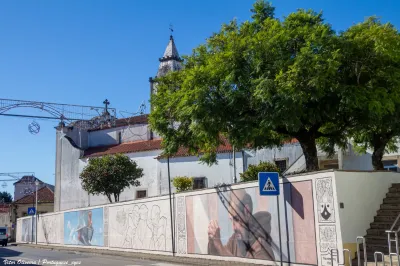
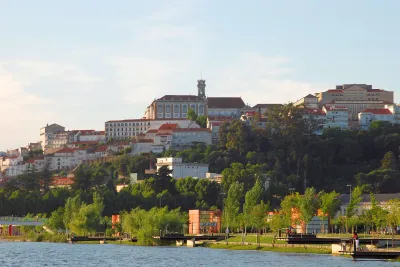
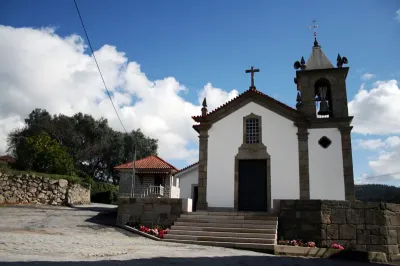
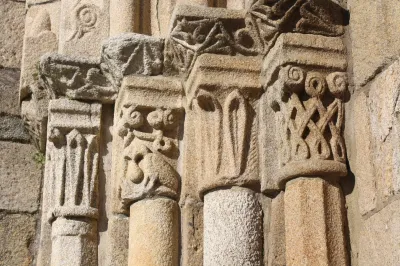
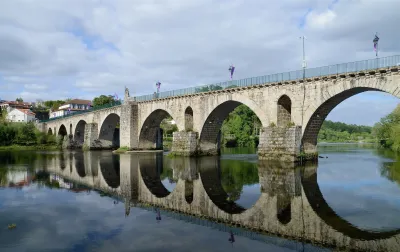
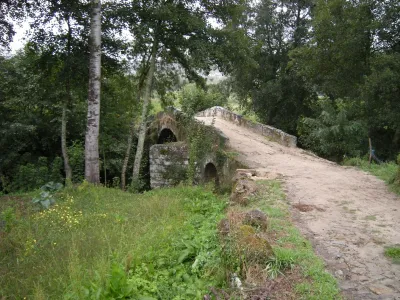
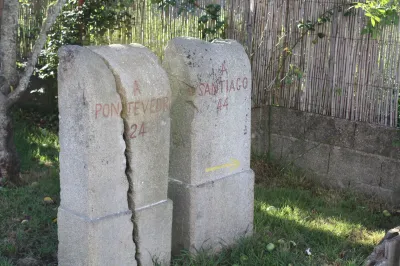
The Portuguese Central Way is one of the most traditional Jacobean routes and the second in terms of number of pilgrims. The entire route starts from Lisbon (620 km), although a very popular alternative is to start from Porto (240 km). This Camino passes through important Portuguese cities such as Coimbra and, already in Galicia, Tui, Pontevedra, and Padrón, the birthplace of Jacobean tradition.
It offers great monumental and landscape richness, combining urban trails with rural paths, forests, and vineyards. It is well signposted and has an excellent network of hostels. It is an ideal option for those who wish to experience the culture of two countries and enjoy a Camino with generally moderate difficulty.
Stages of this variant:
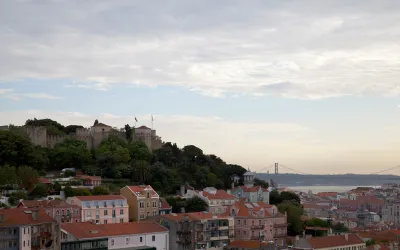
Stage 1: Lisboa to Vila Franca de Xira
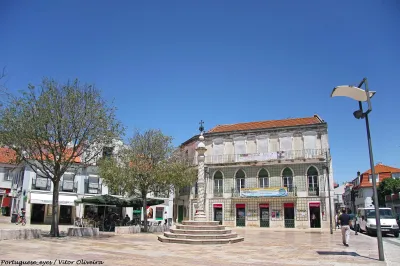
Stage 2: Vila Franca de Xira to Azambuja
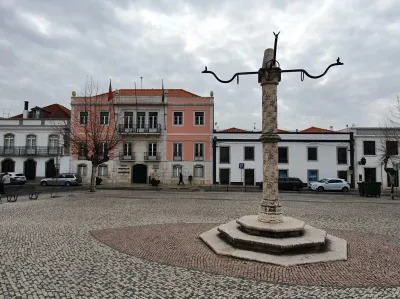
Stage 3: Azambuja to Santarém
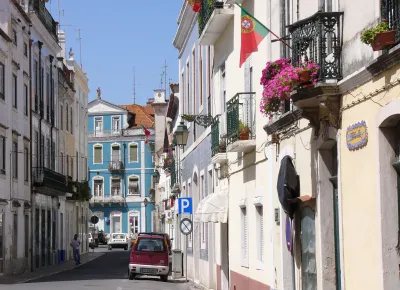
Stage 4: Santarém to Golegã
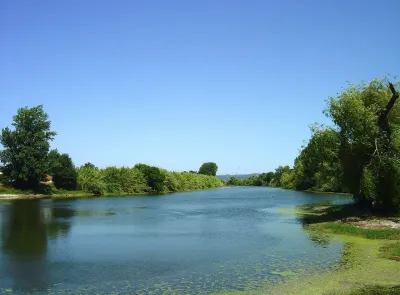
Stage 5: Golegã to Tomar
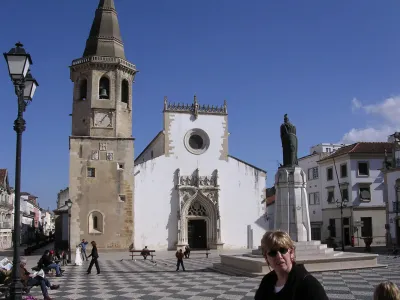
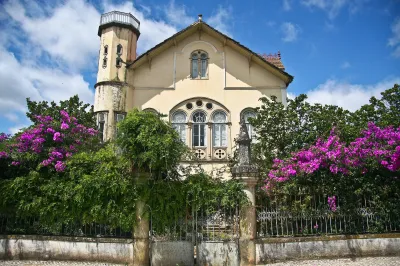
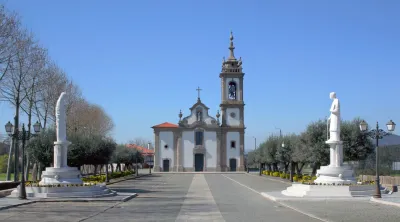
Portuguese Cycle Route
118.8 km
2
Media
The Portuguese Way by bike from Tui is one of the most popular routes for cyclists due to its beauty, affordable profile and excellent infrastructure. In just 2 stages, this 119 km route allows you to get your Compostela and enjoy the essence of southern Galicia. The route passes through forests, vineyards and historic cities such as Pontevedra and Padrón. It's an ideal option for a weekend getaway or for getting started with backpacking cycling.
Stages of this variant:
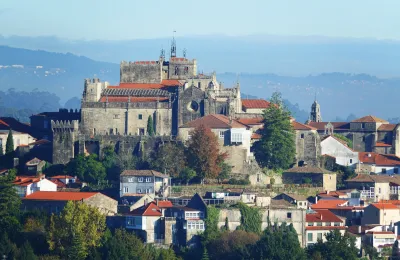
Stage 1: Tui to Pontevedra (By bike)
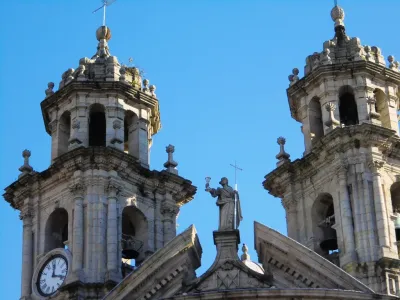
Stage 2: Pontevedra to Santiago de Compostela (By bike)
Portuguese Way Central - Spiritual Variant
108 km
3
Media
The Spiritual Variant of the Portuguese Way, with a 71.9 km route in 3 stages, offers an unique and highly symbolic experience. The route diverges from the Central Portuguese Way in Pontevedra and ventures into the interior of Rías Baixas before descending to Arousa Bay. The most emblematic moment is crossing by boat over the Ulla River, a journey that recalls the legendary Traslatio, the arrival by sea of St. James' body to Galicia. This itinerary concludes in Padrón, where it joins the main Portuguese Way to continue the final stage towards Santiago de Compostela. It's an option for pilgrims seeking a deep connection with the history and legend of the Camino, enjoying coastal, riverine landscapes, and a high spiritual atmosphere. The route combines hiking with a boat journey, making it an unforgettable experience.
Stages of this variant:
Stage 1: Tui to Redondela
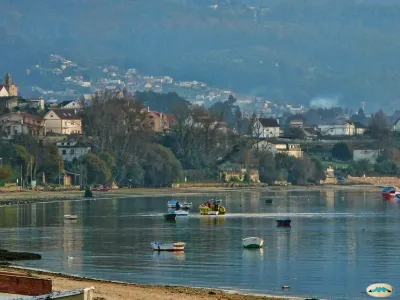
Stage 2: Redondela to Pontevedra
Stage 3: Pontevedra to A Armenteira (E-1)
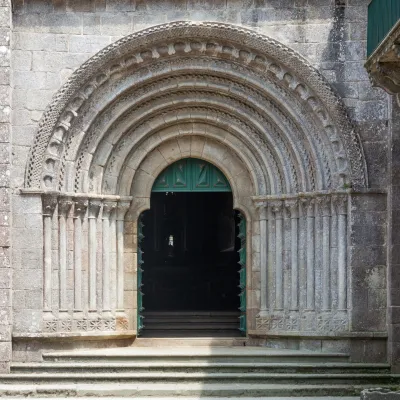
Stage 4: A Armenteira to Vilanova de Arousa (E-2)
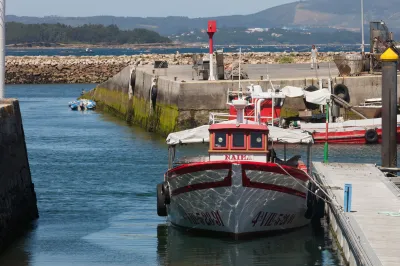
Stage 5: Vilanova de Arousa to Padrón (E-3)
Elevation Profile of
Elevation Profile of Portuguese Coastal Way
Visualize the ups and downs of the route.
Loading elevation profile...
Error loading elevation profile or altitude data not available.
Your trip with Ourway
Everything you need for your Camino
No hassle. Your perfect route, from start to finish.
Accommodation
Selected hotels and hostels at every stage
Luggage transfer
Your backpack travels from stage to stage
Camino Guide
Detailed map with directions and services
24h Support
Team available for any unforeseen event
Pilgrim credential
Official documentation included
No commitment
Free personalized consultation
Stages
Stages of Portuguese Coastal Way
Oporto → Labruge
The first stage of the Portuguese Coastal Way is a transition journey that takes the pilgrim out of the great city of Porto. The route runs along the coast, through an enjoyable seaside promenade and ...
Labruge → Póvoa de Varzim
This stage is a pleasant coastal walk that continues along wooden boardwalks over the dunes. It's a short and completely flat journey, ideal for enjoying the Atlantic landscape without great exertion....
Póvoa de Varzim → Marinhas
Leaving the bustling Póvoa de Varzim, this stage returns the pilgrim to a more natural and tranquil environment. The route follows the coast line, alternating walks on the beach with paths between dun...
Marinhas → Viana do Castelo
This stage is one of the most beautiful and complete sections of the Portuguese Coastal Way. The route combines interior stretches through forests and villages with spectacular sections along the coas...
Viana do Castelo → Caminha
This stage is a long and spectacular coastal journey that takes the pilgrim to the border with Spain. The route is mainly flat and runs through a beautiful landscape, alternating walks on the beach, p...
Caminha → Porto Mougás
This stage marks the entry into Galicia and is one of the most spectacular on the route. It begins with a ferry crossing over the River Miño to A Guarda. From there, the road follows a coastal path th...
Towns
Featured Towns of Portuguese Coastal Way
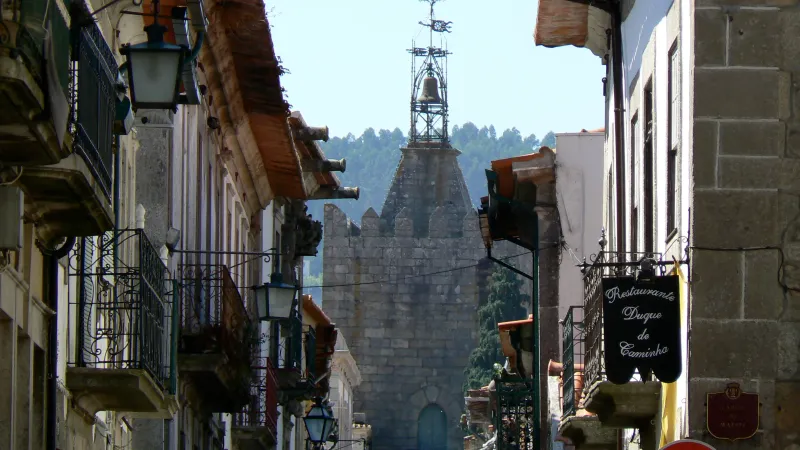
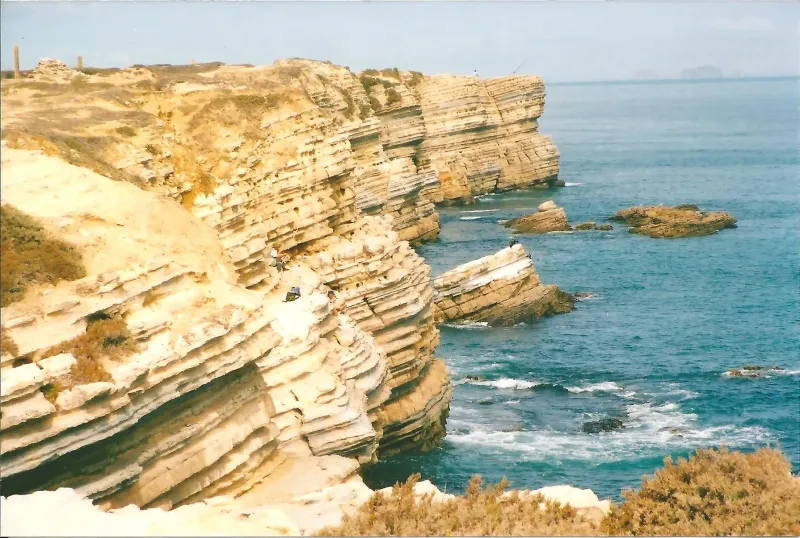
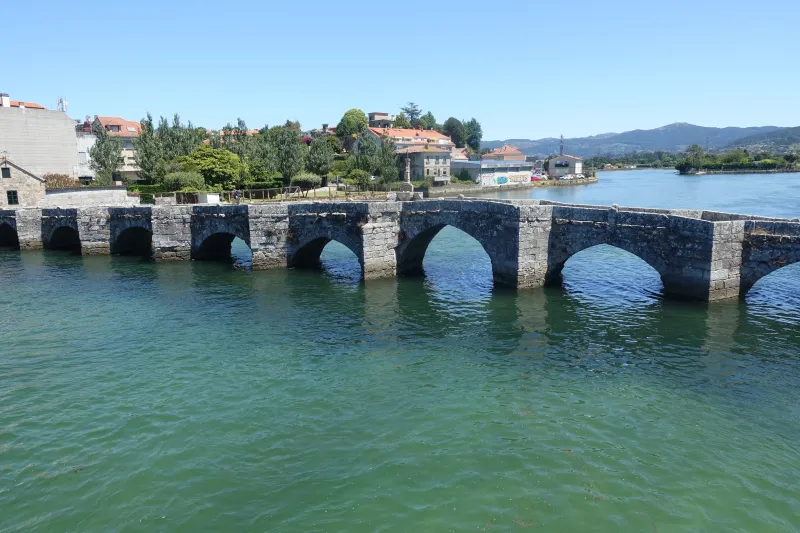
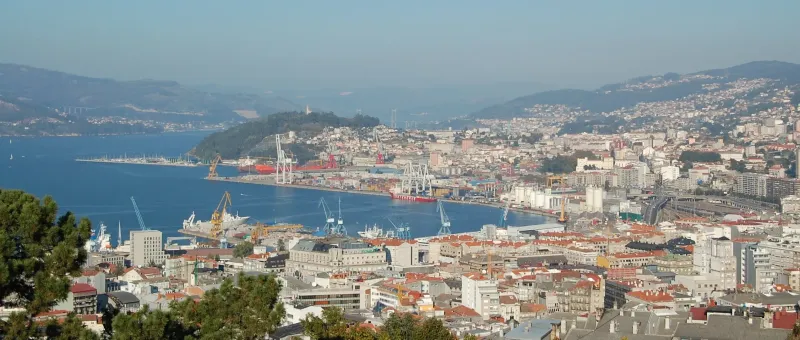
Explore the key towns and cities of this route.
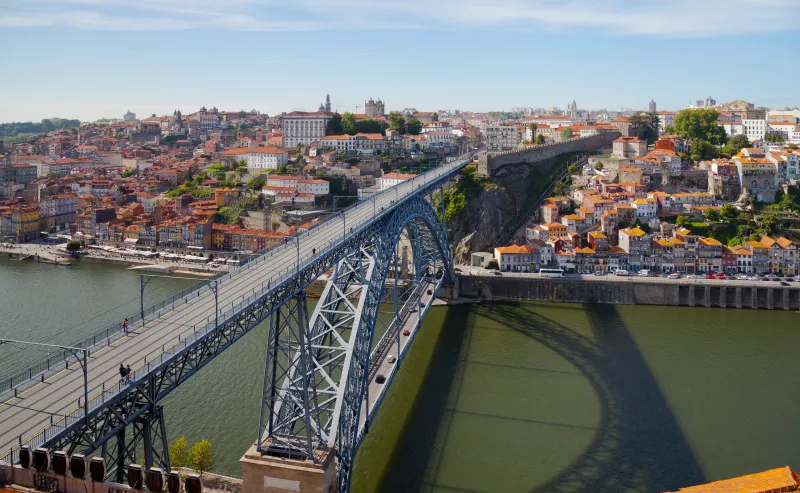
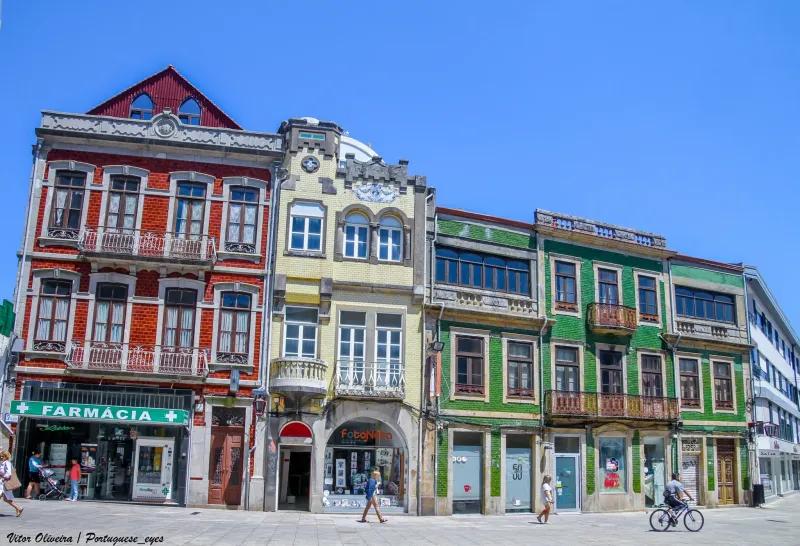
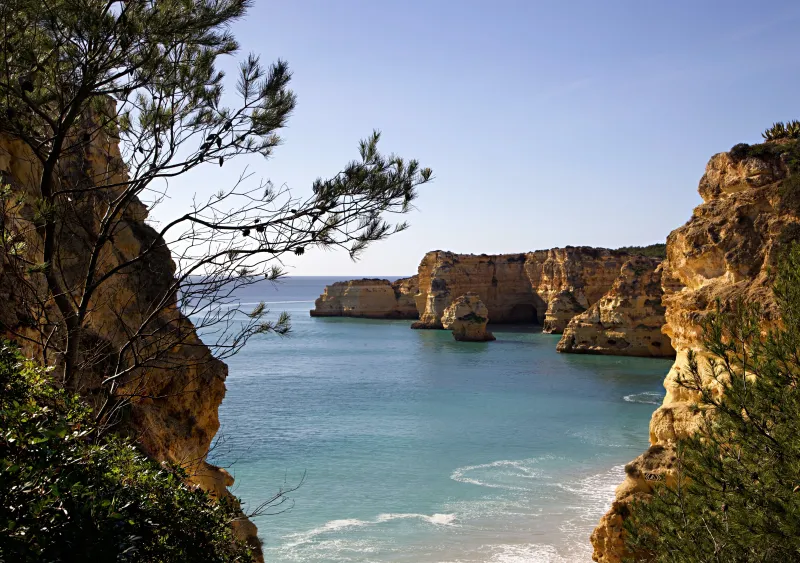
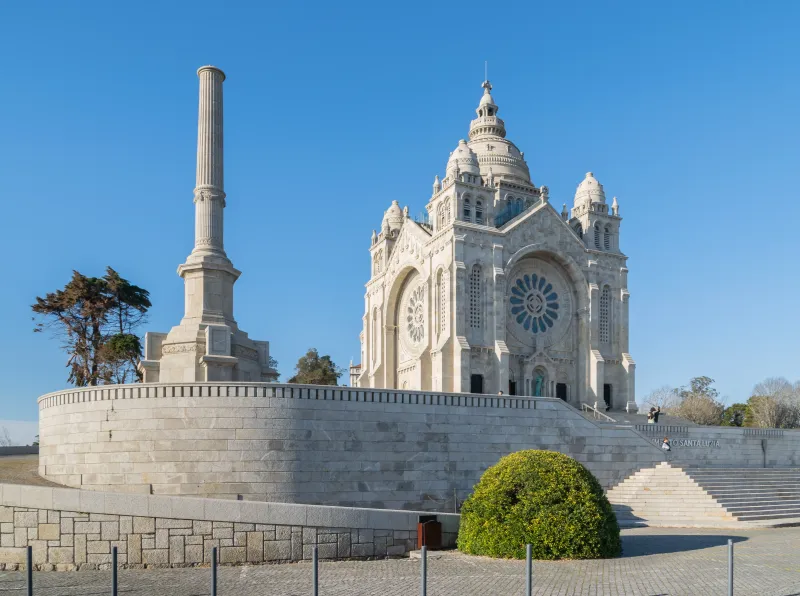
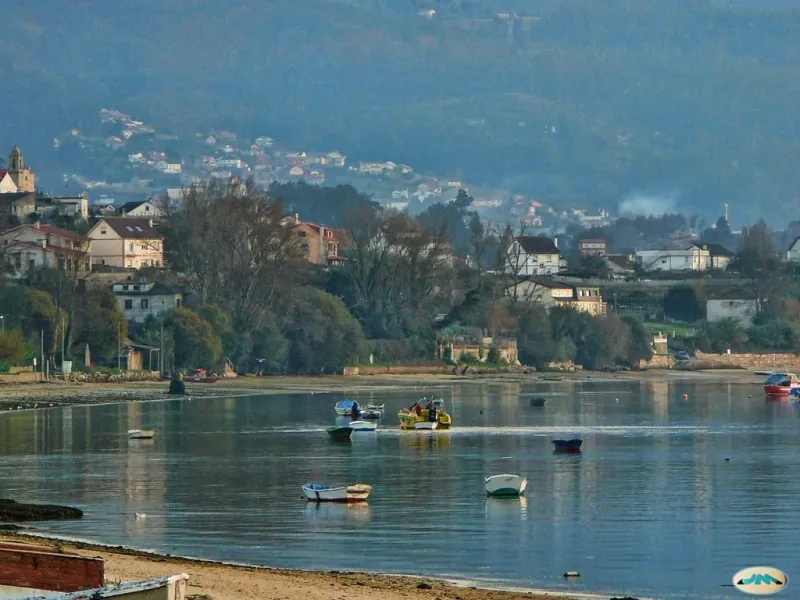
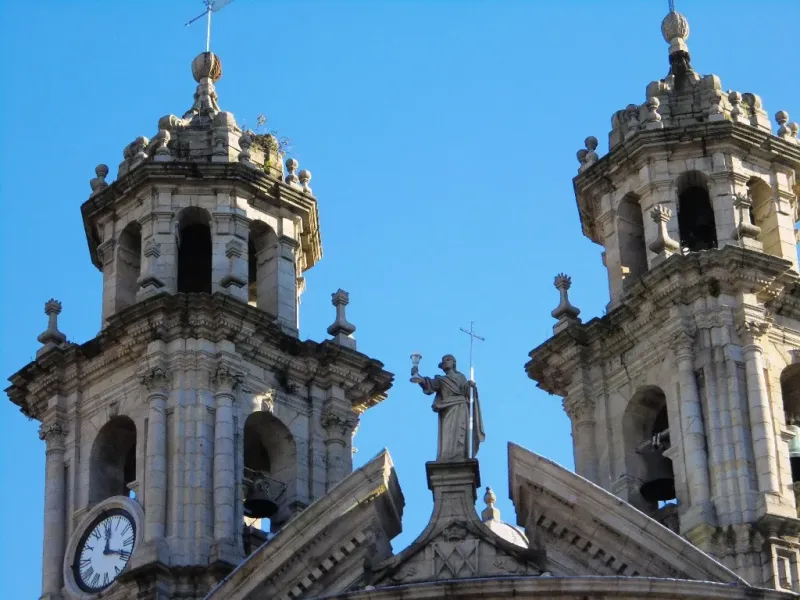
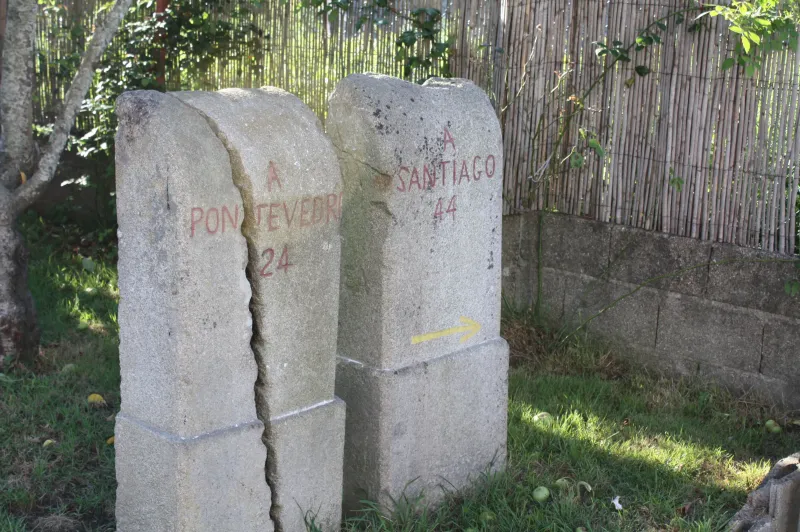
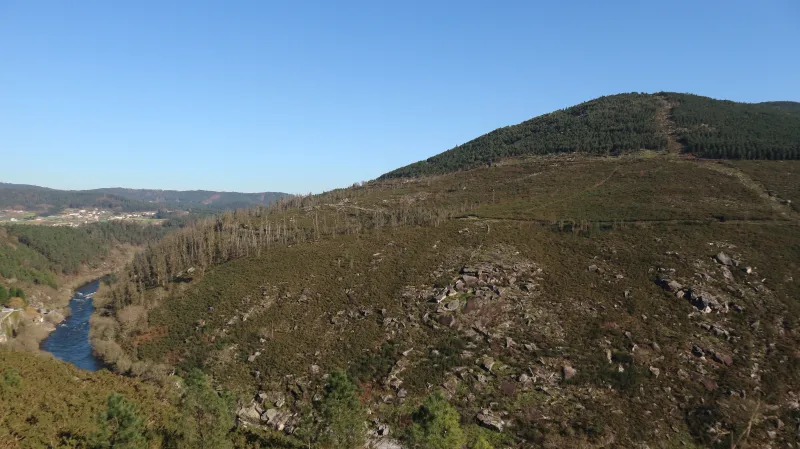
History
Millenary History of the Camino de Santiago: Origins and Evolution Portuguese Coastal Way
Discover the origins and evolution of Portuguese Coastal Way
Its origins can be traced in local roads and ancient routes, some of Roman origin, that connected coastal towns in northern Portugal. In the Middle Ages, these routes were vital for trade and communication. It is natural to think that local pilgrims from these seaside villages, as well as those who disembarked at the important port of Oporto, used these known and secure roads to head north, instead of venturing into the interior. The milder climate of the coast and the availability of resources in the numerous coastal towns were considerable advantages.
The modern route starts in Oporto city and heads north, following as far as possible along the coastline. It passes through localities with a deep maritime flavor, such as Vila do Conde, with its imposing Monastery of Santa Clara; Póvoa de Varzim, an important fishing center; and Viana do Castelo, one of the most beautiful cities in northern Portugal, guarded by the Sanctuary of Santa Luzia, from which breathtaking views of the Lima River estuary can be seen. The devotion to St. James in these areas was always intense, with numerous churches and chapels dedicated to Santiago and other saints protecting sailors.
The turning point of the route is the crossing of the natural border marked by the Miño River. Generally, pilgrims take a ferry in the Portuguese locality of Caminha to disembark in A Guarda, already in Galician territory. This brief boat trip is a symbolic moment. From A Guarda, famous for its spectacular Celtic castle of Santa Trega, the Galician itinerary continues along the fascinating coastline of Rías Baixas.
The path passes by the Cistercian monastery of Santa María de Oia, an isolated cenobium built near the sea to defend against pirate attacks. The next major milestone is Baiona, a historic village of great importance, as it was the first European port to receive news of the discovery of America in 1493 with the arrival of the Pinta caravel. After passing through the vibrant city of Vigo, the Atlantic Way enters the interior to converge with the Central Route in Redondela. From there, both routes share the same path until Santiago.
The revitalization of the Atlantic Way has been spectacular in recent years. Its scenic beauty, with a constant parade of beaches, cliffs, and estuaries, has made it an attractive option, especially during spring and summer months. The improvement of signage and the growing number of hostels have facilitated its journey, solidifying it as one of the most traveled Jacobean routes. It offers a different experience to the Central Route, a constant dialogue with the Atlantic Ocean and an opportunity to discover the rich natural and cultural heritage of the Luso-Galician coast.
We answer your questions
Frequently Asked Questions about Portuguese Coastal Way
Does the Portuguese Coastal Way always follow the sea?
No, but a large part of the route runs close to the Atlantic coast. From Porto it follows the shoreline through Matosinhos, Vila do Conde, and Viana do Castelo. It offers seaside walks, beaches, and fishing villages, although some stages venture slightly inland.
Is the Coastal Way easier than the Central Route?
Generally, yes, as the coastal terrain is flatter. However, exposure to Atlantic winds and sand can make some stages more challenging than expected. Accommodation infrastructure is well-developed along the entire route.
How many days do I need for the Portuguese Coastal Way?
From Porto to Santiago, it's about 280 km covered in 12-14 stages. It's a popular choice for those who want to combine pilgrimage with coastal landscapes and Portuguese and Galician seafood cuisine.
What are the most iconic places along the Portuguese Coastal Way?
The Portuguese Coastal Way passes through charming fishing villages and historic cities such as Vila do Conde with its Monastery of Santa Clara, Póvoa de Varzim, an important fishing center, and the beautiful Viana do Castelo. In Galicia, A Guarda and Baiona stand out. Ourway Travel offers detailed itineraries to help you make the most of each place.
What does the travel package for the Portuguese Coastal Way include with Ourway Travel?
Our package for the Portuguese Coastal Way includes accommodation in hostels or hotels, daily transfers between stages, detailed maps and guides of the route, as well as 24/7 assistance during your pilgrimage. Additionally, we provide an official pilgrim credential to facilitate your experience.
How does the Portuguese Coastal Way compare to the French Way in terms of history and culture?
Although less known than the French Way, the Portuguese Coastal Way offers a rich history linked to coastal fishing communities and medieval maritime trade. It provides a unique cultural journey with views of the Atlantic Ocean and distinct landscapes from those inland. Ourway Travel helps you explore this route in depth with historical insight.
What is the best time to do the Portuguese Coastal Way?
The best time to undertake the Portuguese Coastal Way is between April and October. During this period, you will enjoy pleasant weather and a moderate influx of pilgrims, allowing you to experience the route without overcrowding. Ourway Travel offers customized plans for these dates.
How does the luggage management service work on the Portuguese Coastal Way with Ourway Travel?
Ourway Travel offers a luggage management service that handles the transportation of your belongings between stages. This allows you to travel light and focus on enjoying the route and sea views. Simply leave your heavier backpack at the designated pickup point.
Organize Your Camino
Ready for this adventure?
Portuguese Coastal Way
Walk this route with us
Fancy walking this route?
We don't have a ready-made package for this route yet, but we'll organise it around you. Tell us how you'd like to experience it and a specialist will reply within 24 h.
Request your proposal