
Camino de Santiago
Basque Interior Way
The Basque Interior Way or Via of Bayonne connects Irun with Santo Domingo de la Calzada or Burgos. A historic route through the heart of the Basque Country and La Rioja to the French Way.
Organize your Basque Interior WayLast updated: 21/05/2025
The Route
General Description of Basque Interior Way
It was a very traveled route in the Middle Ages, especially to avoid the coast. Today, it is an excellent option for those who seek an alternative to the Northern Way in its initial section and wish to explore the interior of Basque-Riojan.
Related Routes
Connections of Basque Interior Way
Camino Francés
779 km
33
Moderate
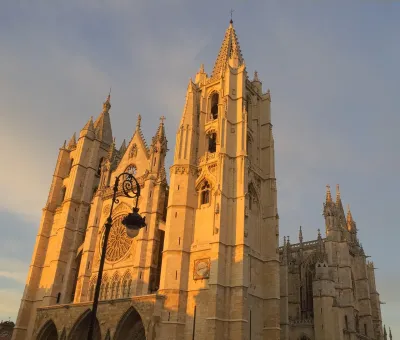
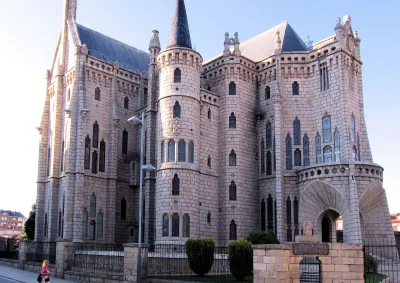
The Camino Francés is the pilgrimage route to Santiago par excellence, chosen by thousands of pilgrims every year. Running roughly 780 km from Saint-Jean-Pied-de-Port, or slightly less from Roncesvalles, it crosses northern Spain. This path, declared a World Heritage Site by UNESCO, offers an exceptional network of services and pilgrim hostels. Pilgrims make their way through Navarra, La Rioja, Castilla y León, and finally Galicia, marveling at cities rich in monuments such as Pamplona, Burgos, and León, and at villages with a charm of their own. The diversity of its scenery is one of its great draws, from the Pyrenees and the Castilian plains to the green forests of Galicia. It is a physical and spiritual journey that leaves an indelible mark, ideal both for seasoned pilgrims and for those setting out on the Camino de Santiago for the first time.
Stages of this variant:
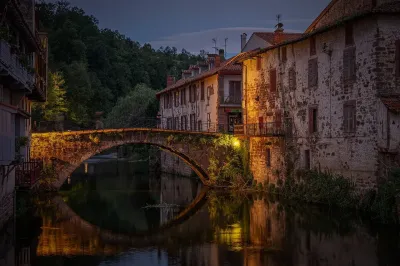
Stage 1: Saint-Jean-Pied-de-Port to Roncesvalles
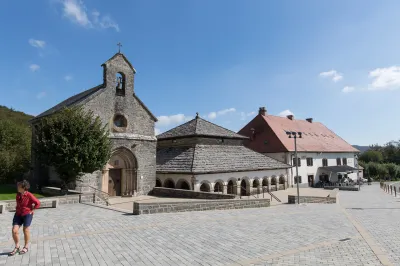
Stage 2: Roncesvalles to Zubiri
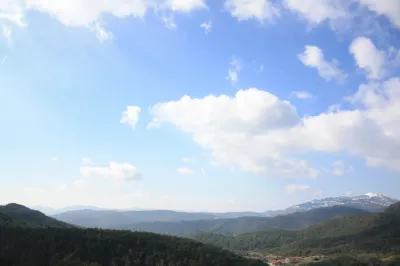
Stage 3: Zubiri to Pamplona
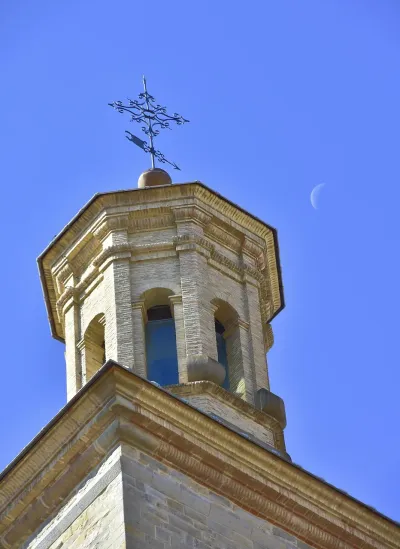
Stage 4: Pamplona to Puente la Reina
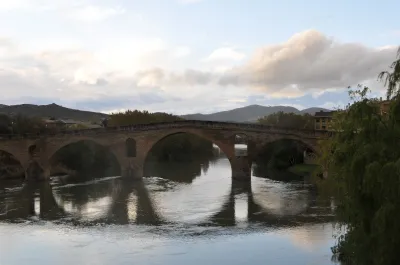
Stage 5: Puente la Reina to Estella
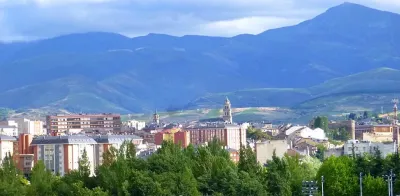
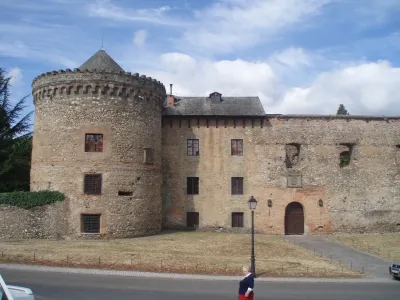
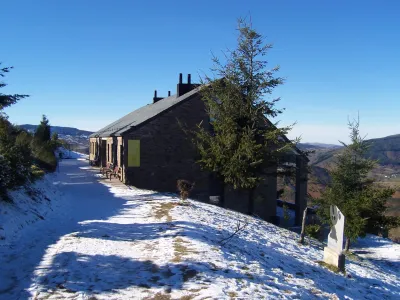
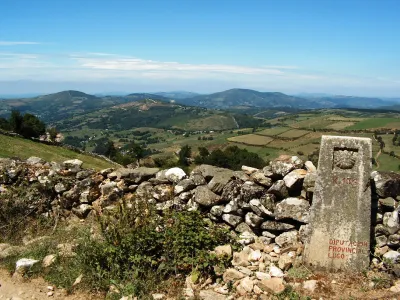
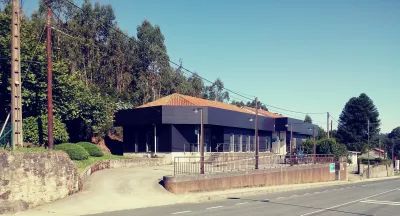
Basque Way by Bike
203.4 km
4
High
The Vasco-Interior Cycle Route is an intense and culturally rich route that traverses Guipúzcoa and Álava. In 4 stages, cyclists overcome landmarks such as the San Adrián tunnel, a historic pass through Aizkorri mountain range. The route is full of contrasts, from green Guipuzcoan valleys to the Alavesan plain. It's an demanding route, recommended for experienced mountain bikers who are rewarded with exceptional monumental heritage.
Stages of this variant:
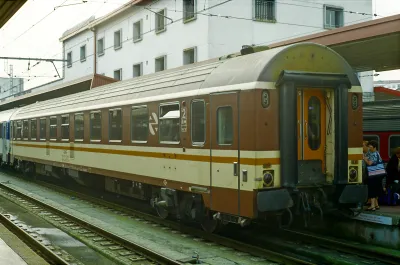
Stage 1: Irún to Tolosa (By bike)
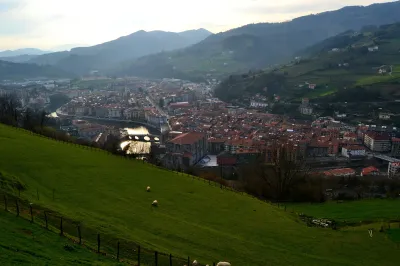
Stage 2: Tolosa to Salvatierra/Agurain (By bike)
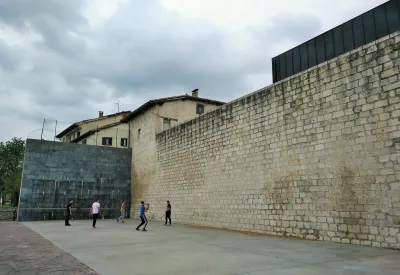
Stage 3: Salvatierra/Agurain to La Puebla de Arganzón (By bike)
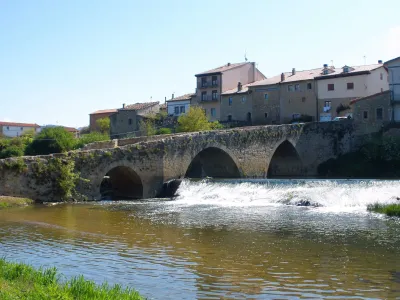
Stage 4: La Puebla de Arganzón to Santo Domingo de la Calzada (By bike)
Your trip with Ourway
Everything you need for your Camino
No hassle. Your perfect route, from start to finish.
Accommodation
Selected hotels and hostels at every stage
Luggage transfer
Your backpack travels from stage to stage
Camino Guide
Detailed map with directions and services
24h Support
Team available for any unforeseen event
Pilgrim credential
Official documentation included
No commitment
Free personalized consultation
Walk this route with us
Fancy walking this route?
We don't have a ready-made package for this route yet, but we'll organise it around you. Tell us how you'd like to experience it and a specialist will reply within 24 h.
Request your proposalStages
Stages of Basque Interior Way
Irún → Hernani
The first stage of the Vasco-Interior Way is an demanding day that ventures into Guipuzcoan mountains. The route leaves the coast to ascend over a broken terrain with steep slopes. The route passes th...
Hernani → Tolosa
This stage continues through the heart of Gipuzkoa, in a medium mountain terrain. The profile is a continuous "rocky slope", with constant ups and downs through a landscape of valleys and hills. The r...
Beasain → Zegama
Mountainous stage of the Inland Basque Way (shared with the Via Bayona) that goes into the mountains of Aralar and Aizkorri. The 16 km link Beasain with Zegama through the valley of the Oria, with a c...
Salvatierra / Agurain → Vitoria-Gasteiz
After the ruggedness of the mountain, this stage is an enjoyable stroll through the Llanada Alavesa. The profile is completely flat and runs through a landscape of fields of cultivation. It's a comfor...
Towns
Featured Towns of Basque Interior Way
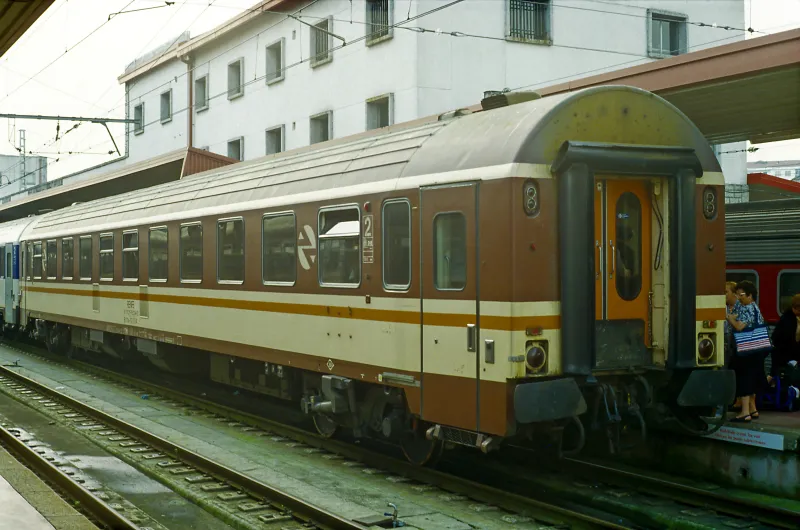
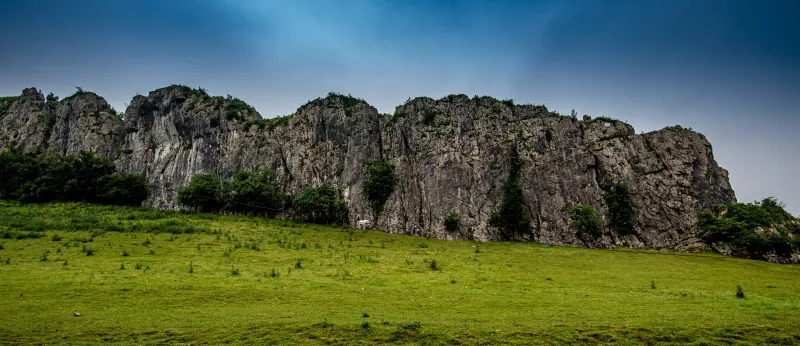
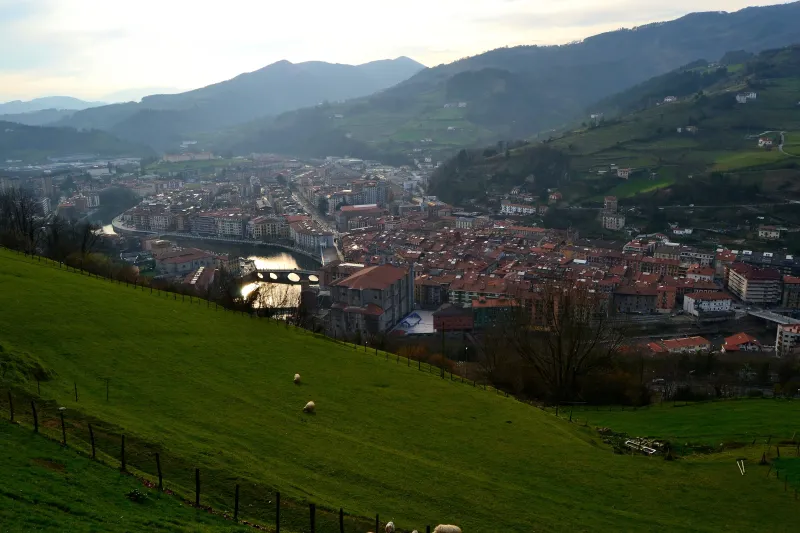
Explore the key towns and cities of this route.
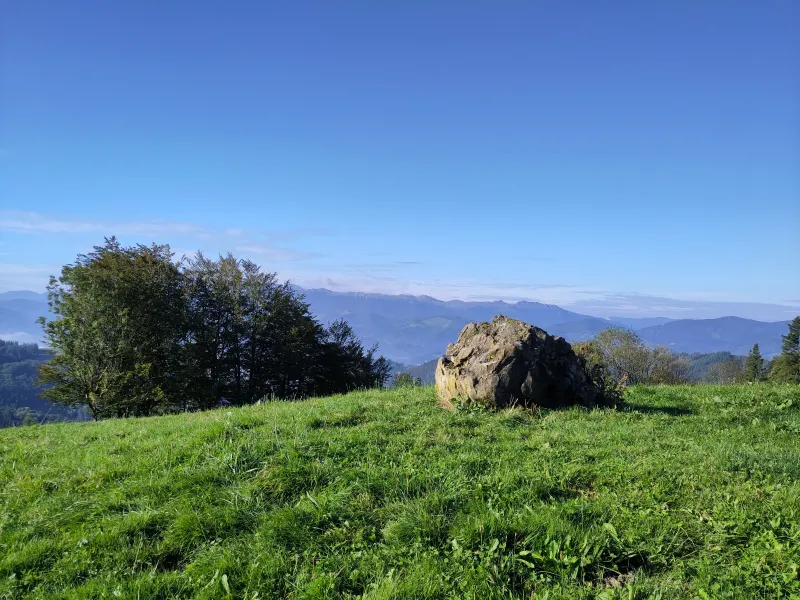
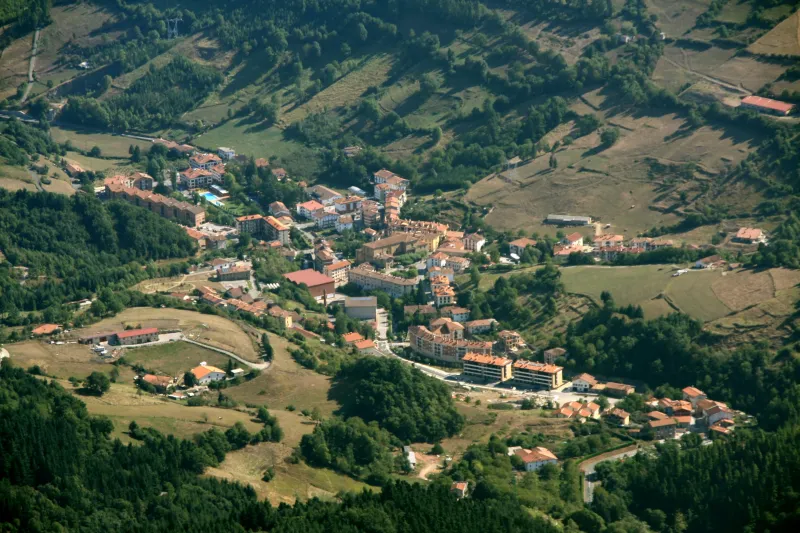
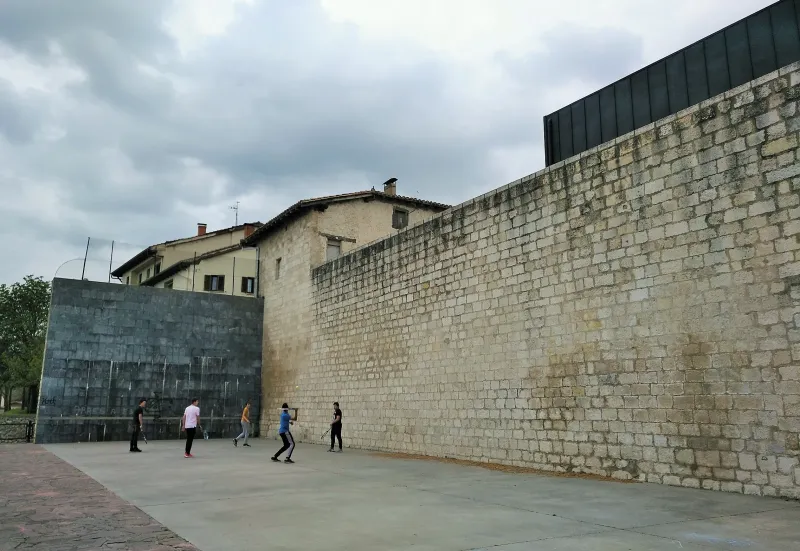
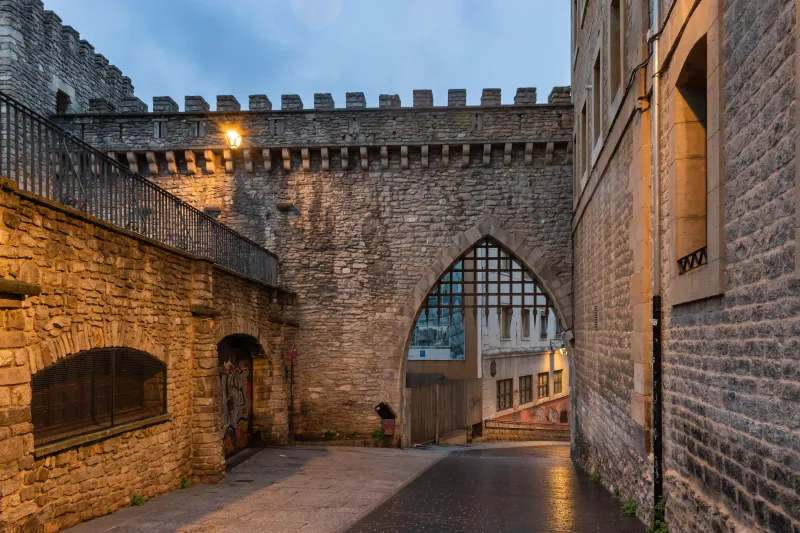
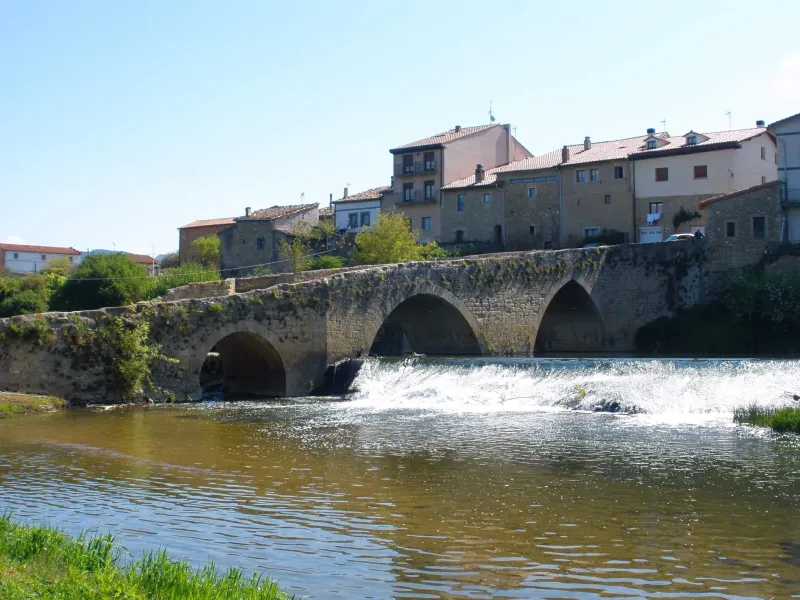
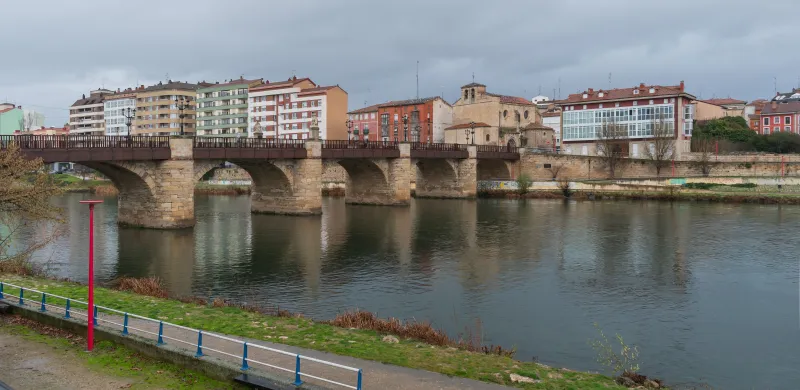
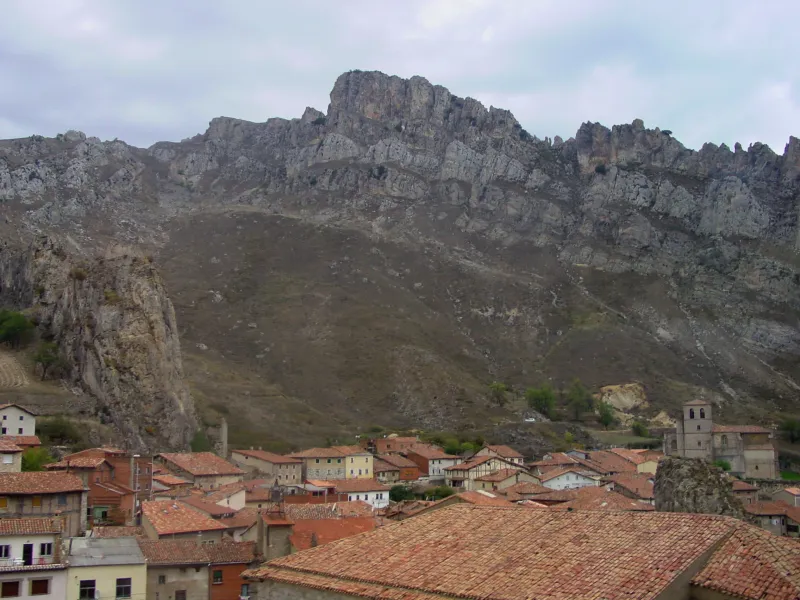
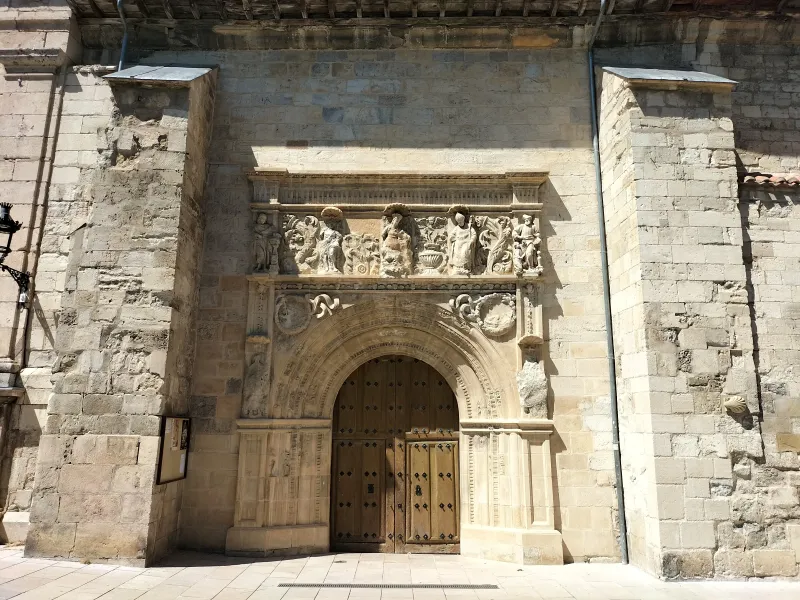
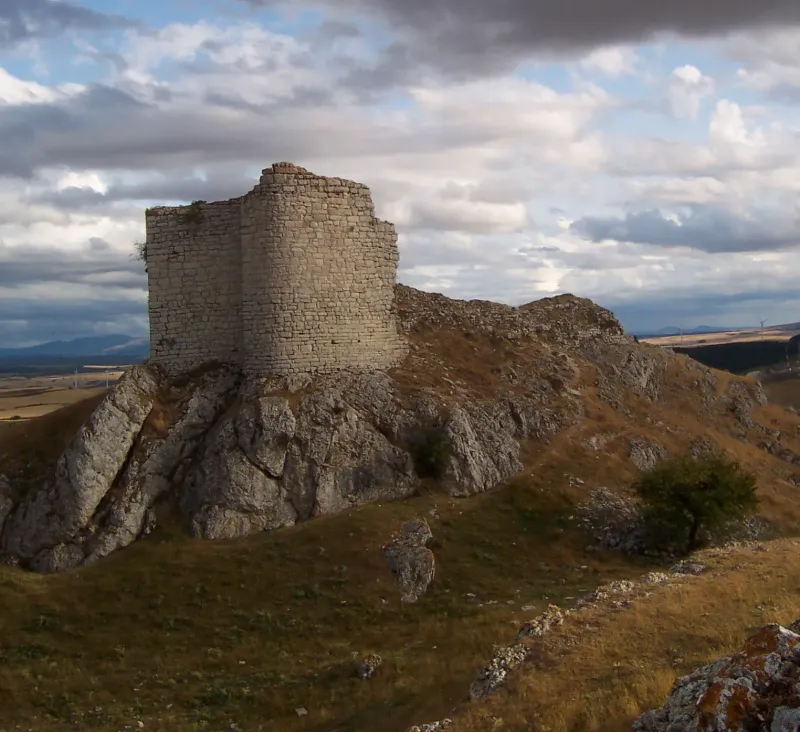
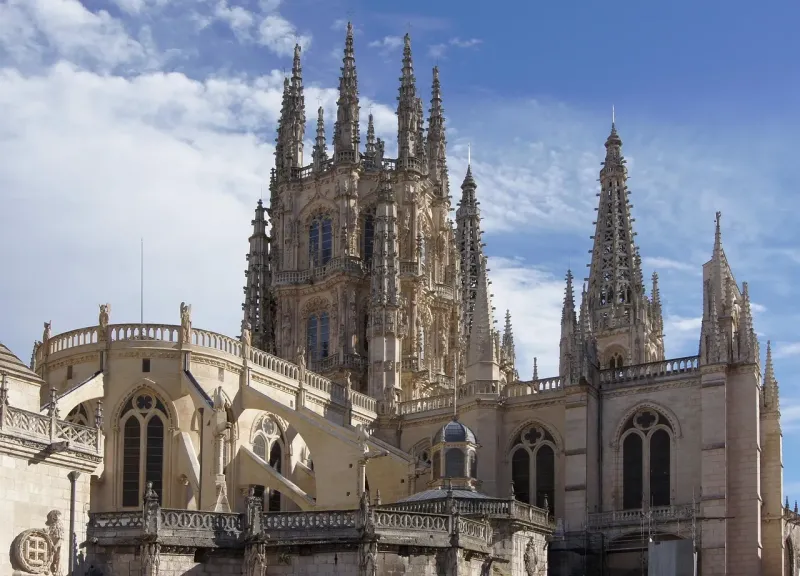
History
Millenary History of the Camino de Santiago: Origins and Evolution Basque Interior Way
Discover the origins and evolution of Basque Interior Way
Between the 10th and 13th centuries, in the midst of the fervor of pilgrimages and with much of the peninsula under Muslim control, security was the top priority. The Vasco-Interior offered an itinerary that passed through territories firmly controlled by Christian kingdoms of Pamplona and Castile. Starting from the border in Irún, it ventured into Guipúzcoa, avoiding the coast —still exposed to possible Norman attacks— and seeking protection in the interior valleys and mountains.
The most iconic and defining element of this route is the Tunnel of San Adrián. This is not an artificial tunnel but a natural cave that pierces the limestone crest of the Aizkorri mountain range. Used as a passage since prehistory, during the Middle Ages it was adapted with a stone-paved road and housed an hermitage dedicated to Saint Adrian, offering physical and spiritual refuge. For the medieval pilgrim coming from the plains of France, crossing this dark and damp cave to emerge on the southern slope of the mountain range in the Álava plains must have been an overwhelming experience, a rite of passage, a baptism in the Spanish land. Kings such as Sancho III the Greater of Navarre and Alfonso VIII of Castile understood its strategic value and protected it, turning it into a fundamental route not only for pilgrims but also for trade and troop movement.
Once past the tunnel of San Adrián, the path descended to the Alavesa Llanada, a wide and fertile plain. The city of Vitoria-Gasteiz, founded in 1181 by King Sancho VI of Navarre on an ancient village, became a fundamental milestone, a place of rest and replenishment before continuing the journey. The route continued south, crossing the Vitorian Mountains and crossing the Ebro River at strategic points such as Miranda de Ebro or Haro's Conchas, to enter Castilian or Riojan territories.
The final goal was to connect with the great artery of the Camino Francés. Depending on the variant, the connection occurred in Burgos, one of the capitals of the Camino, or in Santo Domingo de la Calzada, in La Rioja. From the 13th century onwards, the route of Roncesvalles, somewhat less demanding and with greater institutional support, was gaining ground and channeling most of the pilgrim flow. The Vasco-Interior Way saw a decrease in international traffic but never abandoned it, maintaining its regional importance.
The modern revival of this itinerary has rescued one of the most fascinating pages of Jacobean history. Today, it offers the pilgrim an extremely demanding route, with extraordinary landscape beauty and monumental heritage of first order. Walking on the Vasco-Interior Way is following in the footsteps of the first European pilgrims and understanding how faith and strategy came together to draw a secure path through the mountains.
We answer your questions
Frequently Asked Questions about Basque Interior Way
How many kilometers and days does the Camino Vasco del Interior by Ourway Travel cover?
The Camino Vasco del Interior, managed by Ourway Travel, covers a total distance of 257.2 km and is recommended to be completed in approximately 12 days.
What is the difficulty level of the Interior Basque Route offered by Ourway?
Ourway offers the Interior Basque Route as a medium-difficulty route, which includes walks through the heart of the Basque Country and La Rioja.
Which is the best time to do the Interior Basque Country Way with Ourway Travel?
The mid-season, especially in May or September, is considered the best time to undertake the Interior Basque Country Way. It offers pleasant weather and a moderate influx of pilgrims.
What exactly does the Ourway Travel package for the Interior Basque Route include?
The Ourway Travel package for the Interior Basque Route includes services such as accommodation reservations, detailed route information, and traveler assistance throughout the journey.
How can I book the Interior Basque Country Route with Ourway Travel?
To book the Interior Basque Country Route with Ourway, visit our website where you will find options to complete your reservation quickly and securely. We also offer personalized advice over the phone.
How does the Camino Vasco del Interior compare to other routes to Santiago?
The Camino Vasco del Interior is a unique option that offers a rich cultural and historical experience in the inland region of Euskadi and La Rioja, standing out for its natural beauty and traditional refuges, unlike coastal alternatives such as the Northern Way.
What is the best option to start my journey to Santiago from Irún?
The Camino Vasco del Interior, offered by Ourway Travel, is an excellent choice for starting your journey from Irún. It provides a peaceful route through unique landscapes and offers close contact with Basque culture.
How do I obtain my pilgrim's credential for the Interior Basque Way?
To get your pilgrim's credential for the Interior Basque Way, you can visit any tourist office or municipal hostel in Irún. Ourway Travel can also assist with it before your departure.
Organize Your Camino
Ready for this adventure?
Basque Interior Way