
Camino de Santiago
St. Benedict's Way (Way of St. Benedict)
The Way of St Benedict is a pilgrimage route in Italy that links Norcia with Montecassino, following the footsteps of St Benedict; it is not a direct Jacobean route.
Organize your St. Benedict's Way (Way of St. Benedict)Last updated: 21/05/2025
The Route
General Description of St. Benedict's Way (Way of St. Benedict)
Your trip with Ourway
Everything you need for your Camino
No hassle. Your perfect route, from start to finish.
Accommodation
Selected hotels and hostels at every stage
Luggage transfer
Your backpack travels from stage to stage
Camino Guide
Detailed map with directions and services
24h Support
Team available for any unforeseen event
Pilgrim credential
Official documentation included
No commitment
Free personalized consultation
Stages
Stages of St. Benedict's Way (Way of St. Benedict)
Norcia → Cascia
The inaugural stage of the Cammino di San Benedetto passes through two of Umbria's most important spiritual centers. The route traverses rural areas and offers views of the Apennines, preparing the pi...
Cascia → Monteleone di Spoleto
This mountain stage rises to one of the highest and most beautiful towns in the region. From Cascia, the path climbs steadily towards Monteleone di Spoleto. It is an demanding but rewarding stage with...
Monteleone di Spoleto → Leonessa
This stage of the Camino di San Benedetto offers a breath of fresh air after the previous ascent, with a profile that is mostly descending. The shorter route allows the pilgrim to enjoy a landscape th...
Leonessa → Poggio Bustone
This stage marks the entry into the Valley of Rieti, the heart of Franciscanism. The path winds its way up the mountain slopes on a moderate distance but with steep inclines. The landscape is of great...
Poggio Bustone → Rieti
After the spiritual intensity of Poggio Bustone, this stage is an enjoyable descent for most part. The path takes the pilgrim from the Franciscan sanctuary to the historic city of Rieti, considered th...
Rieti → Rocca Sinibalda
Leaving behind the Holy Valley, this stage enters into the Sabine region, a land of hills and olive groves. It is a long day with an undulating profile and continuous ups and downs that require good e...
Towns
Featured Towns of St. Benedict's Way (Way of St. Benedict)
Explore the key towns and cities of this route.
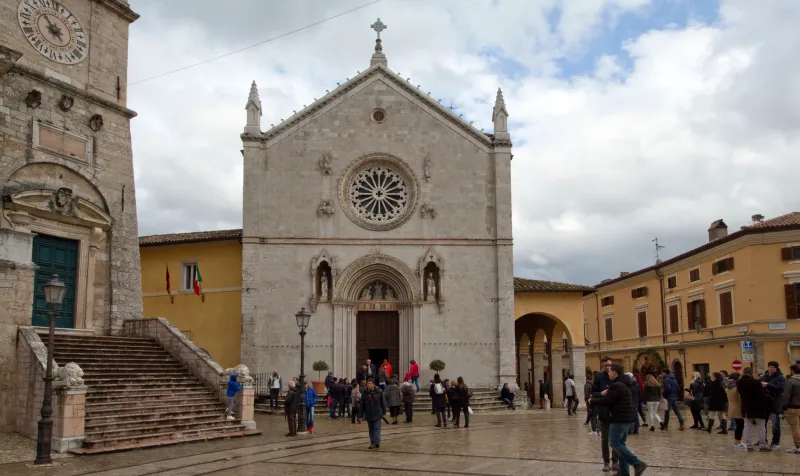
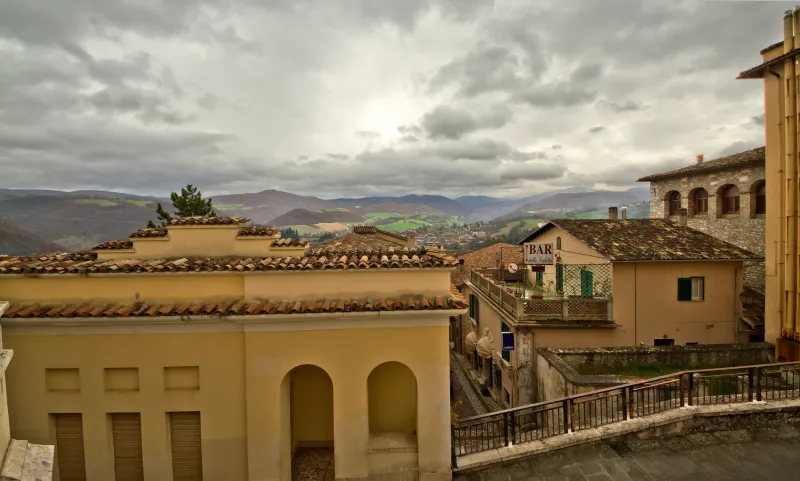
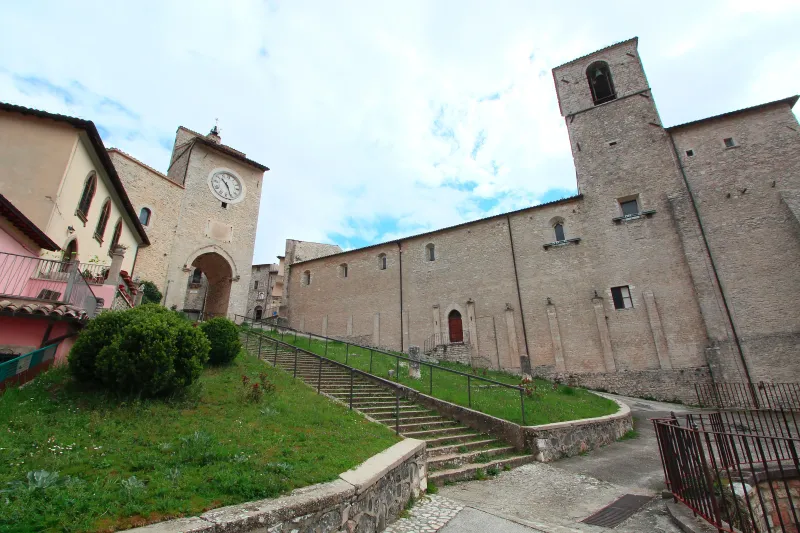
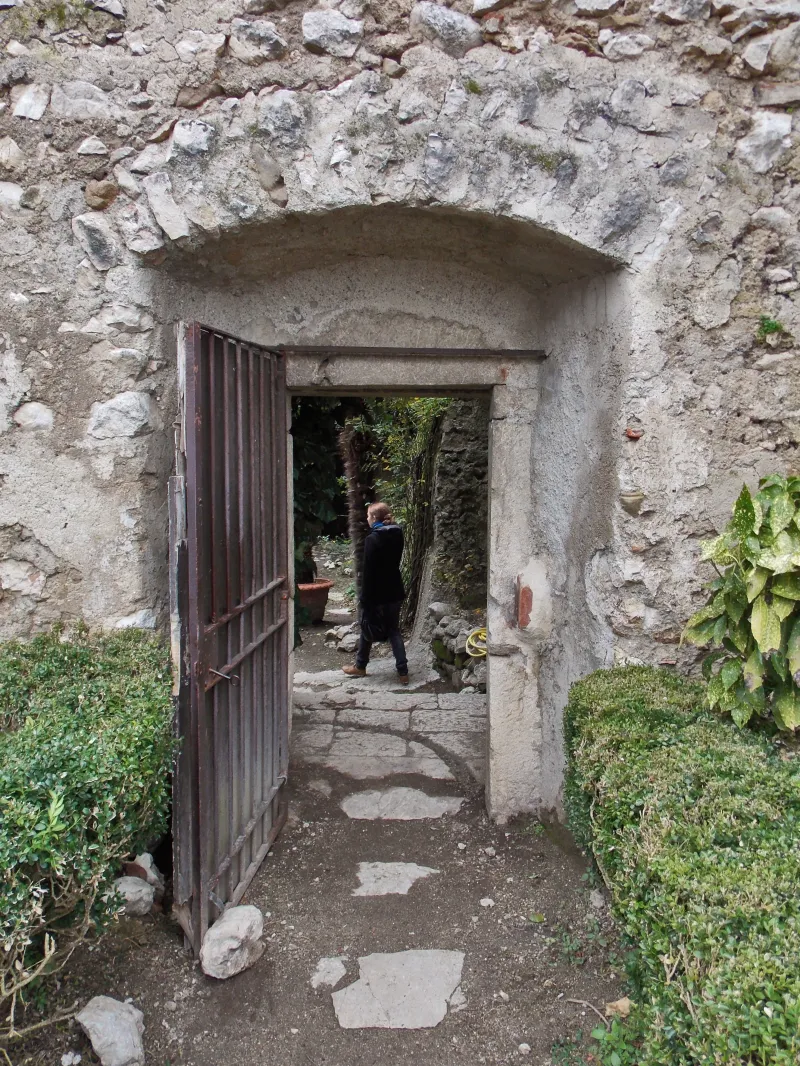
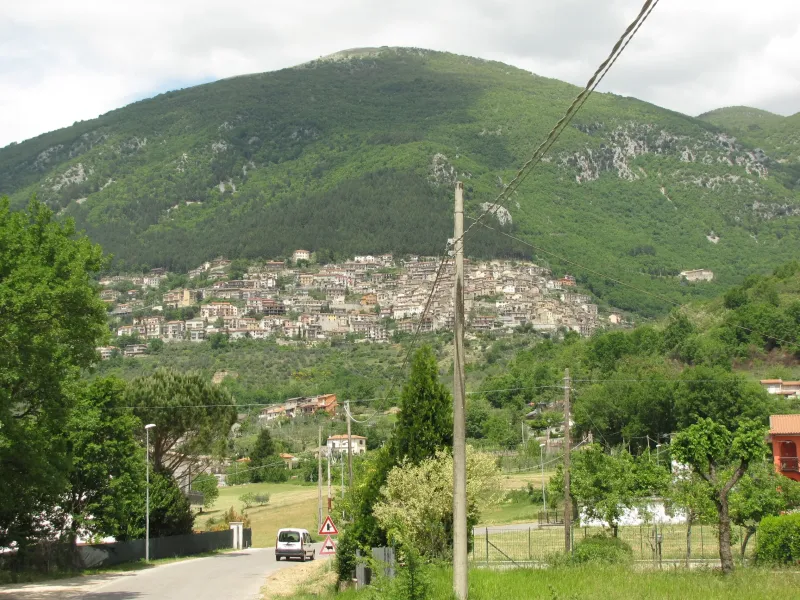
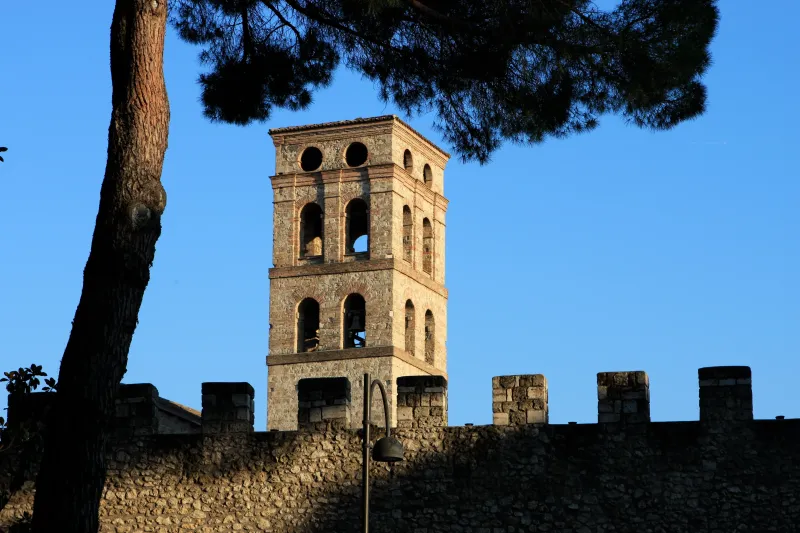

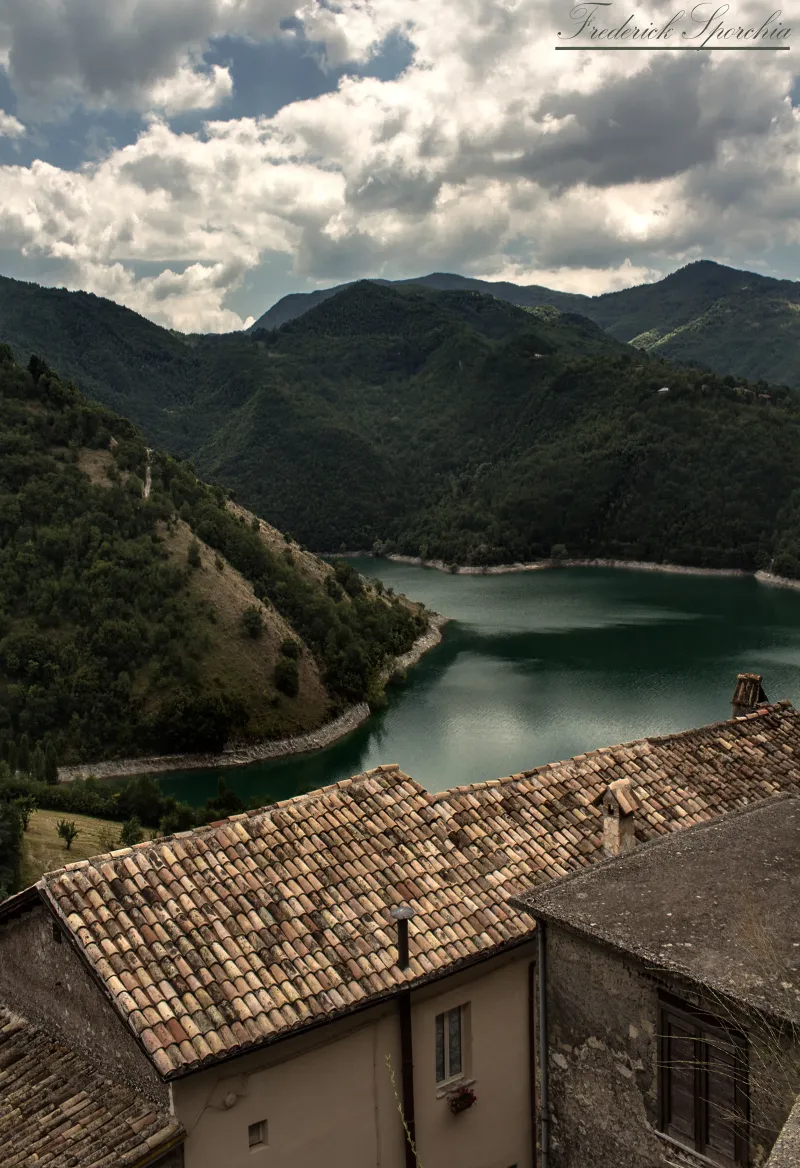
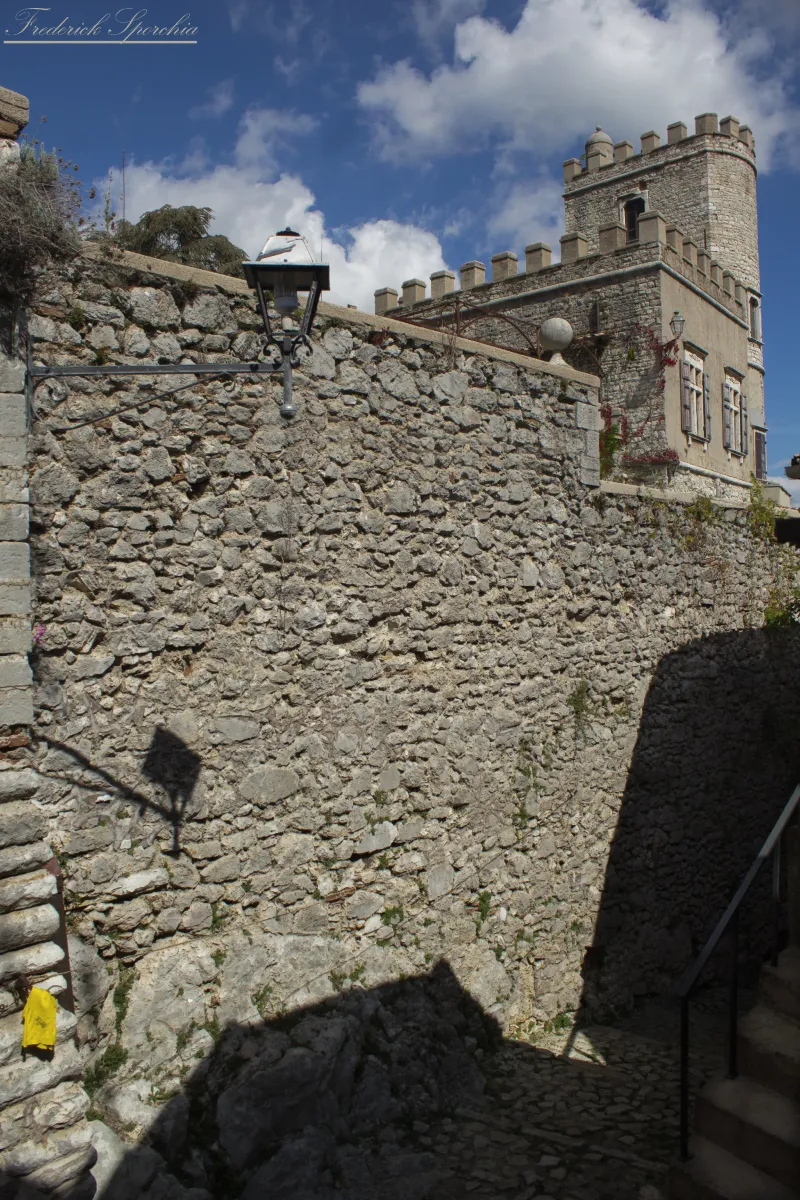
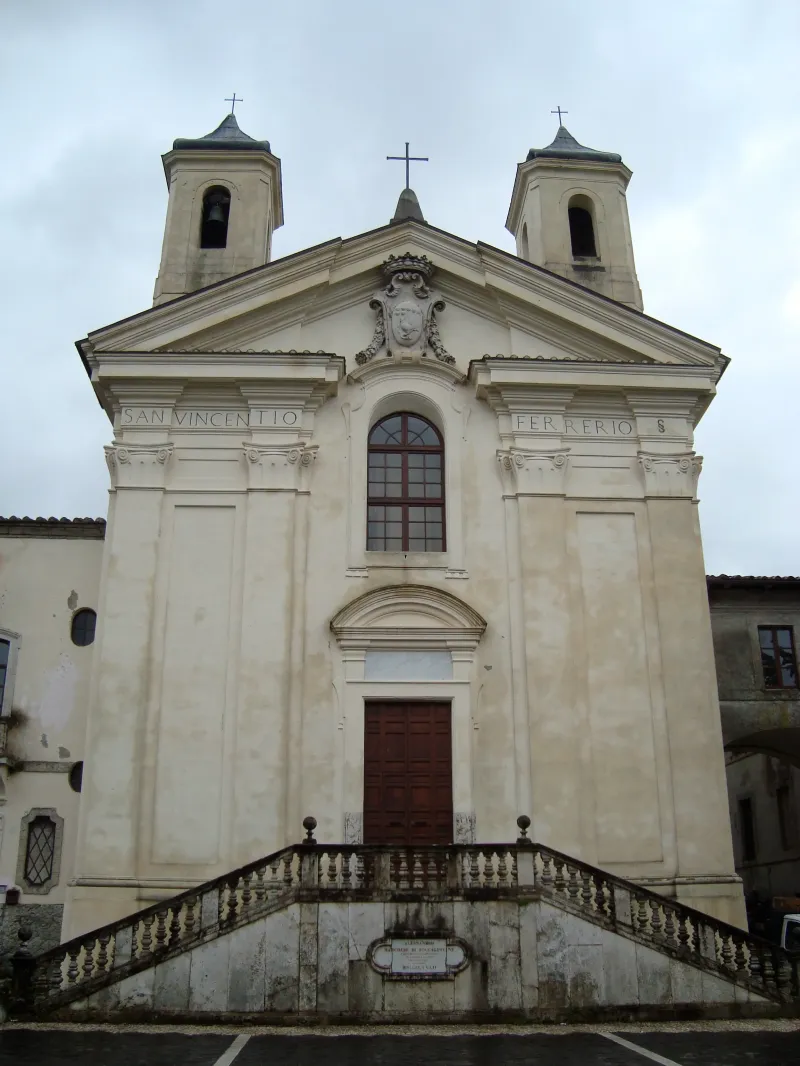
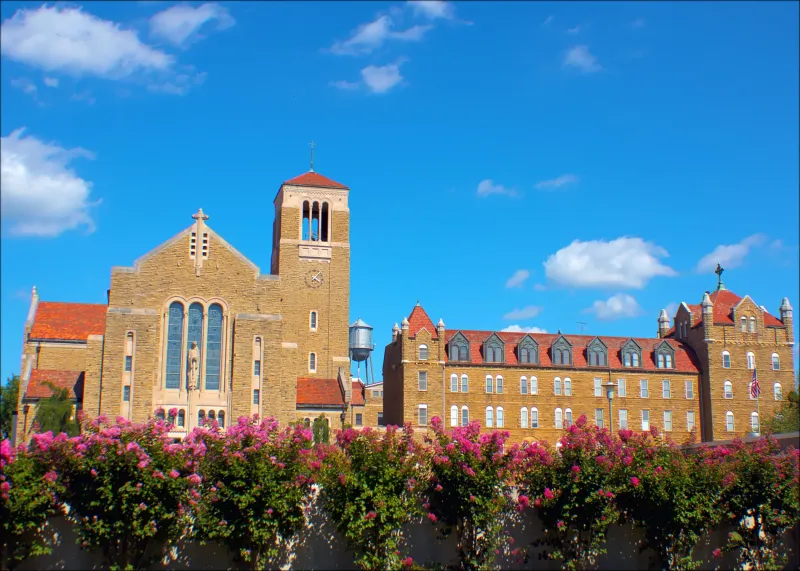
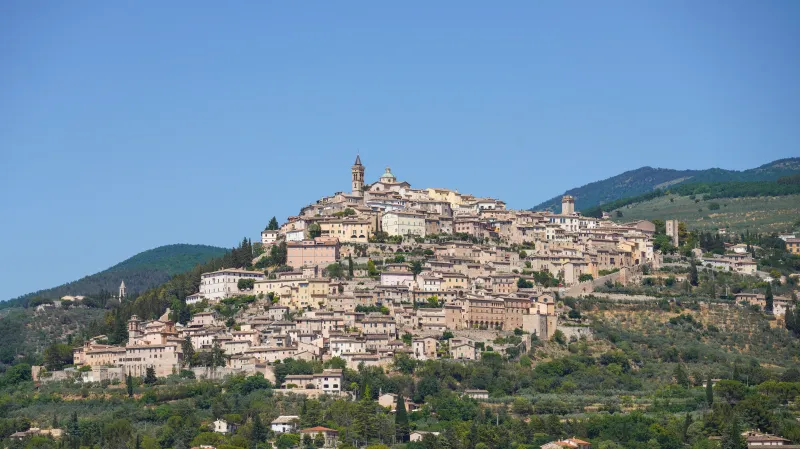
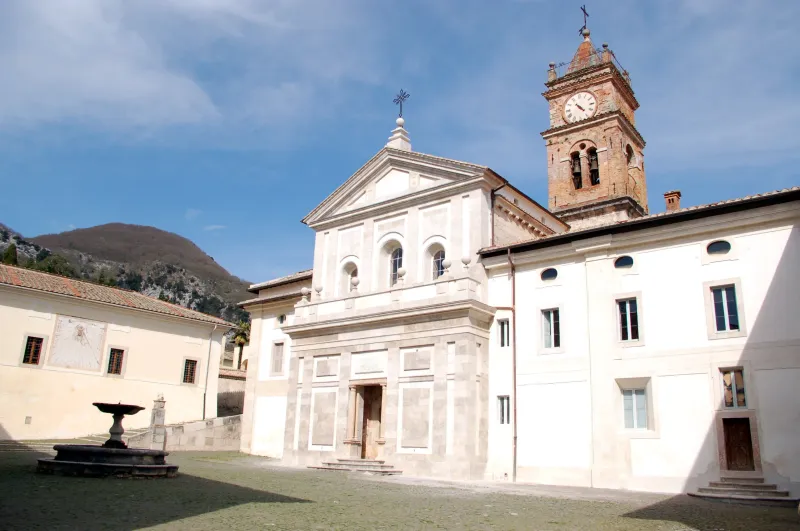
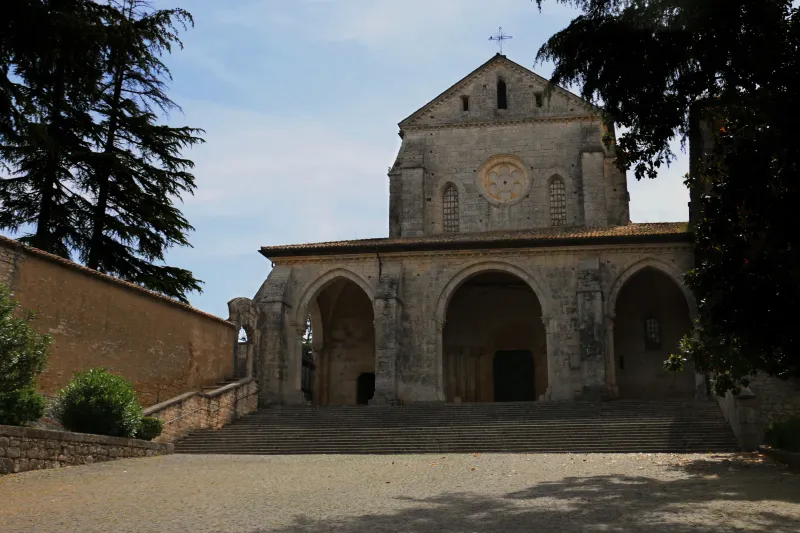
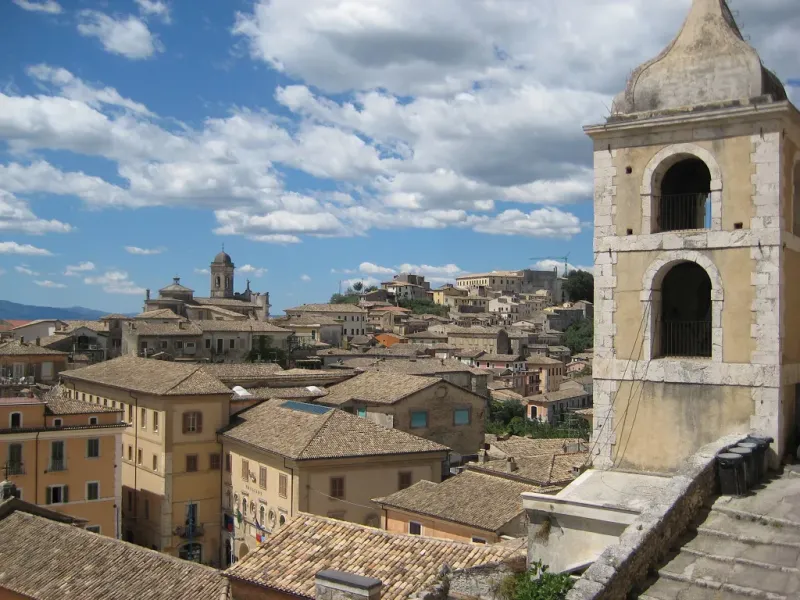
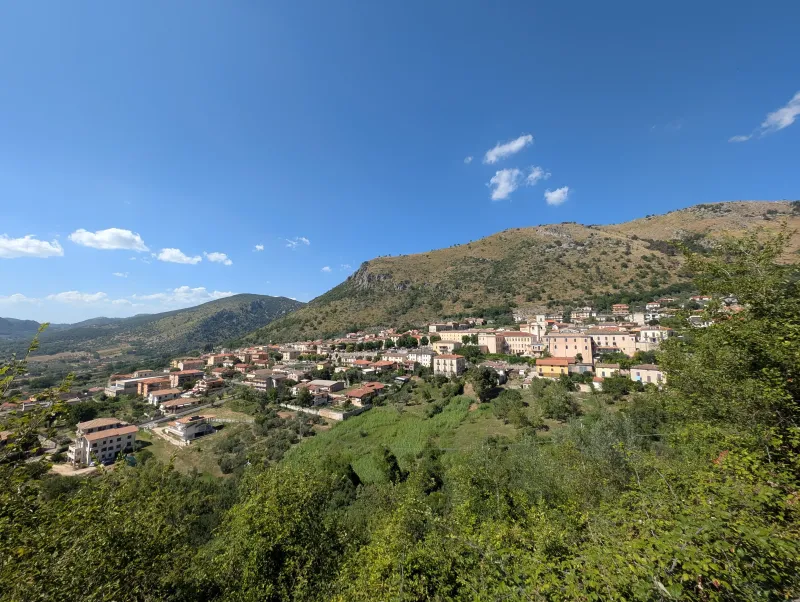
History
Millenary History of the Camino de Santiago: Origins and Evolution St. Benedict's Way (Way of St. Benedict)
Discover the origins and evolution of St. Benedict's Way (Way of St. Benedict)
The itinerary, spanning over 300 kilometers, unites three fundamental points in St. Benedict's life. The starting point is Norcia, his birthplace, in the mountainous region of Umbria. Born into a noble Roman family during a time when the Empire was crumbling, Benedict was sent to Rome for study. However, disillusioned with the moral decay of the city, he abandoned his studies and sought solitude to dedicate himself to God.
The second major milestone on the path, and perhaps the most mystical, is Subiaco, in the region of Lazio. Here, Benedict lived for three years as a hermit, in a cave now known as the "Sacro Speco". His reputation for sainthood spread, attracting numerous disciples. It was in the vicinity of Subiaco where he founded his first twelve monasteries, establishing a model of communal life based on prayer and work. This marked the germ of cenobitic monasticism in the West.
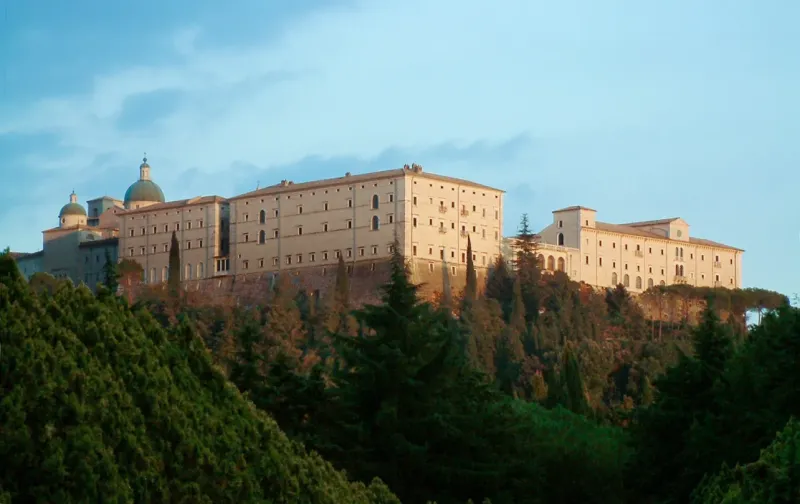
The final destination of the path is the Abbey of Montecassino, which represents St. Benedict's maturity and masterpiece. Fleeing local intrigues in Subiaco, Benedict moved south and, around 529, founded on a hill that dominated the Liri valley, over ancient pagan ruins, the monastery that would become the most famous in the world. In Montecassino, St. Benedict wrote his magnum opus: "The Rule of Monasteries". This rule, with its balance between prayer, work, and communal life under the motto "Ora et Labora", became the norm for thousands of monasteries across Europe. Benedictine monks did not only pray; they also copied manuscripts (preserving classical culture), developed new agricultural techniques, offered hospitality, and ultimately became the primary agents of European civilization's reconstruction after Rome's fall.
The pilgrimage to these sacred sites is a practice that dates back to the Middle Ages. However, the modernization of "Cammino di San Benedetto" as a hiker trail with signage is a recent initiative. Its goal is to promote slow and reflective tourism, allowing the walker to discover the beauty of central Apennine landscapes and connect with the deep spiritual and cultural heritage of Benedictinism. Although its destination is not Santiago, it shares with the Camino the spirit of search, physical effort as a means of meditation, and discovery of roots that have profoundly shaped Europe's identity.
We answer your questions
Frequently Asked Questions about St. Benedict's Way (Way of St. Benedict)
How long is the Cammino di San Benedetto, and how many days does it take to complete?
The Cammino di San Benedetto is a total of 310 km in length, which generally takes between 16 to 20 days to complete depending on the pilgrim's personal pace. At Ourway Travel, we provide you with all necessary information and expert advice for optimal trip planning.
What does a reservation with Ourway Travel on the Cammino di San Benedetto include?
A reservation with Ourway Travel on the Cammino di San Benedetto includes services such as guaranteed accommodation, detailed itineraries and trail maps, as well as continuous support throughout your journey. Our expert team assists you from planning to completion of the route.
How difficult is the Cammino di San Benedetto compared to the French Way of Santiago?
The Cammino di San Benedetto has a moderate difficulty due to its mountainous landscapes, whereas the French Way can range from easy to moderate depending on the section. At Ourway Travel, we assist you in choosing the most suitable route based on your skills and preferences.
When is the best time to do the Cammino di San Benedetto?
The best time to undertake the Cammino di San Benedetto is from April to June or September to October, when you can enjoy a pleasant climate and fewer pilgrims compared to peak season. This period offers ideal conditions for enjoying the journey without the typical summer heat challenges.
How can I book the Cammino di San Benedetto through Ourway Travel?
To reserve the Camino di San Benedetto with Ourway Travel, simply visit our website and complete the reservation form. Our expert team will contact you to confirm details and secure all services included in your personalized package.
What is the difference between the Cammino di San Benedetto and other European religious paths like the Way of Santiago?
The Cammino di San Benedetto follows the life of Saint Benedict in Italy, while the Way of Santiago is associated with the discovery of the apostle's relics in Spain. Both routes have a strong religious and cultural component, but their itineraries, historical significance, and spirits are distinctive.
How is the pilgrim's credential managed on the Cammino di San Benedetto?
At Ourway Travel, we provide all necessary information for obtaining your pilgrim’s credential and how to use it during your journey along the Cammino di San Benedetto. Managing this documentation is key to securing accommodation in hostels and other benefits.
Which is the better option between Cammino di San Benedetto and French Way to Santiago?
The choice between Cammino di San Benedetto and the French Way depends on your religious, historical, and cultural interests. The former focuses on Saint Benedict's life in Italy, while the latter takes you through Spain’s natural beauty and historic heritage towards Santiago.
Organize Your Camino
Ready for this adventure?
St. Benedict's Way (Way of St. Benedict)