
Camino de Santiago
Gebennine Way
The Via Gebennensis connects Geneva (Switzerland) with Le Puy-en-Velay (France), linking the Swiss and German routes of the Way of St. James with the Via Podiensis (Way of Le Puy).
Organize your Gebennine WayLast updated: 21/05/2025
The Route
General Description of Gebennine Way
Related Routes
Connections of Gebennine Way
The Puy (Via Podiensis)
733 km
30
Media
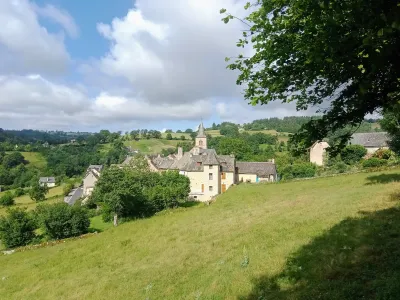
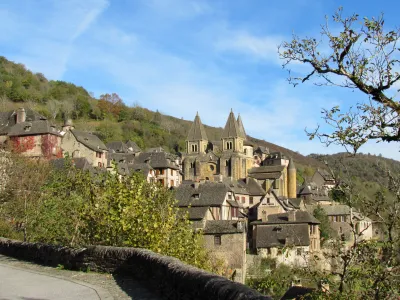
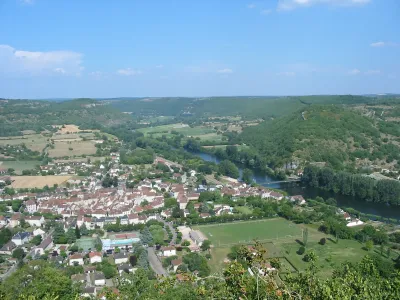
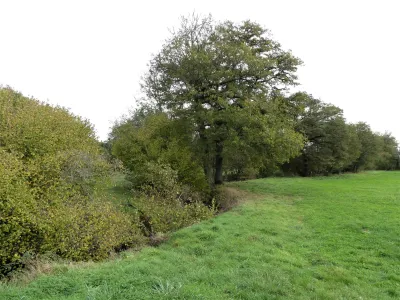
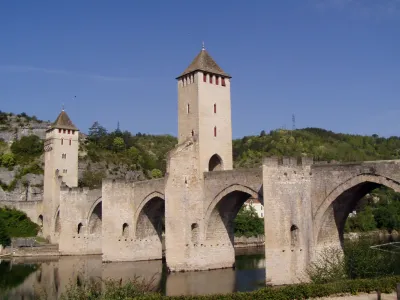
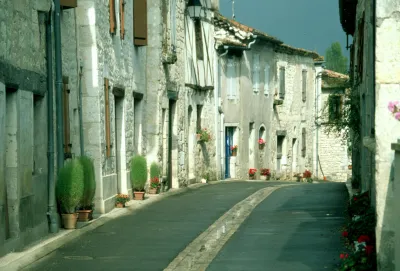
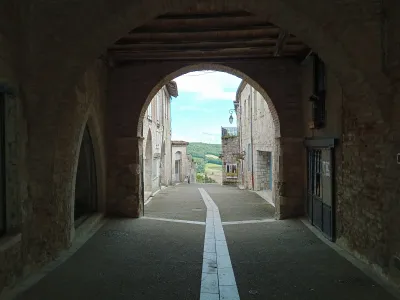
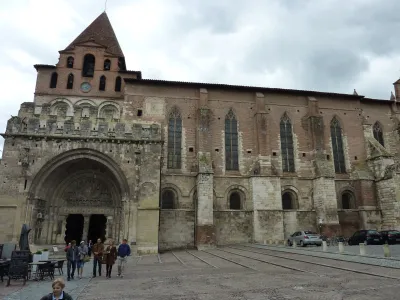
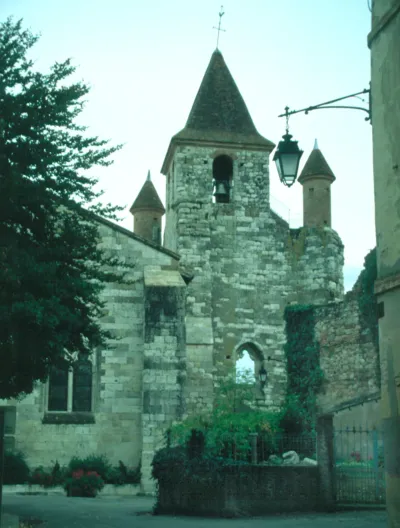
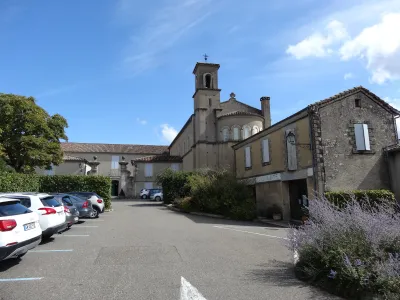
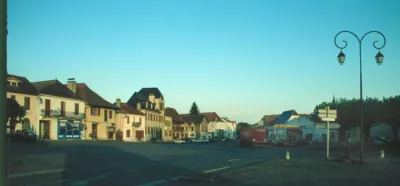
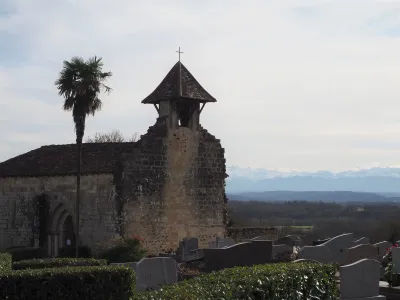
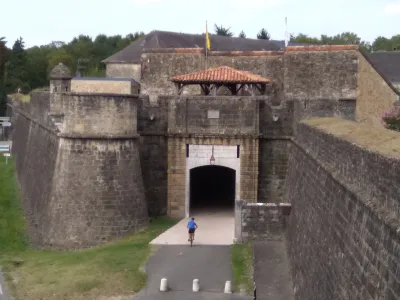
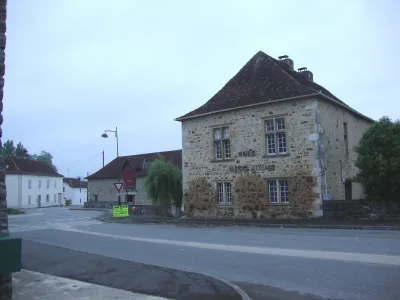
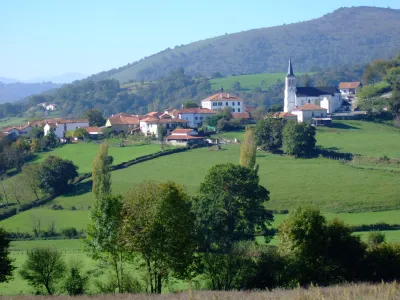
The Way of Le Puy, known in France as the Via Podiensis (Voie du Puy), is the most famous and traveled of the four main Jacobean routes that cross France. It begins in Le Puy-en-Velay, in the Auvernia region, and covers approximately 750 km southwest to Saint-Jean-Pied-de-Port, in the Pyrenees Atlantics. At this point, it crosses the border and joins directly the Camino Francés. It is a route of great scenic beauty, which traverses regions such as Aubrac, Quercy, and Gascony, and boasts a rich monumental heritage and excellent infrastructure for pilgrims.
Stages of this variant:
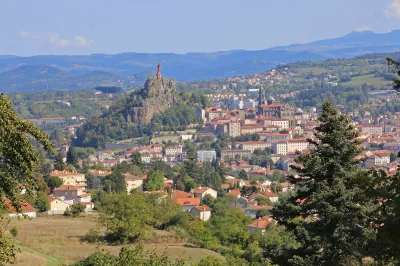
Stage 1: Le Puy-en-Velay - Saint-Privat-d'Allier
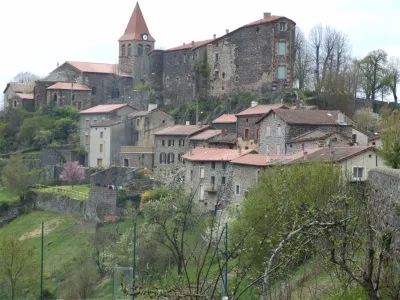
Stage 2: Saint-Privat-d'Allier - Saugues
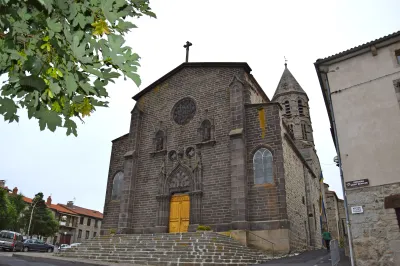
Stage 3: Saugues - Domaine du Sauvage
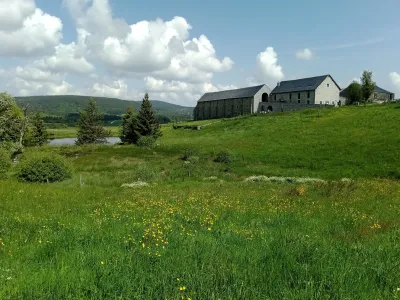
Stage 4: Domaine du Sauvage - Aumont-Aubrac
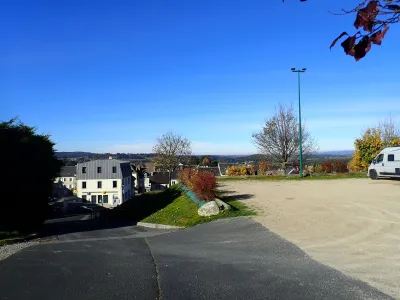
Stage 5: Aumont-Aubrac - Nasbinals
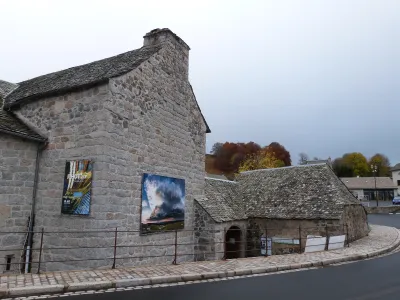
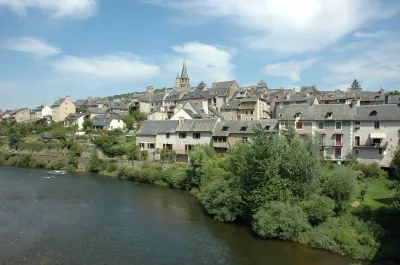
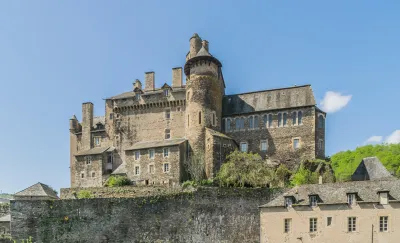
Jacob's Way
445 km
22
Media
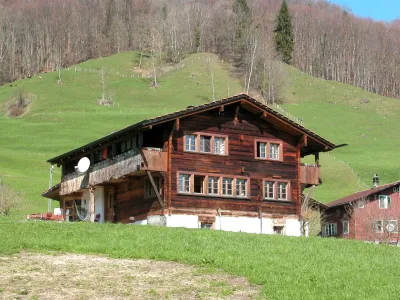
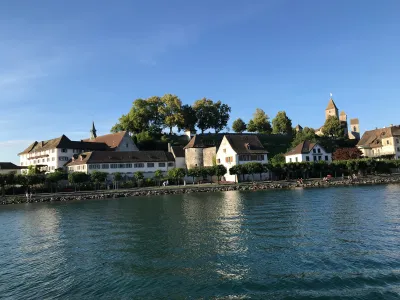
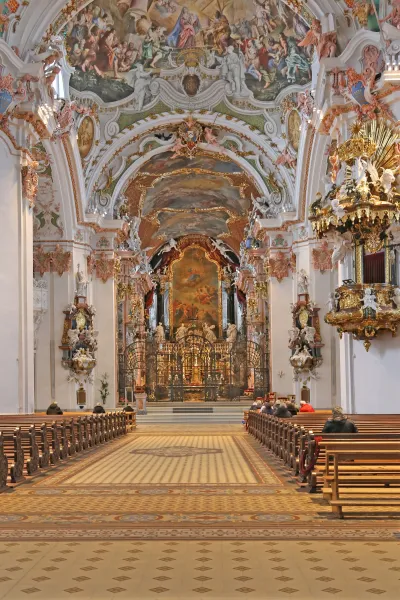
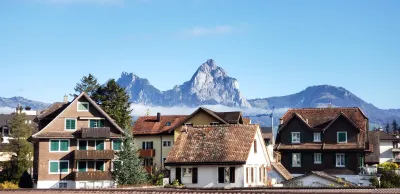
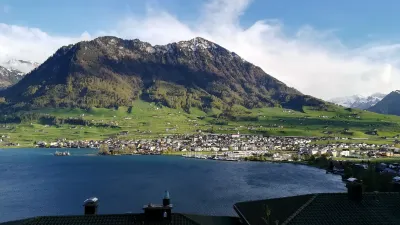
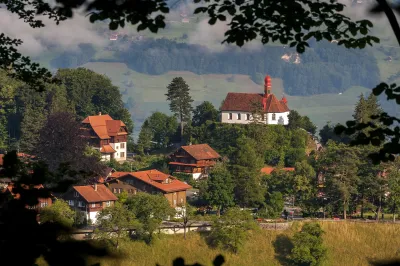
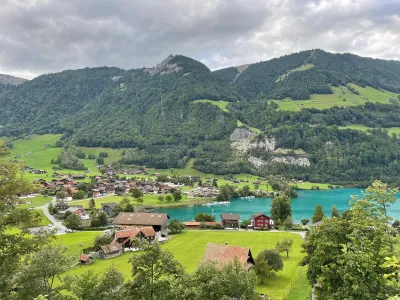
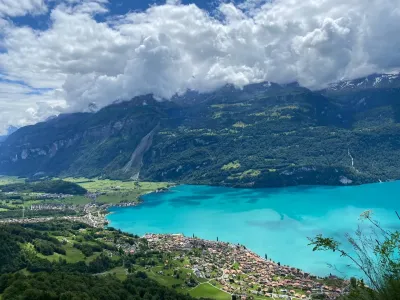
The Jacob's Way (Jakobsweg in German) is the network of signposted routes known as the Camino de Santiago that traverse Switzerland. It is not a single route, but a web that spans the country, generally from east to west, connecting with neighboring Jacobean routes. One key point is Einsiedeln, an important marian pilgrimage center. The Jacob's Way allows Swiss pilgrims and those coming from Germany or Austria to continue their journey towards France, where they can link up with routes like the Via Gebennensis (towards Le Puy) or the Burgundy route (towards Vézelay). Distances and difficulties vary along each section.
Stages of this variant:
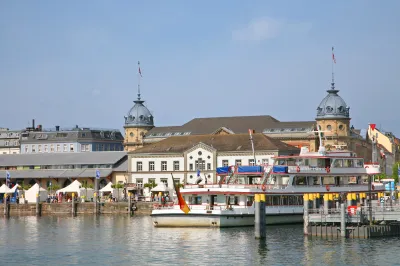
Stage 1: Konstanz - Märstetten
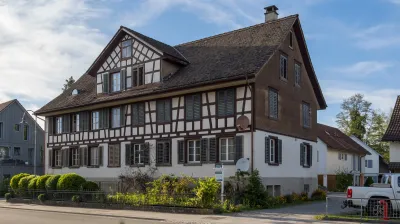
Stage 2: Märstetten - Fischingen
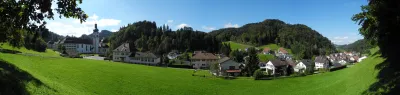
Stage 3: Fischingen - Gibswil
Stage 4: Gibswil - Rapperswil
Stage 5: Rapperswil - Einsiedeln
Your trip with Ourway
Everything you need for your Camino
No hassle. Your perfect route, from start to finish.
Accommodation
Selected hotels and hostels at every stage
Luggage transfer
Your backpack travels from stage to stage
Camino Guide
Detailed map with directions and services
24h Support
Team available for any unforeseen event
Pilgrim credential
Official documentation included
No commitment
Free personalized consultation
Walk this route with us
Fancy walking this route?
We don't have a ready-made package for this route yet, but we'll organise it around you. Tell us how you'd like to experience it and a specialist will reply within 24 h.
Request your proposalStages
Stages of Gebennine Way
Genève → Col du Mont-Sion
The initial stage of the Via Gebennensis leaves behind the city of Geneva to ascend gently towards the Col du Mont-Sion. It is a transition day that marks the departure from Switzerland and the entry ...
Col du Mont-Sion → Frangy
From the mountain port, the path descends to the village of Frangy, through a landscape of hills and forests. It is an enjoyable stage that allows the pilgrim to get into rhythm and enjoy the tranquil...
Frangy → Serrières-en-Chautagne
This stage approaches the Rhone River, on an undulating route that crosses the vineyard region of Chautagne. The terrain becomes more rugged, with continuous ups and downs. It is a day of great scenic...
Serrières-en-Chautagne → Yenne
This is one of the longest stages on the route, which closely follows the course of the Rhone River to the historic city of Yenne. It's a demanding journey due to its distance, but with a mostly flat ...
Yenne → Saint-Genix-sur-Guiers
Leaving Yenne, this stage departs from the Rhone to venture into the interior of Savoy. The route traverses a landscape of hills and valleys, with an undulating and demanding profile. It is a journey ...
Saint-Genix-sur-Guiers → Le Pin
This is another long and challenging stage that takes the pilgrim through the Delft countryside. The route is demanding, with an undulating profile and continuous ups and downs. The landscape is of gr...
Towns
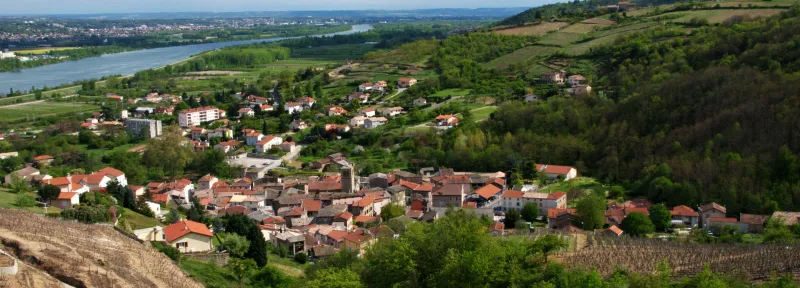
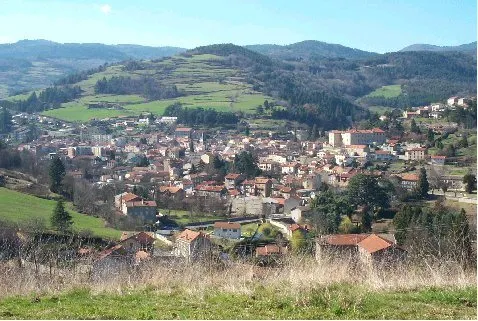
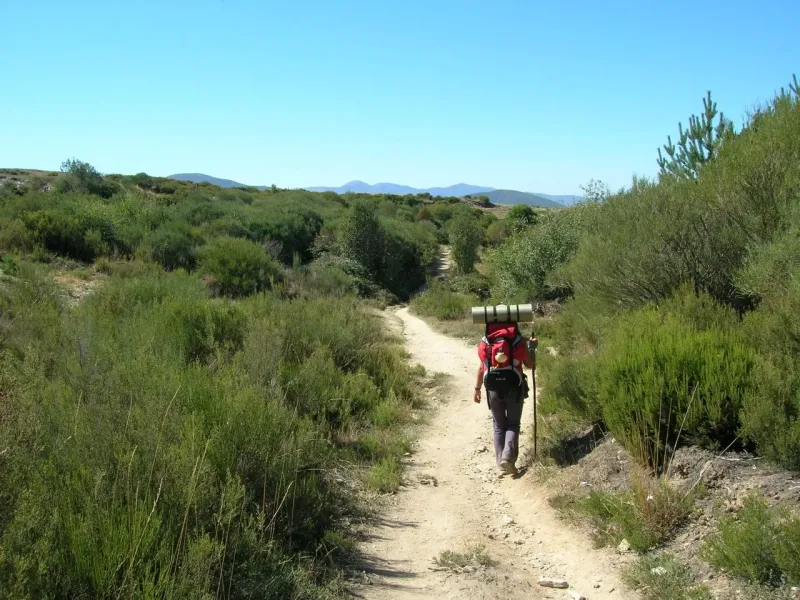
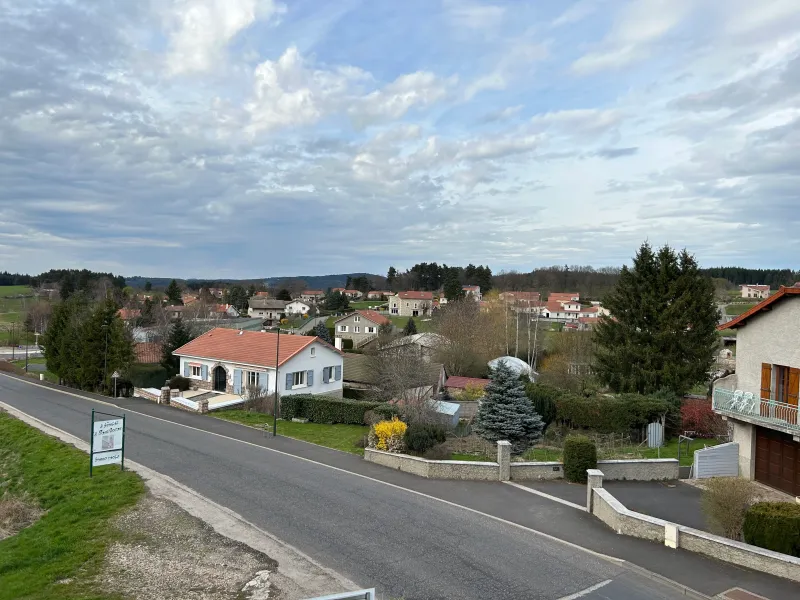
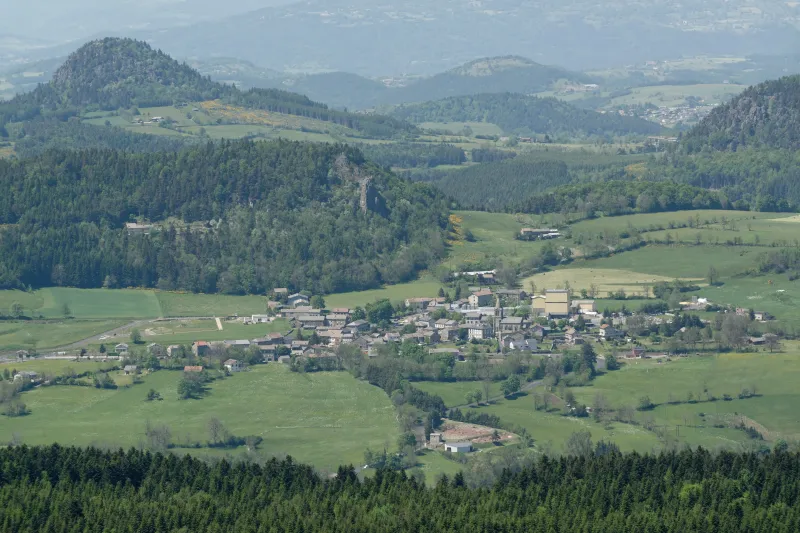
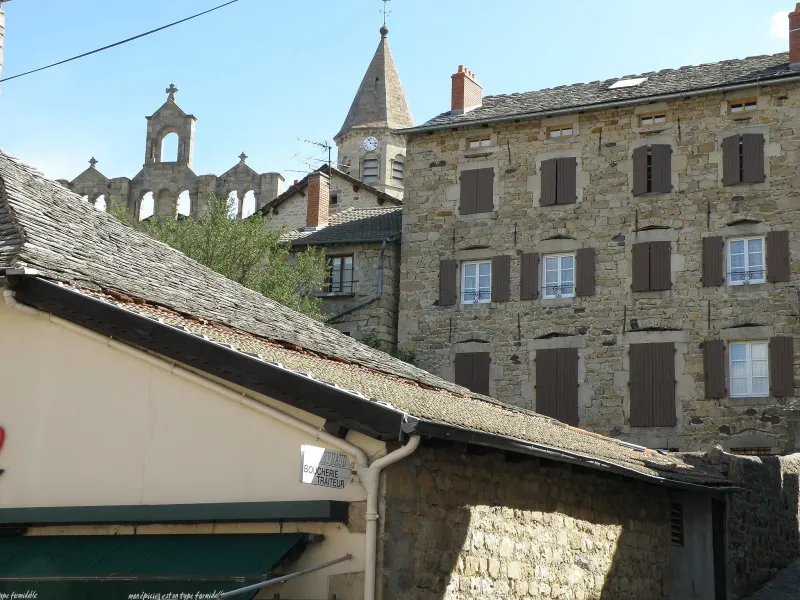
Featured Towns of Gebennine Way
Explore the key towns and cities of this route.
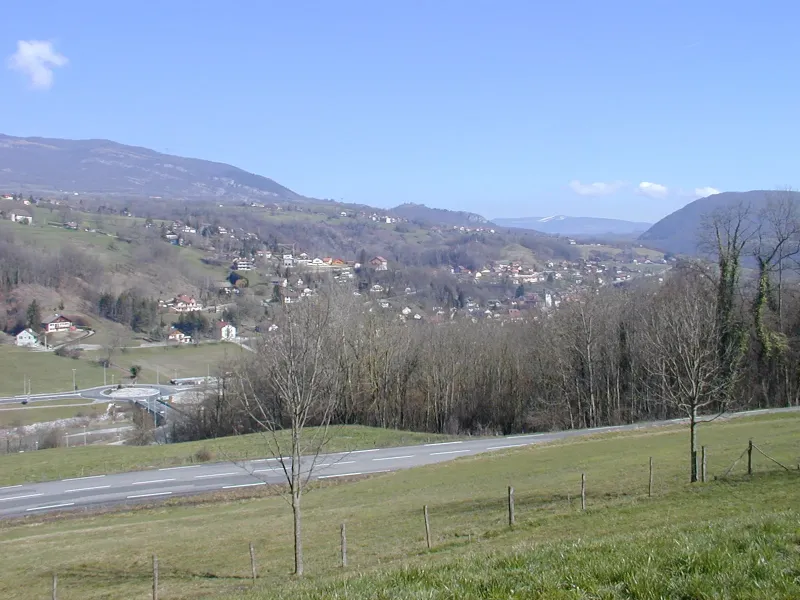
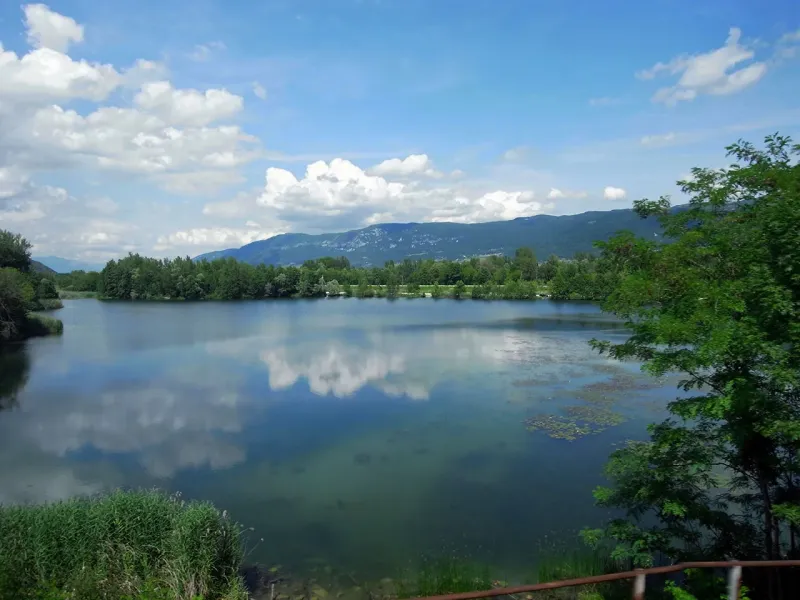
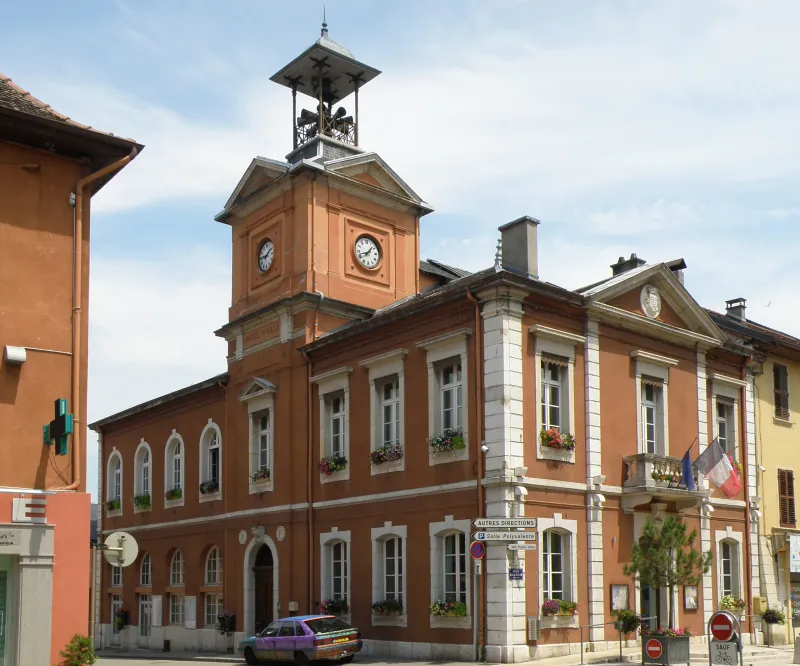
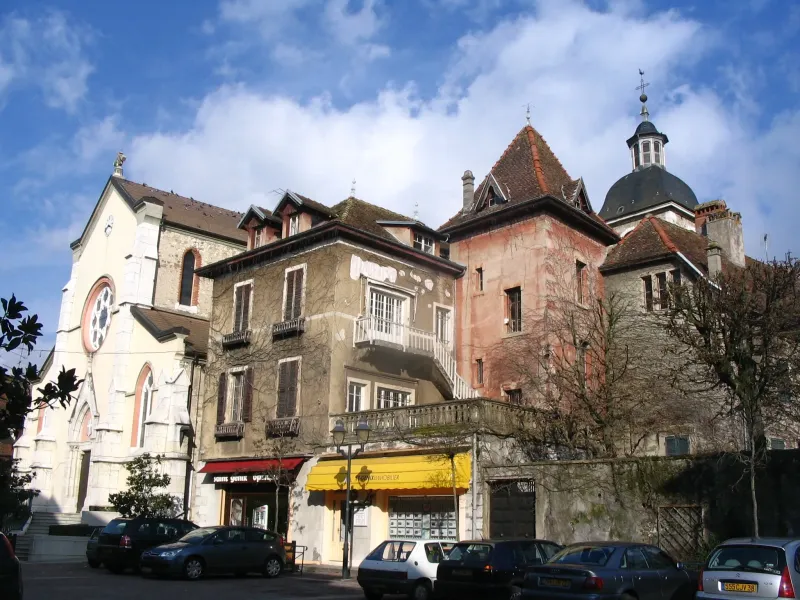
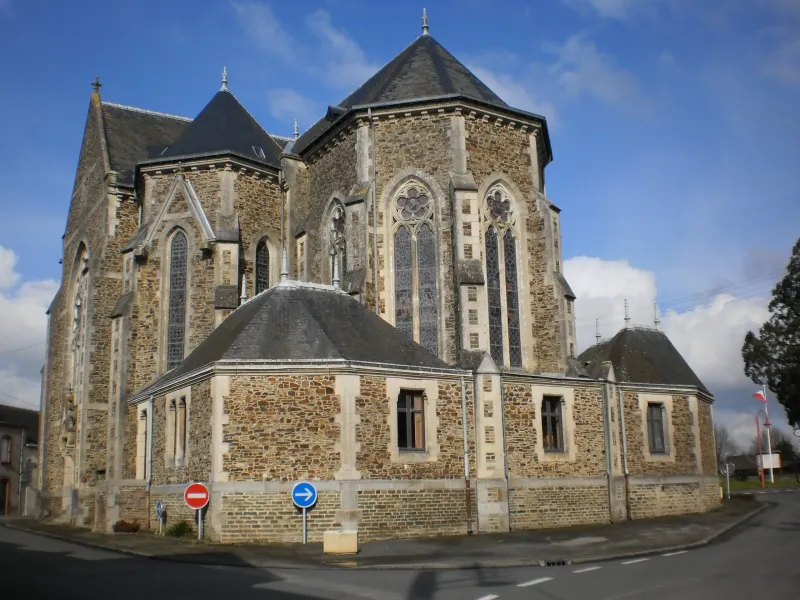
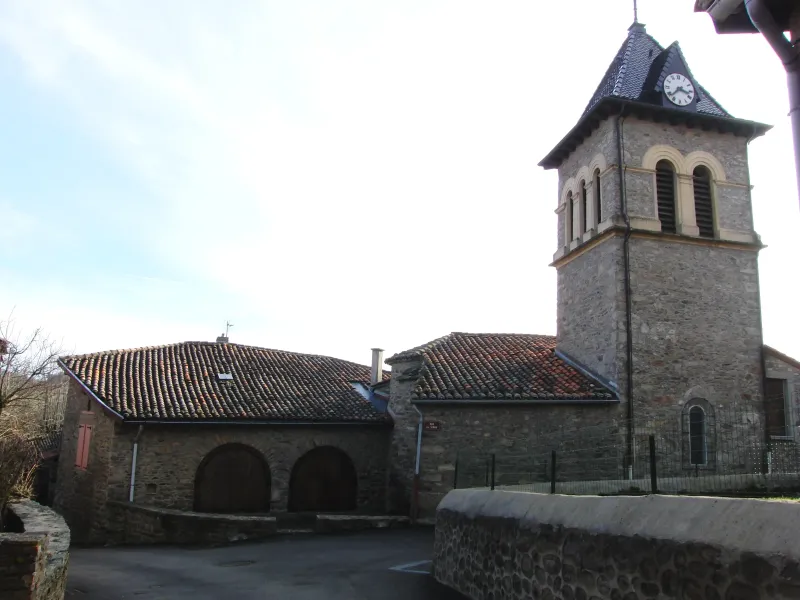
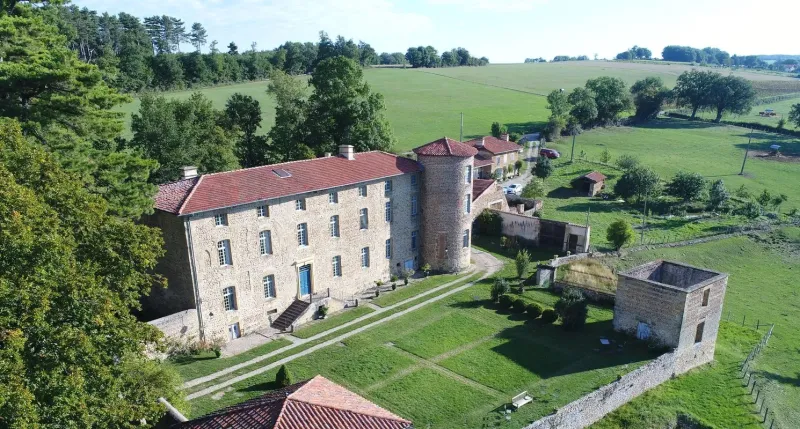
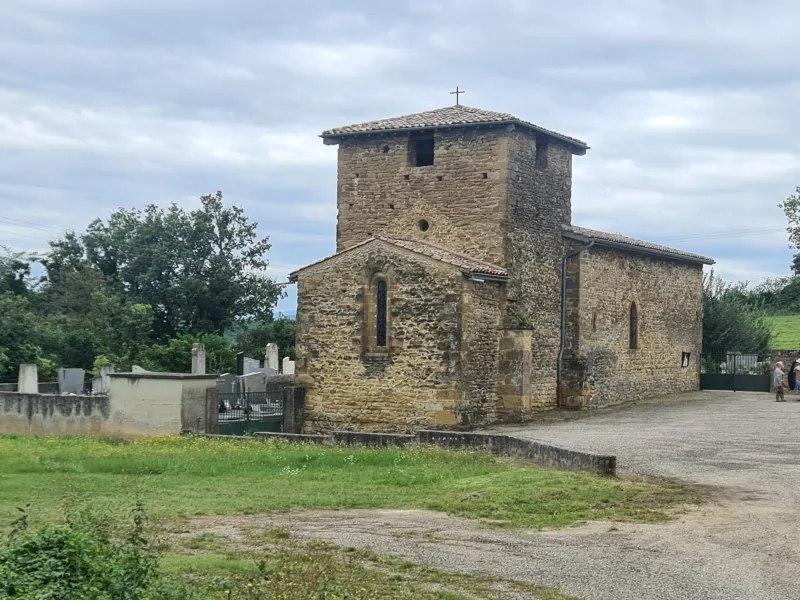
History
Millenary History of the Camino de Santiago: Origins and Evolution Gebennine Way
Discover the origins and evolution of Gebennine Way
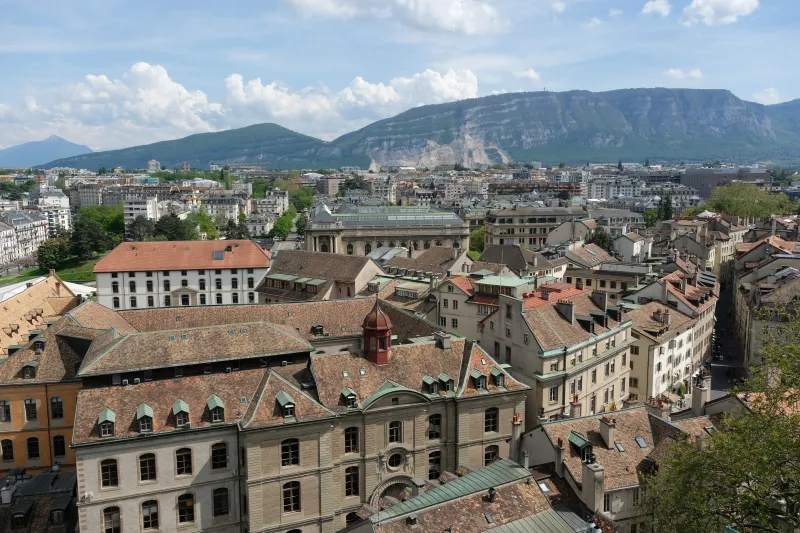
Geneva city, with its strategic location on the shores of Lake Lemán and its proximity to alpine passes, has been since ancient times an intersection of roads and a vibrant commercial center. During the Middle Ages, its fairs attracted merchants and travelers from all the continent, and among them, numerous pilgrims. The Via Gebennensis is, in essence, the natural continuation of the Via Jacobi, the name that receives the network of Santiago's roads that cross Switzerland. A pilgrim who left Bavaria or the Black Forest crossed Switzerland following the arrows of the Via Jacobi and, upon arriving at Geneva, needed a clear route to continue his journey towards the west.
The itinerary starts from St. Peter's Cathedral in Geneva and heads southwest, entering almost immediately into French territory. The road traverses a transition landscape, leaving behind the pre-alpine environment to gradually enter rural France of Rhone-Alpes and finally, the volcanic slopes of the Central Massif. It crosses the Rhone River and passes through the historic regions of Savoy and Provence.
A singular aspect in this route's history is the impact of the Protestant Reformation in the 16th century. Geneva, under John Calvin's leadership, became "Protestant Rome", a theological center of the new reformed faith. This undoubtedly made the city a complicated place for Catholic pilgrims for a long period. The flow of walkers probably decreased or sought alternative routes to circumvent the city. However, the geographical logic of the itinerary was so strong that the tradition of passing through the region never completely disappeared and was revitalized over time.
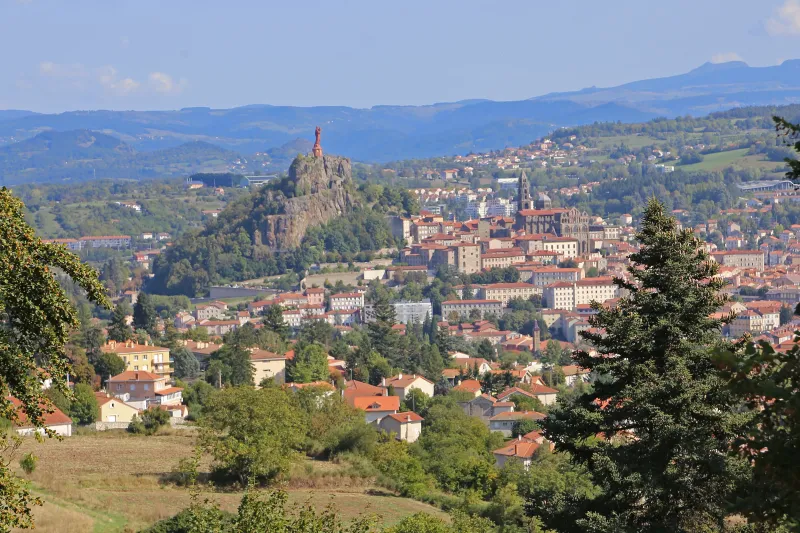
The final goal and reason for the Via Gebennensis is to reach Le Puy-en-Velay. The arrival at this city is a climactic moment for the pilgrim. Le Puy, with its spectacular location and its cathedral declared a UNESCO World Heritage Site, is the starting point of the Via Podiensis (GR65), the most traveled Jacobean French route. Upon arriving at Le Puy, the pilgrims who have traversed the Via Gebennensis, often in a more solitary atmosphere, join the large stream of walkers who begin their journey there.
Today, the Via Gebennensis is perfectly signposted and has a good network of accommodation. It is valued for its scenic beauty and for offering a more tranquil and contemplative experience before immersing oneself in the more social atmosphere of the Via Podiensis. It is, ultimately, a testament to Europe's and transnational nature of the Santiago de Compostela pilgrimage, a path that unites cultures and nations on one journey towards Compostela.
We answer your questions
Frequently Asked Questions about Gebennine Way
What is the total distance of the Via Gebennensis and how many days does it take to complete?
The Via Gebennensis has an approximate length of 350 km, with an estimated travel duration of about 15 days. Ourway Travel provides all necessary information for route planning to ensure you have enough time to fully enjoy the journey.
What is the best time to do the Via Gebennensis?
The moderate season, between April and June or September and October, offers pleasant weather and a good number of pilgrims, providing a balanced experience. Ourway Travel recommends these months due to the excellent condition of the trail and ideal weather for enjoying the journey.
What is the difficulty level of the Via Gebennensis?
The Via Gebennensis is considered a medium-difficulty trail, as it crosses various terrains including pre-alpine and mountainous areas. Ourway Travel offers tailored itineraries for different experience levels to ensure a safe and rewarding journey.
How much does it cost to do the Vía Gebennensis with Ourway Travel?
The costs associated with undertaking the Vía Gebennensis with Ourway Travel include accommodation, personalized advice, and reservation management. The exact price varies depending on chosen dates and level of services required, so we recommend contacting us for a detailed quote.
What does booking the Vía Gebennensis Way with Ourway Travel include?
When you book with Ourway Travel for the Camino de Santiago, you receive a comprehensive list that includes accommodation in safe and clean hostels or hotels, personalized advice before and during your trip, as well as management of all necessary reservations.
How does the Via Gebennensis compare to other routes of the Camino de Santiago?
The Via Gebennensis is unique in its link between Switzerland and France, offering a culturally rich path that traverses diverse landscapes. Unlike more well-known routes such as the French Way or the Portuguese Way, the Via Gebennensis attracts pilgrims specifically interested in its unique history and geography.
How to choose between the Via Gebennensis and other paths of the Camino de Santiago?
The choice depends on your personal interests, such as medieval history or pre-alpine landscapes. The Via Gebennensis is ideal for those seeking a less crowded route with high cultural and historical value. Ourway Travel will advise you on which path best suits your experience and goals.
How do I manage my pilgrim credential and the transportation of my backpack during the Via Gebennensis?
Ourway Travel handles all necessary reservations so you can focus on your journey. This includes helping you obtain the required pilgrim credential and, optionally, providing luggage transfer services to ease your trip along the Via Gebennensis.
Organize Your Camino
Ready for this adventure?
Gebennine Way