
Camino de Santiago
Jacob's Way
The Jacob's Way is the name of the network of routes on the Way of St. James that traverse Switzerland, connecting with German and French routes such as the Via Gebennensis.
Organize your Jacob's WayLast updated: 21/05/2025
The Route
General Description of Jacob's Way
Related Routes
Connections of Jacob's Way
Gebennine Way
350 km
15
Media
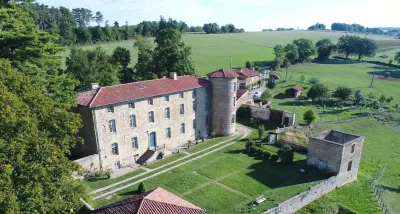
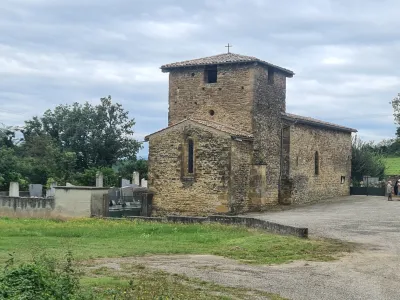
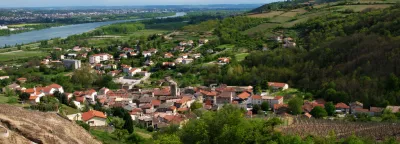
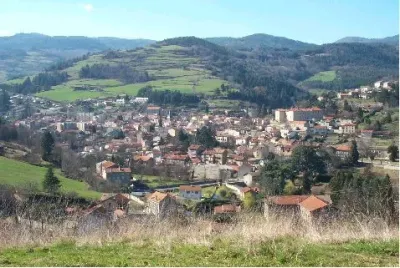
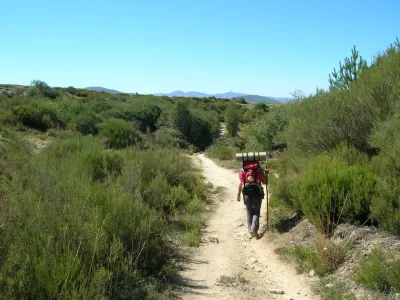
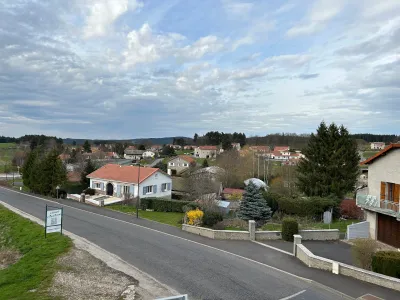
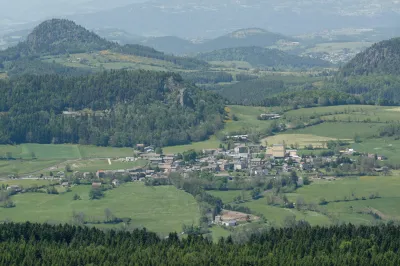
The Via Gebennensis is an important Jacobean route connecting Geneva (Switzerland) with Le Puy-en-Velay (France). With a distance of approximately 350 km, it serves as a link for pilgrims from Switzerland (Jacob's Way) and southern Germany, allowing them to join one of the main French routes to Santiago, the Via Podiensis or Camino de Le Puy. It traverses varied landscapes, from the shores of Lake Lemán to the mountains of the Central Massif French range.
Stages of this variant:
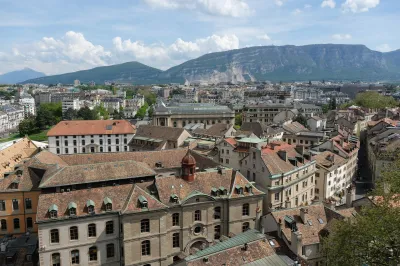
Stage 1: Genève - Col du Mont-Sion
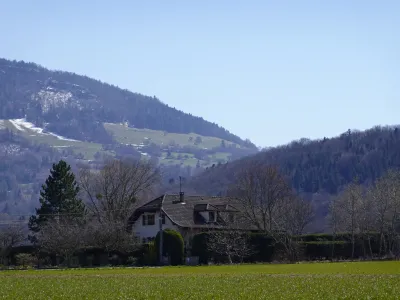
Stage 2: Col du Mont-Sion - Frangy
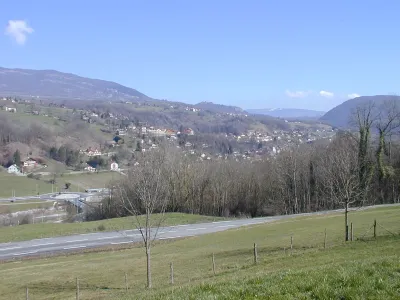
Stage 3: Frangy - Serrières-en-Chautagne
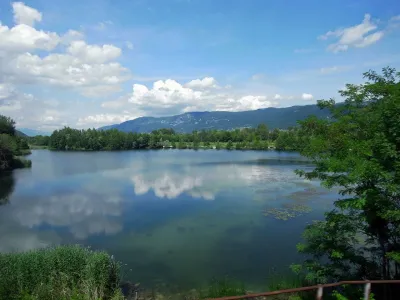
Stage 4: Serrières-en-Chautagne - Yenne
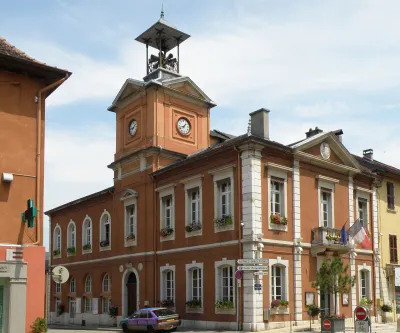
Stage 5: Yenne - Saint-Genix-sur-Guiers
Your trip with Ourway
Everything you need for your Camino
No hassle. Your perfect route, from start to finish.
Accommodation
Selected hotels and hostels at every stage
Luggage transfer
Your backpack travels from stage to stage
Camino Guide
Detailed map with directions and services
24h Support
Team available for any unforeseen event
Pilgrim credential
Official documentation included
No commitment
Free personalized consultation
Walk this route with us
Fancy walking this route?
We don't have a ready-made package for this route yet, but we'll organise it around you. Tell us how you'd like to experience it and a specialist will reply within 24 h.
Request your proposalStages
Stages of Jacob's Way
Konstanz → Märstetten
The inaugural stage of the Jacob's Way in this section is a gentle stroll along the southern shore of Lake Constance before entering the Swiss countryside. It is a flat and pleasant journey, ideal for...
Märstetten → Fischingen
This is a long journey with constant inclines that requires good physical fitness. The route crosses the hills of Turgovia region, a beautiful landscape but demanding one. The effort is rewarded by th...
Fischingen → Gibswil
This is a mountain stage that climbs to the Hörnli, over 1,100 meters in altitude. It's one of the most demanding but also most rewarding stages of the Jacob's Way, offering breathtaking panoramic vie...
Gibswil → Rapperswil
After the mountain, the road descends gently towards Lake Zurich. It's a more relaxed stage that allows you to enjoy the scenery and look forward to arriving at one of Switzerland's most beautiful cit...
Rapperswil → Einsiedeln
This stage has deep spiritual significance. Crossing the long wooden bridge of Rapperswil, the path ascends through the Etzelpass to reach the majestic Abbey of Einsiedeln, the most important Marian s...
Einsiedeln → Brunnen
This is a long and demanding alpine stage that traverses beautiful landscapes. The route passes through the historic Haggenegg Pass before descending to Brunnen, by the shores of the Four Cantons Lake...
Towns
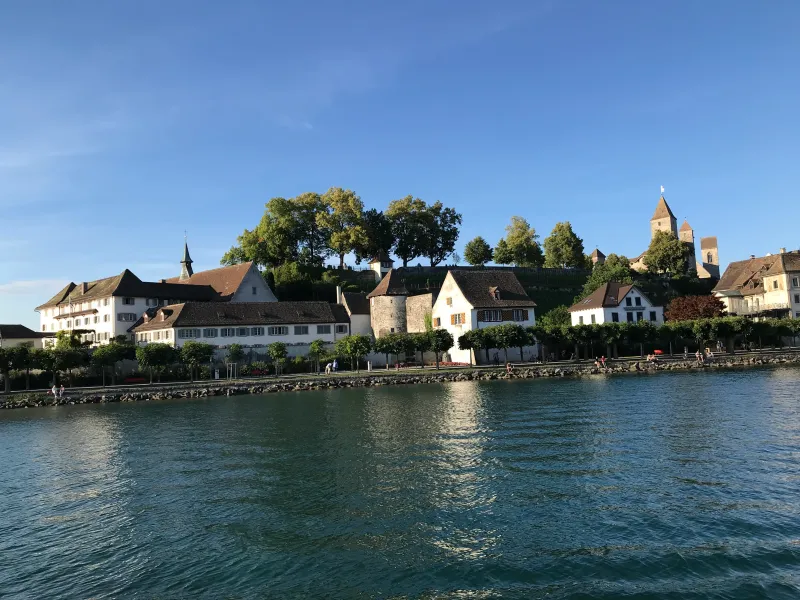
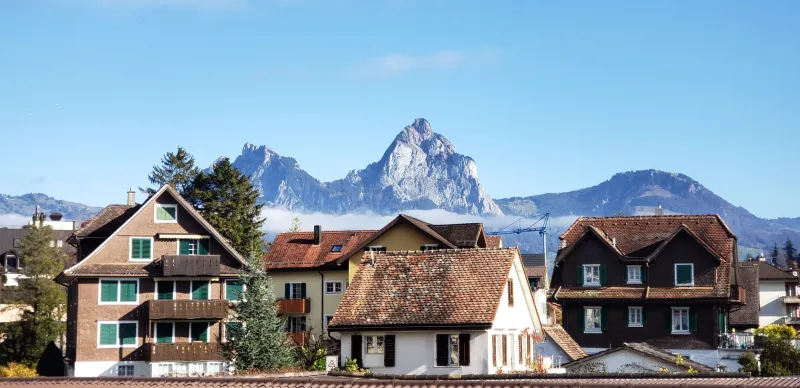
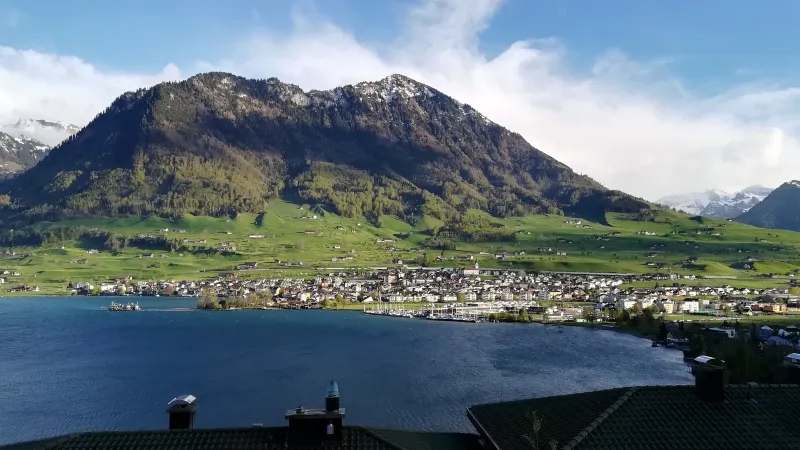
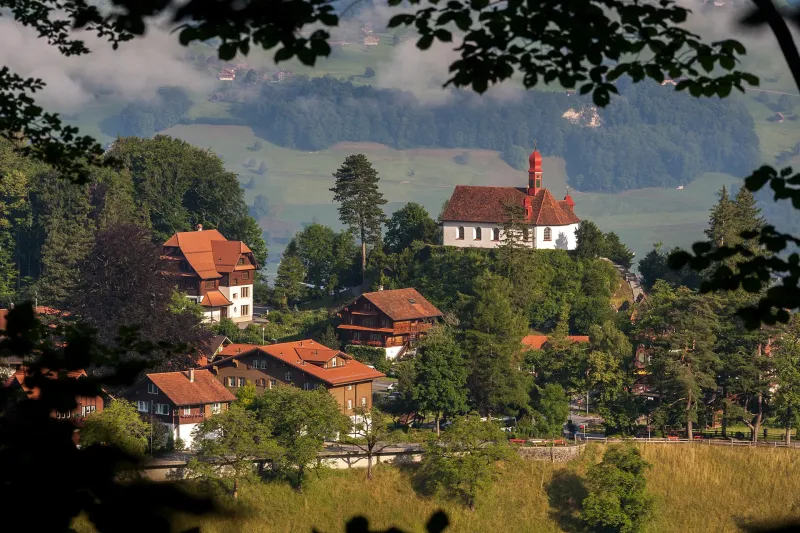
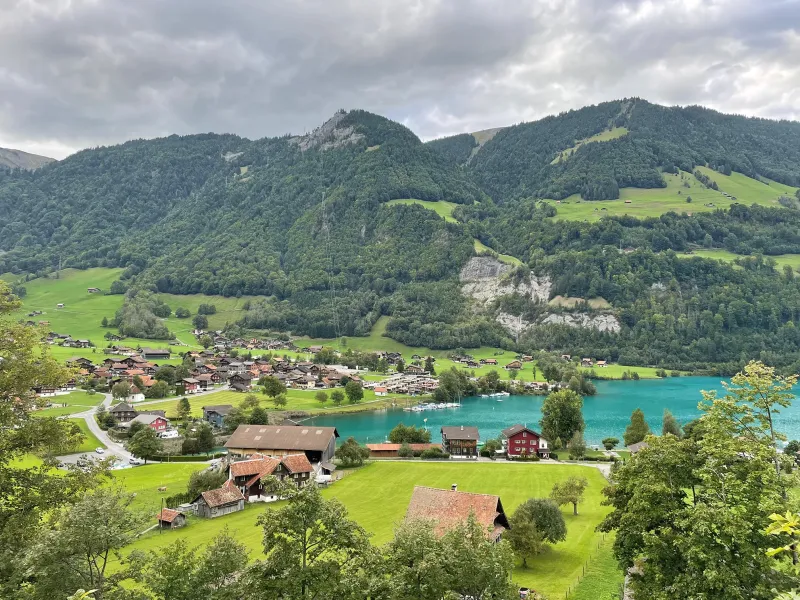
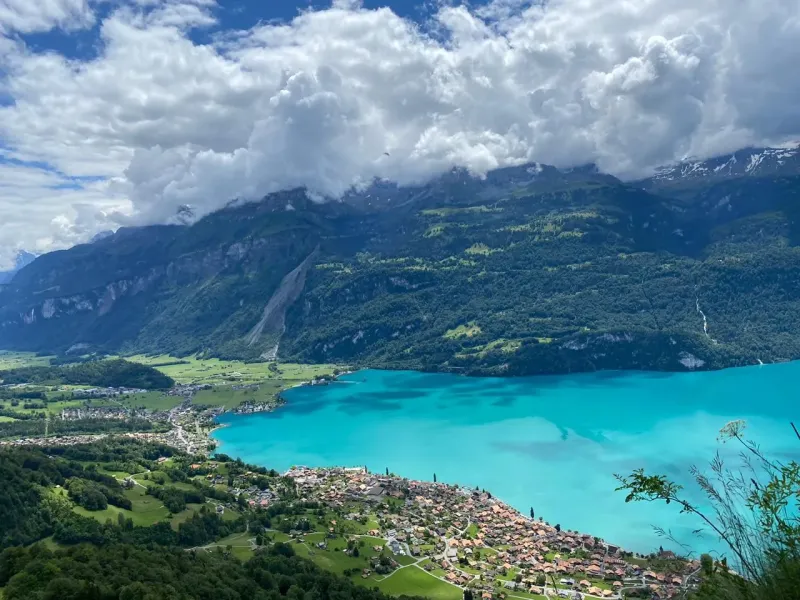
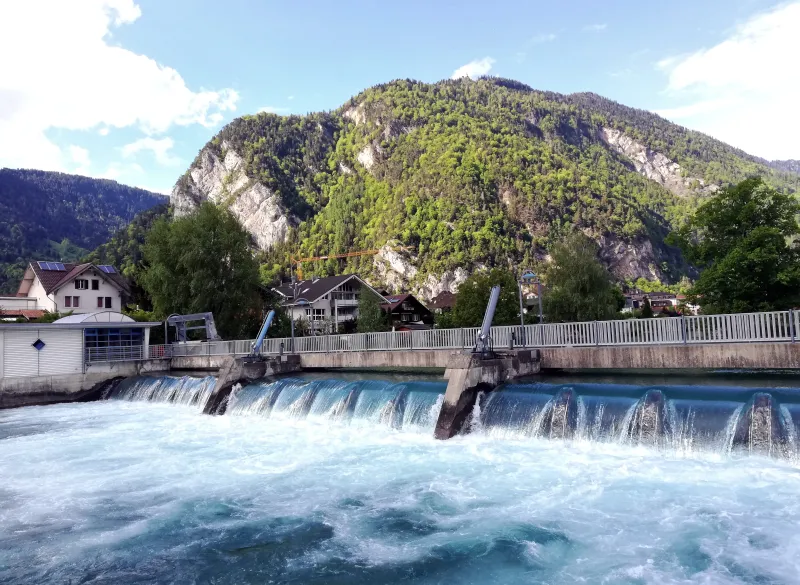
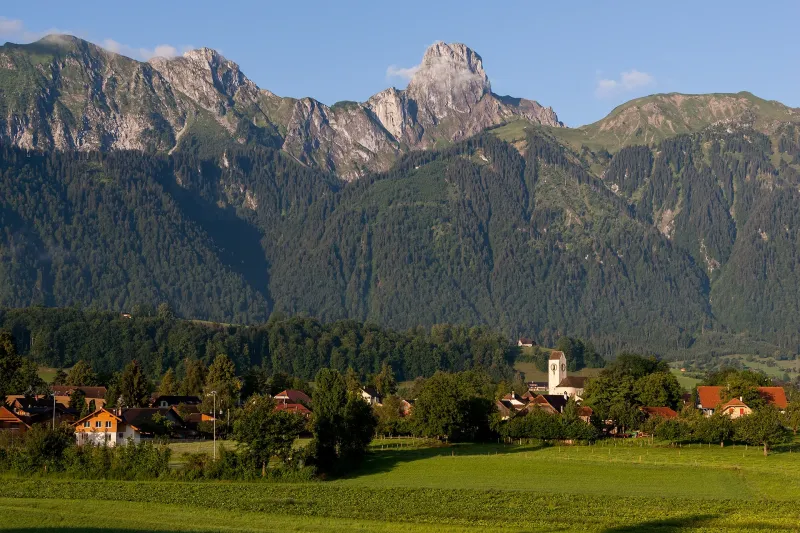
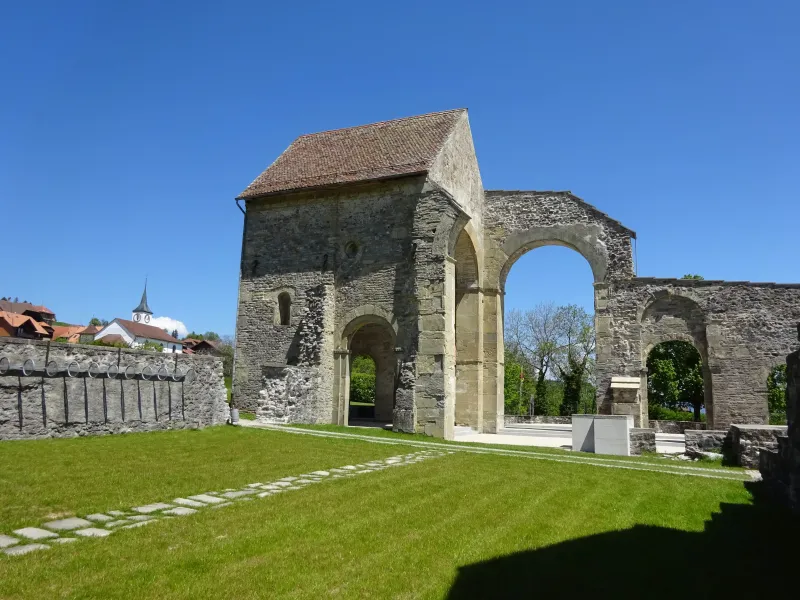
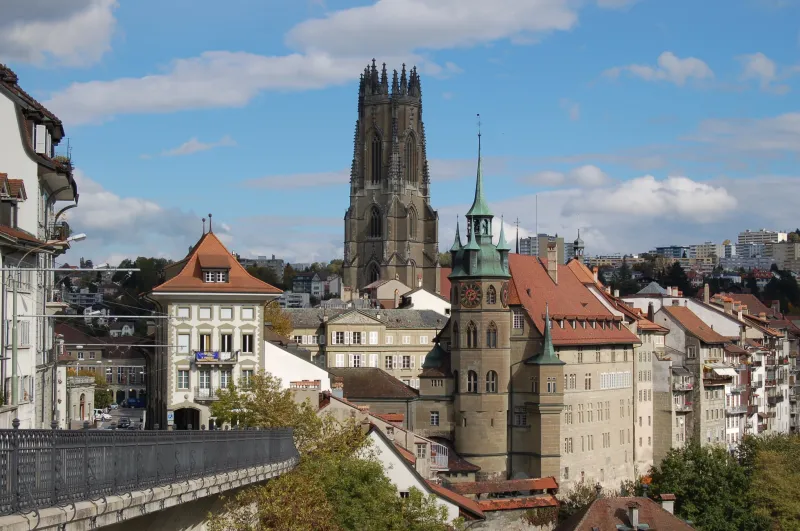
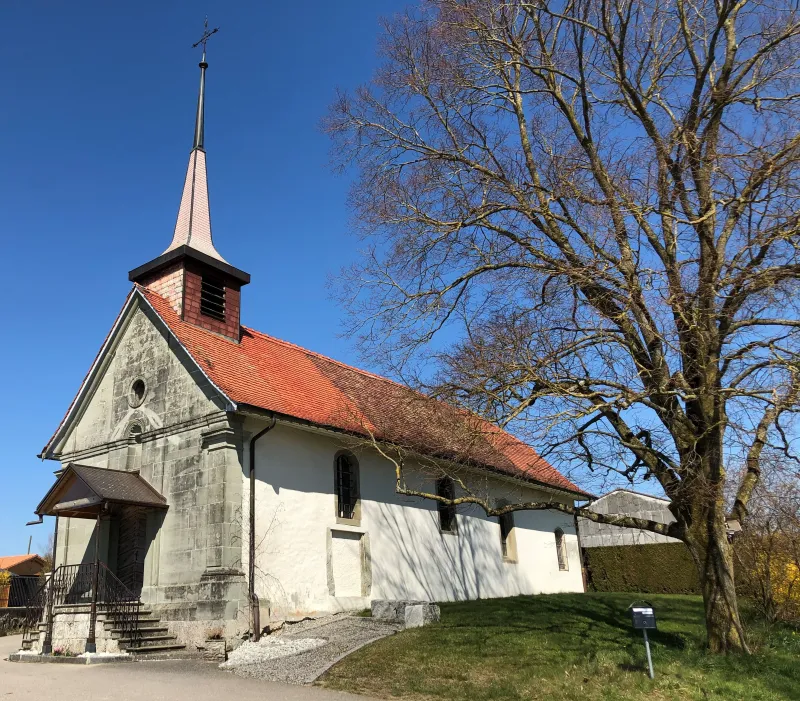
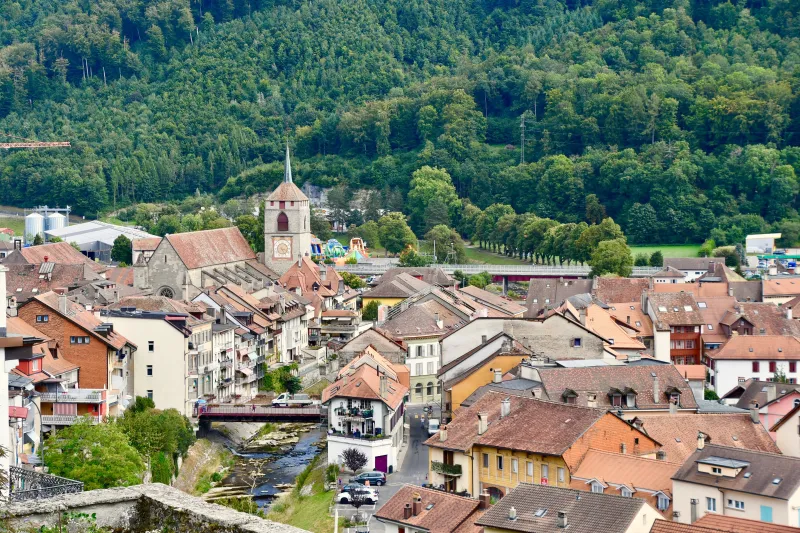
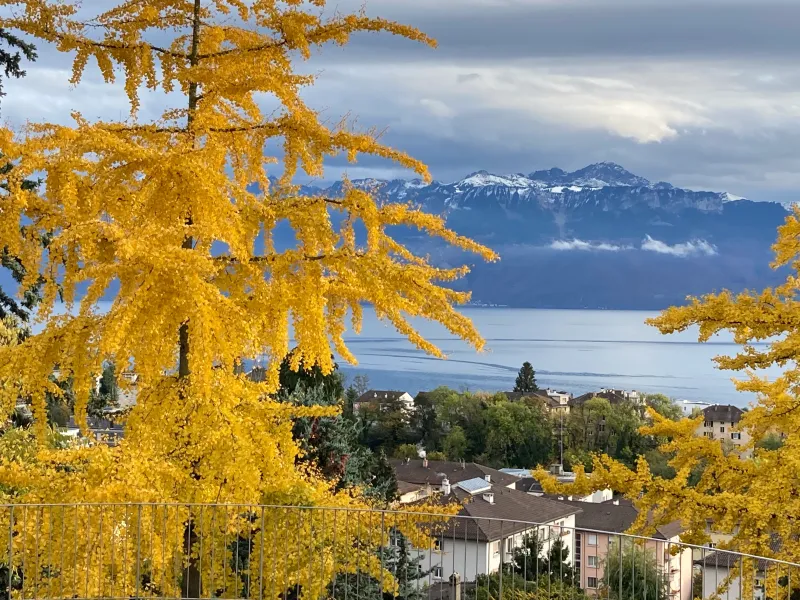
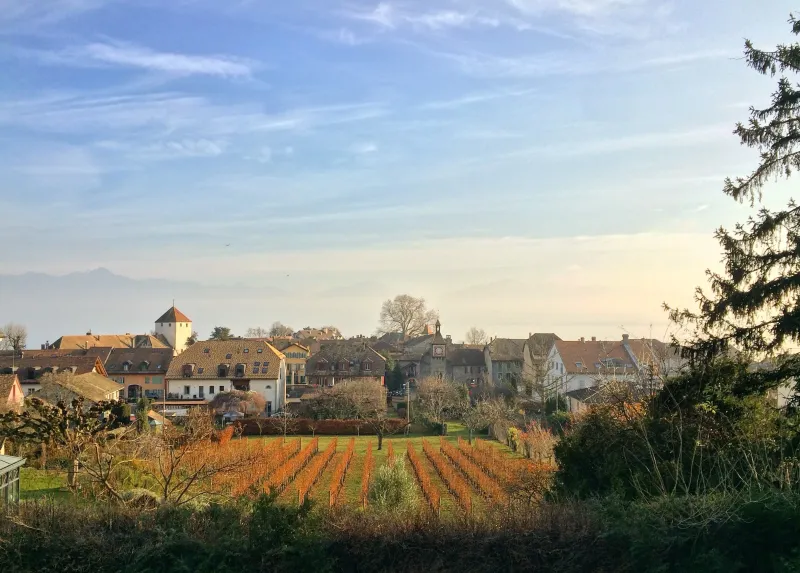
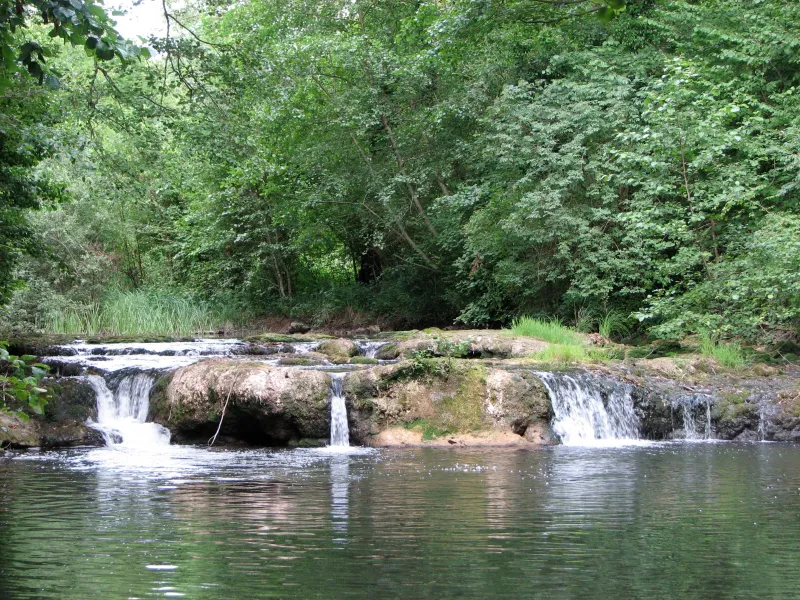
Featured Towns of Jacob's Way
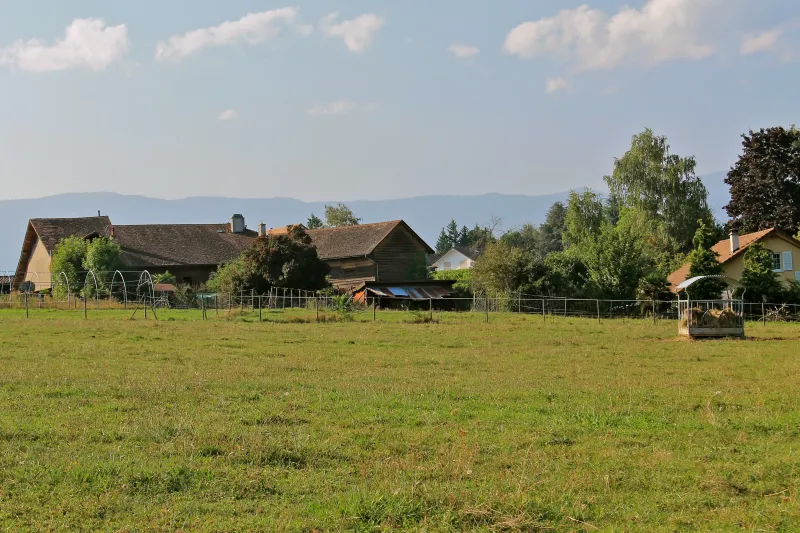
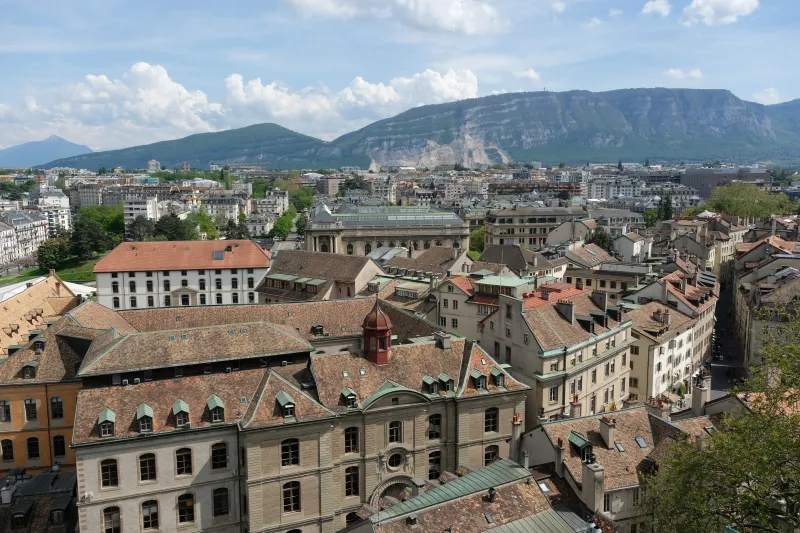
Explore the key towns and cities of this route.
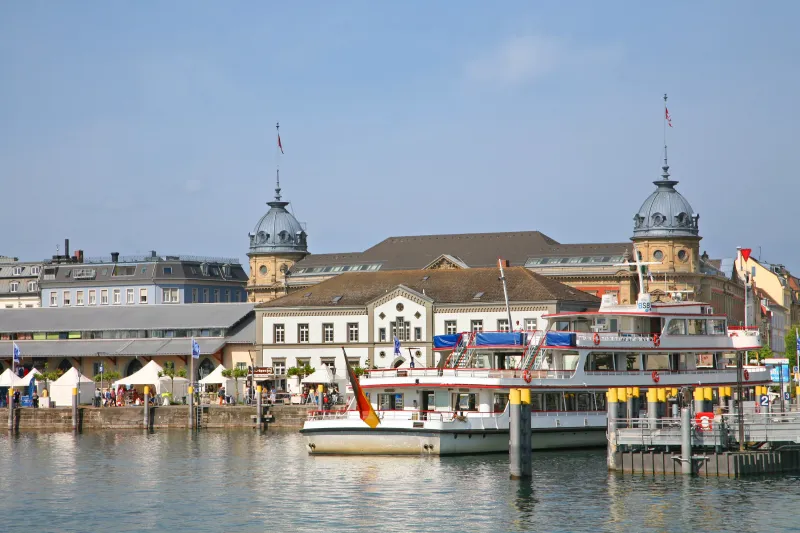
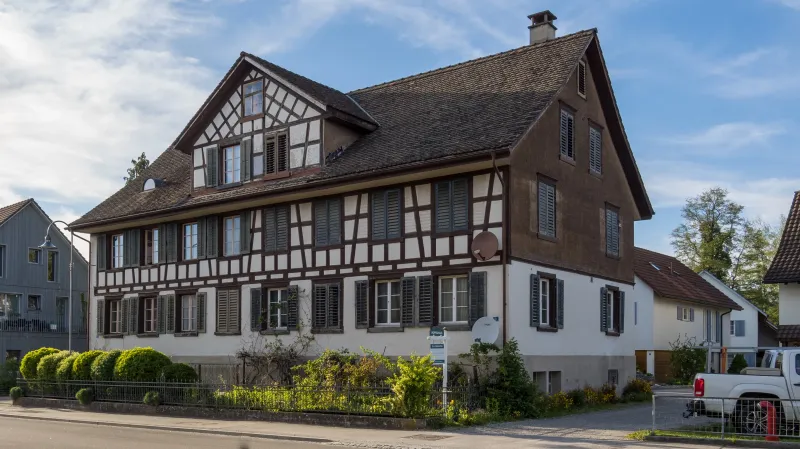
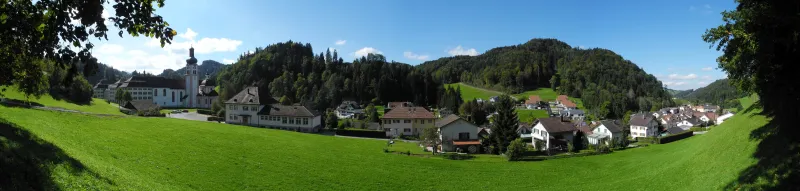
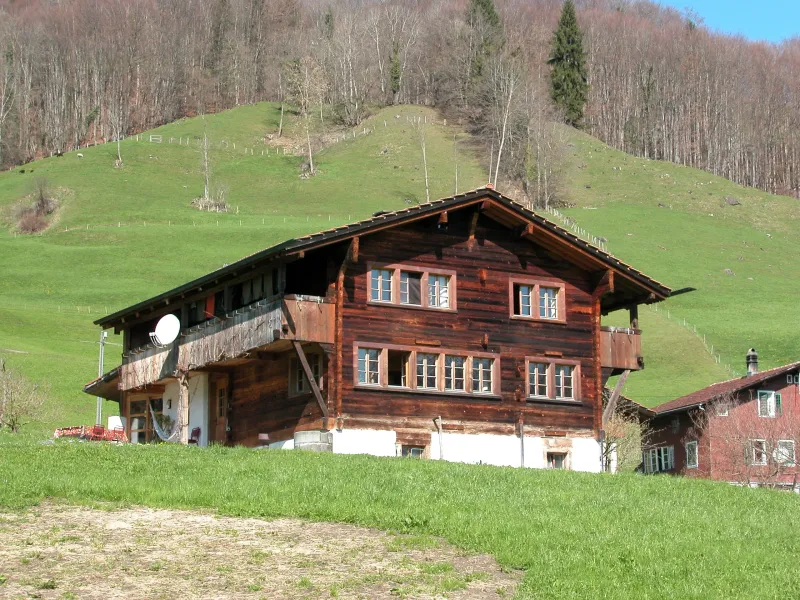
History
Millenary History of the Camino de Santiago: Origins and Evolution Jacob's Way
Discover the origins and evolution of Jacob's Way
The history of the Via Jacobi is tied to Switzerland's position as the great crossroads of Europe. In the Middle Ages, anyone who wanted to travel between the north and south of the continent, between the Holy Roman Empire and the Italian peninsula, often had to cross the Swiss Alps. This geography made it a natural corridor not only for merchants and armies but also for pilgrims. The flow of German-speaking walkers towards Santiago was massive during the Middle Ages, and the Via Jacobi was their primary route through the Alps.
The network of trails fed into various entrances on Switzerland's eastern and northern borders. The main route, now recovered as Swiss National Route 4, is often considered to begin at the shores of Lake Constance (Bodensee), a meeting point for those arriving from Bavaria and Austria. From there, the Via Jacobi embarks on an impressive journey from east to west along over 400 kilometers, showcasing an incredible variety of landscapes and cultures.
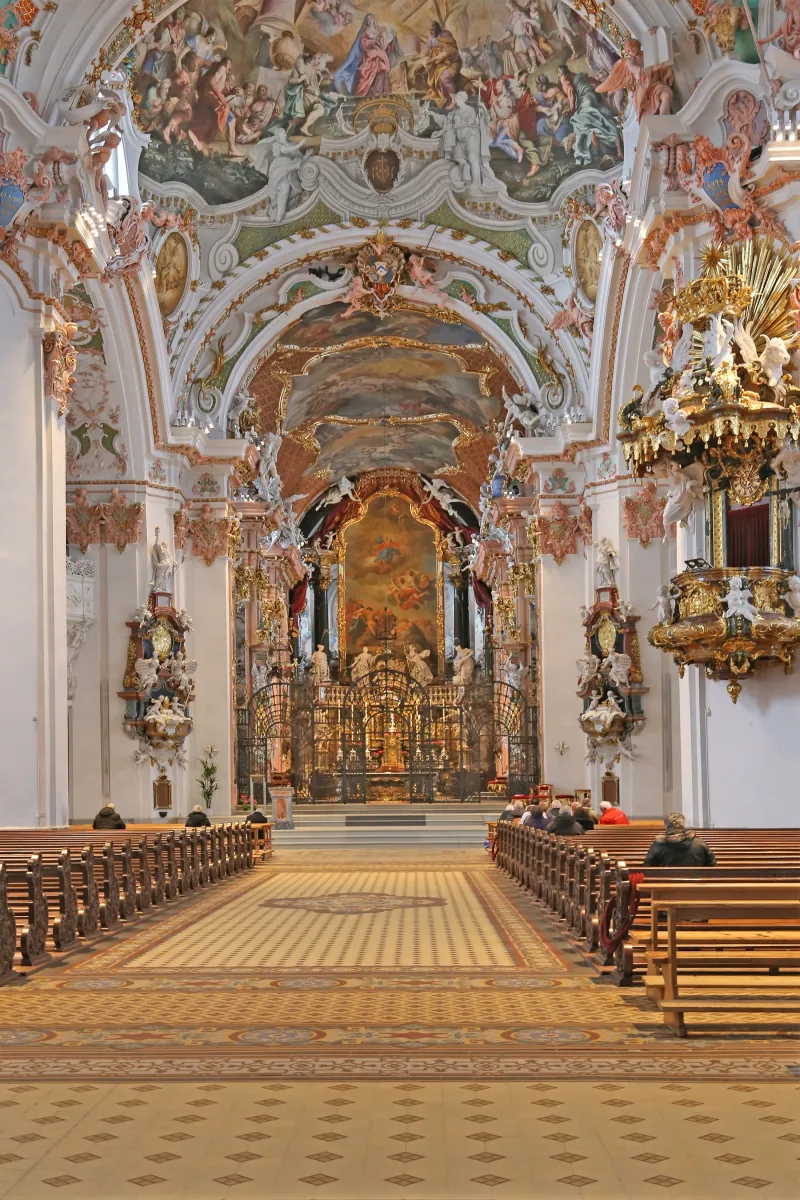
A central element in the history and spirituality of the Via Jacobi is the Monastery of Einsiedeln. This imposing Benedictine abbey, founded in the 10th century, houses the revered Black Madonna image and is one of Europe's most important Marian pilgrimage centers. For medieval Jacobean pilgrims, the journey often included a devotional stop at Einsiedeln. The pilgrimage to Santiago was thus enriched with the visit to the Virgin, making the abbey a spiritual heart that pumped pilgrims towards the rest of the route.
The path traverses some of Switzerland's most iconic landscapes. It passes through historic cities like Lucerne, with its famous wooden bridge, skirts the lakes of Brienz and Thun, offering breathtaking views of towering Alpine peaks such as the Eiger, Mönch, and Jungfrau, and crosses various linguistic regions in the country. Along the way, numerous churches dedicated to Santiago (Jakobuskirche), ancient hostels, and place names recall the constant passage of pilgrims.
The ultimate goal of the Via Jacobi is to reach the western border with France. The main departure point is the international city of Geneva. Upon arriving there, the pilgrim has completed the Swiss traverse and finds himself at the starting point of the Via Gebennensis, which will lead him to Le Puy-en-Velay. Other departures existed, for example near Basel, that connected with routes in Alsace or Burgundy towards Vézelay.
Today, the Via Jacobi is magnificently signposted and maintained, following Swiss hiking standards. It offers a top-level Jacobean experience, a journey that is both an end in itself —a complete traverse of Switzerland— and a vital link connecting faith and pilgrimage tradition from German-speaking Europe to major routes leading to Compostela.
We answer your questions
Frequently Asked Questions about Jacob's Way
How many kilometers and how many days does the Via Jacobi in Switzerland cover?
The Via Jacobi spans approximately 445 km through Switzerland, typically taking around 22 days to complete. Ourway Travel offers detailed itineraries to help you plan your trip.
What is the best time of year to do the Via Jacobi?
The shoulder season, particularly in May and September, is ideal for undertaking the Via Jacobi. During these times, there's a favorable balance between pleasant weather conditions and fewer pilgrims. Ourway Travel assists with specific recommendations based on your preferences.
¿Qué incluye el paquete de reserva de Ourway para la Vía Jacobi?
El paquete de reserva de Ourway para la Vía Jacobi incluye alojamientos en albergues acreditados y un itinerario personalizado. También proporcionamos asesoramiento sobre equipaje adecuado, puntos de interés cultural y religioso, y detalles sobre cómo obtener tu credencial del peregrino.
How can I book the Via Jacobi with Ourway Travel?
To reserve the Via Jacobi through Ourway Travel, simply fill out our online form or contact us directly. Our team will guide you through the process to ensure your trip is perfect from the first step.
What is the difference between the Via Jacobi and other routes to Santiago?
The Via Jacobi stands out for its unique route through Switzerland, offering a rich cultural and historical experience. Unlike the more well-known French or Portuguese routes with their pilgrim hostels and traffic, the Via Jacobi provides a quieter and more authentic journey. Ourway Travel helps you choose the path that best suits your interests.
How do you compare the difficulty of the Via Jacobi with other Jacobean routes?
The Via Jacobi is considered medium in terms of difficulty due to its mountainous and valley terrain. In contrast, more alpine routes can be more challenging, while flatter paths like the Portuguese Way tend to be less demanding. Ourway Travel offers customized itineraries to suit your skill level.
What kind of luggage can I bring on the Via Jacobi and how should I manage it?
Luggage is an important aspect of the Via Jacobi journey. Ourway Travel provides recommendations on what clothing and equipment to carry, as well as baggage management services so you can travel light during your trip.
How do I get my pilgrim's credential for the Via Jacobi?
To obtain your pilgrim's credential on the Via Jacobi, you can visit a designated tourist office or church before starting your journey. Ourway Travel assists with information about where and how to get your credential to ensure you are prepared from the start.
Organize Your Camino
Ready for this adventure?
Jacob's Way