
Camino de Santiago
The Puy (Via Podiensis)
The Way of Le Puy (Via Podiensis) is the most popular Jacobean route in France. From Le Puy-en-Velay to Saint-Jean-Pied-de-Port, where it joins the French Way.
Organize your The Puy (Via Podiensis)Last updated: 21/05/2025
The Route
General Description of The Puy (Via Podiensis)
Related Routes
Connections of The Puy (Via Podiensis)
Viae Turonensis
913 km
38
Media
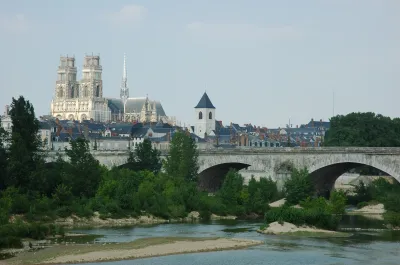
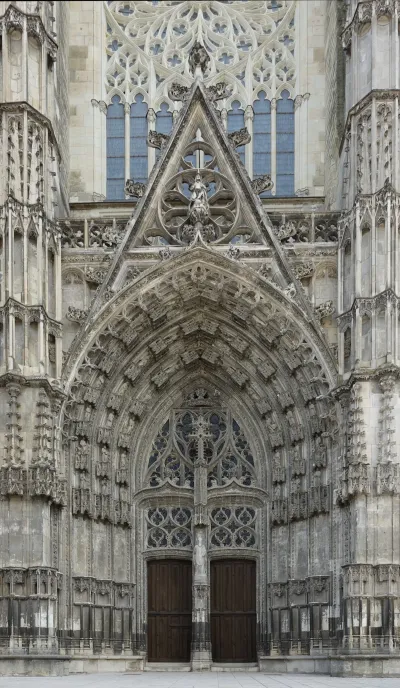
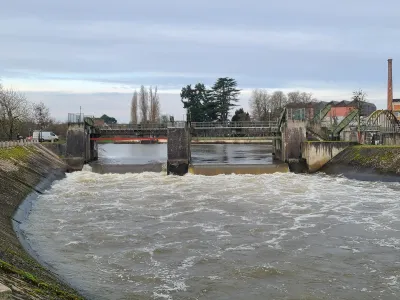
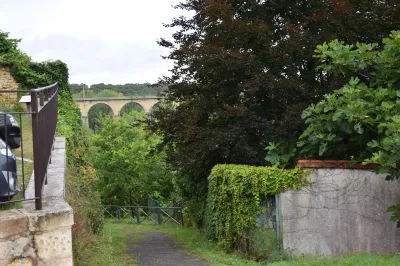
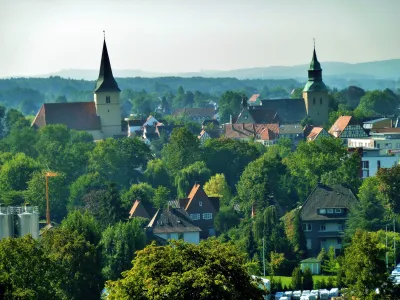
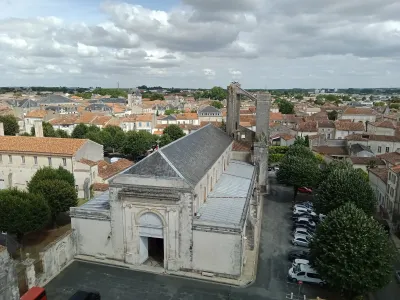
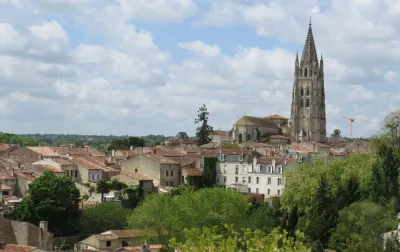
The Way of Tours, known in France as the Via Turonensis (Voie de Tours), is the longest and westernmost of the four main Jacobean routes in France. Traditionally considered to start from Paris (although the city of Tours is an emblematic point and gives its name), it heads southwest, passing through regions such as the Loire Valley, Poitou, and Aquitania, until reaching Saint-Jean-Pied-de-Port, where it joins the French Way. The route from Paris spans approximately 900-1000 km. It is a route with an important monumental heritage, including numerous churches and cathedrals, and varied landscapes. Although less crowded than the Via Podiensis, it has a long historical tradition.
Stages of this variant:

Stage 1: Paris - La Ville-du-Bois
Stage 2: La Ville-du-Bois - Étampes
Stage 3: Étampes - Angerville
Stage 4: Angerville - Artenay
Stage 5: Artenay - Orléans
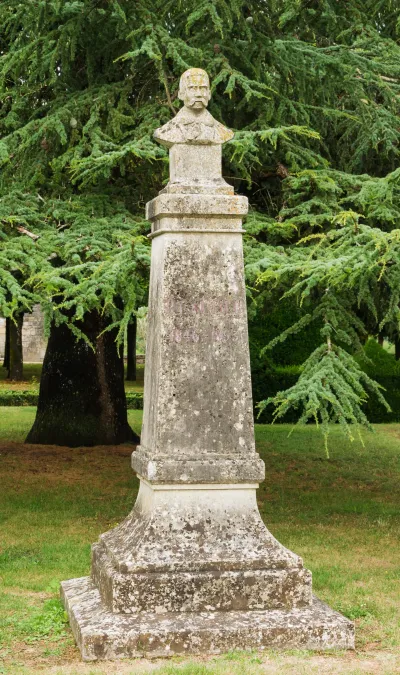
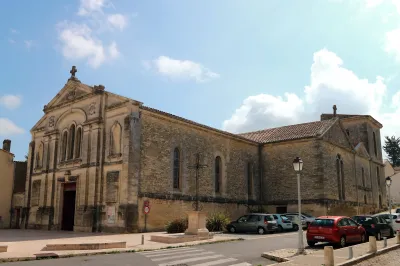

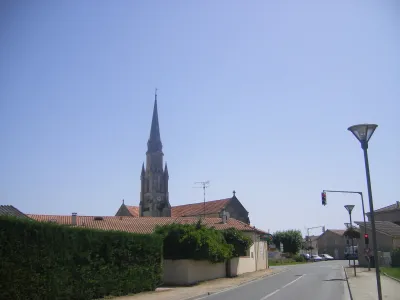
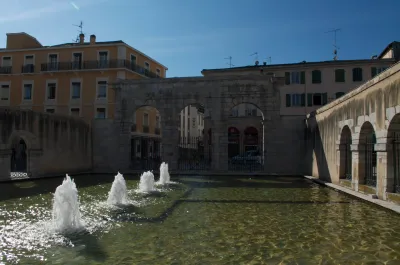
Vézelay (Via Lemovicensis)
870 km
35
Media
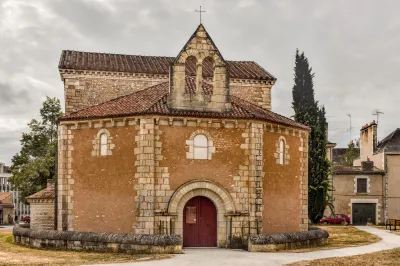
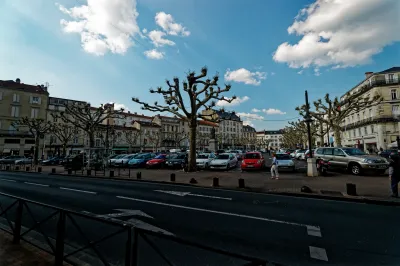
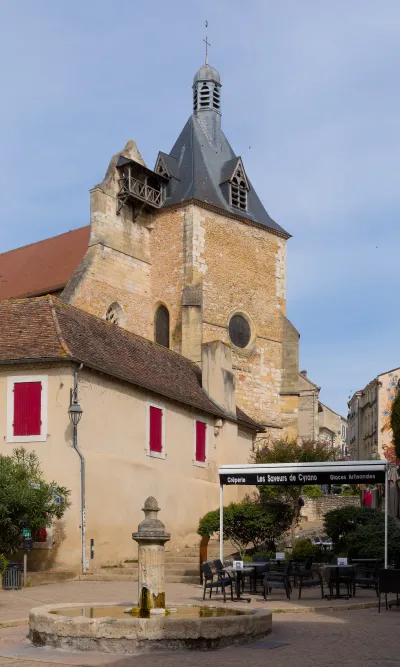
The Way of Vézelay, known in France as the Via Lemovicensis (Voie de Vézelay), is one of the four historic Jacobean routes that cross France. It begins at the Basilica of Saint Mary Magdalene of Vézelay, in Burgundy, a major medieval pilgrimage center, and heads southwest, crossing central France (the Limousin region, hence its name) until Ostabat, near Saint-Jean-Pied-de-Port, where it converges with other French routes before crossing the Pyrenees. With a 900 km journey, it is a long and diverse route that passes through cities like Limoges and Périgueux. It offers an experience of rural and monumental pilgrimage in France.
Stages of this variant:
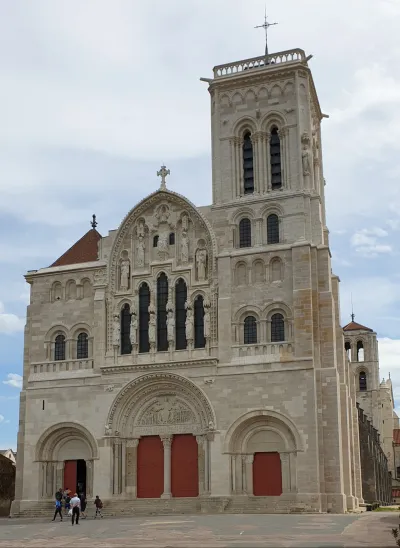
Stage 1: Vézelay - Saint-Germain-des-Bois (Nièvre)
Stage 2: Saint-Germain-des-Bois (Nièvre) - Champlemy
Stage 3: Champlemy - La Charité-sur-Loire
Stage 4: La Charité-sur-Loire - Baugy
Stage 5: Baugy - Bourges

Gebennine Way
350 km
15
Media
The Via Gebennensis is an important Jacobean route connecting Geneva (Switzerland) with Le Puy-en-Velay (France). With a distance of approximately 350 km, it serves as a link for pilgrims from Switzerland (Jacob's Way) and southern Germany, allowing them to join one of the main French routes to Santiago, the Via Podiensis or Camino de Le Puy. It traverses varied landscapes, from the shores of Lake Lemán to the mountains of the Central Massif French range.
Stages of this variant:
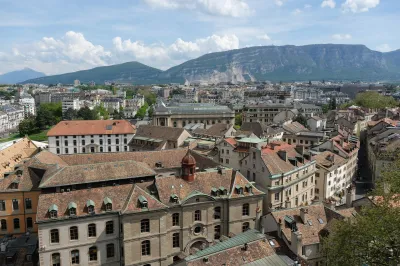
Stage 1: Genève - Col du Mont-Sion
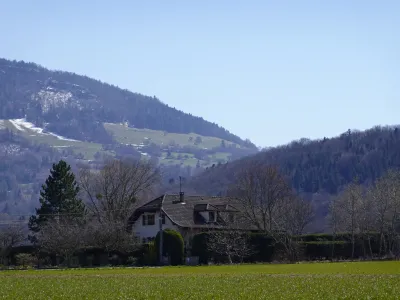
Stage 2: Col du Mont-Sion - Frangy
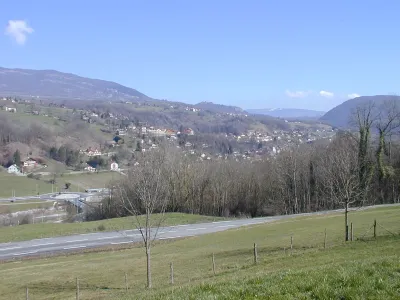
Stage 3: Frangy - Serrières-en-Chautagne
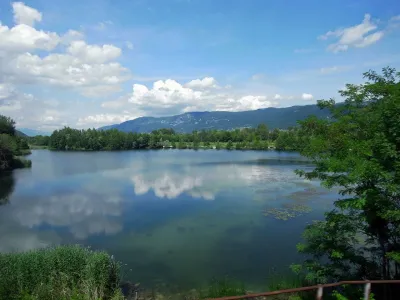
Stage 4: Serrières-en-Chautagne - Yenne
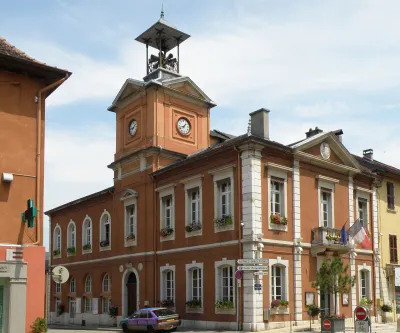
Stage 5: Yenne - Saint-Genix-sur-Guiers
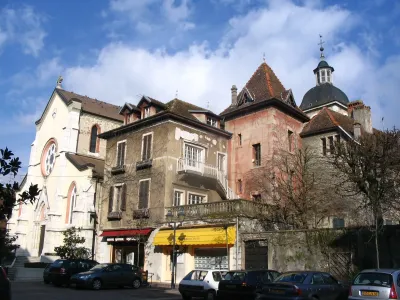

Your trip with Ourway
Everything you need for your Camino
No hassle. Your perfect route, from start to finish.
Accommodation
Selected hotels and hostels at every stage
Luggage transfer
Your backpack travels from stage to stage
Camino Guide
Detailed map with directions and services
24h Support
Team available for any unforeseen event
Pilgrim credential
Official documentation included
No commitment
Free personalized consultation
Walk this route with us
Fancy walking this route?
We don't have a ready-made package for this route yet, but we'll organise it around you. Tell us how you'd like to experience it and a specialist will reply within 24 h.
Request your proposalStages
Stages of The Puy (Via Podiensis)
Le Puy-en-Velay → Saint-Privat-d'Allier
Stage description not available.
Domaine du Sauvage → Aumont-Aubrac
This is one of the longest and most symbolic stages of the Way of Saint James. The route enters French Basque Country, with a landscape of green hills and charming villages. It's a journey of great be...
Aumont-Aubrac → Nasbinals
The last stage of the Via Lemovicensis. The road passes through the last hills of French Basque Country before arriving at the mythical Saint-Jean-Pied-de-Port. It is a journey of great beauty and emo...
Towns
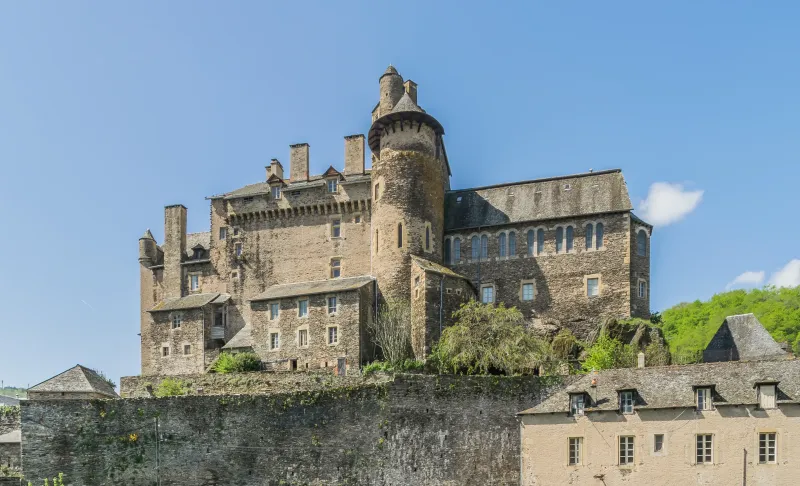
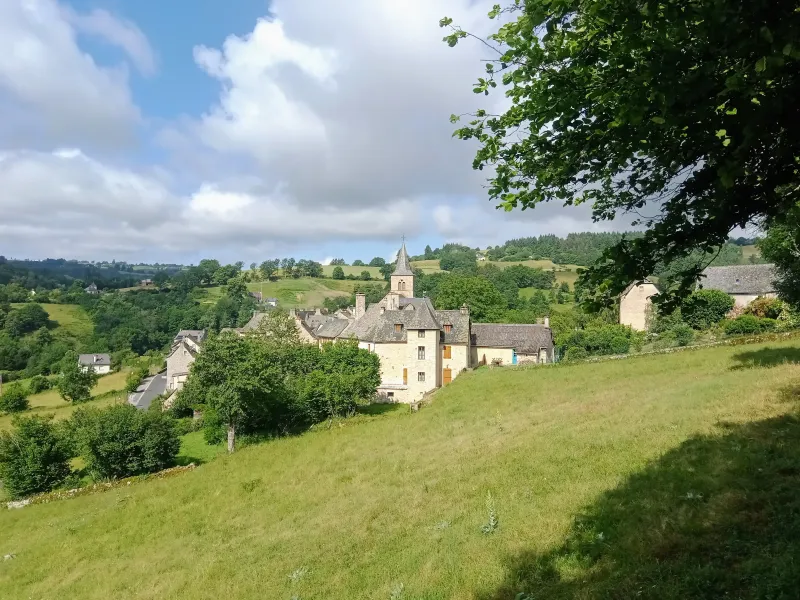
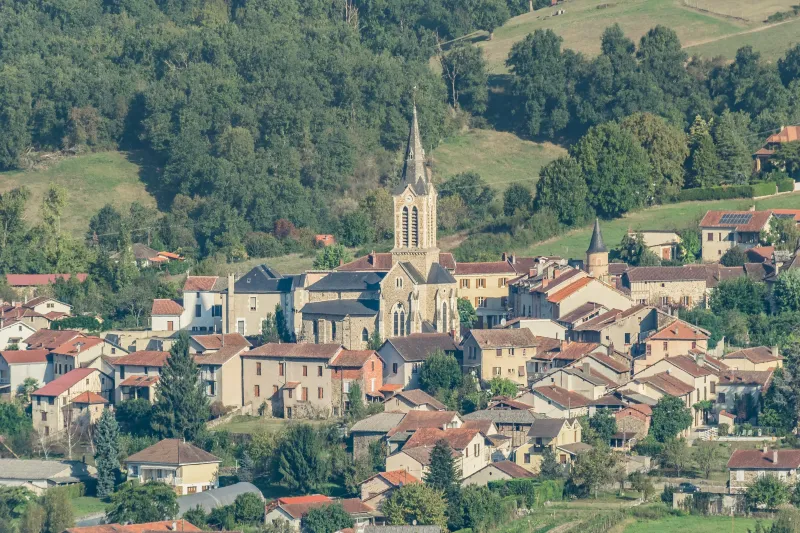
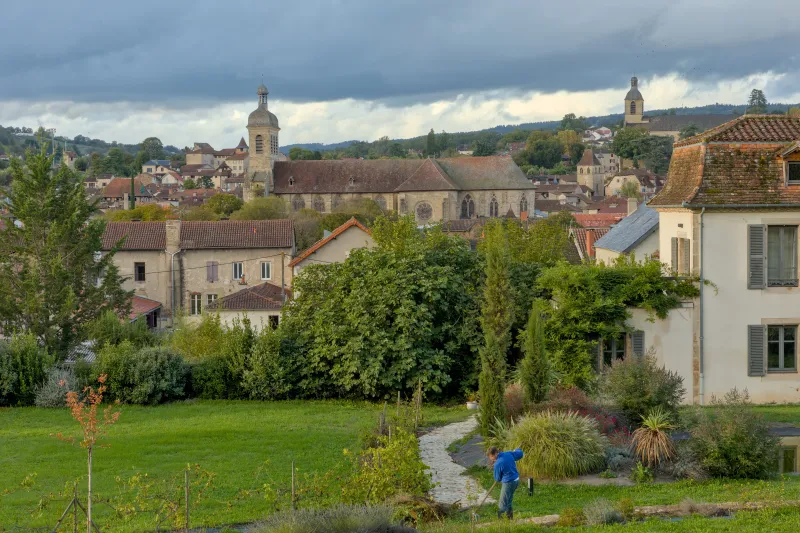
Featured Towns of The Puy (Via Podiensis)
Explore the key towns and cities of this route.
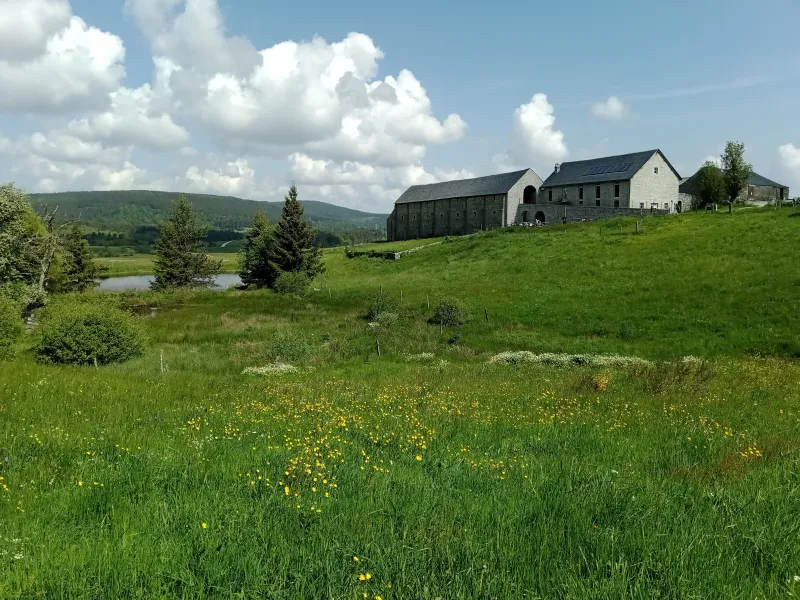
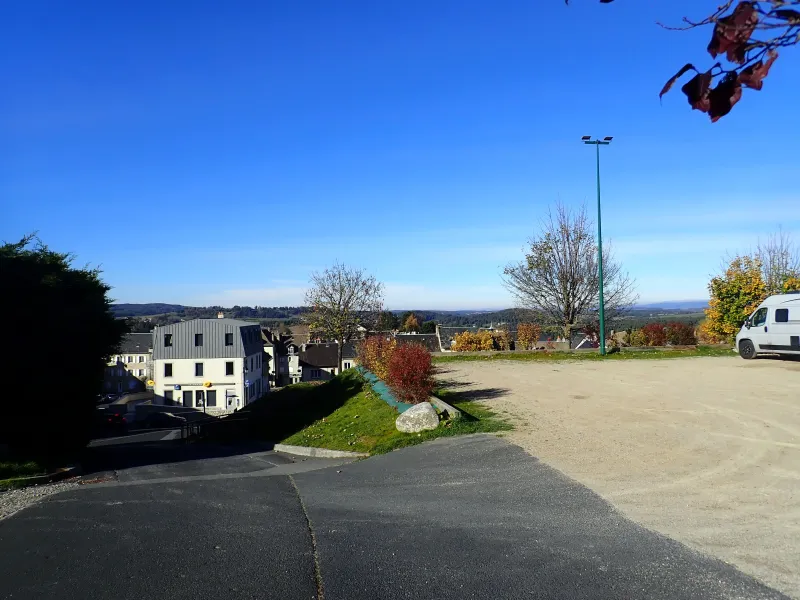
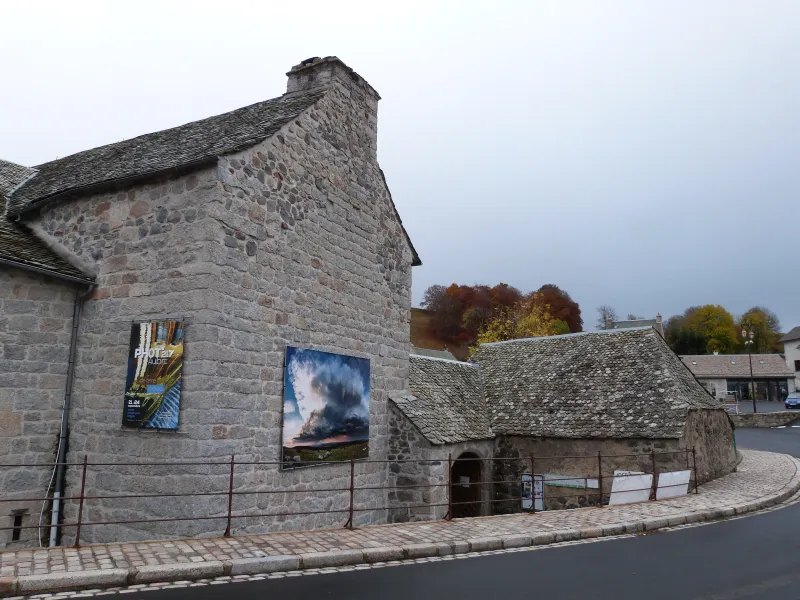
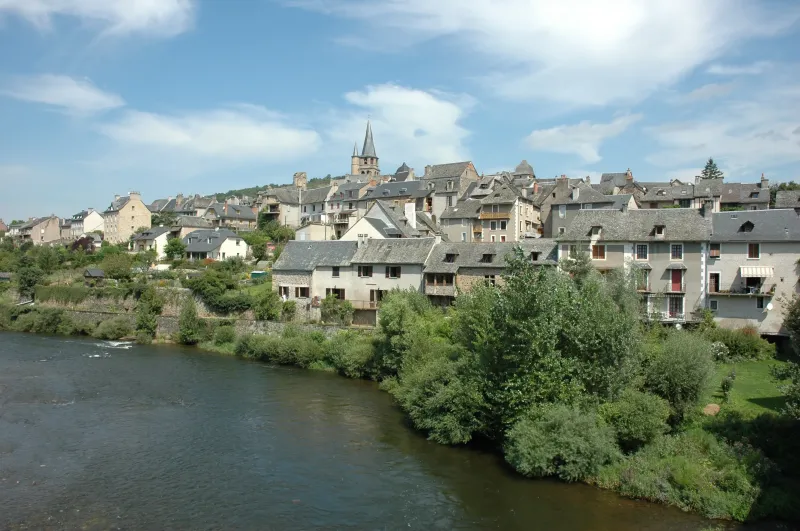



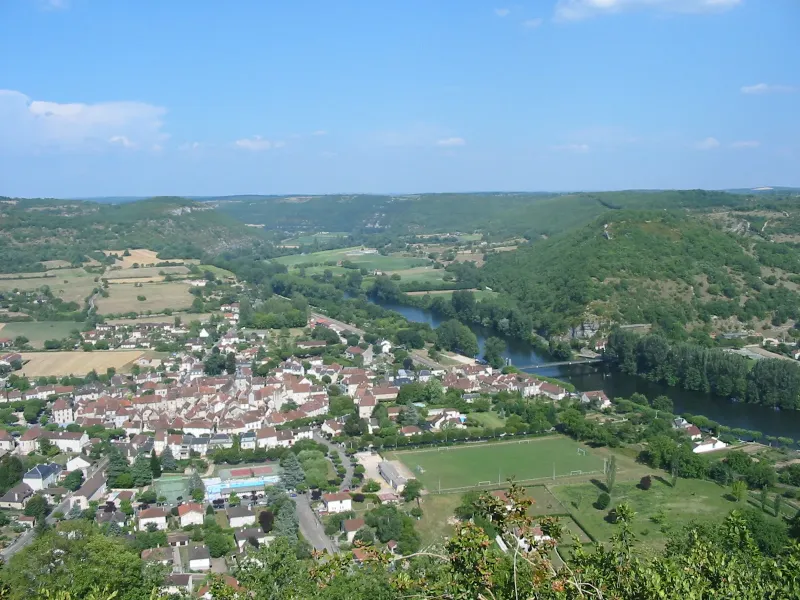
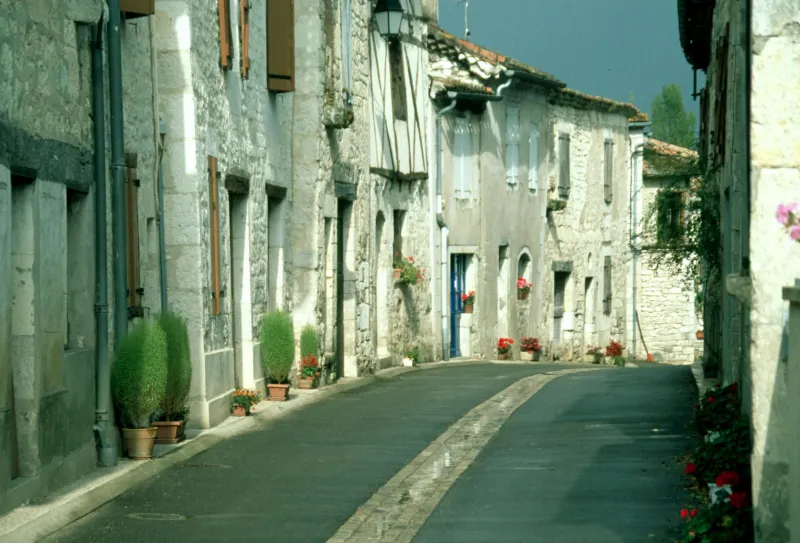
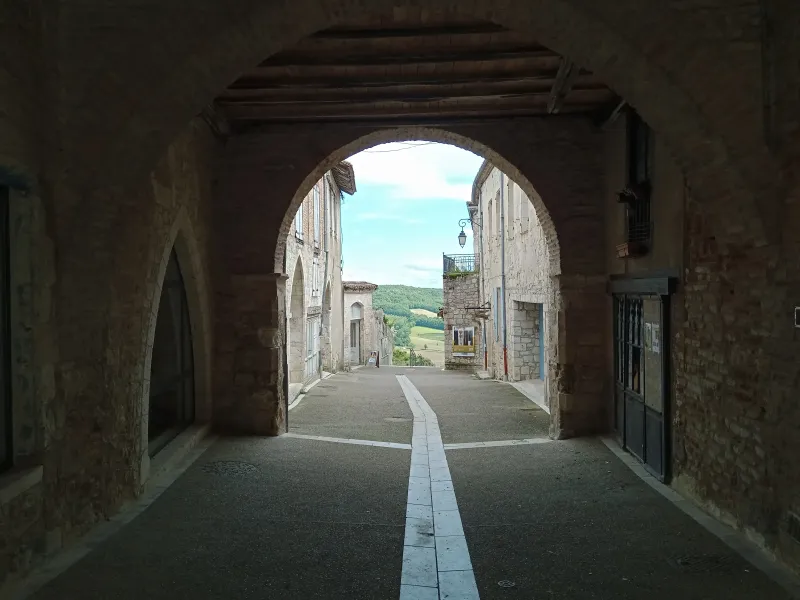
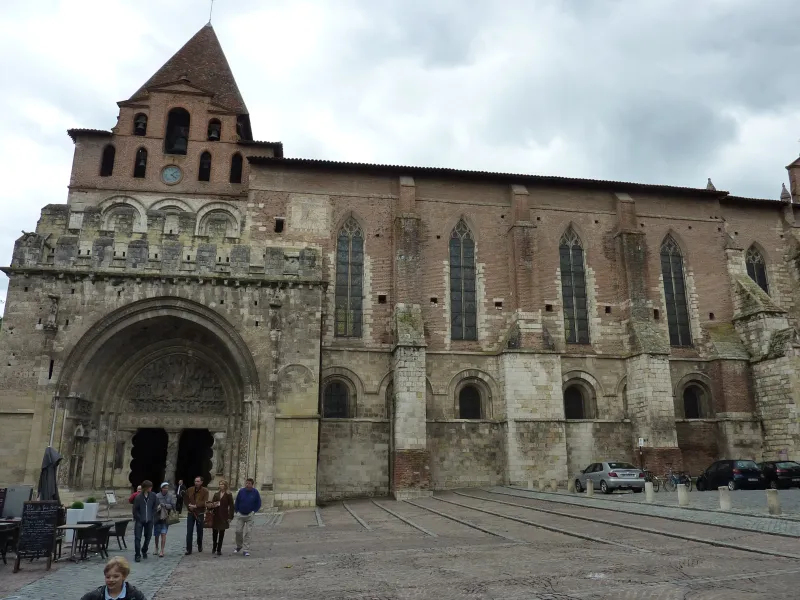
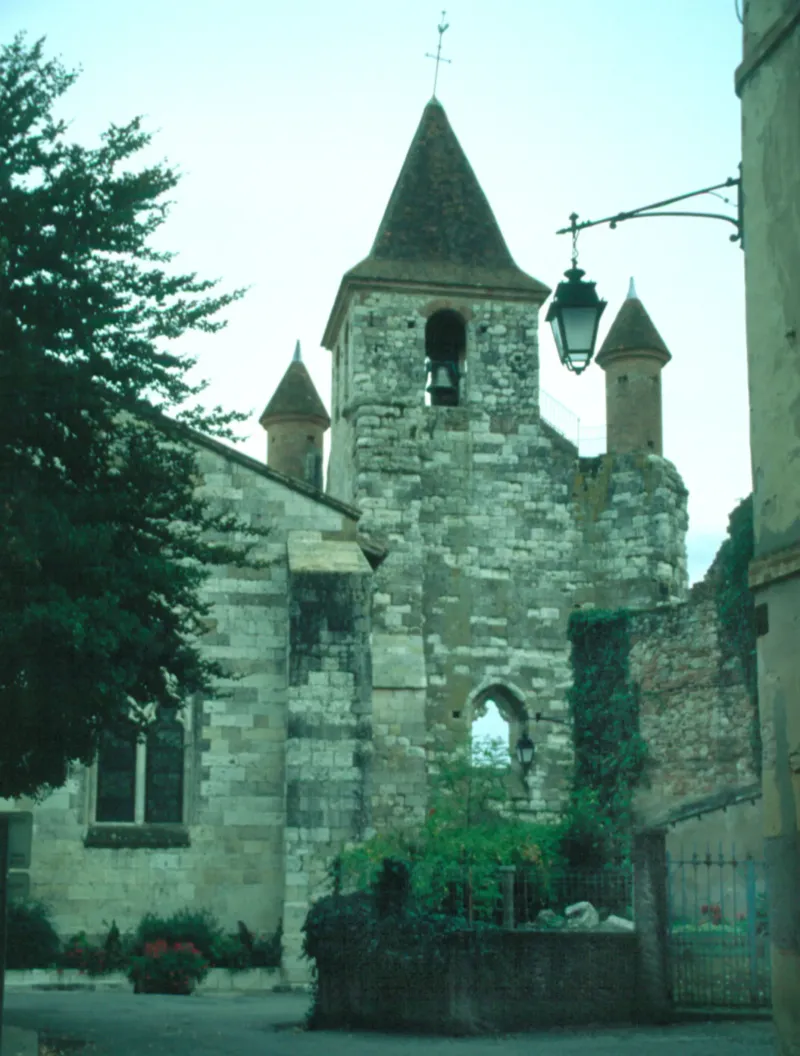
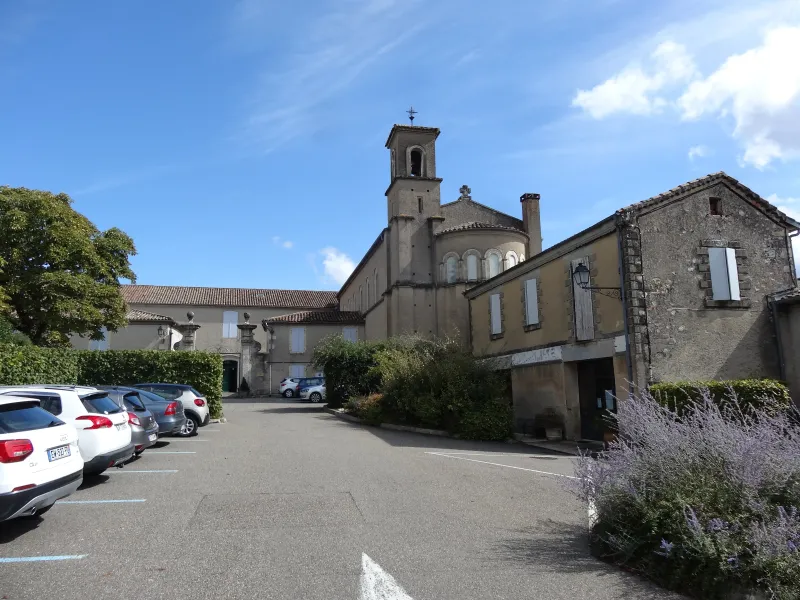
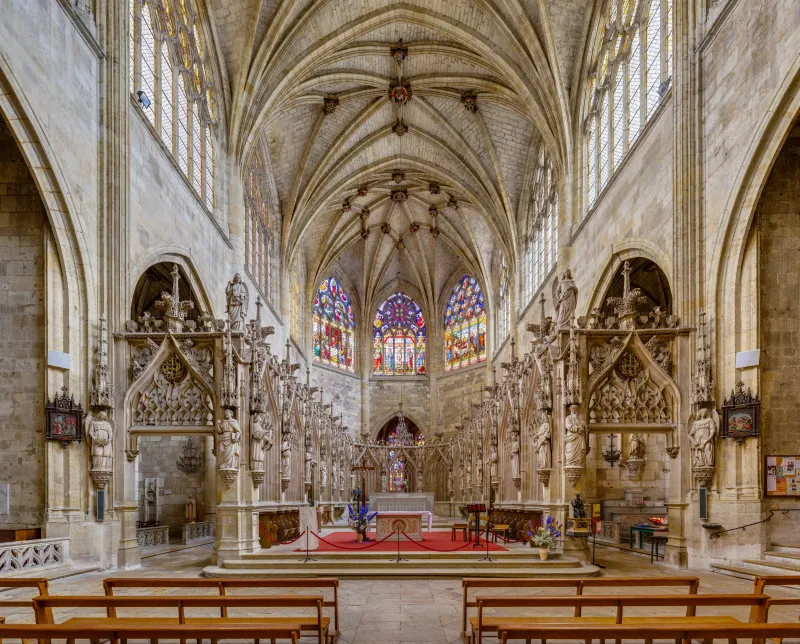
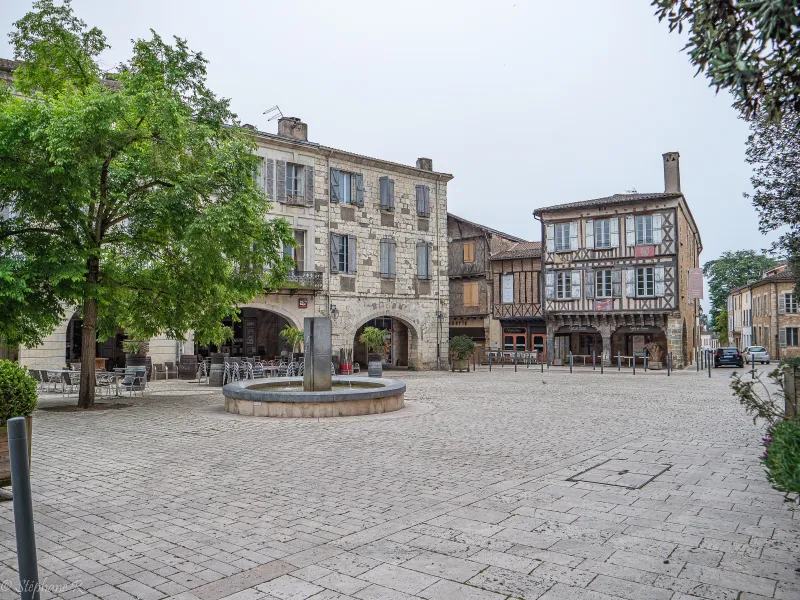
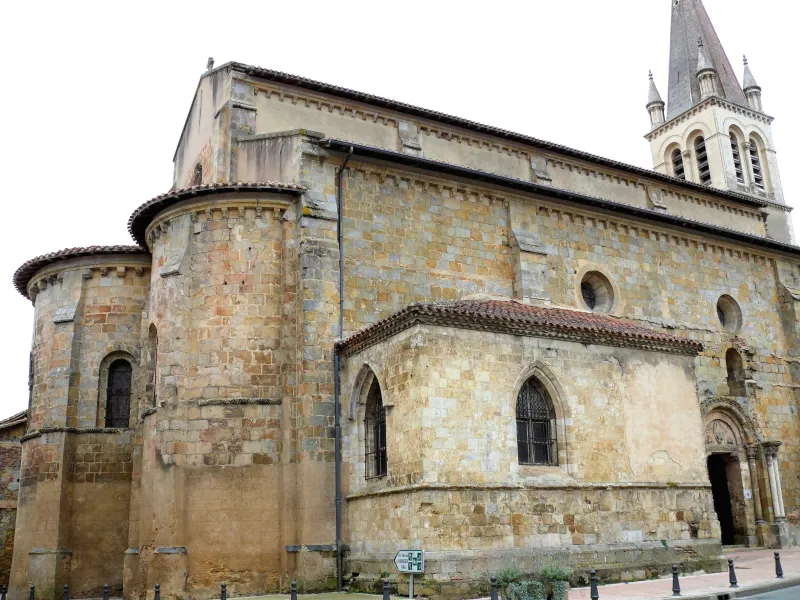
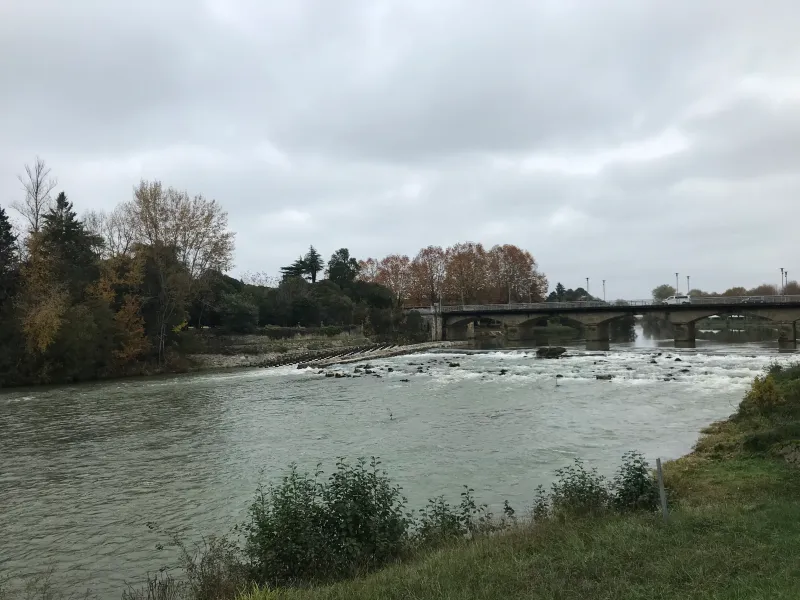
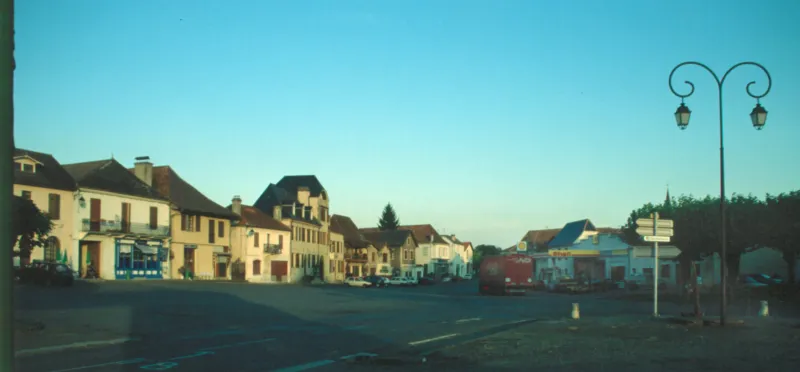
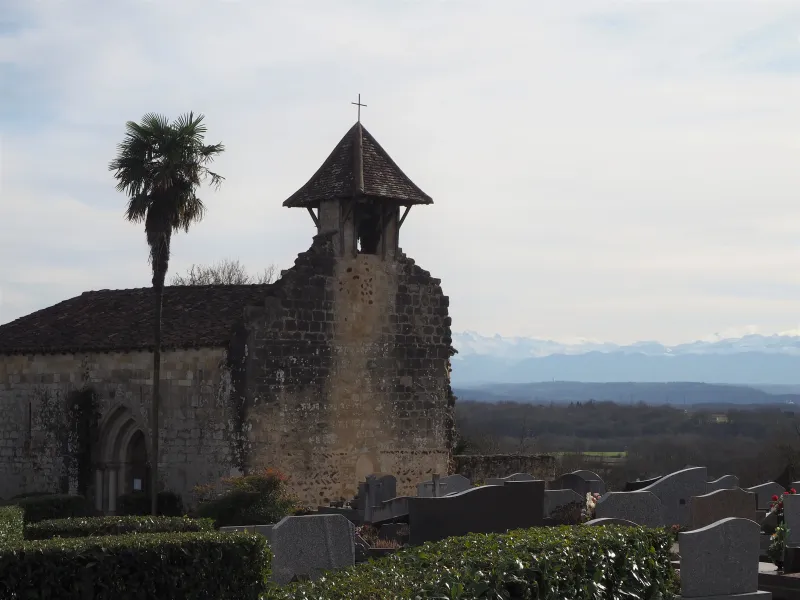
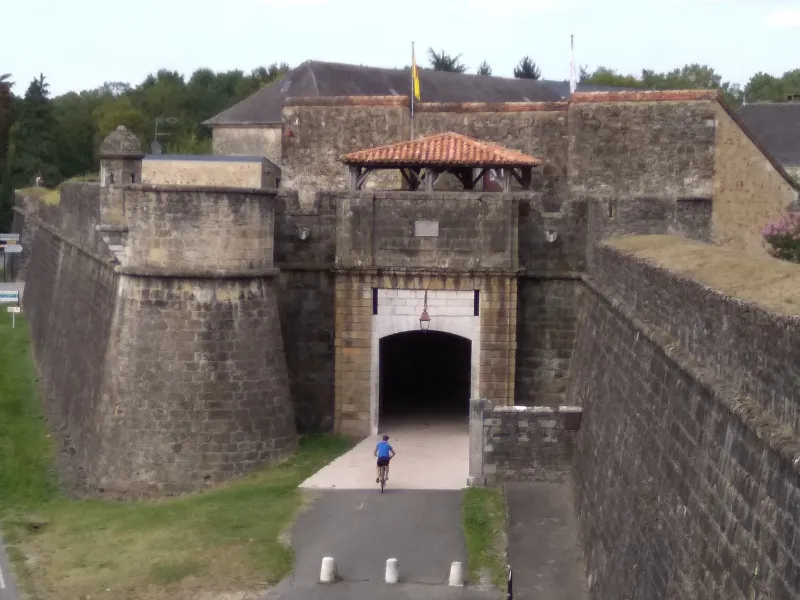
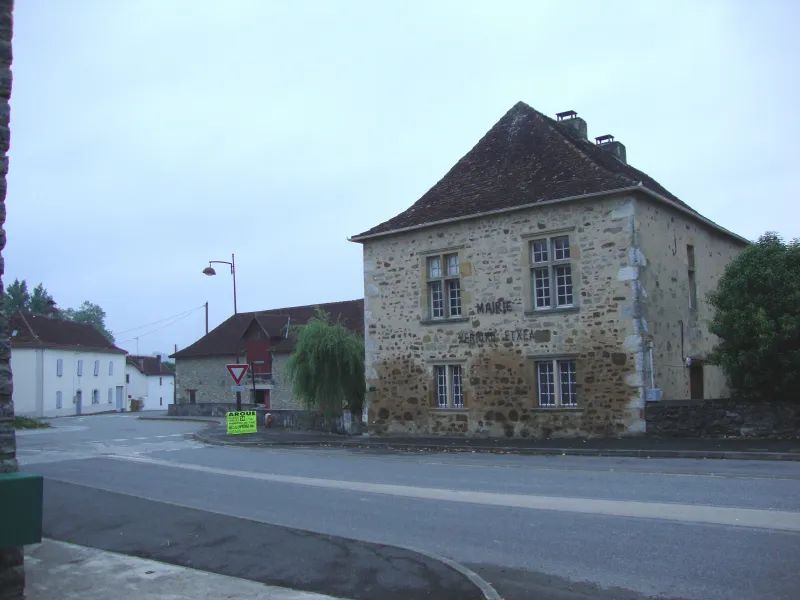
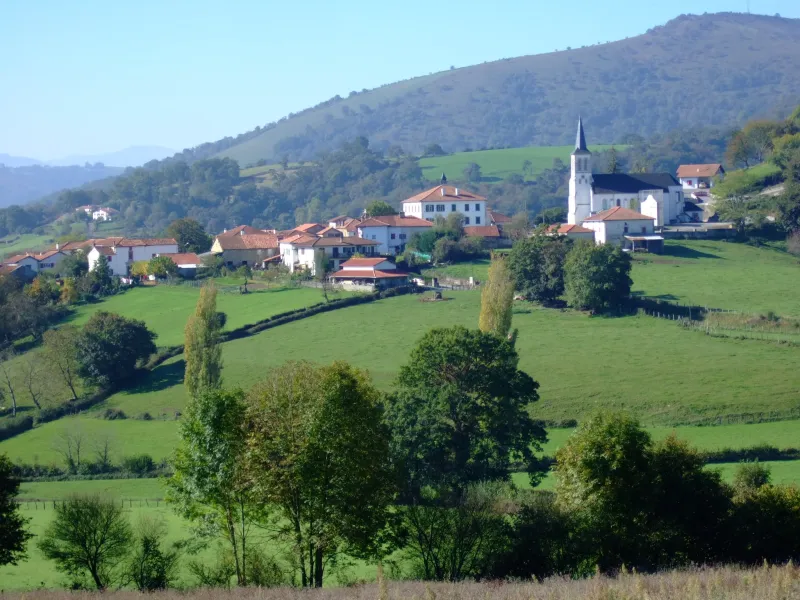
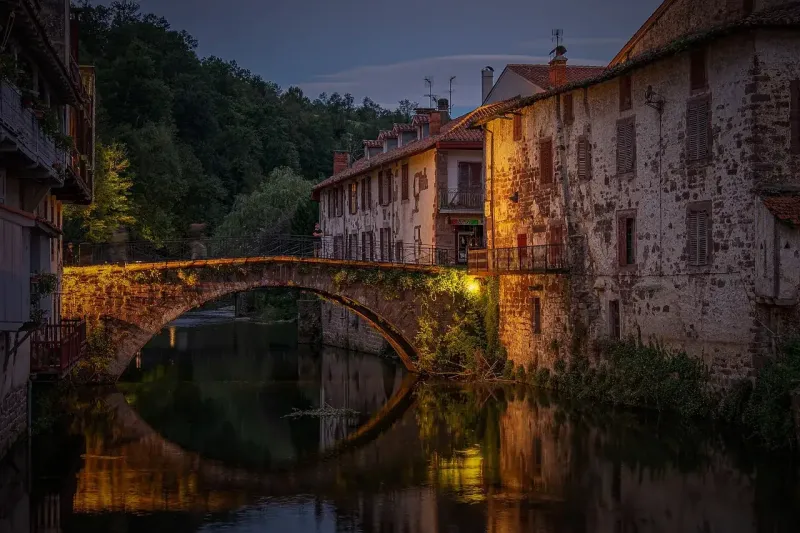
History
Millenary History of the Camino de Santiago: Origins and Evolution The Puy (Via Podiensis)
Discover the origins and evolution of The Puy (Via Podiensis)
The key year is 950 (or 951). In this date, Godescalco, bishop of Le Puy, a pious and influential man, embarked on a long and arduous pilgrimage to Santiago de Compostela along with a large entourage. This episcopal journey was not only the first non-Hispanic written record of pilgrimage but also established a precedent that would be imitated by thousands of faithful in subsequent centuries, turning Le Puy into the spiritual capital of the Way in France.
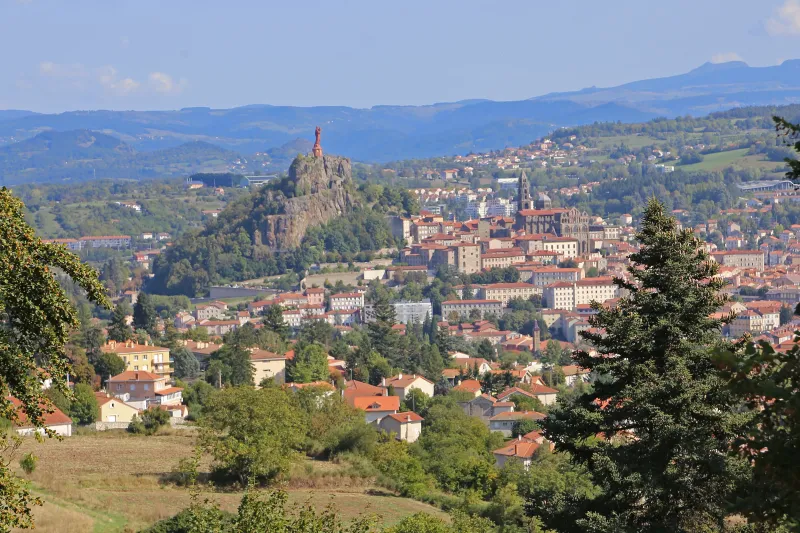
The city of Le Puy-en-Velay itself was already an important center for Marian pilgrimages, famous for its Black Virgin. Its unique topography, with Notre-Dame Cathedral and Saint-Michel d'Aiguilhe chapel perched atop volcanic needles, created a visual and spiritual scene that was overwhelming, the perfect place to begin such a transcendent undertaking. Every morning, the cathedral celebrated a mass and special blessing for pilgrims starting their journey, a tradition still alive today.
Described as "Via Podiensis" in the Calixtine Codex of the 12th century, the route runs from Le Puy southwest, on a journey of extraordinary diversity in landscape. It traverses volcanic mountains of Velay, solitary and windy Aubrac plateau —a section of austere beauty and great hardness, dotted with stone refuges for pilgrims—, and descends into fertile and beautiful valleys of rivers Lot and Célé. This stretch is famous for housing some of the most pure jewels in French Romanesque art.
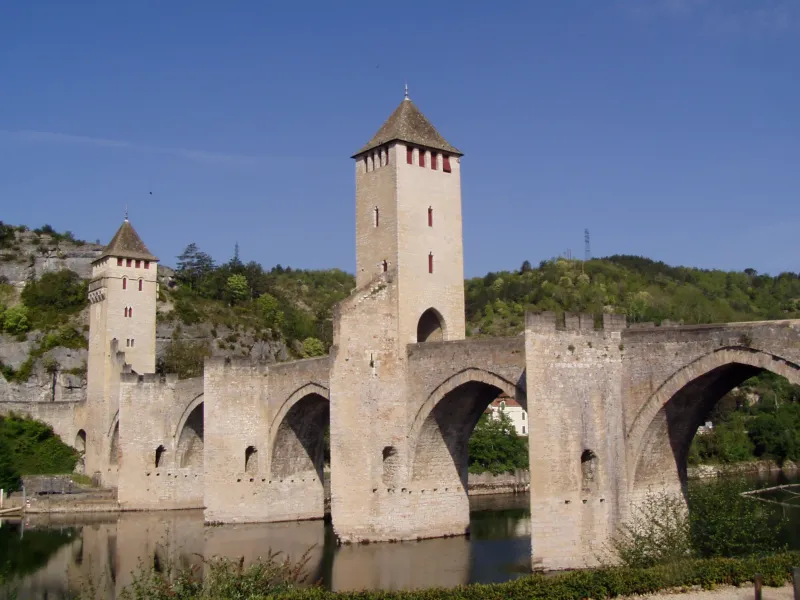
The most important milestone is undoubtedly the Abbey of Sainte-Foy de Conques. Isolated in a deep valley, this church is an example of perfect pilgrimage architecture, built to accommodate crowds. Its tympanum of the Last Judgment is one of the masterpieces of Romanesque sculpture, a stone catechism that warned and amazed medieval pilgrims. Other points of great importance are Figeac, the city of Champollion; Cahors, with its spectacular fortified Valentré bridge; and the Abbey of Moissac, with its cloister and portico, considered summits of Romanesque art.
The Via Podiensis was one of the most traveled routes during the Middle Ages. It was perfectly equipped with a network of hospitals, bridges, and monasteries that guaranteed assistance to pilgrims. Upon arriving at Ostabat in the French Basque Country, it converged with routes coming from Tours and Vézelay, and in nearby Saint-Jean-Pied-de-Port, preparations were made for the final great challenge: crossing the Pyrenees through Roncesvalles.
Its modern revitalization has been a resounding success. Marked as the long-distance GR65 trail, it is today a cultural phenomenon that attracts walkers from all over the world, offering an authentic and beautiful Jacobean experience. For many, it is the indispensable prologue to the French Way.
We answer your questions
Frequently Asked Questions about The Puy (Via Podiensis)
How many days does the Le Puy Way (Via Podiensis) take to walk from Le Puy-en-Velay to Saint-Jean-Pied-de-Port?
The Le Puy Way, also known as Via Podiensis, takes approximately 30 days to complete the 733 kilometers that separate Le Puy-en-Velay and Saint-Jean-Pied-de-Port. This route is popular among pilgrims for its scenic beauty and rich history, professionally managed by Ourway Travel to ensure a safe and comfortable experience.
Which is the best time of year to undertake the Le Puy Way with Ourway Travel?
The ideal period for embarking on your journey along the Le Puy Way is typically during mid-season, specifically from April to June and September to October. During these months, you'll enjoy pleasant weather, green fields, and blooming flowers in May, or mild temperatures with fewer crowds in September. Ourway Travel assists in efficiently booking accommodations to ensure a smooth trip.
What does the Le Puy Way package from Le Puy-en-Velay to Saint-Jean-Pied-de-Port with Ourway Travel include?
The Le Puy Way package with Ourway Travel includes accommodation in selected hostels or rural houses, daily luggage transfer from your starting point to your final destination (Saint-Jean-Pied-de-Port), and complete management of your pilgrim credential. Additionally, we provide a detailed itinerary and personalized assistance to ensure you enjoy this Jacobean route to the fullest.
What is the difficulty level of the Le Puy Way (Via Podiensis) and how does it compare to other Jacobean routes?
The Le Puy Way is considered a moderate route, offering topographical challenges such as traversing mountainous regions. Unlike flatter paths like the French Way, this route provides varied and serene landscapes.
How can I book the Le Puy Way from Le Puy-en-Velay to Saint-Jean-Pied-de-Port with Ourway Travel?
To reserve your journey on the Le Puy Way with Ourway Travel, you can contact us through our website or by phone. Our professional team will assist you every step of the way: from date selection to accommodation confirmation and luggage transfers. You'll also be able to customize your itinerary according to your preferences.
Why should I choose the Le Puy Way over the French Way for my trip to Santiago?
The Le Puy Way offers a more varied and natural route, passing through iconic regions such as Aubrac, Quercy, and Gascony. It provides a rich cultural experience with unique historical monuments. Although it is slightly longer than the French Way, it gives you stunning panoramic views and a mystical atmosphere starting your pilgrimage from Le Puy-en-Velay.
What is the distance of the Le Puy Way (Via Podiensis) and how long does it take to walk it?
The Le Puy Way, from Le Puy-en-Velay to Saint-Jean-Pied-de-Port, covers an approximate distance of 733 kilometers. The entire journey typically takes around one month to complete at a moderate pace.
How do I manage my pilgrim's credential for the Le Puy Way with Ourway Travel?
Ourway Travel provides you with a complete management of your pilgrim’s credential, offering one that is valid throughout the entire route of the Camino de Le Puy. We assist in obtaining it before your journey and help you understand how to use it during your trip. You can also receive information about specific signatures and even request the credential directly from our team.
Organize Your Camino
Ready for this adventure?
The Puy (Via Podiensis)