
Camino de Santiago
St. Francis (Via of St. Francis)
The Way of Francis (Francis' Path or Camino of Saint Francis) is a network of routes in Italy that connect key Franciscan sites such as La Verna, Assisi and Rome. A spiritual pilgrimage to the heart of Italy.
Organize your St. Francis (Via of St. Francis)Last updated: 21/05/2025
The Route
General Description of St. Francis (Via of St. Francis)
Your trip with Ourway
Everything you need for your Camino
No hassle. Your perfect route, from start to finish.
Accommodation
Selected hotels and hostels at every stage
Luggage transfer
Your backpack travels from stage to stage
Camino Guide
Detailed map with directions and services
24h Support
Team available for any unforeseen event
Pilgrim credential
Official documentation included
No commitment
Free personalized consultation
Walk this route with us
Fancy walking this route?
We don't have a ready-made package for this route yet, but we'll organise it around you. Tell us how you'd like to experience it and a specialist will reply within 24 h.
Request your proposalStages
Stages of St. Francis (Via of St. Francis)
Roma → Monte Sacro
The first stage of the Via di San Francesco is an urban walk that allows pilgrims to bid farewell to Rome's city center and venture into the northern neighborhoods, following the course of the Aniene ...
Monte Sacro → Monterotondo
This stage leaves behind the Rome metropolitan area and enters the Roman countryside, a landscape of gentle hills that leads to the city of Monterotondo. It is a moderate distance journey, with an und...
Monterotondo → Ponticelli di Scandriglia
This is one of the longest and most demanding stages of the Via di San Francesco, a journey that introduces pilgrims to the region of Sabina, land of olives and medieval villages. The route is beautif...
Ponticelli di Scandriglia → Poggio San Lorenzo
This stage continues through the heart of Sabina, on a moderate distance but with an demanding profile. The path winds its way over hills, passing through small villages and offering breathtaking view...
Poggio San Lorenzo → Rieti
This stage marks the arrival at the Holy Valley and the city of Rieti. The route is mainly downhill, leaving the hills of the Sabine region to enter a fertile plain of great importance in the life of ...
Rieti → Poggio Bustone
From Rieti, this stage climbs to one of the most important Franciscan sanctuaries. It is a day with a strong spiritual and physical component, as the path gains altitude to reach Poggio Bustone, a pla...
Towns
Featured Towns of St. Francis (Via of St. Francis)
Explore the key towns and cities of this route.
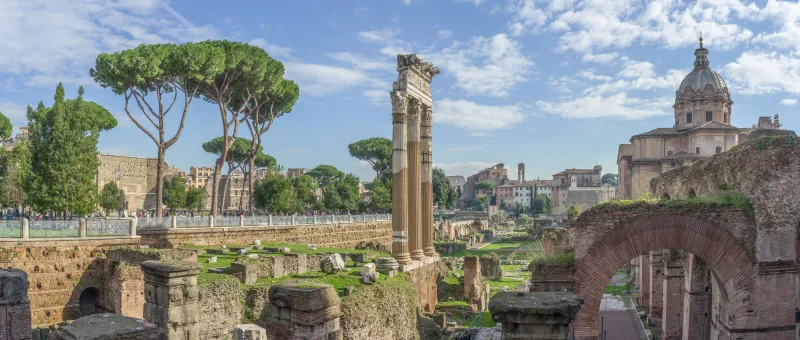
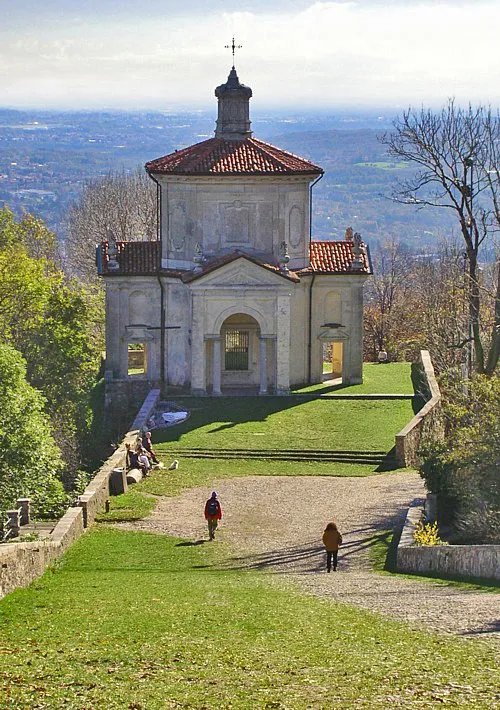
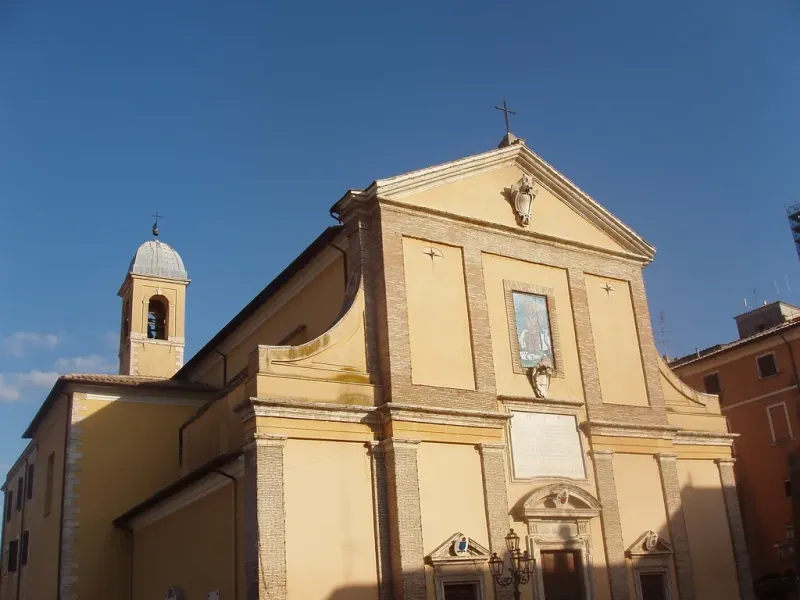
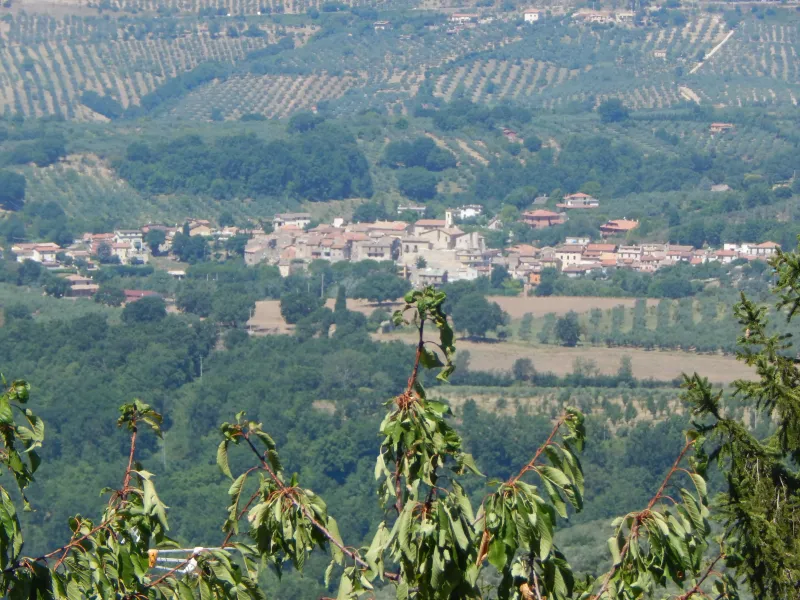
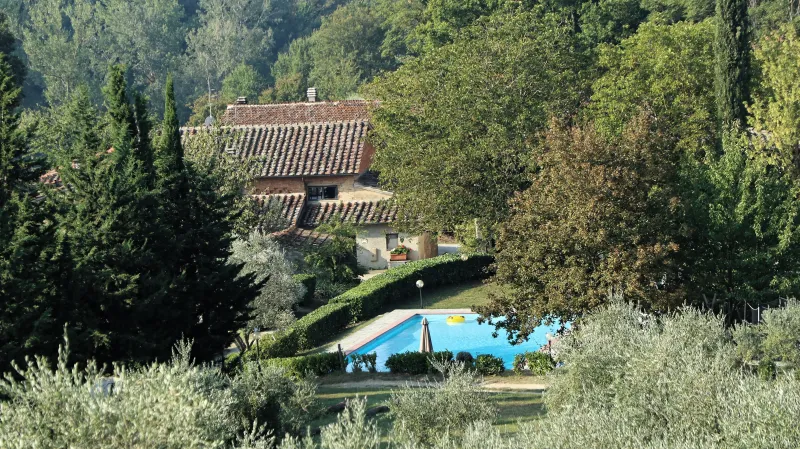
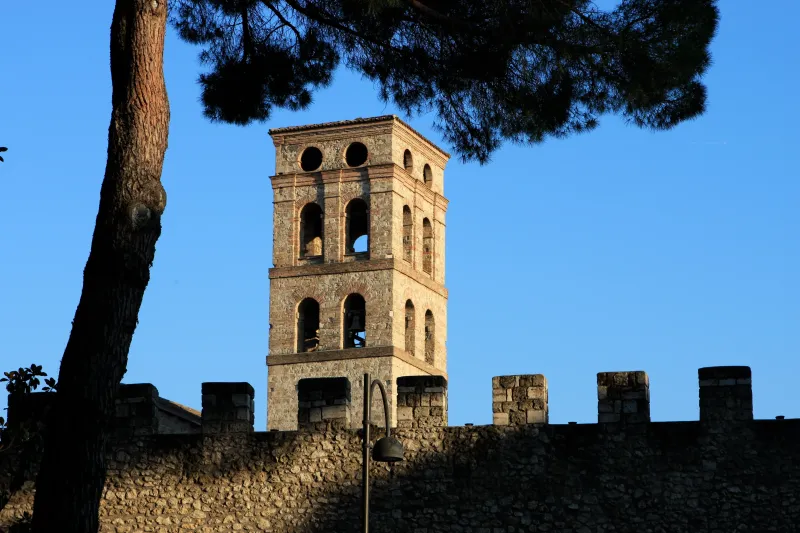
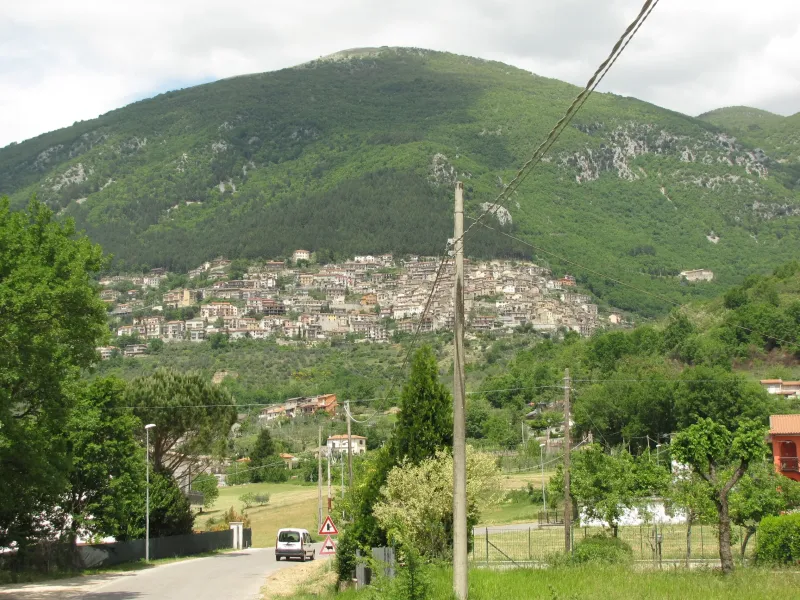
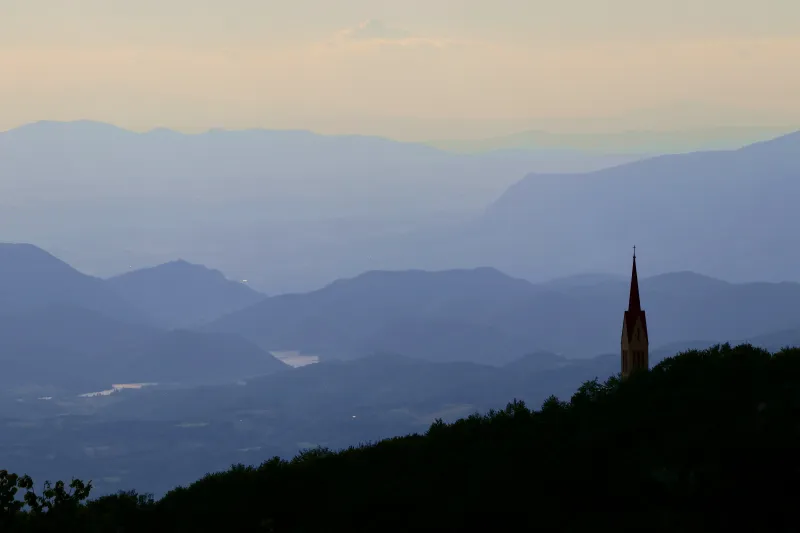
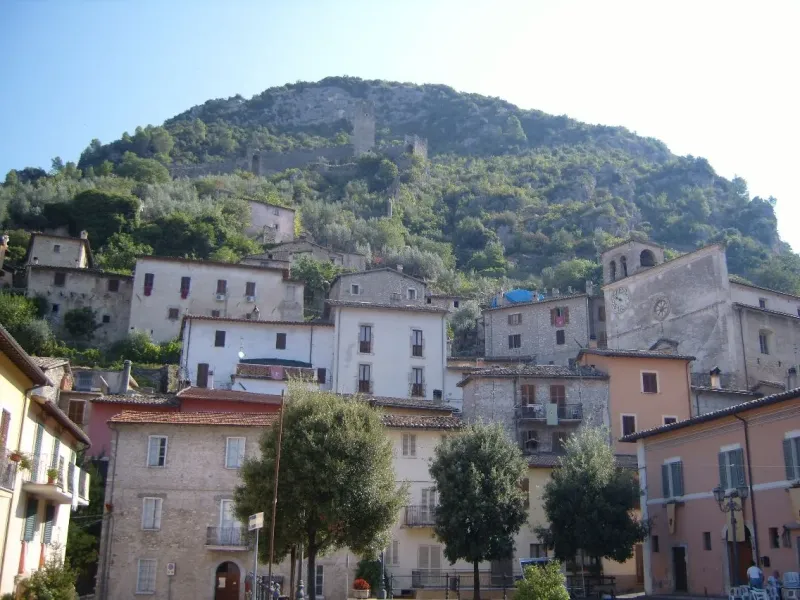
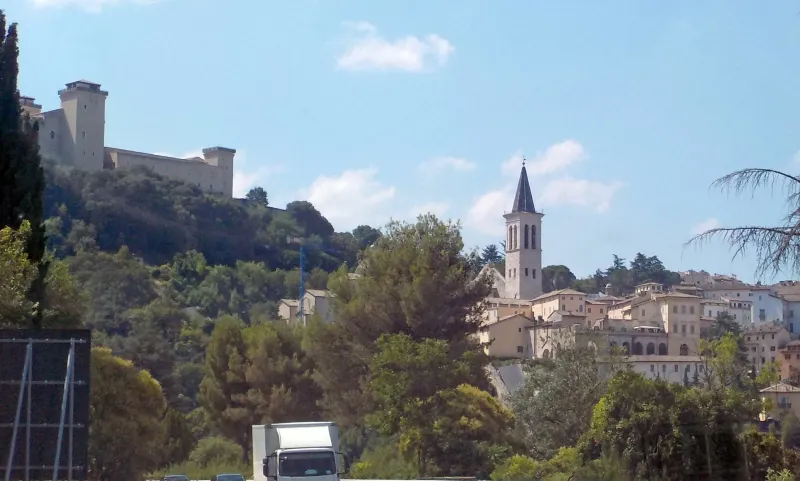
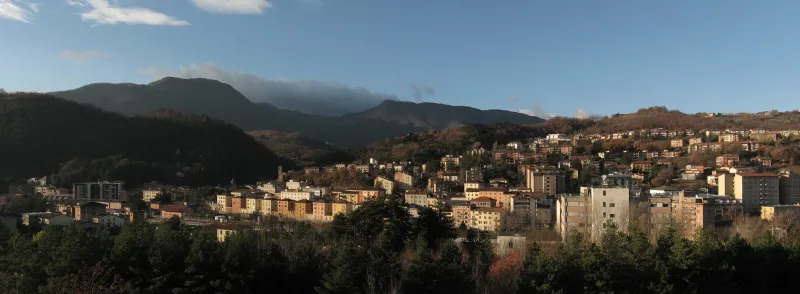
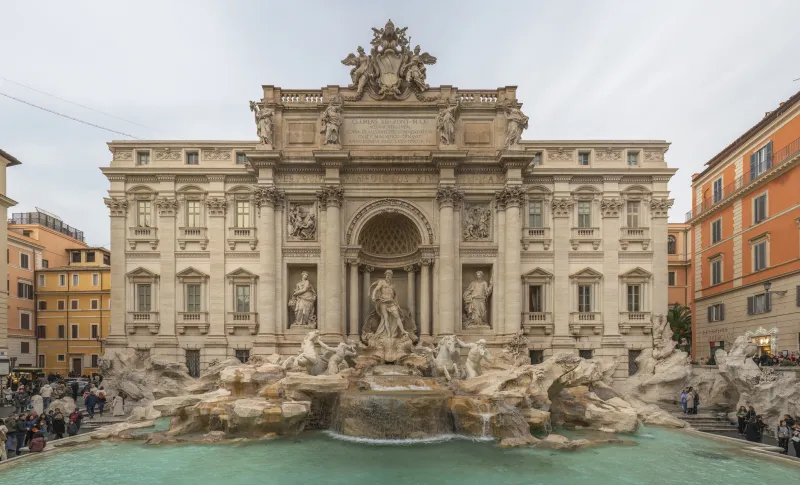
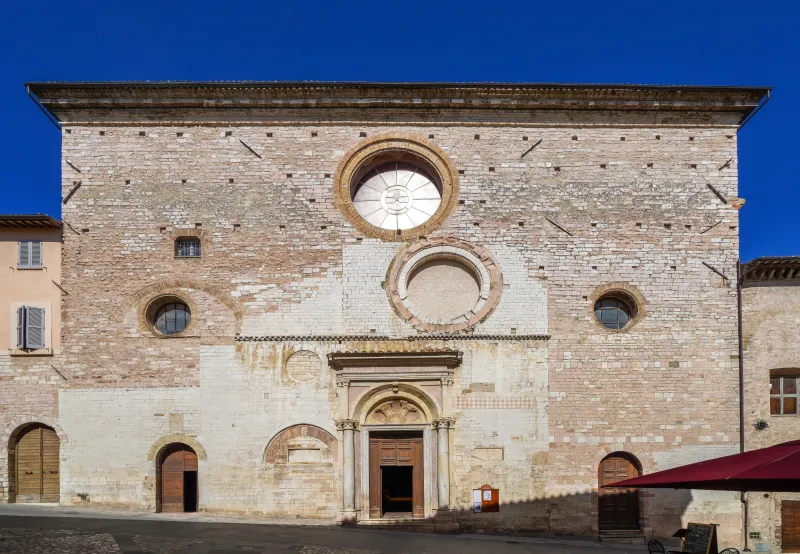
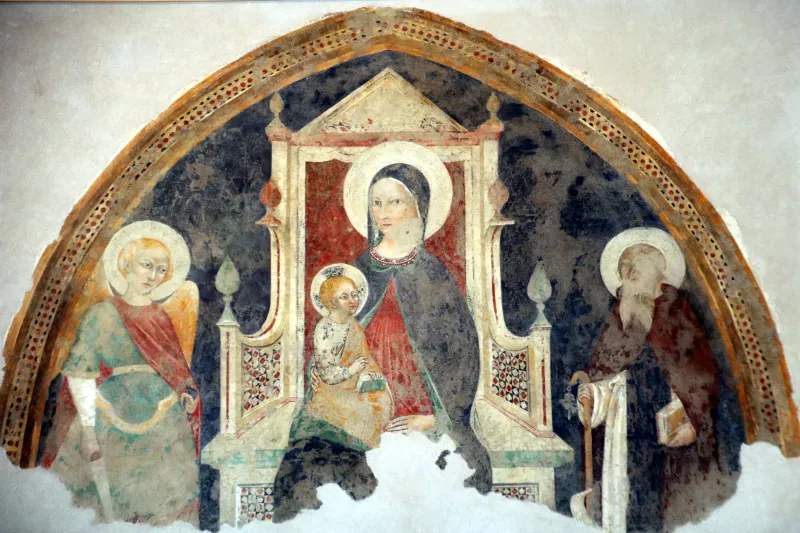
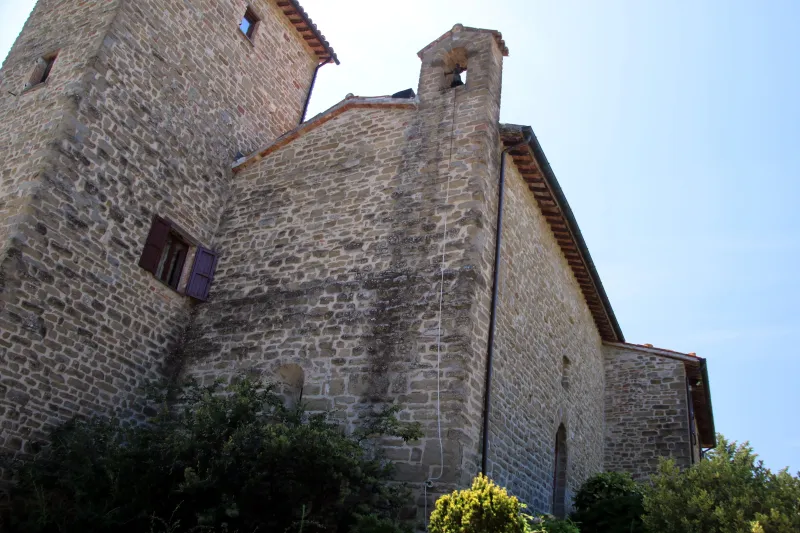
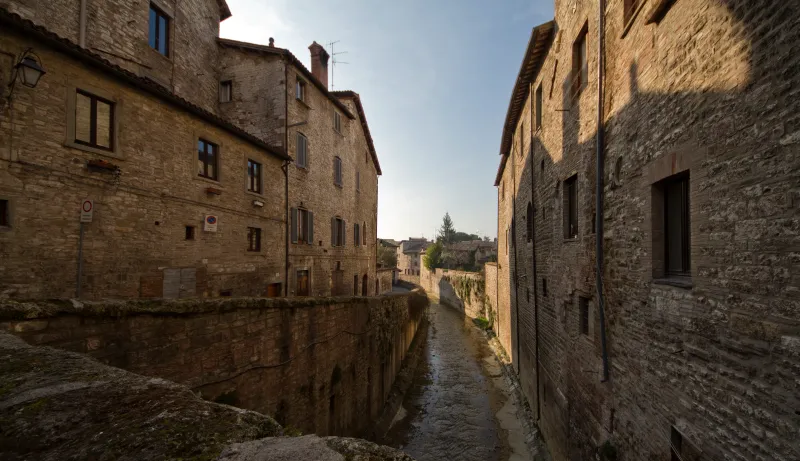
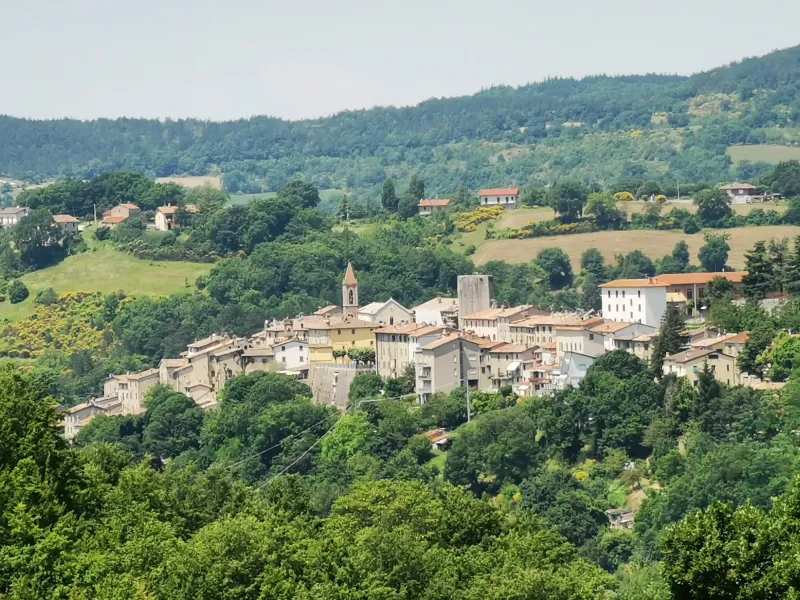
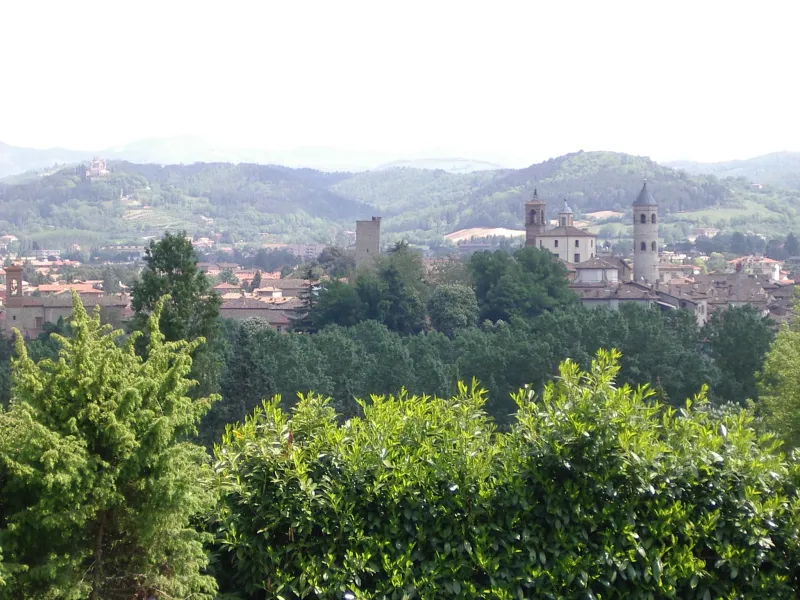
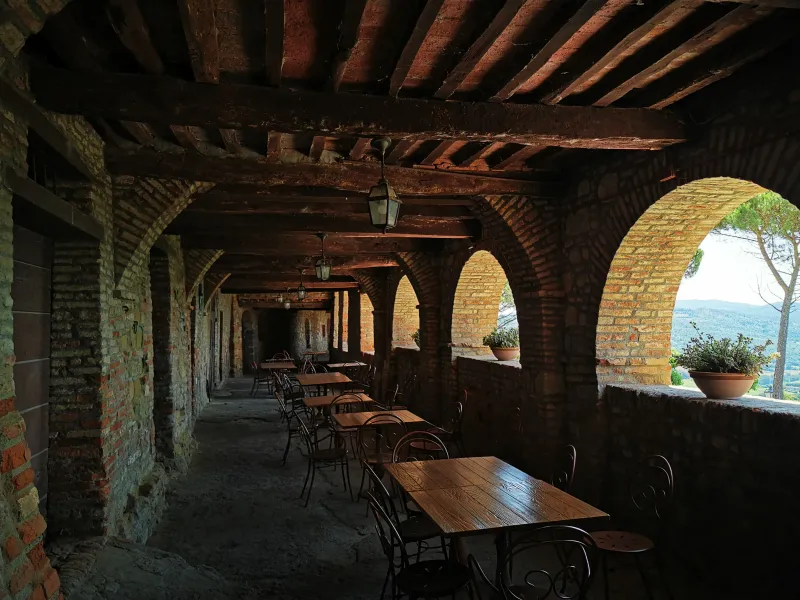
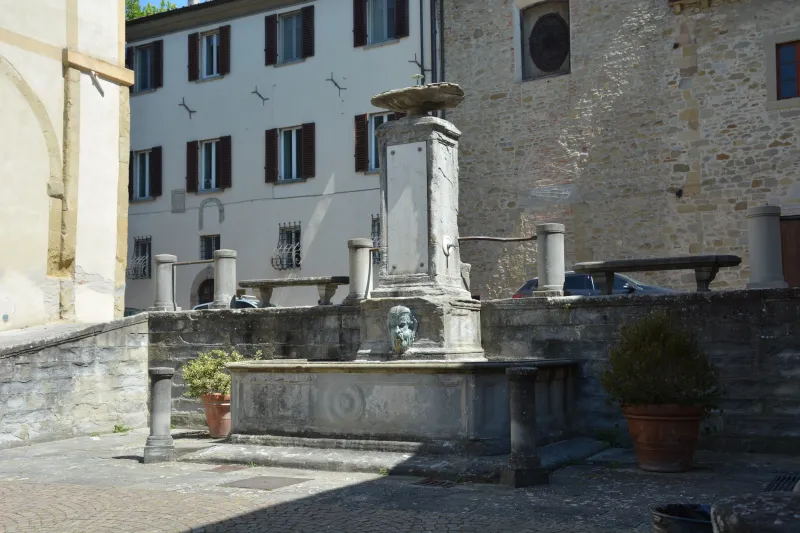
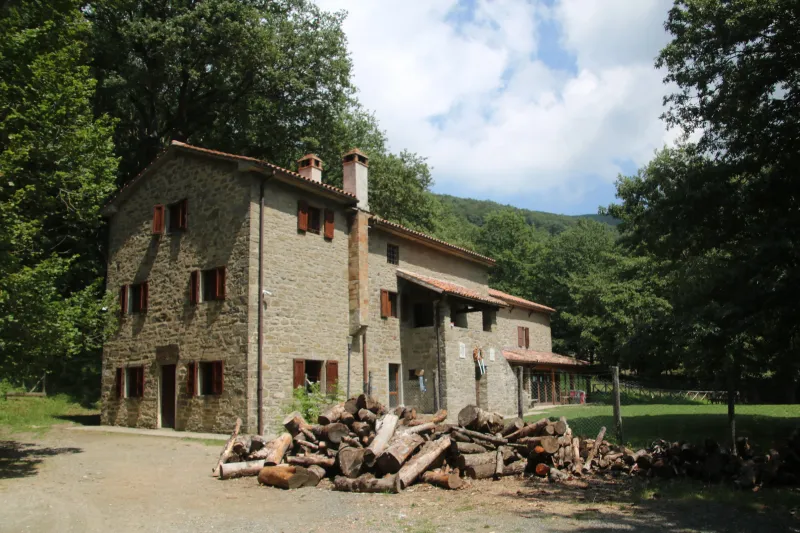
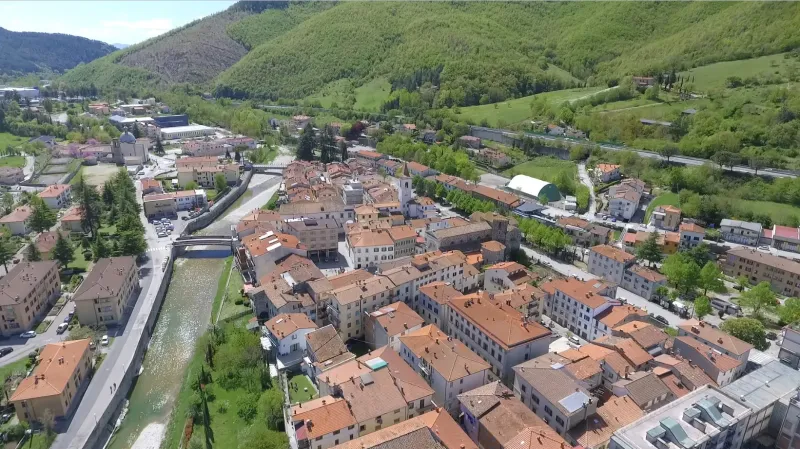
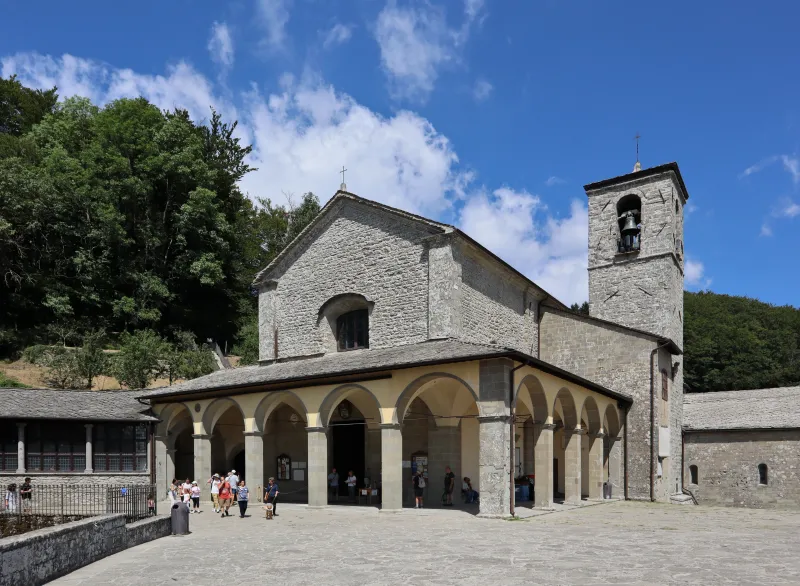
History
Millenary History of the Camino de Santiago: Origins and Evolution St. Francis (Via of St. Francis)
Discover the origins and evolution of St. Francis (Via of St. Francis)
The Way of St Francis is not a single line, but a collection of trails that connect the most iconic places in Franciscan biography, traversing the green and undulating hills of Tuscany, Umbria, and Lazio. The pilgrimage to these places began almost immediately after the saint's death in the 13th century, driven by the rapid expansion of the Franciscan Order he founded.
The route is structured mainly into two large axes that converge in Assisi. The Northern Way starts at the Sanctuary of La Verna, in the mountains of Tuscany. This is a place of overwhelming spiritual intensity, as it was here, in 1224, where Saint Francis, retired in prayer, received the stigmata of Christ's Passion. From La Verna, the path descends southwards, passing through towns that were the scene of Francisco's preaching, such as Gubbio, where the legend tells of the famous episode of the taming of the wolf, a metaphor for reconciliation and peace.
The Southern Way starts in the Eternal City, Rome, where Francis traveled to obtain from Pope Innocent III the approval of his new religious lifestyle. The route heads northwards and traverses the Valley of Rieti, known as "Holy Valley". Francisco loved this place and founded four sanctuaries there that mark fundamental stages of his spirituality: the Sanctuary of Greccio, where in 1223 he created the first living manger in history; the Sanctuary of Fonte Colombo, where he wrote the definitive version of the Franciscan Rule; the Sanctuary of Poggio Bustone, where he had the certainty of forgiveness for his sins; and the Sanctuary of La Foresta.
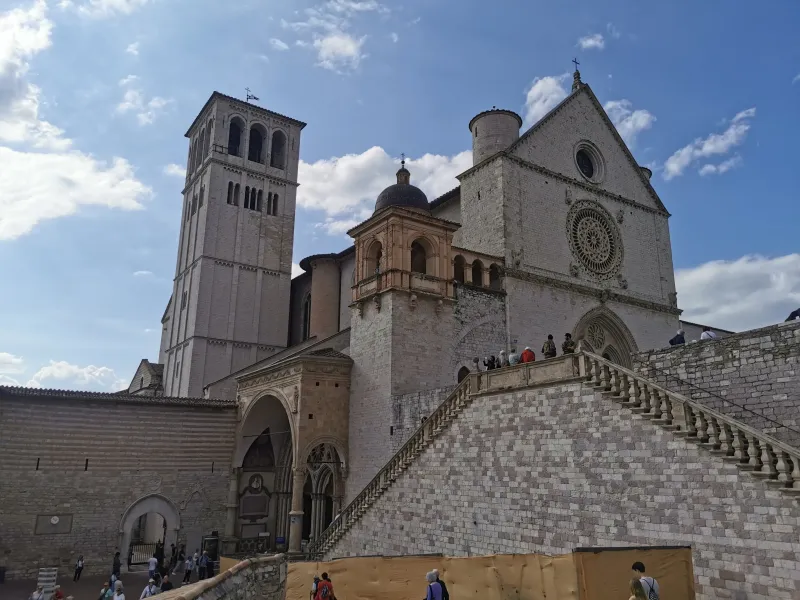
Both routes, the Northern Way and the Southern Way, have as their goal and heart the city of Assisi. The birthplace of Saint Francis and of Saint Clare, his spiritual companion, Assisi is the final destination of the journey. The city is dominated by the magnificent Papal Basilica of St Francis, built to house the saint's tomb. Its two levels, the lower basilica, darker and more penitential, and the upper level, luminous and decorated with Giotto's extraordinary frescoes that narrate Francisco's life, are a catechism in themselves and a place of pilgrimage worldwide, declared a World Heritage Site by UNESCO.
The Way of St Francis, restored and signposted for modern pilgrims, offers an unique experience. Unlike the epic and sometimes martial history of the Camino de Santiago, The Way of St Francis is a more intimate and contemplative pilgrimage. It invites simplicity, joy, and rediscovering the beauty of nature, as preached by the saint of Assisi in his "Song of Creatures". It's a journey to the heart of the Gospel through the most beautiful landscapes of central Italy.
We answer your questions
Frequently Asked Questions about St. Francis (Via of St. Francis)
How long is the St. Francis Way (Via di Francesco)?
The St. Francis Way, also known as Via di Francesco, typically extends around 500 km. This distance covers beautiful regions of Italy such as Umbria and Tuscany, connecting important Franciscan sites.
How many days are needed to complete the Via di Francesco?
It is estimated that completing the Via di Francesco requires approximately 25 days of walking. This itinerary allows pilgrims to enjoy the Italian landscape and culture while visiting important spiritual sites linked to Saint Francis.
When is the best time to do the Camino of St. Francis?
The best time to undertake the Via di Francesco is during mid-season, specifically in April-June and September-October. During this period, you can enjoy pleasant weather with temperatures ranging from 10-25°C and fewer pilgrims.
What is the cost of undertaking Via di Francesco with Ourway Travel?
The cost for the St. Francis Way (Via di Francesco) varies depending on dates, duration and included services. At Ourway Travel, we manage your booking to ensure you get the best price and package tailored to your needs.
What does a reservation with Ourway include for the Via di Francesco?
A reservation with Ourway Travel for the Way of St. Francis includes accommodation in selected hostels, personalized advice and itinerary planning. We also offer additional options such as travel insurance and luggage transfer.
How does the Via di Francesco compare to the Camino Francés to Santiago?
The Via di Francesco is a unique spiritual route in Italy, while the Camino Francés is one of the most popular routes to reach Santiago. The Via di Francesco focuses on the life and teachings of Saint Francis, passing through holy sites such as La Verna and Assisi, whereas the Camino Francés traverses beautiful French landscapes all the way to Compostela.
Which path is better for a pilgrimage in Italy: Via di Francesco or Via Francigena?
Both routes offer unique experiences. The Via di Francesco focuses on the life and legacy of Saint Francis, connecting important Franciscan sites in Umbria and Tuscany. In contrast, the Via Francigena takes you from northern Europe to Rome through beautiful Italian landscapes with a rich cultural and historical background.
How do I obtain my pilgrim's credential for the Via di Francesco?
To get your pilgrim's credential for the Via di Francesco, you can collect it in Assisi or La Verna. At Ourway Travel, we assist you with managing this process and provide guidance on how to complete it successfully.
Organize Your Camino
Ready for this adventure?
St. Francis (Via of St. Francis)