
Stage of the Camino
Stage Triacastela to Palas de Rei (by bike)
From Triacastela To Palas de Rei
Plan your CaminoOrigin
Destination
Distance
59.40 km
Duration
3.96 h
Difficulty
Moderate
Ascent
300 m
Stage of the Camino
Stage Description
A transitional day through inland Galicia, 59.4 kilometres of constant up and down among hamlets, hórreos and oak woods. From Triacastela you can drop by Samos, with its great Benedictine monastery, or by the shorter San Xil variant, and both converge at Sarria, the town where most walking pilgrims begin, as it is the last point more than a hundred kilometres from Santiago. Afterwards the way descends to the Belesar reservoir to cross into Portomarín, and then climbs the sierra de Ligonde before reaching Palas de Rei. No passes of note, but not a single flat stretch either. It is also the stage where the Camino fills up: beyond Sarria the flow of walkers calls for careful riding.
The 59.4 kilometres between Triacastela and Palas de Rei have no pass worth mentioning, but no real flat either: the profile undulates relentlessly across the relief of inland Galicia, with short, frequent climbs that end up weighing more than a single long pass.
Leaving Triacastela the Camino forks. The Samos variant is some six kilometres longer and follows the river Oribio to the monastery of San Xulián, a Benedictine foundation of the sixth century and one of the oldest in the West, with two cloisters of great presence. The San Xil route is shorter and steeper, along village lanes. Both meet again before Sarria.
Sarria is the busiest place on the Camino: being just over a hundred kilometres from Santiago, it is where anyone seeking only the Compostela begins. It preserves the rúa Maior, the convent of La Magdalena and the remains of its fortress. From here the flow of walking pilgrims multiplies and extra care with the bicycle is called for.
After Barbadelo and a succession of hamlets with hórreos and cruceiros, the way descends to the Belesar reservoir and crosses it by a long bridge to Portomarín. The old village went under the water in 1962; its principal buildings, among them the fortress church of San Xoán, of the Knights of St John, were dismantled stone by stone and rebuilt up above, where the numbers on the ashlars can still be seen.
Leaving Portomarín is the most serious climb of the day, towards the sierra de Ligonde. The route then links Gonzar, Castromaior — with its Celtic hillfort above the way — and Ventas de Narón, and ends at Palas de Rei, a district head in a land of cheese and octopus, already on the home straight to Santiago.
The stage is well supplied with bars and fountains along almost all its length, with Sarria and Portomarín as the strong points. The only real caution is the flow of walkers from Sarria on: on narrow stretches of path the sensible thing is to give warning in good time, slow down and, if need be, dismount.
Leaving Triacastela the Camino forks. The Samos variant is some six kilometres longer and follows the river Oribio to the monastery of San Xulián, a Benedictine foundation of the sixth century and one of the oldest in the West, with two cloisters of great presence. The San Xil route is shorter and steeper, along village lanes. Both meet again before Sarria.
Sarria is the busiest place on the Camino: being just over a hundred kilometres from Santiago, it is where anyone seeking only the Compostela begins. It preserves the rúa Maior, the convent of La Magdalena and the remains of its fortress. From here the flow of walking pilgrims multiplies and extra care with the bicycle is called for.
After Barbadelo and a succession of hamlets with hórreos and cruceiros, the way descends to the Belesar reservoir and crosses it by a long bridge to Portomarín. The old village went under the water in 1962; its principal buildings, among them the fortress church of San Xoán, of the Knights of St John, were dismantled stone by stone and rebuilt up above, where the numbers on the ashlars can still be seen.
Leaving Portomarín is the most serious climb of the day, towards the sierra de Ligonde. The route then links Gonzar, Castromaior — with its Celtic hillfort above the way — and Ventas de Narón, and ends at Palas de Rei, a district head in a land of cheese and octopus, already on the home straight to Santiago.
The stage is well supplied with bars and fountains along almost all its length, with Sarria and Portomarín as the strong points. The only real caution is the flow of walkers from Sarria on: on narrow stretches of path the sensible thing is to give warning in good time, slow down and, if need be, dismount.
Last updated: 28/08/2026
Where to Sleep
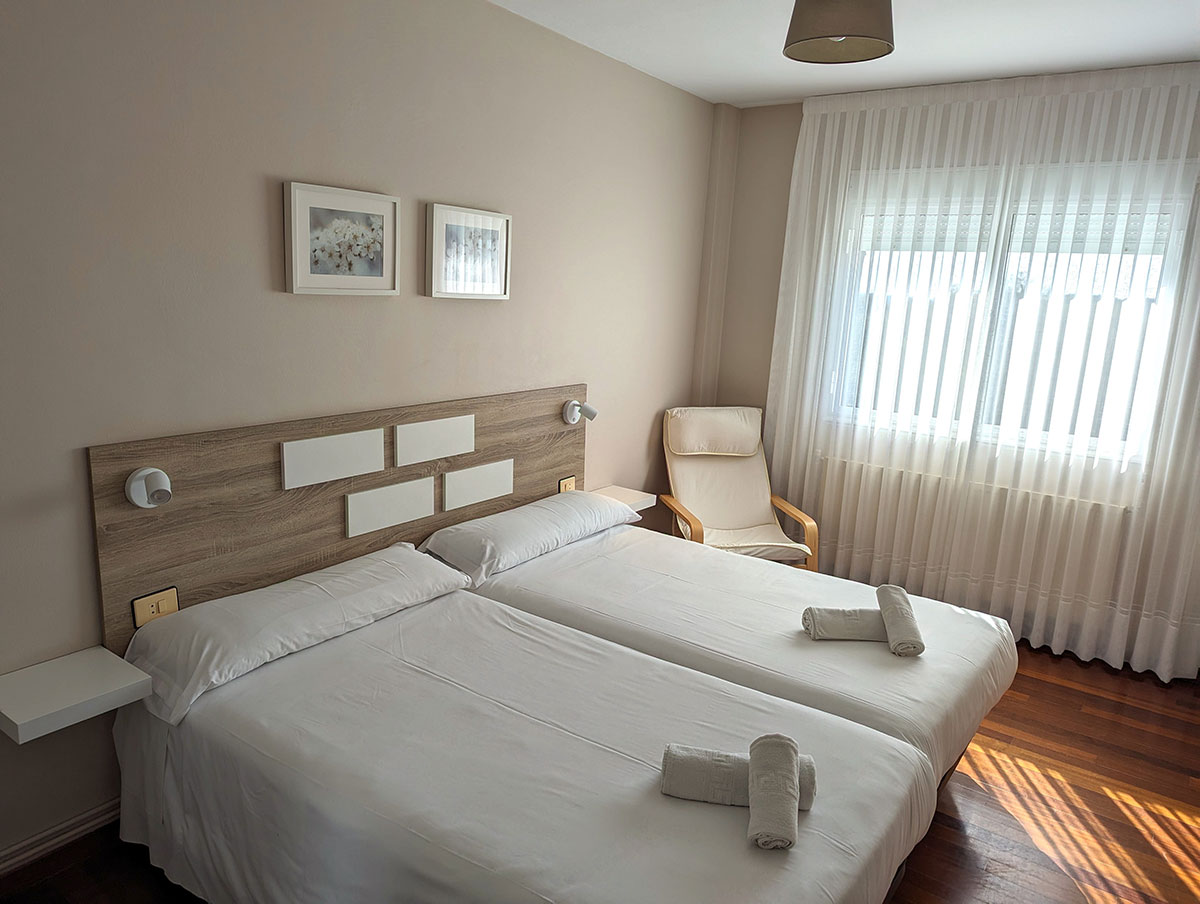
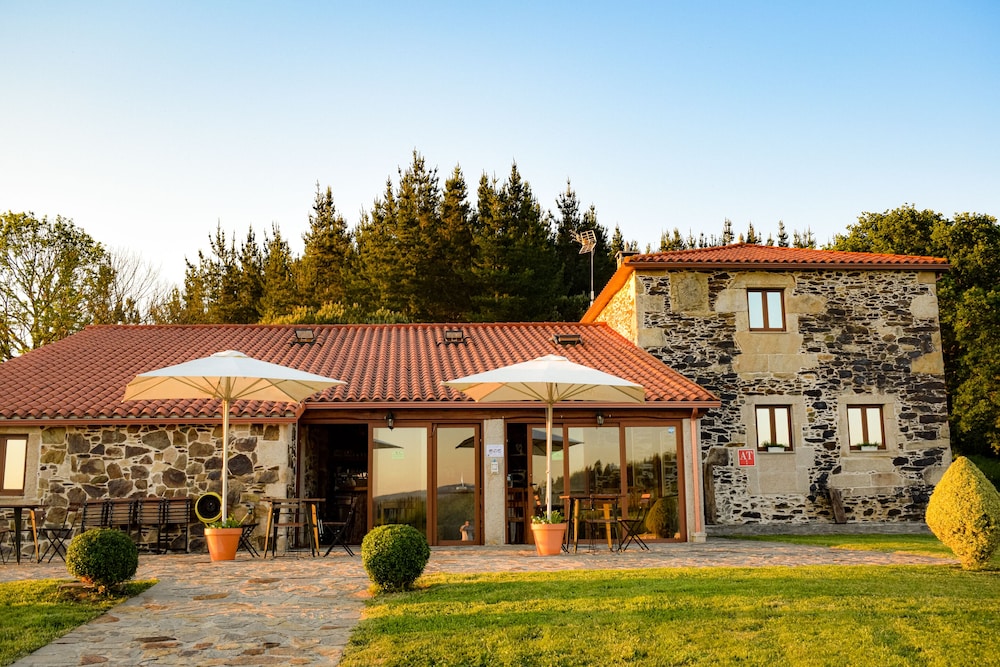
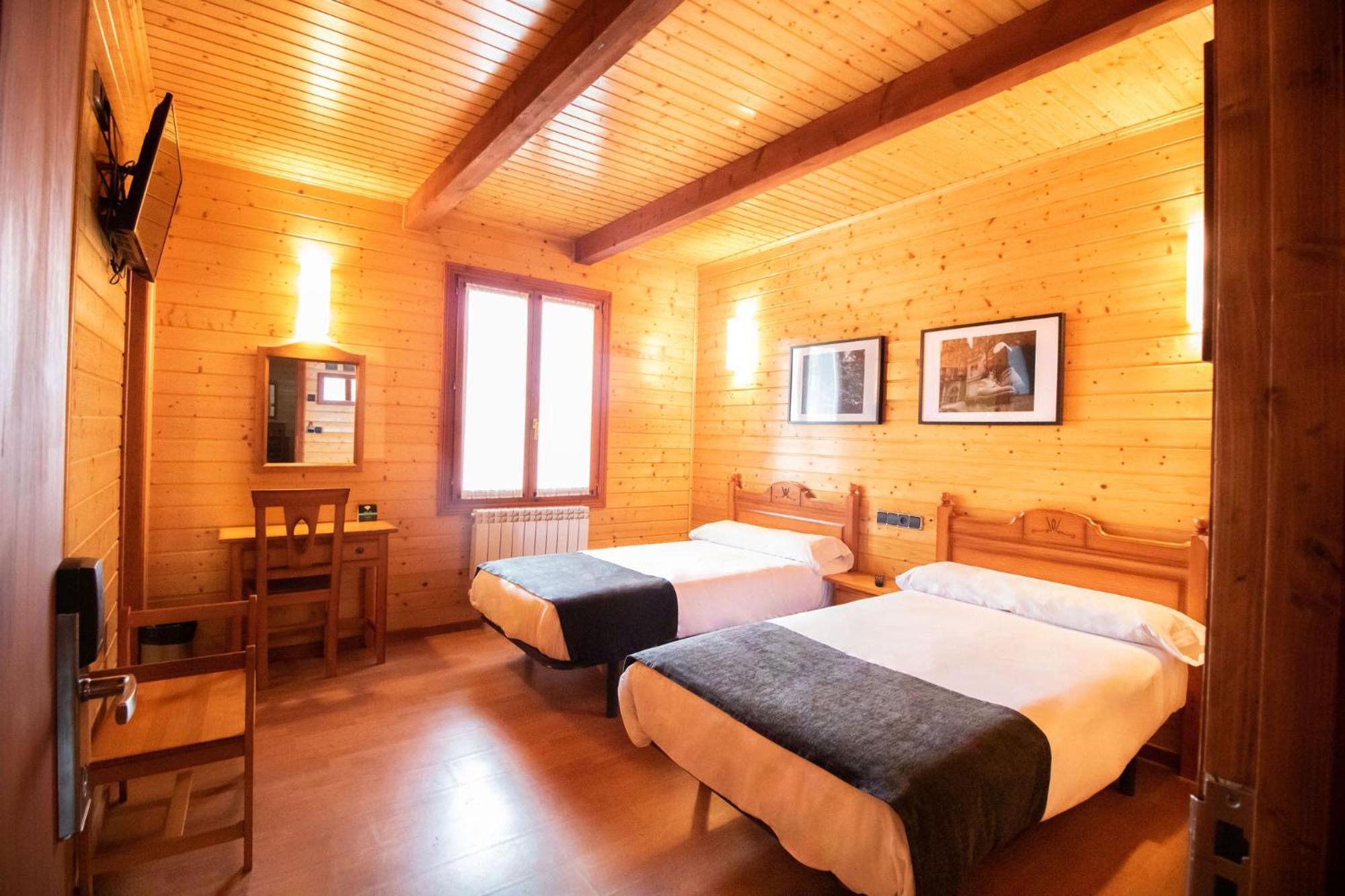
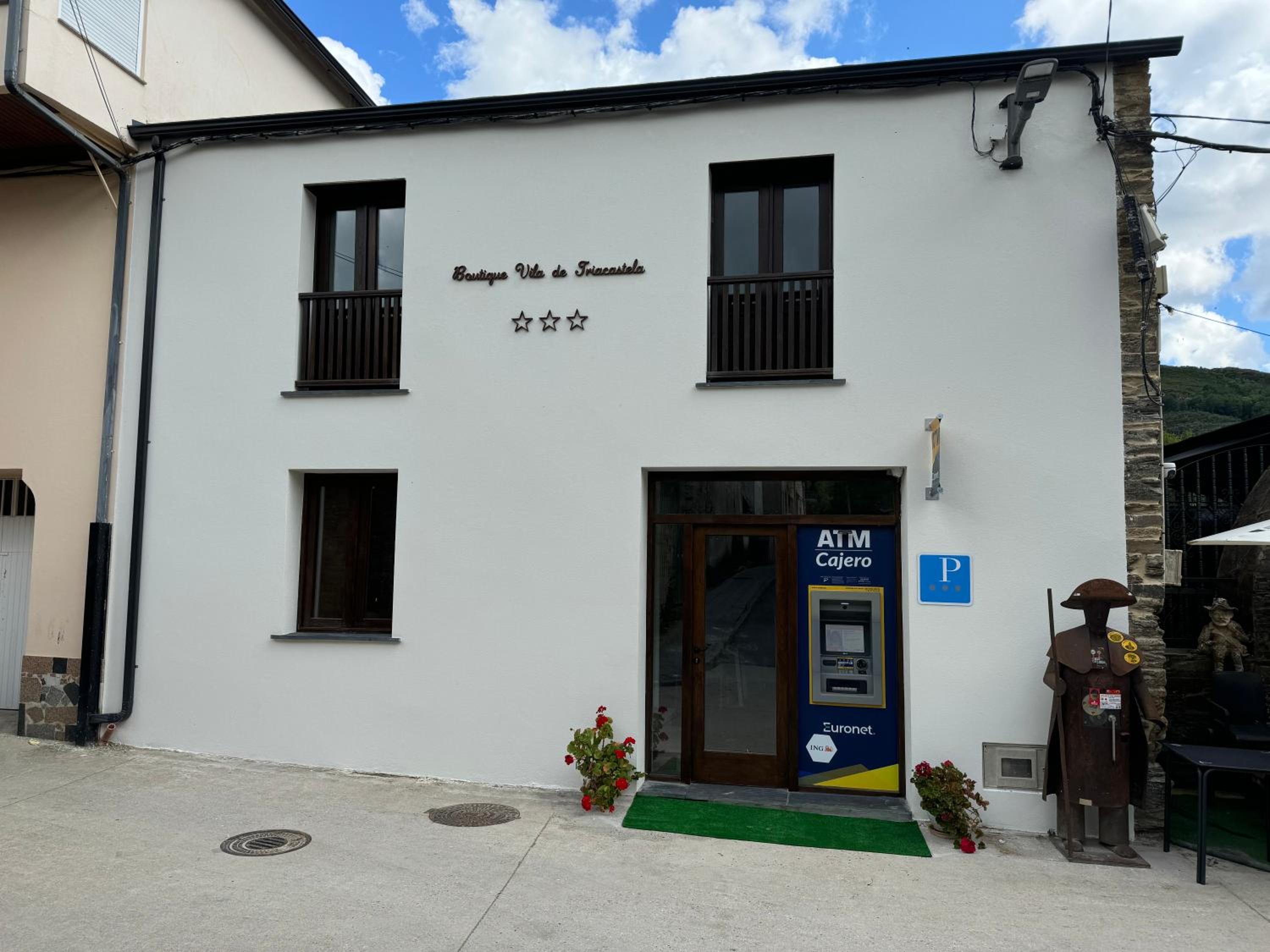
Accommodations in this Stage
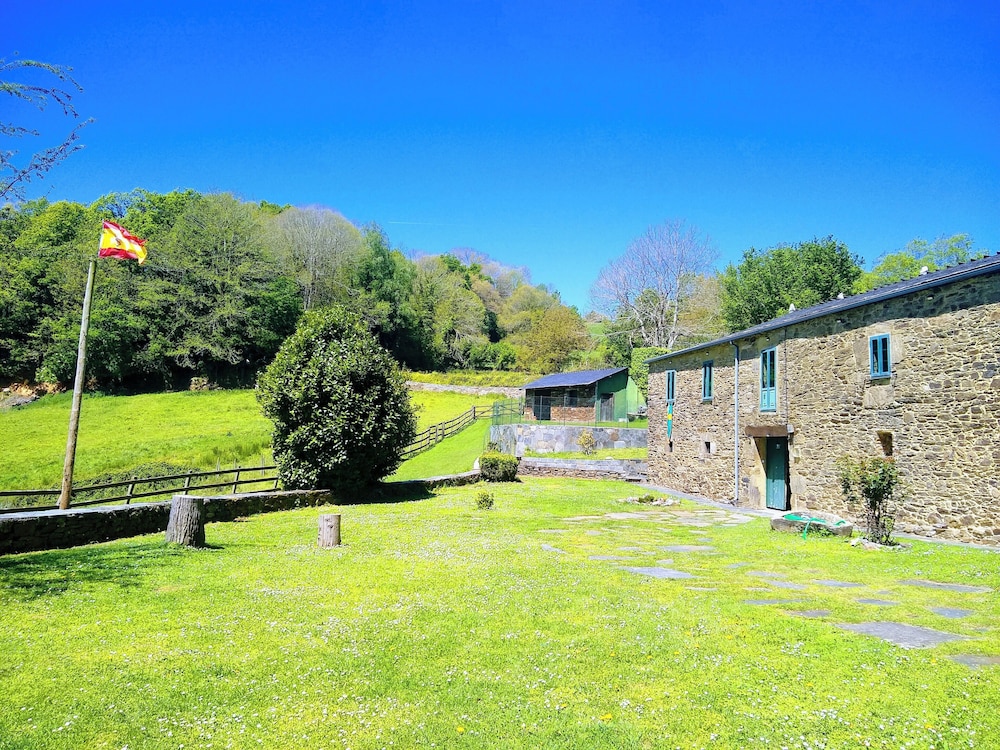
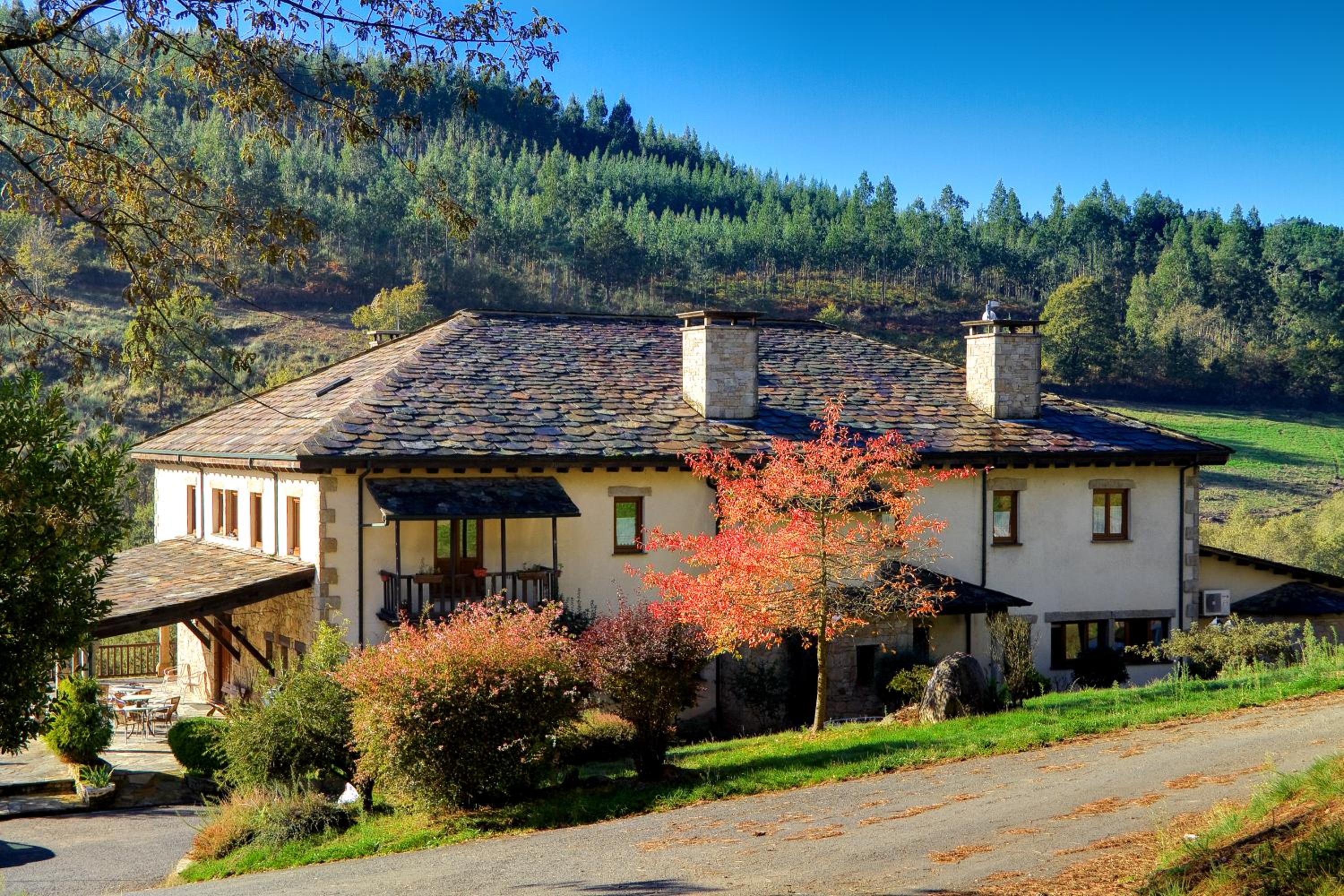
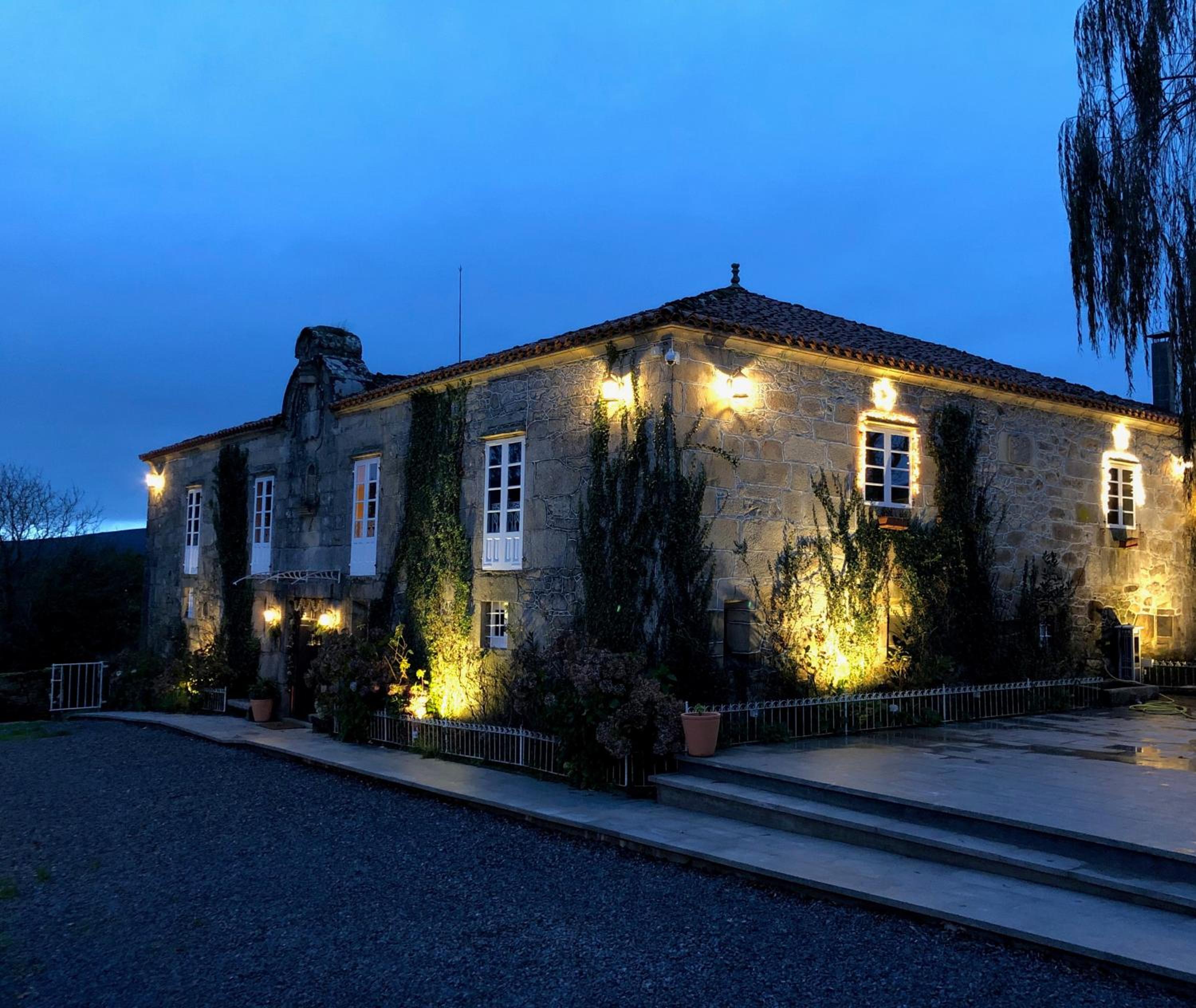
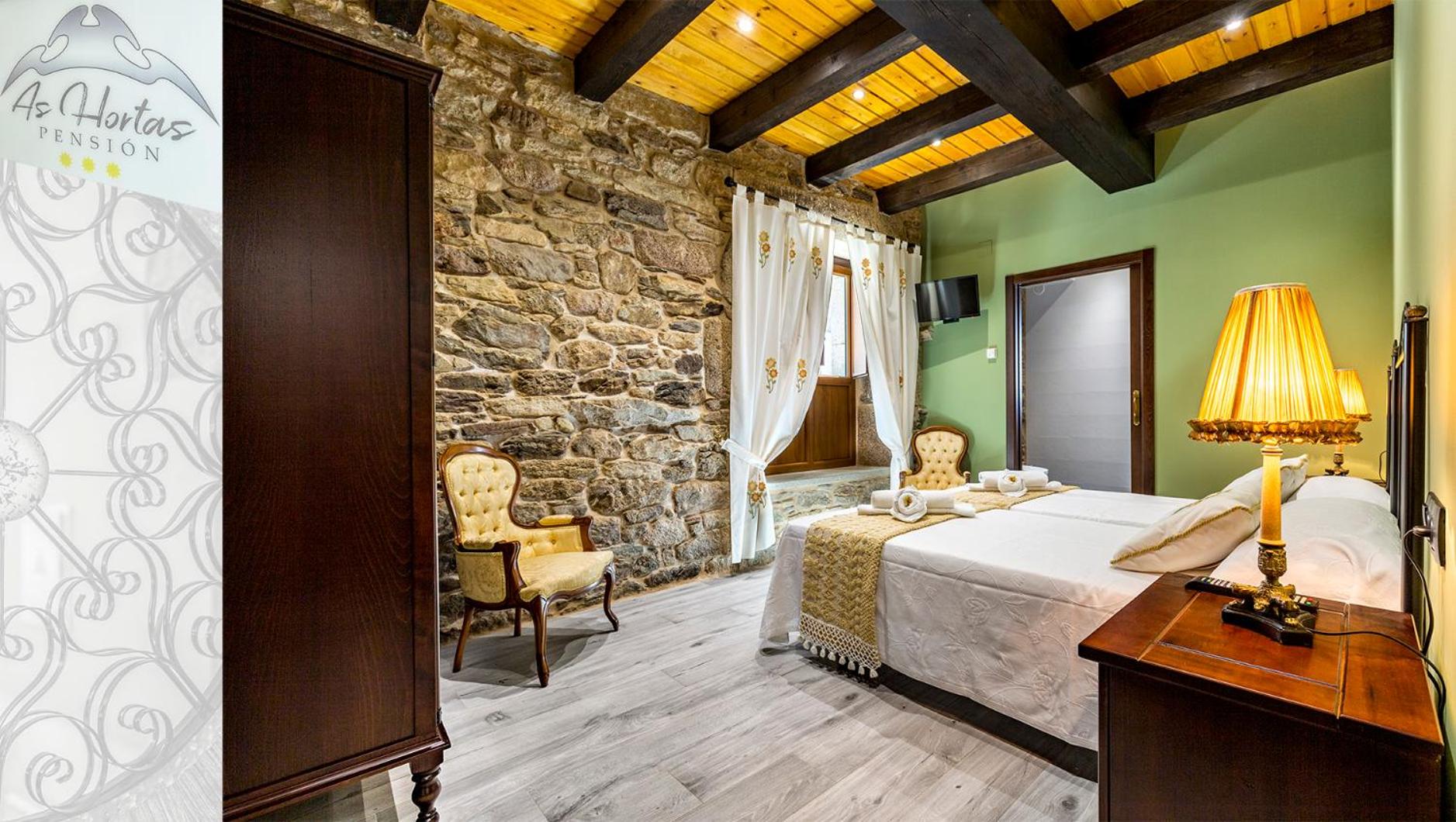
Find the perfect place for your rest in Triacastela o Palas de Rei.

Start your adventure
Ready to walk this stage?
We design your personalised Camino de Santiago experience.
Plan your CaminoWalk this route with us
Fancy walking this route?
We don't have a ready-made package for this route yet, but we'll organise it around you. Tell us how you'd like to experience it and a specialist will reply within 24 h.
Request your proposal