
Stage of the Camino
Stage Villafranca del Bierzo to Triacastela (by bike)
From Villafranca del Bierzo To Triacastela
Plan your CaminoOrigin
Destination
Distance
48.40 km
Duration
3.23 h
Difficulty
Hard
Ascent
150 m
Stage of the Camino
Stage Description
The queen stage for the cyclist: 48.4 kilometres with the climb to O Cebreiro, the most feared pass of the whole Camino Francés. The day starts deceptively gently, working up the Valcarce valley between Trabadelo and Vega de Valcarce, until at Las Herrerías the tarmac rears up and six kilometres of ramps between 8 and 12 per cent lead to the top at 1,300 metres. Up there waits O Cebreiro, with its pallozas of thatched roofs and the sanctuary of the eucharistic miracle. Afterwards, far from being done, the passes of San Roque and do Poio still remain before the long descent to Triacastela. It is the day that inspires most respect on the Camino by bicycle, and also one of the most rewarding.
It is not the longest stage — 48.4 kilometres — but it is the most feared by those doing the Camino by bicycle. It concentrates in its central part one of the hardest climbs of the route and, contrary to what many expect, it does not end at the summit: beyond O Cebreiro two more passes remain before you can let go of the brakes.
Leaving Villafranca del Bierzo offers two options. The historic one climbs to the Alto de Pradela by a steeply pitched path; cyclists usually take the one following the floor of the Valcarce valley, parallel to the road, between Pereje, Trabadelo, La Portela and Vega de Valcarce, with the ruins of Sarracín castle overlooking the river.
At Las Herrerías, at about 640 metres, the pass begins in earnest. Six and a half kilometres with sustained ramps between 8 and 12 per cent, first through La Faba among chestnut trees, and then through Laguna de Castilla, already in high mountain landscape. It is a climb to take in the lowest gear and without watching the clock.
O Cebreiro, at 1,300 metres, is the gateway to Galicia and one of the places with the greatest symbolic weight on the Camino. It preserves pallozas of oval plan and rye-thatched roofs, a legacy of pre-Roman architecture, and the church of Santa María la Real, where the chalice of the fourteenth-century eucharistic miracle is venerated.
Anyone who thinks they have finished is mistaken: the road stays high to the Alto de San Roque, with its sculpture of the pilgrim against the wind, and then rises again to the Alto do Poio, at 1,335 metres, the highest point of the stage. Only then does the descent begin, long and fast, through Fonfría and Biduedo down to Triacastela on the valley floor.
Before tackling the pass it is worth stocking up in Vega de Valcarce or Las Herrerías, the last settlements with services at the foot of the climb. O Cebreiro has bars and lodging, and many cyclists prefer to sleep there and leave the passes of San Roque and do Poio for the following morning, with fresh legs and better light for the descent.
Leaving Villafranca del Bierzo offers two options. The historic one climbs to the Alto de Pradela by a steeply pitched path; cyclists usually take the one following the floor of the Valcarce valley, parallel to the road, between Pereje, Trabadelo, La Portela and Vega de Valcarce, with the ruins of Sarracín castle overlooking the river.
At Las Herrerías, at about 640 metres, the pass begins in earnest. Six and a half kilometres with sustained ramps between 8 and 12 per cent, first through La Faba among chestnut trees, and then through Laguna de Castilla, already in high mountain landscape. It is a climb to take in the lowest gear and without watching the clock.
O Cebreiro, at 1,300 metres, is the gateway to Galicia and one of the places with the greatest symbolic weight on the Camino. It preserves pallozas of oval plan and rye-thatched roofs, a legacy of pre-Roman architecture, and the church of Santa María la Real, where the chalice of the fourteenth-century eucharistic miracle is venerated.
Anyone who thinks they have finished is mistaken: the road stays high to the Alto de San Roque, with its sculpture of the pilgrim against the wind, and then rises again to the Alto do Poio, at 1,335 metres, the highest point of the stage. Only then does the descent begin, long and fast, through Fonfría and Biduedo down to Triacastela on the valley floor.
Before tackling the pass it is worth stocking up in Vega de Valcarce or Las Herrerías, the last settlements with services at the foot of the climb. O Cebreiro has bars and lodging, and many cyclists prefer to sleep there and leave the passes of San Roque and do Poio for the following morning, with fresh legs and better light for the descent.
Last updated: 28/08/2026
Where to Sleep
Accommodations in this Stage
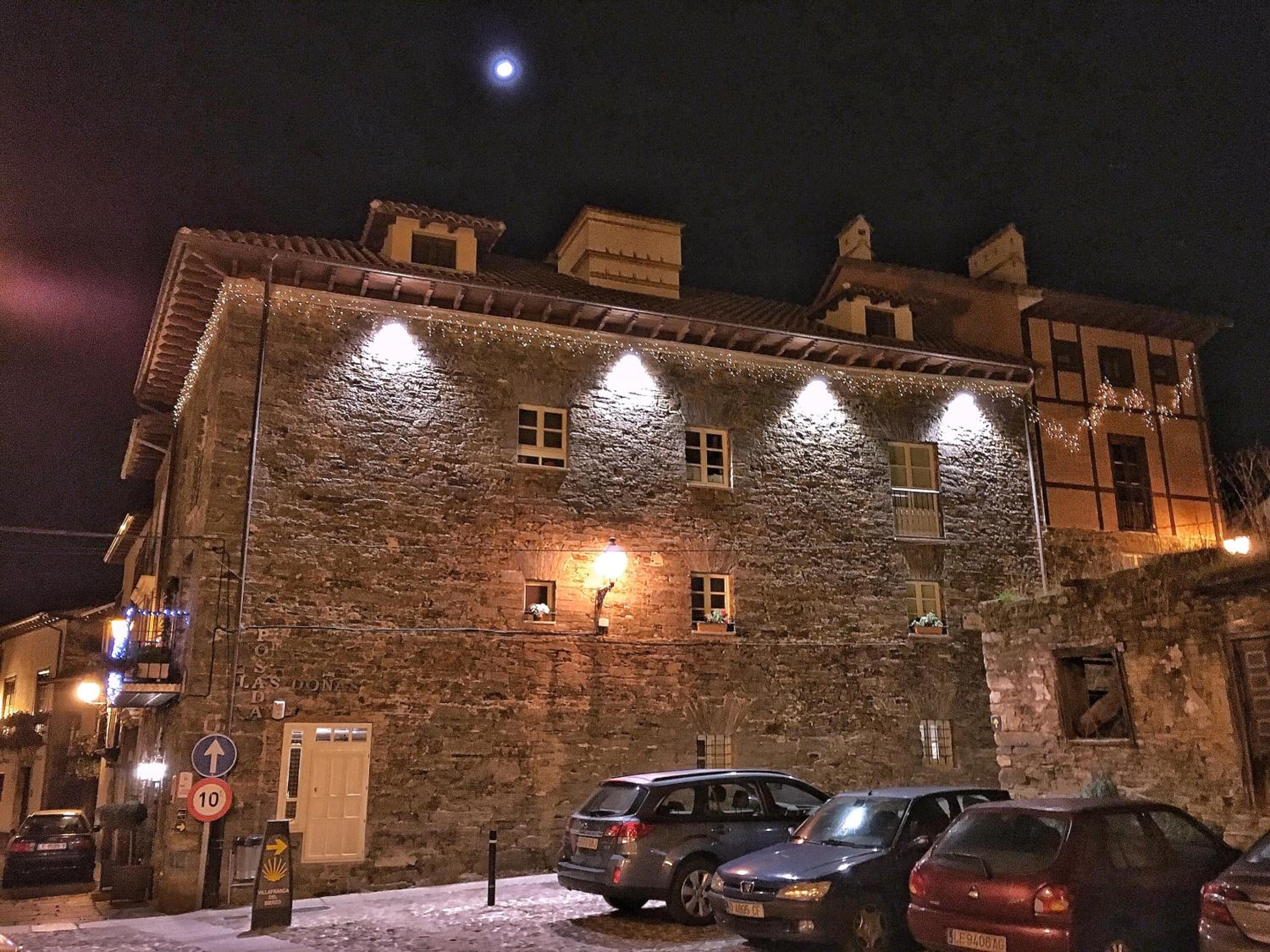
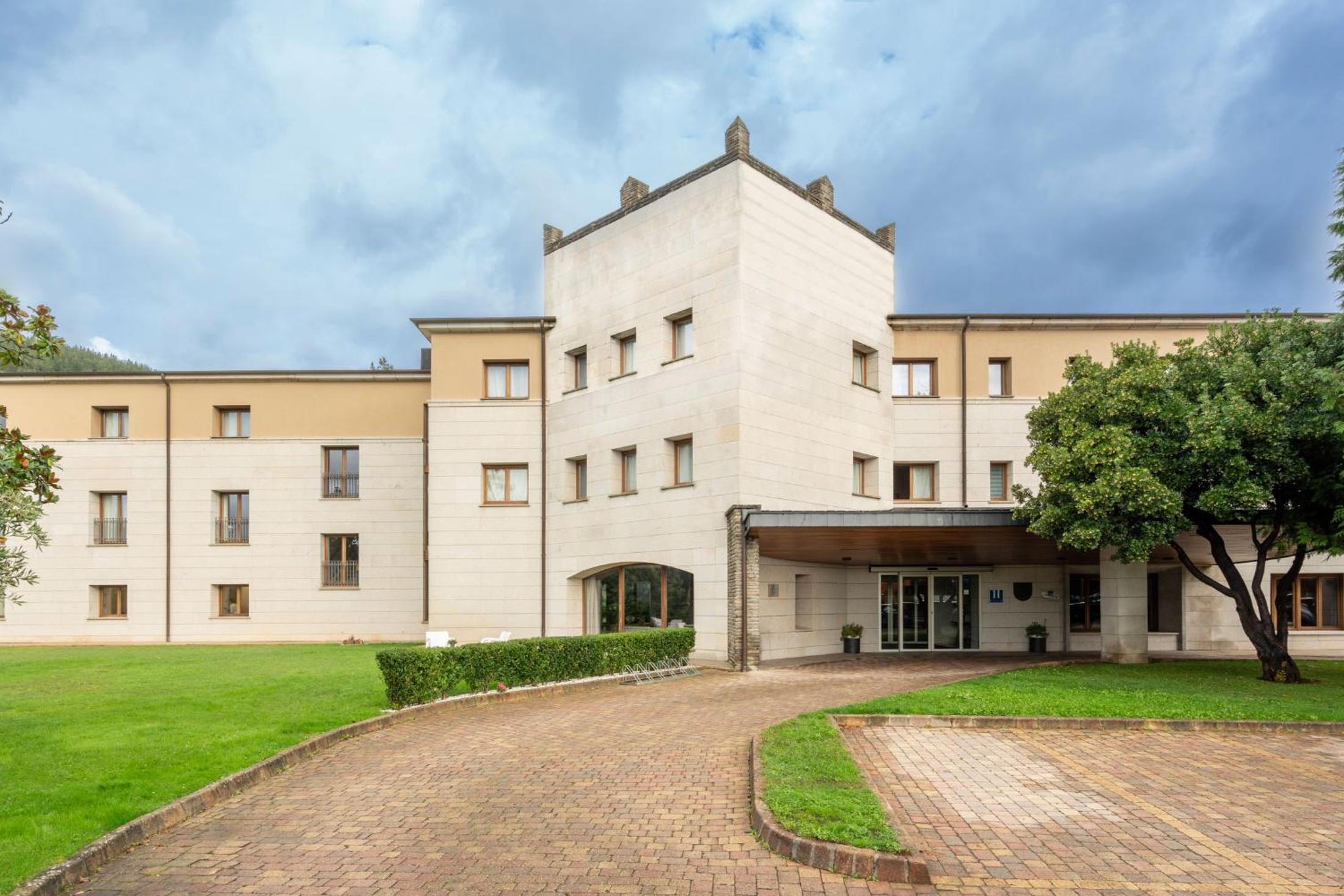
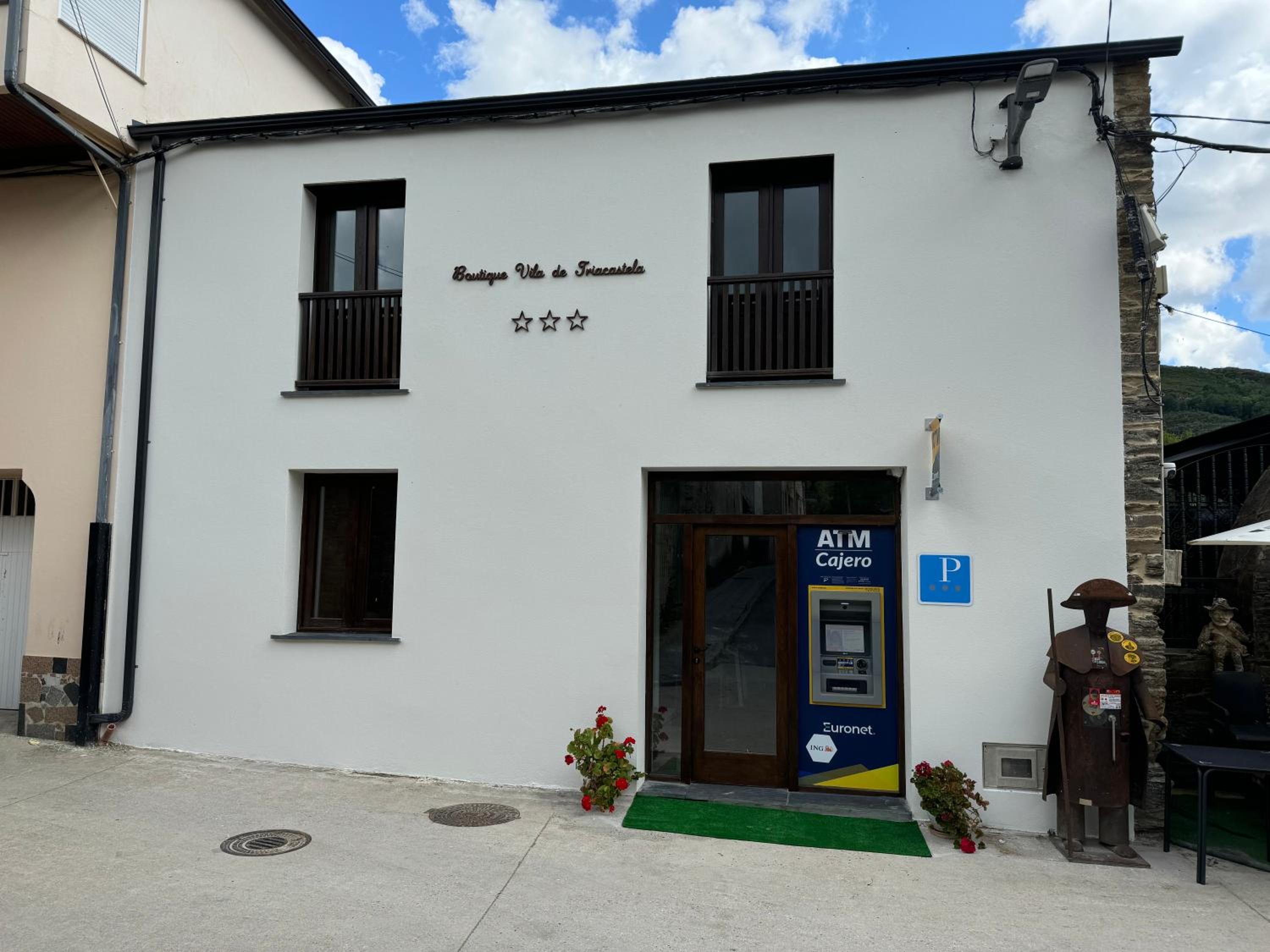
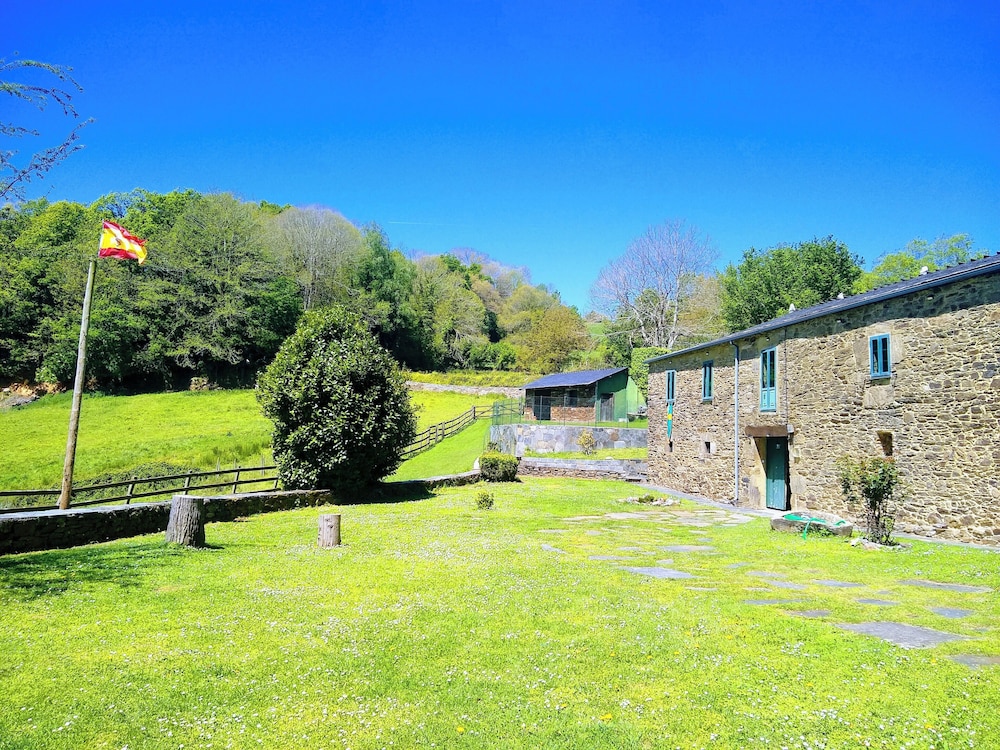
Find the perfect place for your rest in Villafranca del Bierzo o Triacastela.
Start your adventure
Ready to walk this stage?
We design your personalised Camino de Santiago experience.
Plan your CaminoWalk this route with us
Fancy walking this route?
We don't have a ready-made package for this route yet, but we'll organise it around you. Tell us how you'd like to experience it and a specialist will reply within 24 h.
Request your proposal