
Complete Guide to Route of the Castle and Aragon
The Camino Castellano-Aragonés unites Gallur (Zaragoza) with the Way of the Wool in Santo Domingo de Silos (Burgos). A historic route through the valley of the Ebro and the lands of Soria.
Last updated: 28/03/2026
Table of Contents
Technical Summary of Route of the Castle and Aragon
239 km
Distance
8
days
10
Stages
Alta
Difficulty
98 accommodations available on the route
Introduction to Route of the Castle and Aragon
It traverses the middle Ebro valley and enters Soria province, passing by the monumental Tarazona. It offers a rural route through areas with rich historical and natural heritage, although less known and trafficked, ideal for those seeking a more solitary experience.
All Stages of Route of the Castle and Aragon
Complete route divided into 10 stages
The Battle of Borja
This stage offers a long and pronounced descent from the high mountain to the valley of the River Sarria. The profile is demanding for the knees, but the landscape is of great beauty. The route passes...
Borja in Taragona
This is a short and pleasant stage that follows the course of the Sarria River. The profile is mainly flat, a gentle stroll through a beautiful riverbank landscape. The route runs along a fluvial path...
Taragona to Agreda
The first stage of the Camino Ingles route that starts in A Coruña is an demanding day. The profile rises continuously from the coast to the interior plateau. The route leaves the city and enters rura...
Attacks Pozalmuro
This is a short and gentle stage that connects the interior of A Coruña province with the point of convergence of the English Way. The route is an enjoyable stroll through rural Galicia, across a land...
I don't know the translation. Can you provide more context or information about "Pozalmuro a Soria"?
This is one of the most difficult and beautiful stages of the Primitivo Way. The journey is a long mountain trek that ventures into western Asturias. The profile is a continuous rise and fall, with th...
Soria to Abejar
This stage is a tough mountain day culminating in the ascent to Puerto del Palo. The profile is an ongoing and demanding climb through a landscape of great beauty and solitude. It's a stage for well-p...
To San Leonardo of Yagüe
This stage is famous for its impressive views and for the vertiginous descent to Grandas de Salime reservoir. The journey begins at high altitude before starting a very pronounced and technical descen...
From San Leonardo de Yagüe to Santo Domingo de Silos.
This stage is a short mountainous stretch that serves as an introduction to the Royal Stage of the Hospitals. The profile is undulating, with continuous ups and downs through a landscape of forests an...
Saint Dominic of Silos to Mecerreyes
This long stage continues along the eastern coast of Asturias. The profile is a continuous rise and fall, with interior sections and spectacular views to the sea. The route passes through a beautiful ...
Mecerreyes in Burgos
This stage moves away from the first line of coast to venture into the interior, at the feet of the Sierra del Sueve. The profile is a continuous rise and fall through a landscape of meadows and fores...
Key Towns of Route of the Castle and Aragon
The most important towns and cities on this route.
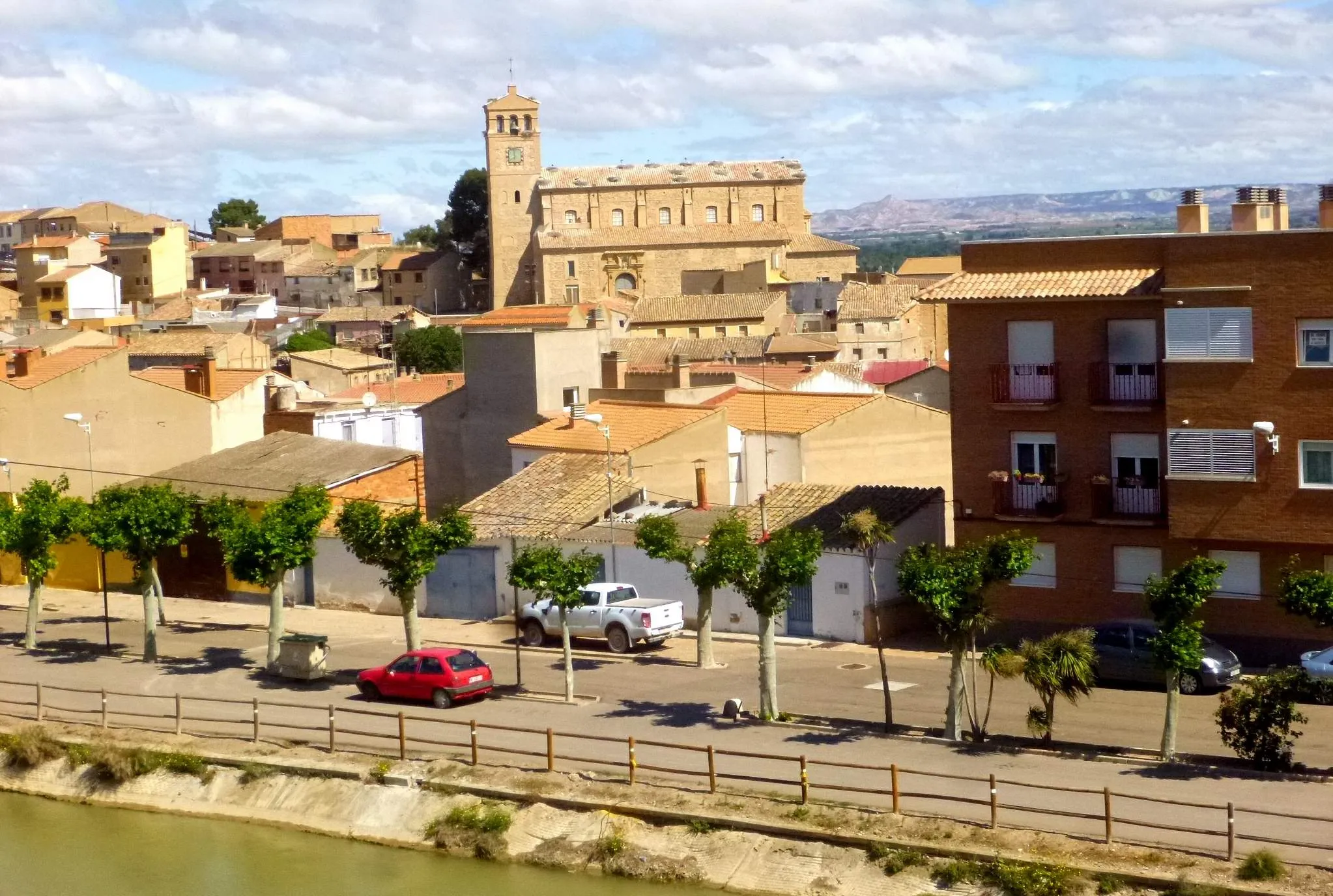
Gallur
Zaragoza Village by the Ebro and starting/stop point of the Ebro Jacobean Way. A communication hub on the riverbank, with a marked rural and fluvial character.
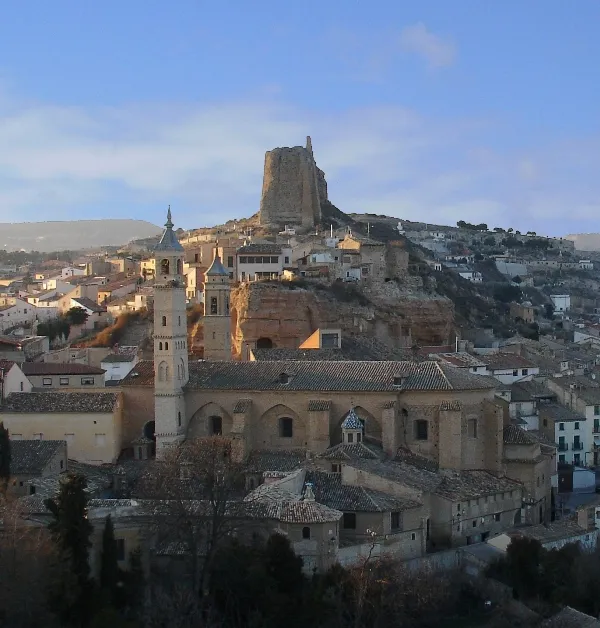
Borja
450 mHistoric Zaragoza city in the Campo de Borja region. Famous for its wines and heritage, Borja is a stopover with complete services for pilgrims.
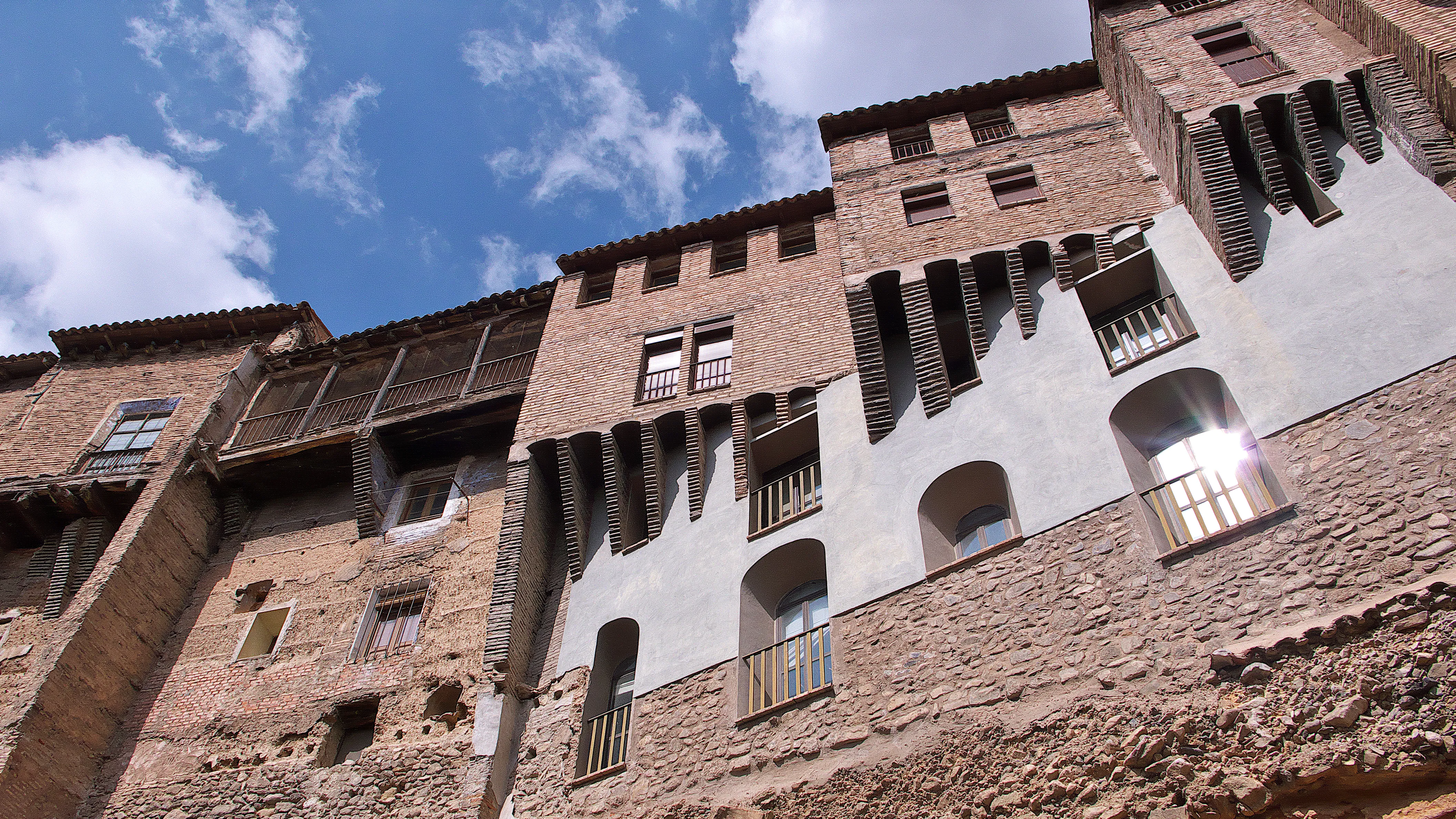
Tarazona
Monumental city at the foot of the Moncayo, jewel of the Castellano-Aragonese Way. Its Mudéjar cathedral, its Jewish quarter and its octagonal bullring captivate the pilgrim.
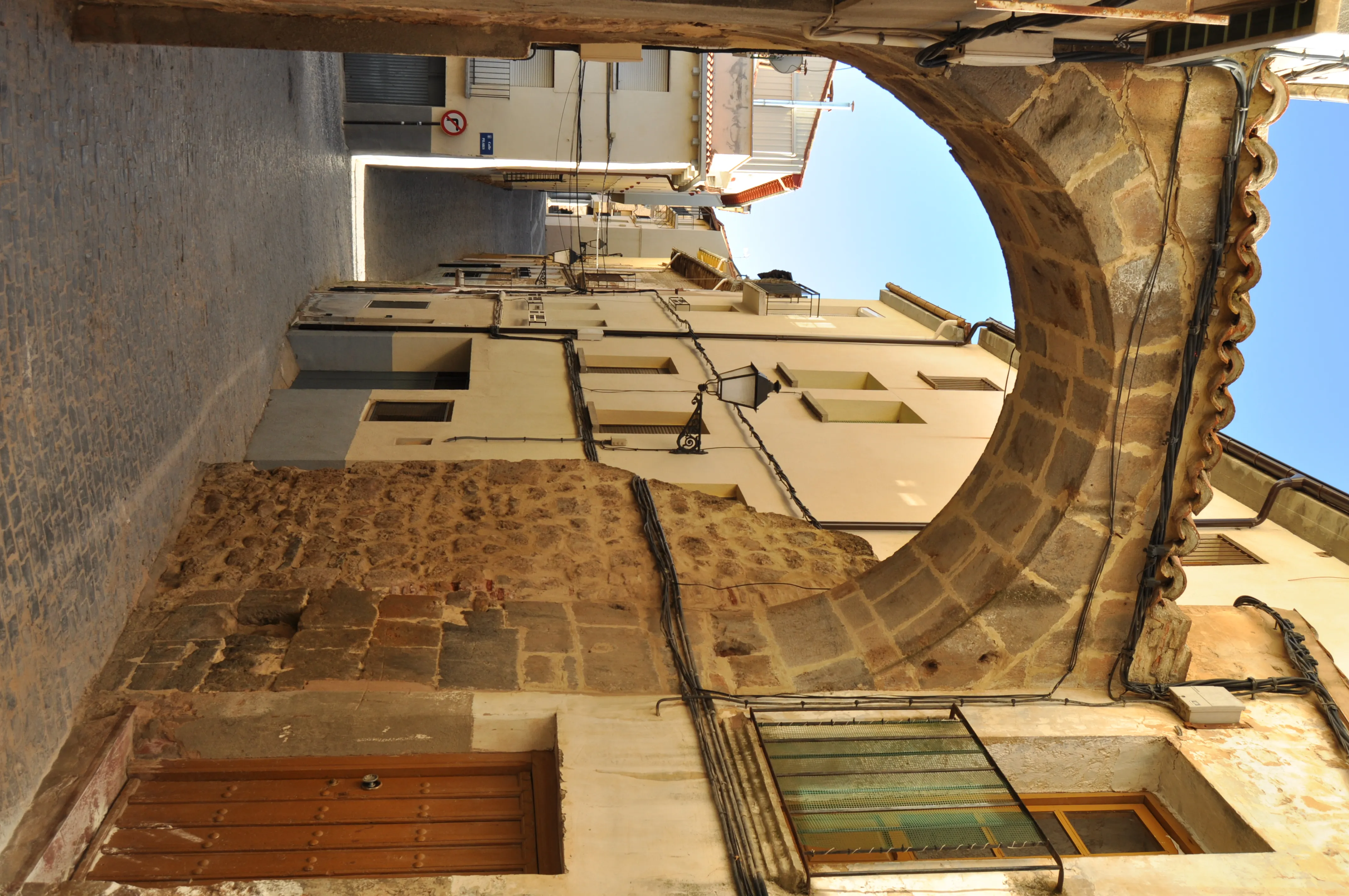
Ágreda
Known as the "House of Three Cultures," Ágreda is a historic stop on the Camino Castellano-Aragonés, at the border between Castile and Aragon, at the feet of the Moncayo.
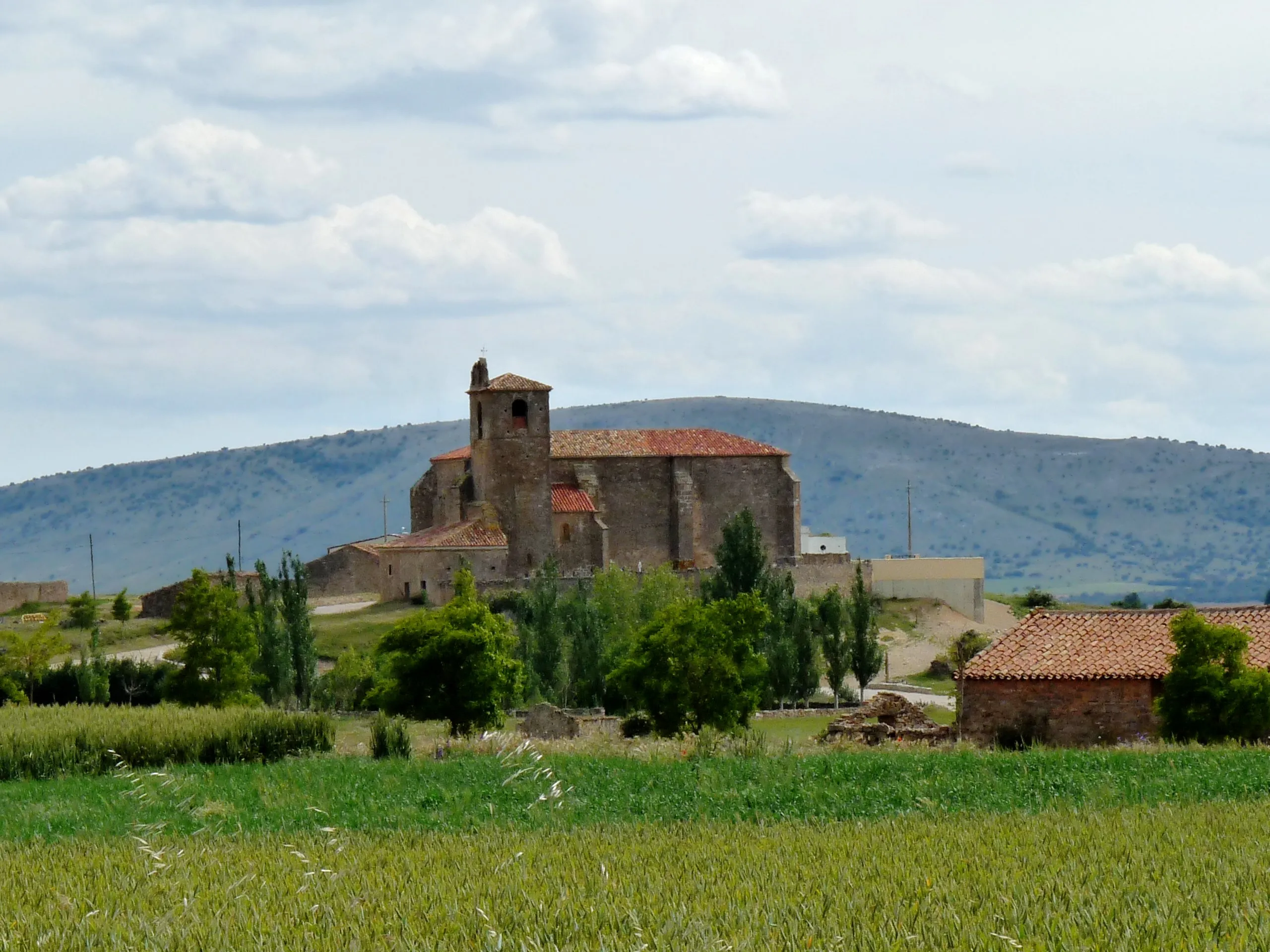
Pozalmuro
1050 mSmall Sorian town in the slopes of the Moncayo. Pozalmuro offers a rural and peaceful atmosphere, an ideal stopover on the Camino Castellano-Aragonés.
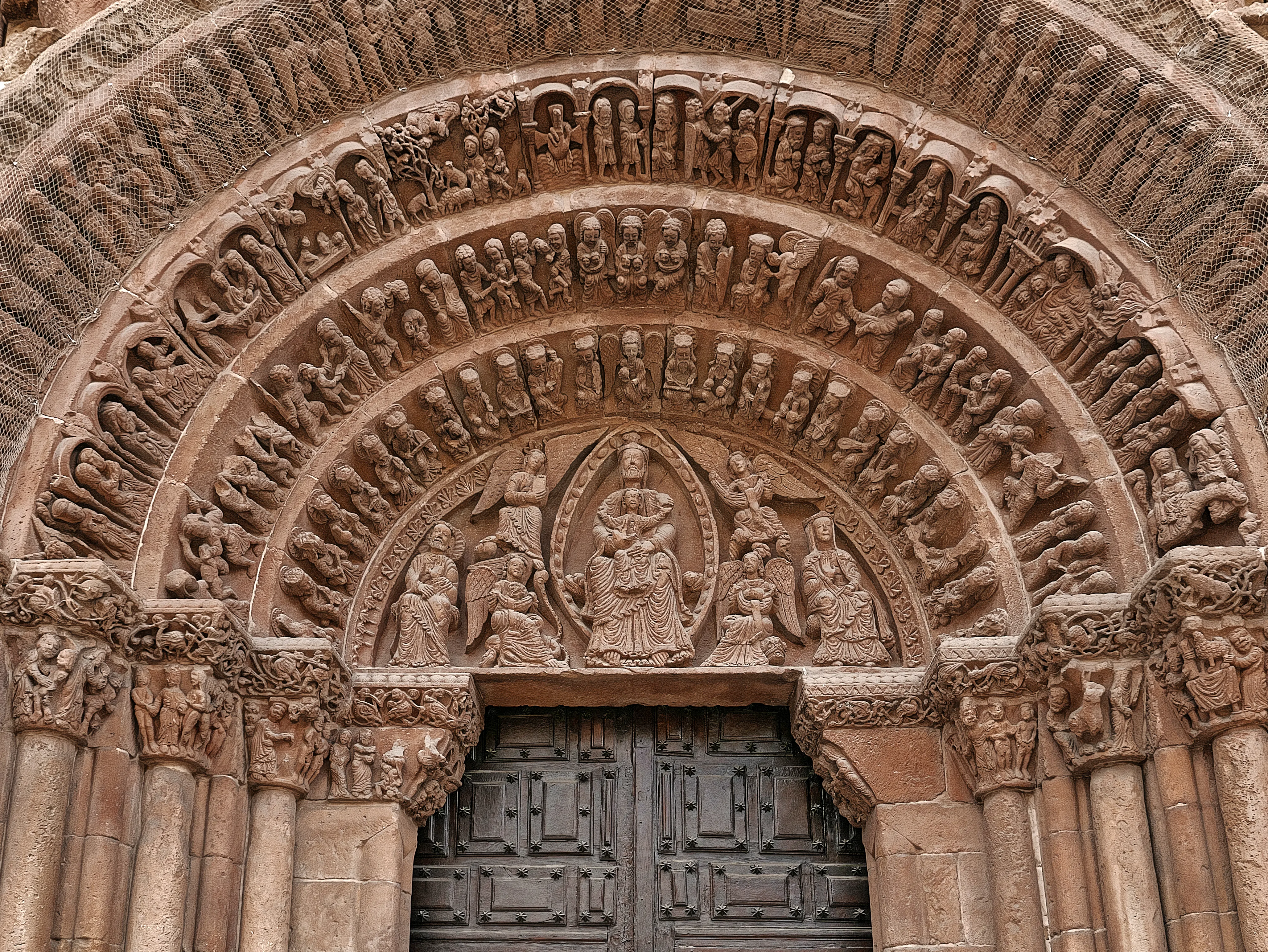
Soria
The "City of Poets," linked to Machado and Bécquer, is an evocative stop on the Camino Castellano-Aragonés. Its Romanesque heritage by the Duero inspires the pilgrim.
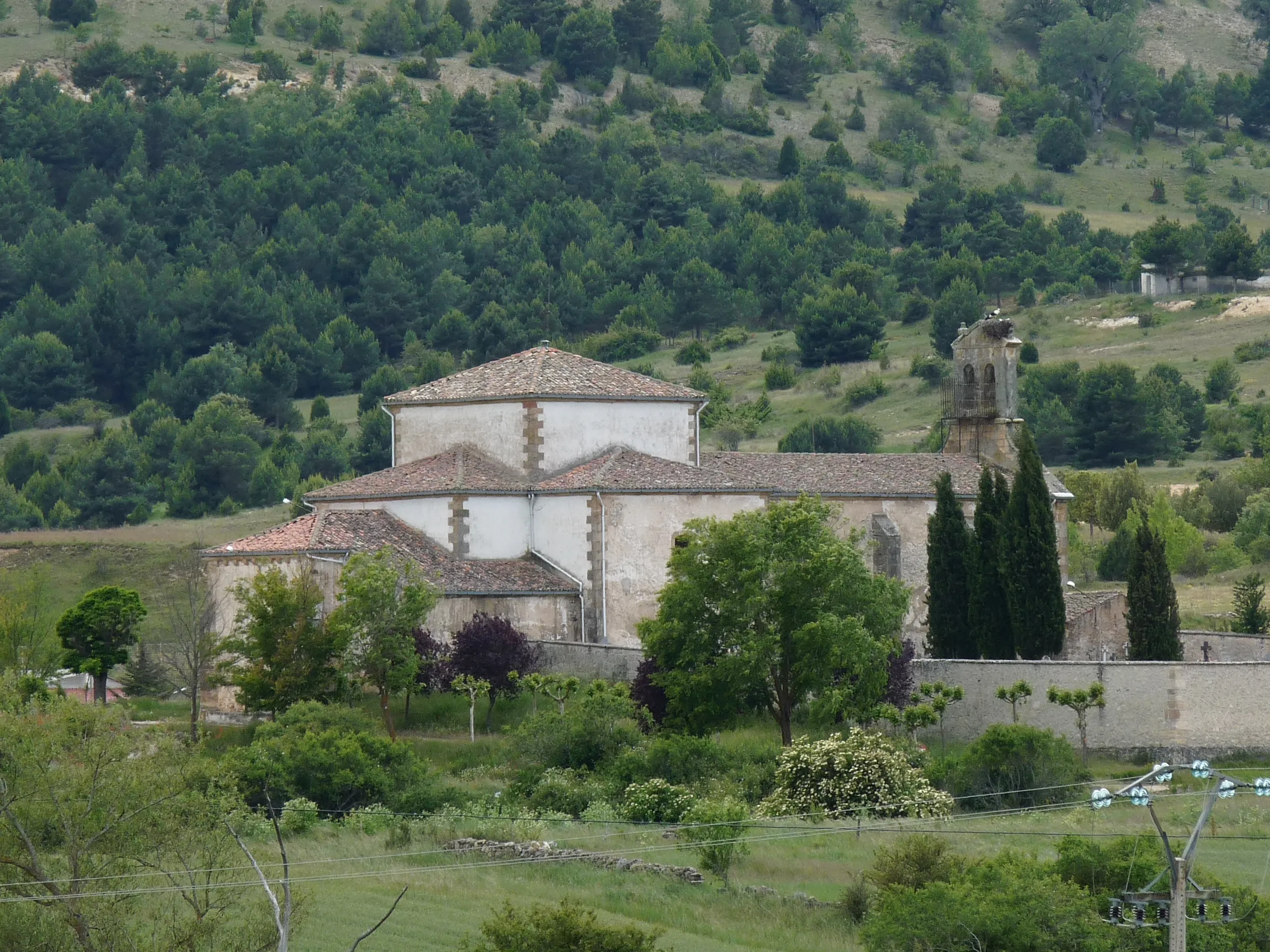
Abejar
1150 mGate of the Pinares region in Soria. Abejar on the Camino Castellano-Aragonés offers a natural environment of pine forests and a peaceful atmosphere for rest.
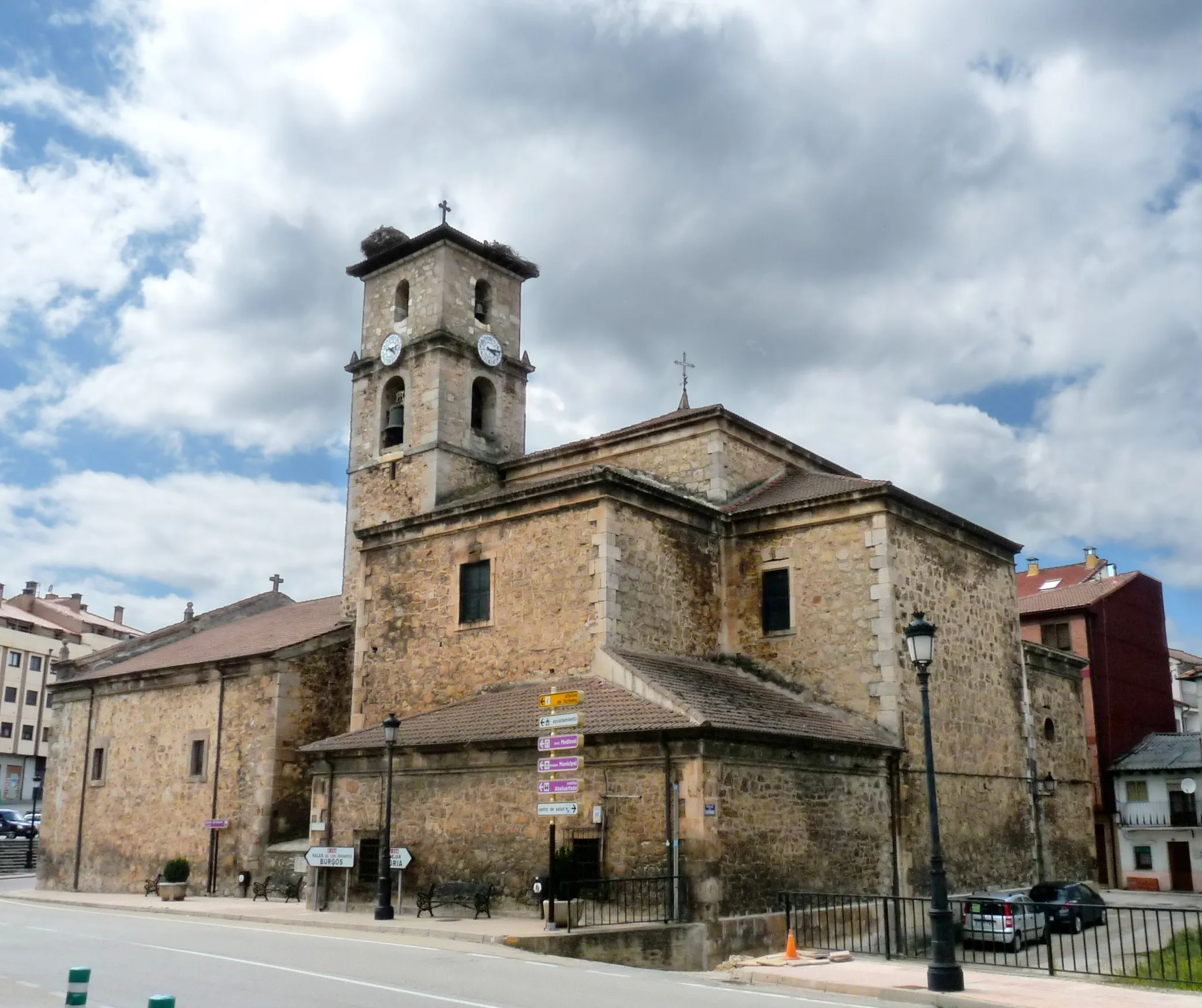
San Leonardo de Yagüe
1050 mVillage in Soria with an important heritage. San Leonardo de Yagüe, with its Renaissance castle, is a charming stopover in a privileged natural setting.
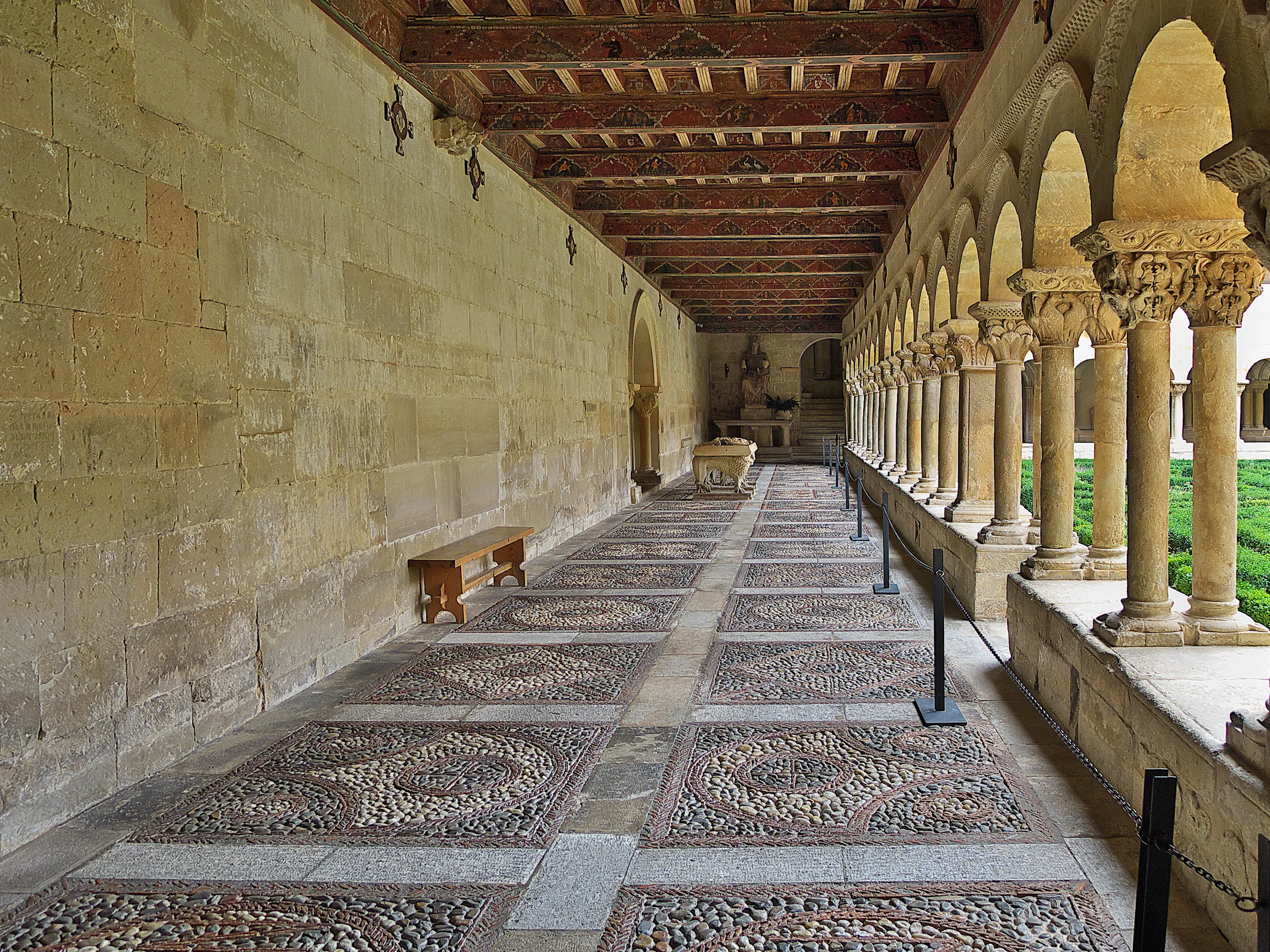
Santo Domingo de Silos
Spiritual and artistic figure of the Wool Road. His Benedictine monastery, with its Romanesque cloister and Gregorian chants, is a world-famous haven of peace and beauty.
History of Route of the Castle and Aragon
Its history is linked to the geography and communication network that dominated northern Spain in the Middle Ages. Pilgrims coming from Catalonia, following the Camí de Sant Jaume route, or those who remounted the Ebro from the Mediterranean, arrived at Zaragoza, a key point for devotion to the Virgin of Pilar. At this point, a choice was presented: continue the meander of the river towards Tudela and Alfaro in the northwest until Logroño, or take a more direct route westward towards the powerful city of Burgos. It was this second option that gave life to the Castellano-Aragonese Way.
The itinerary delves into a territory that for centuries was a border zone, first with Islam and then between the kingdoms of Aragon and Castile. This heritage is visible today in the abundance of castles and fortified villages that mark the route. Starting from Gallur, on the banks of the Ebro, the path leads to the imposing mass of Moncayo, the sacred mountain of the celtiberians. At its feet lies Tarazona, a monumental city, episcopal seat since the Visigothic era, which preserves a magnificent Gothic cathedral and a rich Jewish quarter, testament to its past as a city of three cultures.
After passing through Tarazona, the pilgrim enters the province of Soria, the heart of the oldest and most austere Castile. The route passes through Ágreda, another border town, before arriving at the city of Soria. The Sorian capital, immortalized by poets such as Antonio Machado, offered the medieval pilgrim a haven of peace and spirituality, with Romanesque jewels like the church of Santo Domingo or the enigmatic arches of the cloister of San Juan de Duero. From Soria, the path continues westward, traversing the Pinares region, a vast expanse of forests that contrasts with the aridity of other areas of the meseta.
The final objective of this route was to reach the province of Burgos to link up with other routes that led directly to the Camino Francés. Traditionally, the Castellano-Aragonese Way joined the Lana Route in the vicinity of the famous Monastery of Santo Domingo de Silos, renowned for its Romanesque cloister and Gregorian chant. From Silos, the pilgrim was just a few days' journey from Burgos, where he finally incorporated into the great river of pilgrims coming from France.
The modern revival of this itinerary has highlighted a route of great landscape beauty and immense historical richness. It is a path for those seeking solitude in interior Spain, a journey through the history of borders and kingdoms that forged the peninsula, following the footsteps of medieval pilgrims who chose the most direct route to reach their destination.
Accommodations on the Route
The Route of the Castle and Aragon has 98 verified accommodations along the entire route.
View Stages & AccommodationsPractical Tips for Route of the Castle and Aragon
Best Season
Spring (April-June) and autumn (September-October) are the best seasons. Pleasant temperatures and fewer crowds than summer.
Physical Preparation
Train by walking progressively in the months before. Start with short distances and increase. Your body will adapt to the rhythm of the Camino.
What to Pack
Light backpack (max 10% of your weight), worn trekking shoes, breathable technical clothing, raincoat, sunscreen and basic first aid kit.
General Tips
Carry the pilgrim credential, stay hydrated, respect your pace, book accommodation in high season and enjoy the journey without rushing.
FAQ about Route of the Castle and Aragon
El Camino Castellano-Aragonés tiene una longitud de aproximadamente 239 km. Se estima que un peregrino promedio puede recorrer esta distancia en alrededor de 8 días, dependiendo del ritmo y las condiciones físicas. Ourway Travel ofrece planes personalizados para adaptar el itinerario a tus necesidades específicas.
La mejor época para emprender este viaje es durante las temporadas media, específicamente en abril-junio y septiembre-octubre. Durante estas épocas se disfruta de un clima templado con días soleados y una afluencia moderada de peregrinos que permite una experiencia más íntima del camino. En mayo, la ruta ofrece paisajes verdes y floridos, mientras que en septiembre aún es posible disfrutar del calor suave sin la multitud del verano.
El paquete de Ourway Travel para el Camino Castellano-Aragonés incluye transporte de equipaje entre albergues, alojamiento en estancias seleccionadas con base en comentarios positivos de otros peregrinos y un completo dossier informativo sobre la ruta. Además, gestionamos tu credencial del peregrino para facilitar el acceso a los albergues oficiales.
El Camino Castellano-Aragonés es considerado de alta dificultad debido a su recorrido por montañas y valles, incluyendo ascensos pronunciados. Sin embargo, Ourway Travel te proporciona un itinerario detallado con consejos sobre puntos altos y bajos para que puedas prepararte adecuadamente.
Para reservar tu viaje a través de Ourway Travel, simplemente completa nuestro formulario en línea proporcionando tus preferencias y fechas. Nuestro equipo se pondrá en contacto contigo dentro de las 24 horas siguientes para confirmar los detalles del itinerario y gestionar cualquier modificación necesaria antes de la fecha del viaje.
El Camino Castellano-Aragonés ofrece un recorrido alternativo a través de zonas histórics y menos transitadas que otros caminos, como el Camino del Norte o Francés. Si buscas una ruta más desafiante con vistas impresionantes y experiencias únicas en albergues locales, este camino puede ser ideal. Sin embargo, si prefieres un recorrido más tradicional con multitud de peregrinos y oportunidades culturales variadas, podrías considerar el Camino Francés o Portugués.
La gestión del transporte de equipaje en nuestros paquetes para el Camino Castellano-Aragonés implica que llevamos tus pertenencias entre los albergues seleccionados, permitiéndote viajar ligero con solo lo necesario para cada día. Esto incluye mochilas y maletas hasta un peso máximo de 15 kg por persona.
El Camino Castellano-Aragonés es una opción única para aquellos que buscan un desafío adicional y experiencias menos convencionales. Si estás interesado en recorrer tierras históricas con vistas panorámicas, este camino te proporcionará la aventura perfecta. En contraste, caminos como el Francés o del Norte ofrecen una mezcla más variada de paisajes y poblaciones urbanas, siendo opciones populares por su riqueza cultural.
Related Routes
Ready for this adventure?
Let us organize your pilgrimage. We take care of accommodations, transfers and everything you need.