
Camino de Santiago
Route of the Castle and Aragon
The Camino Castellano-Aragonés unites Gallur (Zaragoza) with the Way of the Wool in Santo Domingo de Silos (Burgos). A historic route through the valley of the Ebro and the lands of Soria.
Organize your Route of the Castle and AragonLast updated: 21/05/2025
The Route
General Description of Route of the Castle and Aragon
It traverses the middle Ebro valley and enters Soria province, passing by the monumental Tarazona. It offers a rural route through areas with rich historical and natural heritage, although less known and trafficked, ideal for those seeking a more solitary experience.
Related Routes
Connections of Route of the Castle and Aragon
Fiber Way
677 km
27
Media
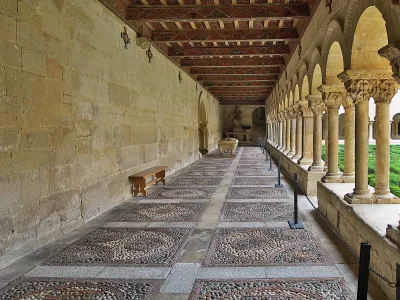
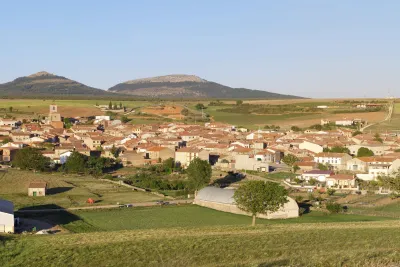
The Wool Road is a historic Jacobean route originating in Alicante and heading north to link with the French Way in Burgos. Its name comes from the ancient royal pastures used for sheep herding, which also served as pilgrimage routes. This long journey of 677 km to Burgos passes through Cuenca, Guadalajara, and Soria.
Stages of this variant:
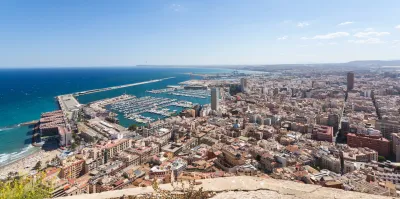
Stage 1: Alicante to Orito
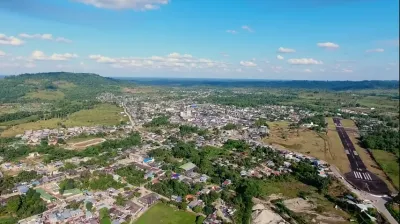
Stage 2: Orito to Petrer
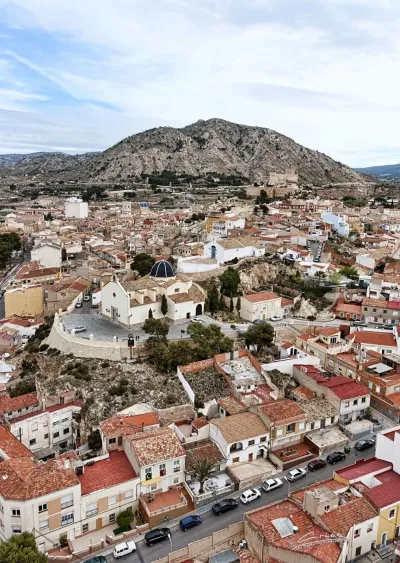
Stage 3: Petrer to Villena
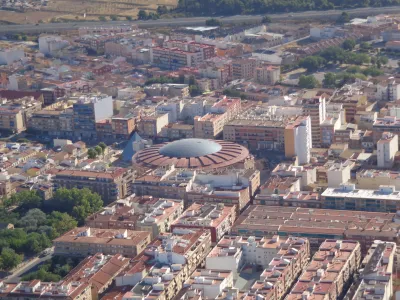
Stage 4: Villena to Caudete
Stage 5: Caudete to Almansa
Route of the Ebro
457 km
18
Media
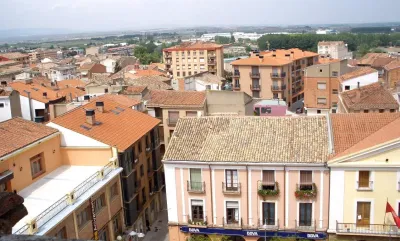
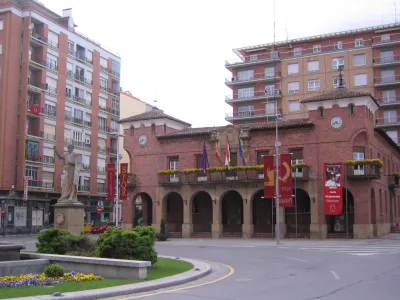
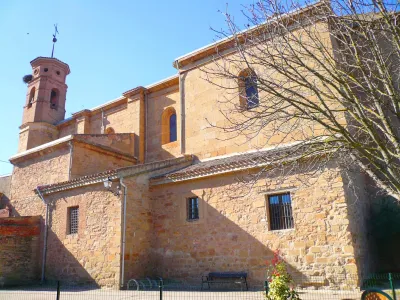
The Ebro Way is a Jacobean route that largely follows the course of the same-named river. It begins at the Ebro Delta or Tortosa and heads northwest to Logroño (La Rioja), where it meets the French Way. Its 457 km journey offers an unique experience, combining the natural richness of its banks with the heritage of the towns it passes through, such as the monumental Zaragoza.
It is a route with mostly flat sections that allows you to discover the diversity of landscapes in Catalonia, Aragon and La Rioja.
Stages of this variant:
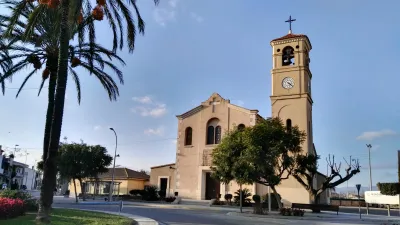
Stage 1: Deltebre to La Ràpita
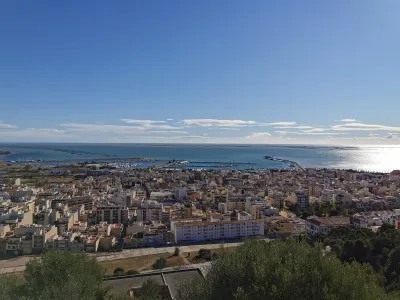
Stage 2: La Ràpita to Tortosa
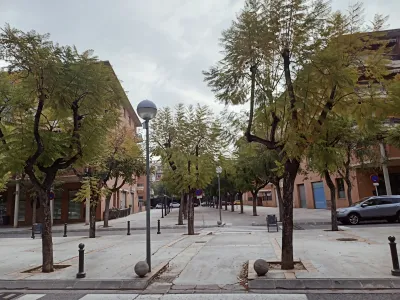
Stage 3: Tortosa to Xerta
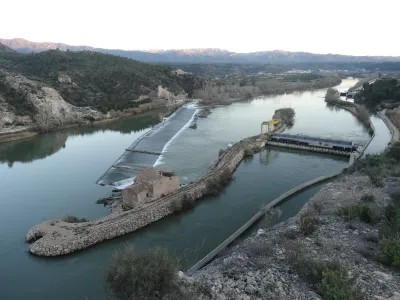
Stage 4: Xerta to Gandesa
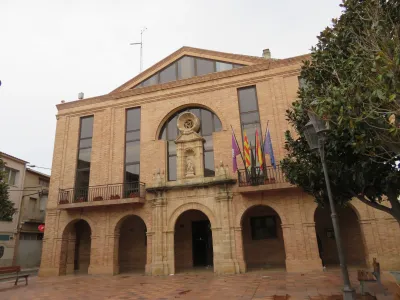
Stage 5: Gandesa to Fabara
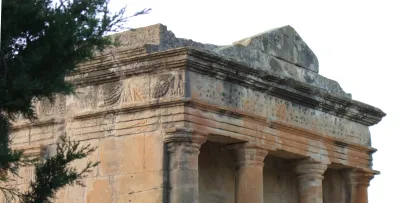
Way of Sagunto
394 km
16
Media
The Sagunto Route connects the historic city of Sagunto (Valencia) with Jacobean routes in the interior, such as the Castellano-Aragonese or Wool Road. With a 400 km journey to connection zones, it traverses the Valencian Community, Aragon and Castile and León.
Stages of this variant:
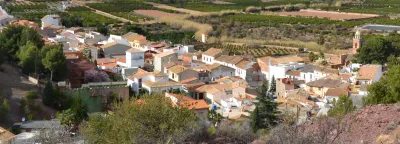
Stage 1: Pto. Sagunto – Torres Torres
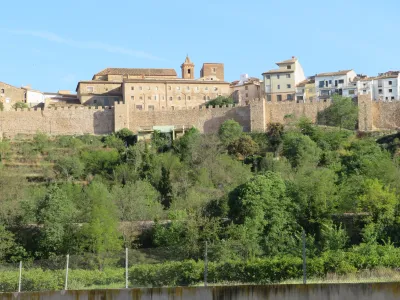
Stage 2: Torres Torres – Segorbe
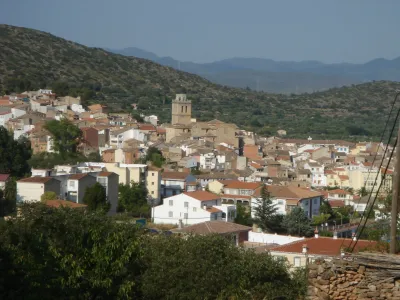
Stage 3: Segorbe – Viver
Stage 4: Viver – Barracas
Stage 5: Barracas – Sarrión
Elevation Profile of
Elevation Profile of Route of the Castle and Aragon
Visualize the ups and downs of the route.
Loading elevation profile...
Error loading elevation profile or altitude data not available.
Your trip with Ourway
Everything you need for your Camino
No hassle. Your perfect route, from start to finish.
Accommodation
Selected hotels and hostels at every stage
Luggage transfer
Your backpack travels from stage to stage
Camino Guide
Detailed map with directions and services
24h Support
Team available for any unforeseen event
Pilgrim credential
Official documentation included
No commitment
Free personalized consultation
Walk this route with us
Fancy walking this route?
We don't have a ready-made package for this route yet, but we'll organise it around you. Tell us how you'd like to experience it and a specialist will reply within 24 h.
Request your proposalStages
Stages of Route of the Castle and Aragon
Gallur → Borja
First stage of the Castilian-Aragonese Way, Jacobean route that links Zaragoza with the French Way via Soria. The 18 km link Gallur with Borja through the region of Campo de Borja, an Aragonese wine r...
Borja → Tarazona
Stage that moves away from the Ebro valley towards the Moncayo, the sacred mountain of Aragon. The 25 km link Borja with Tarazona, a Mudejar city World Heritage Site for its impressive Gothic-Mudejar ...
Tarazona → Ágreda
This stage crosses the border between Aragon and Castile through the foothills of Moncayo (2,314 m), the highest peak of the Iberian System. The 20 km include an overpass and the descent to the Queile...
Ágreda → Pozalmuro
Stage through the high plateau of Soria, region of Moncayo. The about 20 km run through the austere and elevated landscape (over 1,000 m altitude) characteristic of the cold Soria, with junipers, cere...
Towns
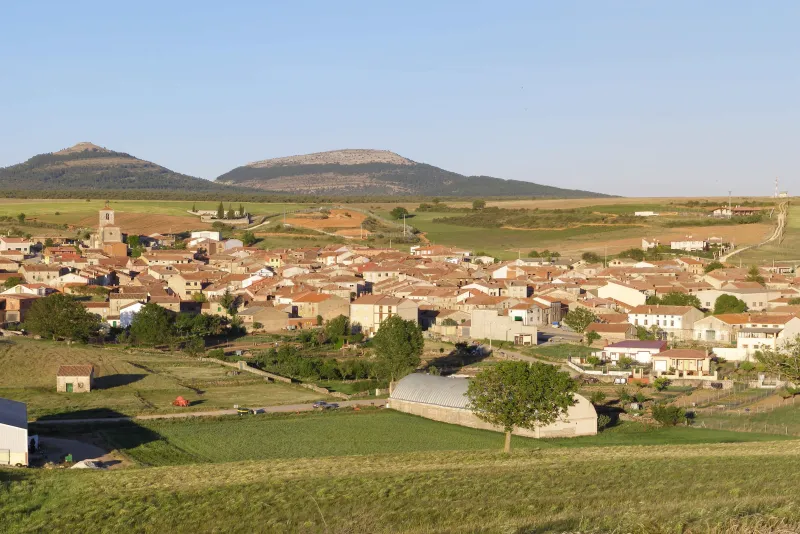
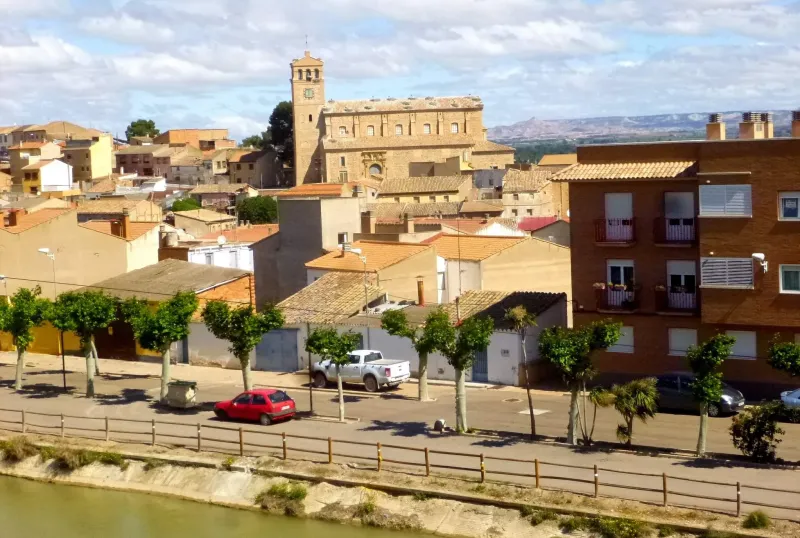
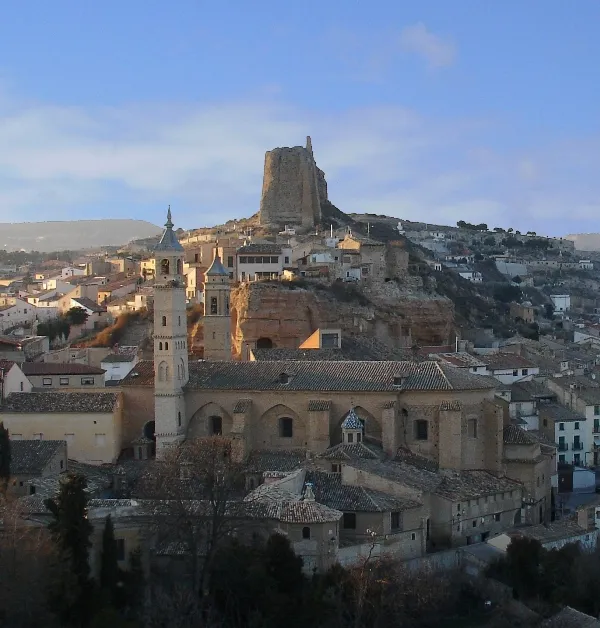
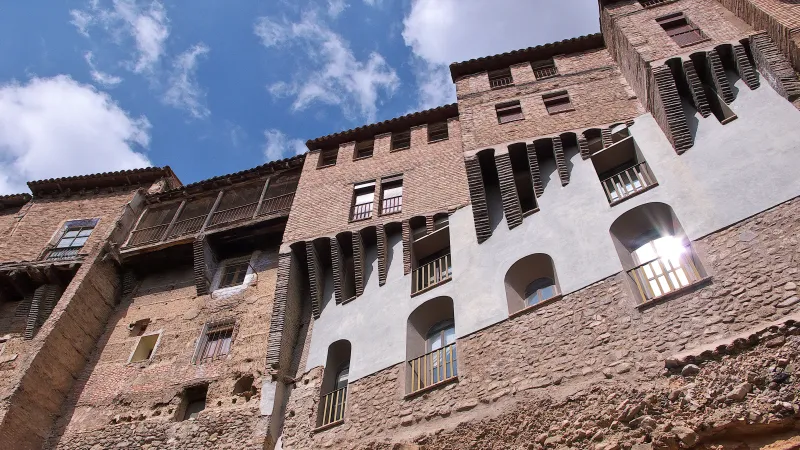
Featured Towns of Route of the Castle and Aragon
Explore the key towns and cities of this route.
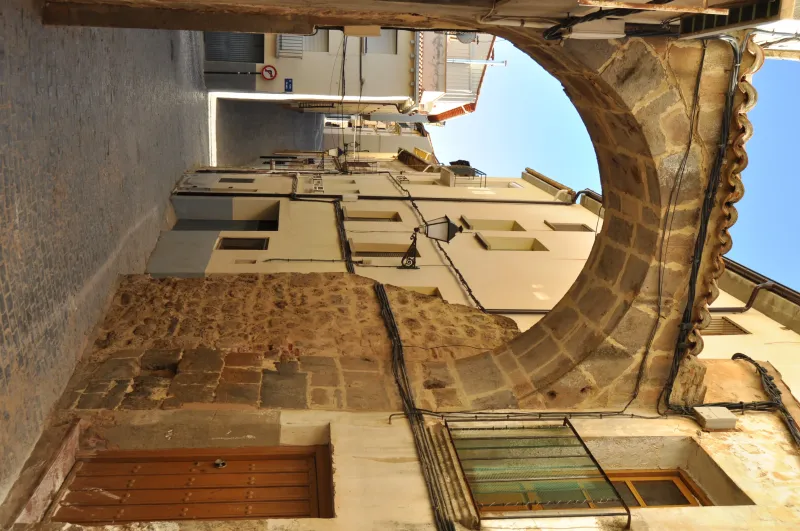
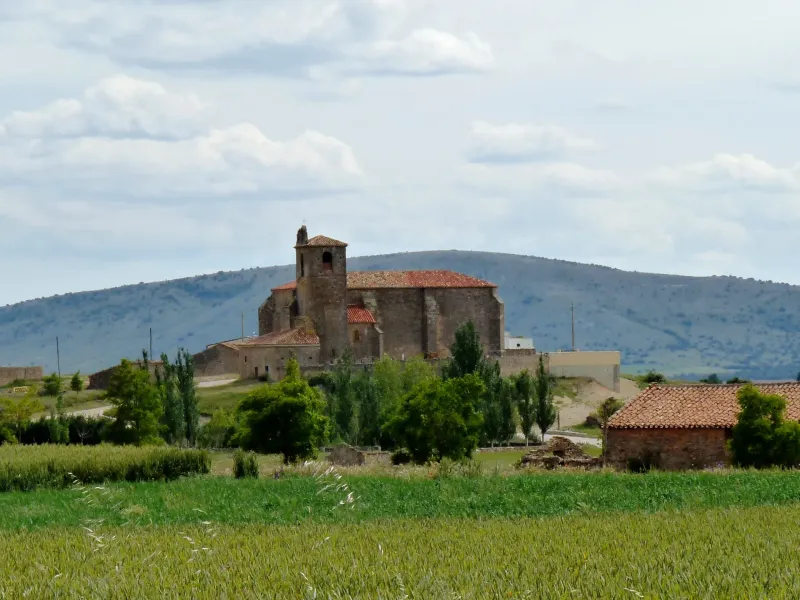
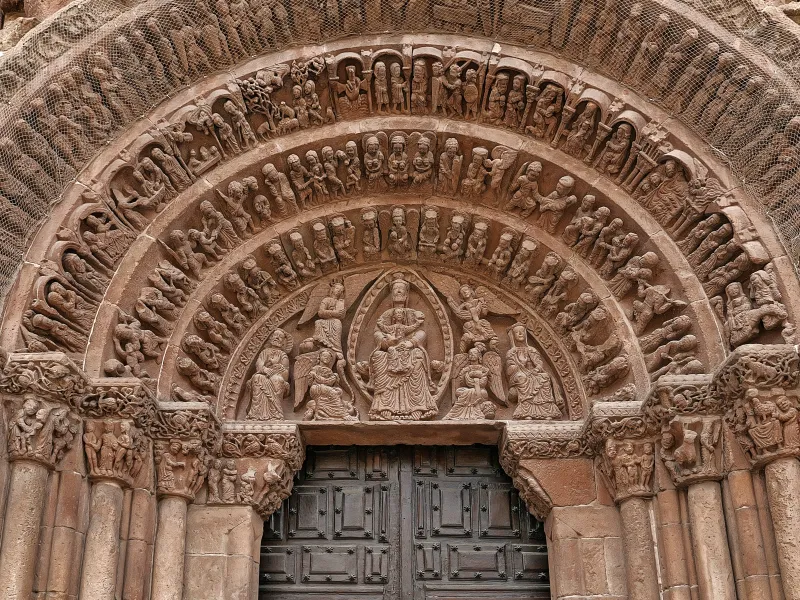
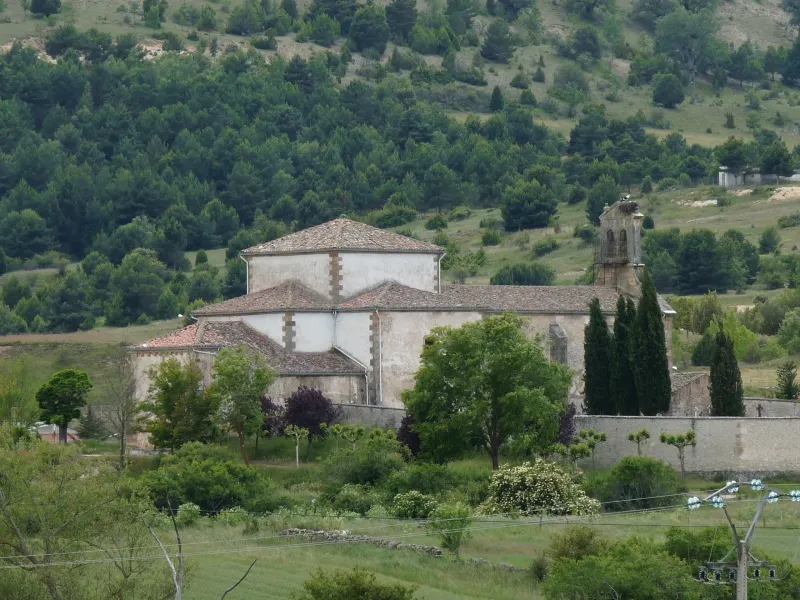
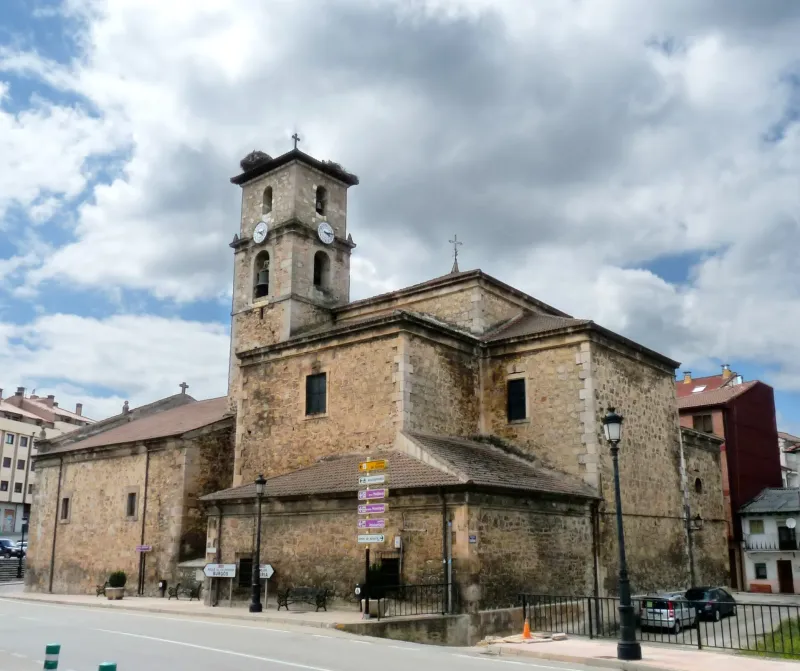
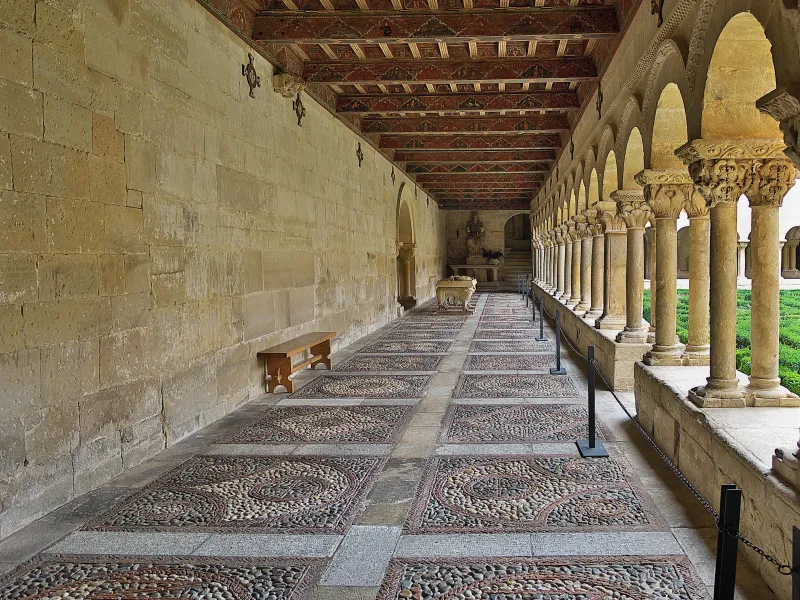
History
Millenary History of the Camino de Santiago: Origins and Evolution Route of the Castle and Aragon
Discover the origins and evolution of Route of the Castle and Aragon
Its history is linked to the geography and communication network that dominated northern Spain in the Middle Ages. Pilgrims coming from Catalonia, following the Camí de Sant Jaume route, or those who remounted the Ebro from the Mediterranean, arrived at Zaragoza, a key point for devotion to the Virgin of Pilar. At this point, a choice was presented: continue the meander of the river towards Tudela and Alfaro in the northwest until Logroño, or take a more direct route westward towards the powerful city of Burgos. It was this second option that gave life to the Castellano-Aragonese Way.
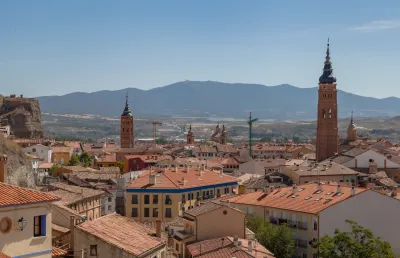
The itinerary delves into a territory that for centuries was a border zone, first with Islam and then between the kingdoms of Aragon and Castile. This heritage is visible today in the abundance of castles and fortified villages that mark the route. Starting from Gallur, on the banks of the Ebro, the path leads to the imposing mass of Moncayo, the sacred mountain of the celtiberians. At its feet lies Tarazona, a monumental city, episcopal seat since the Visigothic era, which preserves a magnificent Gothic cathedral and a rich Jewish quarter, testament to its past as a city of three cultures.
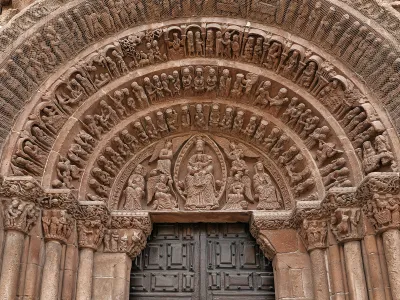
After passing through Tarazona, the pilgrim enters the province of Soria, the heart of the oldest and most austere Castile. The route passes through Ágreda, another border town, before arriving at the city of Soria. The Sorian capital, immortalized by poets such as Antonio Machado, offered the medieval pilgrim a haven of peace and spirituality, with Romanesque jewels like the church of Santo Domingo or the enigmatic arches of the cloister of San Juan de Duero. From Soria, the path continues westward, traversing the Pinares region, a vast expanse of forests that contrasts with the aridity of other areas of the meseta.
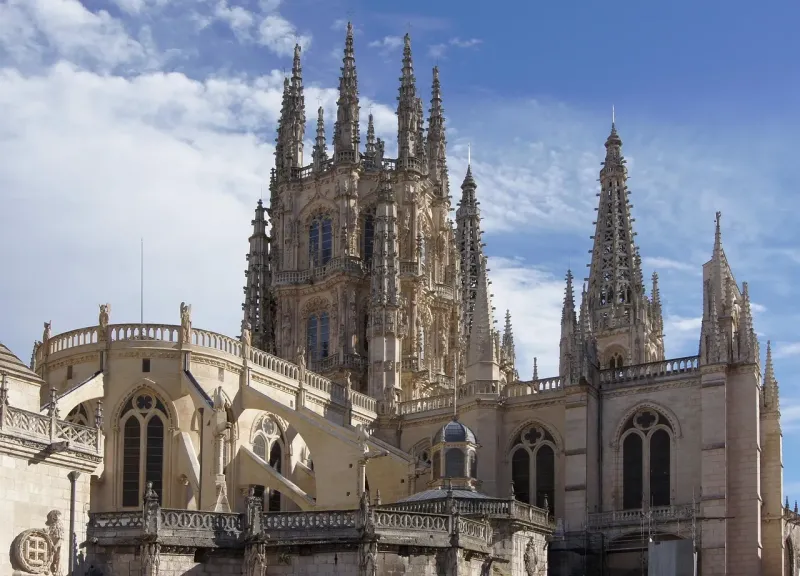
The final objective of this route was to reach the province of Burgos to link up with other routes that led directly to the Camino Francés. Traditionally, the Castellano-Aragonese Way joined the Lana Route in the vicinity of the famous Monastery of Santo Domingo de Silos, renowned for its Romanesque cloister and Gregorian chant. From Silos, the pilgrim was just a few days' journey from Burgos, where he finally incorporated into the great river of pilgrims coming from France.
The modern revival of this itinerary has highlighted a route of great landscape beauty and immense historical richness. It is a path for those seeking solitude in interior Spain, a journey through the history of borders and kingdoms that forged the peninsula, following the footsteps of medieval pilgrims who chose the most direct route to reach their destination.
We answer your questions
Frequently Asked Questions about Route of the Castle and Aragon
How long is the Castilian-Aragonese Way, and how many days are needed to complete it?
The Castilian-Aragonese Way spans approximately 239 km. A typical pilgrim can cover this distance in around 8 days, depending on their pace and physical condition. Ourway Travel offers personalized plans to tailor the itinerary to your specific needs.
Which is the best time of year to do the Castilian-Aragonese Way?
The best period for this journey is during mid-seasons, specifically April-June and September-October. During these times, you can enjoy a mild climate with sunny days and a moderate influx of pilgrims, offering a more intimate experience on the route. In May, the path offers lush green landscapes and blooming flowers, while in September it's still possible to enjoy the warm weather without the summer crowds.
What does the Ourway Travel package for the Castilian-Aragonese Way include?
The Ourway Travel package for the Castilian-Aragonese Way includes luggage transport between accommodations, lodging in selected stays based on positive reviews from other pilgrims and a comprehensive informational dossier about the route. Additionally, we manage your pilgrim’s credential to facilitate access to official hostels.
What is the difficulty level of the Castilian-Aragonese Way?
The Castilian-Aragonese Way is considered to be of high difficulty due to its route through mountains and valleys, including steep ascents. However, Ourway Travel provides you with a detailed itinerary with advice on highs and lows so that you can prepare adequately.
How can I book the trip through Ourway Travel for the Castilian-Aragonese Way?
To reserve your journey with Ourway Travel, simply fill out our online form by providing your preferences and dates. Our team will contact you within the next 24 hours to confirm itinerary details and manage any necessary adjustments before your travel date.
How do you compare the Castilian-Aragonese Way with other Jacobean routes?
The Castilian-Aragonese Way offers an alternative route through historically rich and less traveled areas compared to others like the Northern or French Ways. If you seek a more challenging path with stunning views and unique local hostel experiences, this route could be ideal for you. However, if you prefer a traditional journey with many pilgrims and diverse cultural opportunities, you might consider the French or Portuguese Way.
What does your package for the Castilian-Aragonese Way include in terms of luggage transportation management?
Our luggage transportation management for the Castilian-Aragonese Way includes moving your belongings between selected accommodations, allowing you to travel light with only what is necessary each day. This service covers backpacks and suitcases up to a maximum weight of 15 kg per person.
How does the Castilian-Aragonese Way affect the decision between other Jacobean routes such as the French or Northern Ways?
The Castilian-Aragonese Way is a unique option for those seeking an additional challenge and less conventional experiences. If you are interested in traversing historical lands with panoramic views, this route will provide the perfect adventure. In contrast, routes like the French or Northern Ways offer a more varied mix of landscapes and urban populations, making them popular choices due to their cultural richness.
Organize Your Camino
Ready for this adventure?
Route of the Castle and Aragon