
Complete Guide to Winter Path
Choose the Winter Way, the historical alternative to the French Way to avoid snow in O Cebreiro. Discover the valley of the Sil, the Sacred Ribeira and the four Galician provinces.
Last updated: 28/03/2026
Table of Contents
Technical Summary of Winter Path
267 km
Distance
10
days
12
Stages
Media
Difficulty
179 accommodations available on the route
Introduction to Winter Path
With a 267 km journey, it is the only Camino that traverses all four Galician provinces (Ourense, Lugo, Pontevedra, and A Coruña). It offers spectacular landscapes like the Sil Canyons and its heroic viticulture, allowing you to discover a natural and cultural heritage of great value, less known but equally fascinating.
All Stages of Winter Path
Complete route divided into 12 stages
Ponferrada to Las Médulas
At this stage of the Winter Way, the pilgrim diverges from the French Way to follow the course of the Sil River. The route is of exceptional beauty, traversing the narrow valley of Sil with its vineya...
The Mines of O Barco de Valdeorras
Continuing on the Winter Way, this stage enters the spectacular Ribeira Sacra lucerne region. The path leaves the Sil valley to ascend gently, offering increasingly impressive panoramic views. The pro...
To Valdeorras Boat to A Rúa de Valdeorras
This is a short and gentle stage of the Winter Way, ideal for recovering strength while continuing on the Ribeira Sacra route. The route follows the course of the Sil River in an enjoyable stroll thro...
Route from Valdeorras to Quiroga
One of the most demanding and beautiful stages on the Winter Camino. The journey involves a long and sustained ascent to leave Quiroga valley and overcome Serra do Courel. The path runs through an imp...
Quirós to Pobra de Brollón
This 22.9 km long stage of the Winter Camino is one of the most demanding on the route. The profile is of high difficulty, with a long ascent leading to the Sierra do Courel. Along the way, you pass t...
From Pobra do Brollón to Monforte de Lemos
A brief and relatively comfortable stage that descends from A Pobra do Brollón to the Cabe River valley, with a final ascending section to the monumental city of Monforte de Lemos. It offers a peacefu...
Monforte de Lemos to Chantada
This stage of the Winter Camino is a long distance and flat walk, ideal for a peaceful and reflective stroll. The path runs through the Ribeira Sacra plain, across fields of cultivation and small vill...
Chanted at Rodeiro
Continuing on the Winter Way, this stage enters the heart of Deza countryside. The profile is undulating, with a continuous rise and fall through a landscape of forests, meadows, and maize fields. It'...
Ribeira do Río (Note: "a" is an article in Portuguese and Spanish, but it's not used in this case since it's part of the name "Ribeira", which means "river bank
This 21.9 km stage is a medium-difficulty route that connects the gastronomic village of Lalín with the town of Silleda. The path traverses a rural landscape of hills, forests and riverbanks, typical ...
Lalin to Silida
Medium difficulty stage connecting Lalín with Silleda, passing through a rural landscape of forests, riverbanks and small villages. This section offers the possibility to visit the impressive Monaster...
Silleda to Outeiro
This 23.9 km long stage of the Winter Camino is a challenge of endurance with high difficulty profile. The route crosses Galician valleys, with broken terrain and continuous ups and downs. The landsca...
Pasture at Santiago de Compostela
The last stage of the Winter Way. Emotion is the protagonist of this journey. The path crosses the last forests before reaching Mount do Gozo, from where it views the cathedral of Santiago for the fir...
Key Towns of Winter Path
The most important towns and cities on this route.
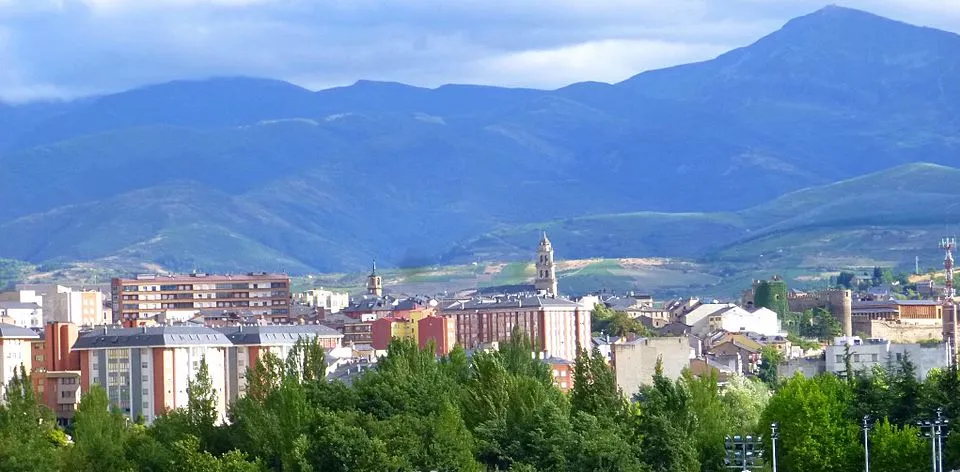
Ponferrada
Capital of El Bierzo and the Templar city of excellence on the French Way. Its imposing Templar Castle is a must-visit stop for all pilgrims before Galicia.
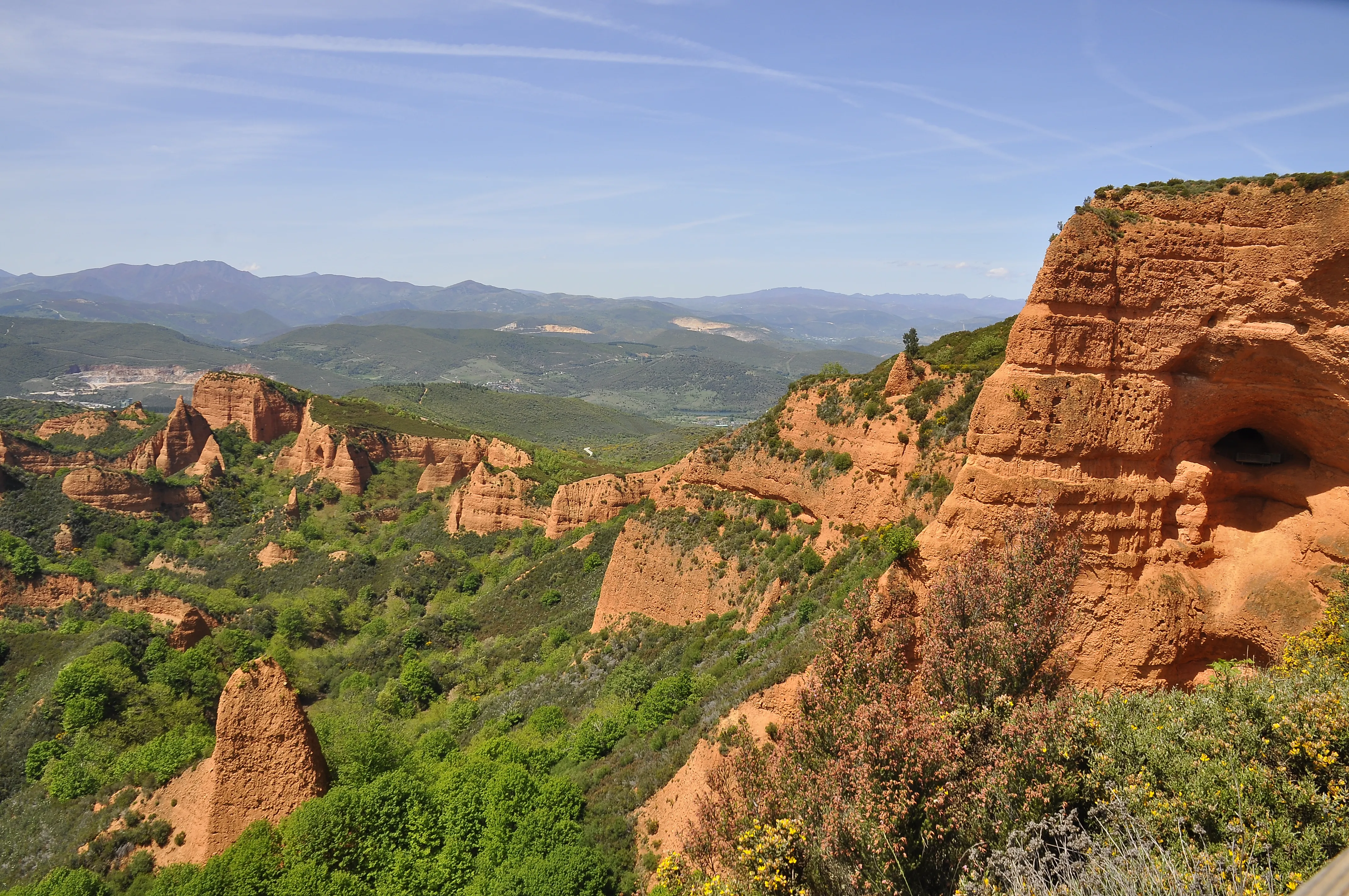
Las Médulas
Cultural Landscape UNESCO World Heritage Site. The Las Médulas, ancient Roman gold mine, is a unique environment of red rocks and oaks, an indispensable stop in El Bierzo.
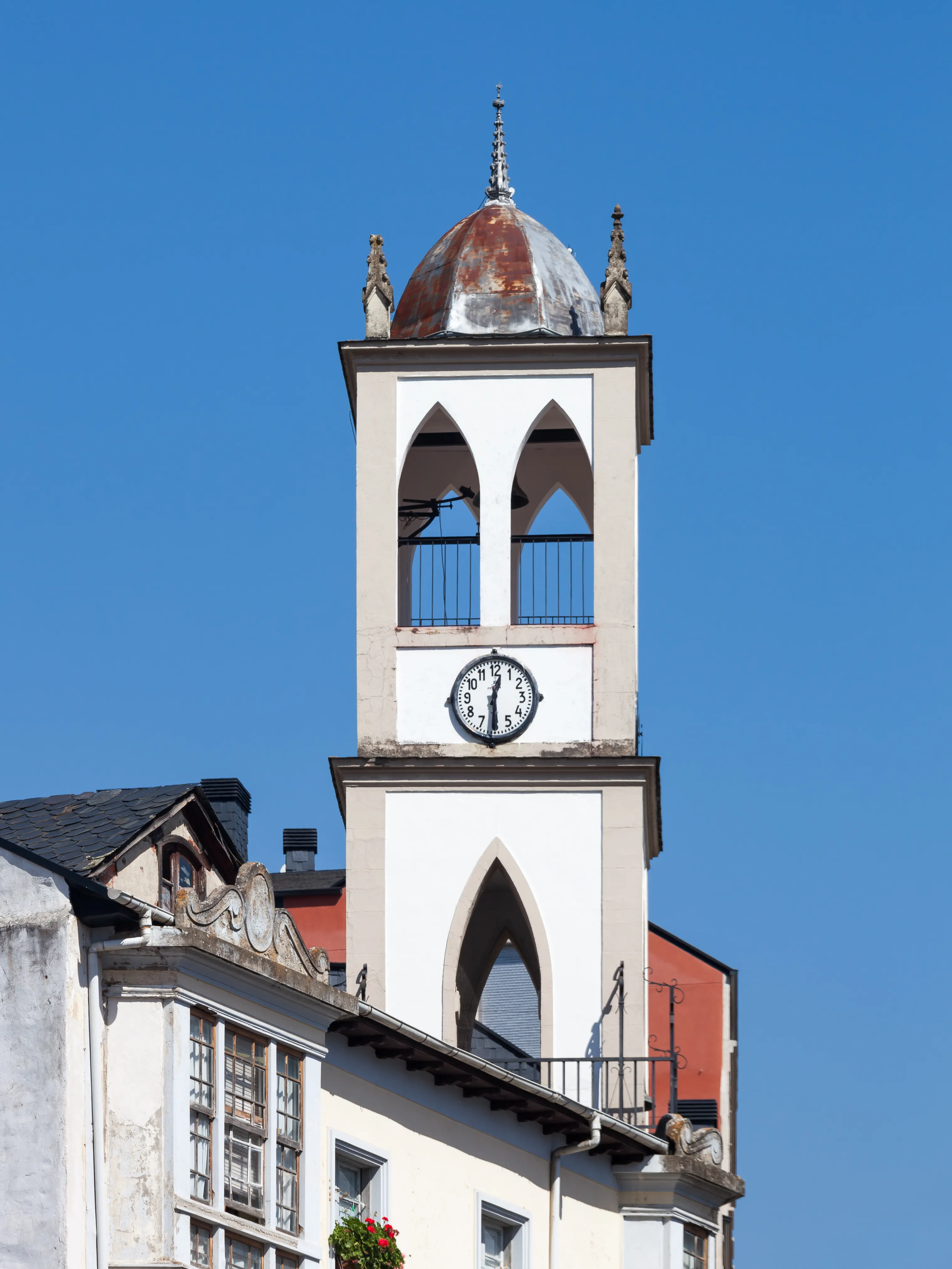
O Barco de Valdeorras
Capital of the region and heart of the DO Valdeorras. O Barco is a vibrant village by the Sil river, an essential stop on the Winter Route to enjoy its wines and landscape.
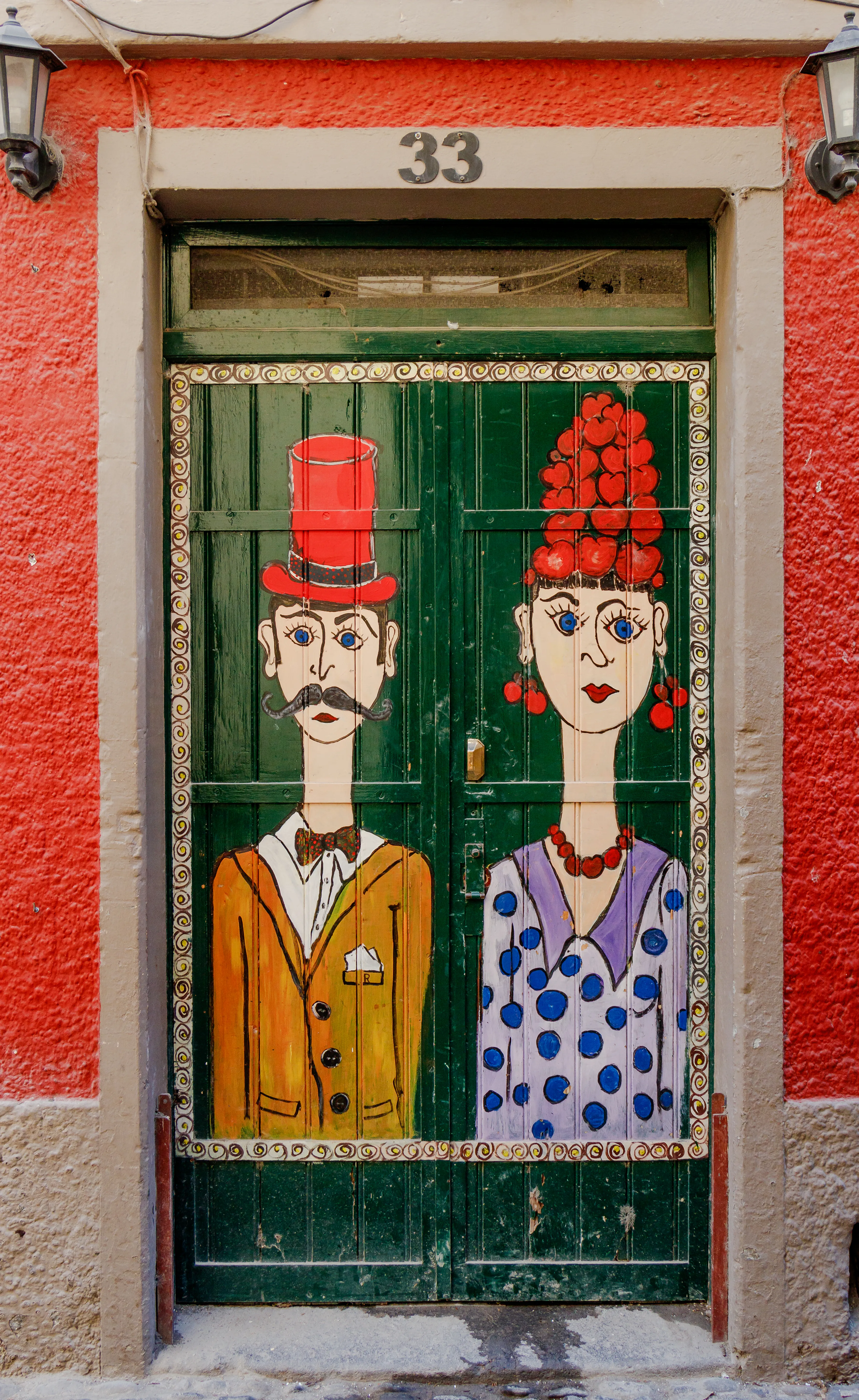
A Rúa de Valdeorras
Villa ourensana by the Sil, in the heart of Valdeorras. A Rúa is a key stop on the Winter Way, famous for its Roman bridge and wine tradition.
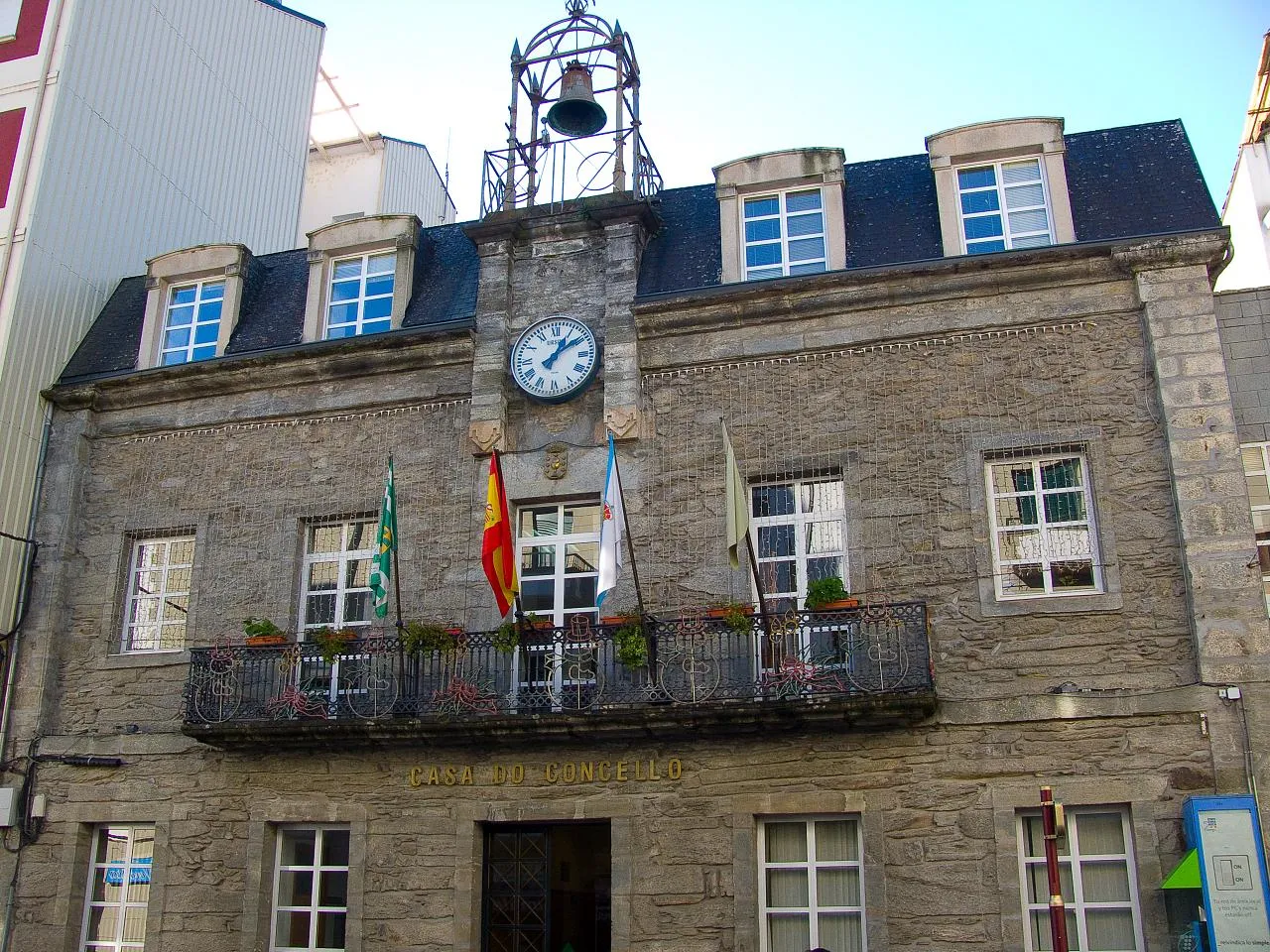
Quiroga
Gateway to the Ribeira Sacra and the Geopark Montañas do Courel. Quiroga, in the valley of the Sil, is a stop on the Winter Way that offers nature, wine and tradition.
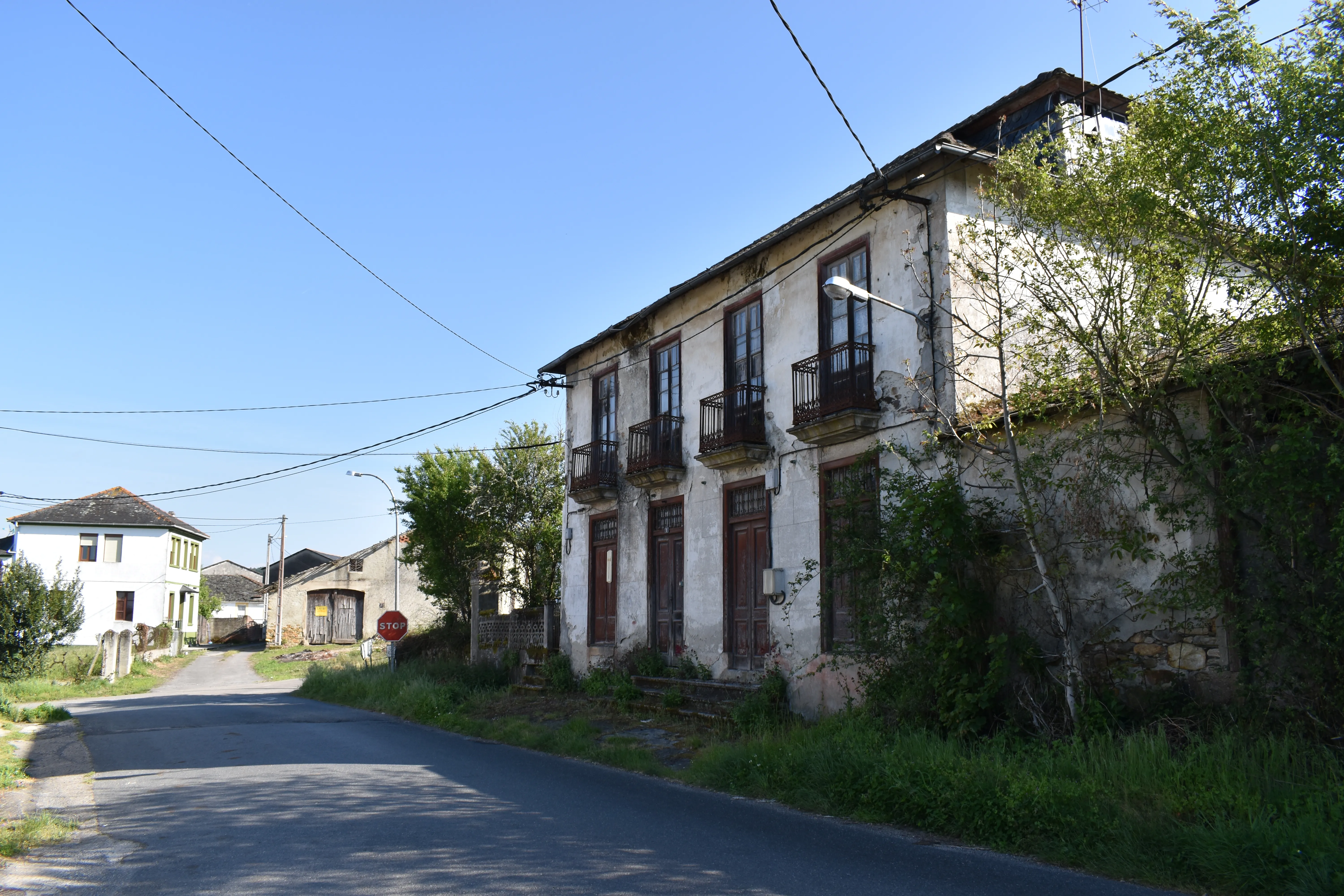
A Pobra do Brollón
Heart of the Lucene Ribeira Sacra and winter stopover on the Camino de Invierno. A Pobra do Brollón offers an extraordinary natural environment, with river landscapes and a deep Galician rural essence.
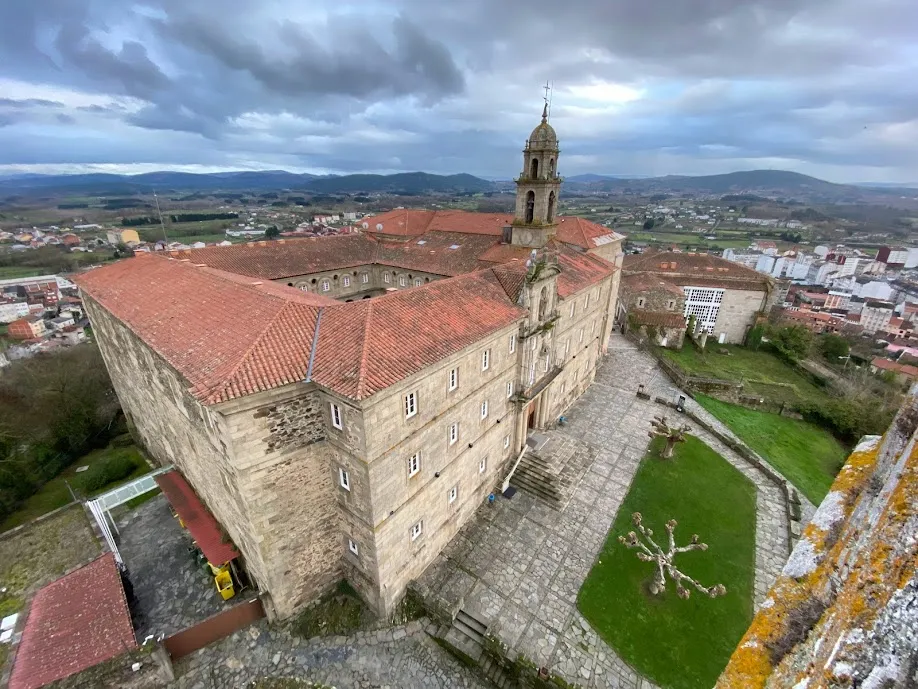
Monforte de Lemos
Capital of the Ribeira Sacra and heart of the Winter Way. Monforte de Lemos, dominated by its monastery, is a monumental stop with a deep taste for history and wine.
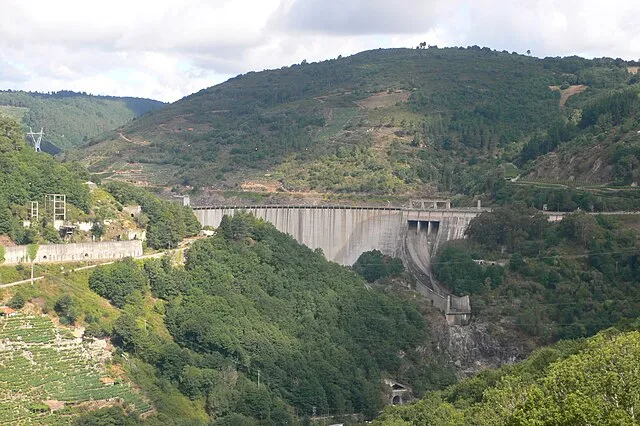
Chantada
Chantada is a walled village in the Ribeira Sacra and stage of the Camino de Invierno. It is famous for its vineyard terraces over the River Minho and its Romanesque heritage.
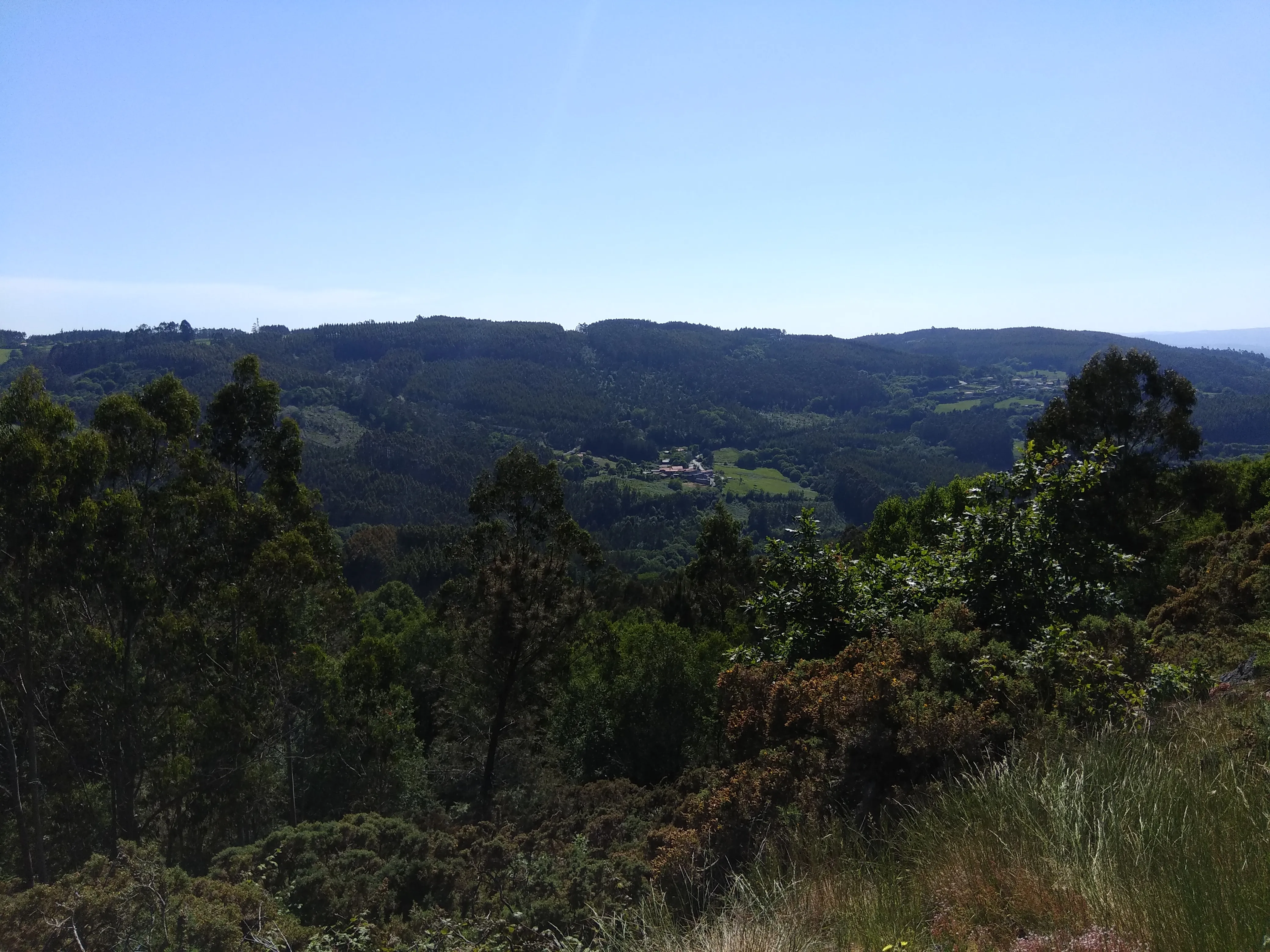
Rodeiro
Rural municipality in the geographical heart of Galicia. Rodeiro is a functional stop on the Winter Way, in the Deza region, offering pilgrims services and a rural atmosphere.
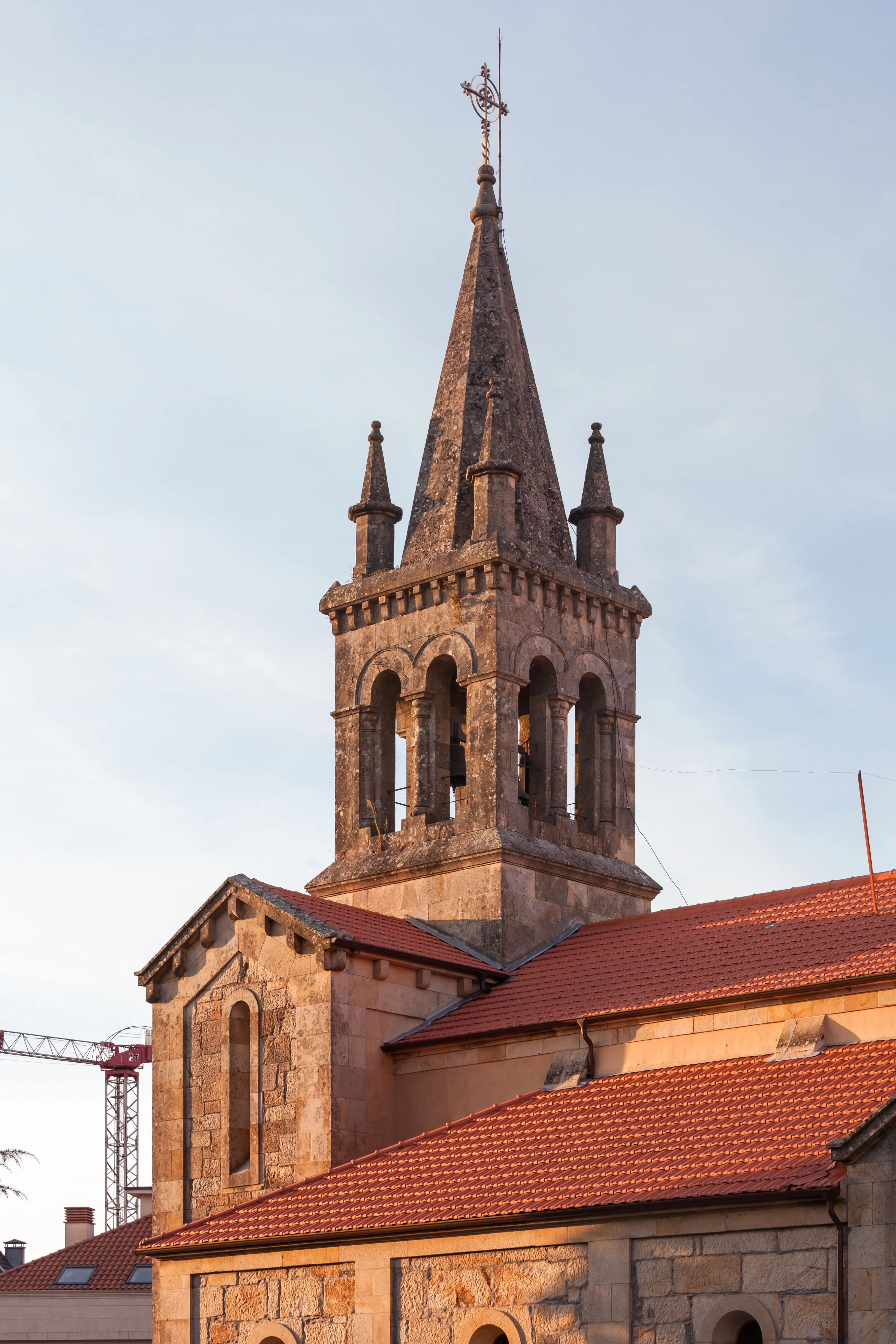
Lalín
Known as the "Zero Kilometer" of Galicia and capital of the stew, Lalín is a key gastronomic stop and service point on the Winter Way before joining the Via de la Plata.
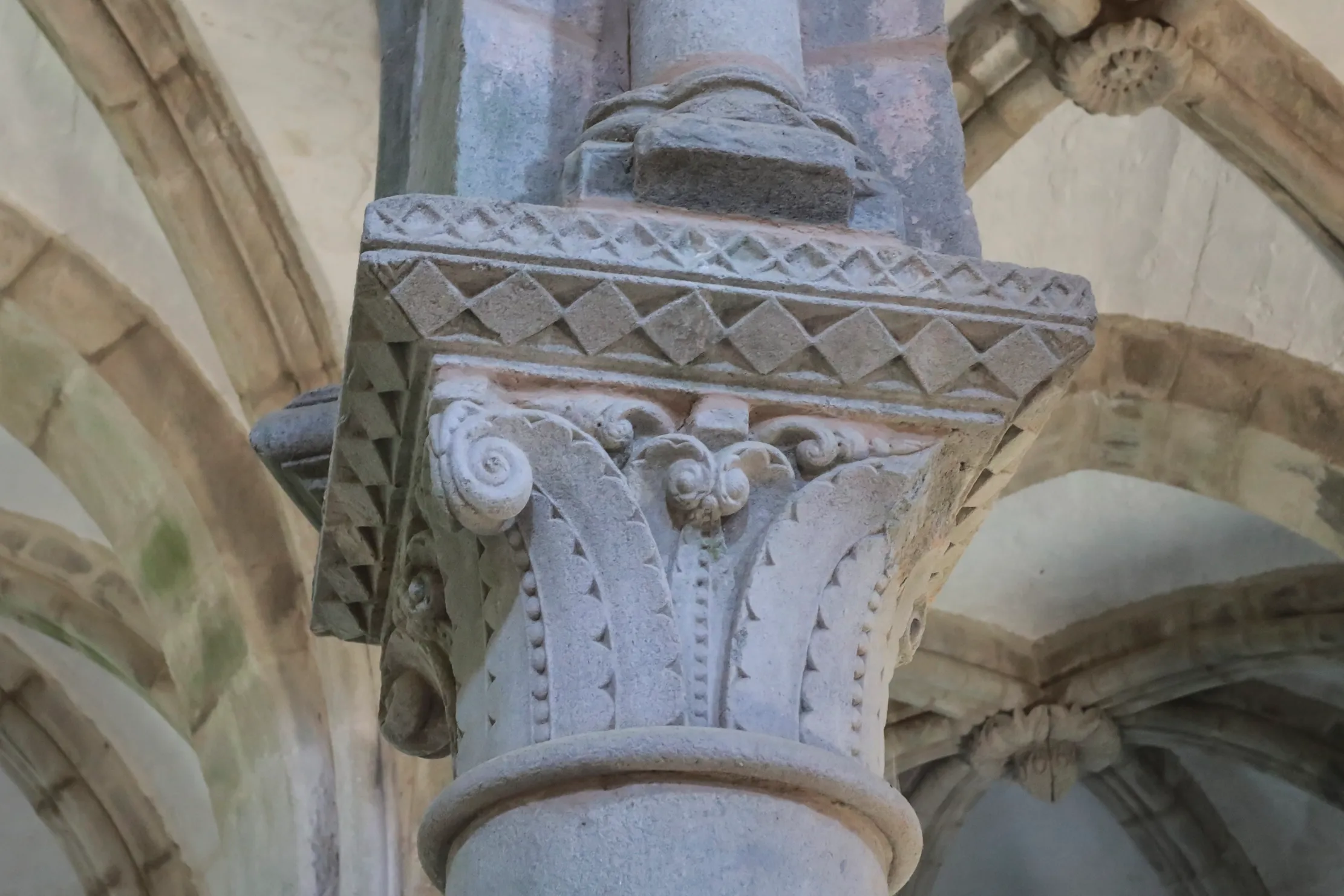
Silleda
Known as "Zero Mile of Galicia", Silleda is a vibrant fair and service centre. On the Winter Way, it offers a modern and well-equipped stop before Santiago.
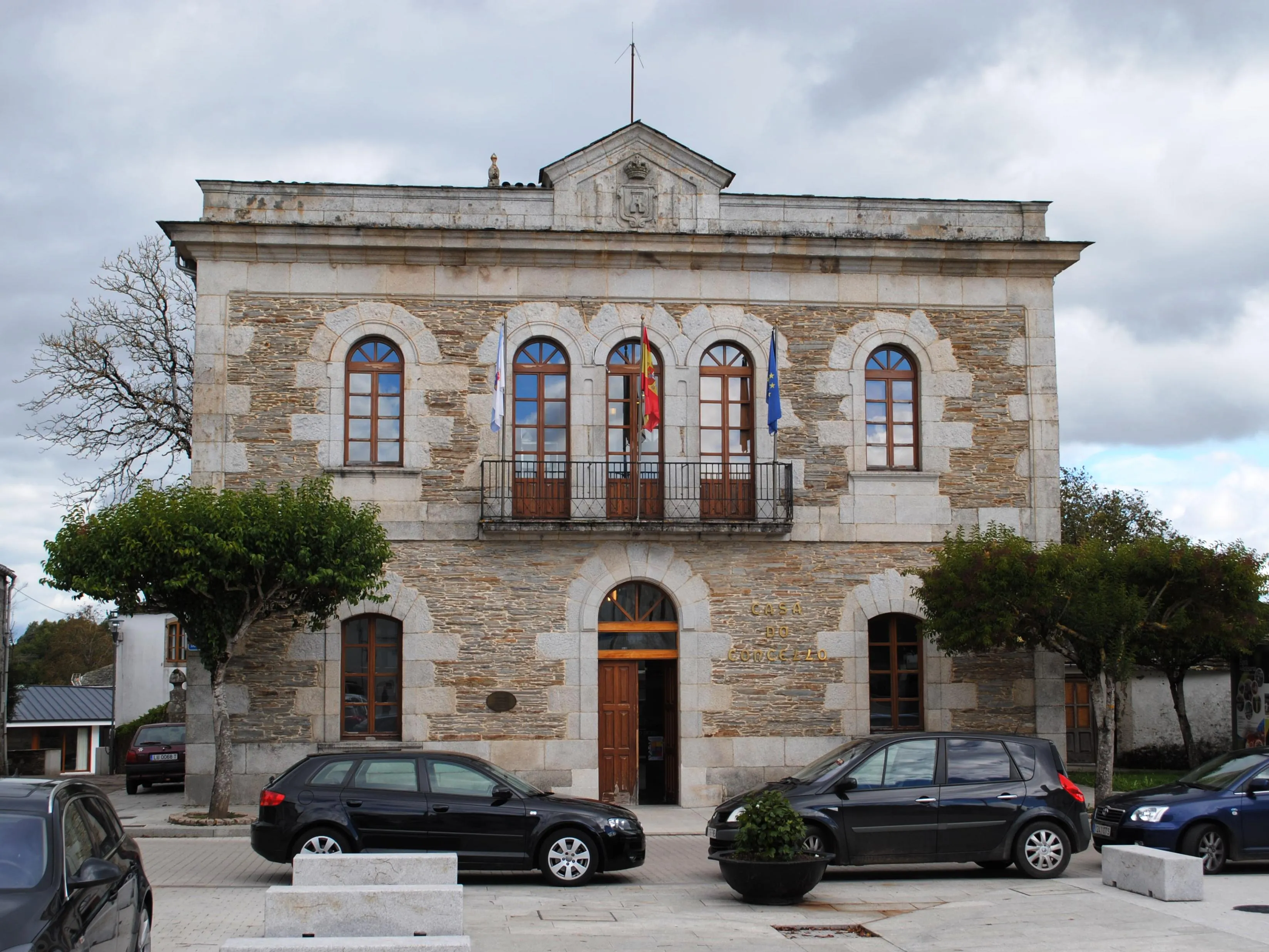
Outeiro
Small rural village on the outskirts of Santiago de Compostela. Outeiro offers the pilgrim a last breath of tranquility and Galician landscape before the final destination.
History of Winter Path
During the Middle Ages, the section of the Camino Francés that ascends from Villafranca del Bierzo to the high of O Cebreiro (1,300 meters) became an impassable barrier during long winter periods. The intense snows, ice, and gales not only made the path extremely dangerous but also often closed it completely, leaving pilgrims stranded. In response to this reality, folk wisdom and the experience of travelers gave shape to a natural detour. In Ponferrada, instead of continuing towards Villafranca, pilgrims turned westwards to follow the course of the River Sil, a geographical corridor that offered a lower altitude passage protected from the harsh climate.
This route was not an accidental invention but rather made use of existing pre-existing communication routes. Its path followed secondary Roman roads that connected important gold mines at Las Médulas with the rest of Gallaecia. This Roman past endowed the route with basic infrastructure such as bridges and roads, facilitating its use by pilgrims. The road entered Galicia through the Valdeorras region, always following the banks of the Sil River, which became the backbone of the route.
One of the most spectacular and historically charged sections is the passage through Ribeira Sacra. This region, a UNESCO World Heritage Site candidate, is famous for its impressive river canyons and houses one of Europe's largest concentrations of Romanesque monasteries and eremitorios. The existence of these monastic centers (such as Santo Estevo de Ribas de Sil or Santa Cristina) demonstrates that the Sil River valley was an important spiritual and communication corridor throughout the centuries, reinforcing the idea of continuous traveler transit, including pilgrims.
The route continued through significant medieval villages such as Monforte de Lemos, a lordship of the Counts of Lemos and a vital communication node in southern Lugo, and Chantada. From there, it directed itself towards the Deza region in Pontevedra. Near Lalín, the Winter Way converged with the Vía de la Plata in its variant of the Camino Sanabrés, sharing the final stages until Santiago de Compostela. This convergence highlights its logical geography as a route of convergence.
One of the most singular characteristics of this path is that it is the only Jacobean itinerary that covers all four Galician provinces: entering Ourense, traversing southern Lugo, entering Pontevedra, and concluding in A Coruña. Despite its historical use, for centuries it remained an "unofficial" route, less documented than the Camino Francés. Its revitalization has been a recent effort by historians, friends of the Camino associations, and public administrations. Thanks to their research, signage, and promotion efforts, the Winter Way was officially recognized as a Jacobean route by Santiago Cathedral in 2016. Today, it offers pilgrims an unique experience, more solitary and filled with history, with landscapes ranging from heroic viticulture vineyards to inner valley Galicia valleys.
Accommodations on the Route
The Winter Path has 179 verified accommodations along the entire route.
View Stages & AccommodationsPractical Tips for Winter Path
Best Season
Spring (April-June) and autumn (September-October) are the best seasons. Pleasant temperatures and fewer crowds than summer.
Physical Preparation
Train by walking progressively in the months before. Start with short distances and increase. Your body will adapt to the rhythm of the Camino.
What to Pack
Light backpack (max 10% of your weight), worn trekking shoes, breathable technical clothing, raincoat, sunscreen and basic first aid kit.
General Tips
Carry the pilgrim credential, stay hydrated, respect your pace, book accommodation in high season and enjoy the journey without rushing.
FAQ about Winter Path
Paradójicamente, el Camino de Invierno es transitable durante todo el año. Se llama así porque era la alternativa que usaban los peregrinos medievales en invierno para evitar las nieves del puerto de O Cebreiro en el Camino Francés, descendiendo por la Ribeira Sacra.
El Camino de Invierno tiene unos 263 km desde Ponferrada hasta Santiago de Compostela, distribuidos en 10 etapas. Pasa por la espectacular zona de la Ribeira Sacra, famosa por sus viñedos en bancales y monasterios medievales.
Sí, el Camino de Invierno está reconocido oficialmente y permite obtener la Compostela. Es una ruta menos transitada que ofrece autenticidad y paisajes únicos de la Ribeira Sacra, zona candidata a Patrimonio de la Humanidad.
El Camino de Invierno comienza en Ponferrada (León), en el mismo punto donde el Camino Francés entra en El Bierzo. Desde allí desciende por la Ribeira Sacra en lugar de subir a O Cebreiro, ofreciendo una alternativa más suave en condiciones de nieve invernal.
La Ribeira Sacra es uno de los tesoros del Camino de Invierno. Destaca por sus viñedos en bancales sobre el cañón del río Sil, sus monasterios medievales como San Esteban de Ribas de Sil, los miradores sobre el río y los cruceros de piedra gallegos. Es candidata a Patrimonio de la Humanidad.
La infraestructura ha mejorado mucho en los últimos años, aunque es menos densa que en el Camino Francés. En algunos tramos los albergues están en localidades pequeñas. Se recomienda planificar las etapas con antelación, especialmente fuera de temporada alta.
Con preparación adecuada, sí. Las etapas son de longitud media y los desniveles son menores que en el Camino Francés desde Saint-Jean. La Ribeira Sacra tiene algunos tramos con pendiente. Se recomienda llevar bastones y calzado con buen agarre.
A pesar del nombre, la mejor época es primavera (abril-mayo) cuando los viñedos reverdecen, u otoño (octubre) durante la vendimia. En invierno es perfectamente transitable al evitar la nieve del O Cebreiro, aunque puede ser frío y lluvioso en Galicia.
Ready for this adventure?
Let us organize your pilgrimage. We take care of accommodations, transfers and everything you need.