
Complete Guide to Fiber Way
The Wool Road connects Alicante with Burgos, following ancient routes of transhumance. A historic long-distance route through the Spanish interior to the French Way.
Last updated: 28/03/2026
Table of Contents
Technical Summary of Fiber Way
677 km
Distance
27
days
27
Stages
Media
Difficulty
125 accommodations available on the route
Introduction to Fiber Way
All Stages of Fiber Way
Complete route divided into 27 stages
Alicante to Orito
This stage continues across the Manchegan plain, on flat terrain with no difficulties. The landscape remains dominated by vineyards and fields of grain. It is a transition day that brings the pilgrim ...
Oriente towards Pequera
This stage enters the province of Cuenca, in a flat terrain and without difficulties. The landscape continues to be dominated by vineyards and fields of cereals. It is a day of transition that brings ...
To visit Villena
This is a short and flat stage that runs through the heart of La Mancha Conquense. The landscape is dominated by vineyards. It's a day to enjoy the peace of the countryside and wine culture. Arrival i...
Villena to Caudete
This stage is a journey to the heart of La Mancha and Don Quixote's universe. The route is flat and runs through a landscape of vineyards and olive groves. Arrival in El Toboso, Dulcinea's homeland, i...
Go to Almansa
The last and most magical stage of the Camino. It is charged with emotion and symbolism. The first part unfolds in a rural environment. The first major moment arrives at Lavacolla, where pilgrims used...
Almohalla to Alpera
This "super stage" links Jacobean capital with the end of ancient world in a single day, a challenge only suitable for cyclists or very well-prepared pilgrims. The route passes through rural Galicia, ...
Alpera to Alatoz
This long stage connects the capital of Galicia with the Virgin of the Barca sanctuary, a challenge for well-prepared cyclists or pilgrims. The route crosses the interior of Galicia, in a "break-neck"...
At the House of Casas Ibáñez
The first stage of the Camino del Norte is one of the most beautiful and demanding. The route ascends to Monte Jaizkibel, offering stunning views of the Cantabrian Sea and the Basque coast. After a te...
Houses of Ibañez to Villarta
This stage is a continuous rise and fall through the hills that separate San Sebastián from the coast of Zarautz. It's a beautiful day that combines sections in the interior with spectacular views to ...
Villarta to Campillo de Altobuey
This stage is one of the most spectacular along the Basque coast. The route follows a coastal path that winds its way over cliffs, offering stunning views of the Cantabrian Sea. The route passes throu...
Campillo of Altobuey to Monteagudo de las Salinas
This stage marks a radical change in landscape. The Camino leaves the coast to venture into the interior mountains of Biscay. It is a hard day's journey with a medium mountain profile and constant ups...
Mounteagudo de las Salinas to Fuentes (Cuenca)
This stage continues through the interior of Biscay, in a mid-mountain terrain. The profile is a continuous "breakneck", with several ascents and descents. The route passes through a beautiful landsca...
Sources (Cuenca) to Cuenca
This stage is approaching the great city of Bilbao. The profile is a continuous rise and fall through the hills surrounding Gernika Estuary. It's a beautiful day that alternates rural zones with more ...
Cuenca to Villar de Domingo García
This is a short stage that has as its destination the capital of Biscay. The journey involves climbing Mount Avril, from where the first and spectacular views of Bilbao and its bay are obtained. After...
Villar of Domingo García to Villaconejos de Trabaque
This stage is an urban and peri-urban route that takes the pilgrim out of Bilbao by following the Nervión River. The route passes through the industrial and working-class area of the Left Bank, a land...
Villaconejos de Trabaque to Salmerón (Guadalajara)
This is a short and beautiful stage that brings the pilgrim back to the coast. The route is an enjoyable stroll that skirts the mouth of the Nervión estuary. The route passes through the seaside villa...
Salmerón (Guadalajara) to Viana de Monjardín
This stage marks the entry into Cantabria. It is a day of great beauty that combines interior trails with spectacular views to the coast. The profile is a continuous rise and fall. The route runs thro...
Mondéjar to Cifuentes
This stage continues along the eastern coast of Cantabria. The profile is a continuous rise and fall, with sections of interior and sea views. The route passes through the small coastal village of Lie...
Sources for Mandayona
This is a short and beautiful stage that connects two of the most important coastal villages in Cantabria. The journey involves crossing the bay on a small boat, an unforgettable experience. After dis...
Punishes Atienza
This stage moves away from the coast to venture into the interior of Cantabria. The profile is a continuous rise and fall through a landscape of green meadows and small villages. It's a day of great b...
Wait for Retortillo of Soria
This stage is headed for the elegant capital of Cantabria. The route is an enjoyable stroll that approaches the bay of Santander, one of the most beautiful in the world. The journey involves crossing ...
Retortillo de Soria to Fresno de Caracena
This long stage connects the capital of Cantabria with one of Spain's most beautiful villages. The route is a continuous rise and fall along the central coast of Cantabria, through a landscape of mead...
Caracena to San Esteban de Gormaz
This stage connects two of the most monumental villas in Cantabria. The route is a continuous rise and fall along the western coast, through a landscape of meadows and forests. It's a day of great bea...
St. Stephen of Gormaz to Quintanarraya
This stage marks the entry into Asturias. The route follows the coastline, passing through the beautiful seaside town of San Vicente de la Barquera, with its bridge and castle over the estuary. After ...
Quintana-Rurata to Santo Domingo de Silos
This stage enters the eastern coast of Asturias. The route is a continuous rise and fall through a landscape of green meadows, cliffs, and spectacular beaches. It's a day of great beauty that allows y...
Saint Dominic of Silos to Mecerreyes
This long stage continues along the eastern coast of Asturias. The profile is a continuous rise and fall, with interior sections and spectacular views to the sea. The route passes through a beautiful ...
Mecerreyes in Burgos
This stage moves away from the first line of coast to venture into the interior, at the feet of the Sierra del Sueve. The profile is a continuous rise and fall through a landscape of meadows and fores...
Key Towns of Fiber Way
The most important towns and cities on this route.
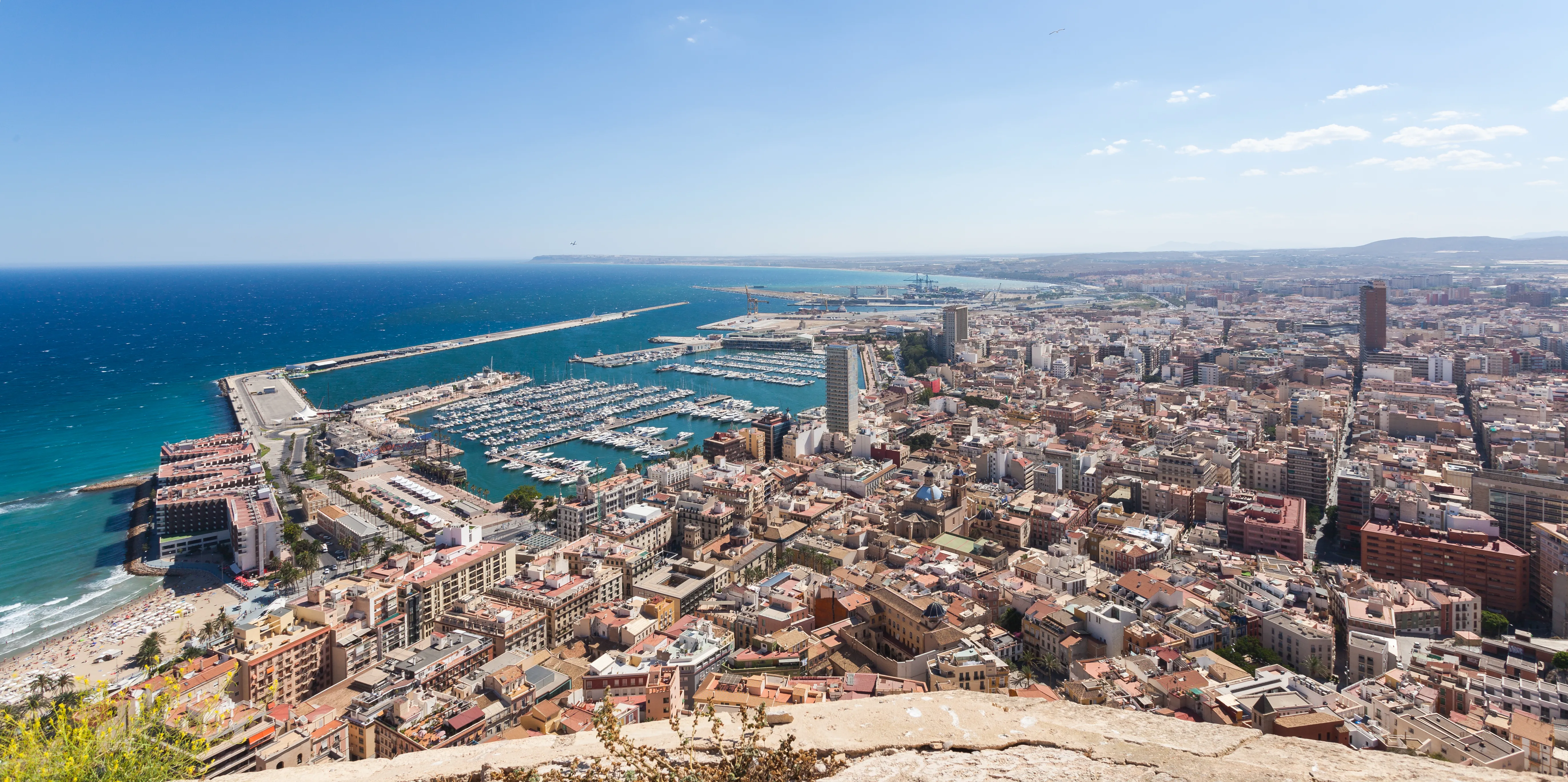
Alicante
Mediterranean city and starting point of the Southeastern Way. Alicante offers the pilgrim a bright start to the route, between its castle, beaches, and vibrant Explanada.
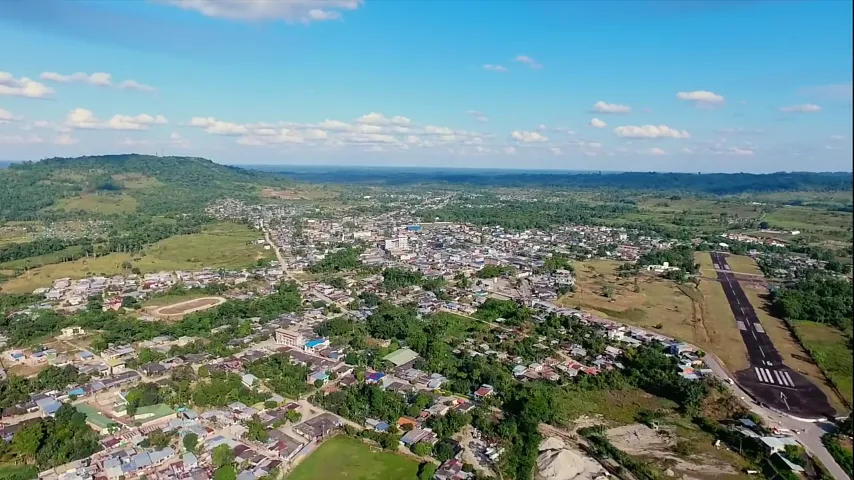
Orito
300 mPilgrim center at the beginning of the Southeastern Way. Orito, with the Cave of St. Pascual Bailon, is a place of deep popular devotion and an spiritual haven for the pilgrim.
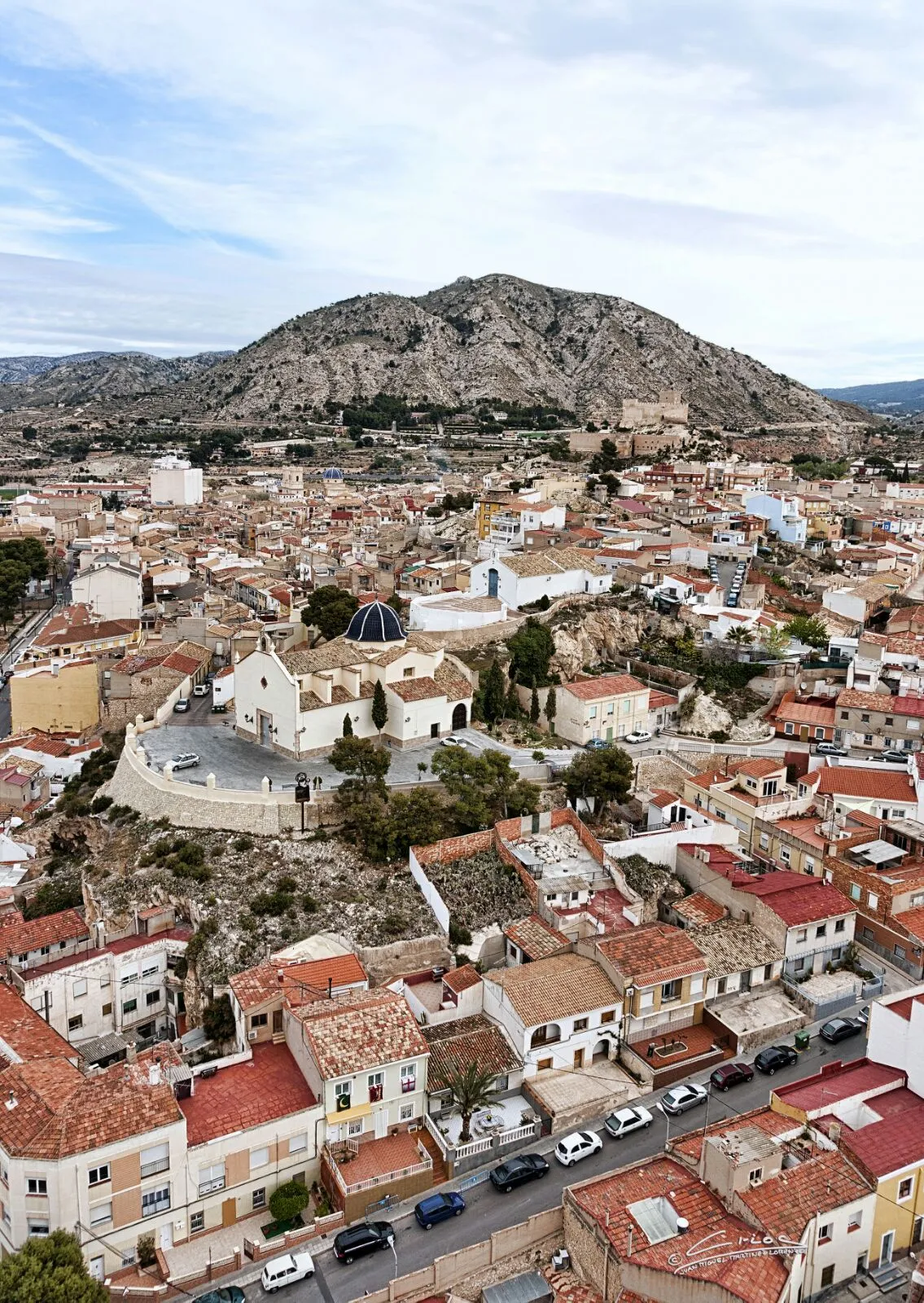
Petrer
450 mAlicante villa crowned by an imposing medieval castle. Petrer is a stop with history and shoemaking tradition on the Southeastern Way, at the heart of the Vinalopó valley.
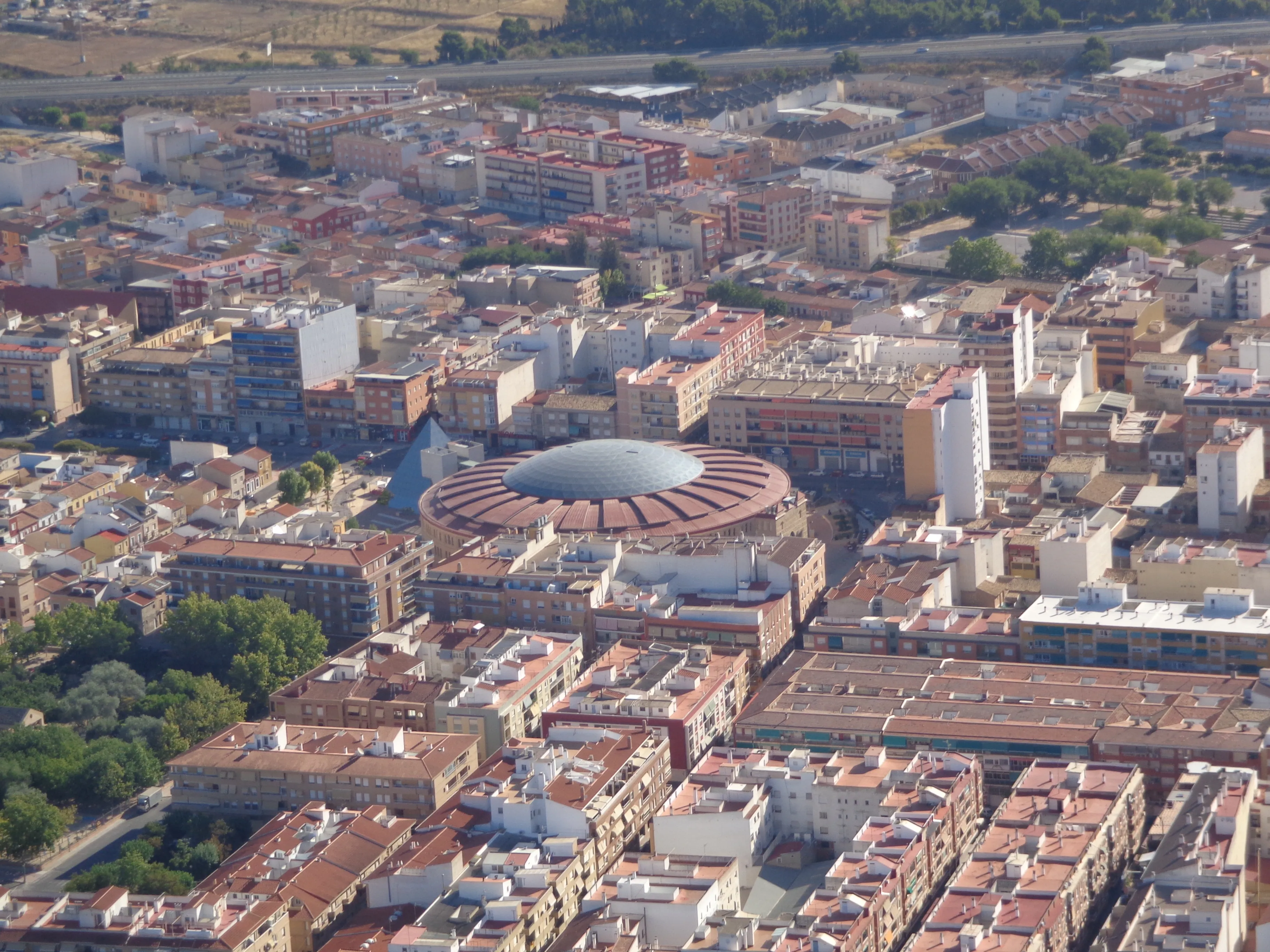
Villena
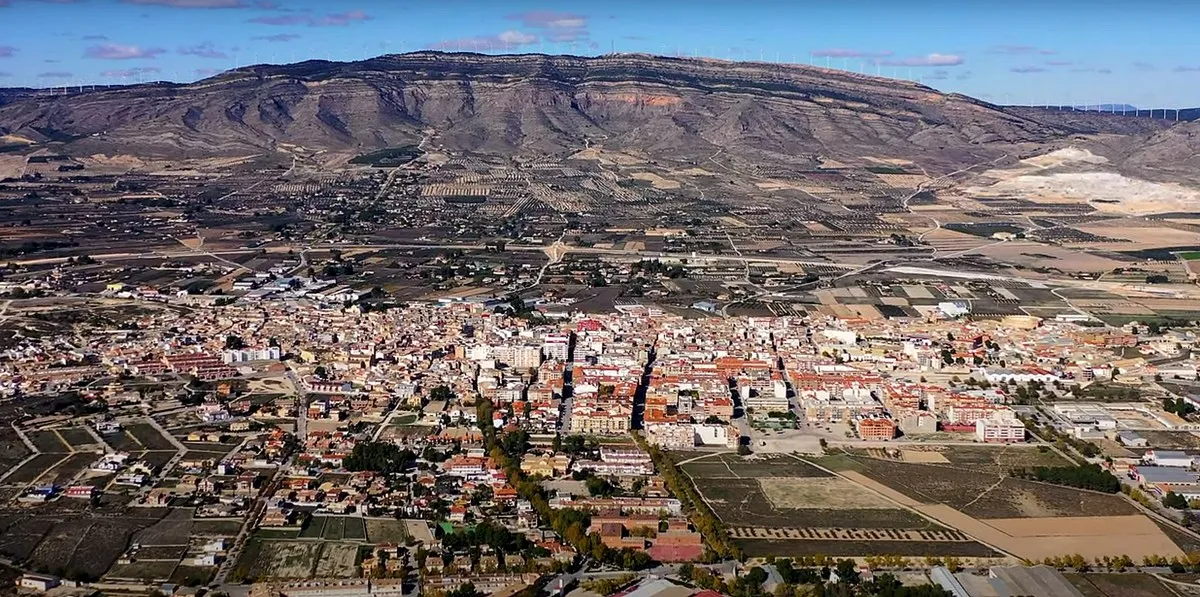
Alicante, a city on the Southeastern Route of the Camino, dominated by the imposing Castle of La Atalaya. A historic stop for pilgrims before entering the plateau.
Caudete
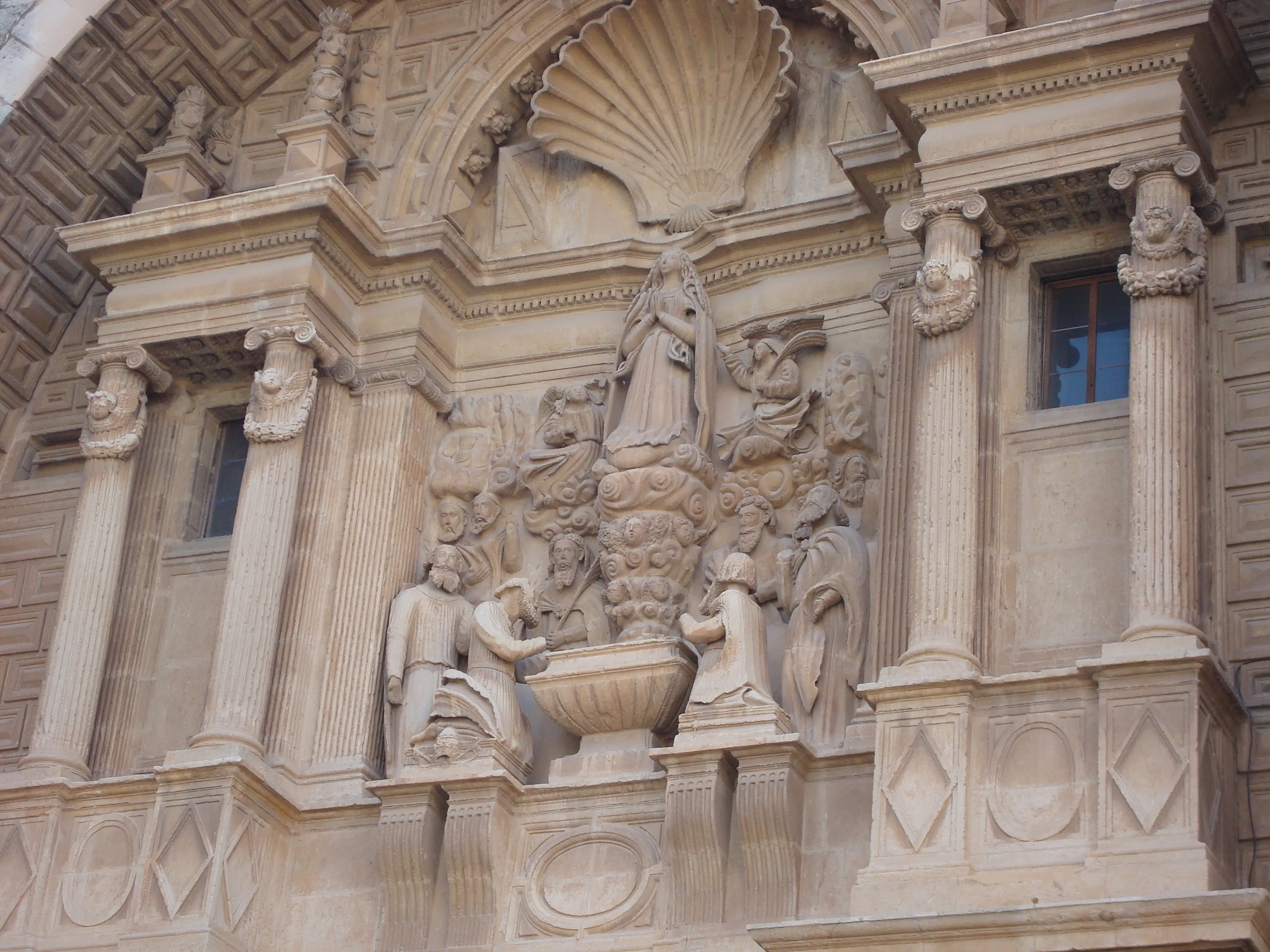
550 mHistoric Albatelean village on the border with the Valencia Community. Caudete, with its castle and sanctuary, is a monumental stop on the South East Route.
Almansa
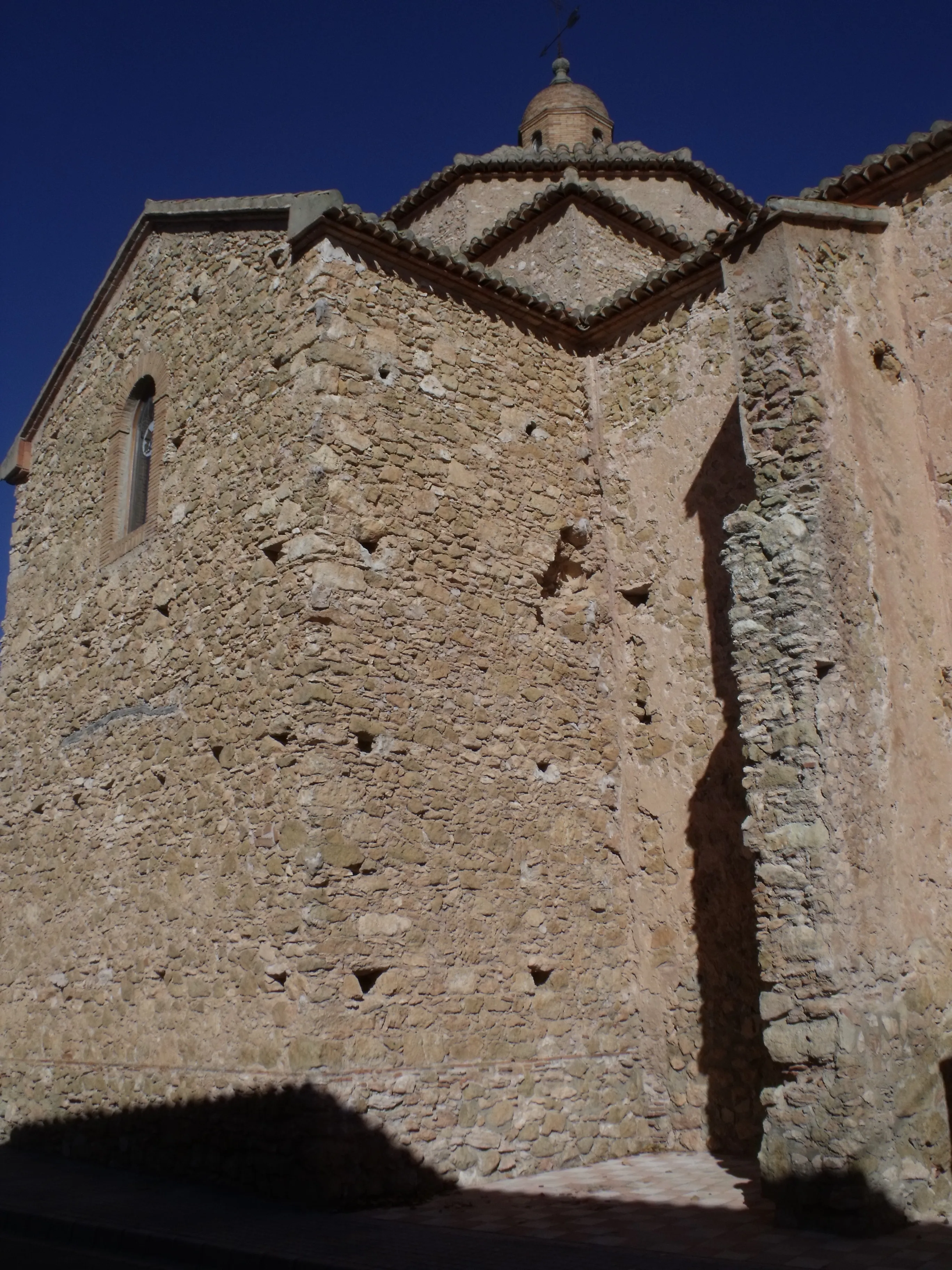
Albacetean city on the Southeast Route, famous for its spectacular rocky castle, one of the most beautiful in Spain. A historic and monumental stop in La Mancha.
Alpera
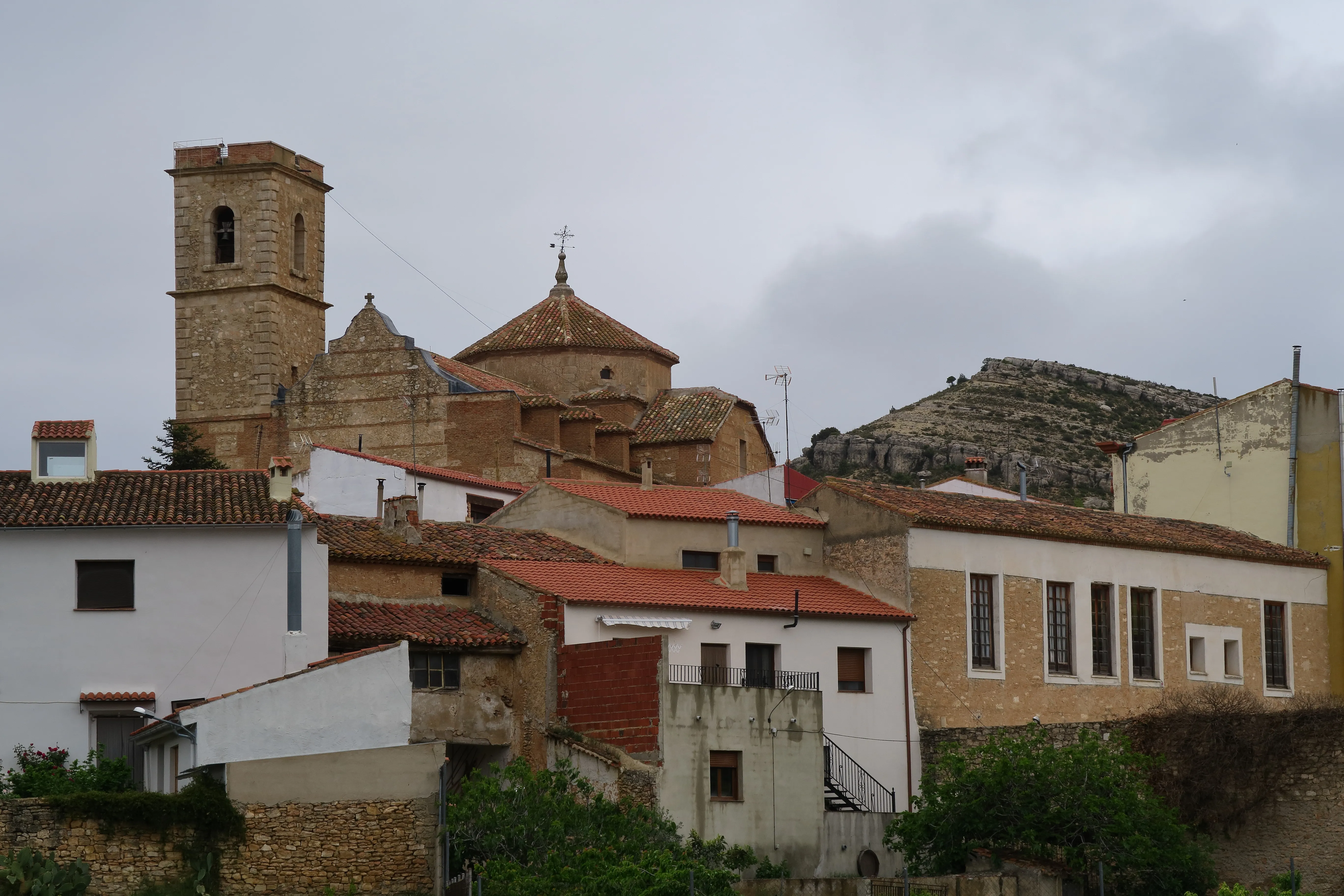
800 mAlbacetean municipality with a valuable prehistoric legacy. Alpera is famous for its rock shelters with Levantine rock art paintings, declared World Heritage by the UNESCO.
Alatoz
880 mPeaceful Albateño town on the Way of the Wool. Alatoz offers the pilgrim a genuine rural retreat in an environment of agricultural and forest landscapes.
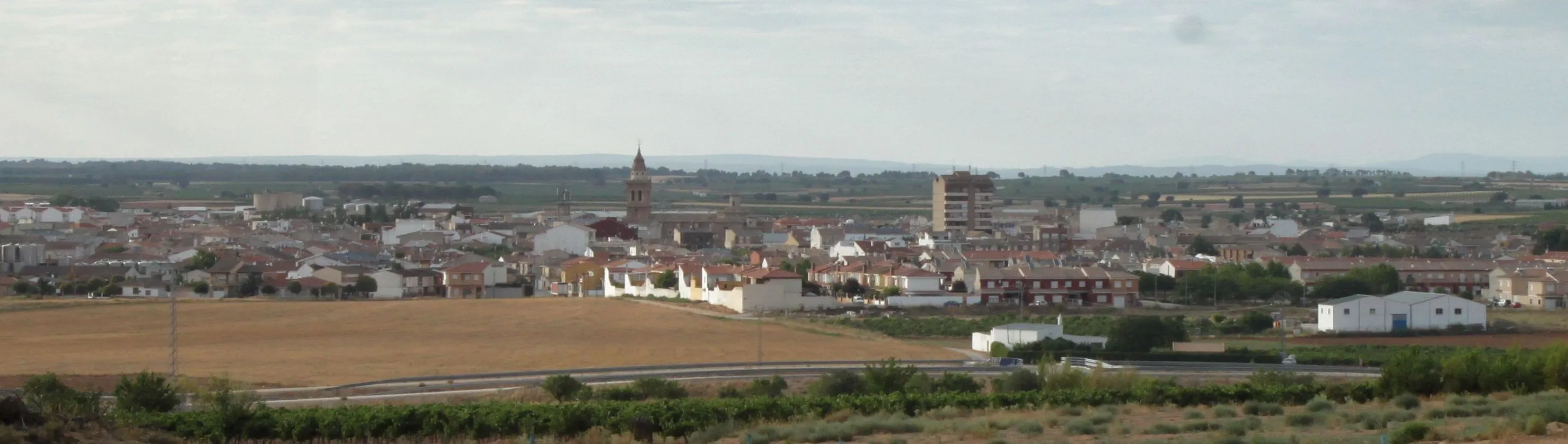
Casas Ibáñez
710 mCapital of the Manchuela region. Casas-Ibáñez is a dynamic service center on the Way of the Wool, with a rich wine-making tradition and an lively atmosphere.
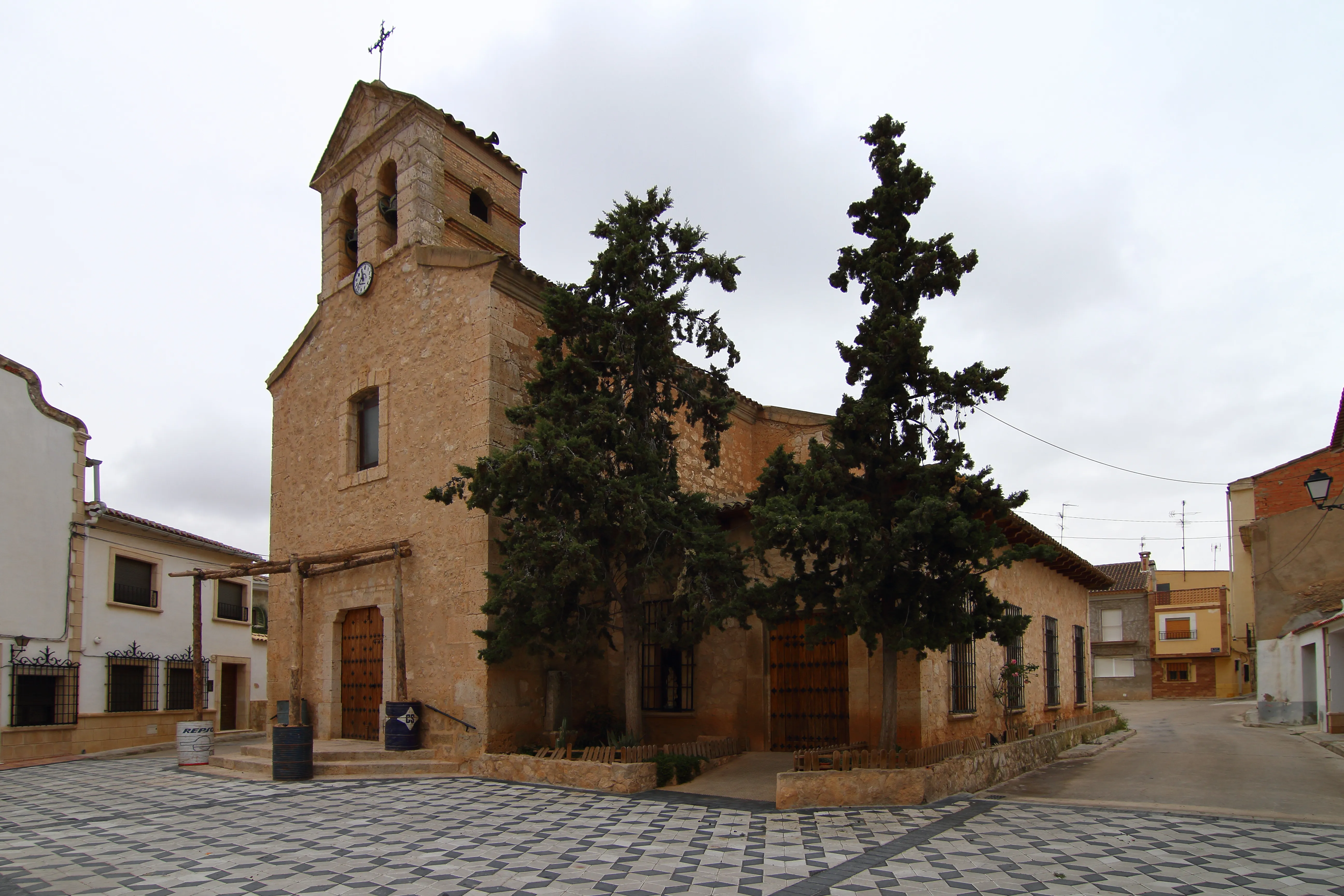
Villarta
800 mSmall town conquered in the Manchuela region. Villarta offers a peaceful refuge to pilgrims on the Wool Road, an authentic rural setting.
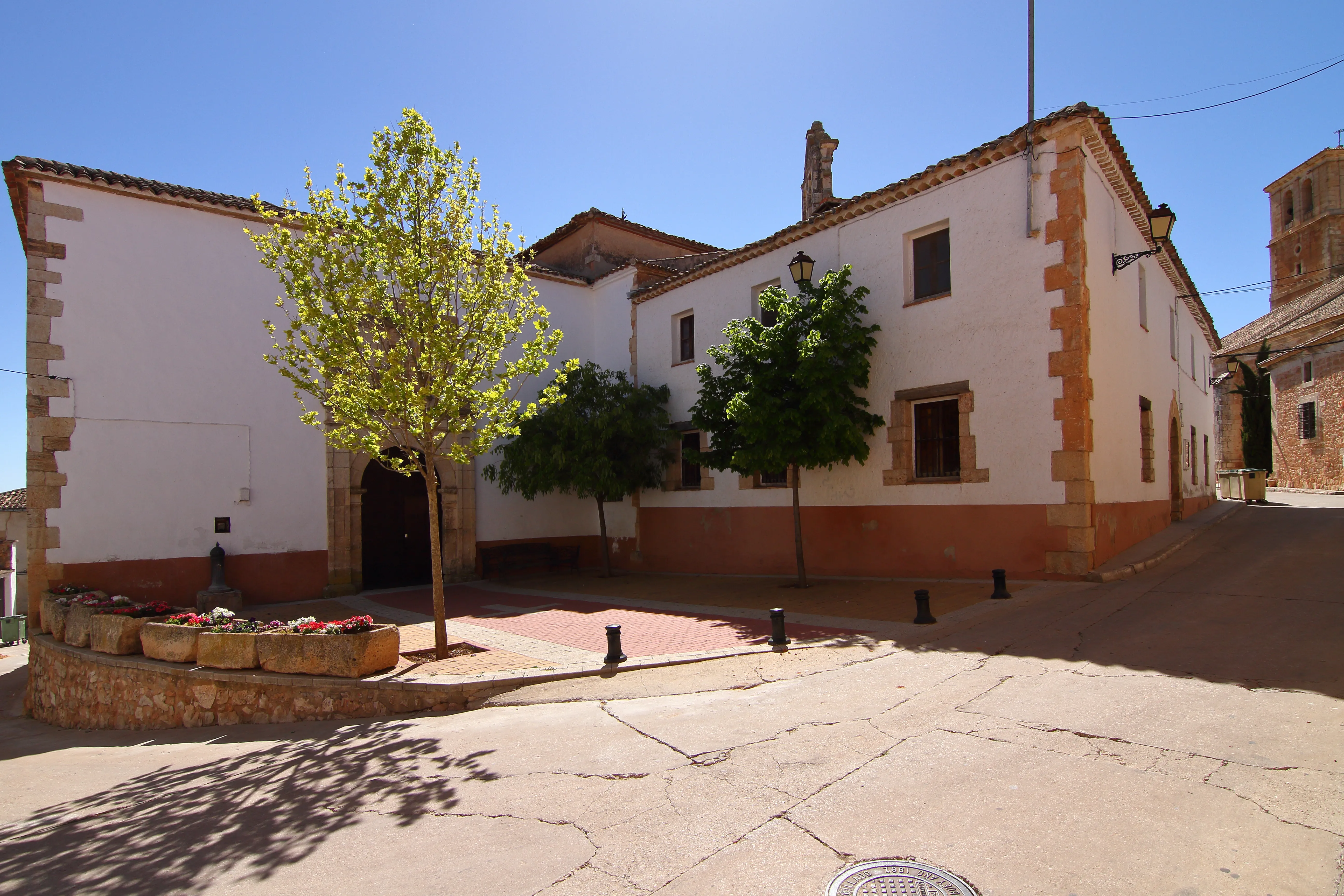
Campillo de Altobuey
940 mConquense is conquered with an important baroque heritage. Campillo of Altobuey is a monumental stop on the Way of the Wool, with one of the most spectacular churches in the province.
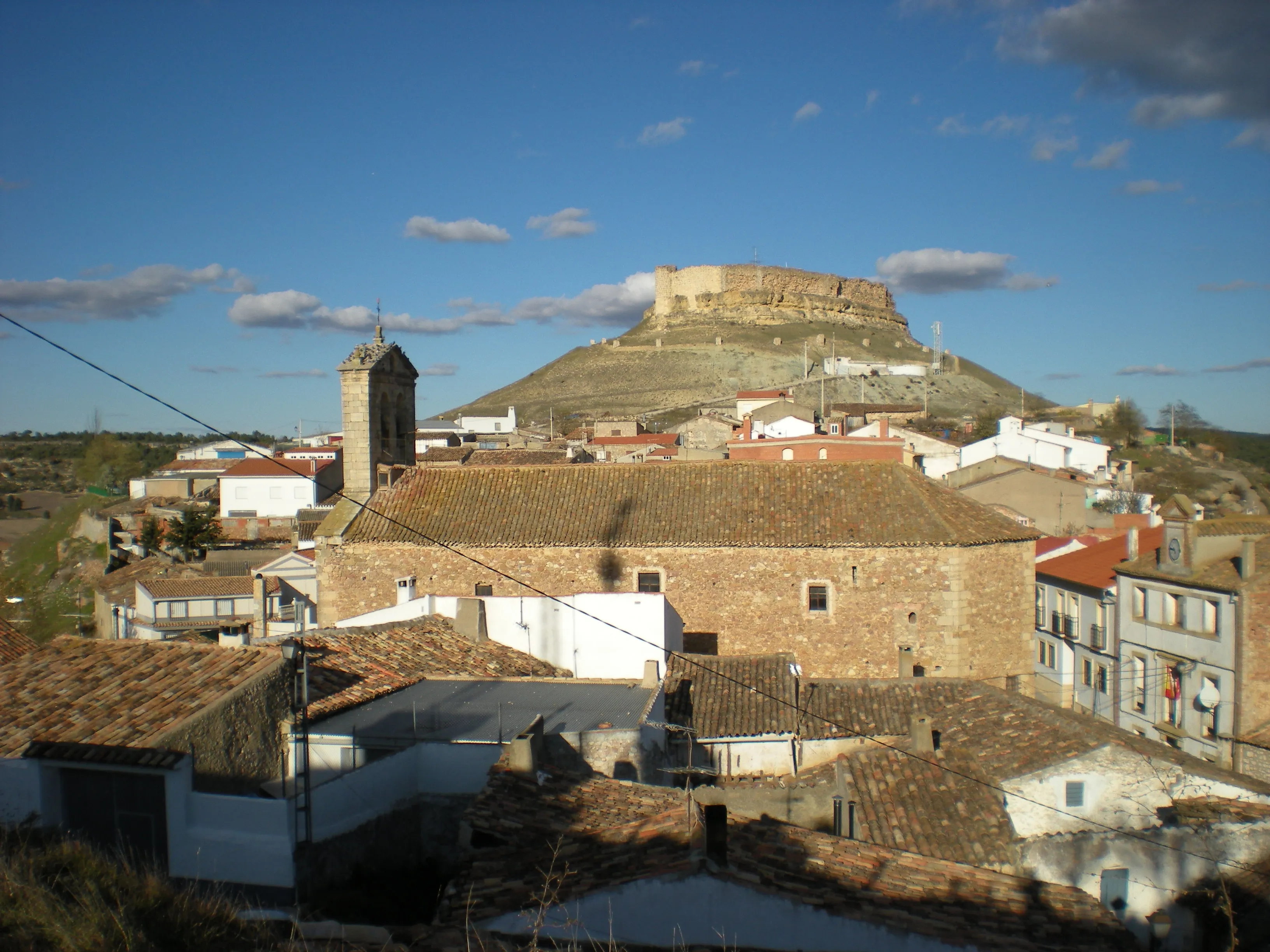
Monteagudo de las Salinas
1000 mConquest town with a medieval castle. Monteagudo de las Salinas, in the Sierra de Cuenca, is a stopover with history and an ideal natural environment for rest.
History of Fiber Way
The history of this road is the story of The Mesta, the "Honorable Council of the Mesta", a powerful association of sheep farmers created in 1273 by King Alfonso X the Wise. The Mesta controlled the lucrative wool trade for centuries, highly prized throughout Europe. To ensure the movement of massive flocks between summer pastures in the north and winter pastures in the south, a network of protected roads was established: the royal canals. These routes, up to 75 meters wide, were genuine livestock highways, safe and open to the public, that crossed the peninsula.
Medieval pilgrims and those of the Modern Age, always practical, used these magnificent infrastructure for their own journeys. For an inhabitant of the southeast (Alicante, Valencia, Cuenca) who wanted to go to Santiago, following the canals was the safest and most direct option to head north. These routes were equipped with wells, bridges, and refuges that, although designed for shepherds, also served pilgrims.
The Wool Road therefore starts in Alicante and begins its long ascent to the Meseta. It collects tributaries from other regions that produce wool, such as Cuenca or the Alcarria of Guadalajara. One of the most important milestones on the route is the city of Cuenca, a World Heritage Site. The pilgrim, after passing through its famous Hanging Houses and Gothic cathedral, continued their journey through the serranía, a landscape of canyons and pine forests.
The route continues north, crossing the Alcarria, land of honey and aromatic plants, and enters the province of Soria, passing by historic villages such as Atienza. A climactic moment in the journey, both spiritual and artistic, is the arrival near the Monastery of Santo Domingo de Silos, in the province of Burgos. The visit to its cloister, one of the universal masterpieces of Romanesque art, and listening to its famous Gregorian chant, were a sublime reward for the pilgrim.
The final destination of the Wool Road is the city of Burgos. Upon arriving at this historic capital of Castile and one of the key points on the Camino Francés, the pilgrims of the wool joined the international flow of walkers. They had completed a genuinely peninsular route, following the economic wealth routes of the country, to join the great spiritual wealth road of Europe.
Its modern revival has highlighted an itinerary of great diversity in landscape and culture. It's a less-traveled path that requires planning but offers a highly authentic experience. To walk the Wool Road is to immerse oneself in rural and economic history of Spain, a meditative journey through the silent landscapes of Spain's interior, following the invisible trail of millions of sheep and the footsteps of pilgrims who shared their route.
Accommodations on the Route
The Fiber Way has 125 verified accommodations along the entire route.
View Stages & AccommodationsPractical Tips for Fiber Way
Best Season
Spring (April-June) and autumn (September-October) are the best seasons. Pleasant temperatures and fewer crowds than summer.
Physical Preparation
Train by walking progressively in the months before. Start with short distances and increase. Your body will adapt to the rhythm of the Camino.
What to Pack
Light backpack (max 10% of your weight), worn trekking shoes, breathable technical clothing, raincoat, sunscreen and basic first aid kit.
General Tips
Carry the pilgrim credential, stay hydrated, respect your pace, book accommodation in high season and enjoy the journey without rushing.
FAQ about Fiber Way
El Camino de la Lana, con una distancia total de 677 km, se estima que lleva aproximadamente 27 días completar. Este camino ofrece un desafío moderado y es ideal para aquellos buscando una experiencia más tranquila y menos transitada en comparación con otros caminos jacobeos.
La mejor época para emprender el Camino de la Lana es durante las temporadas media, específicamente entre abril y junio o septiembre y octubre. Durante este periodo se disfruta de un clima agradable con temperaturas medias que van desde 8°C hasta 20°C y una menor concentración de peregrinos en comparación con la temporada alta de verano.
El costo para realizar el Camino de la Lana con Ourway Travel varía según las necesidades del peregrino. Nuestras tarifas incluyen servicios como traslado de equipaje, reservas de alojamiento y asesoramiento personalizado durante tu viaje. Para obtener una cotización precisa, te recomendamos contactarnos directamente para que podamos evaluar tus requisitos específicos.
Al reservar el Camino de la Lana a través de Ourway Travel, recibes un paquete completo que incluye traslado de equipaje desde y hacia tu destino, alojamiento en albergues o pensiones seleccionadas cuidadosamente para ofrecerte comodidad y confort, así como asesoramiento personalizado durante todo el recorrido. Además, gestionamos la obtención de tu credencial del peregrino.
El Camino de la Lana ofrece una alternativa única al tradicional y más transitado Camino Francés. Este camino histórico, que sigue antiguas rutas de trashumancia, te permite explorar zonas menos visitadas de España, proporcionando un contacto directo con la cultura rural y la historia del comercio de lana en el país. Aunque es más largo (677 km) y con una infraestructura aún en desarrollo, ofrece soledad y tranquilidad a cambio de una mayor dificultad.
El Camino de la Lana es especialmente recomendado para aquellos que buscan una experiencia única y menos turística. Este camino, rica en historia y cultura rural, ofrece un recorrido a través del corazón verde de España, lejos del bullicio de las grandes urbes. Si ya has completado otros caminos hacia Santiago, el Camino de la Lana te permitirá sumergirte en una experiencia más tranquila y auténtica de la vida rural española, con paisajes impresionantes y un clima propicio para disfrutar del viaje a tu ritmo.
Para reservar el Camino de la Lana con Ourway Travel, simplemente visita nuestro sitio web o ponte en contacto directamente con nosotros. Nuestros expertos estarán encantados de asistirte en cada paso del proceso: desde la evaluación de tus necesidades hasta la planificación y reserva de tu ruta. También gestionamos todas las reservas necesarias, incluyendo alojamientos y traslado de equipaje.
La credencial del peregrino es un documento crucial durante tu viaje. Con Ourway Travel, gestionamos la obtención y entrega de esta importante documentación para asegurar que estés completamente preparado desde el inicio de tu camino. Simplemente menciona tus intenciones al iniciar la planificación con nosotros y nuestro equipo se encargará del resto.
Ready for this adventure?
Let us organize your pilgrimage. We take care of accommodations, transfers and everything you need.