
Camino de Santiago
Fiber Way
The Wool Road connects Alicante with Burgos, following ancient routes of transhumance. A historic long-distance route through the Spanish interior to the French Way.
Organize your Fiber WayLast updated: 21/05/2025
The Route
General Description of Fiber Way
Related Routes
Connections of Fiber Way
Camino Francés
779 km
33
Moderate
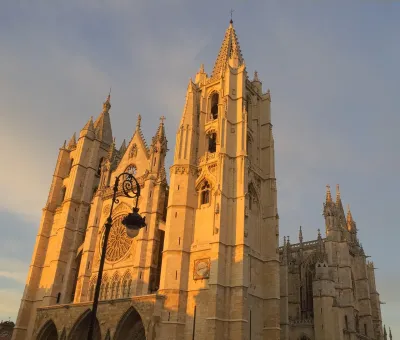
The Camino Francés is the pilgrimage route to Santiago par excellence, chosen by thousands of pilgrims every year. Running roughly 780 km from Saint-Jean-Pied-de-Port, or slightly less from Roncesvalles, it crosses northern Spain. This path, declared a World Heritage Site by UNESCO, offers an exceptional network of services and pilgrim hostels. Pilgrims make their way through Navarra, La Rioja, Castilla y León, and finally Galicia, marveling at cities rich in monuments such as Pamplona, Burgos, and León, and at villages with a charm of their own. The diversity of its scenery is one of its great draws, from the Pyrenees and the Castilian plains to the green forests of Galicia. It is a physical and spiritual journey that leaves an indelible mark, ideal both for seasoned pilgrims and for those setting out on the Camino de Santiago for the first time.
Stages of this variant:
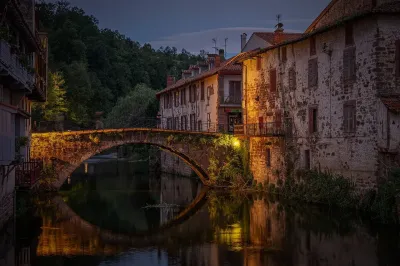
Stage 1: Saint-Jean-Pied-de-Port to Roncesvalles
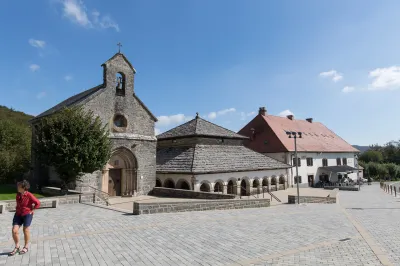
Stage 2: Roncesvalles to Zubiri
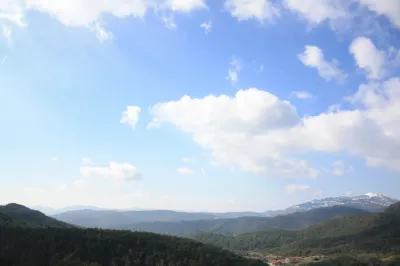
Stage 3: Zubiri to Pamplona
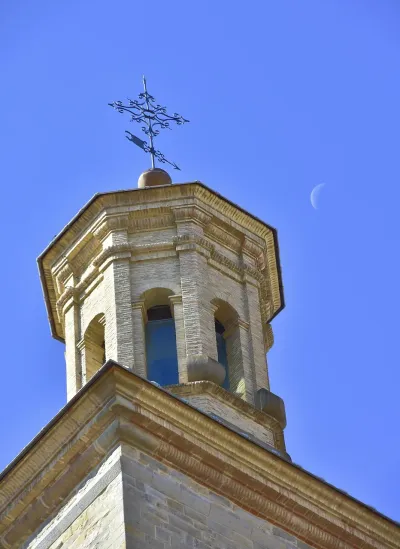
Stage 4: Pamplona to Puente la Reina
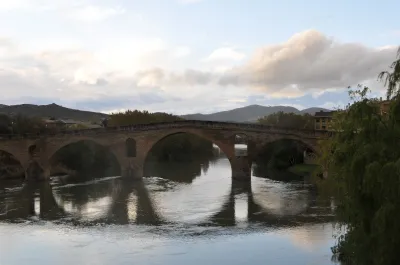
Stage 5: Puente la Reina to Estella
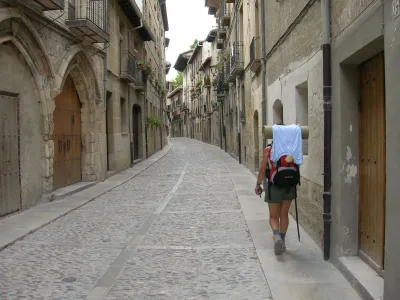
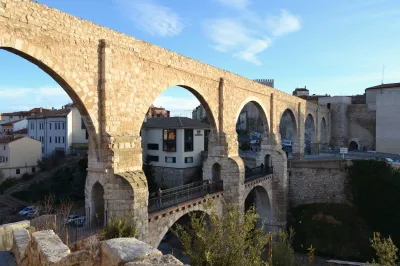
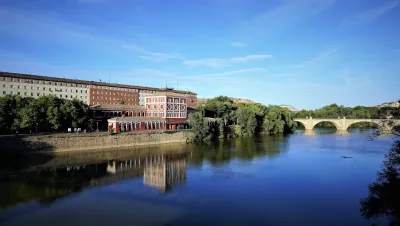
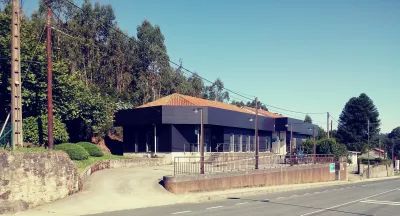
Route of the Castle and Aragon
239 km
8
High
The Camino Castellano-Aragonés is a Jacobean route that connects the Ebro valley from Gallur (Zaragoza) to the Lana Way in Burgos province. This 239 km itinerary serves as a bridge between eastern peninsula routes (such as the Ebro Way) and Castilian roads leading to the French Way.
It traverses the middle Ebro valley and enters Soria province, passing by the monumental Tarazona. It offers a rural route through areas with rich historical and natural heritage, although less known and trafficked, ideal for those seeking a more solitary experience.
Stages of this variant:
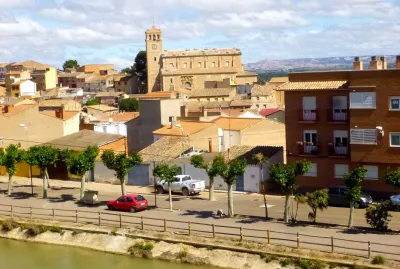
Stage 1: Gallur to Borja
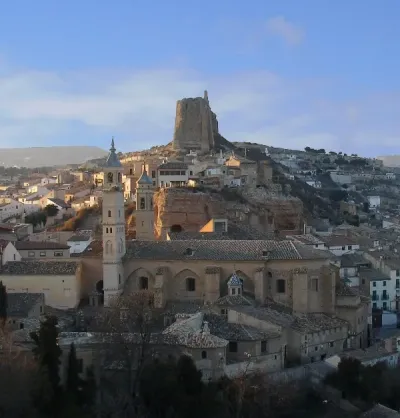
Stage 2: Borja to Tarazona
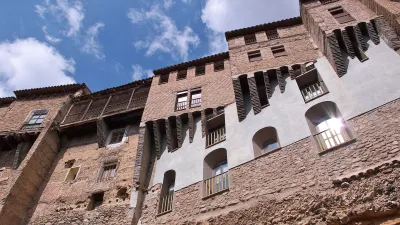
Stage 3: Tarazona to Ágreda
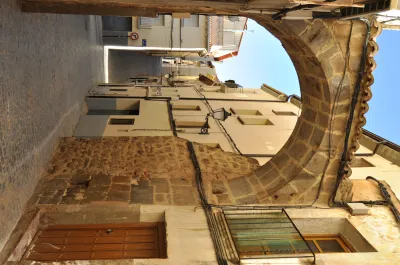
Stage 4: Ágreda to Pozalmuro
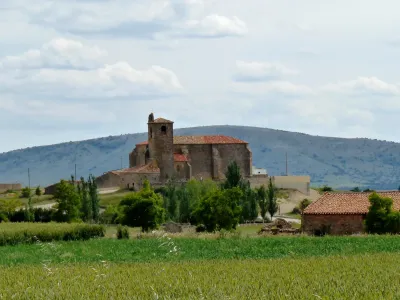
Stage 5: Pozalmuro to Soria
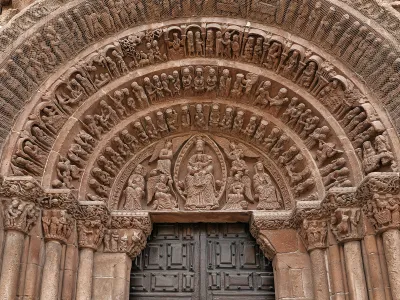
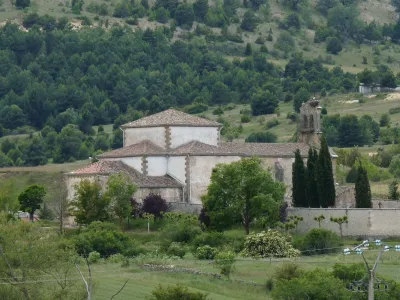
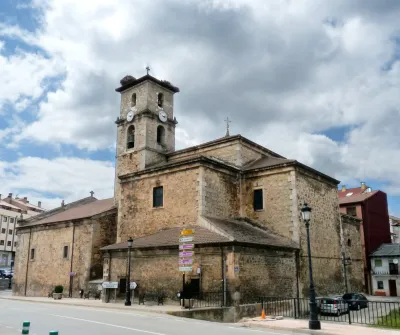
Elevation Profile of
Elevation Profile of Fiber Way
Visualize the ups and downs of the route.
Loading elevation profile...
Error loading elevation profile or altitude data not available.
Your trip with Ourway
Everything you need for your Camino
No hassle. Your perfect route, from start to finish.
Accommodation
Selected hotels and hostels at every stage
Luggage transfer
Your backpack travels from stage to stage
Camino Guide
Detailed map with directions and services
24h Support
Team available for any unforeseen event
Pilgrim credential
Official documentation included
No commitment
Free personalized consultation
Walk this route with us
Fancy walking this route?
We don't have a ready-made package for this route yet, but we'll organise it around you. Tell us how you'd like to experience it and a specialist will reply within 24 h.
Request your proposalStages
Stages of Fiber Way
Alicante → Orito
Inicio de la peregrinación en la costa, con un recorrido que combina el ambiente urbano y la huerta alicantina antes de llegar al santuario de Orito.
Orito → Petrer
This stage continues through the Vinalopó valley in a gentle slope terrain. The landscape is dominated by vineyards and fields of cultivation. It's a transition day that brings the pilgrim closer to t...
Petrer → Villena
This is a short and gentle stage that unites two of the most important villages in the Vinalopó Valley. The landscape remains dominated by vineyards. The destination is Villena, a city with an impress...
Villena → Caudete
Stage of the Southeastern Way (also shared with the Camino de la Lana) in the corridor between the provinces of Alicante and Albacete. The 18 km link Villena (with its impressive castle of La Atalaya ...
Towns
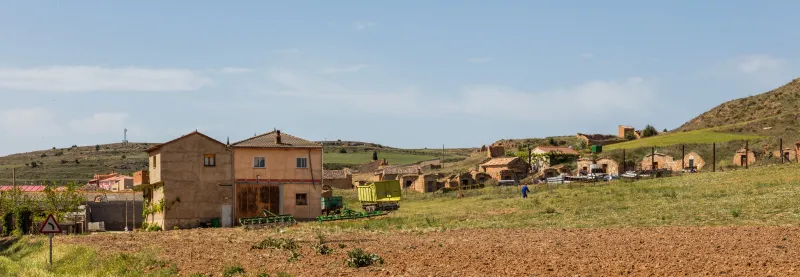
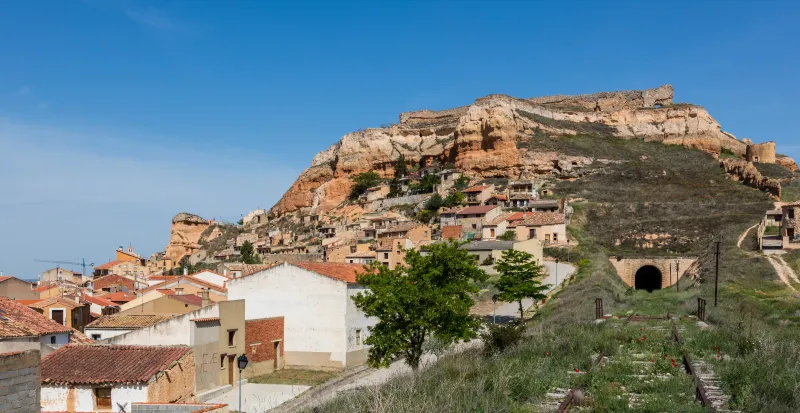
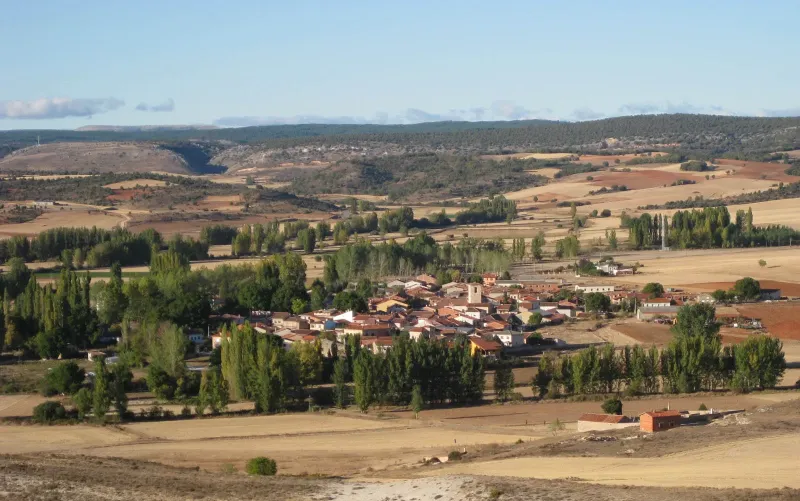
Featured Towns of Fiber Way
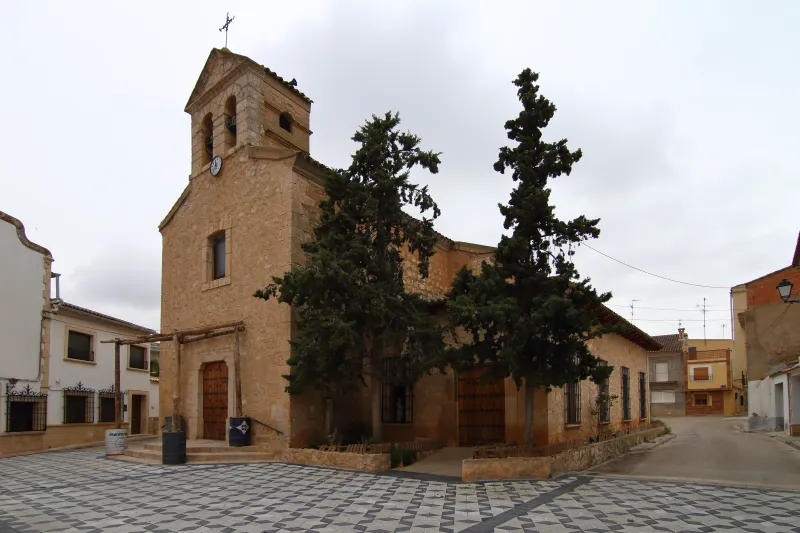
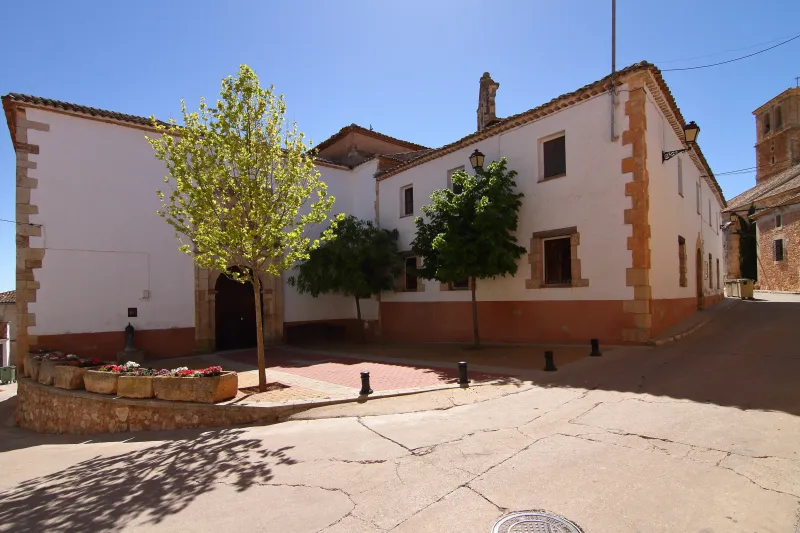
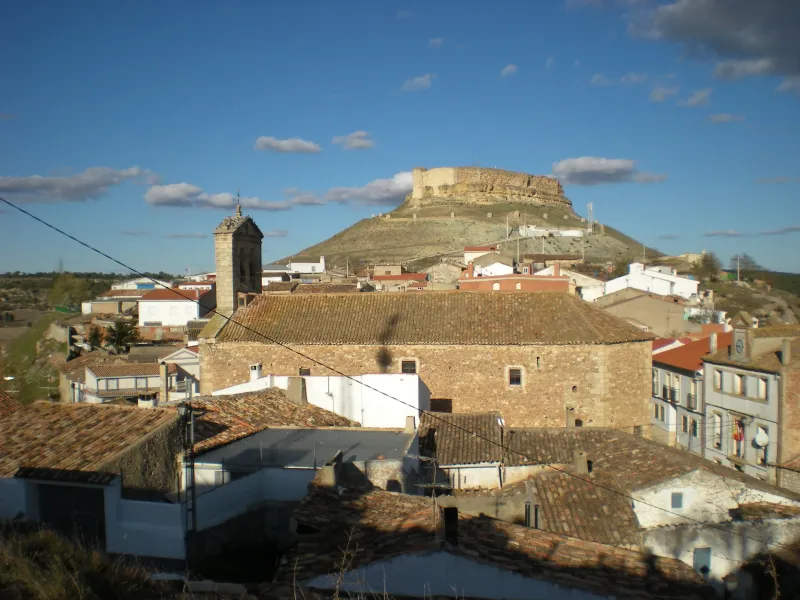
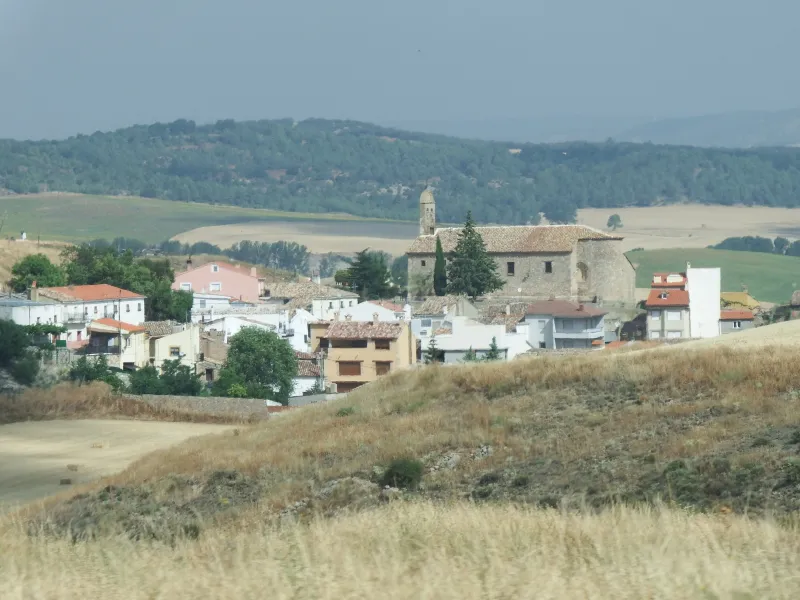
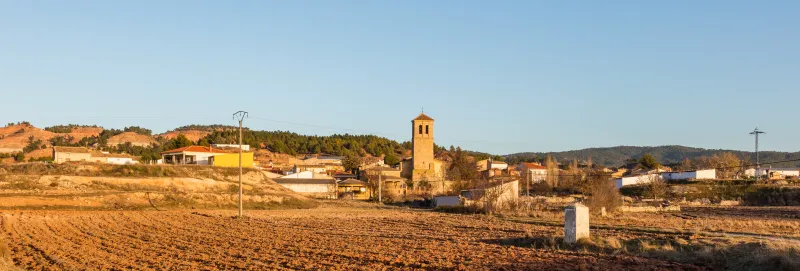
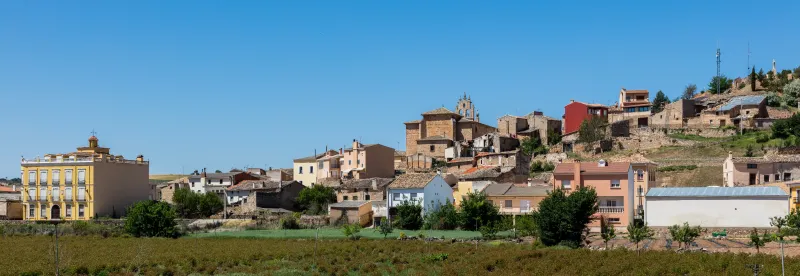
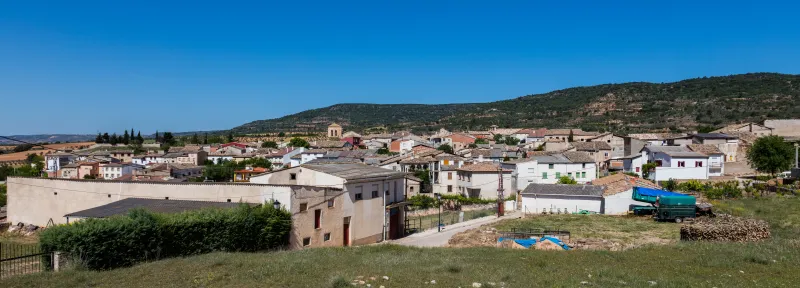
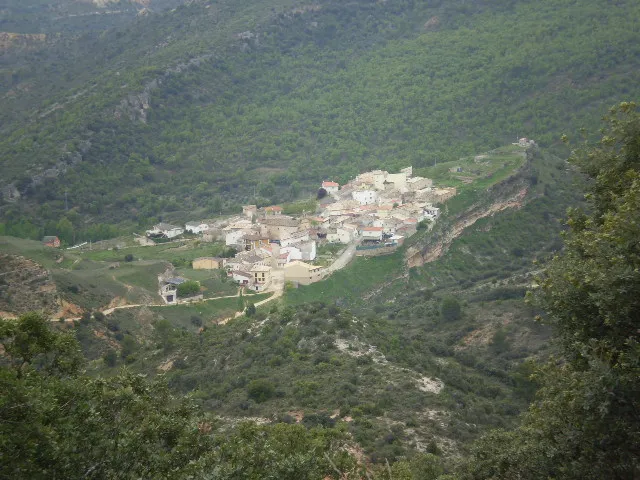
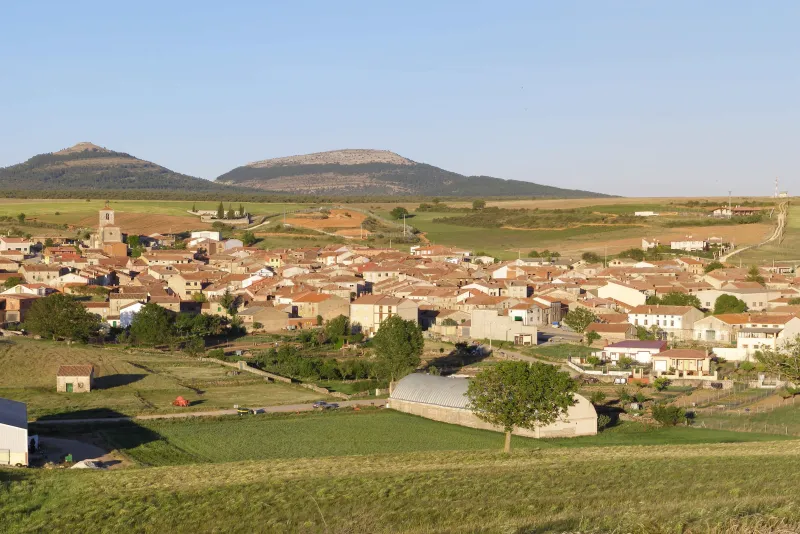
Explore the key towns and cities of this route.
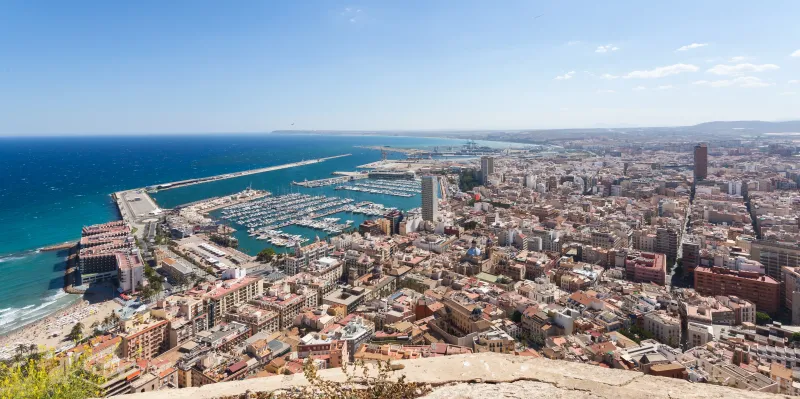
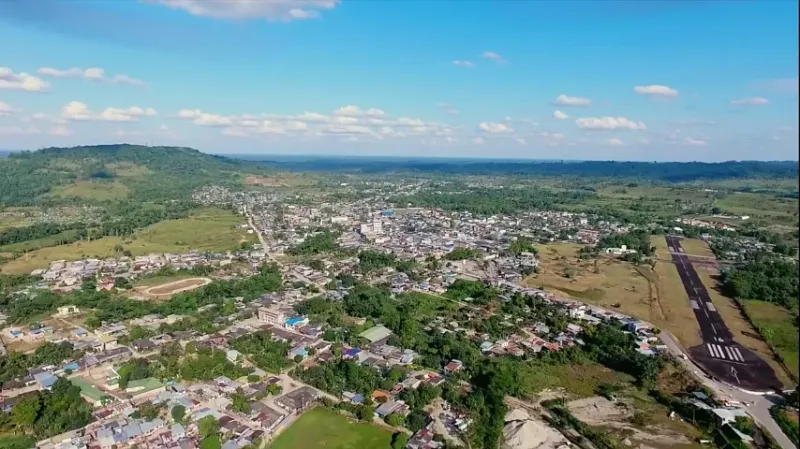
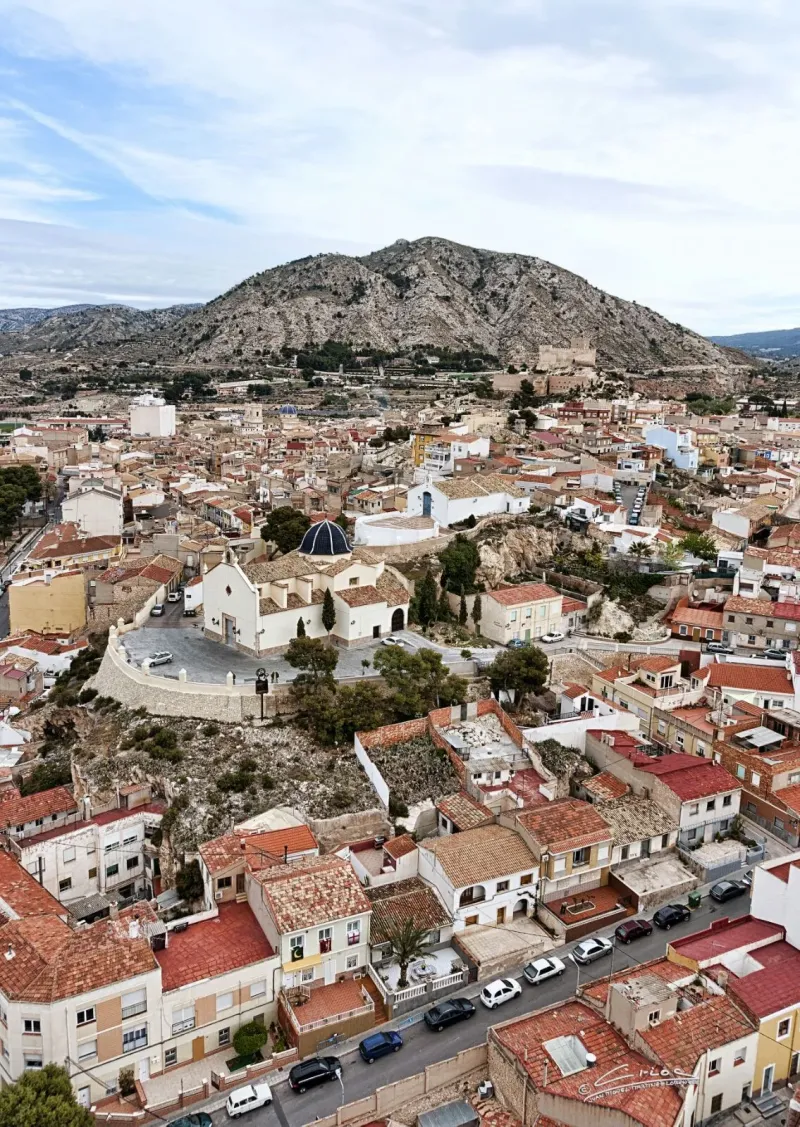
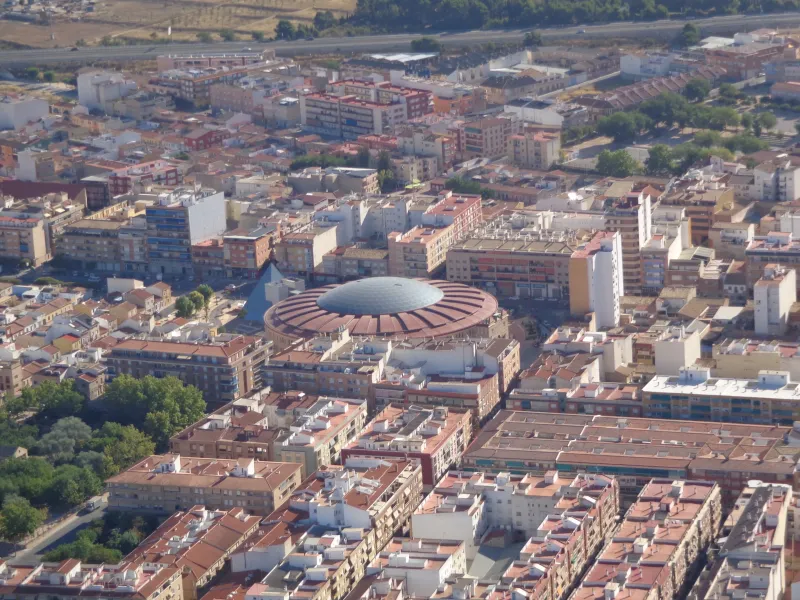
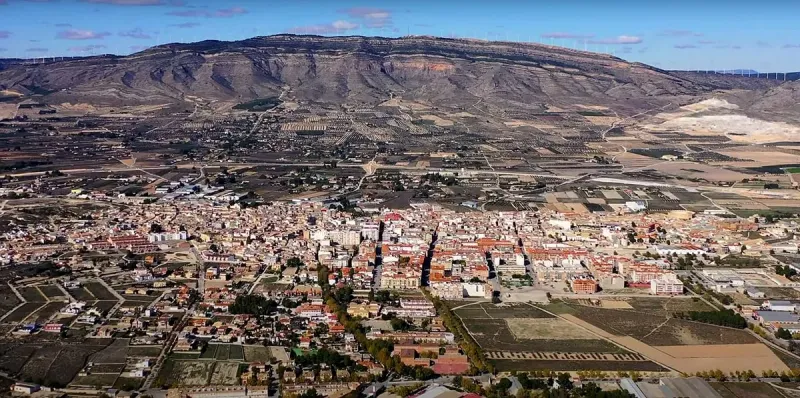
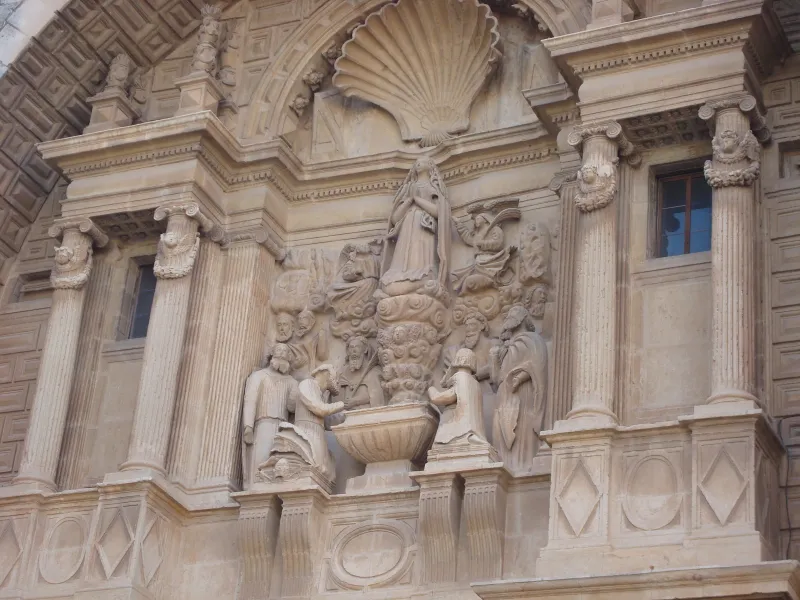
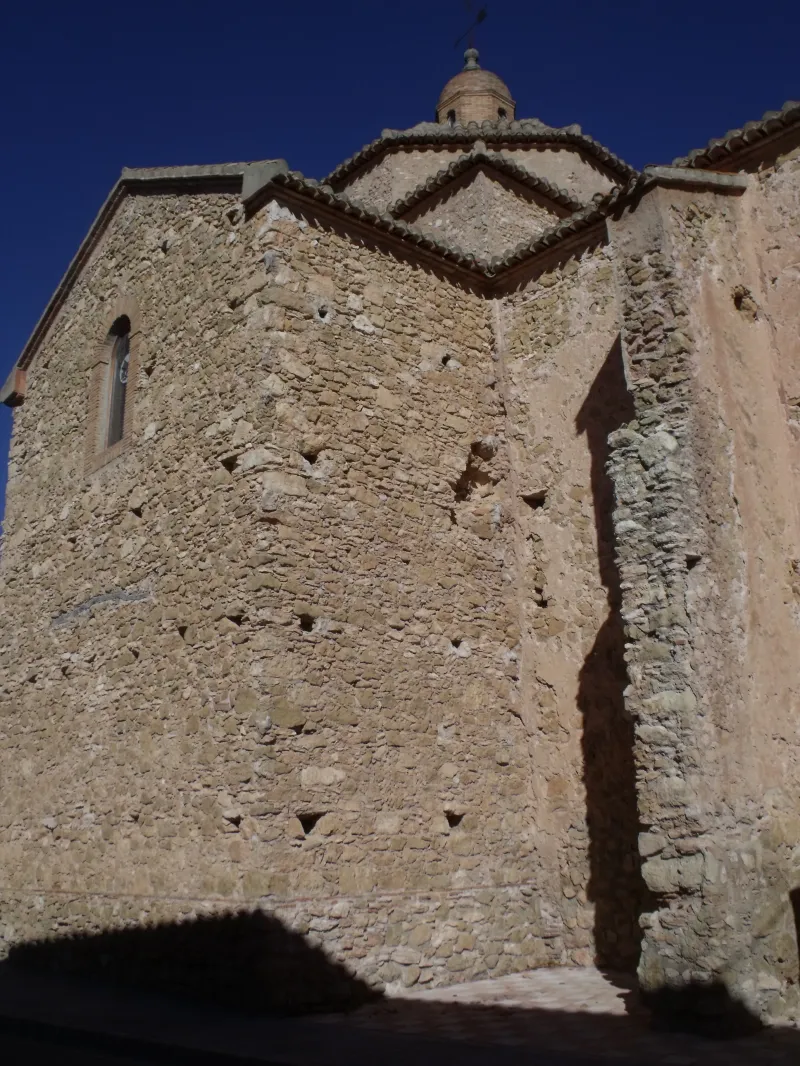
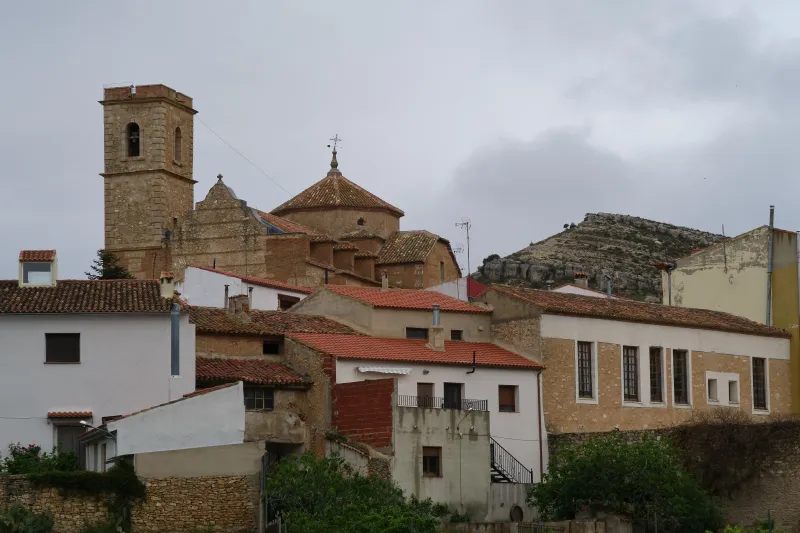
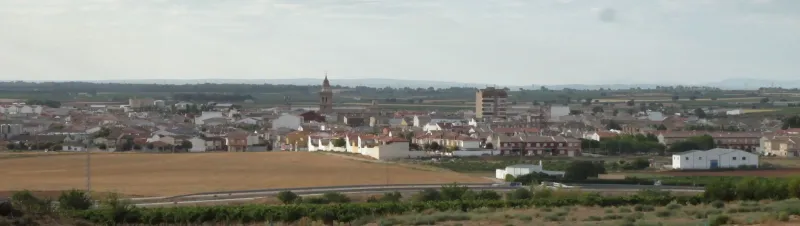
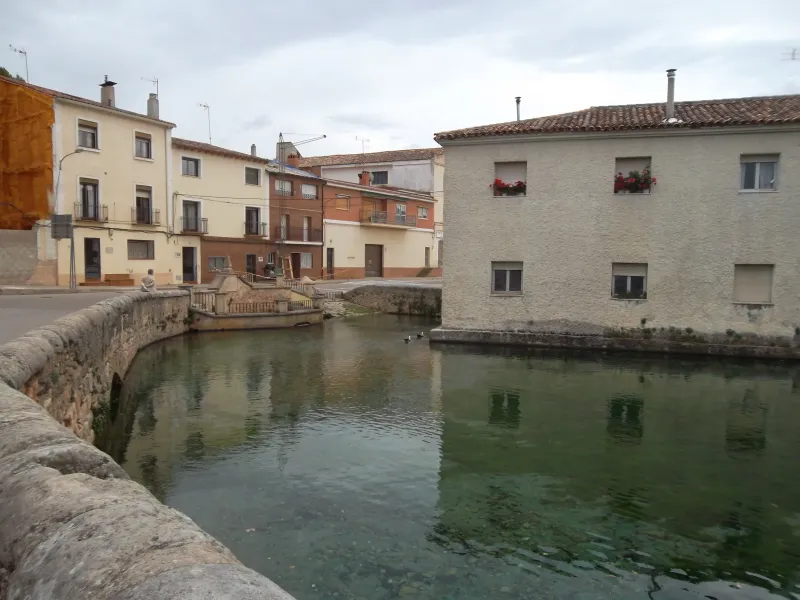
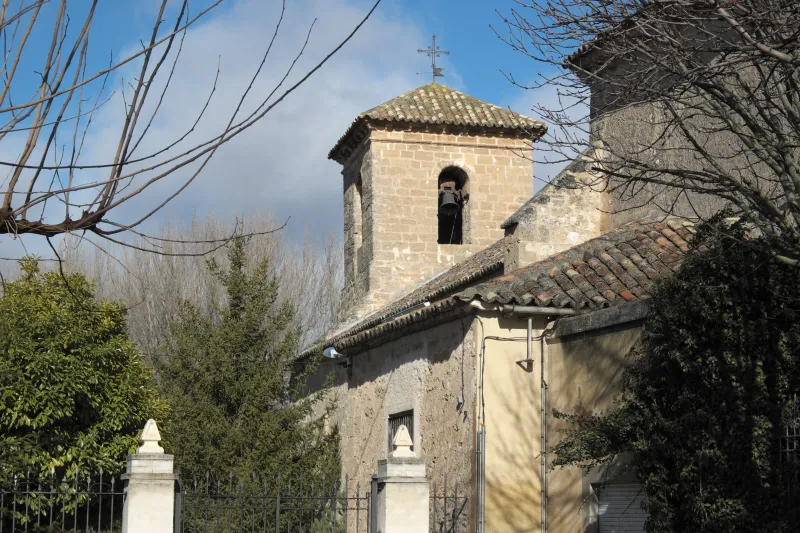
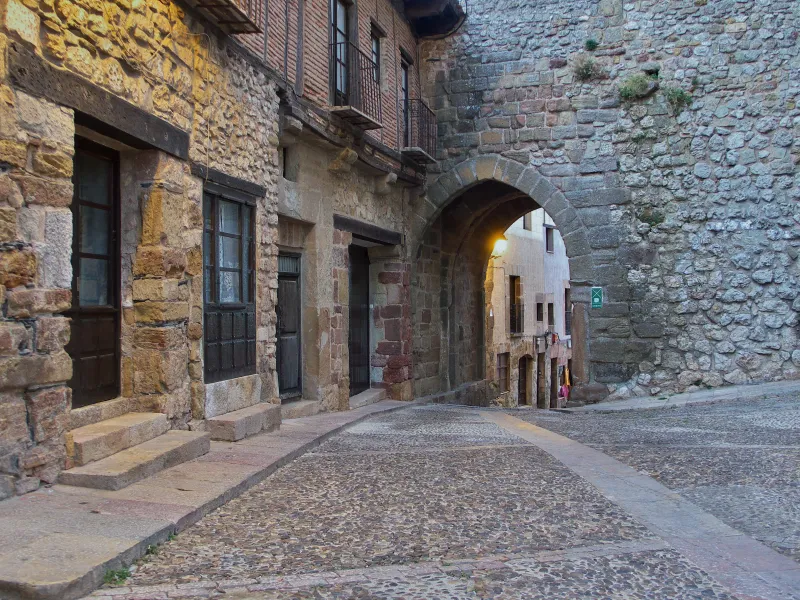
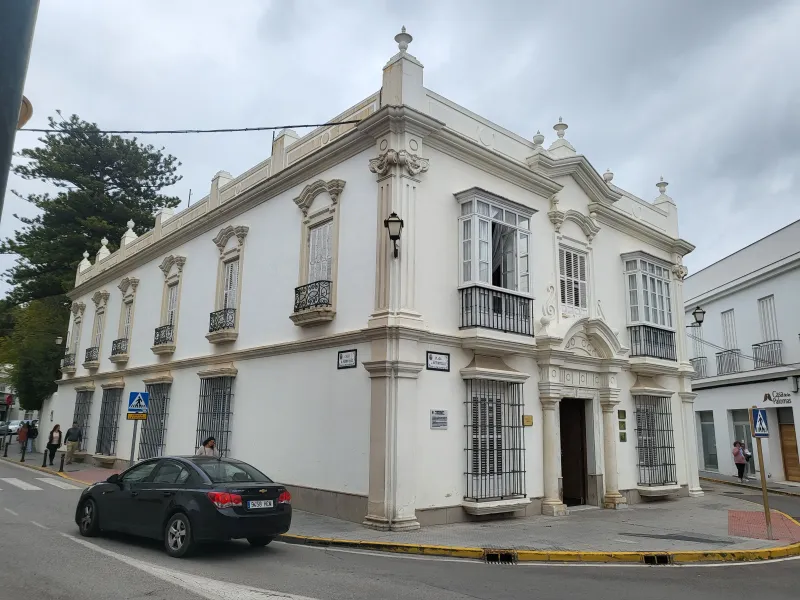
History
Millenary History of the Camino de Santiago: Origins and Evolution Fiber Way
Discover the origins and evolution of Fiber Way
The history of this road is the story of The Mesta, the "Honorable Council of the Mesta", a powerful association of sheep farmers created in 1273 by King Alfonso X the Wise. The Mesta controlled the lucrative wool trade for centuries, highly prized throughout Europe. To ensure the movement of massive flocks between summer pastures in the north and winter pastures in the south, a network of protected roads was established: the royal canals. These routes, up to 75 meters wide, were genuine livestock highways, safe and open to the public, that crossed the peninsula.
Medieval pilgrims and those of the Modern Age, always practical, used these magnificent infrastructure for their own journeys. For an inhabitant of the southeast (Alicante, Valencia, Cuenca) who wanted to go to Santiago, following the canals was the safest and most direct option to head north. These routes were equipped with wells, bridges, and refuges that, although designed for shepherds, also served pilgrims.
The Wool Road therefore starts in Alicante and begins its long ascent to the Meseta. It collects tributaries from other regions that produce wool, such as Cuenca or the Alcarria of Guadalajara. One of the most important milestones on the route is the city of Cuenca, a World Heritage Site. The pilgrim, after passing through its famous Hanging Houses and Gothic cathedral, continued their journey through the serranía, a landscape of canyons and pine forests.
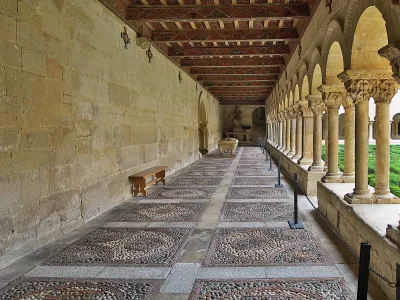
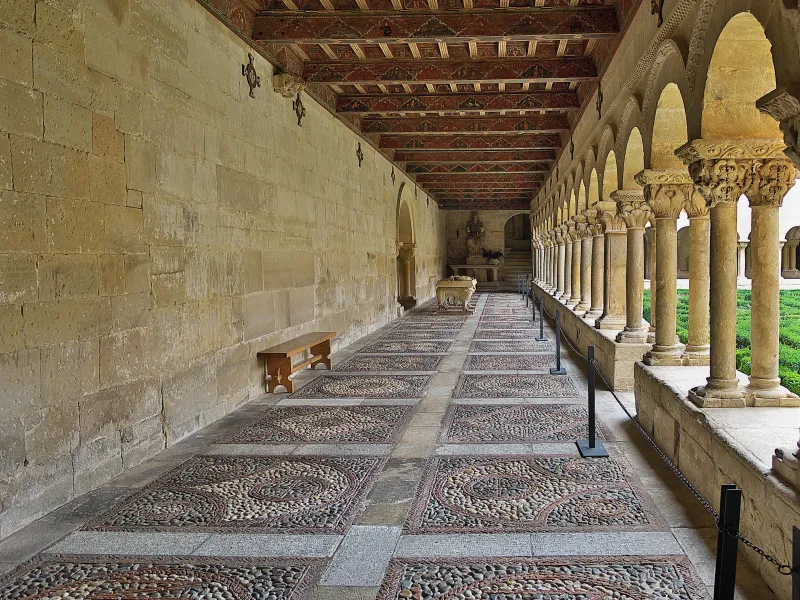
The route continues north, crossing the Alcarria, land of honey and aromatic plants, and enters the province of Soria, passing by historic villages such as Atienza. A climactic moment in the journey, both spiritual and artistic, is the arrival near the Monastery of Santo Domingo de Silos, in the province of Burgos. The visit to its cloister, one of the universal masterpieces of Romanesque art, and listening to its famous Gregorian chant, were a sublime reward for the pilgrim.
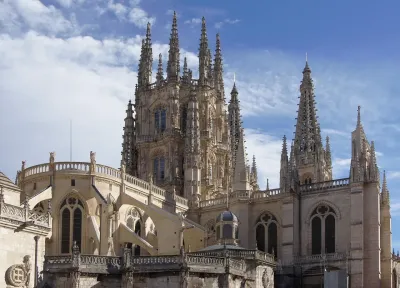
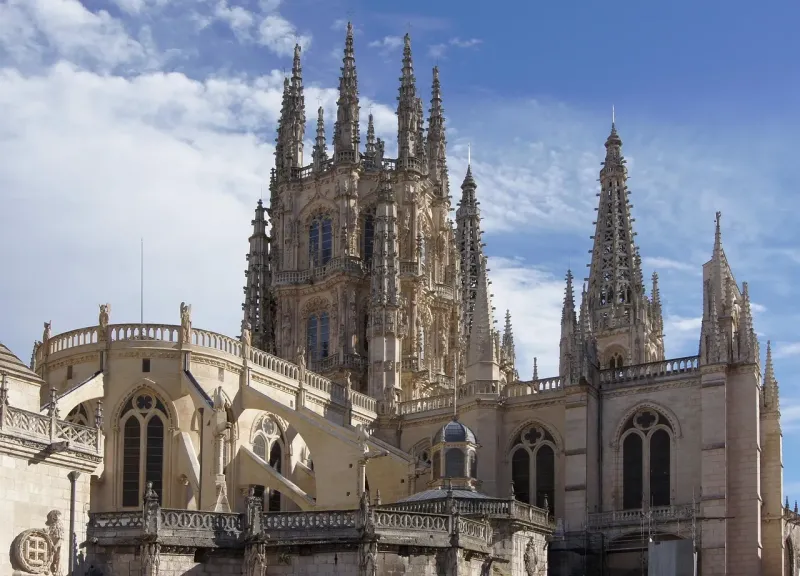
The final destination of the Wool Road is the city of Burgos. Upon arriving at this historic capital of Castile and one of the key points on the Camino Francés, the pilgrims of the wool joined the international flow of walkers. They had completed a genuinely peninsular route, following the economic wealth routes of the country, to join the great spiritual wealth road of Europe.
Its modern revival has highlighted an itinerary of great diversity in landscape and culture. It's a less-traveled path that requires planning but offers a highly authentic experience. To walk the Wool Road is to immerse oneself in rural and economic history of Spain, a meditative journey through the silent landscapes of Spain's interior, following the invisible trail of millions of sheep and the footsteps of pilgrims who shared their route.
We answer your questions
Frequently Asked Questions about Fiber Way
How many days are needed to walk the Wool Route from Alicante to Burgos?
The Wool Route, with a total distance of 677 km, is estimated to take approximately 27 days to complete. This route offers a moderate challenge and is ideal for those seeking a more tranquil and less crowded experience compared to other Jacobean routes.
What is the best time of year to do the Camino de la Lana?
The best period to undertake the Camino de la Lana is during mid-season, specifically between April and June or September and October. During this time, you can enjoy pleasant weather with average temperatures ranging from 8°C to 20°C and a lower concentration of pilgrims compared to the peak summer season.
How much does it cost to do the Wool Route with Ourway Travel?
The cost of undertaking the Wool Route with Ourway Travel varies based on the pilgrim's needs. Our rates include services such as luggage transfer, accommodation reservations, and personalized advice during your journey. For an accurate quote, we recommend contacting us directly so that we can assess your specific requirements.
What does booking the Wool Route with Ourway Travel include?
When you book the Wool Route through Ourway Travel, you receive a comprehensive package that includes luggage transfer to and from your destination, accommodation in carefully selected hostels or pensions offering comfort and convenience, as well as personalized advice throughout your journey. Additionally, we handle the acquisition of your pilgrim's credential.
How does the Camino de la Lana compare to other routes to Santiago?
The Camino de la Lana offers a unique alternative to the traditional and more popular Camino Francés. This historic route, which follows ancient transhumance paths, allows you to explore less-visited areas of Spain, providing direct contact with rural culture and the history of wool trade in the country. Although it is longer (677 km) and has an infrastructure still under development, it offers solitude and tranquility in exchange for greater difficulty.
...
The Camino de la Lana is particularly recommended for those seeking a unique and less touristy experience. This route, rich in history and rural culture, offers a journey through the heart of green Spain, away from the hustle and bustle of big cities. If you have already completed other routes to Santiago, the Camino de la Lana will allow you to immerse yourself in a more tranquil and authentic experience of Spanish rural life, with stunning landscapes and weather conducive to enjoying your trip at your own pace.
How do I book the Wool Route with Ourway Travel?
To book the Wool Route with Ourway Travel, simply visit our website or contact us directly. Our experts will be happy to assist you every step of the way: from assessing your needs to planning and booking your route. We also manage all necessary reservations, including accommodations and luggage transfer.
How do I get my pilgrim credential for the Wool Way?
The pilgrim's credential is a crucial document during your journey. With Ourway Travel, we manage the acquisition and delivery of this important documentation to ensure you are fully prepared from the start of your path. Simply mention your intentions when initiating planning with us, and our team will handle the rest.
Organize Your Camino
Ready for this adventure?
Fiber Way