
Complete Guide to The Mozarabic Way from Córdoba to Mérida
Route from the ancient Caliphate capital of Córdoba to Mérida, connecting with the Via de la Plata.
Last updated: 28/03/2026
Table of Contents
Technical Summary of The Mozarabic Way from Córdoba to Mérida
246.3 km
Distance
10
days
9
Stages
Media
Difficulty
32 accommodations available on the route
Introduction to The Mozarabic Way from Córdoba to Mérida
All Stages of The Mozarabic Way from Córdoba to Mérida
Complete route divided into 9 stages
Mount Muriano to Villaharta
This stage marks the end of the Meseta and the expected arrival at one of the major capitals on the Camino Francés: León. The route is predominantly flat but the landscape changes dramatically as you ...
Village of Villaharta to Alcaracejos
This is a short stage, almost an urban prologue, that takes the pilgrim out of León's monumental city. The route is mainly on asphalt, crossing the outskirts of the city. It's a transition day, ideal ...
Alcaraz to Hinojosa del Duque
This long stage enters the Leonese Plateau, one of the flattest and most exposed areas along the entire Camino Francés route. The trail advances over a dirt path that runs parallel to the road, throug...
Hinojosa del Duque to Monterrubio de la Serena
This stage says goodbye to the Páramo plain and enters a terrain of gentle undulations that anticipates the arrival at the mountain. The path ascends a small cruise from where one can see nearby Astor...
Montrubio de la Serena to Castuera
Leaving Astorga, this stage marks the beginning of the ascent to the León Mountains, a drastic change in landscape and a new challenge for the pilgrim. The path enters the Maragatería region, famous f...
Castuera de Campanario
This stage is one of the most symbolic and spectacular parts of the French Way. It begins with an ascent to Iron Cross, the highest point on the route, where pilgrims leave a stone. Following this mys...
Bell tower of Don Benito
This is a short and pleasant stage that runs through the fertile El Bierzo region. The profile is mainly flat, with some undulations, allowing for a relaxed walk. The landscape is dominated by vineyar...
Don Benito to Torrefresneda
This is a very short stage, almost a stroll, that unites two of the most important villages in El Bierzo. The route is flat and pleasant, ideal for an active rest day. The landscape remains dominated ...
Torrefresneda to Mérida
This stage enters the valley of the river Valcarce, serving as an approach to the great climb to O Cebreiro. The profile is a false flat ascending, gaining height almost imperceptibly. The road runs i...
Key Towns of The Mozarabic Way from Córdoba to Mérida
The most important towns and cities on this route.
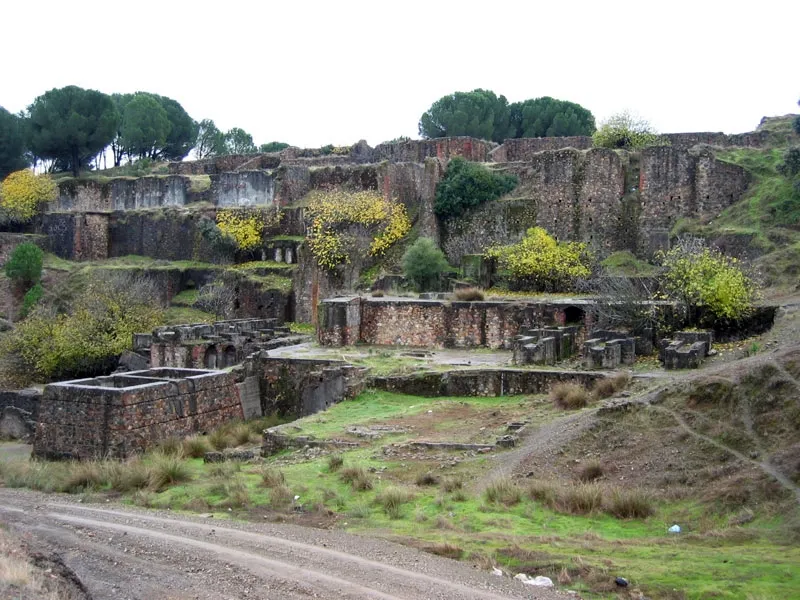
Cerro Muriano
Cordobesese village on the Mozarabic Way with a deep mining past. Cerro Muriano offers a transformed landscape by history and a natural environment for a quiet stop.
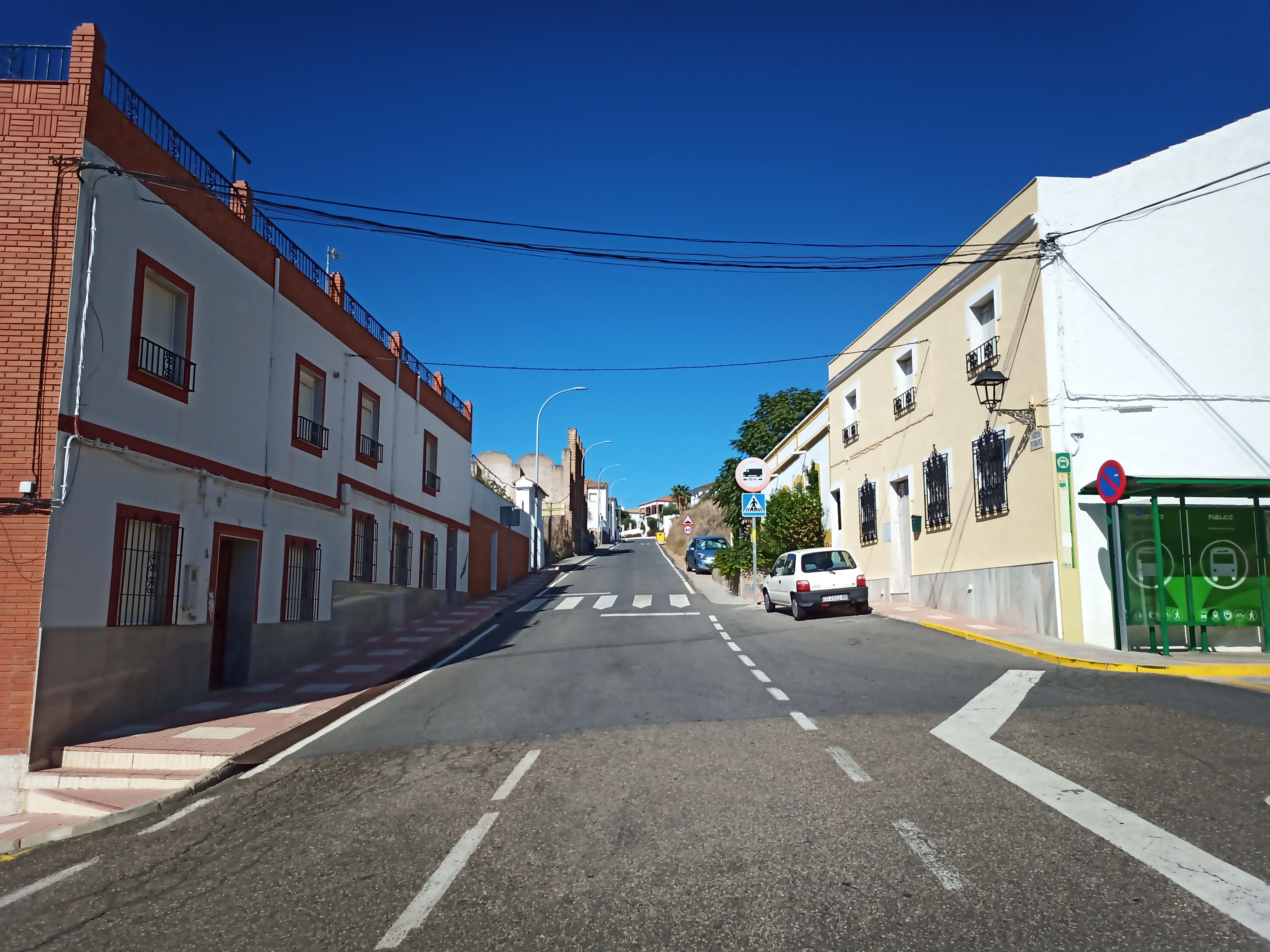
Villaharta
500 mHealth spring on the Mozarabic Way. Villaharta is famous for its iron-rich waters, offering the pilgrim a rural and rejuvenating rest in the midst of the Cordoba Sierra Morena mountains.
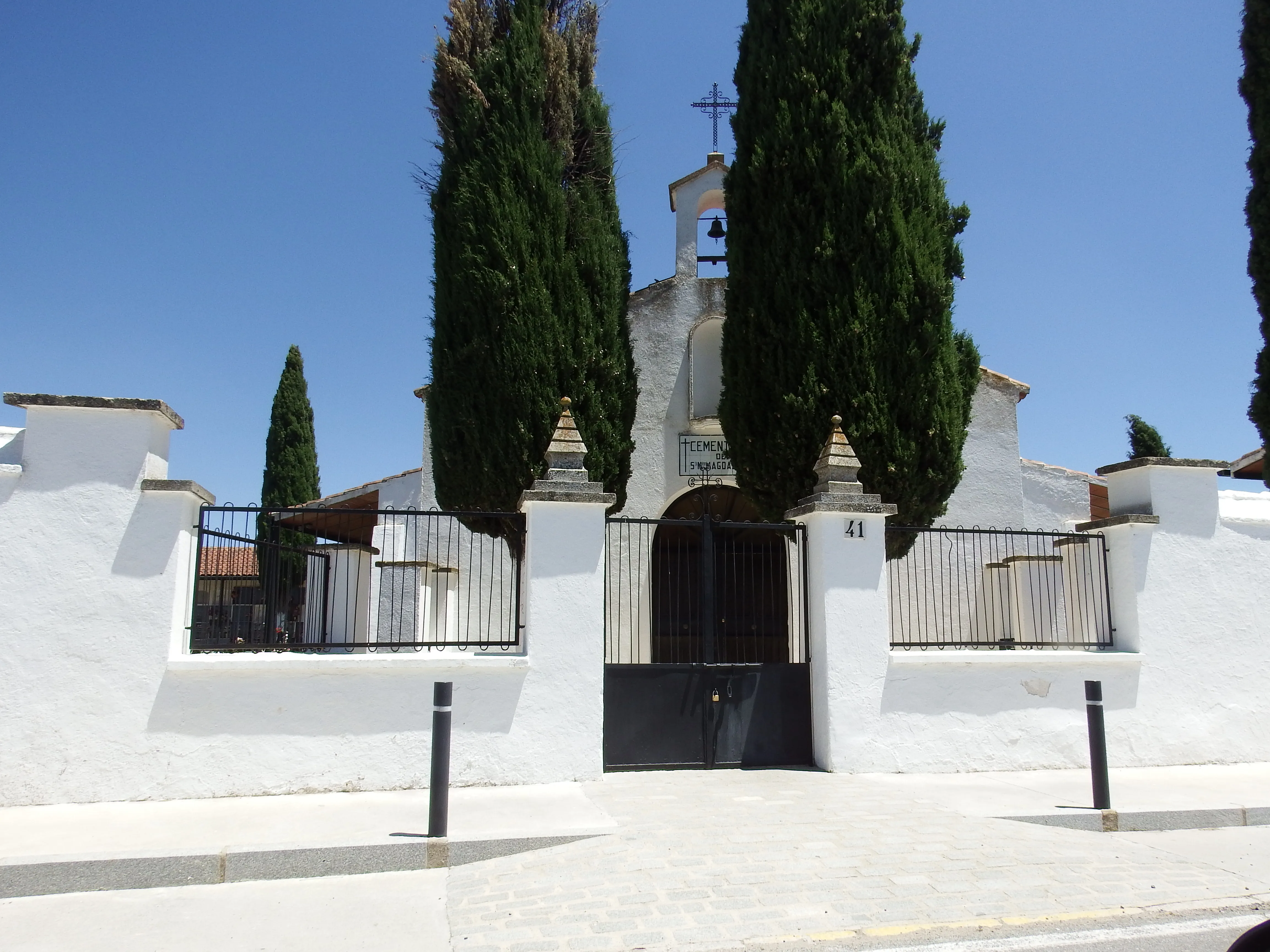
Alcaracejos
600 mHeart of the Pedroches Valley. Alcaracejos is a key stop on the Mozarabic Route, surrounded by the landscape of oak woodlands and with a rich mining heritage.
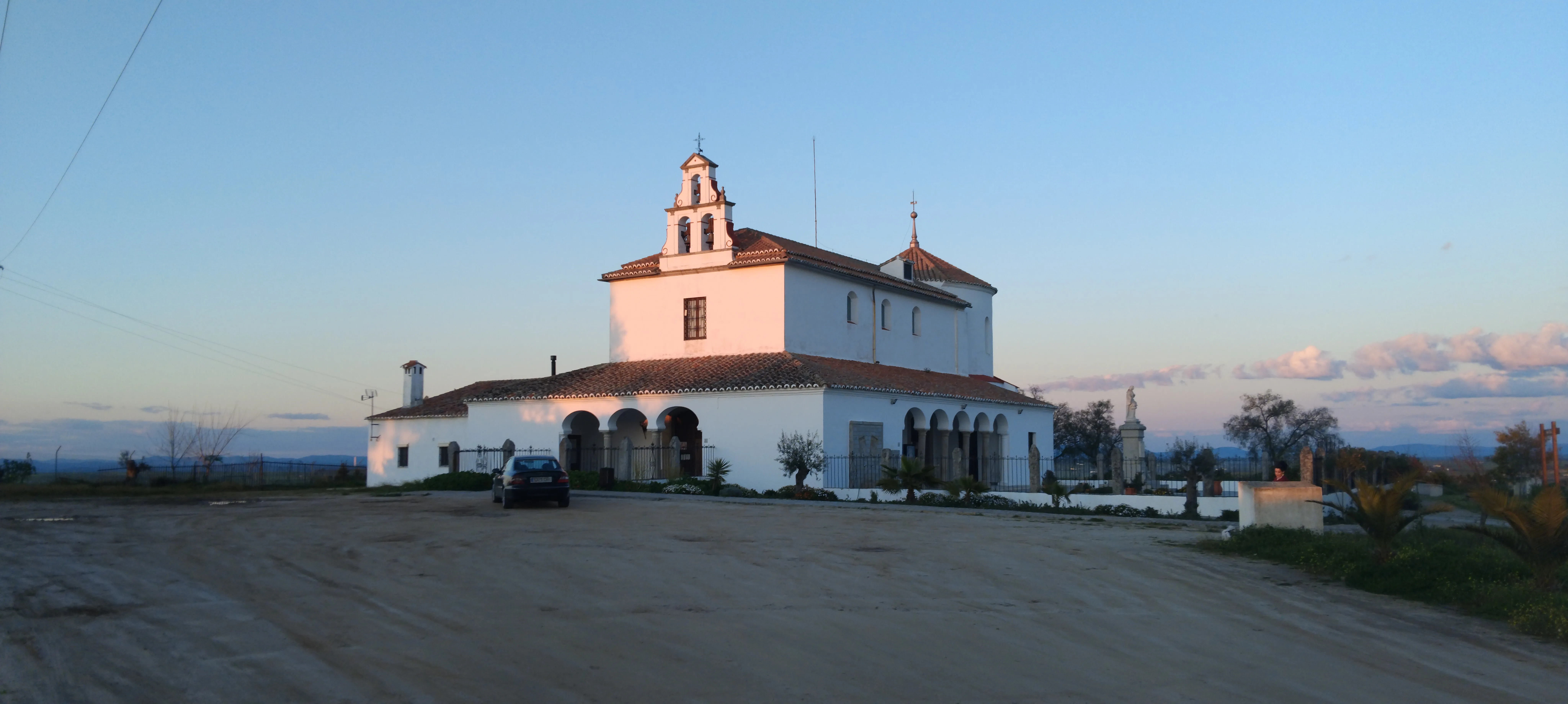
Hinojosa del Duque
550 mThe "Sierra Cathedral" in the Valley of the Pedroches. Hinojosa del Duque is a monumental stop on the Mozarabic Way, with one of the most spectacular churches in Cordoba.
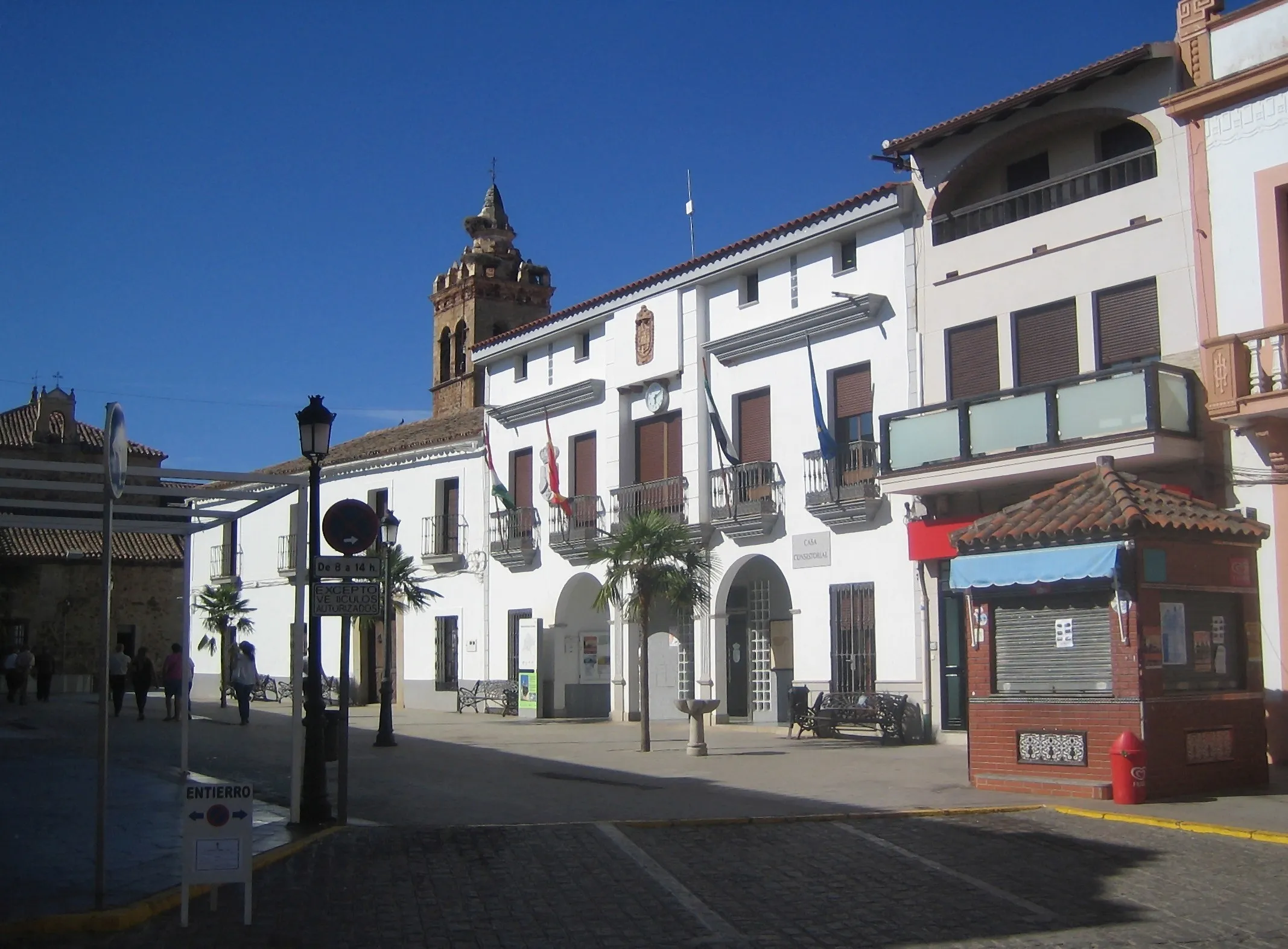
Monterrubio de la Serena
450 mMonterrubio is a stop on the Mozarabic Way famous for its olive oil, in an environment of grasslands and olive groves.
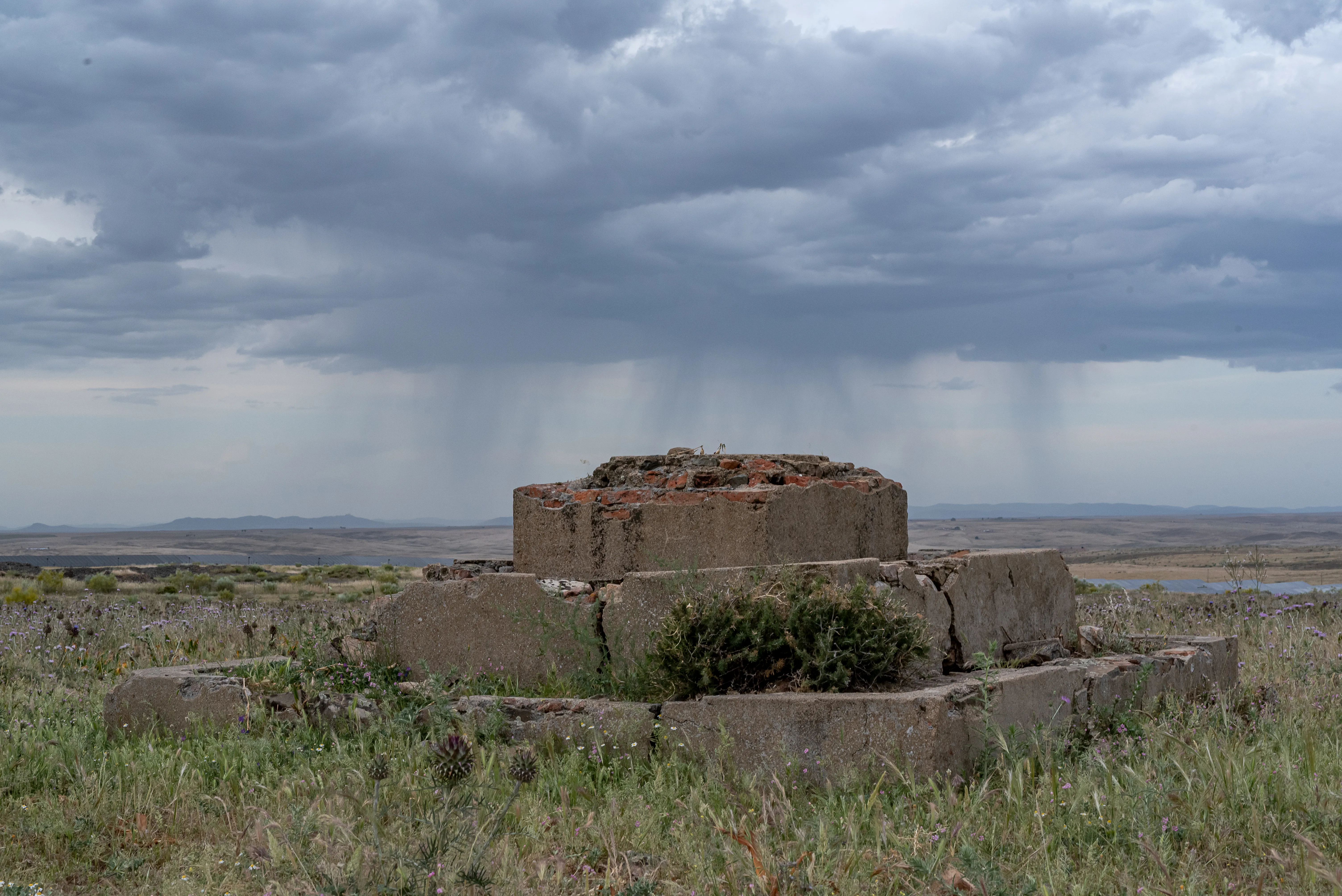
Castuera
500 mMonastery in the region of La Serena. Castuera, famous for its cheeses and sweets, is a culinary stop and service point on the Way of St. James.
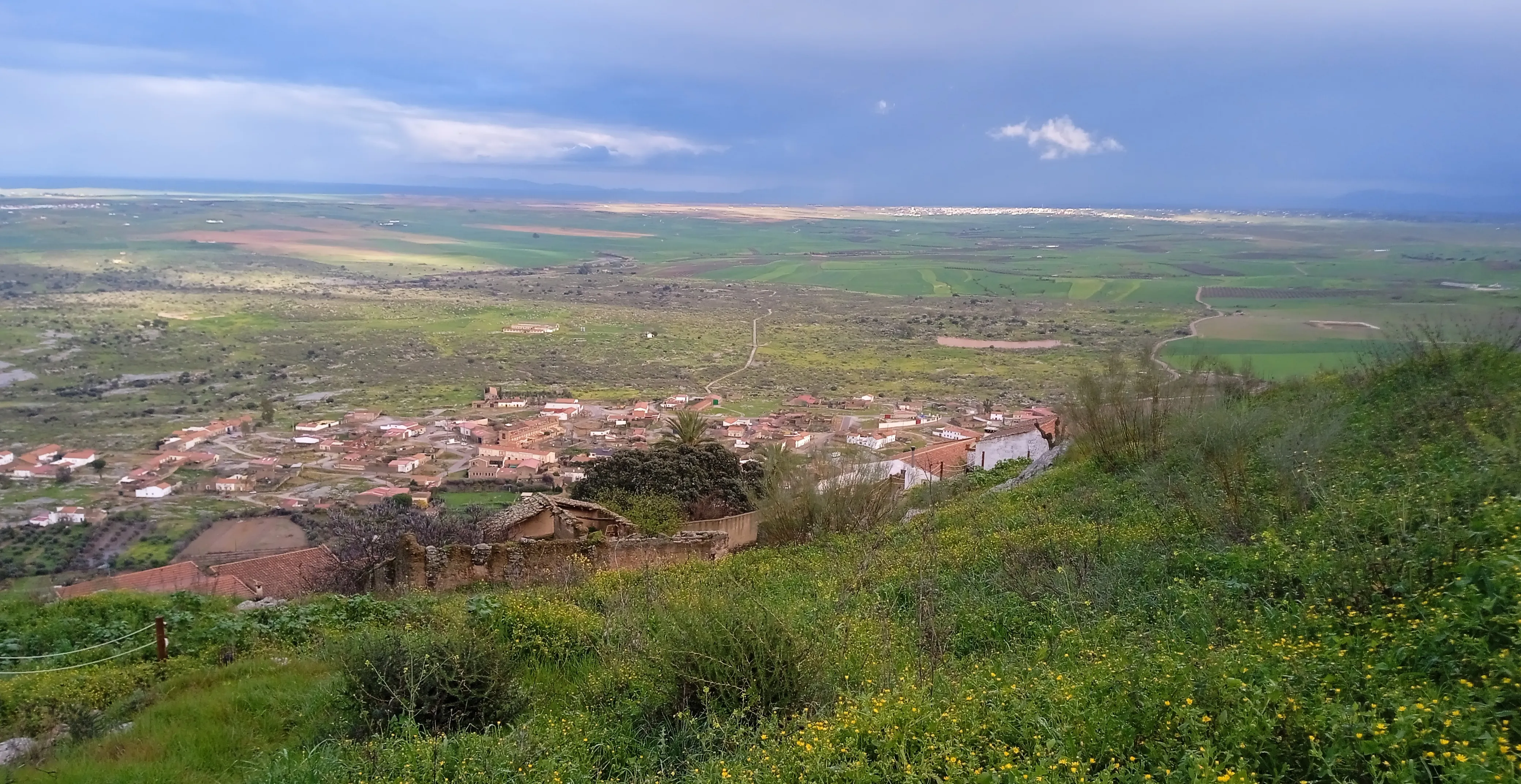
Campanario
380 mCampanary in the Highs of the Guadiana Valley, is a stop on the Mozarabic Way that offers a rural setting and services for pilgrims.
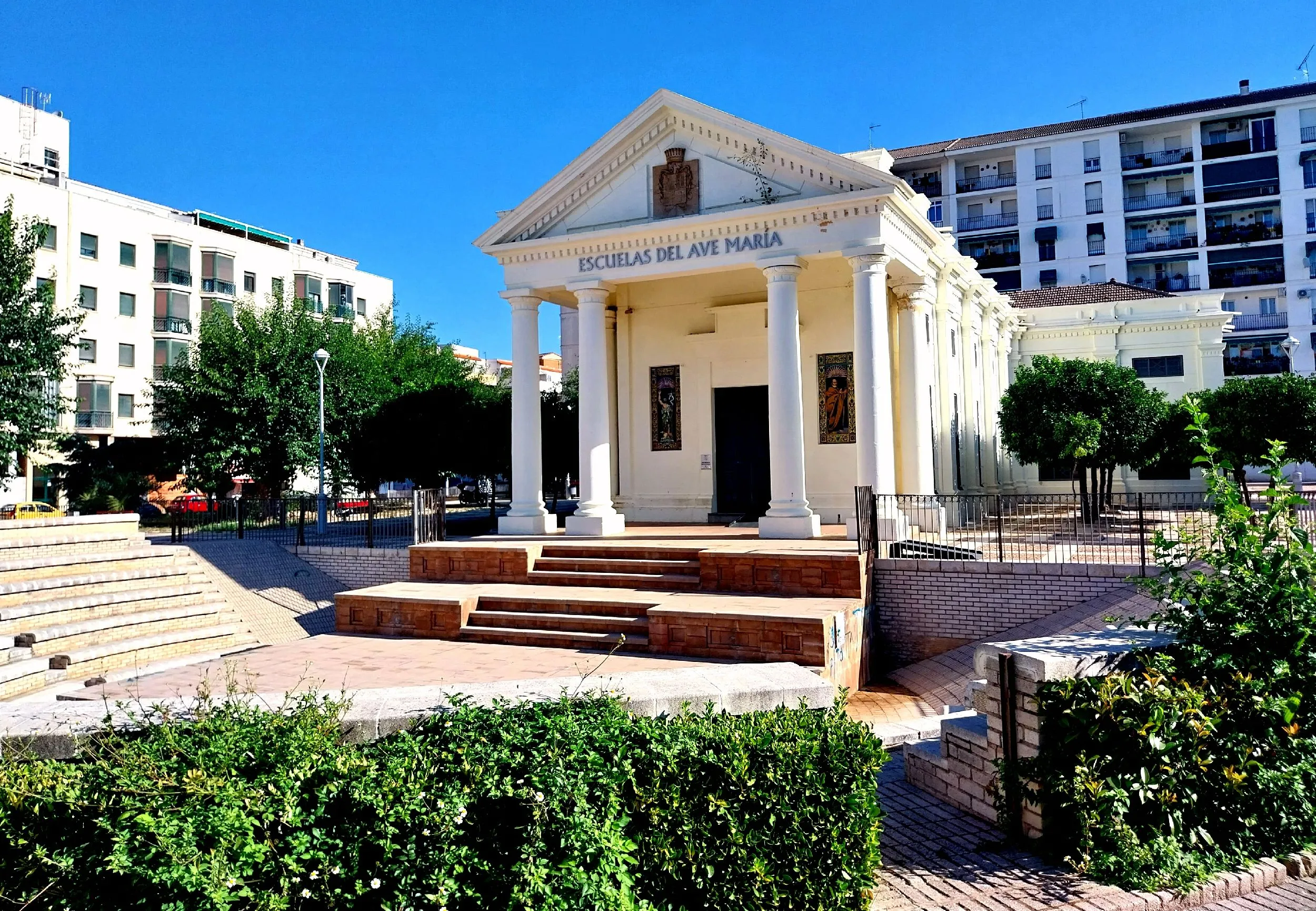
Don Benito
280 mImportant city of Las Vegas Highs of the Guadiana. Don Benito is a key service center on the Camino Mozárabe, ideal for urban rest and well-equipped.
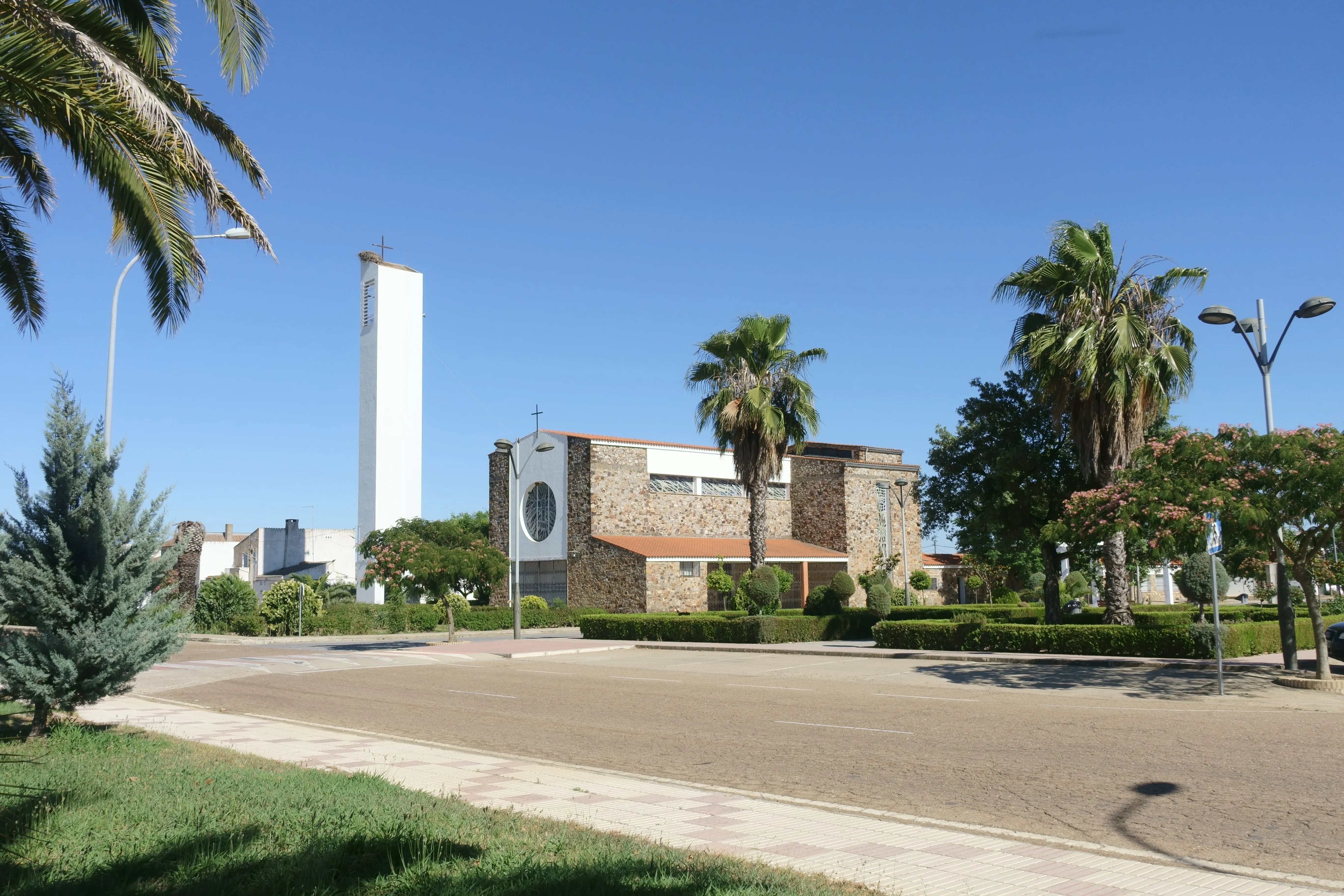
Torrefresneda
300 mSmall rural town in Extremadura. Torrefresneda is a haven of peace on the Mozarabic Way, a quiet stop for rest and reflection on the route to Mérida.

Mérida
Roman Heart of the Silver Way. Mérida, a World Heritage Site, impresses the pilgrim with its Theatre, Amphitheatre and Roman Bridge, a journey through time in Extremadura.
History of The Mozarabic Way from Córdoba to Mérida
Cordoba was, in the High Middle Ages, one of the largest, wealthiest, and most cultured cities in the world, the capital of Omeya power on the peninsula. For Mozarabic pilgrims arriving from distant branches of Almería, Granada, Málaga, or Jaén, reaching Cordoba was a first-order milestone. It was the place where small groups of walkers met, formed larger caravans more secure and exchanged vital information for the final stage. The vision of its Mezquita-Catedral, the largest Islamic temple in the West, must have produced in them a mixture of awe and complex reaffirmation of their own Christian faith, which they kept alive in the fernandine churches of the city.
From Cordoba, the unified route headed north to face its greatest geographical and symbolic challenge: crossing the Sierra Morena. This mountain chain was not only a natural barrier but also acted as an unstable and often violent border between Al-Andalus and the Christian kingdoms of the Meseta for centuries. The passage through Sierra Morena, through places like the Valley of Pedroches, was the most perilous part of the journey, a land without law where "bandits" and the dangers of the terrain tested the pilgrims' courage.
Once the sierra had been crossed, the landscape transformed, giving way to vast expanses of dehesa, the ecosystem of holm oaks and pastures that characterizes Extremadura. This was a land of solitude and silence, a terrain that demanded long days of walking between dispersed settlements. The route traversed the territory of La Serena in Badajoz, passing through localities like Castuera, Campanario, and Don Benito, before arriving at another historic stronghold: Medellín. The birthplace of conquistador Hernán Cortés, Medellín, with its imposing medieval castle dominating the Guadiana River, was one of the last major stops before the destination.
The final destination of this segment was the city of Mérida, ancient Emerita Augusta. For the Mozarabic pilgrim, reaching Mérida was the moment of liberation and security. Reaching the city, with its spectacular Roman theater, amphitheater, and aqueducts, meant having completed the perilous journey through Al-Andalus successfully. From Mérida, their journey changed in nature. They ceased to be a isolated group to join the Via Plata route, already consolidated within Christian territory, with a network of hospitals and greater protection. Their journey as "Mozarabes" ended here, to continue as pilgrims on the great western route.
The recovery of this segment has made it one of the most popular and best-structured sections of the Camino Mozárabe. It offers a deep immersion in medieval border history and the austere beauty of Extremadura's dehesa. It is the historical heart of the Mozarabic experience, the journey from Cordoba's cultural crucible to Mérida's Roman majesty.
Accommodations on the Route
The The Mozarabic Way from Córdoba to Mérida has 32 verified accommodations along the entire route.
View Stages & AccommodationsPractical Tips for The Mozarabic Way from Córdoba to Mérida
Best Season
Spring (April-June) and autumn (September-October) are the best seasons. Pleasant temperatures and fewer crowds than summer.
Physical Preparation
Train by walking progressively in the months before. Start with short distances and increase. Your body will adapt to the rhythm of the Camino.
What to Pack
Light backpack (max 10% of your weight), worn trekking shoes, breathable technical clothing, raincoat, sunscreen and basic first aid kit.
General Tips
Carry the pilgrim credential, stay hydrated, respect your pace, book accommodation in high season and enjoy the journey without rushing.
FAQ about The Mozarabic Way from Córdoba to Mérida
El Camino Mozárabe desde Córdoba hasta Mérida tiene una distancia total de 246.3 km, lo que requiere aproximadamente 10 días para completarlo a un ritmo moderado.
La mejor época para hacer este camino es durante las temporadas media, específicamente en abril-junio y septiembre-octubre. Durante estos meses se disfruta de un clima ameno con temperaturas agradables que oscilan entre 10°C y 25°C y una menor afluencia de peregrinos.
Ourway Travel ofrece un completo paquete que incluye alojamiento asegurado en albergues o hoteles, asesoramiento personalizado antes y durante tu viaje, mapas detallados del camino, información histórica y cultural relevante para cada etapa. Además, gestionamos la reserva de transporte interno si es necesario.
El Camino Mozárabe es considerado un camino de media dificultad, especialmente debido al cruce por Sierra Morena que implica subidas y bajadas. Sin embargo, ofrece una gran belleza natural a través de las dehesas extremeñas y un profundo sentido histórico recorriendo rutas antiguas.
La primavera (abril-junio) y el otoño temprano (septiembre-octubre) son las mejores épocas para este camino, ya que ofrece un equilibrio entre temperaturas agradables y una menor cantidad de peregrinos en comparación con la temporada alta de verano.
El costo exacto puede variar dependiendo de las fechas y los servicios adicionales que desees incluir, pero un paquete promedio con alojamiento, asesoramiento personalizado y material informativo tiene un precio razonable que se ajusta a diferentes presupuestos. Para una cotización precisa, te recomendamos contactarnos directamente.
Este camino tiene una dificultad media debido a las subidas y bajadas que atraviesa, especialmente al cruzar Sierra Morena. Se recomienda dedicar entre 8 y 10 días para completarlo sin prisas, disfrutando de cada etapa.
Ourway Travel te proporcionará una credencial oficial del peregrino que podrás completar a medida que avanzas en tu viaje. En cuanto al transporte de la mochila, gestionamos esta opción para ti si lo deseas, permitiéndote caminar ligero entre las etapas.
Ready for this adventure?
Let us organize your pilgrimage. We take care of accommodations, transfers and everything you need.