
Camino de Santiago
The Mozarabic Way from Córdoba to Mérida
Route from the ancient Caliphate capital of Córdoba to Mérida, connecting with the Via de la Plata.
Organize your The Mozarabic Way from Córdoba to MéridaLast updated: 23/05/2025
The Route
General Description of The Mozarabic Way from Córdoba to Mérida
Related Routes
Connections of The Mozarabic Way from Córdoba to Mérida
Way of the Plate
963.6 km
38
High
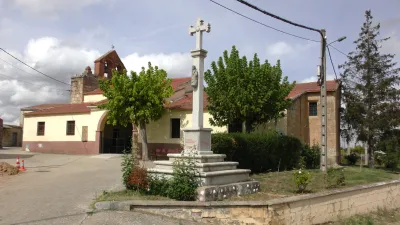
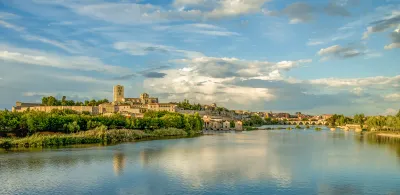
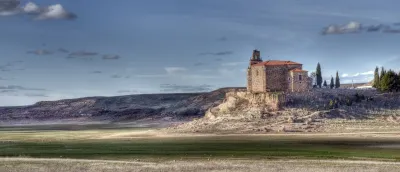
The Silver Way (La Vía de la Plata) is the longest of the Camino de Santiago paths in Spain, with almost 1000 km. Its route, which starts in Seville, largely follows the ancient Roman road that connected Mérida to Astorga. It traverses Andalusia, Extremadura and Castile and León, offering pilgrims two options in Granja de Moreruela (Zamora): continue on to Astorga to link with the French Way or take the Sanabrés Way directly to Galicia.
It is a route of immense historical and monumental wealth. Due to its length and high temperatures in its southern section, it requires excellent planning. It offers diverse landscapes, from the extreme dehesas to the plains and mountains of Castile and León.
Stages of this variant:
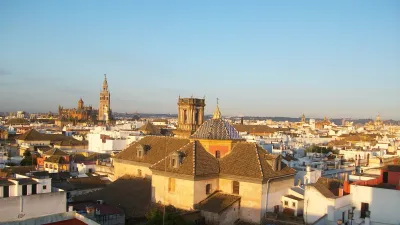
Stage 1: Sevilla to Guillena
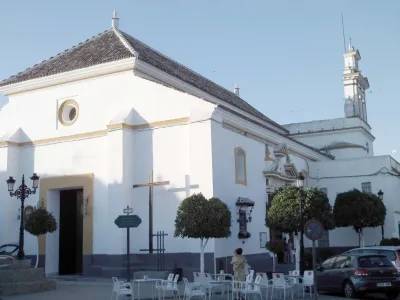
Stage 2: Guillena to Castilblanco de los Arroyos
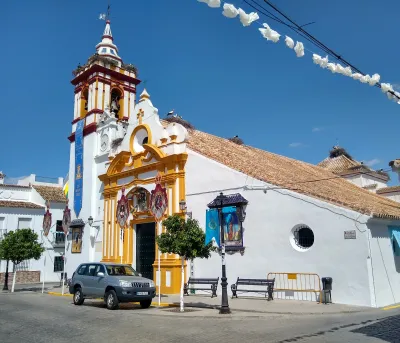
Stage 3: Castilblanco de los Arroyos to Almadén de la Plata
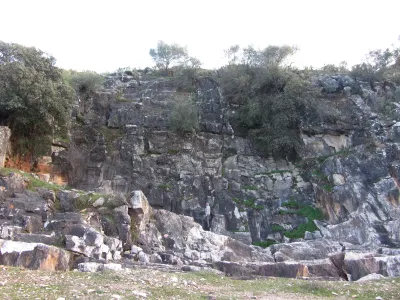
Stage 4: Almadén de la Plata to Monesterio
Stage 5: Monesterio to Fuente de Cantos
Way of Mozarab from Almería
590 km
24
High
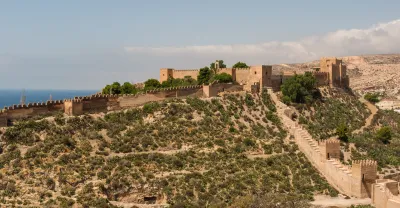
Starting from Almería, this historic branch of the Mozarabic Way traverses contrasting landscapes, from the coast to the Extremaduran grasslands, connecting with the Via Plata in Mérida after a demanding journey. It is a path of deep Andalusian heritage.
Stages of this variant:
Stage 1: Almería to Rioja
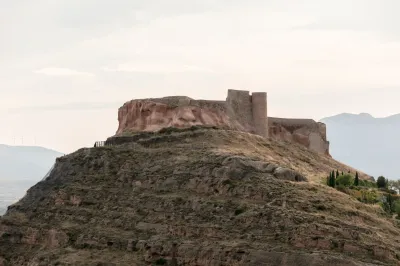
Stage 2: Rioja - Alboloduy
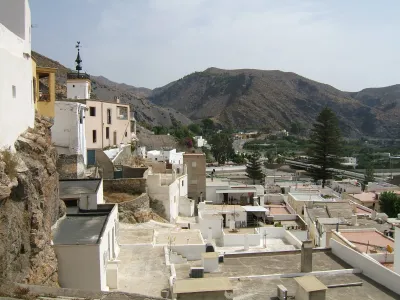
Stage 3: Alboloduy - Abla
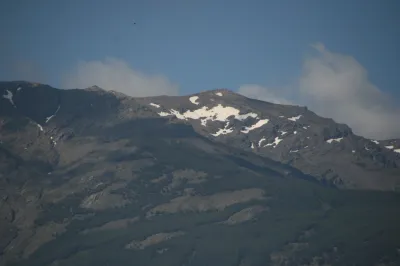
Stage 4: Abla - Huéneja
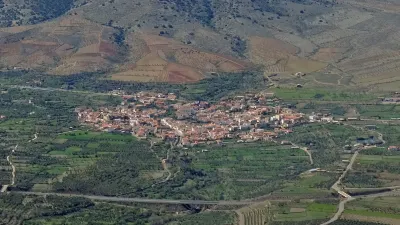
Stage 5: Huéneja - Alquife
Mozarabic Way from Málaga
400 km
17
High
The Mozarabic Way from Málaga allows pilgrims to start their journey from the Mediterranean coast, ascending through the Malagueña mountains and entering the interior of Andalusia. The route converges with other Mozarabic branches towards Córdoba and finally to Mérida.
Stages of this variant:
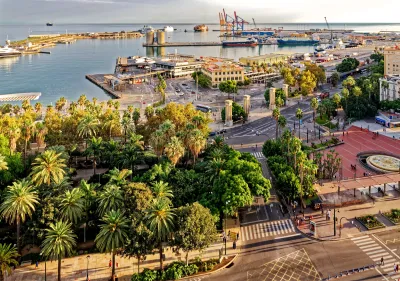
Stage 1: Málaga to Almogía
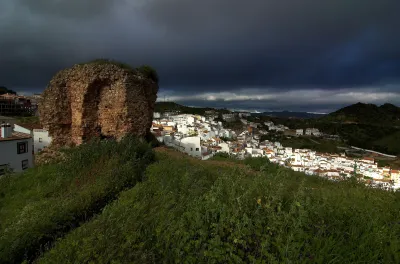
Stage 2: Almogía to Villanueva de la Concepción
Stage 3: Villanueva de la Concepción to Antequera
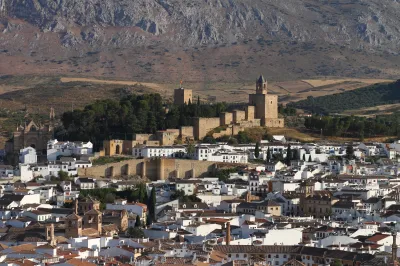
Stage 4: Antequera to Villanueva de Algaidas
Stage 5: Villanueva de Algaidas to Encinas Reales
Mozarab Path from Granada
385 km
16
High
The Mozarabic Way from Granada offers a journey through the heart of Andalusia. Starting from monumental Granada, pilgrims head north, finding historic cities like Cordoba before reaching Merida and the Silver Road.
Stages of this variant:
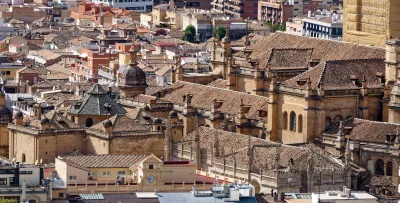
Stage 1: Granada to Pinos Puente
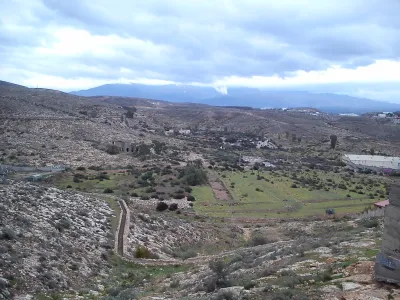
Stage 2: Pinos Puente to Moclin
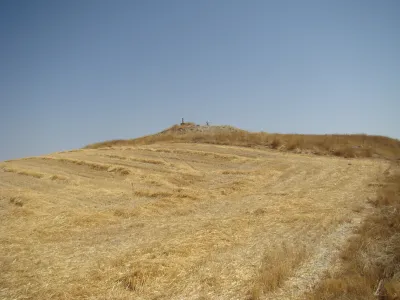
Stage 3: Moclin to Alcalá la Real

Stage 4: Alcalá la Real to Alcaudete
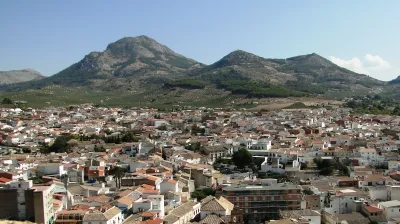
Stage 5: Alcaudete to Baena
Way of Mozarabia from Jaen to Merida
330 km
14
Media
Starting from Jaén, capital of the Holy Kingdom, this branch of the Mozarabic Way enters the Andalusian olive tree sea to later join other pilgrims in Córdoba and continue on the Via Plata in Mérida. A path of history and tradition.
Stages of this variant:
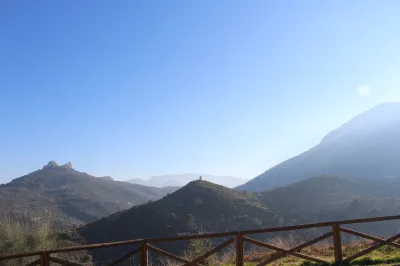
Stage 1: Jaén to Torredelcampo
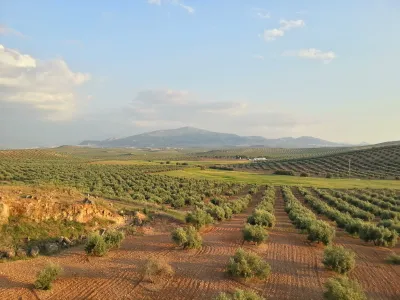
Stage 2: Torredelcampo to Martos
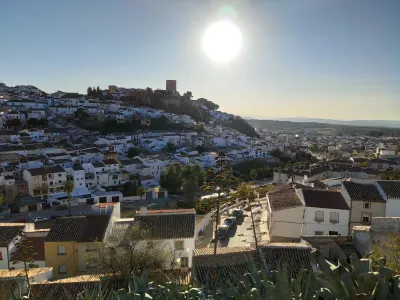
Stage 3: Martos to Alcaudete
Stage 4: Alcaudete to Baena
Mozarabian Way
- km
-
High
The Camino Mozárabe is not a single route but a collection of historical itineraries that depart from various cities in Andalusia such as Almería, Granada, Jaén, Córdoba, and Málaga. These paths were followed by Christians living in Al-Ándalus (Mozarabs) to pilgrimage to Santiago.
The routes usually converge in the monumental city of Mérida to continue north on the Vía de la Plata. The distances vary greatly depending on the origin, exceeding 1,000 km in total to Santiago. These paths are loaded with history, traversing diverse landscapes and allowing for the discovery of the deep footprint of Andalusian culture.
No detailed stages available for this variant.
Your trip with Ourway
Everything you need for your Camino
No hassle. Your perfect route, from start to finish.
Accommodation
Selected hotels and hostels at every stage
Luggage transfer
Your backpack travels from stage to stage
Camino Guide
Detailed map with directions and services
24h Support
Team available for any unforeseen event
Pilgrim credential
Official documentation included
No commitment
Free personalized consultation
Walk this route with us
Fancy walking this route?
We don't have a ready-made package for this route yet, but we'll organise it around you. Tell us how you'd like to experience it and a specialist will reply within 24 h.
Request your proposalStages
Stages of The Mozarabic Way from Córdoba to Mérida
Cerro Muriano → Villaharta
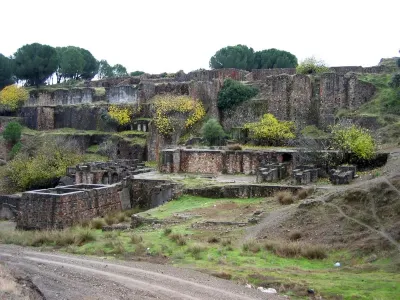
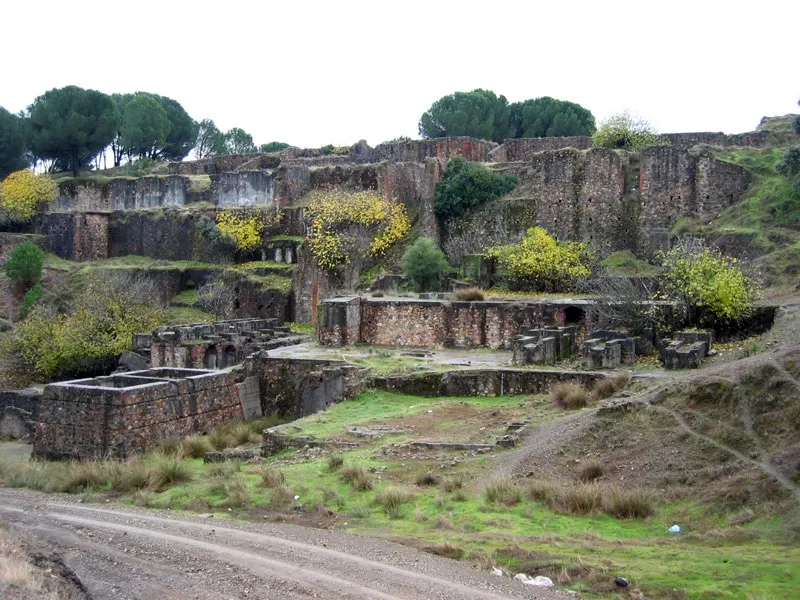
A stage through the Sierra Morena of Córdoba. The 20 km link Cerro Muriano (an old copper mining area from Roman times) with Villaharta through pastures, oak groves and forests of rockrose and arbutus...
Villaharta → Alcaracejos
Long stage through the Sierra Morena towards the Pedroches Valley, a region of Cordoba with a great tradition of livestock and olive groves. The 34 km of the route crosses immense pastures with holm o...
Alcaracejos → Hinojosa del Duque
This stage continues through the Pedroches Valley, on a route that combines sections of the ancient Roman road with trails between pastures. It's a day of great beauty and solitude. The arrival at Hin...
Hinojosa del Duque → Monterrubio de la Serena
This stage crosses the border between Andalusia and Extremadura through the dehesa of Los Pedroches. The 30 km link Hinojosa del Duque (Córdoba) with Monterrubio de la Serena (Badajoz) through a lands...
Monterrubio de la Serena → Castuera
Stage through the region of La Serena, one of the most extensive and best preserved livestock plains in Europe. The 24 km run through endless pastures with characteristic sheepfolds and shepherds' hut...
Castuera → Campanario
This stage continues through the La Serena region, on a route that combines sections of the ancient Roman road with trails between pastures. It's a day of great beauty and solitude. The arrival at Cam...
Towns
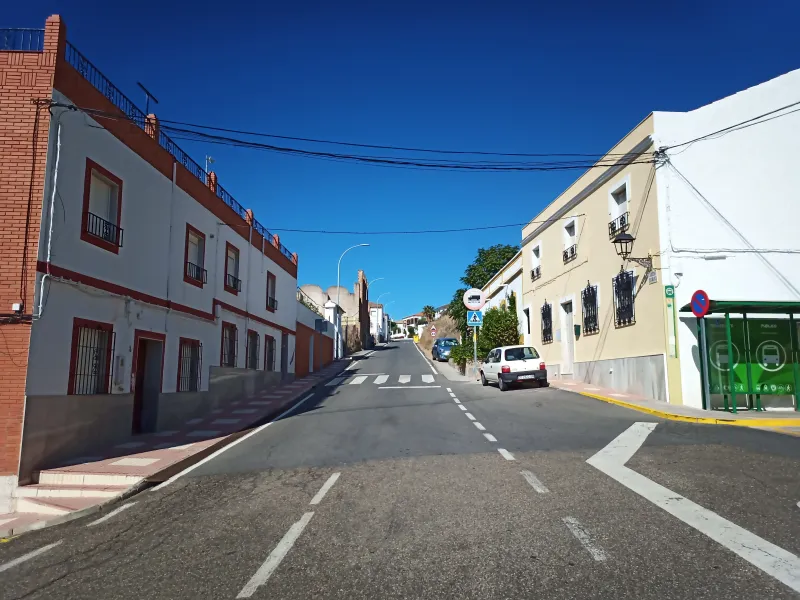
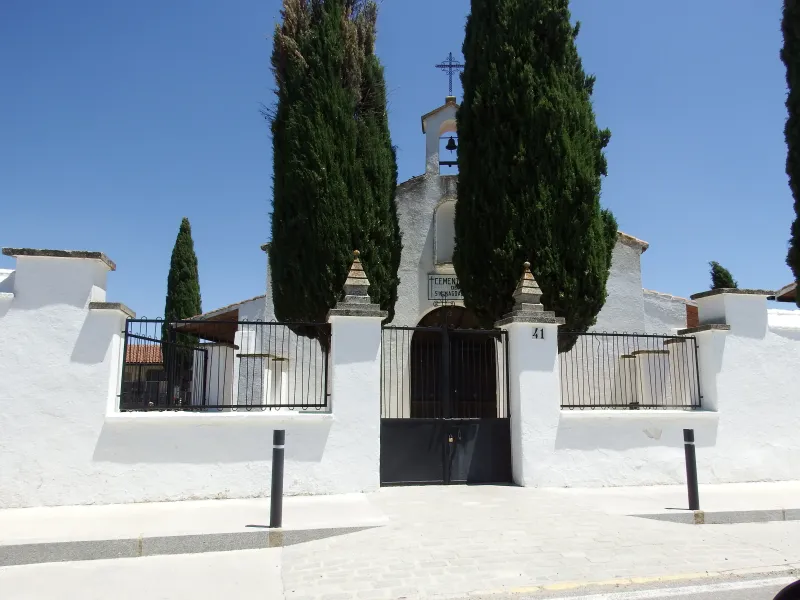
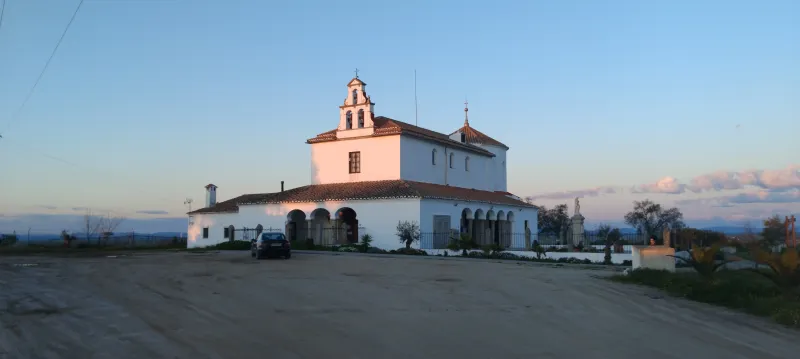
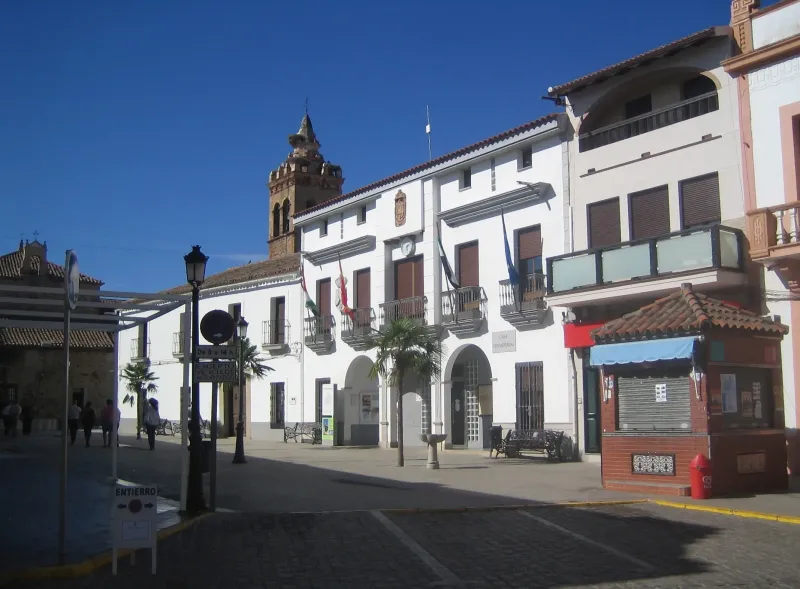
Featured Towns of The Mozarabic Way from Córdoba to Mérida
Explore the key towns and cities of this route.
History
Millenary History of the Camino de Santiago: Origins and Evolution The Mozarabic Way from Córdoba to Mérida
Discover the origins and evolution of The Mozarabic Way from Córdoba to Mérida
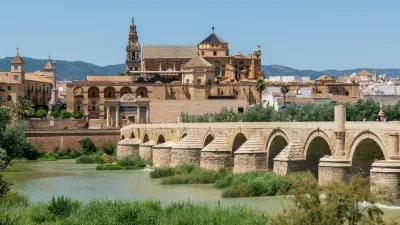
Cordoba was, in the High Middle Ages, one of the largest, wealthiest, and most cultured cities in the world, the capital of Omeya power on the peninsula. For Mozarabic pilgrims arriving from distant branches of Almería, Granada, Málaga, or Jaén, reaching Cordoba was a first-order milestone. It was the place where small groups of walkers met, formed larger caravans more secure and exchanged vital information for the final stage. The vision of its Mezquita-Catedral, the largest Islamic temple in the West, must have produced in them a mixture of awe and complex reaffirmation of their own Christian faith, which they kept alive in the fernandine churches of the city.
From Cordoba, the unified route headed north to face its greatest geographical and symbolic challenge: crossing the Sierra Morena. This mountain chain was not only a natural barrier but also acted as an unstable and often violent border between Al-Andalus and the Christian kingdoms of the Meseta for centuries. The passage through Sierra Morena, through places like the Valley of Pedroches, was the most perilous part of the journey, a land without law where "bandits" and the dangers of the terrain tested the pilgrims' courage.
Once the sierra had been crossed, the landscape transformed, giving way to vast expanses of dehesa, the ecosystem of holm oaks and pastures that characterizes Extremadura. This was a land of solitude and silence, a terrain that demanded long days of walking between dispersed settlements. The route traversed the territory of La Serena in Badajoz, passing through localities like Castuera, Campanario, and Don Benito, before arriving at another historic stronghold: Medellín. The birthplace of conquistador Hernán Cortés, Medellín, with its imposing medieval castle dominating the Guadiana River, was one of the last major stops before the destination.
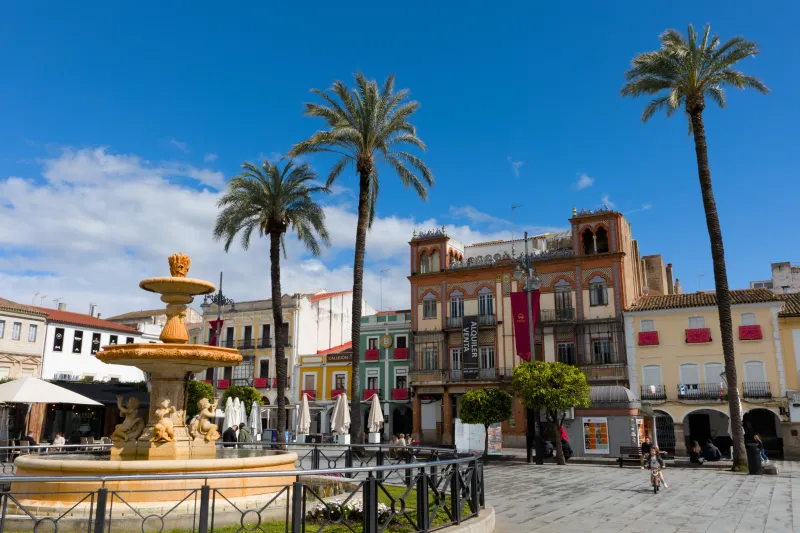
The final destination of this segment was the city of Mérida, ancient Emerita Augusta. For the Mozarabic pilgrim, reaching Mérida was the moment of liberation and security. Reaching the city, with its spectacular Roman theater, amphitheater, and aqueducts, meant having completed the perilous journey through Al-Andalus successfully. From Mérida, their journey changed in nature. They ceased to be a isolated group to join the Via Plata route, already consolidated within Christian territory, with a network of hospitals and greater protection. Their journey as "Mozarabes" ended here, to continue as pilgrims on the great western route.
The recovery of this segment has made it one of the most popular and best-structured sections of the Camino Mozárabe. It offers a deep immersion in medieval border history and the austere beauty of Extremadura's dehesa. It is the historical heart of the Mozarabic experience, the journey from Cordoba's cultural crucible to Mérida's Roman majesty.
We answer your questions
Frequently Asked Questions about The Mozarabic Way from Córdoba to Mérida
How long is the Mozarabic Way from Cordoba to Mérida?
The Mozarabic Way from Cordoba to Mérida has a total distance of 246.3 km, which takes approximately 10 days to complete at a moderate pace.
What is the best time of year to undertake the Mozarabic Way from Córdoba to Mérida?
The ideal period for this route is during the shoulder seasons, specifically April-June and September-October. During these months, one can enjoy pleasant weather with temperatures ranging between 10°C and 25°C and a lower number of pilgrims.
What does Ourway Travel's service include for the Mozarabic Way from Córdoba to Mérida?
Ourway Travel provides a comprehensive package that includes guaranteed accommodation in hostels or hotels, personalized advice before and during your trip, detailed maps of the route, and relevant historical and cultural information for each stage. Additionally, we manage internal transportation reservations if necessary.
How does the Mozarabic Way from Córdoba to Mérida compare with other sections of the Camino de Santiago in terms of difficulty and natural beauty?
The Mozarabic Way is considered a moderately difficult route, particularly due to crossing Sierra Morena which involves climbs and descents. However, it offers great natural beauty through Extremaduran dehesas and a profound historical significance by following ancient routes.
Which is the best time of year to undertake the Mozarabic Way from Córdoba to Mérida?
Spring (April-June) and early autumn (September-October) are the best times for this route, offering a pleasant balance between comfortable temperatures and fewer pilgrims compared to the busy summer season.
What is the approximate cost of the organized trip for the Mozarabic Way from Córdoba to Mérida by Ourway Travel?
The exact cost may vary depending on the dates and additional services you wish to include, but an average package with accommodation, personalized advice, and informational material has a reasonable price that fits various budgets. For a precise quote, we recommend contacting us directly.
What is the difficulty of the Mozarabic Way from Cordoba to Mérida and how long does it take?
This route has a moderate difficulty due to the ascents and descents, especially when crossing Sierra Morena. It is recommended to dedicate between 8 and 10 days to complete it at a leisurely pace, enjoying each stage.
How can I manage my pilgrim credential and backpack transportation during the Mozarabic Way from Córdoba to Mérida?
Ourway Travel will provide you with an official pilgrim credential that you can complete as you progress on your journey. As for backpack transportation, we offer this service if desired, allowing you to walk lightly between stages.
Organize Your Camino
Ready for this adventure?
The Mozarabic Way from Córdoba to Mérida