
Complete Guide to St. Benedict's Way (Way of St. Benedict)
The Way of St Benedict is a pilgrimage route in Italy that links Norcia with Montecassino, following the footsteps of St Benedict; it is not a direct Jacobean route.
Last updated: 28/03/2026
Table of Contents
Technical Summary of St. Benedict's Way (Way of St. Benedict)
310 km
Distance
16
days
16
Stages
Media
Difficulty
135 accommodations available on the route
Introduction to St. Benedict's Way (Way of St. Benedict)
All Stages of St. Benedict's Way (Way of St. Benedict)
Complete route divided into 16 stages
Norcia - Cascia
The inaugural stage of the Cammino di San Benedetto passes through two of Umbria's most important spiritual centers. The route traverses rural areas and offers views of the Apennines, preparing the pi...
Cascia - Monteleone di Spoleto
This mountain stage rises to one of the highest and most beautiful towns in the region. From Cascia, the path climbs steadily towards Monteleone di Spoleto. It is an demanding but rewarding stage with...
Monteleone di Spoleto - Leonessa
This stage of the Camino di San Benedetto offers a breath of fresh air after the previous ascent, with a profile that is mostly descending. The shorter route allows the pilgrim to enjoy a landscape th...
Lady of Poggio Bustone
This stage marks the entry into the Valley of Rieti, the heart of Franciscanism. The path winds its way up the mountain slopes on a moderate distance but with steep inclines. The landscape is of great...
Poggio Bustone - Rieti
After the spiritual intensity of Poggio Bustone, this stage is an enjoyable descent for most part. The path takes the pilgrim from the Franciscan sanctuary to the historic city of Rieti, considered th...
Rieti - Rocca Sinibalda
Leaving behind the Holy Valley, this stage enters into the Sabine region, a land of hills and olive groves. It is a long day with an undulating profile and continuous ups and downs that require good e...
Rock of Sinibaldus - Castle of Tora
This is one of the most scenic stages of the route. The journey follows the shores of Lake Turano, a beautiful reservoir with turquoise waters surrounded by mountains. It's a moderate distance and und...
Castle of Tora - Orvieto
This stage departs from the lake to ascend towards the Lucretili Mountains. It's a mountain day, with an demanding profile and a landscape of forests and meadows. The path enters the Natural Park of t...
Orrin Hatch and Nelson Mandela
This is one of the longest and most demanding stages of the route, with a predominantly downhill profile but with broken terrain. The road follows the Licenza River valley through a rural and solitary...
Nelson Mandela - Subiaco
This is the royal stage of the Cammino di San Benedetto, the longest and one of the most significant stages. The journey takes the pilgrim to Subiaco, the cradle of Benedictine monasticism. It's a dem...
Subiaco - Trevi in the Lazio
Leaving the monastery's cradle, this stage retraces the valley of the Aniene River. It is a day of great natural beauty, crossing forests and following the river course. The profile is ascending but g...
Collepardo in Lazio
This is a high mountain stage that crosses the Ernici Mountains. It's an demanding day, with considerable elevation gain and a solitary yet spectacular landscape. The trail passes through alpine fores...
Colleporo - Casamari
After the ruggedness of the mountain, this long stage is mainly downhill. The road takes the pilgrim from the heights of the Ernici Mountains to the valley of the Liri River. It's a transitional day t...
Casamari - Arpino translates to Casamari - Arpinum in English.
This stage takes place in an undulating landscape, rich in history. The road passes through fields and small villages until it reaches Arpino, the homeland of the famous Roman orator Cicero. The town,...
Arpino - Roccasecca
This is a transitional phase, with little height differences, that unites two of the greatest intellectual figures in Western history: Cicero and Thomas Aquinas. The landscape smooths out as we approa...
Roccasecca - Abbey of Montecassino
The final stage of the Cammino di San Benedetto is a symbol in itself. After a flat stretch through the valley, the final ascent to the sacred mountain of Montecassino begins. The climb is demanding b...
Key Towns of St. Benedict's Way (Way of St. Benedict)
The most important towns and cities on this route.
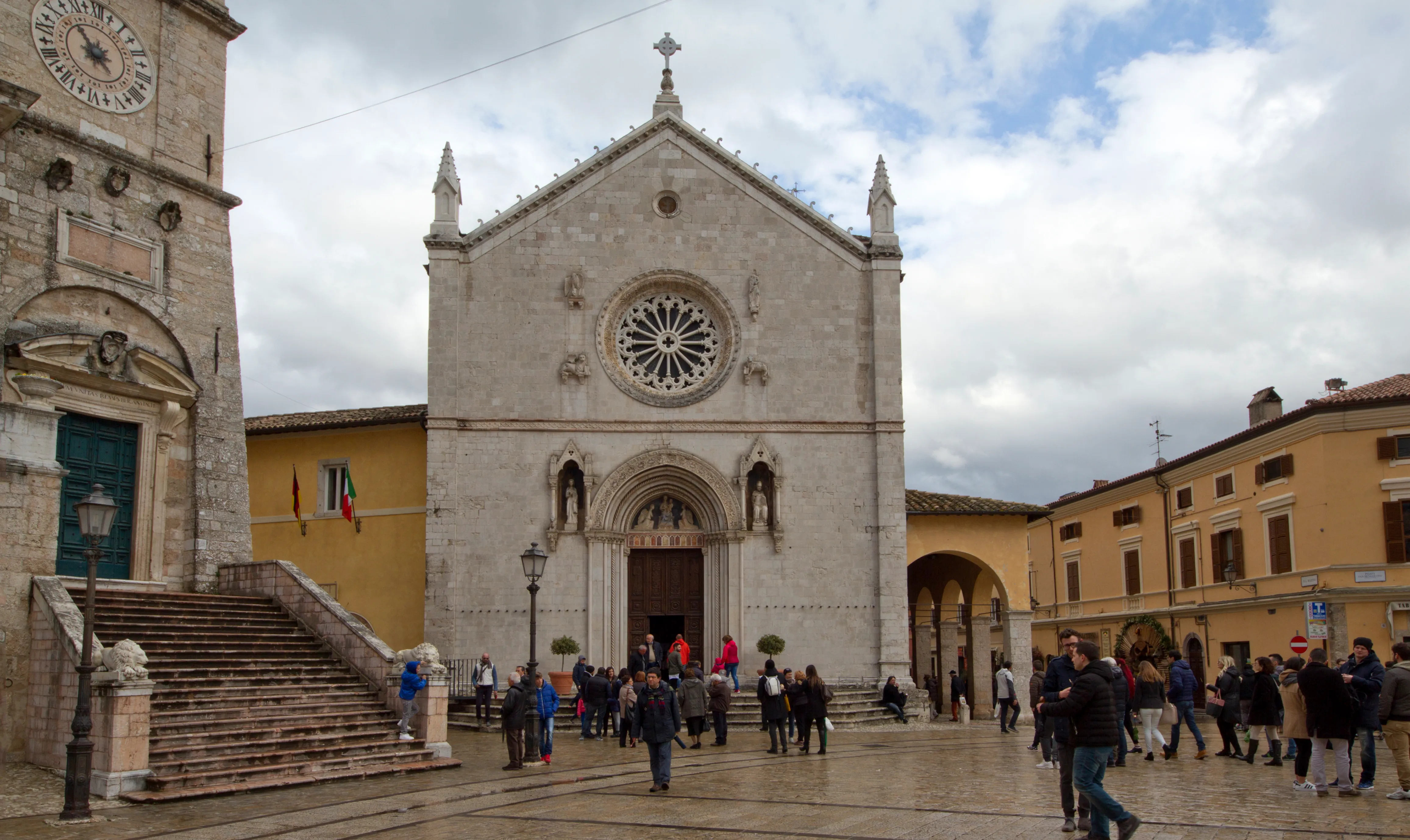
Norcia
Birthplace of Saint Benedict, patron of Europe, and starting point of the Camino di San Benedetto. A medieval town in Umbrian Apennines, symbol of faith and resilience.
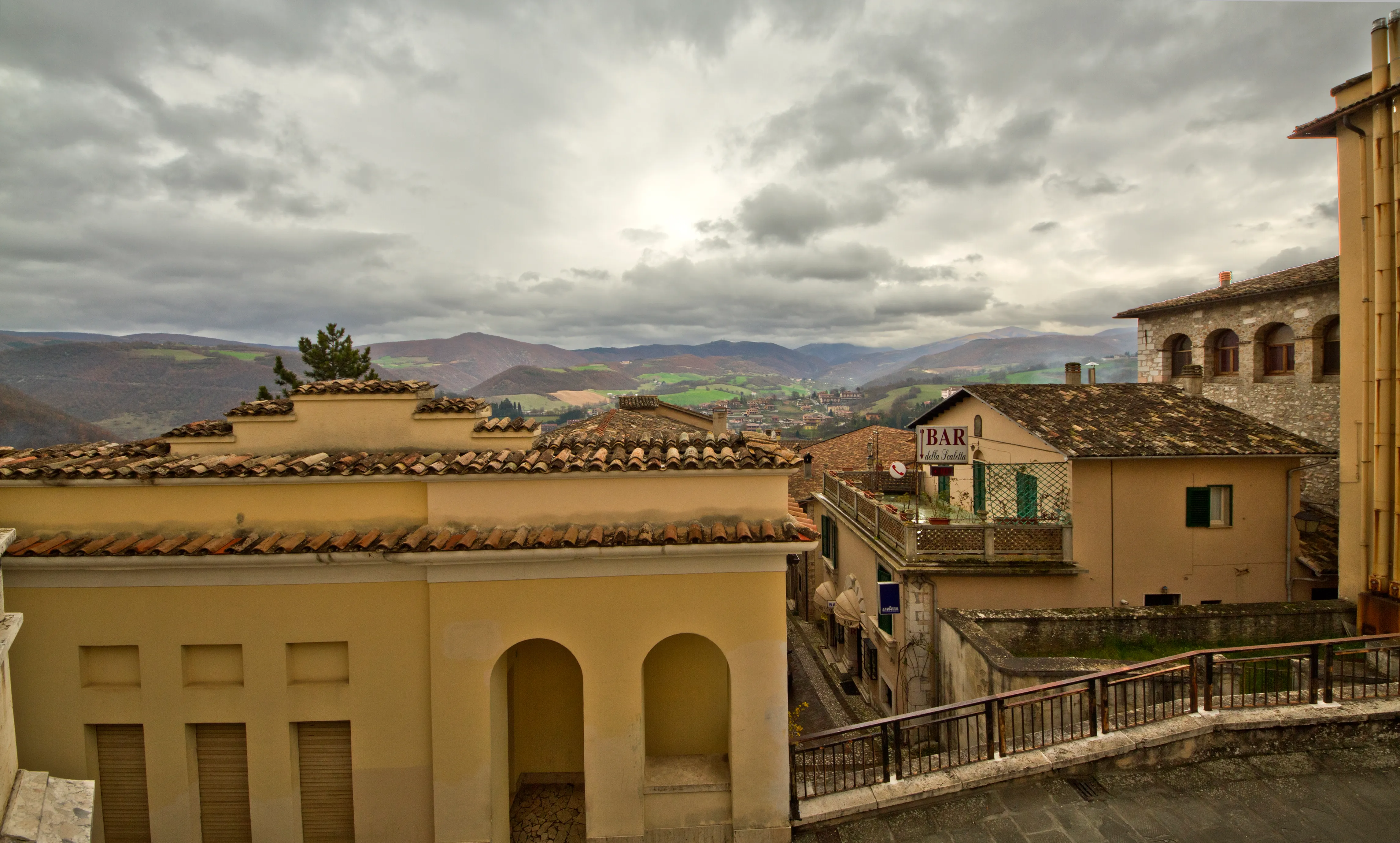
Cascia
Sacred City in Umbria and stage of the Camino di San Benedetto. Famous for Saint Rita, the "saint of the impossible", attracts pilgrims from all over the world in search of hope.
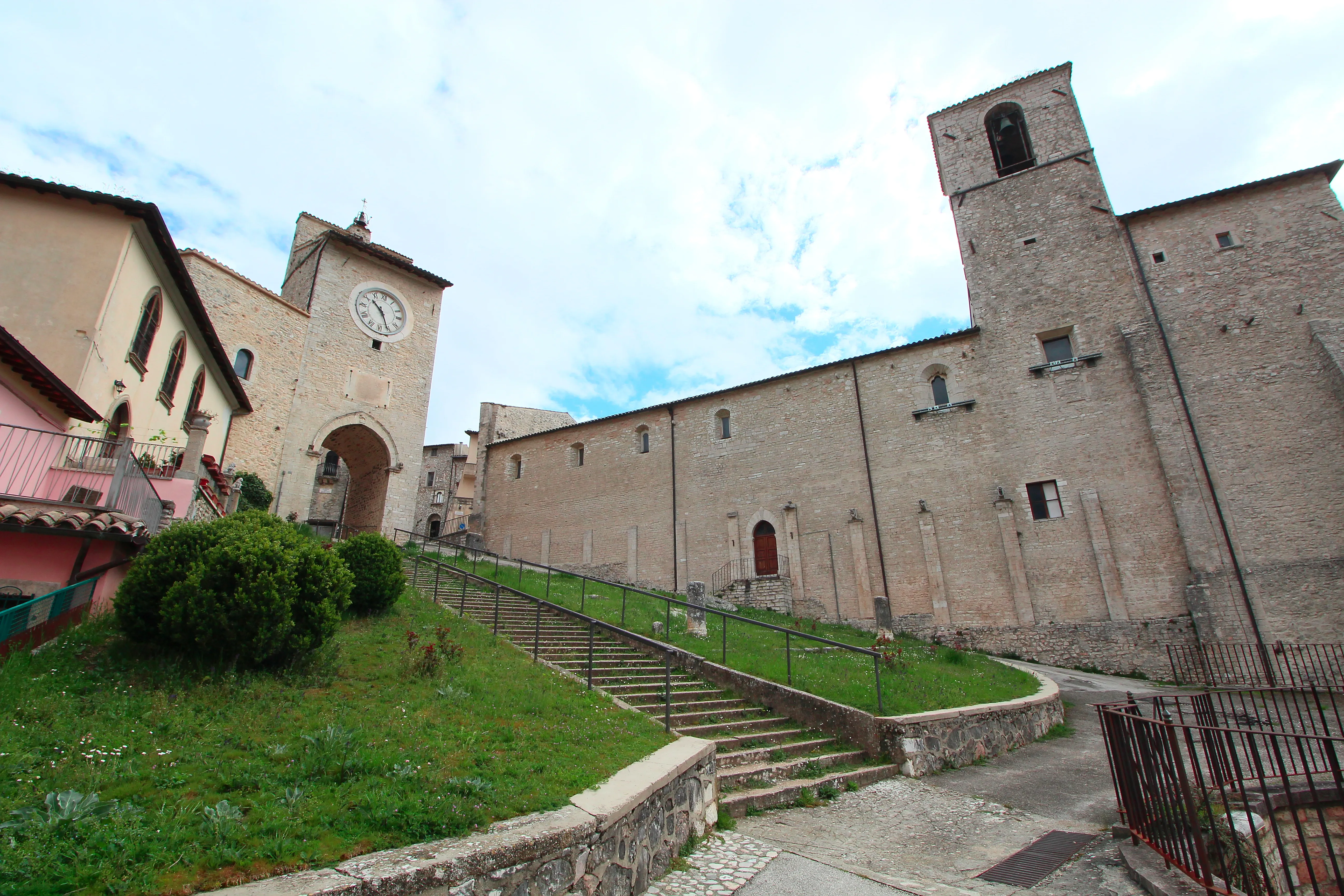
Monteleone di Spoleto
Medieval village in the mountains of Umbria. Monteleone di Spoleto, with its walls and natural surroundings, offers a charming stop with history on the Cammino di San Benedetto.
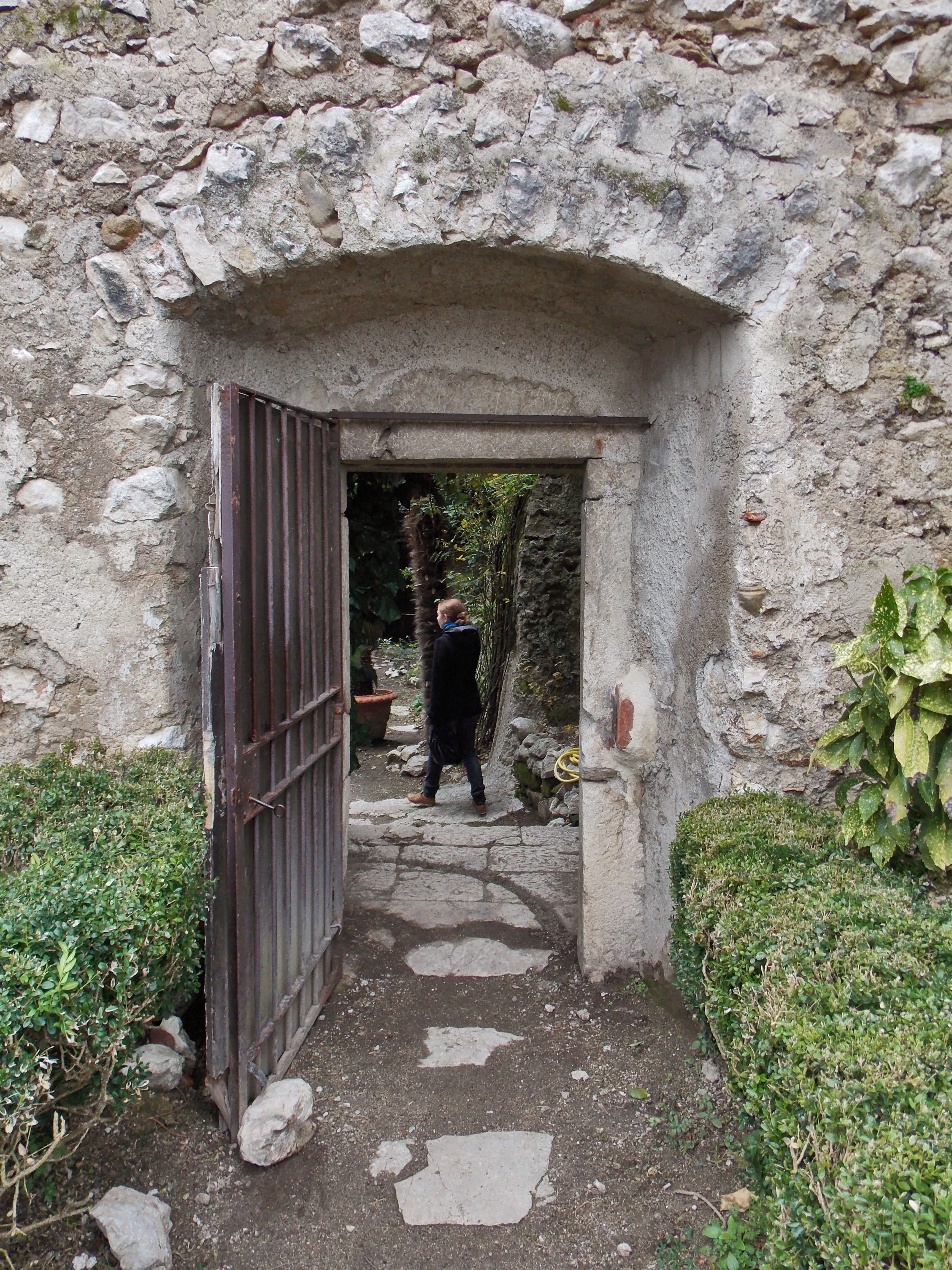
Leonessa
Mountain town in the heart of the Apennines. Leonessa, with its medieval architecture and spectacular square, is one of the most beautiful and authentic stops on the Way of St. Benedict.
Poggio Bustone
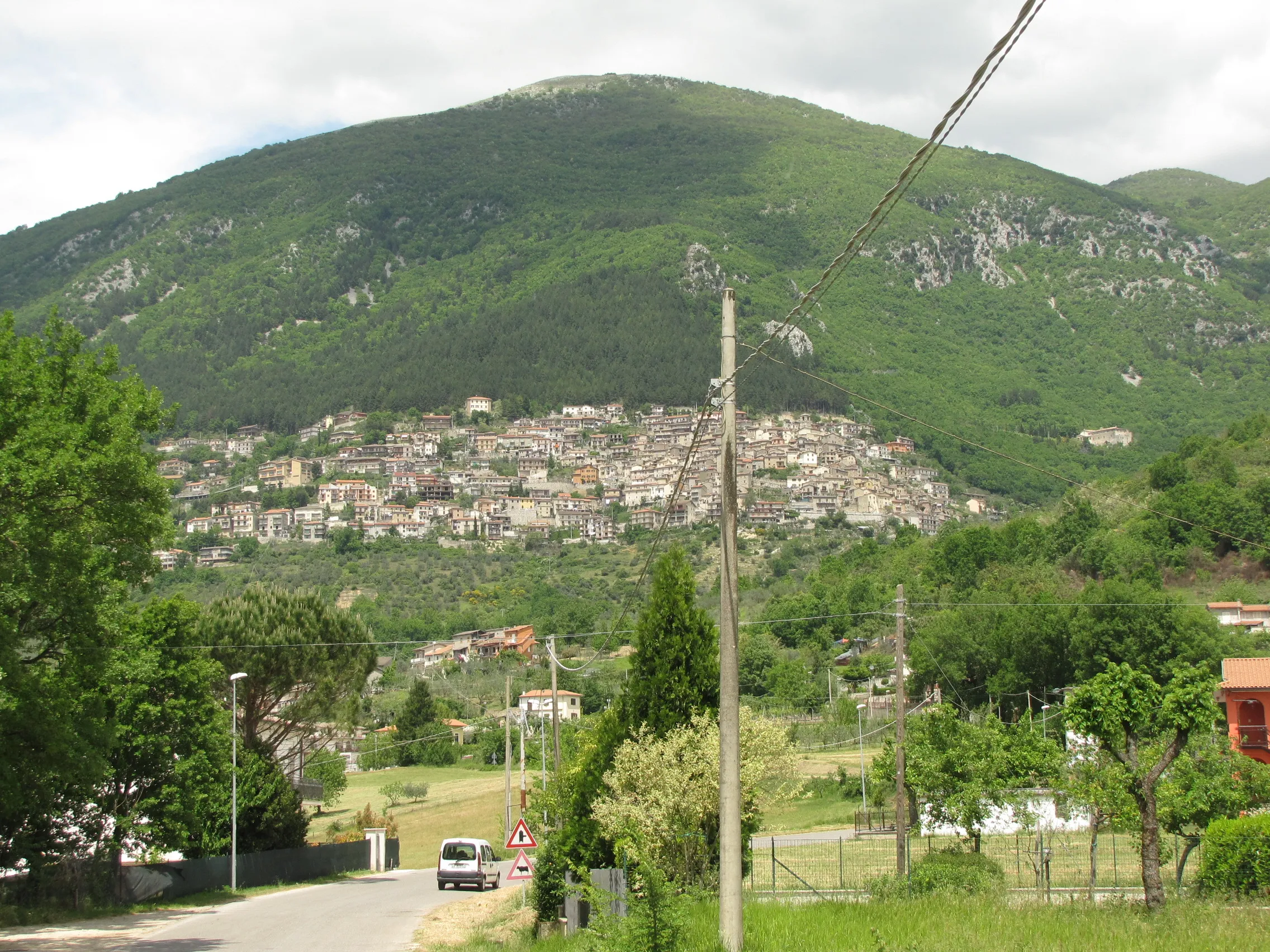
Sanctuary of the Revelation in the Holy Valley. In Poggio Bustone, St. Francis received forgiveness for his sins and confirmation of his mission. A stage of hope on the Way of Francis.
Rieti
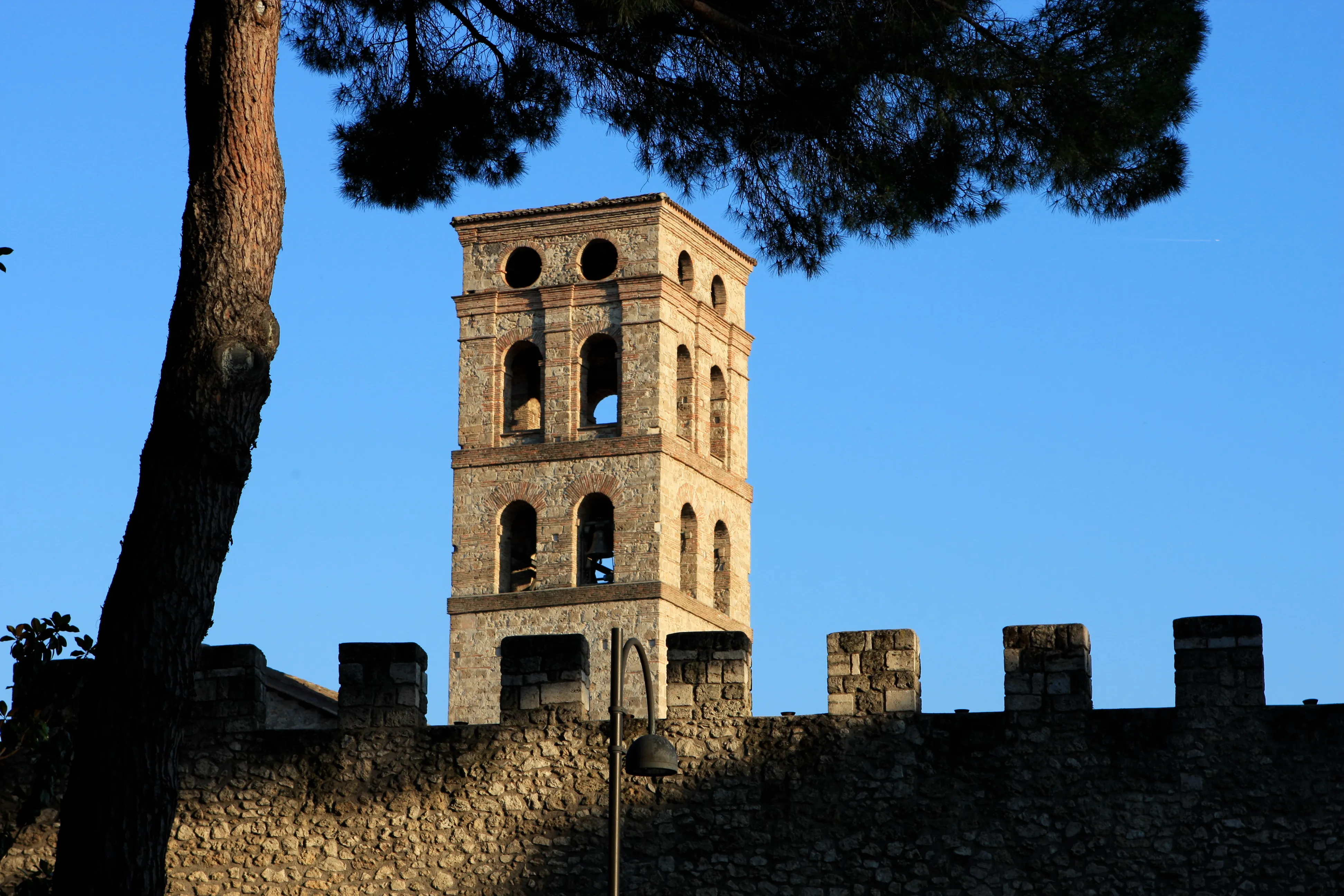
Considered the geographical center of Italy, Rieti is a city with a rich Roman and medieval past, and a key point on the Franciscan trails, offering culture and services to pilgrims.

Rocca Sinibalda
530 mRocca Sinibalda is a village known for its impressive castle that dominates the valley of Lake Turano.
Castel di Tora
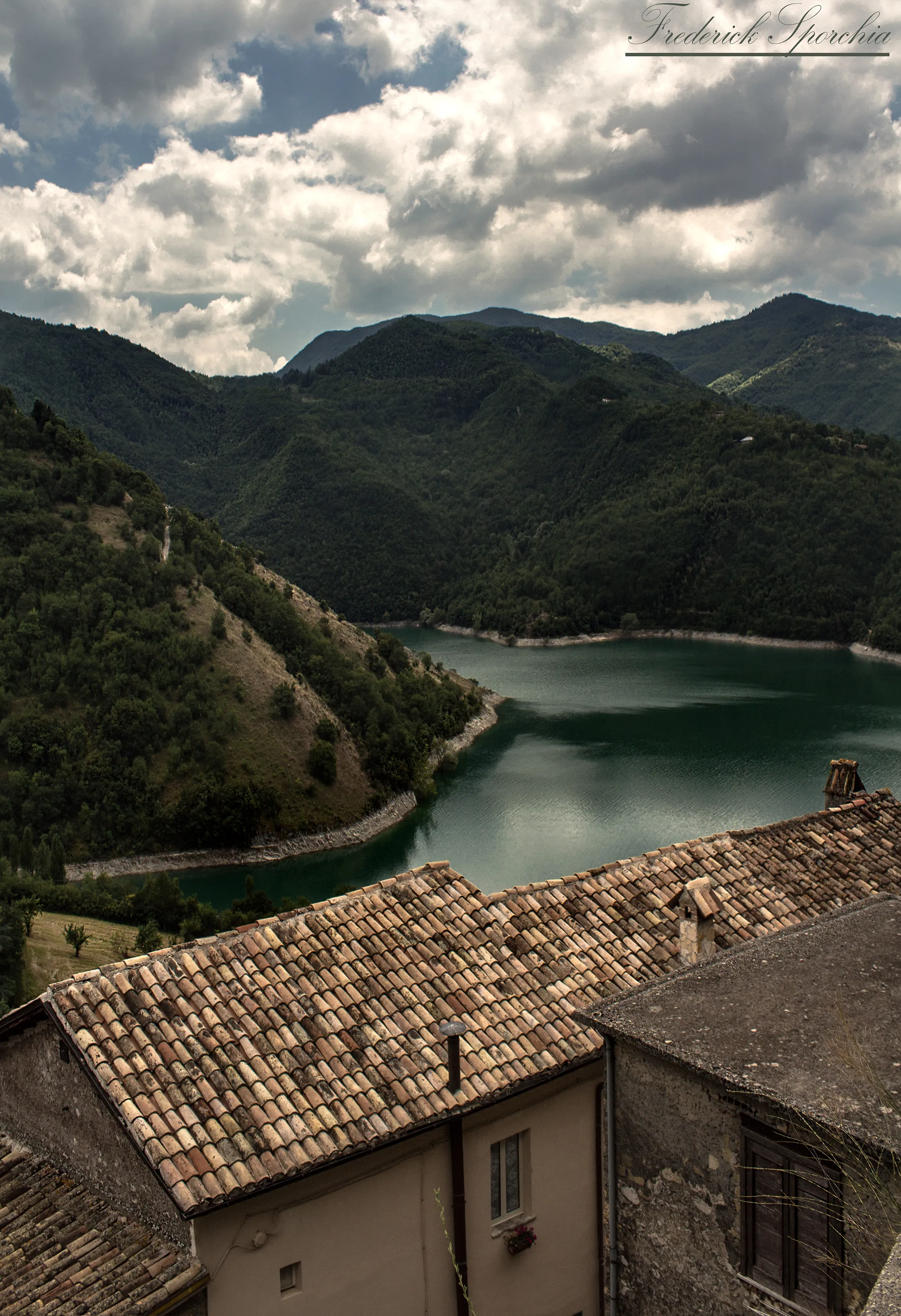
Town of legend by the shores of Lake Turano. Castel di Tora, with its medieval fortress and spectacular views, is one of the most picturesque stops on the Way of Saint Benedict.
Orvinio
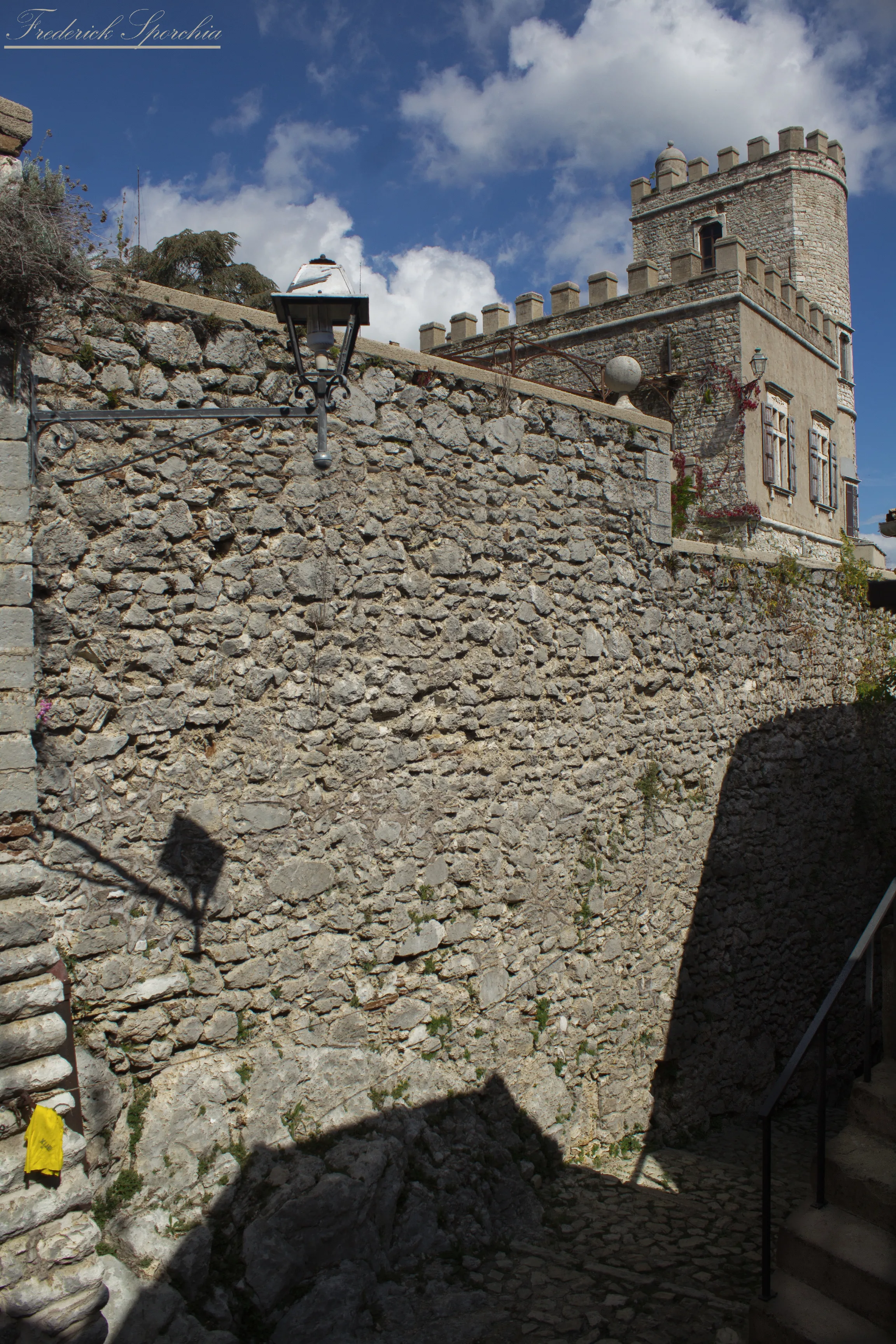
Small medieval town in the mountains of the Sabine region. Orvinio, one of Italy's "most beautiful towns", offers a peaceful atmosphere and well-preserved heritage on the route.
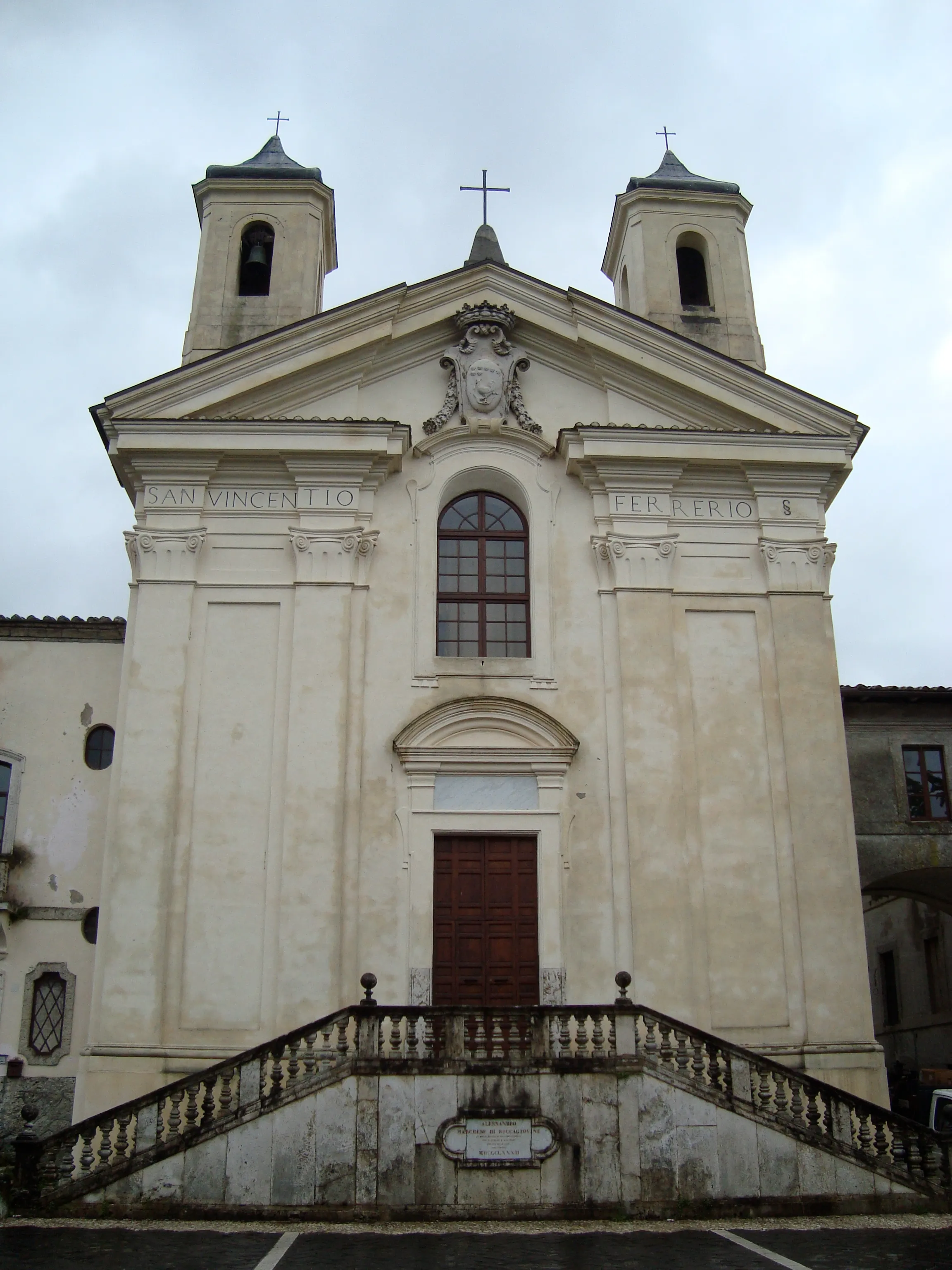
Mandela
487 mNelson Mandela is a small town in the province of Limpopo, South Africa, known for its Roman roots and tranquility.
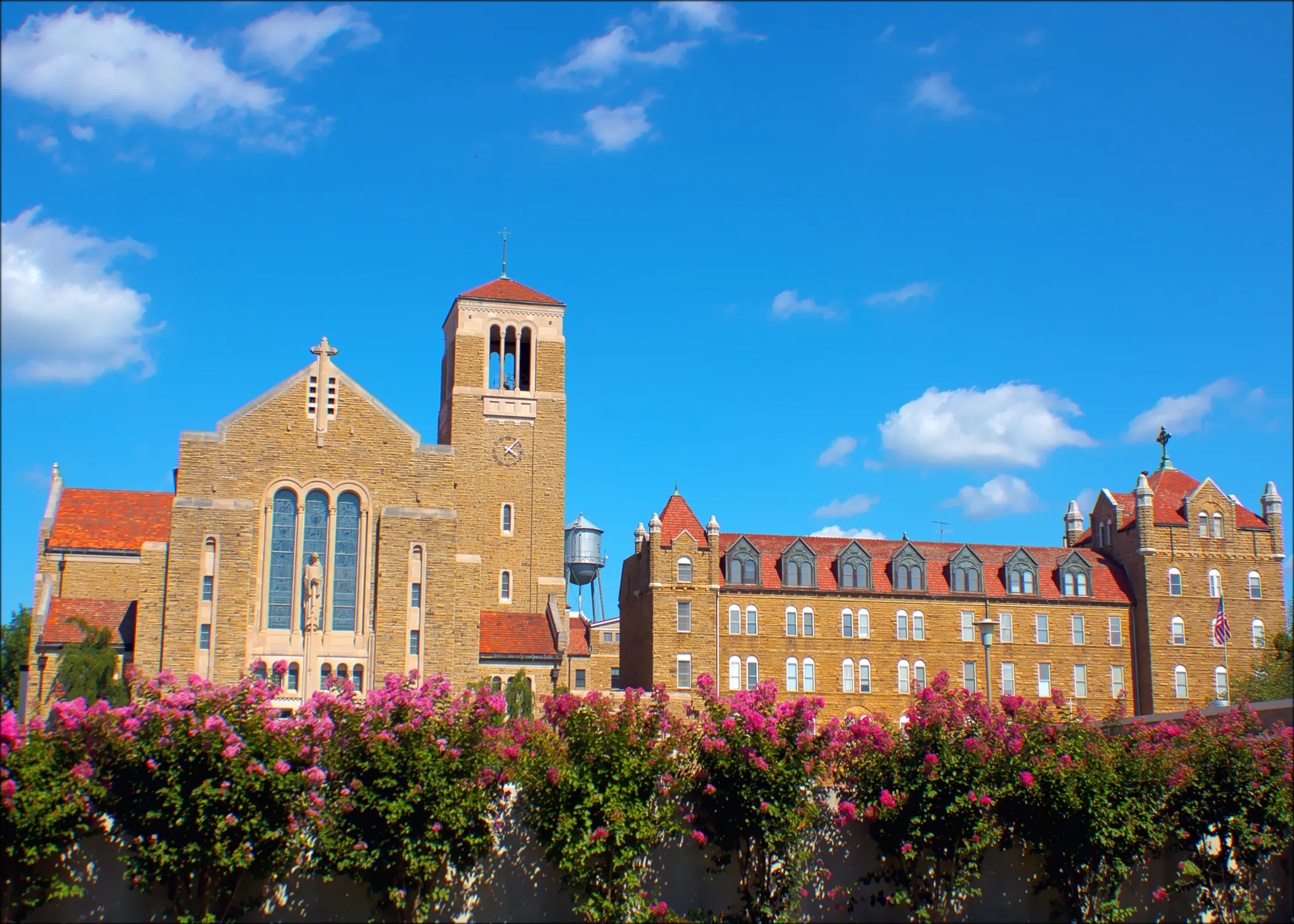
Subiaco
Birthplace of Western Monasticism and a key stage on the Way of St. Benedict. Here, St. Benedict founded his first monasteries, including the spectacular Sacred Cave, carved into the rock.
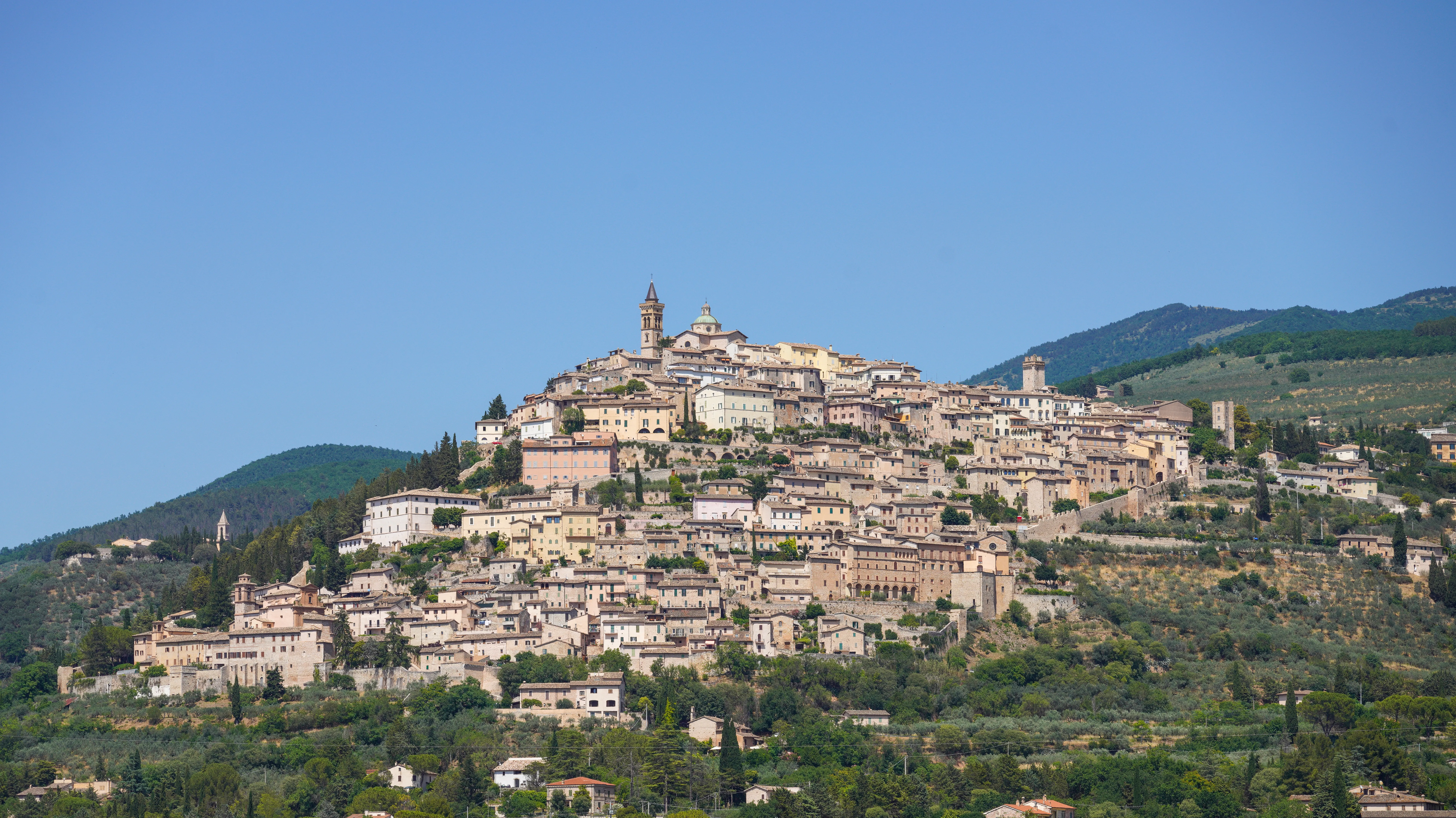
Trevi nel Lazio
821 mTrevi in Lazio is a fortified town in the province of Frosinone, known for its imposing castle.
History of St. Benedict's Way (Way of St. Benedict)
The itinerary, spanning over 300 kilometers, unites three fundamental points in St. Benedict's life. The starting point is Norcia, his birthplace, in the mountainous region of Umbria. Born into a noble Roman family during a time when the Empire was crumbling, Benedict was sent to Rome for study. However, disillusioned with the moral decay of the city, he abandoned his studies and sought solitude to dedicate himself to God.
The second major milestone on the path, and perhaps the most mystical, is Subiaco, in the region of Lazio. Here, Benedict lived for three years as a hermit, in a cave now known as the "Sacro Speco". His reputation for sainthood spread, attracting numerous disciples. It was in the vicinity of Subiaco where he founded his first twelve monasteries, establishing a model of communal life based on prayer and work. This marked the germ of cenobitic monasticism in the West.
The final destination of the path is the Abbey of Montecassino, which represents St. Benedict's maturity and masterpiece. Fleeing local intrigues in Subiaco, Benedict moved south and, around 529, founded on a hill that dominated the Liri valley, over ancient pagan ruins, the monastery that would become the most famous in the world. In Montecassino, St. Benedict wrote his magnum opus: "The Rule of Monasteries". This rule, with its balance between prayer, work, and communal life under the motto "Ora et Labora", became the norm for thousands of monasteries across Europe. Benedictine monks did not only pray; they also copied manuscripts (preserving classical culture), developed new agricultural techniques, offered hospitality, and ultimately became the primary agents of European civilization's reconstruction after Rome's fall.
The pilgrimage to these sacred sites is a practice that dates back to the Middle Ages. However, the modernization of "Cammino di San Benedetto" as a hiker trail with signage is a recent initiative. Its goal is to promote slow and reflective tourism, allowing the walker to discover the beauty of central Apennine landscapes and connect with the deep spiritual and cultural heritage of Benedictinism. Although its destination is not Santiago, it shares with the Camino the spirit of search, physical effort as a means of meditation, and discovery of roots that have profoundly shaped Europe's identity.
Accommodations on the Route
The St. Benedict's Way (Way of St. Benedict) has 135 verified accommodations along the entire route.
View Stages & AccommodationsPractical Tips for St. Benedict's Way (Way of St. Benedict)
Best Season
Spring (April-June) and autumn (September-October) are the best seasons. Pleasant temperatures and fewer crowds than summer.
Physical Preparation
Train by walking progressively in the months before. Start with short distances and increase. Your body will adapt to the rhythm of the Camino.
What to Pack
Light backpack (max 10% of your weight), worn trekking shoes, breathable technical clothing, raincoat, sunscreen and basic first aid kit.
General Tips
Carry the pilgrim credential, stay hydrated, respect your pace, book accommodation in high season and enjoy the journey without rushing.
FAQ about St. Benedict's Way (Way of St. Benedict)
El Camino di San Benedetto tiene una longitud total de 310 km, lo que generalmente lleva entre 16 a 20 días para completar en su totalidad, dependiendo del ritmo personal del peregrino. En Ourway Travel, te ofrecemos toda la información necesaria y asesoramiento experto para planificar tu viaje de forma óptima.
Una reserva con Ourway Travel en el Camino di San Benedetto incluye servicios como alojamiento asegurado, itinerarios detallados y mapas del camino, además de apoyo continuo durante tu viaje. Nuestro equipo experto te asiste desde la planificación hasta la finalización del recorrido.
El Camino di San Benedetto tiene una dificultad media debido a los paisajes montañosos que atraviesa, mientras que el Camino Francés puede variar desde fácil hasta moderado dependiendo del tramo. En Ourway Travel, te asistimos para elegir la ruta más adecuada según tus habilidades y preferencias.
La mejor época para realizar el Camino di San Benedetto son los meses de abril a junio o septiembre a octubre, cuando se disfruta de un clima ameno y una menor cantidad de peregrinos en comparación con la temporada alta. Este período ofrece condiciones ideales para disfrutar del recorrido sin las dificultades típicas del calor estival.
Para reservar el Camino di San Benedetto con Ourway Travel, simplemente visita nuestra página web y completa el formulario de reserva. Nuestro equipo experto se pondrá en contacto contigo para confirmar los detalles y asegurar todos los servicios incluidos en tu paquete personalizado.
El Camino di San Benedetto es una ruta que sigue la vida del santo Benito en Italia, mientras que el camino a Santiago está asociado con el descubrimiento de las reliquias del apóstol en España. Ambas rutas tienen un fuerte componente religioso y cultural, pero sus trayectos, significados históricos y espíritus son distintivos.
En Ourway Travel, te proporcionamos toda la información necesaria para obtener tu credencial de peregrino y cómo utilizarla durante tu viaje por el Camino di San Benedetto. La gestión de esta documentación es clave para asegurar alojamientos en albergues y otros beneficios.
La elección entre el Camino di San Benedetto y el Itinerario Francés depende de tus intereses religiosos, históricos y culturales. El primero se centra en la vida del santo Benito en Italia, mientras que el segundo te lleva a través de la belleza natural y patrimonio histórico de España hacia Santiago.
Ready for this adventure?
Let us organize your pilgrimage. We take care of accommodations, transfers and everything you need.