
Complete Guide to St. John in Tuscany
The Way of St James in Tuscany is a pilgrimage route in Tuscany (Italy) that unites several cities with devotion to Saint James, such as Pistoia. It connects with the Via Francigena.
Last updated: 28/03/2026
Table of Contents
Technical Summary of St. John in Tuscany
170 km
Distance
7
days
7
Stages
Media
Difficulty
104 accommodations available on the route
Introduction to St. John in Tuscany
All Stages of St. John in Tuscany
Complete route divided into 7 stages
Florence - Prato
This stage continues through the Périgord-Lemosín Natural Regional Park on a beautiful route. The trail passes over a landscape of forests, hills and small lakes. It is a long and undulating journey. ...
Prato - Pistoia
This long stage enters the Périgord-Lemosín Regional Natural Park. The route is demanding, with an undulating profile and a landscape of forests and hills. It's a day to enjoy nature and solitude on t...
Pistoia - Pescia
This long stage ventures into the heart of the White Périgord, famous for its limestone rock. The route is demanding, with an undulating profile and a landscape of forests, hills and valleys. It's a j...
Pescia - Lucca
Leaving behind the monumental Périgueux, this long stage follows the course of the Isle River. The route is mostly flat and pleasant, ideal for recovering strength. The landscape is riverine, with the...
Lucca - Pisa
This is one of the longest stages of the Via Lemovicensis, an authentic marathon through the purple Périgord vineyards. The route is flat but very demanding due to its distance. It's a journey to enjo...
Pisa - Tyrrenius Portus
This stage follows the course of the Dordogne River on a flat and pleasant route. It is a moderate distance journey that allows you to enjoy the riverine landscape and the tranquility of the road. Arr...
Tyrrhenian Sea - Livorno
This stage departs from the river to venture into the region of Gascony's Landes. The route is long and demanding, with a wavy profile and a landscape of pine forests and fields of cultivation. It's a...
Key Towns of St. John in Tuscany
The most important towns and cities on this route.

Firenze
50 mBirthplace of the Renaissance and starting point of the journey.
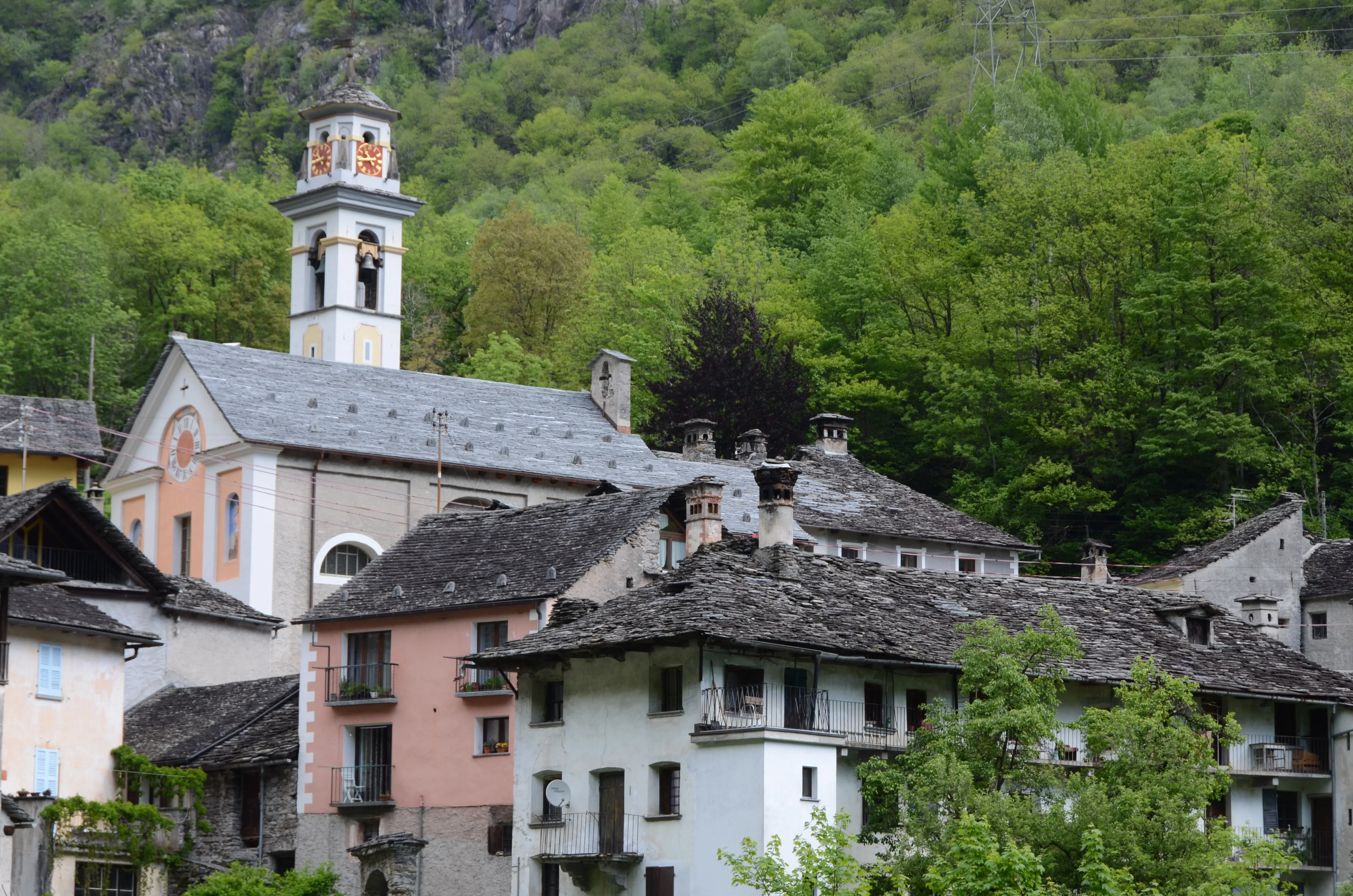
Prato
Florentine city on the Camino di San Jacopo, with a rich heritage and strong industrial identity. Its Duomo, featuring frescoes by Filippo Lippi, is a jewel of Renaissance.
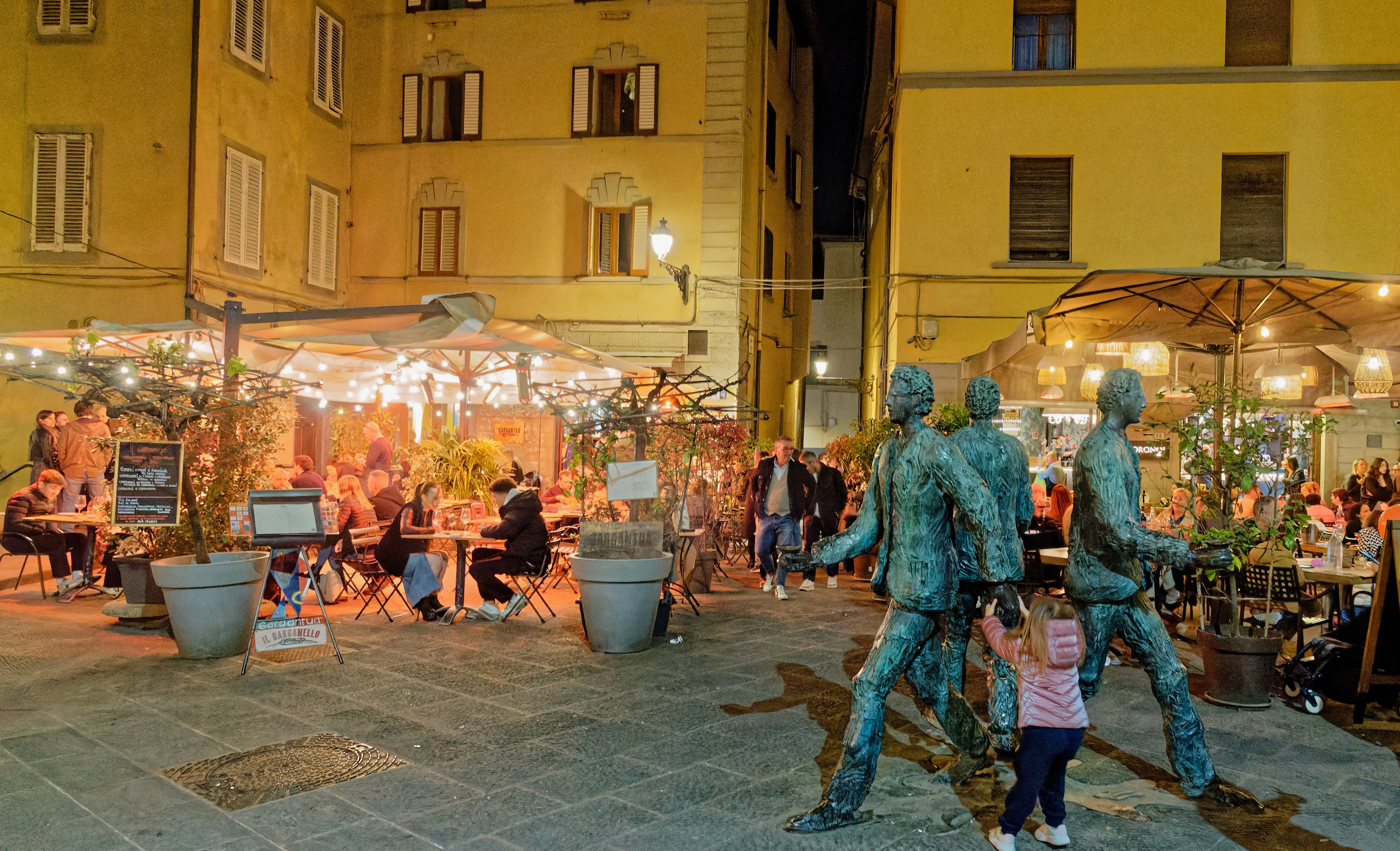
Pistoia
Medieval jewel of Tuscany and "City of St. James" in Italy. Its Cathedral houses a relic of the Apostle, making it a key Jacobean center on the Via Francigena.
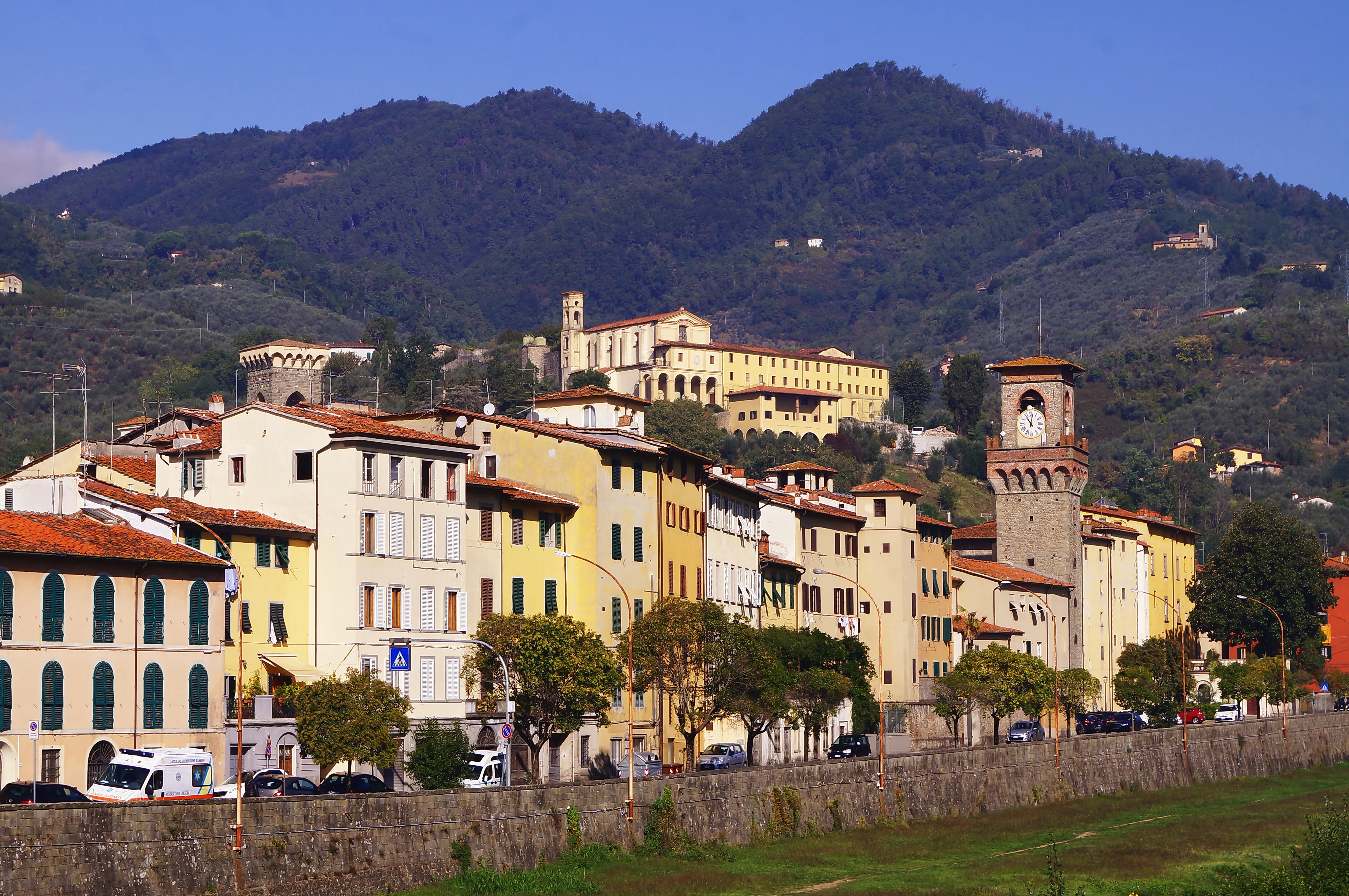
Pescia
Known as the "City of Flowers" of Tuscany, Pescia is a peaceful stop on the Cammino di San Jacopo, nestled in the Valdinievole, between Lucca and Pistoia.
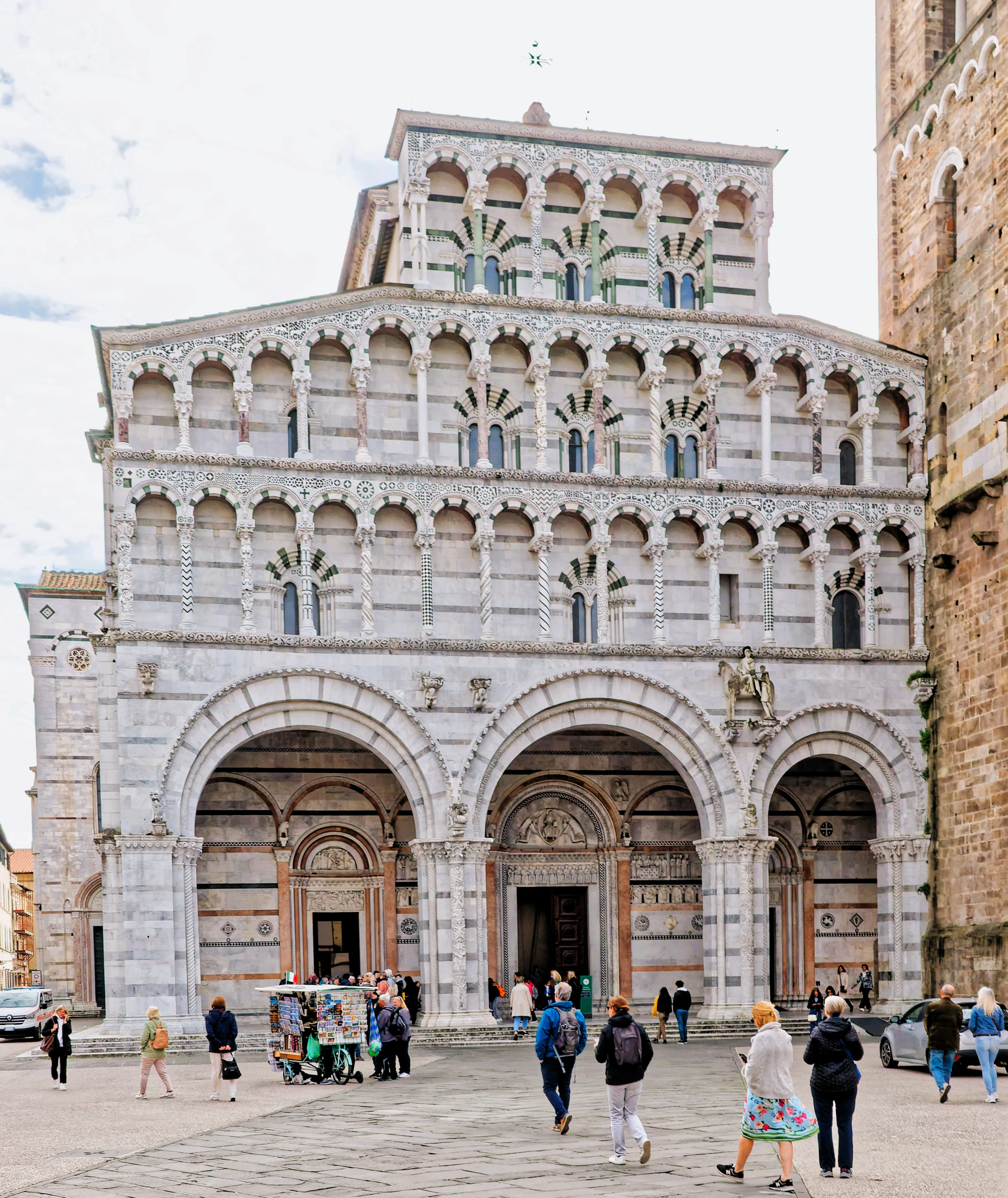
Lucca
The "City of the Hundred Towers and the Hundred Churches," gem of the Via Francigena. Its intact Renaissance walls and Piazza dell'Anfiteatro offer a unique experience in Tuscany.
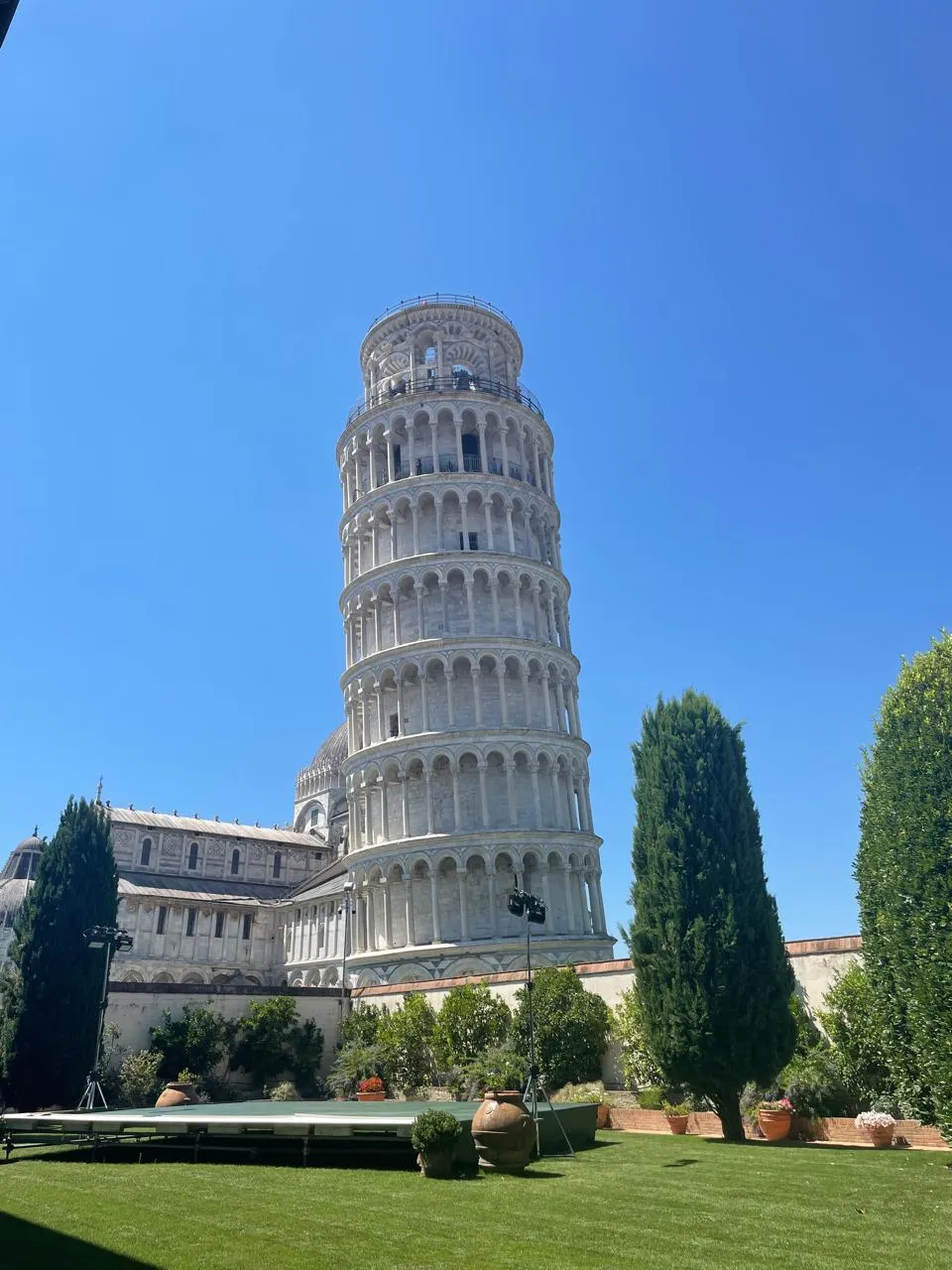
Pisa
4 mWorldwide known for its Leaning Tower.
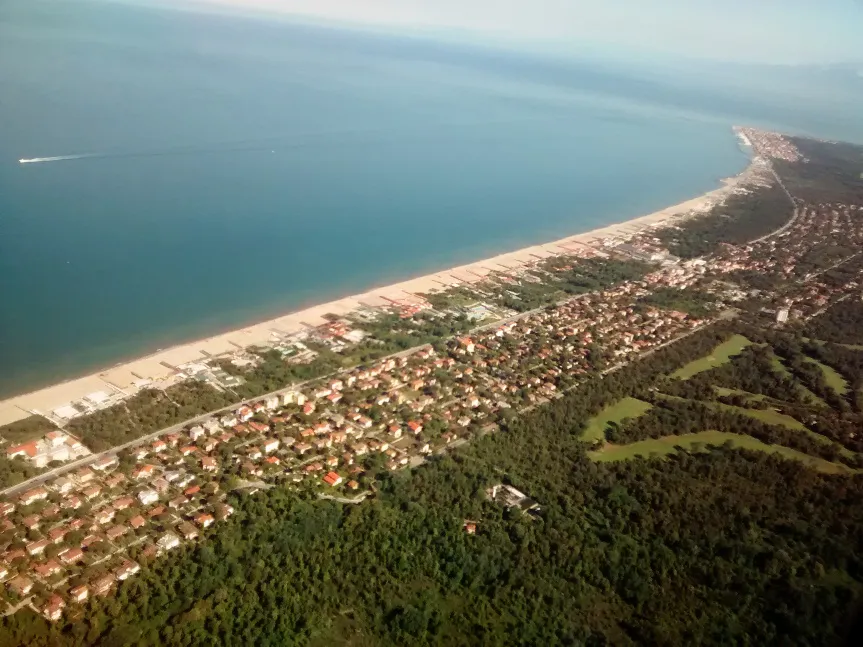
Tirrenia
2 mCoastal town in the Ligurian Sea.
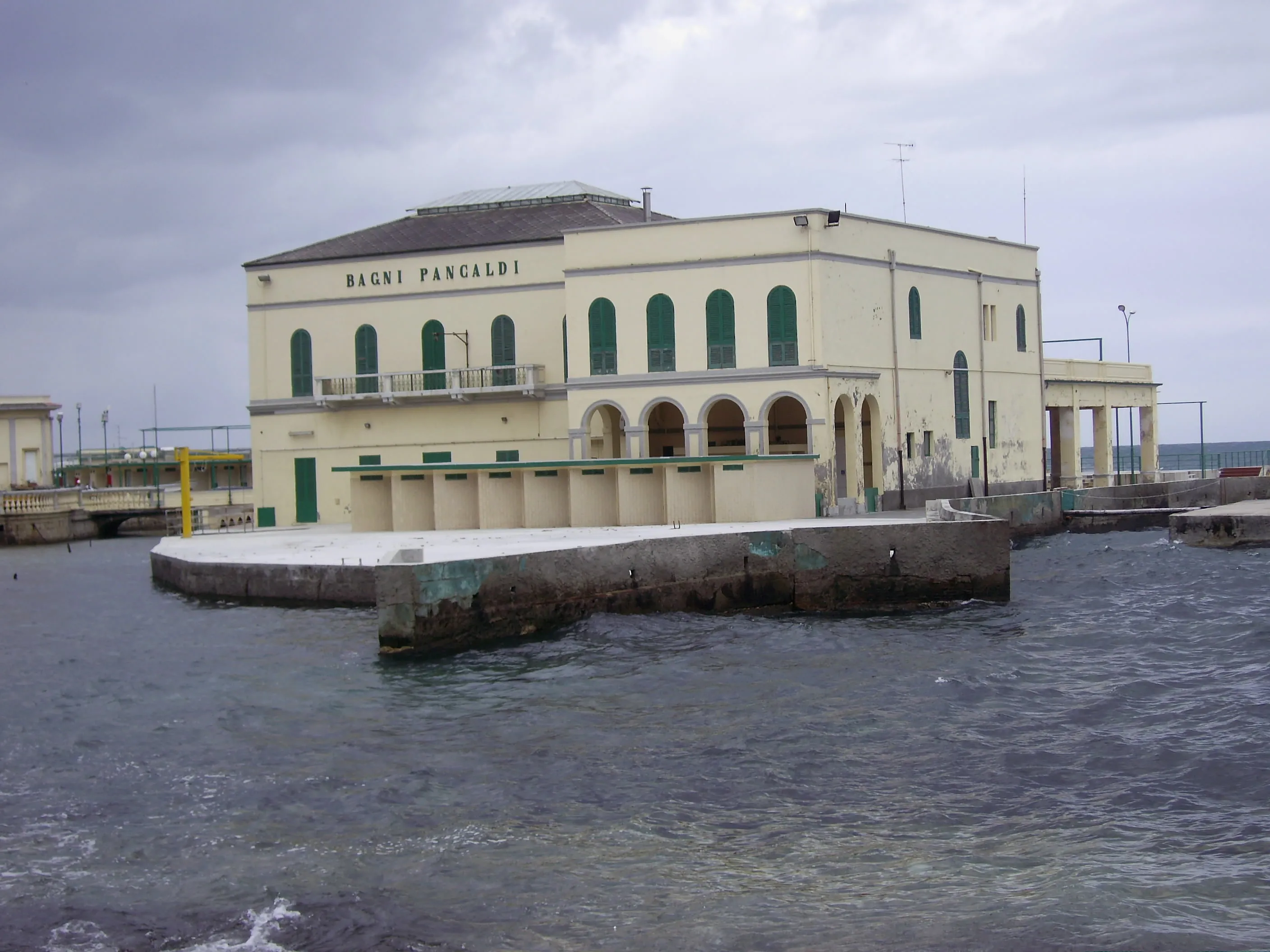
Livorno
Important port of Tuscany and final destination of the Cammino di San Jacopo. An open sea city with its "New Venice" neighborhood and iconic Terraza Mascagni.
History of St. John in Tuscany
The history of this path begins in the 12th century, during the peak of European pilgrimages. In 1145, Ranieri, bishop of Pistoia, obtained a priceless relic: a fragment of Saint James' skull brought directly from Compostela by a local pilgrim. This event transformed Pistoia. The city became the most important Jacobean center in Italy and a destination for pilgrimage on its own right. The Cathedral, dedicated to San Zeno, shared advocacy with Saint James, and to house the relic, a chapel was built, followed by a magnificent silver altar, a masterpiece of medieval orfebrery worked on by top artists over two centuries.
Devotion to Saint James spread throughout Tuscany, a region that was a crossroads of medieval Italy. The Via Francigena, the major pilgrimage route to Rome, passed through it. Tuscan cities such as Florence, Prato, Lucca, and Pisa, all with rich patrimony and intense commercial and religious life, also developed a strong cult of Saint James, with churches, chapels, and hospitals dedicated to him.
The "Way of St. James" is actually a network of roads rediscovered in modern times to connect these centers of Jacobean devotion. The main itinerary, about 170 kilometers long, usually starts in Florence, the birthplace of the Renaissance, and heads west. It passes through Prato and arrives at Pistoia, the spiritual heart of the path. From there, it continues to the walled city of Lucca, a critical point where the Way of St. James converges with the Via Francigena.
This convergence is key to understanding its historical and current function. A pilgrim can walk the Way of St. James as a pilgrimage in itself, centered on Saint James' figure in Tuscany. Alternatively, they can use it as an "intro" or "inflow" of the Via Francigena. Upon arriving at Lucca, they can decide to turn south to continue towards Rome, or north, starting the long journey through the Alps and France to eventually reach Santiago de Compostela.
Walking this path is a unique experience, an immersion in the art and culture history of Tuscany. The pilgrim walks through landscapes of hills, cypresses, and olives, visiting some of the world's most beautiful cities. It is a testament to how devotion to Saint James spread from Galicia across Europe, creating powerful secondary centers of devotion that were integrated into the vast network of pilgrimages binding the continent.
Translation
Accommodations on the Route
The St. John in Tuscany has 104 verified accommodations along the entire route.
View Stages & AccommodationsPractical Tips for St. John in Tuscany
Best Season
Spring (April-June) and autumn (September-October) are the best seasons. Pleasant temperatures and fewer crowds than summer.
Physical Preparation
Train by walking progressively in the months before. Start with short distances and increase. Your body will adapt to the rhythm of the Camino.
What to Pack
Light backpack (max 10% of your weight), worn trekking shoes, breathable technical clothing, raincoat, sunscreen and basic first aid kit.
General Tips
Carry the pilgrim credential, stay hydrated, respect your pace, book accommodation in high season and enjoy the journey without rushing.
FAQ about St. John in Tuscany
El Camino di San Jacopo in Toscana tiene una distancia total de aproximadamente 170 km. Este recorrido ofrece una experiencia única en la región toscana, combinando historia y belleza natural.
Se estima que tomará alrededor de 7 días caminando a un ritmo moderado para finalizar este camino. Ofrece una gran cantidad de experiencias y lugares emblemáticos por visitar.
La mejor época para emprender el Camino di San Jacopo in Toscana es durante los meses de abril a junio o septiembre a octubre. Durante este período, disfrutarás de un clima ameno y una afluencia moderada de peregrinos.
El costo para realizar el Camino di San Jacopo in Toscana varía según las necesidades del viajero, pero Ourway Travel ofrece paquetes personalizados que incluyen alojamientos en albergues y hoteles seleccionados, transporte de equipaje entre etapas y asesoramiento durante todo el camino. Para un precio específico, te recomendamos contactar directamente con nosotros.
Ourway Travel gestiona tu reserva ofreciendo una experiencia completa que incluye alojamientos en albergues y hoteles seleccionados, transporte de equipaje entre etapas, itinerarios detallados y asesoramiento personalizado durante todo el camino. También te proporcionamos la credencial del peregrino necesaria para completar tu viaje.
El Camino di San Jacopo in Toscana ofrece una experiencia única, centrándose en la rica historia y cultura de la región toscana. A diferencia de los más conocidos senderos que llevan directamente a Compostela, este camino proporciona un recorrido por ciudades históricas y lugares sagrados con especial devoción al Apóstol Santiago.
La elección dependerá del tipo de experiencia que busques. Si estás interesado en una inmersión cultural y histórica en la Toscana, con un recorrido por ciudades emblemáticas como Pistoia y Lucca, el Camino di San Jacopo es ideal. En contraste, otros caminos pueden ofrecer vistas panorámicas de montañas o experiencias más rurales.
Para obtener la credencial del peregrino, puedes adquirirla a través de Ourway Travel cuando reserves tu viaje. Esta credencial es una especie de pasaporte que te permitirá pernoctar en albergues durante el camino y certificar tu finalización. En algunos casos también podrás recogerla en oficinas o lugares designados antes del inicio del camino.
Ready for this adventure?
Let us organize your pilgrimage. We take care of accommodations, transfers and everything you need.