
Complete Guide to Vadiniense Route
The Vadinian Way links the Lebaniego Way (St. Toribio) with the French Way (Mansilla de las Mulas). A spectacular journey through the Picos de Europa and the Leónese mountains.
Last updated: 28/03/2026
Table of Contents
Technical Summary of Vadiniense Route
212.3 km
Distance
10
days
10
Stages
Alta
Difficulty
91 accommodations available on the route
Introduction to Vadiniense Route
All Stages of Vadiniense Route
Complete route divided into 10 stages
St. Vincent of the Harbour to Cades
This is the first stage of the Ruta Vadiniense, which connects the North Way with the Lebaniego and French ways. Leaving behind the beautiful maritime scene of San Vicente de la Barquera, the path ent...
I couldn't find any information on "Cades a Cicera". Could you provide more context or clarify what it means?
This stage of the Ruta Vadiniense is a mountain day that ventures into the Hermida Gorge, one of the longest gorges in the Iberian Peninsula, carved by the Deva River. The route is spectacular, with s...
Cicero to Pompey
This stage brings the pilgrim to the heart of Liébana and its capital, Potes. It is a mountainous journey with an demanding profile, which includes the ascent to Collado de Arceón. The route runs thro...
Potatoes in Spaghetti Sauce
This stage is an immersion in the Picos de Europa National Park. Leaving Potes, the path ascends gently through Camaleño valley, following the course of the Deva river. It's a day of great landscape b...
Spider's web around Queen's gate
This long stage is an authentic challenge that ventures into the Manchegan plain. The route is flat but very demanding due to its distance. It's a journey for introspection and meditation in a landsca...
Gate of the Queen to Riaño
This stage is a spectacular ride through the Riaño Mountain, in the province of León. The profile is undulating, with an initial ascent to Pandetrave Pass. The route runs through a high mountain lands...
Scolding Cremenes
Leaving behind the spectacular "leopard fjords" of Riaño, this stage of the Route Vadiniense enters an open mountain landscape. The profile is undulating, with a continuous rise and fall through valle...
Crimes against Cisterna
This stage is an enjoyable stroll that follows the course of the River Esla. The profile is mainly descending and flat, allowing for a relaxed walk. The riverbank landscape, with its chimneys and prox...
Cistern of Grado
Leaving behind the Albateña capital, this long stage continues through the Manchegan plain. The route is flat and monotonous, a challenge for the pilgrim's mind. Arrival in La Roda, famous for its "mi...
Grade of Mansilla de las Mulas
This is the last stage of the Ruta Vadiniense, a transition day that leads the pilgrim back to the Way of France. The route is mainly flat, following the Esla River valley. It's an enjoyable stroll al...
Key Towns of Vadiniense Route
The most important towns and cities on this route.
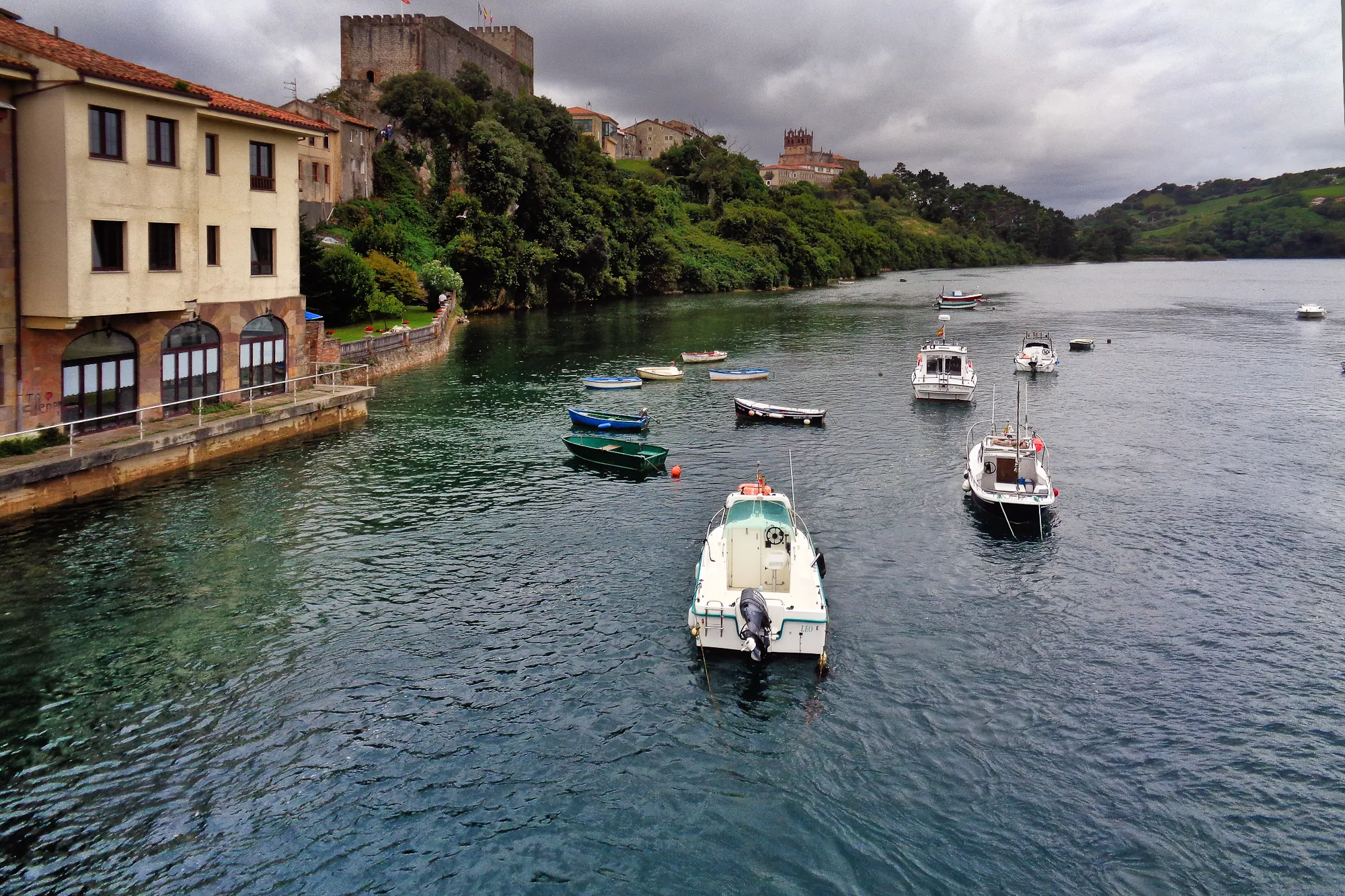
San Vicente de la Barquera
Maritime villa of excellence and gateway to the Lebaniego Way. Its bridges, castle and Picos de Europa in the background form one of the most beautiful postcards of Cantabria.
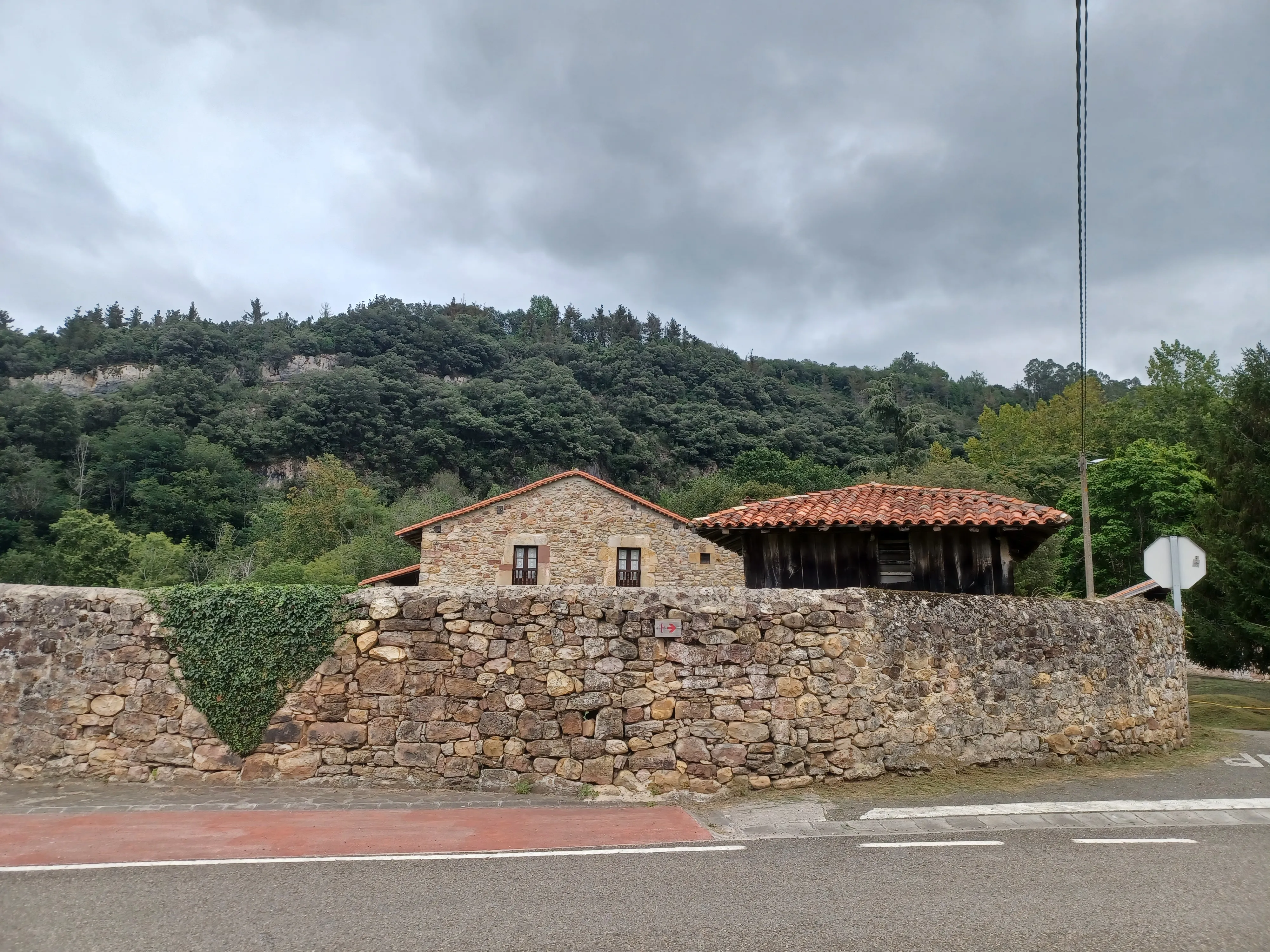
Cades
Small village in the valley of the Nansa, a quiet and rural stop on the Lebaniego Way. Its 18th-century forge is an interesting relic of traditional Cantabrian industry.
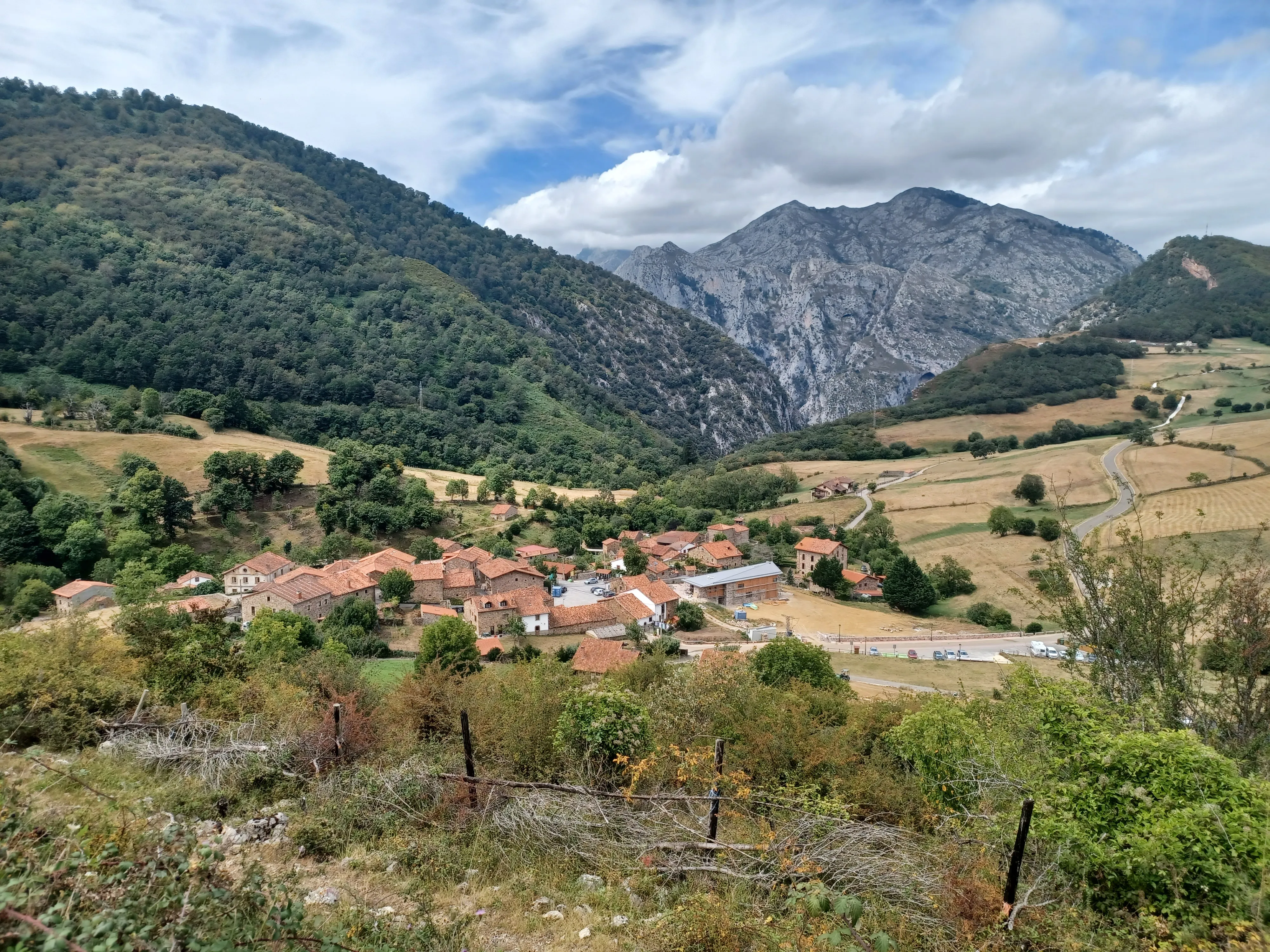
Cicera
Mountain village on the Way of St James, nestled in a spectacular natural environment. It is an stage that rewards the pilgrim with the beauty of forests and the tranquility of the landscape.
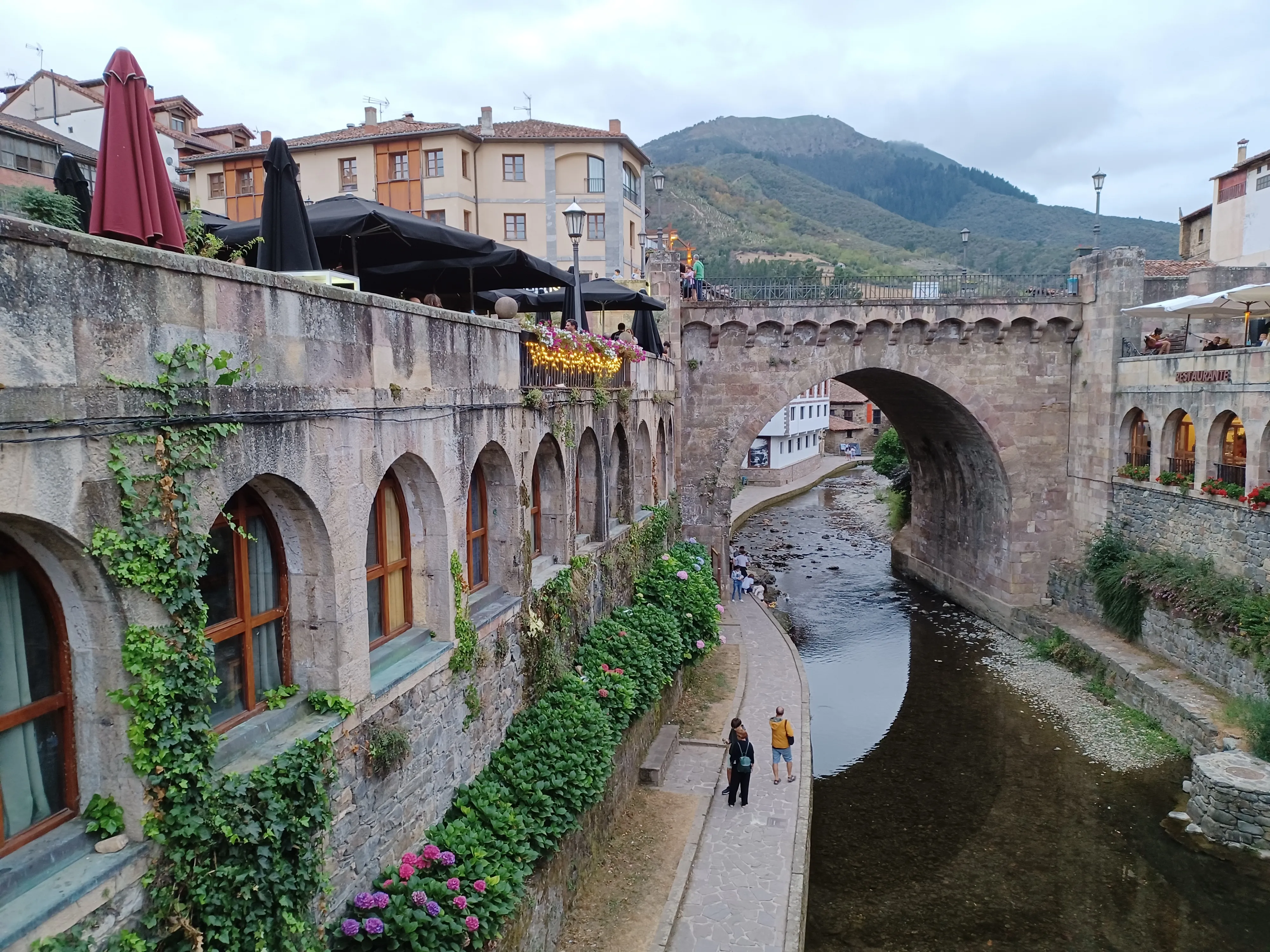
Potes
Capital of the Picos de Europa and heart of the Leabronian Way. Potes is a medieval village with great charm, famous for its bridges, towers and liquor from Liébana.
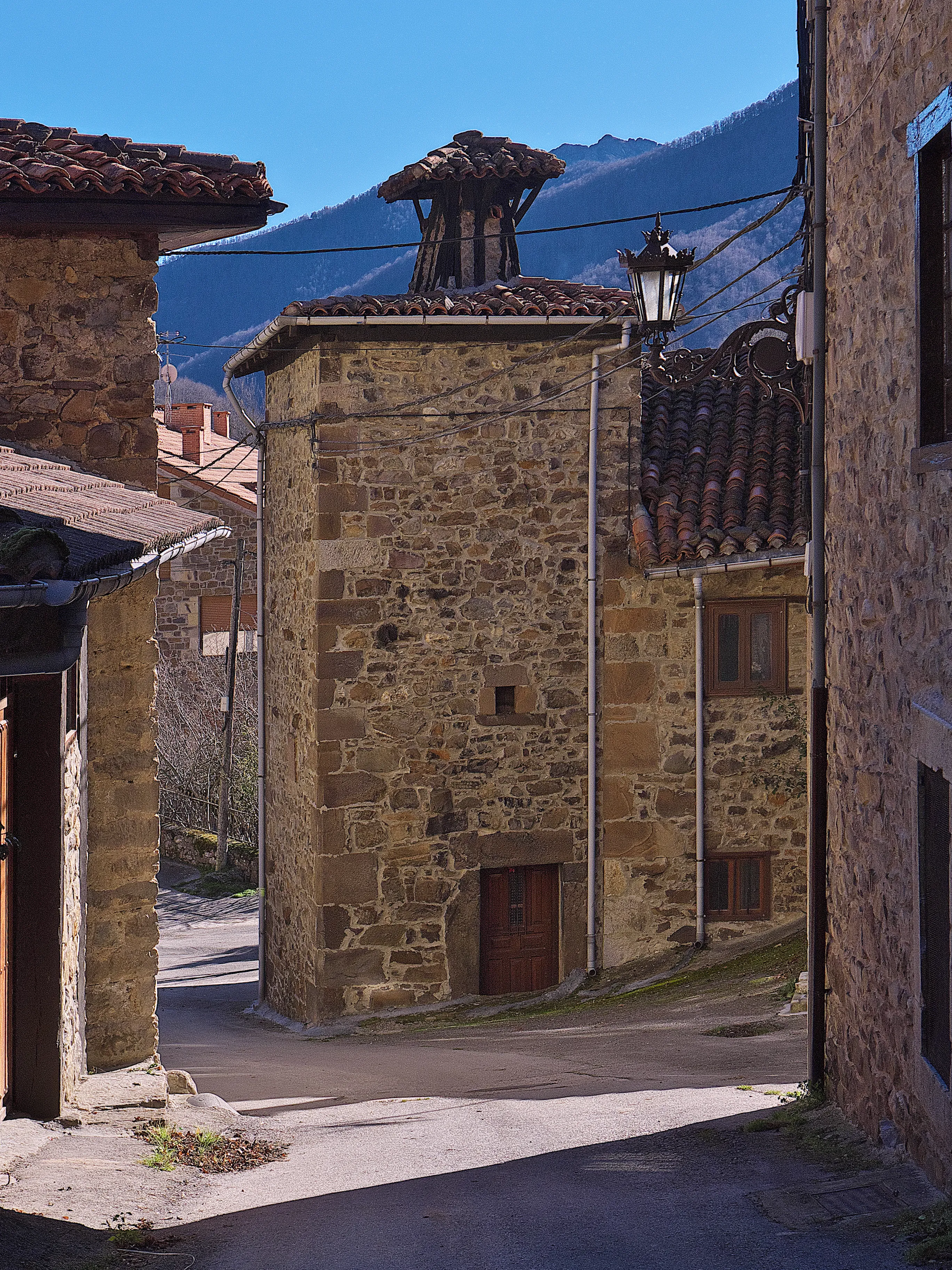
Espinama
Entrance to the cable car of Fuente Dé and heart of the Picos de Europa. Espinama is an ideal base for hikers and pilgrims exploring the Central Massif and the Lebaniego Path.
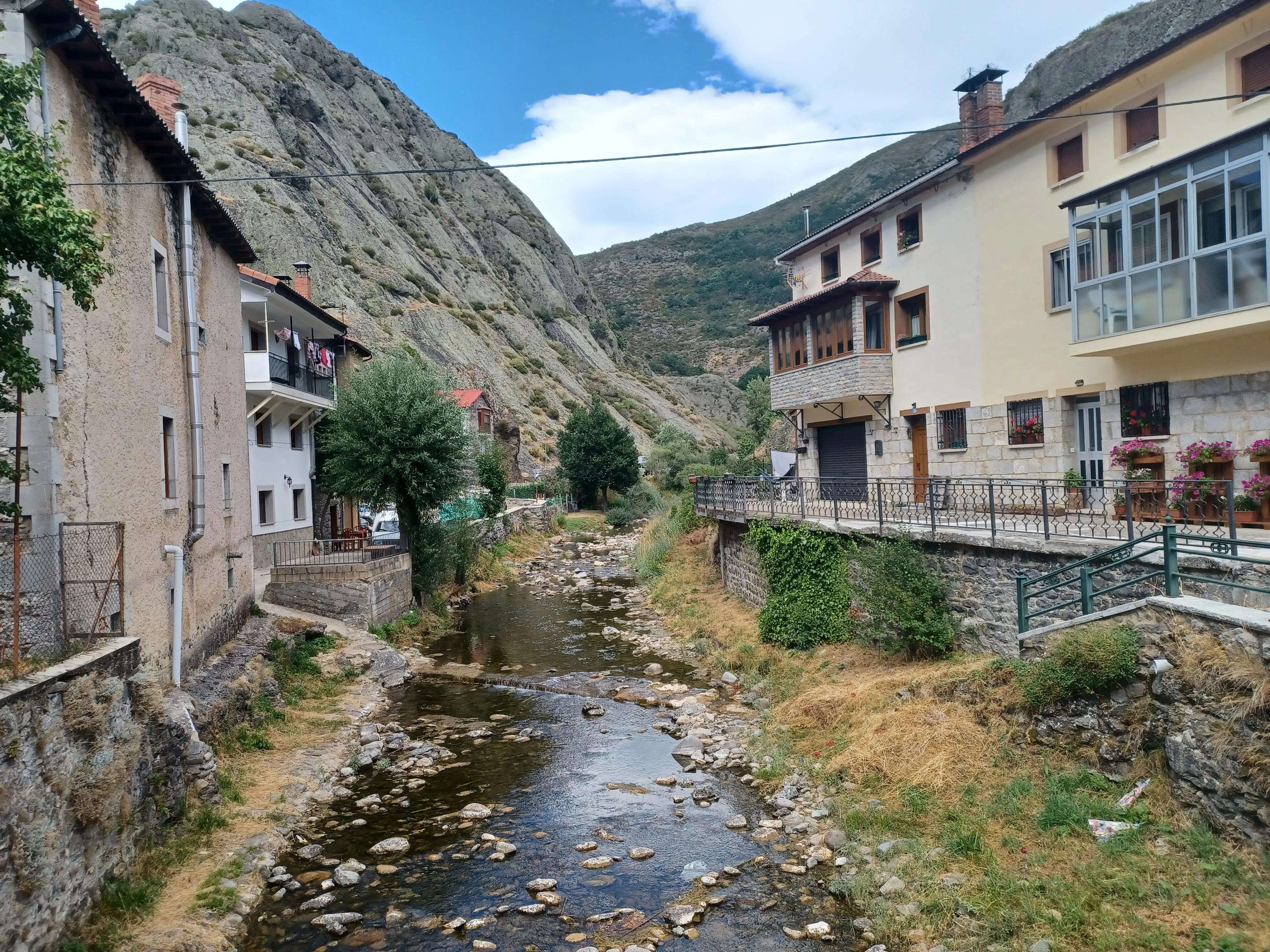
Portilla de la Reina
Small Leonesese town on the Route of the Vascones, surrounded by the Picos of Europe. A high mountain enclave that offers the pilgrim a refuge of peace and virgin nature.
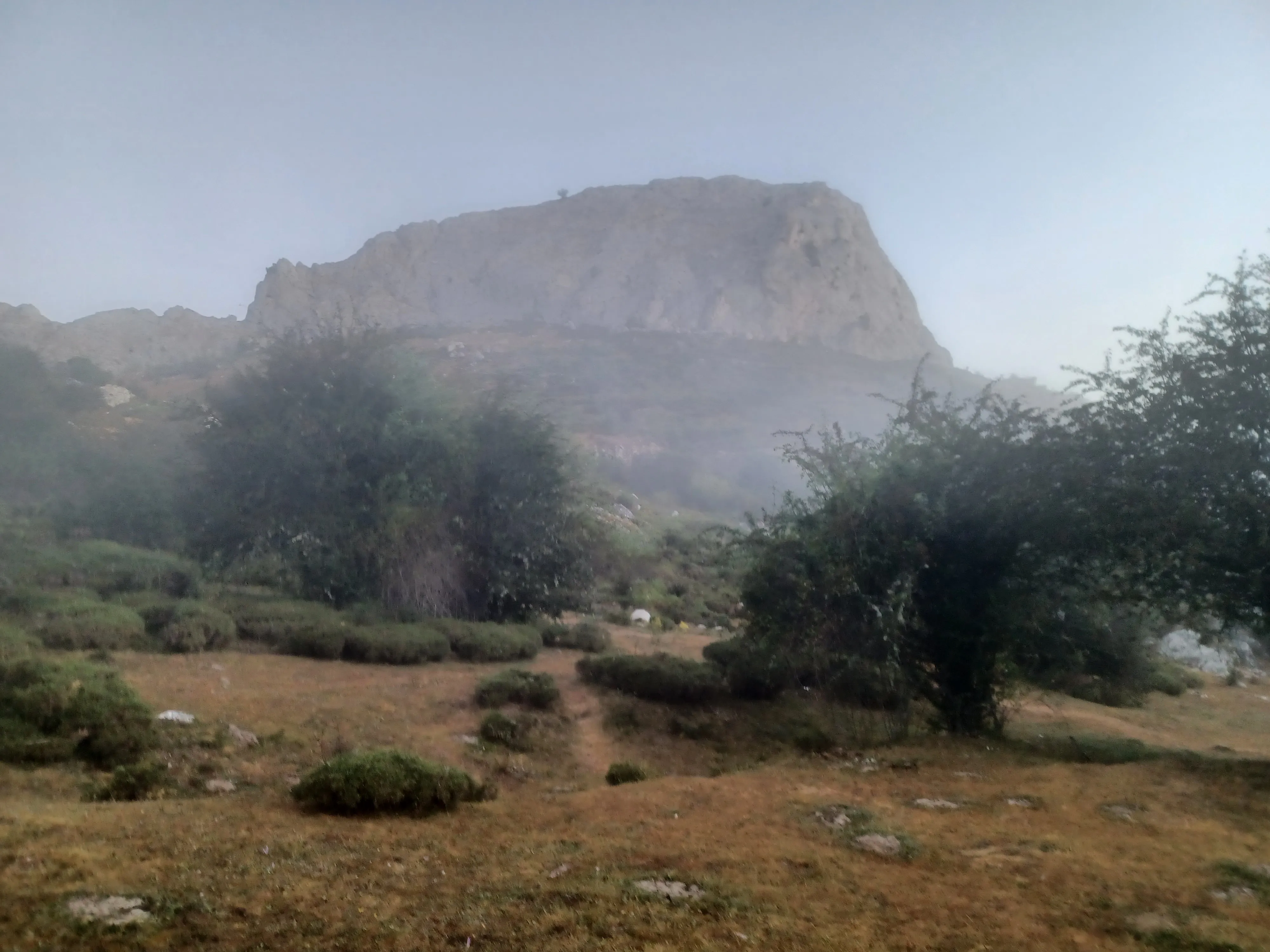
Riaño
Known as the "Leone's Fjords", Riaño is a stop of impressive beauty on the Vadiniense Route, with its peaks reflected in the waters of the reservoir. An unforgettable landscape.
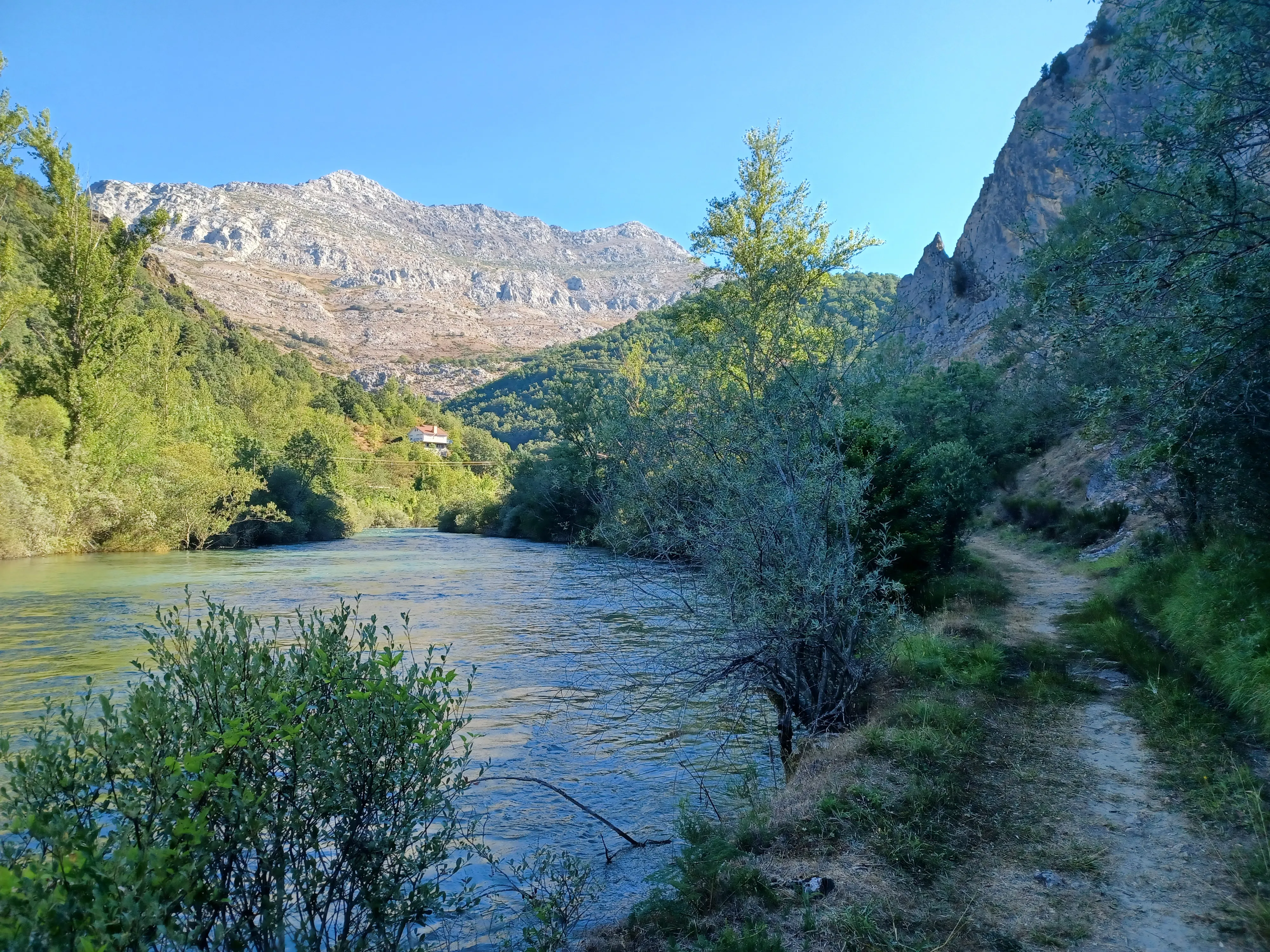
Crémenes
Small and quiet village in the eastern Leonese mountains. Cremenches offers a rural retreat and an ideal natural setting for pilgrims walking the Forgotten Way.
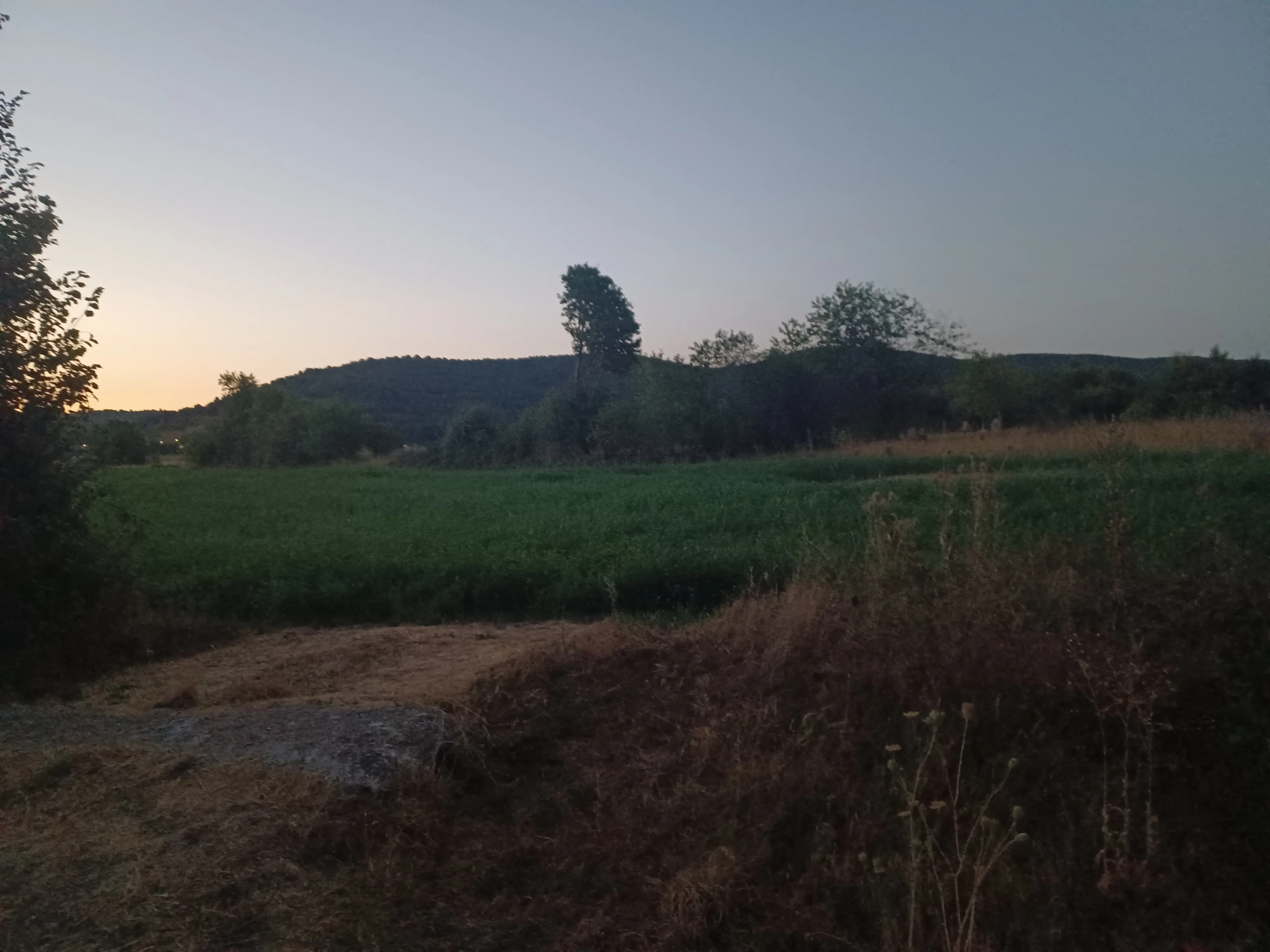
Cistierna
Capital of eastern León mountains. Cisterna, by the River Esla's banks, is an important communication hub and service center on routes like the Forgotten Way.
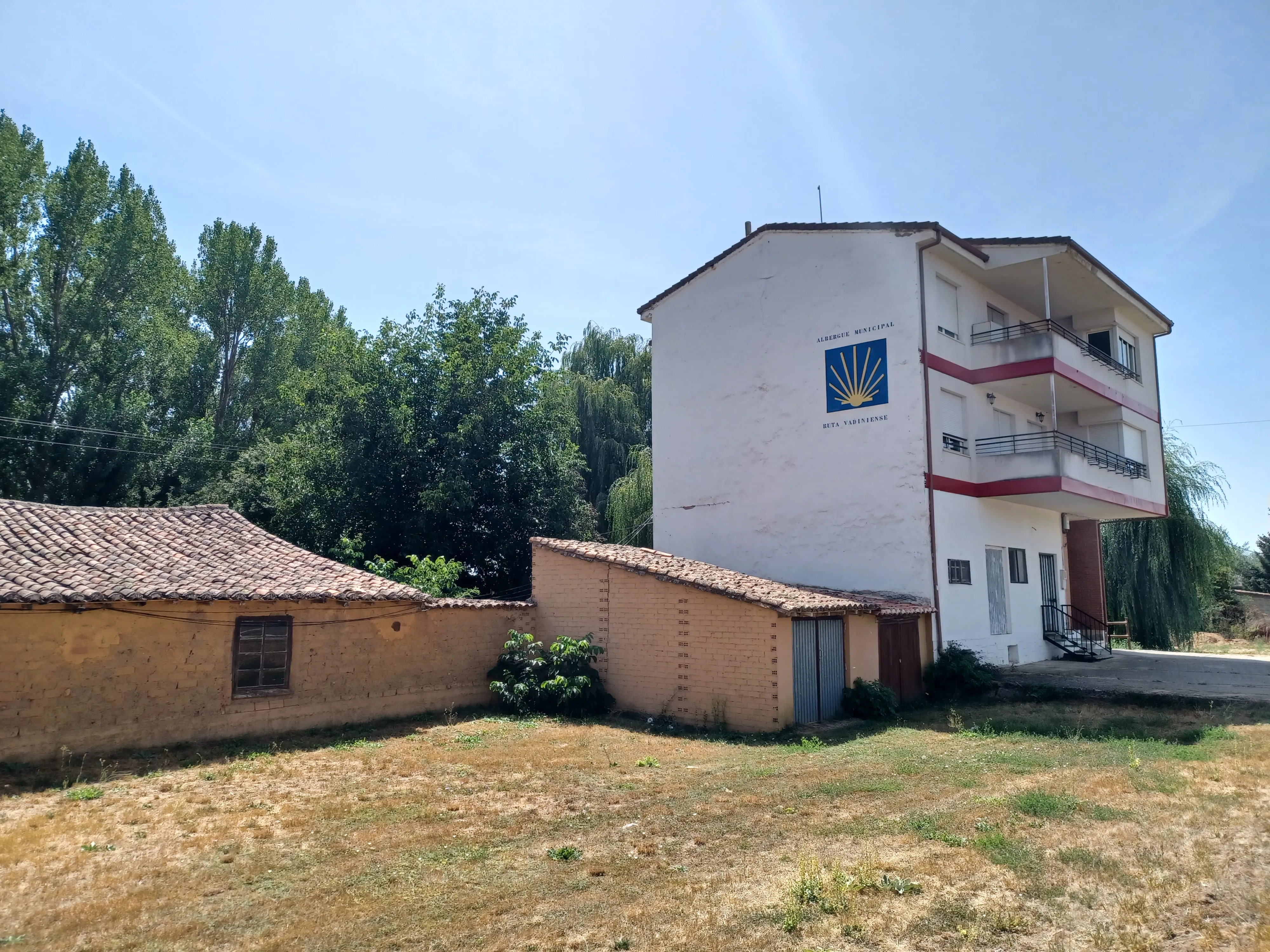
Gradefes
Monastery in León with an important Cistercian monastery. The Monastery of Saint Mary the Royal of Gradefes is a jewel of Romanesque and a refuge of peace by the Esla River.
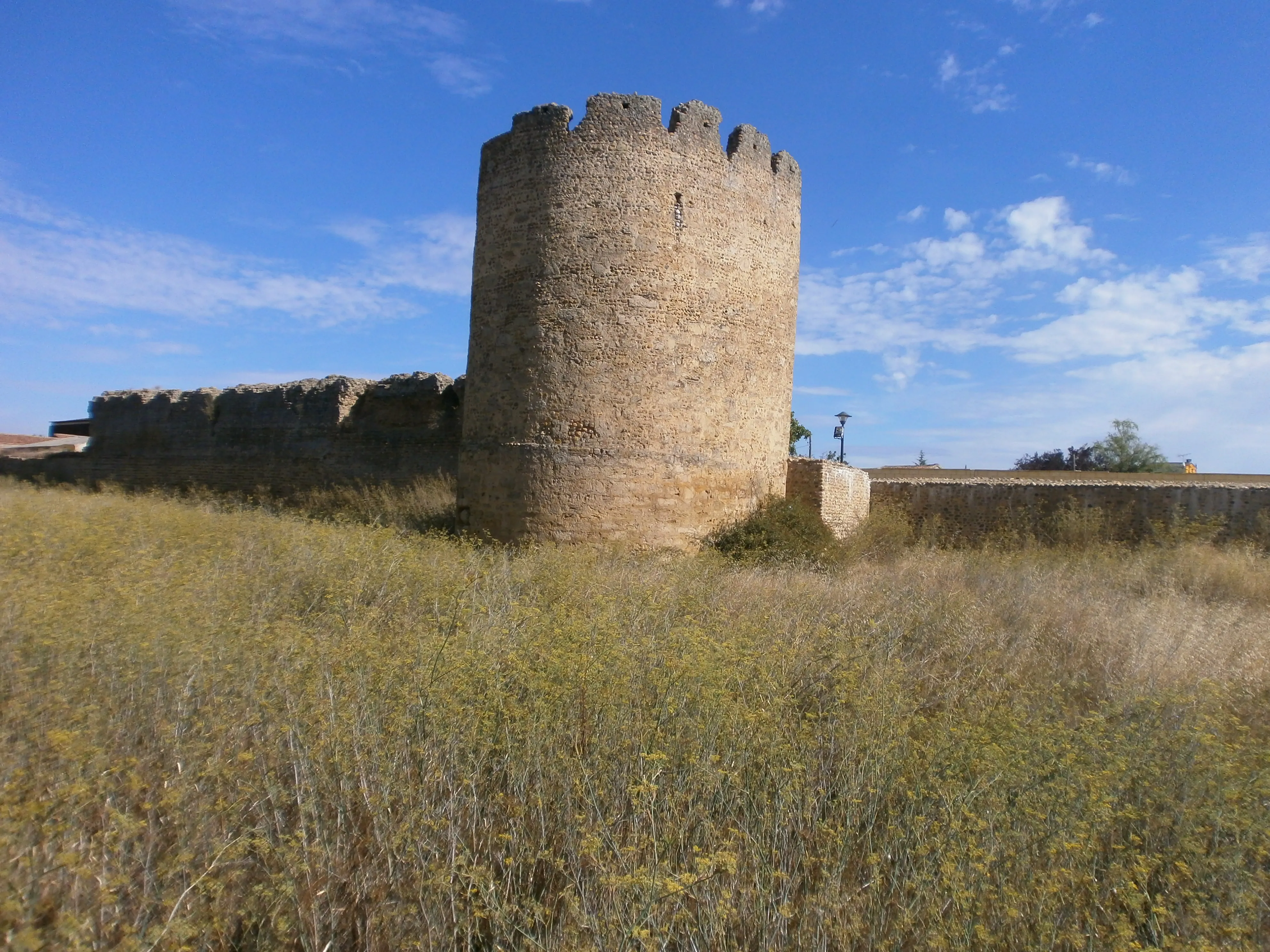
Mansilla de las Mulas
Medieval walled villa, end of the Via Vadinense and key stage on the Way of St Francis. An important crossroads of roads at the gates of León, with a large pilgrim atmosphere.
History of Vadiniense Route
The origin and reason for the Vadiniense Way lie in the extraordinary importance of Santo Toribio de Liébana. This monastery, nestled in the heart of the Picos de Europa, has since the 8th century custodyed the relic of the Holy Cross, the piece considered to be the largest preserved fragment of Christ's cross. This relic made Liébana a potent focus of pilgrimage, one of the five holy sites of Christianity with the privilege of celebrating an Age of Jubilee forever. Thousands of pilgrims, known as "crucenos", would journey to Liébana to venerate the sacred wood.
Many of these pilgrims, once they had fulfilled their devotion in Liébana, felt the desire to continue their journey westward, towards the tomb of the Apostle Santiago. The Vadiniense Way was born as a logical response to this need. Instead of returning to the coast to follow the North Route, this route offered a more direct path south and west, crossing the Cantabrian Mountains to link up with the great artery of European pilgrimage: the Camino Francés.
The trail begins in Potes, Liébana's capital, and immediately faces the majesty of the Picos de Europa. It is an exigent route, not suitable for any traveler. Its medieval route, which utilized ancient communication routes and shepherd passes, ascends to mountain peaks like Pandetrave before descending into the spectacular Valdeón valley, now in the province of León. Continuing south, it passes through the new Riaño (the original town was submerged by a dam in 1987, adding a layer of nostalgia to the landscape) and follows the eastern Leonesa mountains.
Although it lacks the abundant documentation of the Camino Francés, its historical use is attested by the local geography, toponymy, and the existence of pilgrim hospitals at key points along the route, such as Portilla de la Reina, which offered refuge to travelers in an often hostile environment. It was not only a route of faith but also a significant commercial and transhumant route that connected Cantabrian lands with the Meseta castellana.
After approximately 150 kilometers, the Vadiniense Way reaches its goal, converging with the Camino Francés in Mansilla de las Mulas, very close to León. In this point, solitary pilgrims coming from Liébana's mountains joined the river of travelers flowing from France to share their final journeys towards Santiago. The modern revival of this itinerary has rescued one of the most beautiful and wild traverses of the Camino network, offering contemporary pilgrims the possibility of living two pilgrimages in a single journey, connecting devotion to the Cross with that of the Apostle.
Accommodations on the Route
The Vadiniense Route has 91 verified accommodations along the entire route.
View Stages & AccommodationsPractical Tips for Vadiniense Route
Best Season
Spring (April-June) and autumn (September-October) are the best seasons. Pleasant temperatures and fewer crowds than summer.
Physical Preparation
Train by walking progressively in the months before. Start with short distances and increase. Your body will adapt to the rhythm of the Camino.
What to Pack
Light backpack (max 10% of your weight), worn trekking shoes, breathable technical clothing, raincoat, sunscreen and basic first aid kit.
General Tips
Carry the pilgrim credential, stay hydrated, respect your pace, book accommodation in high season and enjoy the journey without rushing.
FAQ about Vadiniense Route
La Ruta Vadiniense es una ruta histórica que conecta el Monasterio de Santo Toribio de Liébana con el Camino Francés, cubriendo una distancia total de 212.3 kilómetros y requiriendo aproximadamente 10 días para completarla en su totalidad.
La Ruta Vadiniense se caracteriza por ser un recorrido de alta dificultad debido a sus elevados desniveles y trayectos solitarios, recomendada para peregrinos experimentados con una gran afición por la naturaleza.
La mejor época para realizar el Camino de Santiago Ruta Vadiniense, según las condiciones climáticas y la afluencia de peregrinos, son los meses de abril hasta junio y septiembre hasta octubre. En estos periodos se disfrutan de un clima agradable, sin temperaturas extremas ni una gran presión poblacional en los albergues.
El costo para realizar la Ruta Vadiniense a través de Ourway Travel puede variar dependiendo del nivel de comodidad que se escoja. El paquete promedio incluye alojamiento en albergues seleccionados, traslado de equipaje entre etapas y asistencia continua durante el viaje.
Para reservar tu lugar en la Ruta Vadiniense a través de Ourway Travel, simplemente completa nuestro formulario de reserva en línea o ponte en contacto directamente con nuestro equipo de servicio al cliente. Nuestros expertos te ayudarán a personalizar tu experiencia y garantizamos un rápido proceso de confirmación.
Mientras que el Camino Francés es una ruta bien conocida y transitada, caracterizada por su diversidad cultural y monumental, la Ruta Vadiniense ofrece un recorrido menos concurrido pero igualmente desafiante a través de los Picos de Europa y las montañas leonesas. Este camino histórico conecta dos importantes lugares de peregrinación: Santo Toribio de Liébana y el Camino Francés.
Para los peregrinos con experiencia, ambas rutas ofrecen experiencias únicas. Si estás buscando desafíos físicos y una conexión histórica profunda, la Ruta Vadiniense puede ser ideal por su dificultad y pasajes menos transitados. Sin embargo, si prefieres un viaje cultural rico con variadas vistas marítimas e históricas ciudades costeras, el Camino del Norte sería una excelente elección.
La credencial de peregrino puede obtenerse en cualquier oficina de turismo o albergue peregrino a lo largo del camino. En Ourway Travel, gestionamos por ti todo el proceso de reserva y te proporcionaremos información detallada sobre cómo recoger tu credencial. Además, nosotros nos encargamos del transporte de tu equipaje entre etapas para que puedas disfrutar plenamente del viaje.
Related Routes
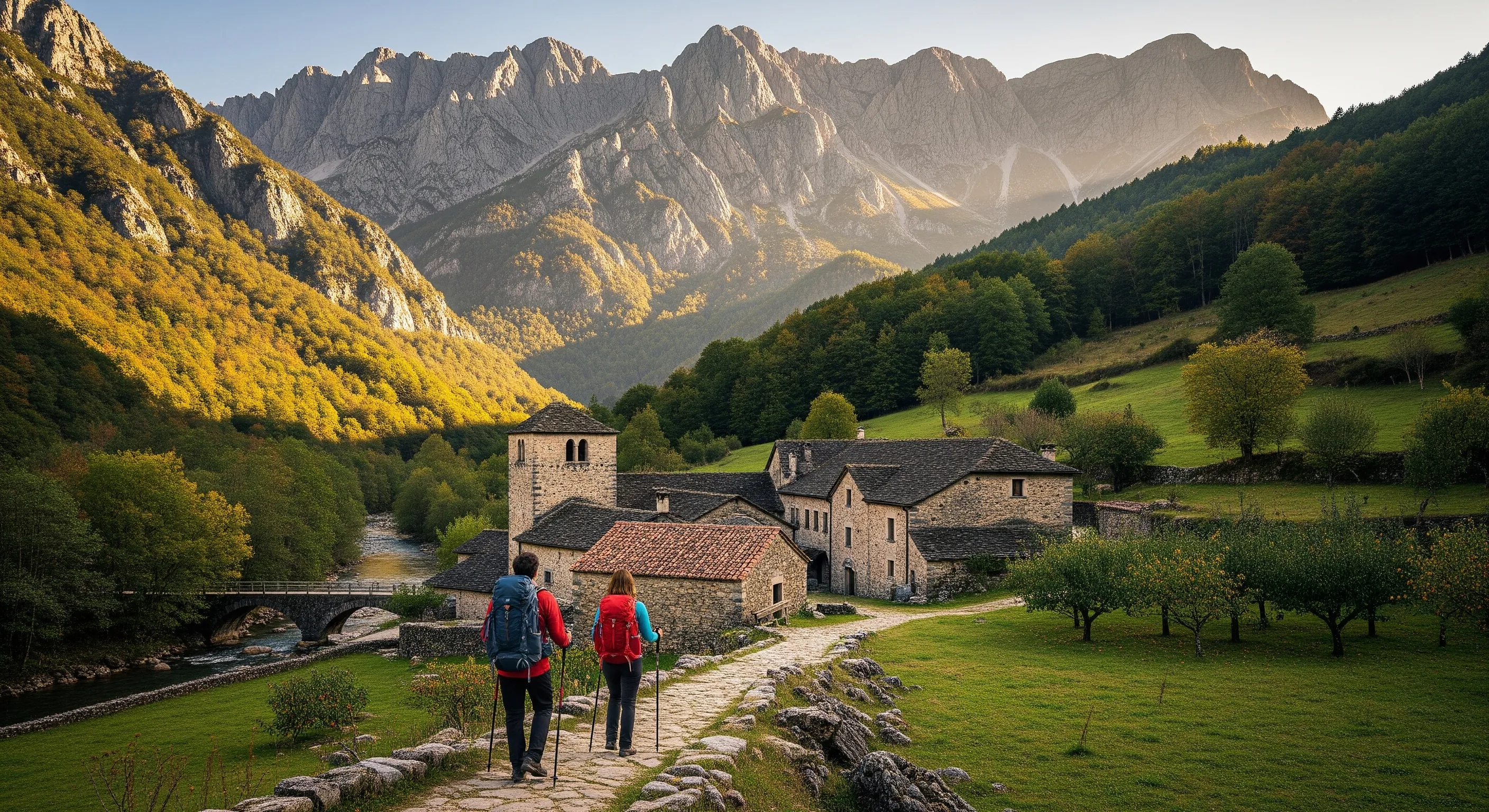

Ready for this adventure?
Let us organize your pilgrimage. We take care of accommodations, transfers and everything you need.