
Complete Guide to Kunig's Way
Historic Route following the itinerary of German monk Hermann Künig from León, crossing the Leon Mountains and Os Ancares to join the Primitive Path.
Last updated: 28/03/2026
Table of Contents
Technical Summary of Kunig's Way
380 km
Distance
18
days
18
Stages
Alta
Difficulty
155 accommodations available on the route
Introduction to Kunig's Way
The itinerary characterizes itself by crossing the Mountains of León through La Cepeda and El Bierzo, and a tough entry into Galicia via Os Ancares, following a route that finally converges with the Primitivo Way in San Román da Retorta. It is an ideal option for pilgrims seeking a more solitary experience and a deep connection with history, following the steps of one of the first guides of the pilgrimage.
All Stages of Kunig's Way
Complete route divided into 18 stages
Leon - San Martin de Yanes
This short and pleasant stage connects the Portuguese Coastal Way with the Central Portuguese Way. The route is a gentle descent that moves away from Vigo's bay. Arrival in Redondela, the town of viad...
San Martin of the Road - Benavidez of Orbigo
The first stage of the English Way is an urban and peri-urban walk along the Ria de Ferrol. It's a flat and pleasant journey, allowing for a peaceful departure from the departmental city. The path goe...
Benavidez of Orbigo - Villamayor
This stage enters the Eume Woods, one of Europe's best-conserved Atlantic woodlands. The route is a continuous rise and fall through a landscape of great beauty. It is an exhausting but rewarding jour...
Villa Mejillones - Brañuelas (Río Turbio)
This stage continues into the interior of A Coruña province, on a route that combines mountain trails with flatter zones. It is a beautiful day that crosses the Mariñas region. The arrival in Betanzos...
Branuelas - Bembibre
After the hardships of the previous stage, the path descends gently into the valley of the River Tambre. The journey is an enjoyable stroll through rural Galicia. It's a day to enjoy the tranquility o...
Bembibre - Ponferrada
The last stage. Emotion is the protagonist of this journey. The path crosses the last villages before arriving in Santiago. The entrance to the city through the industrial polygon of Tambre is the onl...
Ponferrada - Villafranca del Bierzo
The first stage of the English Way from A Coruña is an urban and peri-urban route that enters into the interior of Galicia. It's a beautiful day journey that crosses the Mariñas comarca. The arrival a...
Villafranca del Bierzo - Herrerías de Valcarce
The first stage of the Fisterra and Muxía Way is a pleasant walk that moves away from monumental Santiago. The route is a continuous up-and-down through rural Galicia. It's a day to enjoy the tranquil...
Heritage of Valcarce - Pedrafita do Cebreiro
This long and demanding stage ventures into rural and solitary Galicia. The route is a continuous up and down through a landscape of forests, hills and villages. It's a day to enjoy nature and the sol...
Pedrafita de Cebreiro - The Nogais
The last stage of the Fisterra Way. The route is an enjoyable walk that brings the pilgrim to "the end of the world". The path traverses a beautiful landscape, with spectacular views of the sea. Arriv...
In the style of the Nogais people - Becerreá
This stage is an alternative to Fisterra, which takes the pilgrim to the Virgin of Barca sanctuary. The route is a pleasant stroll through rural Galicia. It's a day to enjoy the tranquility of the Gal...
Becerreá - Baralla
This stage connects the two final destinations of the Camino, Fisterra and Muxía. The route is a continuous up and down through the coast, with spectacular views of the sea. It's a day of great beauty...
Baralla in O Corgo
This stage of the South East Way is an urban and peri-urban route that moves away from monumental Alicante. The route is a pleasant stroll along the Andarax river valley. It's a day to enjoy the tranq...
Our Corgi - Lugo
This stage continues through the Vinalopó valley, on a route that combines wetland sections with drier zones. It is a day of great beauty and solitude. The arrival at Villena, a city dominated by its ...
Lugo - San Román de Retorta
This stage says goodbye to the Valencian Community and enters the Region of Murcia. The route is a continuous up and down through a landscape of vineyards and almond fields. It's a day of great beauty...
San Román de Retorta - Melide
This stage says goodbye to the Region of Murcia to enter Castile-La Mancha. The route is a continuous up and down through a landscape of vineyards and fields of cereal. It's a day of great beauty and ...
Melide - O Pedrouzo
This long stage is an authentic challenge that ventures into the Manchegan plain. The journey is flat but very demanding due to its distance. It's a day for introspection and meditation in a landscape...
Of Pedrouzo - Santiago de Compostela
Leaving behind the Albateña capital, this long stage continues across the Manchegan plain. The route is flat and monotonous, a challenge for the pilgrim's mind. Arrival in La Roda, famous for its "mig...
Key Towns of Kunig's Way
The most important towns and cities on this route.
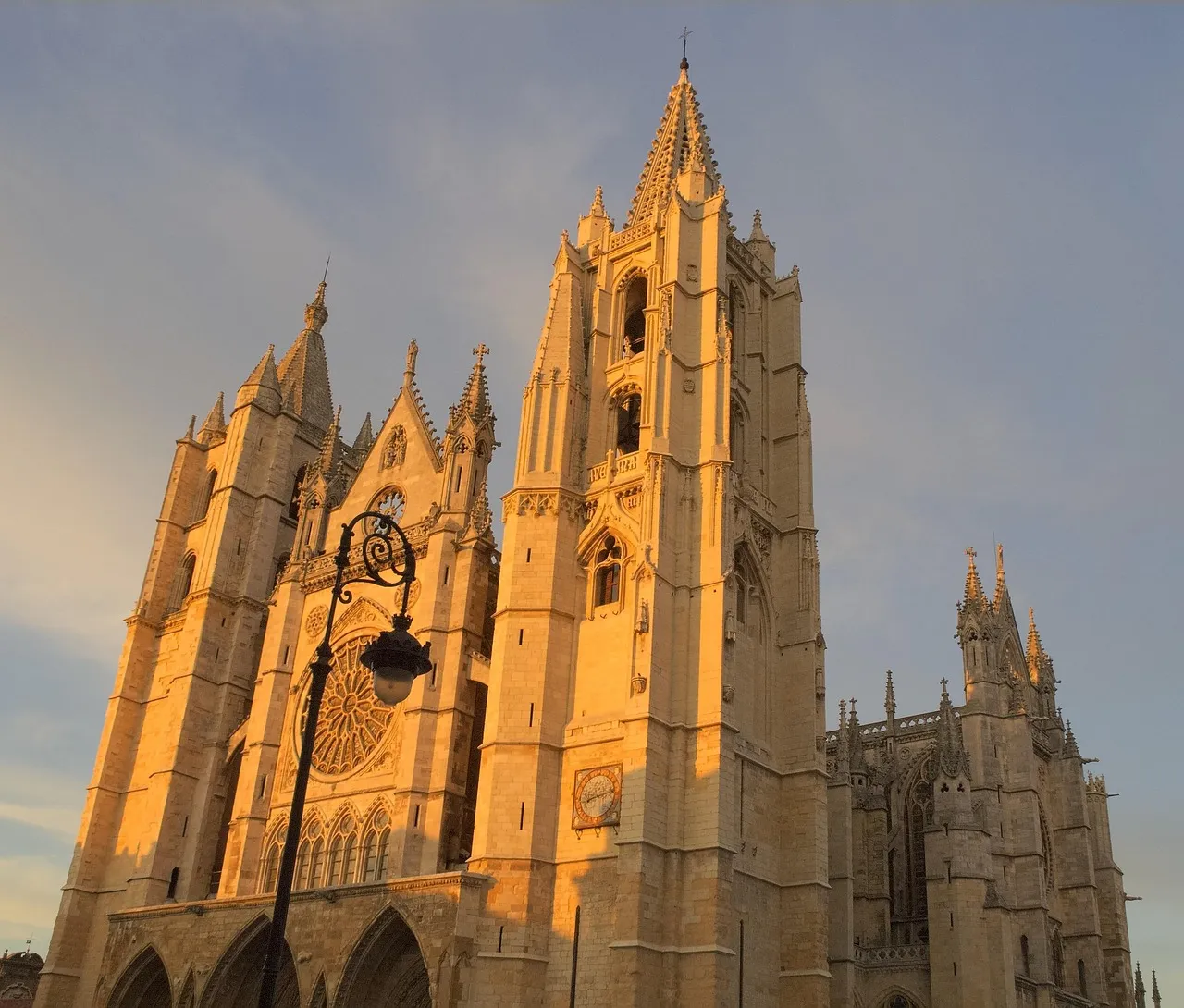
León
Old capital of the Kingdom, Leon is a gem on the French Way. It shines with its Gothic Cathedral, Saint Isidore's Basilica and lively Wet Quarter, perfect for tapas.
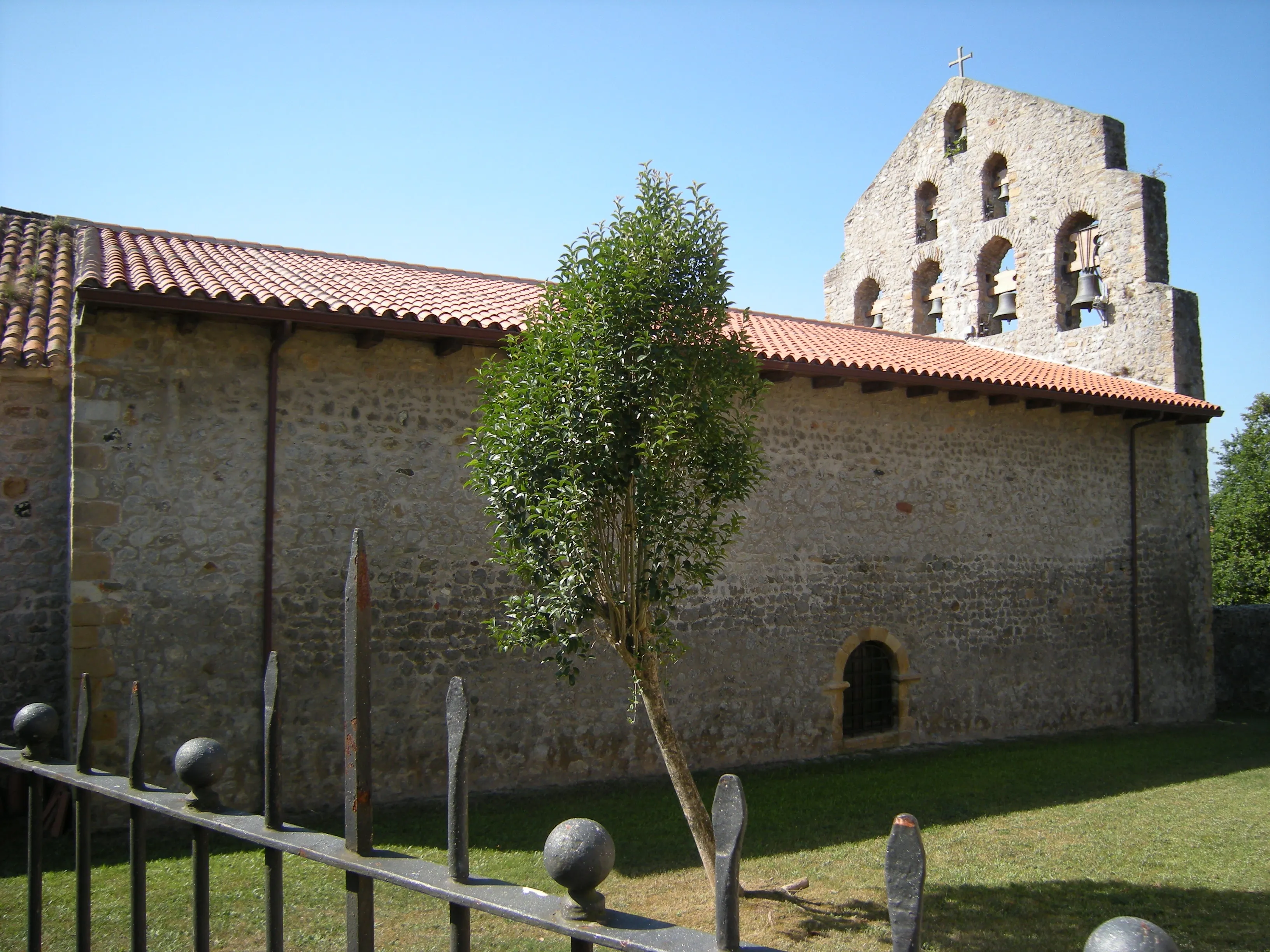
San Martín del Camino
Charming Leonesese town on the final stretch to Astorga. San Martín del Camino, in the fertile valley of the River Orbigo, is a tranquil and well-equipped stop for pilgrims.
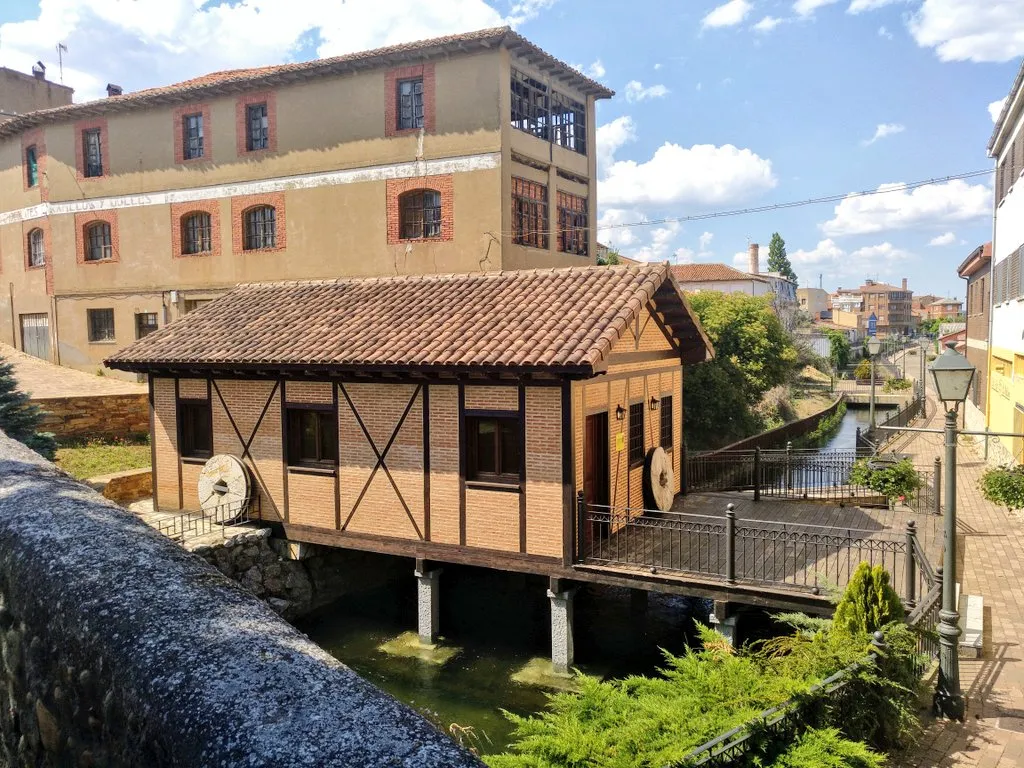
Benavides de Órbigo
830 mHouse on the banks of the River Orbigo.
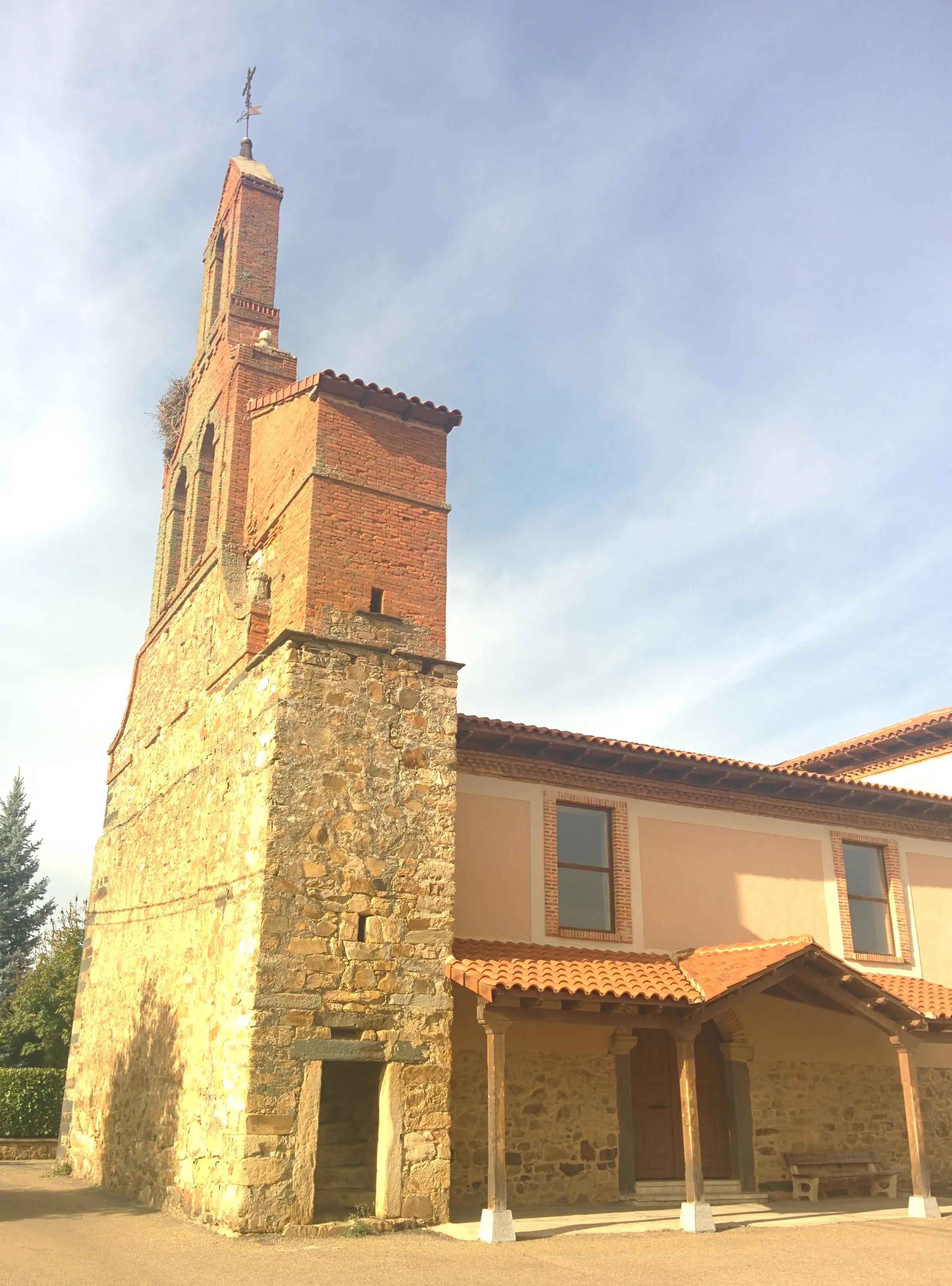
Villamejil
890 mSmall village in the region of La Cepeda.
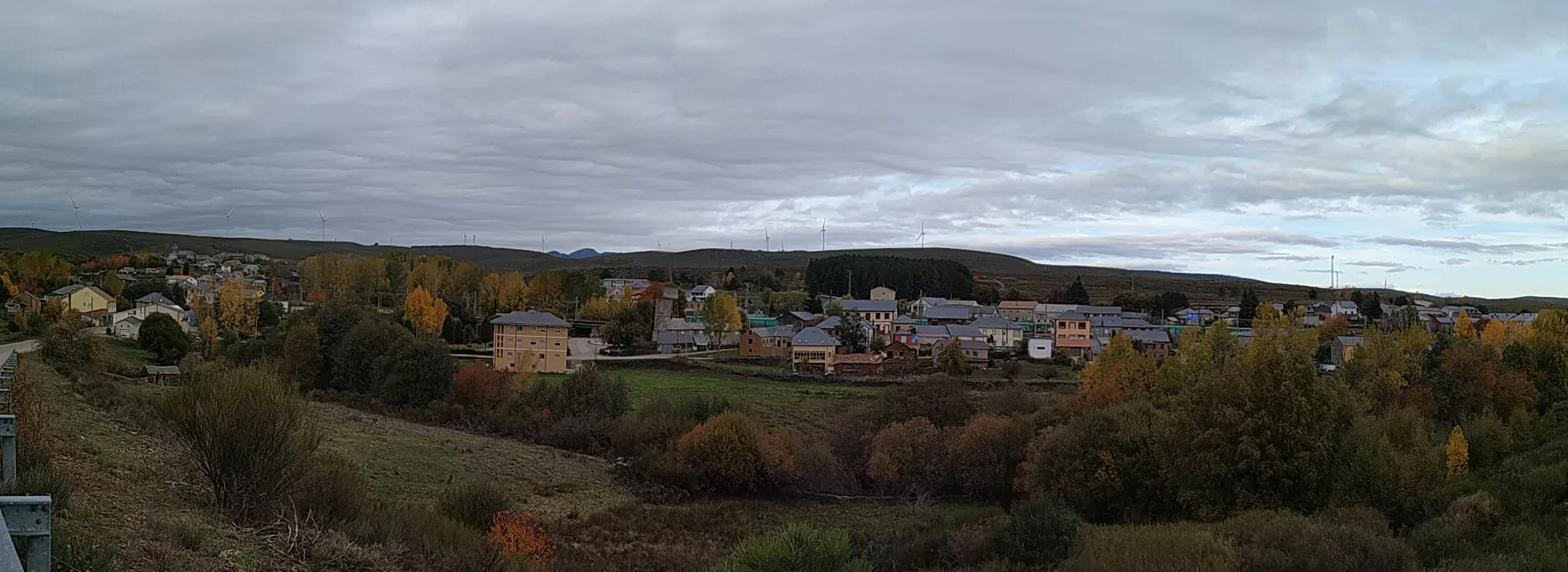
Brañuelas
1050 mHistoric railway junction and gate of the Mountains of León.
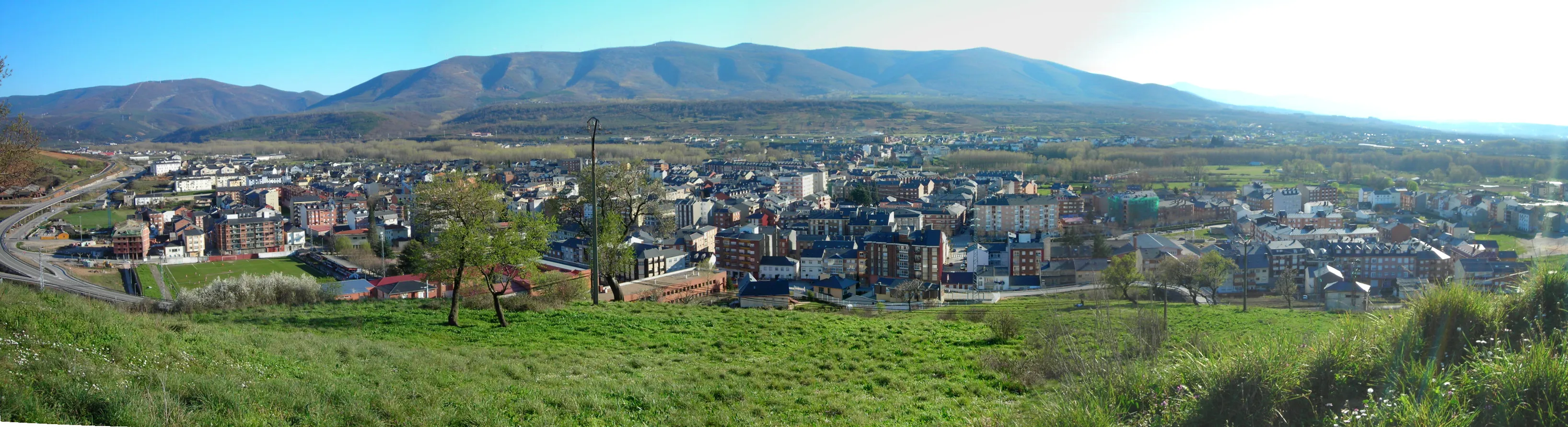
Bembibre
645 mCapital of Bierzo High.
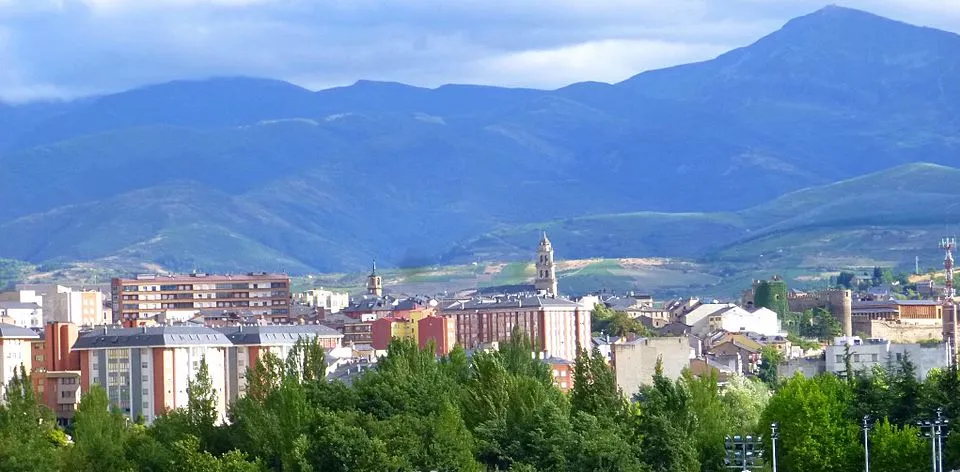
Ponferrada
Capital of El Bierzo and the Templar city of excellence on the French Way. Its imposing Templar Castle is a must-visit stop for all pilgrims before Galicia.
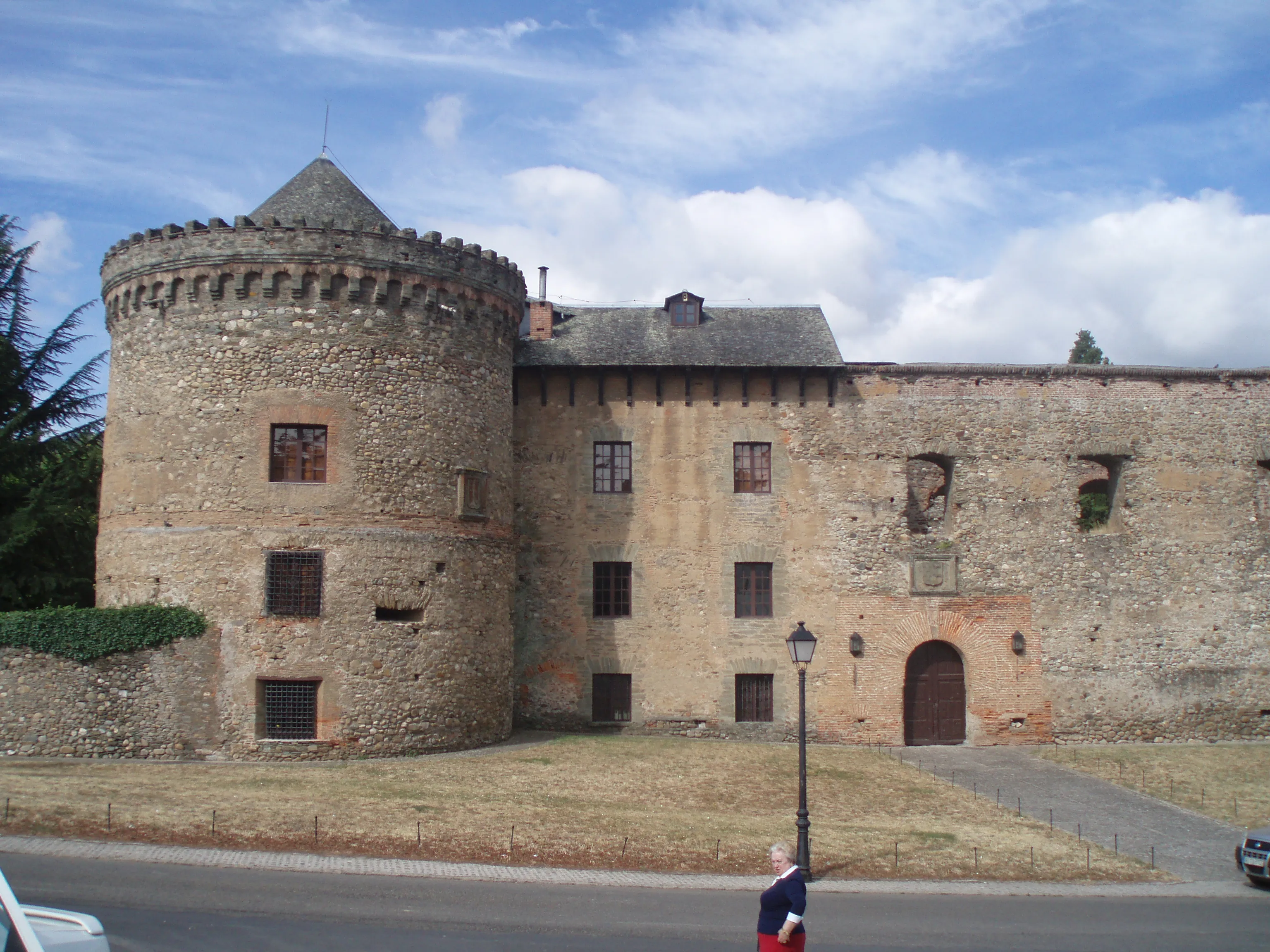
Villafranca del Bierzo
Known as the "Little Compostela," this village on the French Way allows pilgrims with illnesses to gain the Jubilee in its church of St. James, a historic privilege.
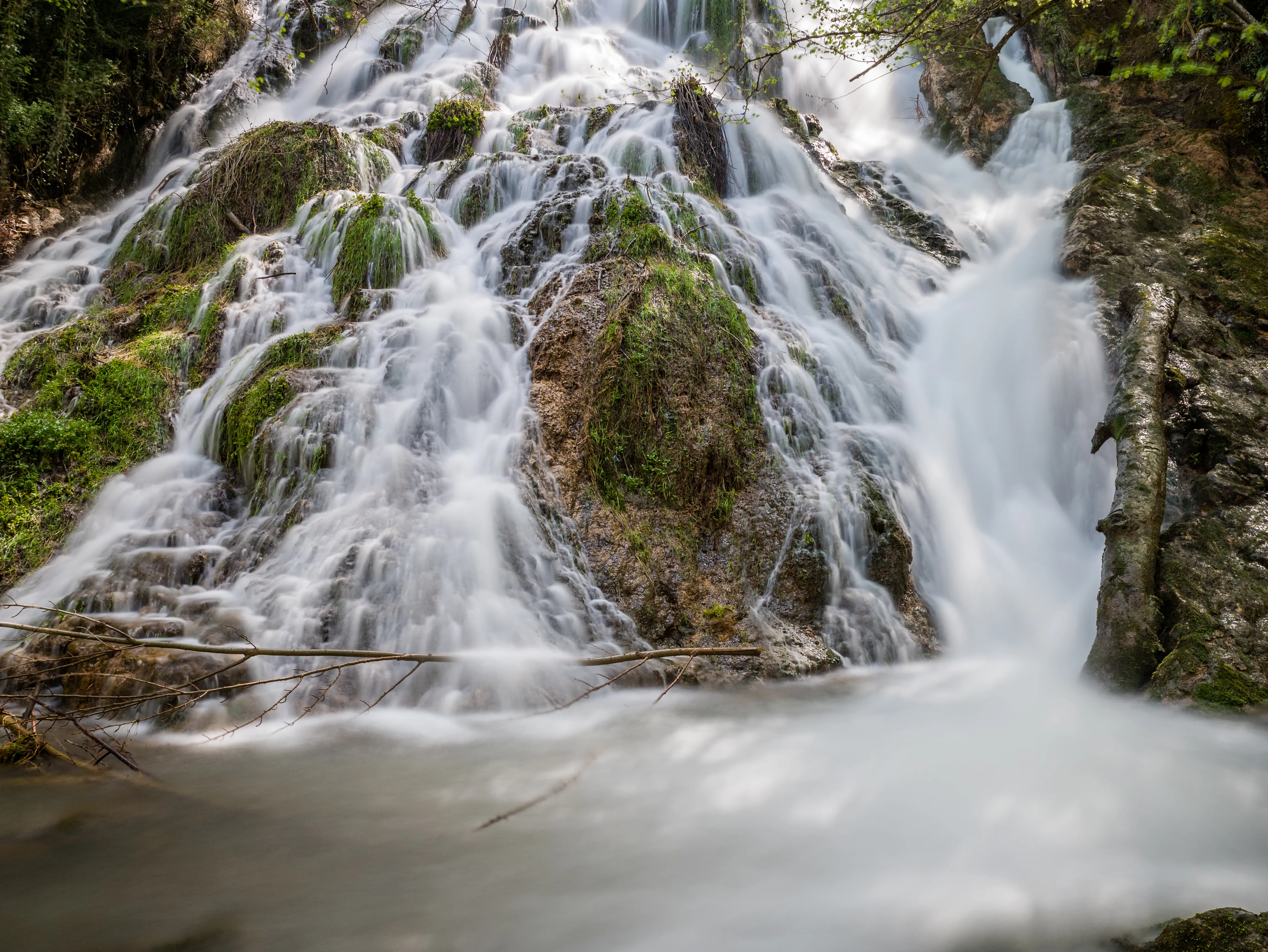
Herrerías de Valcarce
680 mSmall village at the beginning of the ascent to O Cebreiro.
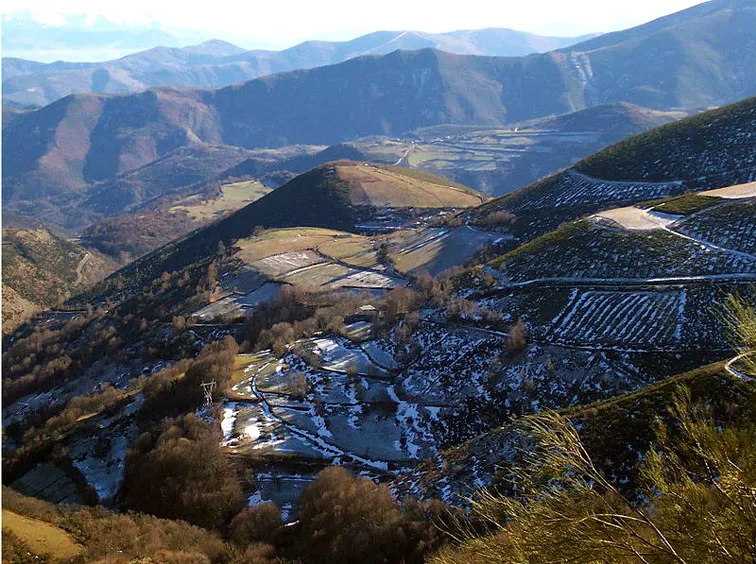
Pedrafita do Cebreiro
1100 mTown at the top of O Cebreiro port in Galicia.
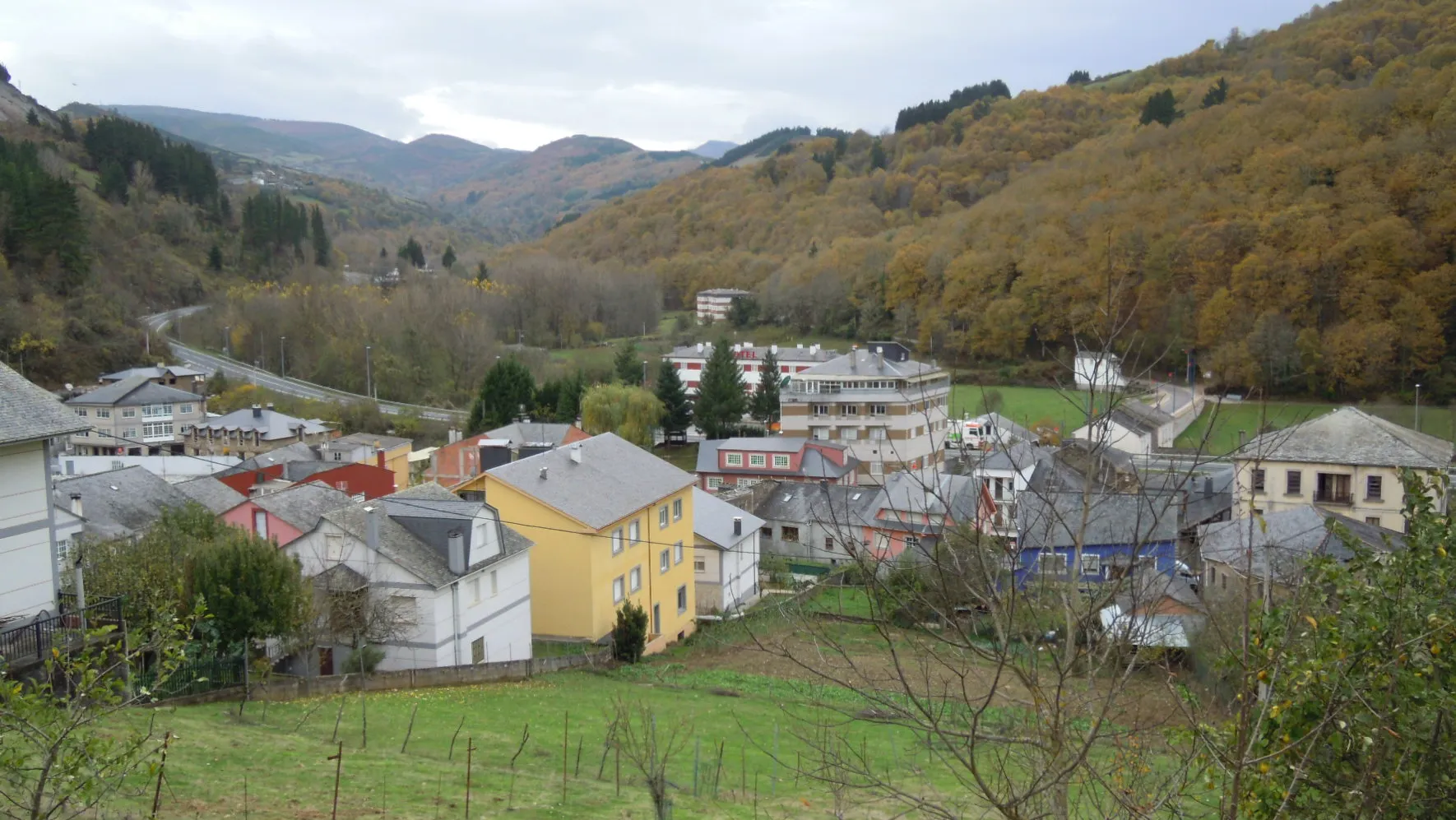
As Nogais
650 mHouse in the valley of the River Navia.
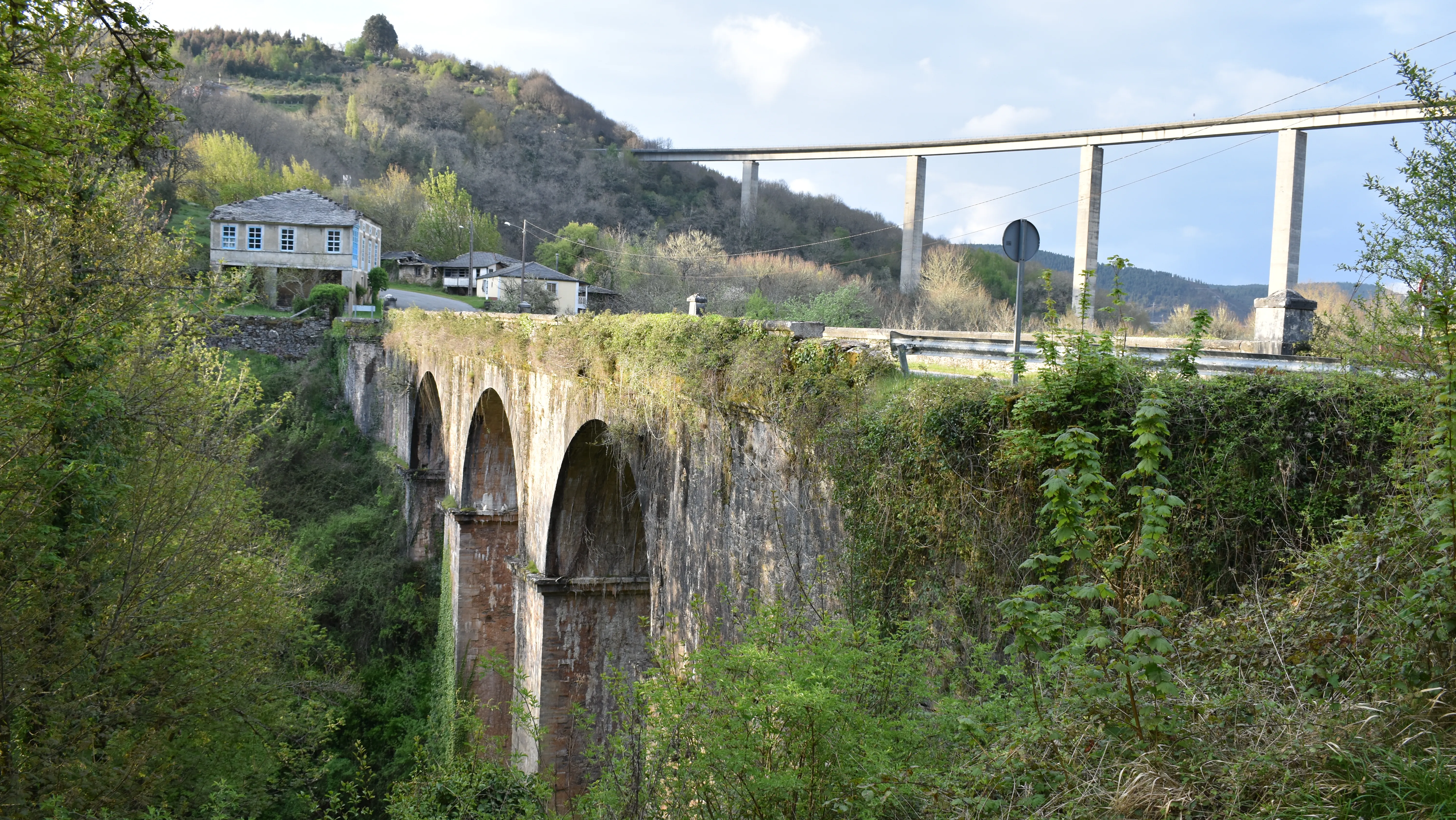
Becerreá
660 mCapital of the region of Os Ancares.
History of Kunig's Way
Hermann Künig was a key figure in spreading pilgrimage in the German world. After completing his own arduous journey to Compostela, he decided to publish his experience in a practical guide. In an era when Gutenberg's press was revolutionizing the world, his book became a success, offering his countrymen detailed advice on stages, distances (in German leagues), important cities, dangers, and devotions along the way. He described the entire route from central Germany, but it is his proposal of itinerary within Spain that gives it unique identity.
The peculiarity of the Via Kunig becomes apparent when arriving at León city. At this point, most pilgrims on the Camino Francés continued westward by the main road to Astorga. However, Künig recommended an alternative route in his guide, a variant that deviated from the main path. This route, starting from León and heading west through La Cepeda comarcas and El Bierzo, avoided major centers of the traditional route. The reason for this deviation is unclear: it might have been to avoid tolls, to evade dangerous sections, or more probably to visit specific sanctuaries or hospitals preferred by German pilgrims or that he himself found more welcoming.
The most significant and defining departure from the Via Kunig is its way of entering Galicia. Instead of following the traditional route through Villafranca del Bierzo and ascending the iconic O Cebreiro port, Künig proposes a much harder, solitary, and northern passage: crossing the Sierra de los Ancares mountain range. This chain of mountains, now declared a Biosphere Reserve, was one of the most isolated and wild areas of the peninsula. The passage through the Ancares meant a formidable physical and logistical challenge but offered the pilgrim a more direct entry into Galicia towards Lugo city.
Once overcoming the formidable barrier of the Ancares, Künig's itinerary descends into Galician interior and seeks connection with the Camino Primitivo in San Román da Retorta surroundings. From there, the Via Kunig peregrinator joins those coming from Oviedo to continue together towards Melide, where they finally converge with the main route of the Camino Francés for the final stages leading to Santiago.
The modern revival of the Via Kunig has been a laborious task of historical and geographical research to translate the indications of a 15th-century monk into a GPS trail for the pilgrim of the 21st century. Walking this route is an experience unique, a journey through time that allows one to understand that the Camino was never a single line or immutable path but a network of options and personal decisions guided by faith, prudence, and those who came before us.
Accommodations on the Route
The Kunig's Way has 155 verified accommodations along the entire route.
View Stages & AccommodationsPractical Tips for Kunig's Way
Best Season
Spring (April-June) and autumn (September-October) are the best seasons. Pleasant temperatures and fewer crowds than summer.
Physical Preparation
Train by walking progressively in the months before. Start with short distances and increase. Your body will adapt to the rhythm of the Camino.
What to Pack
Light backpack (max 10% of your weight), worn trekking shoes, breathable technical clothing, raincoat, sunscreen and basic first aid kit.
General Tips
Carry the pilgrim credential, stay hydrated, respect your pace, book accommodation in high season and enjoy the journey without rushing.
FAQ about Kunig's Way
El Camino Vía Kunig, una ruta histórica que sigue los pasos del monje alemán Hermann Künig von Vach, se extiende por aproximadamente 18 días. Este camino ofrece un itinerario alternativo al tradicional Camino Francés, con vistas panorámicas y desafíos montañosos únicos.
La mejor época para emprender el Camino Vía Kunig es durante las temporadas de media afluencia, específicamente entre abril y junio, así como en septiembre y octubre. Durante estos meses, se disfruta de un clima agradable con temperaturas ideales que oscilan entre los 10°C y los 25°C y también hay menos peregrinos que durante el verano.
Para reservar tu experiencia en el Camino Vía Kunig, puedes contactar directamente con Ourway Travel a través de nuestro sitio web. Nuestro equipo especializado se encargará de gestionar toda la reserva y proporcionarte un itinerario personalizado que incluye alojamiento asegurado en albergues privados o hoteles boutique y traslados de equipaje.
El paquete del Camino Vía Kunig de Ourway Travel incluye alojamiento en albergues privados o hoteles boutique, traslado de equipaje durante toda la ruta y un itinerario personalizado con información detallada sobre puntos de interés. Además, te proporcionamos asesoramiento experto para asegurar que tu experiencia sea inolvidable.
El Camino Vía Kunig destaca por ser una ruta menos transitada y más histórica en comparación con los caminos tradicionales como el Francés o Portugués. Ofrece un viaje que sigue las huellas del monje Hermann Künig von Vach, ofreciendo vistas panorámicas únicas de la geografía española y una experiencia solitaria y auténtica.
La Vía Kunig se considera un camino de alta dificultad debido a su recorrido por montañas y senderos menos transitados. En contraste, los caminos más tradicionales como el Francés o Portugués suelen ser menos exigentes en términos de pendientes y desafíos geográficos.
Para obtener tu credencial del peregrino, puedes recogerla en cualquiera de los centros certificados cerca de León antes de iniciar tu viaje. Ourway Travel puede ayudarte a preparar todos tus documentos y tramites necesarios para asegurarte un inicio sin complicaciones.
El Camino Vía Kunig ofrece una alternativa histórica al Camino Primitivo, partiendo desde León y cruzando los Montes de León y Os Ancares antes de unirse al Camino Primitivo cerca de Lugo. A diferencia del Primitivo, la Vía Kunig es menos transitada y presenta más desafíos naturales debido a su recorrido montañoso.
Ready for this adventure?
Let us organize your pilgrimage. We take care of accommodations, transfers and everything you need.