
Camino de Santiago
Kunig's Way
Historic Route following the itinerary of German monk Hermann Künig from León, crossing the Leon Mountains and Os Ancares to join the Primitive Path.
Organize your Kunig's WayLast updated: 21/05/2025
The Route
General Description of Kunig's Way
The itinerary characterizes itself by crossing the Mountains of León through La Cepeda and El Bierzo, and a tough entry into Galicia via Os Ancares, following a route that finally converges with the Primitivo Way in San Román da Retorta. It is an ideal option for pilgrims seeking a more solitary experience and a deep connection with history, following the steps of one of the first guides of the pilgrimage.
Elevation Profile of
Elevation Profile of Kunig's Way
Visualize the ups and downs of the route.
Loading elevation profile...
Error loading elevation profile or altitude data not available.
Your trip with Ourway
Everything you need for your Camino
No hassle. Your perfect route, from start to finish.
Accommodation
Selected hotels and hostels at every stage
Luggage transfer
Your backpack travels from stage to stage
Camino Guide
Detailed map with directions and services
24h Support
Team available for any unforeseen event
Pilgrim credential
Official documentation included
No commitment
Free personalized consultation
Stages
Stages of Kunig's Way
León → San Martín del Camino
First stage of the Kunig Way, a historical route documented by the German monk Hermann Künig von Vach in 1495 as a shorter and more mountainous alternative to the French Way from León. Departure from ...
San Martín del Camino → Benavides de Órbigo
This stage of the Via Kunig links San Martín del Camino with Benavides de Órbigo through the Páramo Leonés region. The 16 km are flat, ideal for a relaxed walk among cereal fields. The route passes ne...
Benavides de Órbigo → Villamejil
This stage enters the Eume Woods, one of Europe's best-conserved Atlantic woodlands. The route is a continuous rise and fall through a landscape of great beauty. It is an exhausting but rewarding jour...
Villamejil → Brañuelas
This stage of the Via Kunig crosses the Maragatería region of León through the valley of the river Tuerto. The 15 km have an undulating profile, passing through rural villages with the characteristic ...
Brañuelas → Bembibre
Descent stage to the Bierzo. From Brañuelas, in the mining basin, the route descends to the Sil valley passing through railway and mining villages. The 18 km have a descending profile with demanding s...
Bembibre → Ponferrada
The last stage. Emotion is the protagonist of this journey. The path crosses the last villages before arriving in Santiago. The entrance to the city through the industrial polygon of Tambre is the onl...
Towns
Featured Towns of Kunig's Way
Explore the key towns and cities of this route.
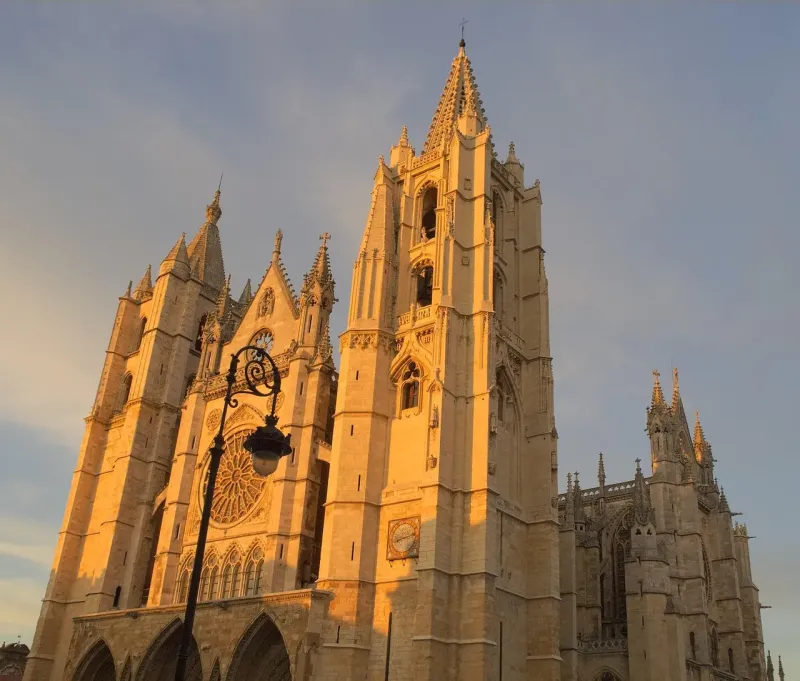
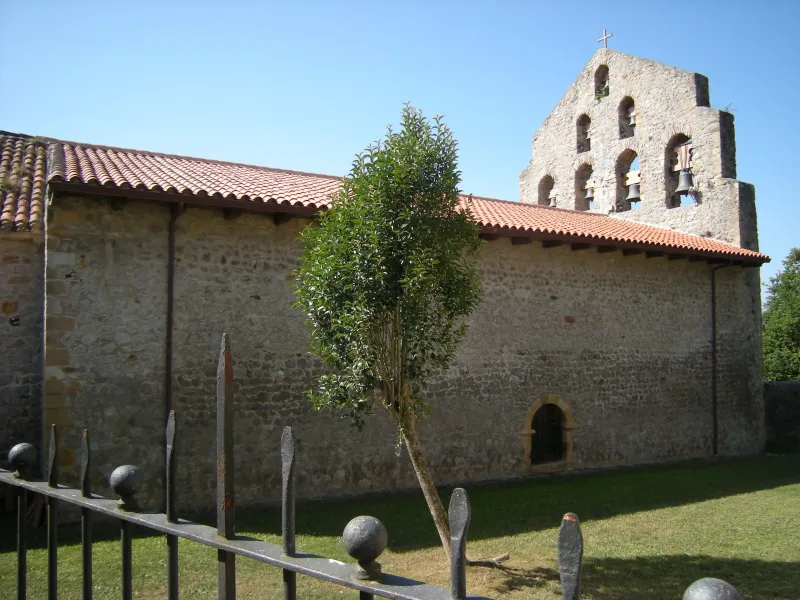
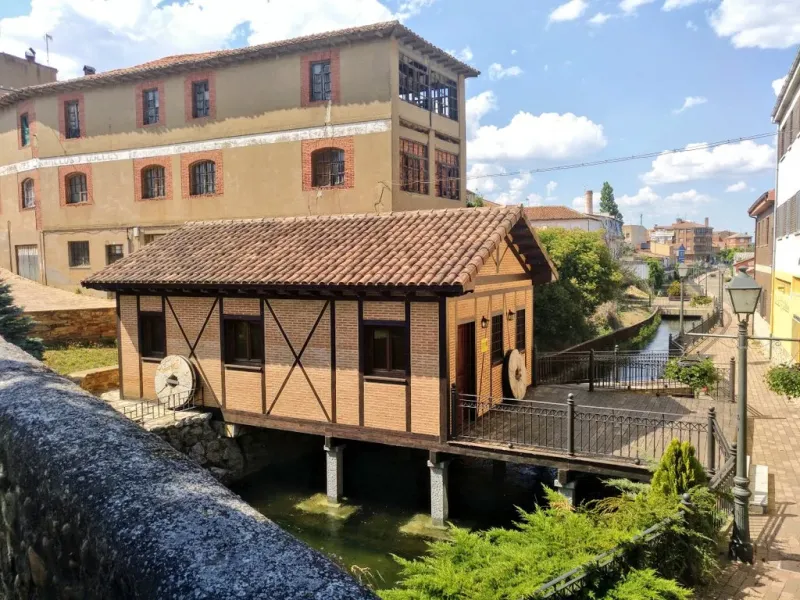
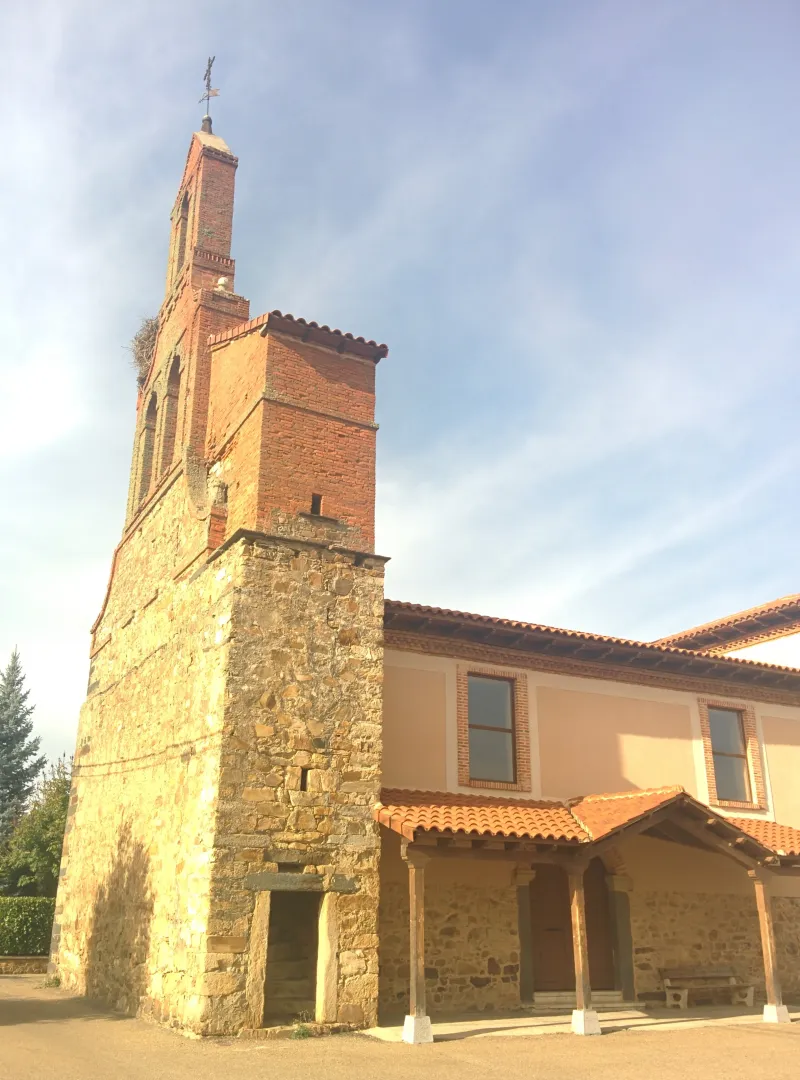
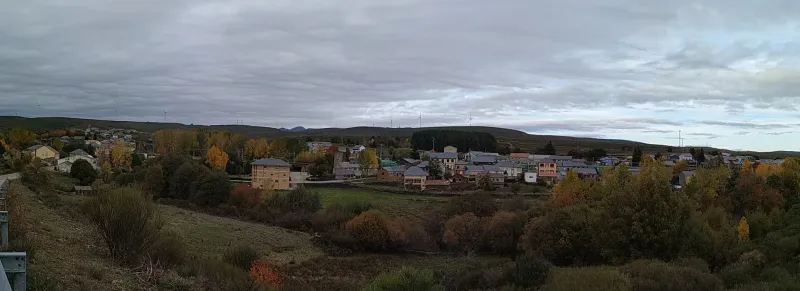
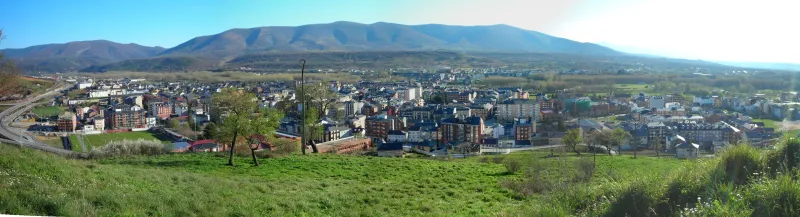
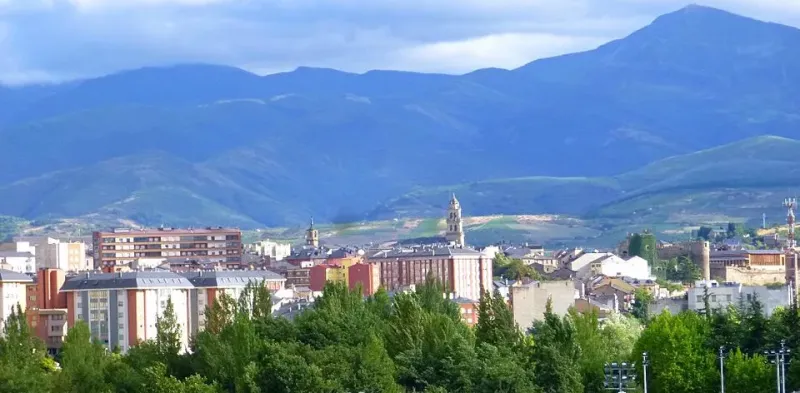
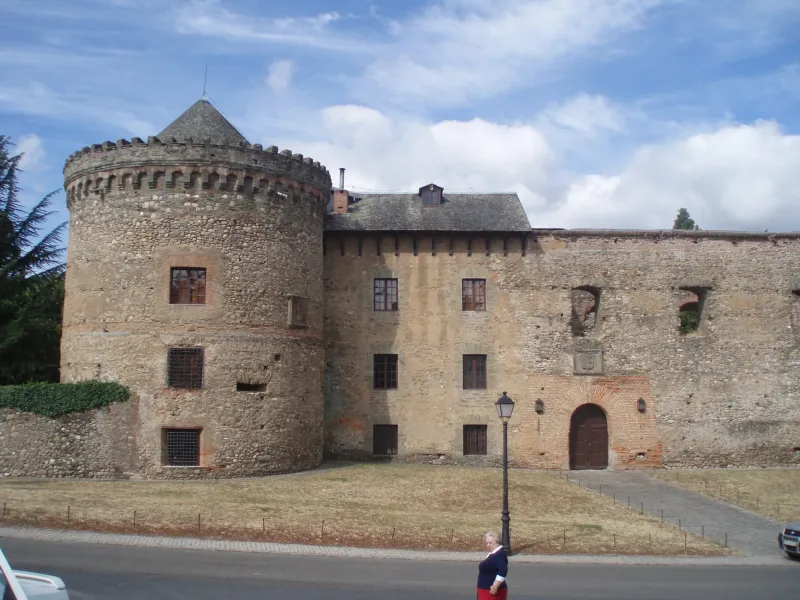
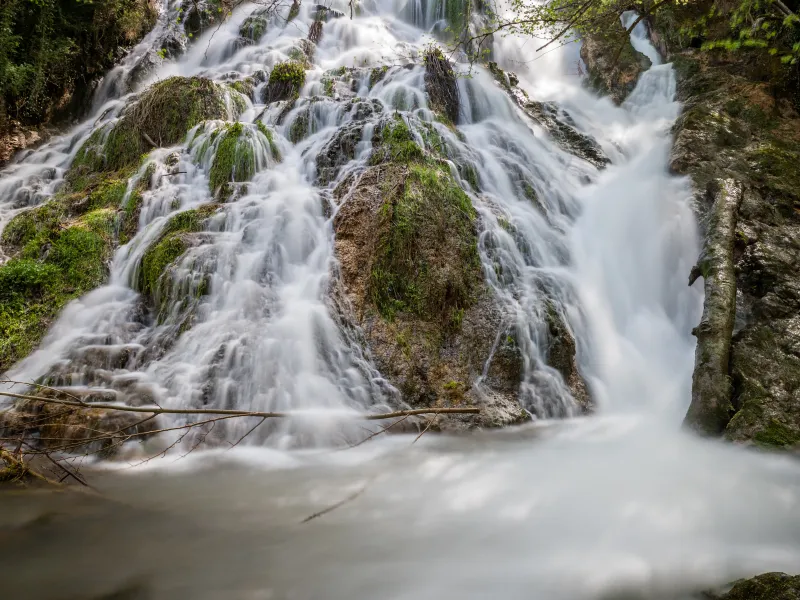
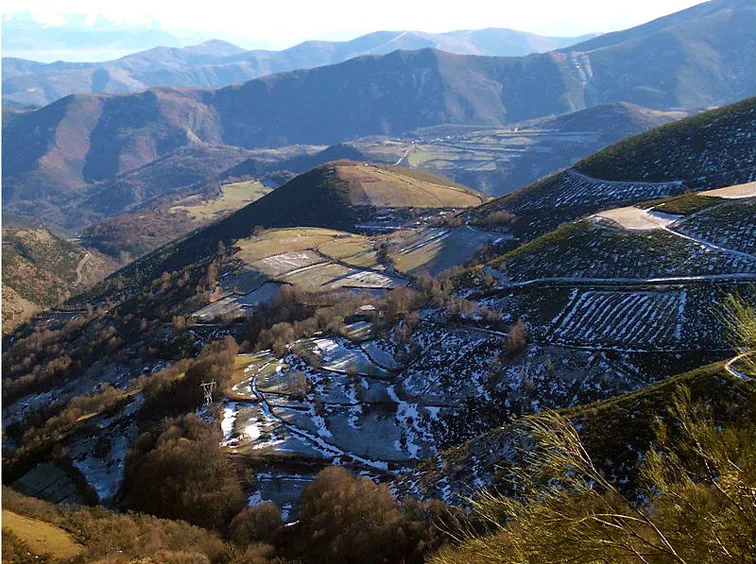
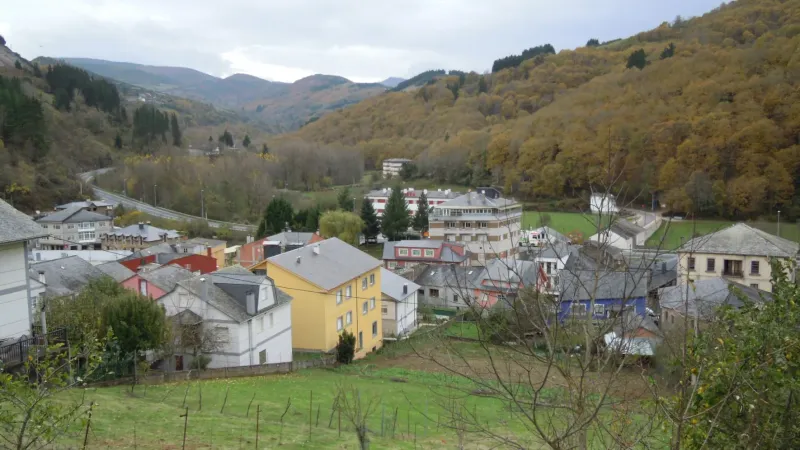
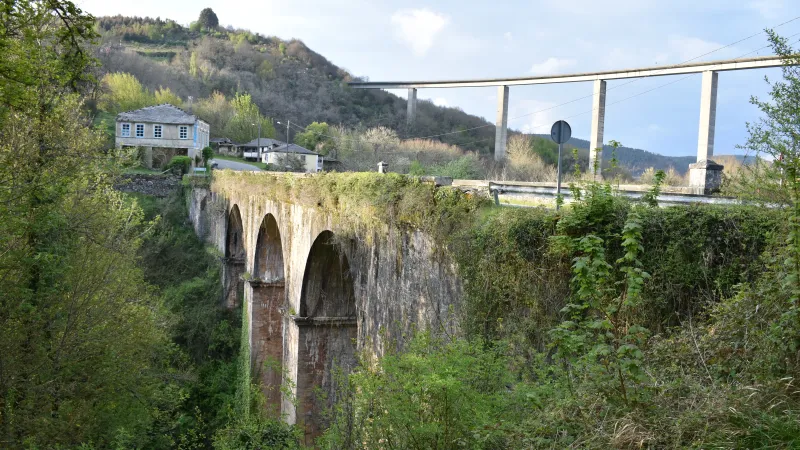
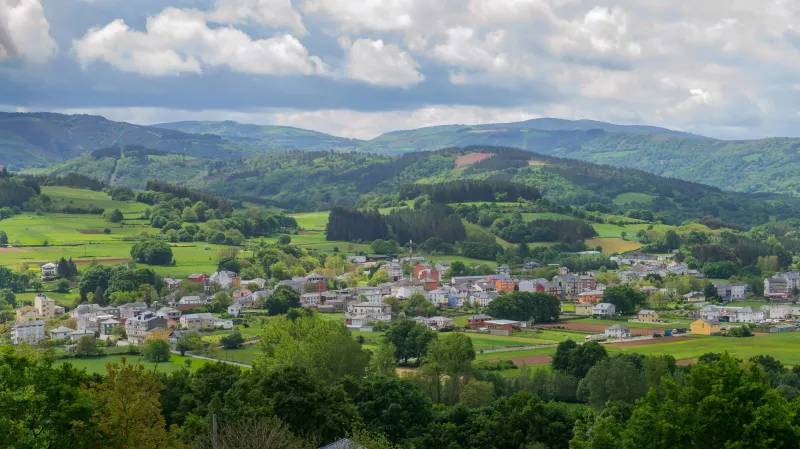
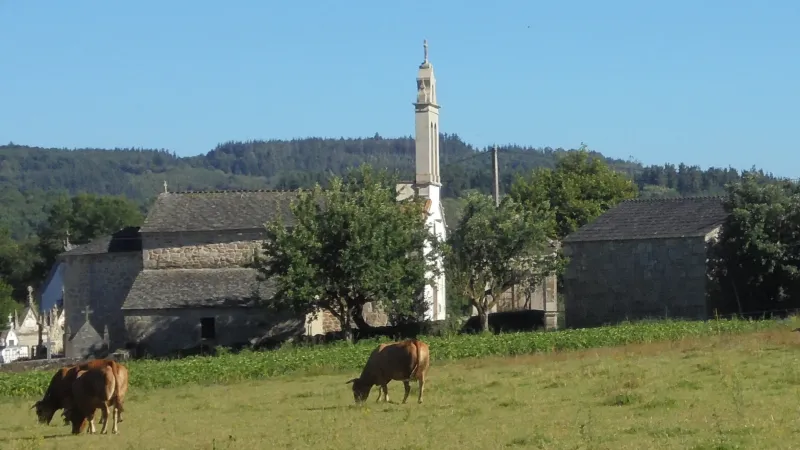
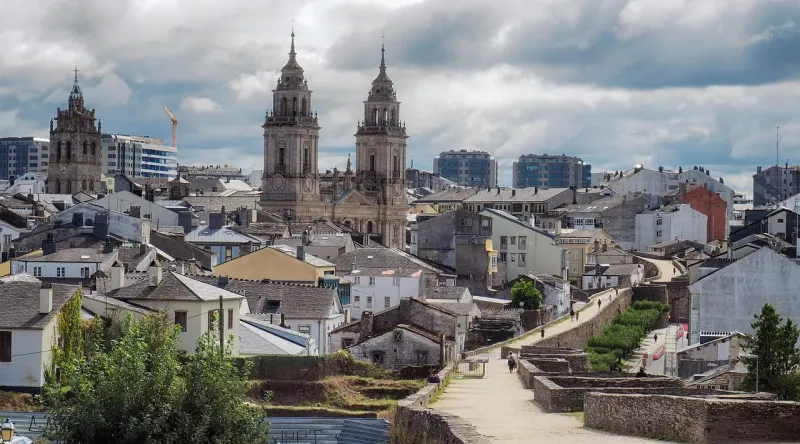

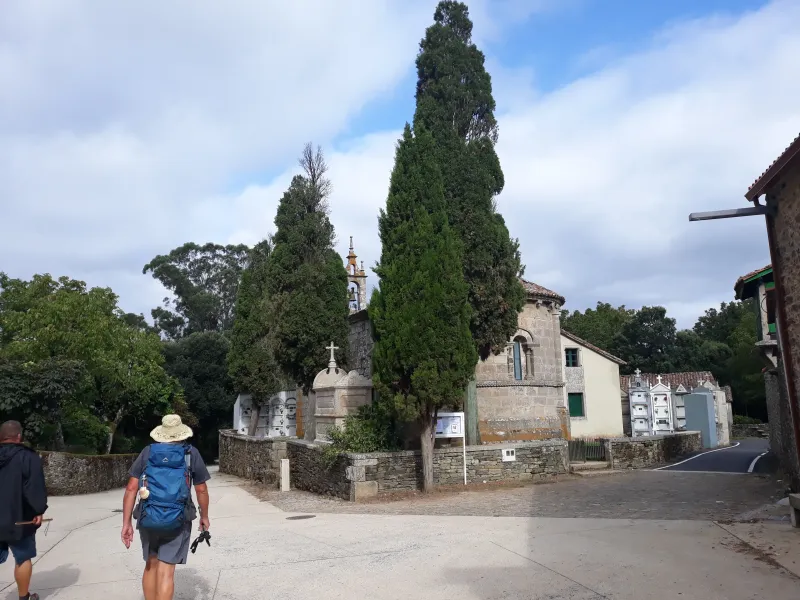
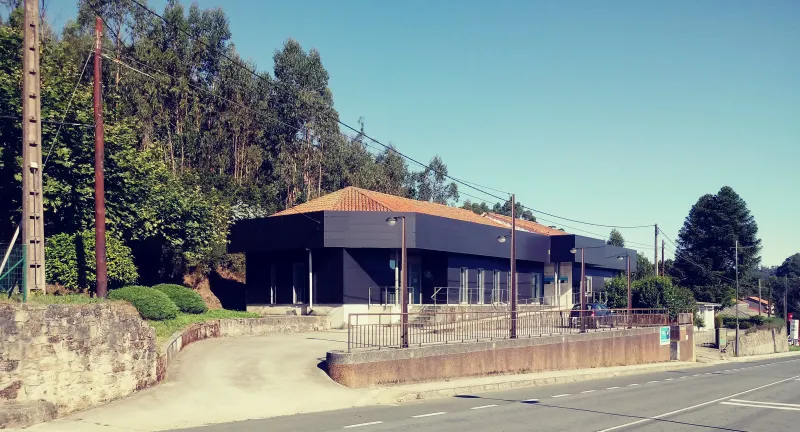
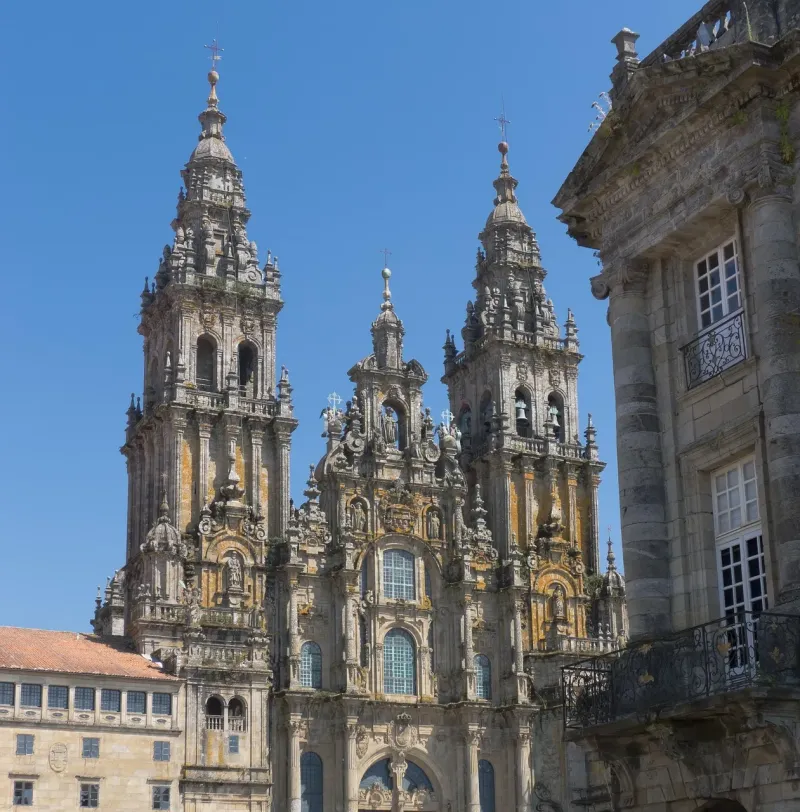
History
Millenary History of the Camino de Santiago: Origins and Evolution Kunig's Way
Discover the origins and evolution of Kunig's Way
Hermann Künig was a key figure in spreading pilgrimage in the German world. After completing his own arduous journey to Compostela, he decided to publish his experience in a practical guide. In an era when Gutenberg's press was revolutionizing the world, his book became a success, offering his countrymen detailed advice on stages, distances (in German leagues), important cities, dangers, and devotions along the way. He described the entire route from central Germany, but it is his proposal of itinerary within Spain that gives it unique identity.
The peculiarity of the Via Kunig becomes apparent when arriving at León city. At this point, most pilgrims on the Camino Francés continued westward by the main road to Astorga. However, Künig recommended an alternative route in his guide, a variant that deviated from the main path. This route, starting from León and heading west through La Cepeda comarcas and El Bierzo, avoided major centers of the traditional route. The reason for this deviation is unclear: it might have been to avoid tolls, to evade dangerous sections, or more probably to visit specific sanctuaries or hospitals preferred by German pilgrims or that he himself found more welcoming.
The most significant and defining departure from the Via Kunig is its way of entering Galicia. Instead of following the traditional route through Villafranca del Bierzo and ascending the iconic O Cebreiro port, Künig proposes a much harder, solitary, and northern passage: crossing the Sierra de los Ancares mountain range. This chain of mountains, now declared a Biosphere Reserve, was one of the most isolated and wild areas of the peninsula. The passage through the Ancares meant a formidable physical and logistical challenge but offered the pilgrim a more direct entry into Galicia towards Lugo city.
Once overcoming the formidable barrier of the Ancares, Künig's itinerary descends into Galician interior and seeks connection with the Camino Primitivo in San Román da Retorta surroundings. From there, the Via Kunig peregrinator joins those coming from Oviedo to continue together towards Melide, where they finally converge with the main route of the Camino Francés for the final stages leading to Santiago.
The modern revival of the Via Kunig has been a laborious task of historical and geographical research to translate the indications of a 15th-century monk into a GPS trail for the pilgrim of the 21st century. Walking this route is an experience unique, a journey through time that allows one to understand that the Camino was never a single line or immutable path but a network of options and personal decisions guided by faith, prudence, and those who came before us.
We answer your questions
Frequently Asked Questions about Kunig's Way
How long does the Vía Kunig Way take from León to Santiago de Compostela?
The Vía Kunig, a historical route that follows the footsteps of German monk Hermann Künig von Vach, spans approximately 18 days. This path offers an alternative itinerary to the traditional French Way, with panoramic views and unique mountain challenges.
What is the best time to undertake the Vía Kunig?
The best time to embark on the Vía Kunig is during the mid-season periods, specifically from April to June and in September and October. During these months, you can enjoy pleasant weather with ideal temperatures ranging between 10°C and 25°C, as well as fewer pilgrims compared to summer.
How do I book the Vía Kunig route with Ourway Travel?
To reserve your experience on the Vía Kunig, you can contact Ourway Travel directly through our website. Our specialized team will manage your reservation and provide a personalized itinerary that includes guaranteed accommodation in private hostels or boutique hotels and luggage transfers.
What does the Vía Kunig package by Ourway Travel include?
The Vía Kunig package from Ourway Travel includes accommodation in private hostels or boutique hotels, luggage transfer throughout the route, and a personalized itinerary with detailed information about points of interest. Additionally, we provide expert advice to ensure your experience is unforgettable.
How does the Vía Kunig compare to other routes to Santiago?
The Vía Kunig stands out for being less traveled and more historical compared to traditional routes like the French or Portuguese Way. It offers a journey that follows in the footsteps of monk Hermann Künig von Vach, providing unique panoramic views of Spanish geography and an authentic solitary experience.
What is the difficulty of the Vía Kunig compared to other routes?
The Vía Kunig is considered a high-difficulty route due to its mountainous terrain and less-traveled paths. In contrast, traditional routes like the French or Portuguese Way are generally less demanding in terms of inclines and geographical challenges.
How do I get the pilgrim's credential for the Vía Kunig Way?
To obtain your pilgrim’s credential, you can collect it from any of the certified centers near León before starting your journey. Ourway Travel can help you prepare all necessary documents and procedures to ensure a hassle-free start.
How does the Vía Kunig compare to the Primitivo Way?
The Vía Kunig offers a historical alternative to the Primitivo Way, starting from León and crossing the Montes de León and Os Ancares before joining the Primitivo near Lugo. Unlike the Primitivo, the Vía Kunig is less traveled and presents more natural challenges due to its mountainous route.
Organize Your Camino
Ready for this adventure?
Kunig's Way
Walk this route with us
Fancy walking this route?
We don't have a ready-made package for this route yet, but we'll organise it around you. Tell us how you'd like to experience it and a specialist will reply within 24 h.
Request your proposal