
Camino de Santiago
Mozarabian Way
The Mozarabic Route is the network of Jacobean routes in southern Spain. It covers part of Andalusia and converges in Merida to join the Via Plata, on a journey through Al-Andalus heritage.
Organize your Mozarabian WayDistance
- km
Days
-
Difficulty
High
Last updated: 21/05/2025
The Route
General Description of Mozarabian Way
The routes usually converge in the monumental city of Mérida to continue north on the Vía de la Plata. The distances vary greatly depending on the origin, exceeding 1,000 km in total to Santiago. These paths are loaded with history, traversing diverse landscapes and allowing for the discovery of the deep footprint of Andalusian culture.
Related Routes
Connections of Mozarabian Way
Way of Mozarab from Almería
590 km
24
High
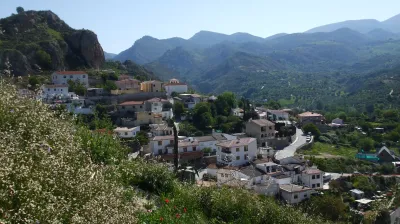
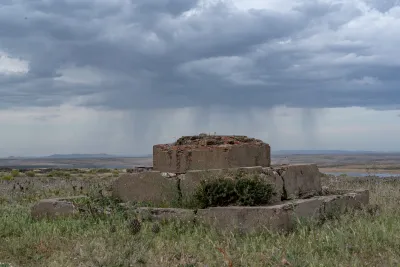
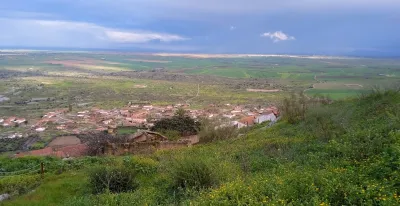
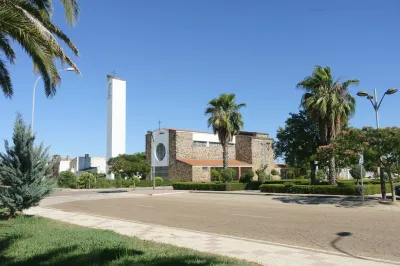
Starting from Almería, this historic branch of the Mozarabic Way traverses contrasting landscapes, from the coast to the Extremaduran grasslands, connecting with the Via Plata in Mérida after a demanding journey. It is a path of deep Andalusian heritage.
Stages of this variant:
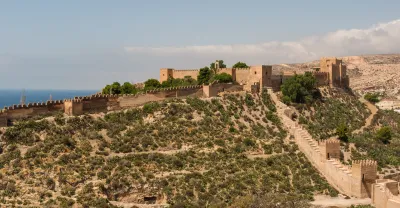
Stage 1: Almería to Rioja
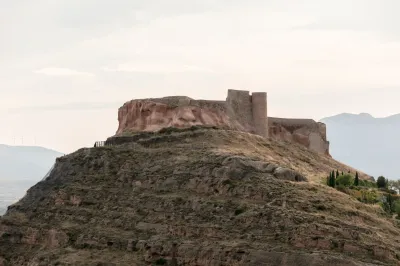
Stage 2: Rioja - Alboloduy
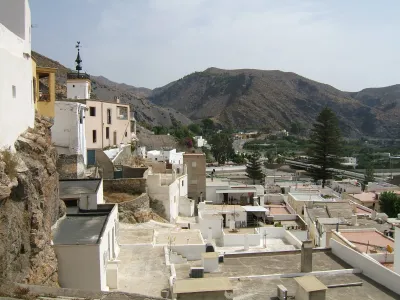
Stage 3: Alboloduy - Abla
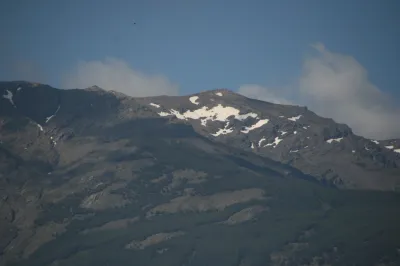
Stage 4: Abla - Huéneja
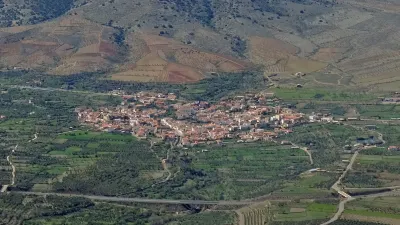
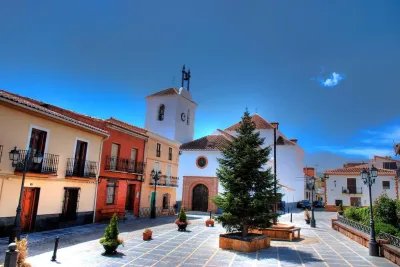
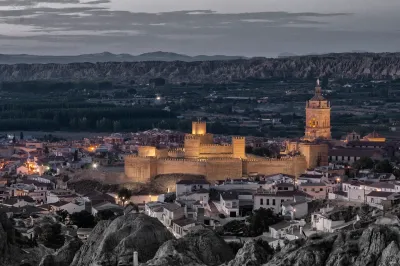
Stage 5: Huéneja - Alquife
Mozarabic Way from Málaga
400 km
17
High
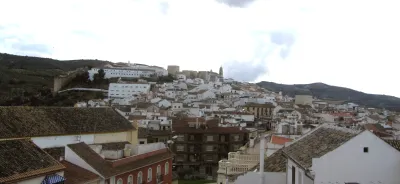
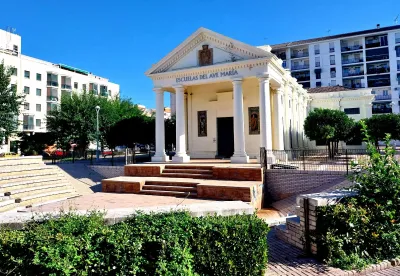
The Mozarabic Way from Málaga allows pilgrims to start their journey from the Mediterranean coast, ascending through the Malagueña mountains and entering the interior of Andalusia. The route converges with other Mozarabic branches towards Córdoba and finally to Mérida.
Stages of this variant:
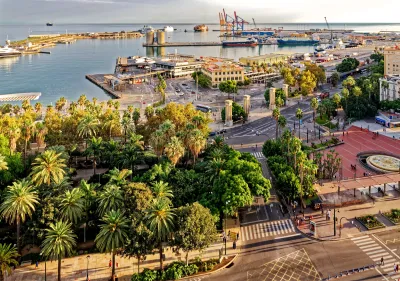
Stage 1: Málaga to Almogía
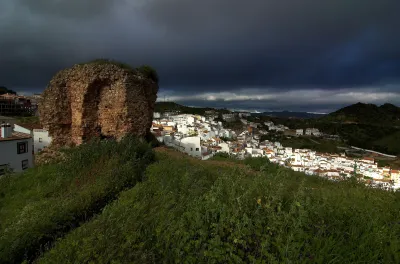
Stage 2: Almogía to Villanueva de la Concepción
Stage 3: Villanueva de la Concepción to Antequera
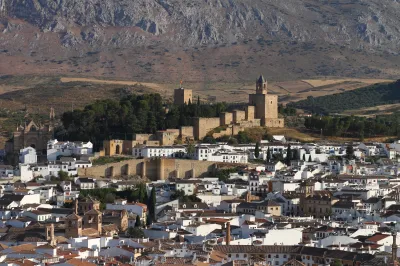
Stage 4: Antequera to Villanueva de Algaidas
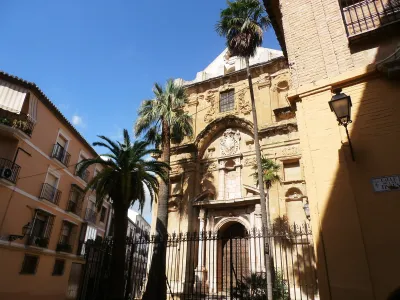
Stage 5: Villanueva de Algaidas to Encinas Reales
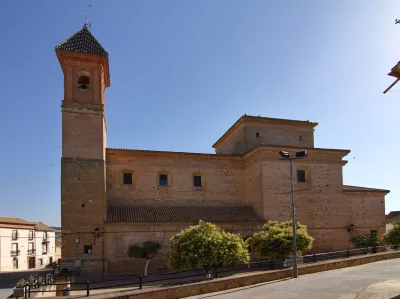
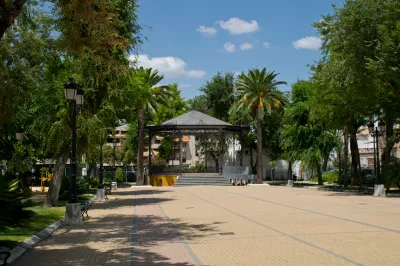
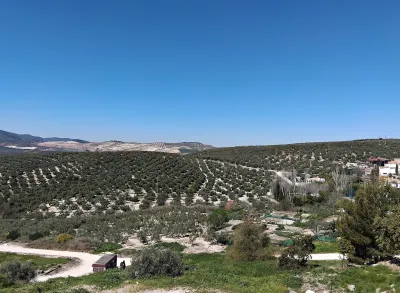
Mozarab Path from Granada
385 km
16
High
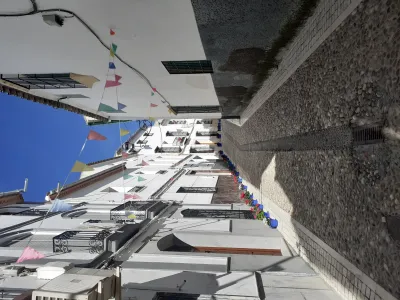
The Mozarabic Way from Granada offers a journey through the heart of Andalusia. Starting from monumental Granada, pilgrims head north, finding historic cities like Cordoba before reaching Merida and the Silver Road.
Stages of this variant:
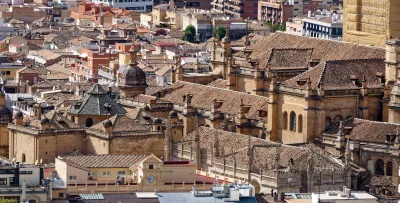
Stage 1: Granada to Pinos Puente
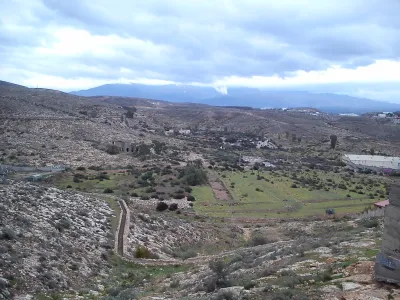
Stage 2: Pinos Puente to Moclin
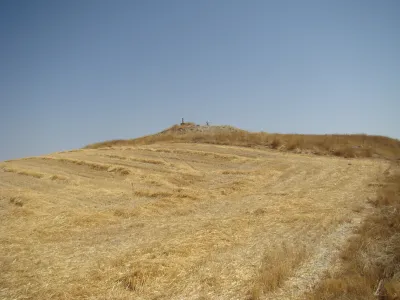
Stage 3: Moclin to Alcalá la Real

Stage 4: Alcalá la Real to Alcaudete
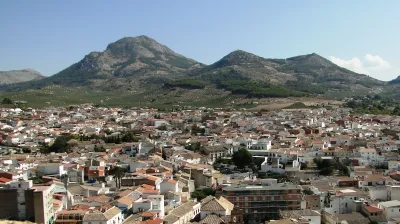
Stage 5: Alcaudete to Baena
Way of Mozarabia from Jaen to Merida
330 km
14
Media
Starting from Jaén, capital of the Holy Kingdom, this branch of the Mozarabic Way enters the Andalusian olive tree sea to later join other pilgrims in Córdoba and continue on the Via Plata in Mérida. A path of history and tradition.
Stages of this variant:
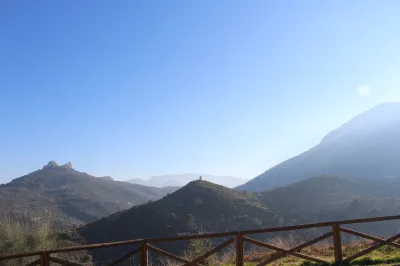
Stage 1: Jaén to Torredelcampo
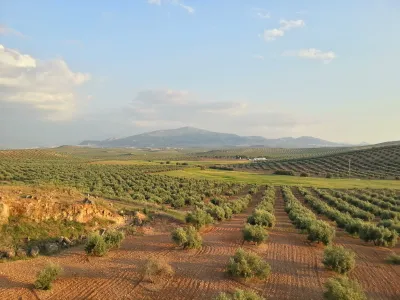
Stage 2: Torredelcampo to Martos
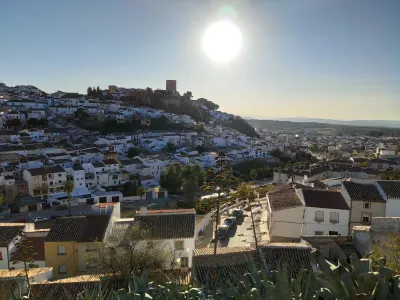
Stage 3: Martos to Alcaudete
Stage 4: Alcaudete to Baena
The Mozarabic Way from Córdoba to Mérida
246.3 km
10
Media
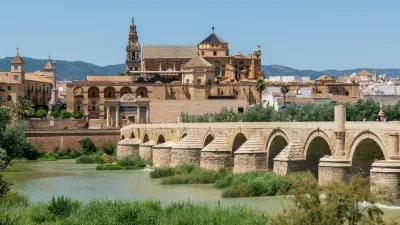
This section of the Mozarabic Way, starting from historic Córdoba, is one of the most significant. It leads pilgrims through the Extremaduran grasslands to Mérida, an important Roman city and key point on the Via Plata. It's a beautiful natural path with deep historical significance.
Stages of this variant:
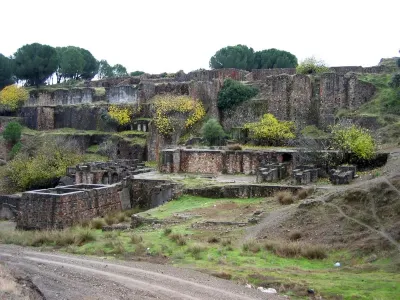
Stage 2: Cerro Muriano to Villaharta
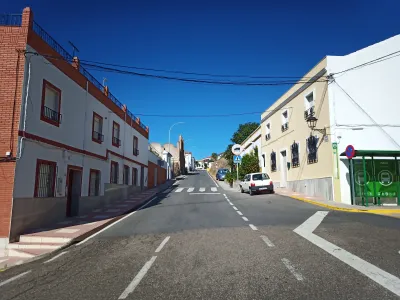
Stage 3: Villaharta to Alcaracejos
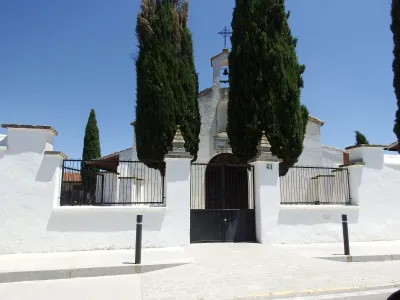
Stage 4: Alcaracejos to Hinojosa del Duque
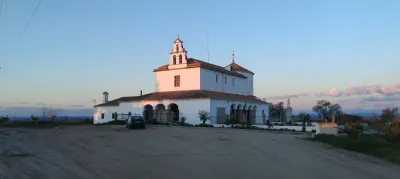
Stage 5: Hinojosa del Duque to Monterrubio de la Serena
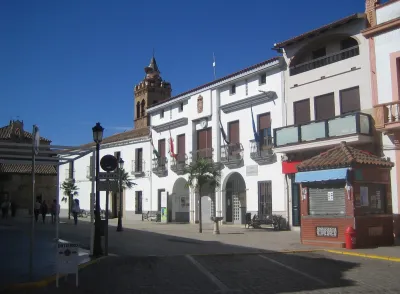
Stage 6: Monterrubio de la Serena to Castuera
Your trip with Ourway
Everything you need for your Camino
No hassle. Your perfect route, from start to finish.
Accommodation
Selected hotels and hostels at every stage
Luggage transfer
Your backpack travels from stage to stage
Camino Guide
Detailed map with directions and services
24h Support
Team available for any unforeseen event
Pilgrim credential
Official documentation included
No commitment
Free personalized consultation
Walk this route with us
Fancy walking this route?
We don't have a ready-made package for this route yet, but we'll organise it around you. Tell us how you'd like to experience it and a specialist will reply within 24 h.
Request your proposalHistory
Millenary History of the Camino de Santiago: Origins and Evolution Mozarabian Way
Discover the origins and evolution of Mozarabian Way
After the discovery of St. James' tomb in the 9th century, news spread throughout the peninsula, reaching also the Mozarab communities in the south. For them, the figure of Santiago became a powerful symbol of identity and hope. Taking the pilgrimage to Compostela was an act of first-order religious assertion but also an extremely long and perilous journey. They had to traverse hundreds of kilometers through a territory that, depending on the time and the emir or caliph ruling, could be tolerant or extremely hostile towards Christians.
Due to this dispersal of communities, there did not exist a single starting point. Each group began its journey from their hometown, using the network of Roman roads and paths that still structured the territory. Thus, different branches of the Camino Mozárabe were born:
The Almería branch departed from the coast and faced semi-desert landscapes and the Bética mountains' rugged slopes. The Granada branch ascended northwards, like the Jaén branch, while the Málaga branch climbed through the difficult interior ranges. All these routes, along with others of lesser significance, sought a common meeting point, a place where forces could be united to face the rest of the journey. This convergence point was the city of Córdoba.
Córdoba, the ancient and magnificent capital of the Caliphate, was a melting pot of cultures and the main hub of communication in Al-Ándalus. Here converged most of the Mozarab pilgrims from the south. From Córdoba, a more unified and traveled path directed northwards, seeking the border and the next major milestone: Mérida.
The city of Mérida, the ancient Emerita Augusta Roman, was the gateway to the Via de la Plata. Reaching Mérida meant for the Mozarab pilgrim leaving behind Al-Ándalus' territory and entering the safety of Christian kingdoms. From there, their pilgrimage merged with that of travelers coming by the Via de la Plata from Seville, to continue together towards the north.
The modern revitalization of the Camino Mozárabe has been a titanic task carried out by a group of associations of friends of the Andalusian Camino. They have done an immense amount of historical research to identify and recover these ancient routes, marking thousands of kilometers and fostering a network of hospitality. Today, walking the Camino Mozárabe is one of the most difficult, solitary, and authentic pilgrimages that exist, a journey through landscapes of breathtaking beauty and the complex and fascinating history of Spain's Three Cultures.
We answer your questions
Frequently Asked Questions about Mozarabian Way
How many kilometers does the Mozarabic Way cover from Andalusia to Santiago de Compostela?
The Mozarabic Way, which starts from various cities in Andalusia and converges in Mérida before following the Silver Route northward, covers a total distance that can exceed 1,000 kilometers until reaching Santiago de Compostela. This length varies depending on the chosen starting point.
What is the best time of year to do the Mozarabic Way?
The best period to undertake the Mozarabic Way is from April to June and September to October. During this time, you can enjoy a pleasant balance of mild temperatures, little rain, and a moderate influx of pilgrims, which allows for a more serene experience.
How difficult is the Mozarabic Way?
The Mozarabic Way is characterized by its high difficulty due to long distances, varied geography, and the challenge of crossing different environments. Pilgrims must be prepared for mountain trails, urban stretches, and rural landscapes in a journey that demands physical and mental endurance.
How much does it cost to do the Mozarabic Way with Ourway Travel?
The costs of the Mozarabic Way vary depending on the chosen route, included services, and travel dates. At Ourway Travel, we manage personalized reservations to ensure a unique and safe experience, adapting the itinerary to your specific needs.
What does Ourway Travel's Mozarabic Way offer include?
Ourway Travel's Mozarabic Way offer includes services such as accommodation in pilgrim hostels or hotels, secure transfers between stations, advice on physical preparation and necessary equipment. Additionally, we provide all the information needed to obtain your pilgrim credential.
How does the Mozarabic Way compare to other routes to Santiago?
The Mozarabic Way is unique for its rich history and cultural diversity, offering a journey through Andalusia to Mérida and then along the Vía de la Plata. Unlike the French Way or the Coastal Route, the Mozarabic provides a more challenging but also much richer experience in terms of Andalusian history and culture.
Which is the better option between the Mozarabic Way and the Silver Route for a beginner pilgrim?
For a beginner pilgrim, choosing between the Mozarabic Way and the Silver Route depends on whether you prefer exploring a route with richer historical context or following a more well-known path. The Silver Route is generally less demanding in terms of daily distance, whereas the Mozarabic Way offers a longer journey rich in history and culture.
How do I get my pilgrim's credential for the Mozarabic Way?
To obtain your pilgrim's credential for the Mozarabic Way, you need to visit an Ourway Travel office or any officially designated site by the Friends of the Camino de Santiago Association. Remember to bring a form of identification and we can assist you in this process to ensure everything is correct before you start your journey.
Organize Your Camino
Ready for this adventure?
Mozarabian Way