
Camino de Santiago
Way of Mozarab from Almería
Historic Route from Almería, connecting the Mediterranean coast with the Via Plata in Mérida.
Organize your Way of Mozarab from AlmeríaLast updated: 23/05/2025
The Route
General Description of Way of Mozarab from Almería
Related Routes
Connections of Way of Mozarab from Almería
Way of the Plate
963.6 km
38
High
The Silver Way (La Vía de la Plata) is the longest of the Camino de Santiago paths in Spain, with almost 1000 km. Its route, which starts in Seville, largely follows the ancient Roman road that connected Mérida to Astorga. It traverses Andalusia, Extremadura and Castile and León, offering pilgrims two options in Granja de Moreruela (Zamora): continue on to Astorga to link with the French Way or take the Sanabrés Way directly to Galicia.
It is a route of immense historical and monumental wealth. Due to its length and high temperatures in its southern section, it requires excellent planning. It offers diverse landscapes, from the extreme dehesas to the plains and mountains of Castile and León.
Stages of this variant:
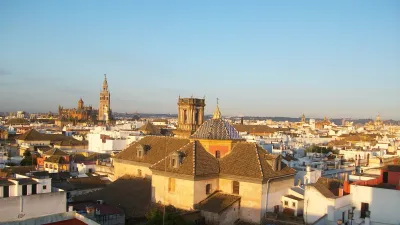
Stage 1: Sevilla to Guillena
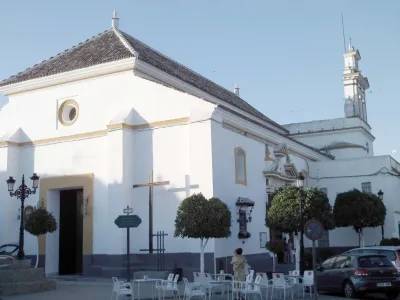
Stage 2: Guillena to Castilblanco de los Arroyos
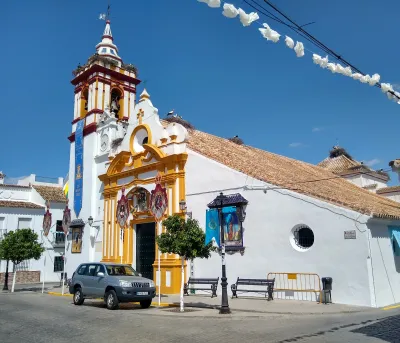
Stage 3: Castilblanco de los Arroyos to Almadén de la Plata
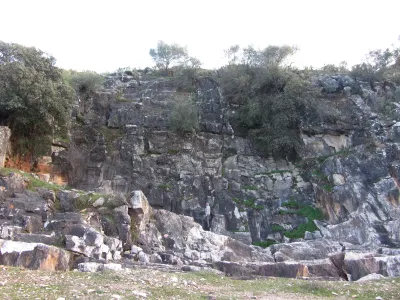
Stage 4: Almadén de la Plata to Monesterio
Stage 5: Monesterio to Fuente de Cantos
Mozarabic Way from Málaga
400 km
17
High
The Mozarabic Way from Málaga allows pilgrims to start their journey from the Mediterranean coast, ascending through the Malagueña mountains and entering the interior of Andalusia. The route converges with other Mozarabic branches towards Córdoba and finally to Mérida.
Stages of this variant:
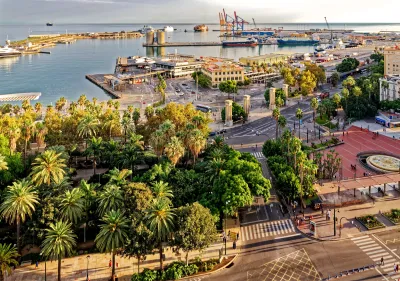
Stage 1: Málaga to Almogía
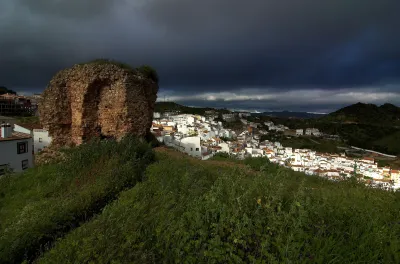
Stage 2: Almogía to Villanueva de la Concepción
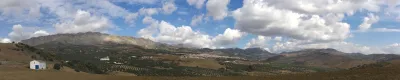
Stage 3: Villanueva de la Concepción to Antequera
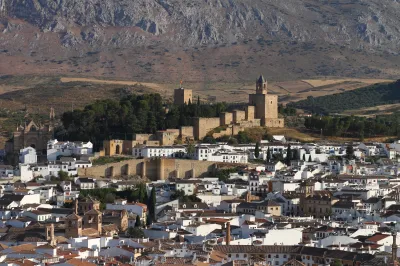
Stage 4: Antequera to Villanueva de Algaidas
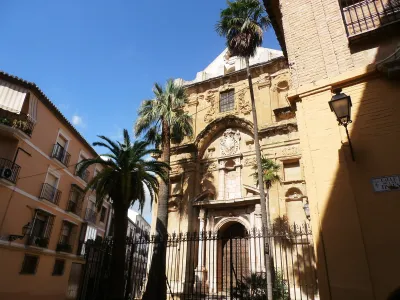
Stage 5: Villanueva de Algaidas to Encinas Reales
Mozarab Path from Granada
385 km
16
High
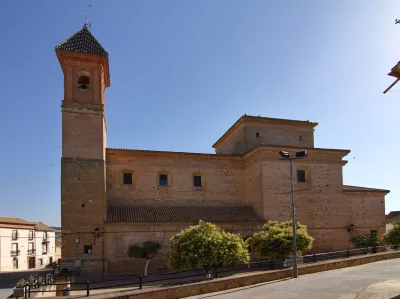
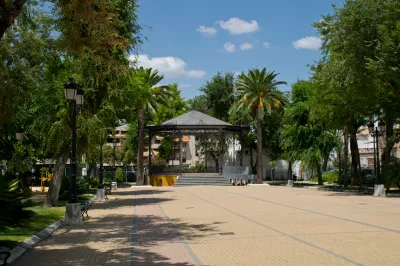
The Mozarabic Way from Granada offers a journey through the heart of Andalusia. Starting from monumental Granada, pilgrims head north, finding historic cities like Cordoba before reaching Merida and the Silver Road.
Stages of this variant:
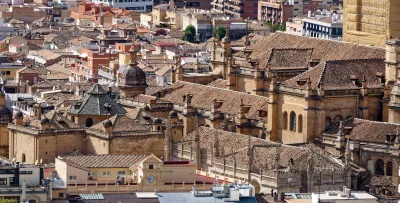
Stage 1: Granada to Pinos Puente
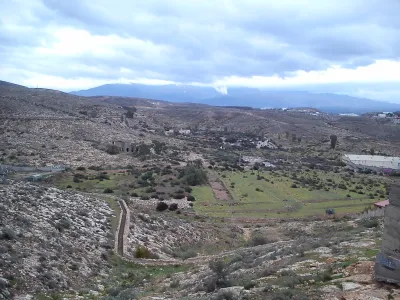
Stage 2: Pinos Puente to Moclin
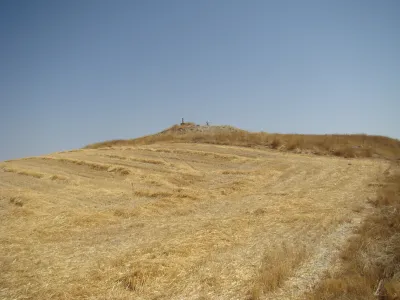
Stage 3: Moclin to Alcalá la Real
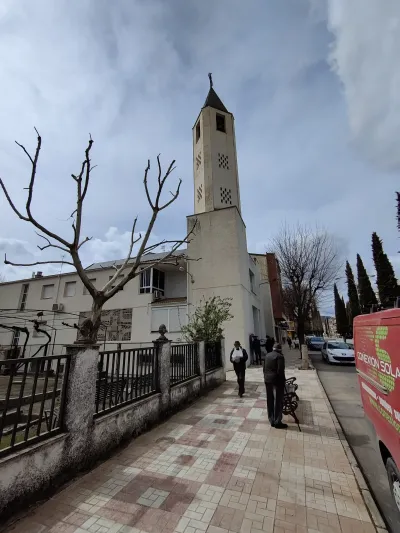
Stage 4: Alcalá la Real to Alcaudete
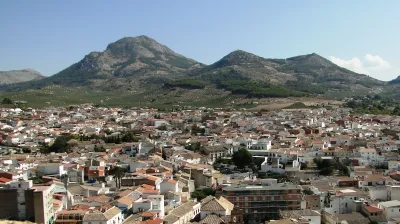
Stage 5: Alcaudete to Baena
Way of Mozarabia from Jaen to Merida
330 km
14
Media
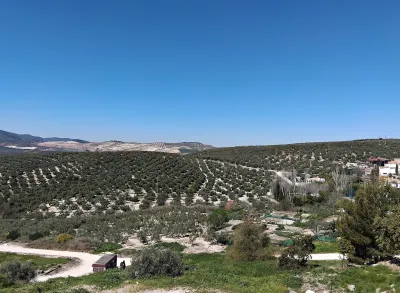
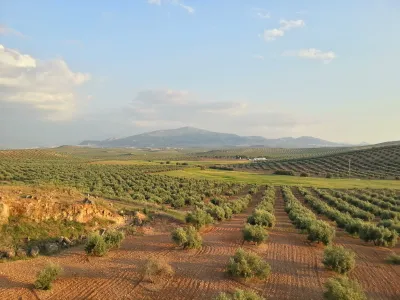
Starting from Jaén, capital of the Holy Kingdom, this branch of the Mozarabic Way enters the Andalusian olive tree sea to later join other pilgrims in Córdoba and continue on the Via Plata in Mérida. A path of history and tradition.
Stages of this variant:
Stage 1: Jaén to Torredelcampo
Stage 2: Torredelcampo to Martos
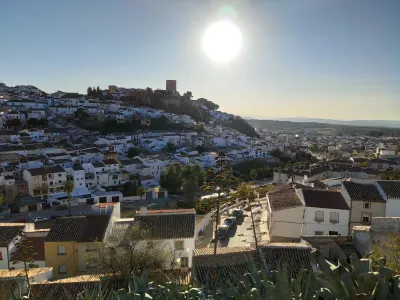
Stage 3: Martos to Alcaudete
Stage 4: Alcaudete to Baena
The Mozarabic Way from Córdoba to Mérida
246.3 km
10
Media
This section of the Mozarabic Way, starting from historic Córdoba, is one of the most significant. It leads pilgrims through the Extremaduran grasslands to Mérida, an important Roman city and key point on the Via Plata. It's a beautiful natural path with deep historical significance.
Stages of this variant:
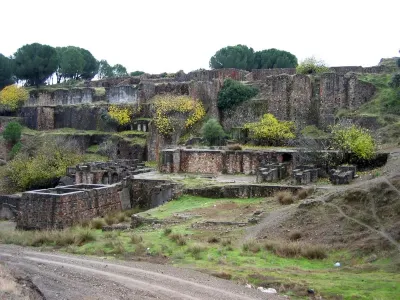
Stage 2: Cerro Muriano to Villaharta
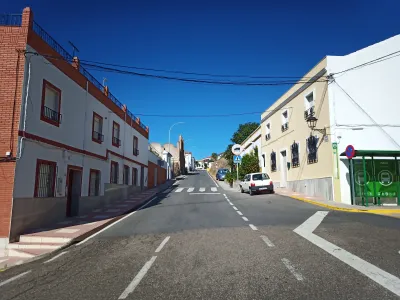
Stage 3: Villaharta to Alcaracejos
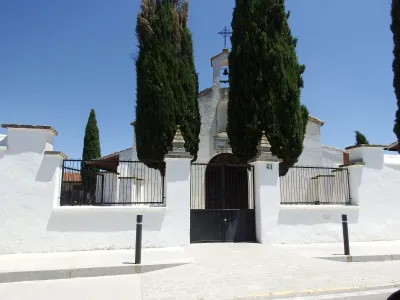
Stage 4: Alcaracejos to Hinojosa del Duque
Stage 5: Hinojosa del Duque to Monterrubio de la Serena
Stage 6: Monterrubio de la Serena to Castuera
Mozarabian Way
- km
-
High
The Camino Mozárabe is not a single route but a collection of historical itineraries that depart from various cities in Andalusia such as Almería, Granada, Jaén, Córdoba, and Málaga. These paths were followed by Christians living in Al-Ándalus (Mozarabs) to pilgrimage to Santiago.
The routes usually converge in the monumental city of Mérida to continue north on the Vía de la Plata. The distances vary greatly depending on the origin, exceeding 1,000 km in total to Santiago. These paths are loaded with history, traversing diverse landscapes and allowing for the discovery of the deep footprint of Andalusian culture.
No detailed stages available for this variant.
Your trip with Ourway
Everything you need for your Camino
No hassle. Your perfect route, from start to finish.
Accommodation
Selected hotels and hostels at every stage
Luggage transfer
Your backpack travels from stage to stage
Camino Guide
Detailed map with directions and services
24h Support
Team available for any unforeseen event
Pilgrim credential
Official documentation included
No commitment
Free personalized consultation
Walk this route with us
Fancy walking this route?
We don't have a ready-made package for this route yet, but we'll organise it around you. Tell us how you'd like to experience it and a specialist will reply within 24 h.
Request your proposalStages
Stages of Way of Mozarab from Almería
Almería → Rioja
The Mozarabic Way from Almería begins with a journey that leaves the coast to venture into the valley of the Andarax River. This first stage is a transition from urban and maritime landscapes to the f...
Alboloduy → Abla
Stage of the Mozarabic Way of Almeria, crossing the region of the river Andarax. The 28 km link Alboloduy with Abla through the valley of the Andarax, with arid landscape of wadis, palm trees and inte...
Abla → Huéneja
This stage crosses the border between Almeria and Granada through the foothills of the Sierra Nevada. The 18 km climb progressively through the valley of the Bayárcal river with views of the peaks of ...
Huéneja → Alquife
Short stage of the Mozarabic Way in the region of Marquesado del Zenete, at the foot of Sierra Nevada. The about 12 km run through the high plateau of Granada with arid landscape dotted with tradition...
Towns
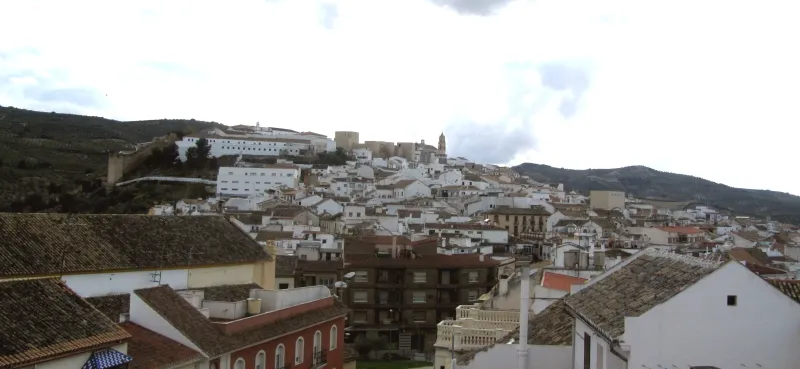
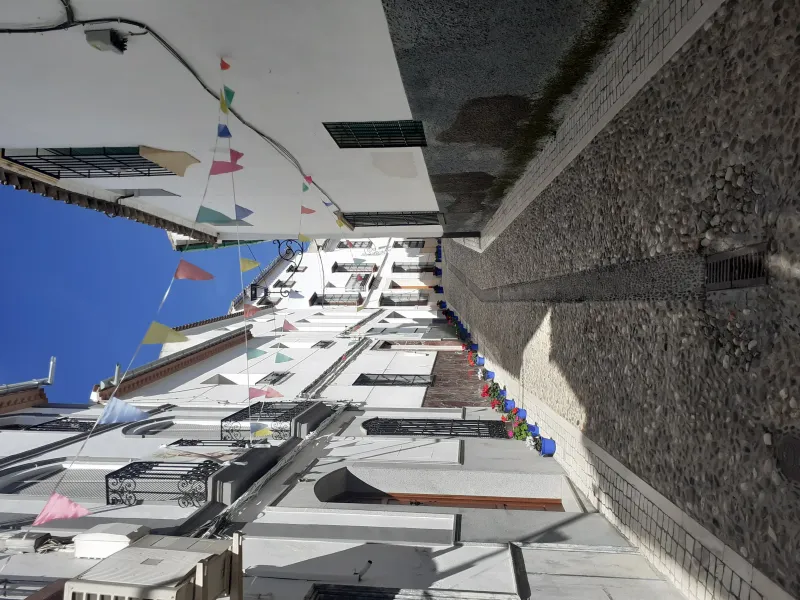
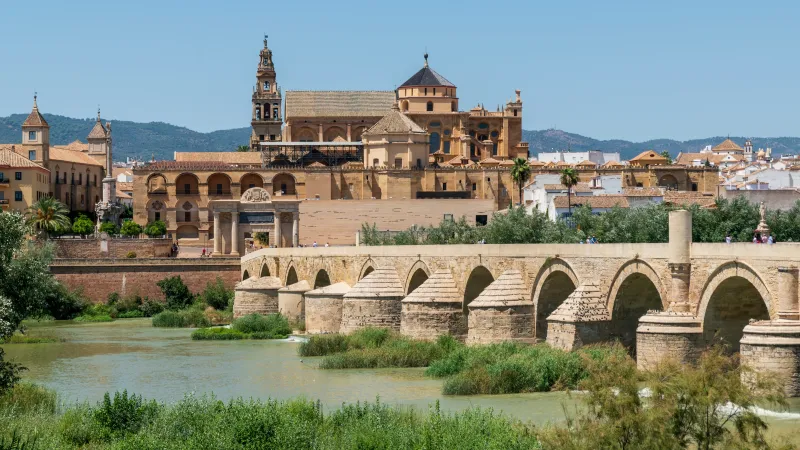
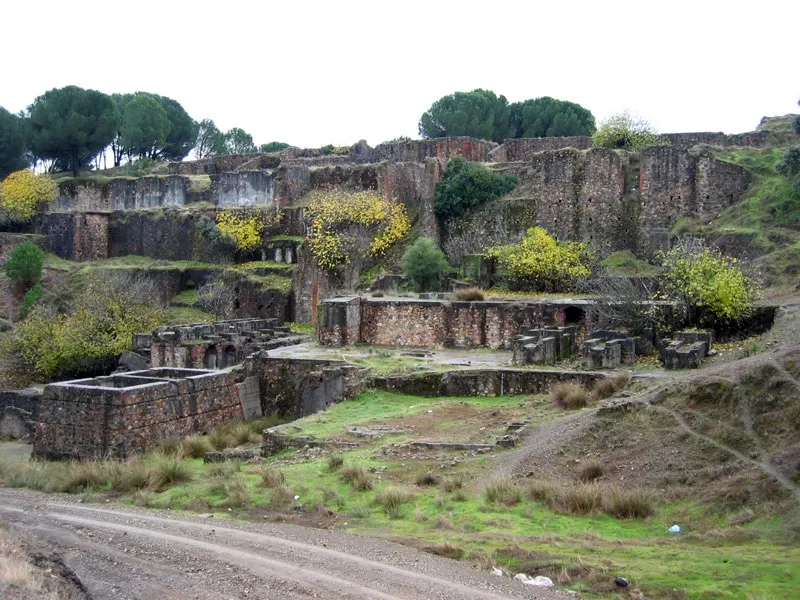
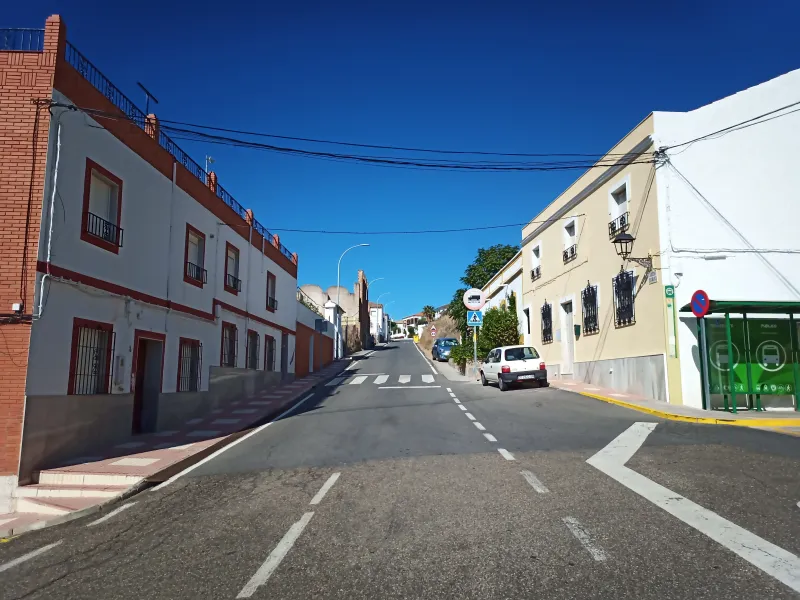
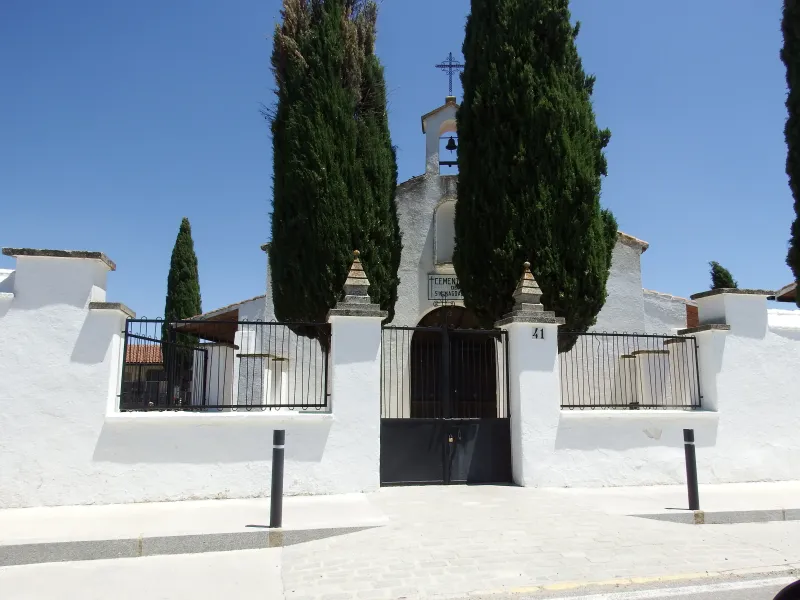
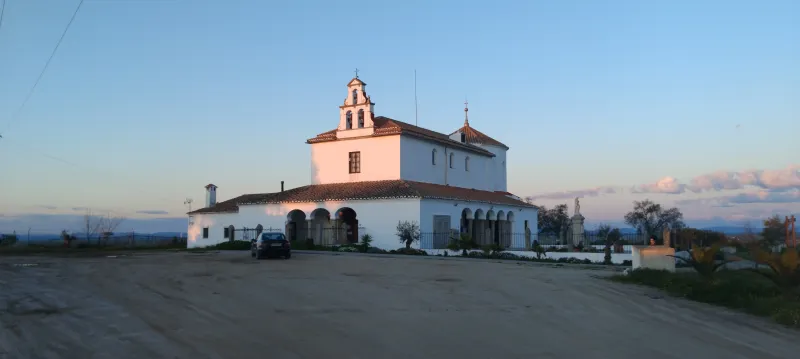
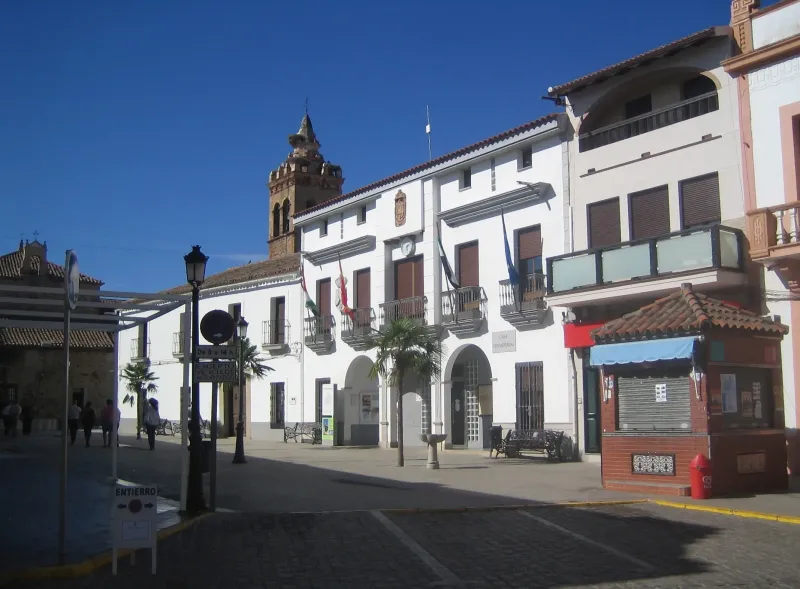
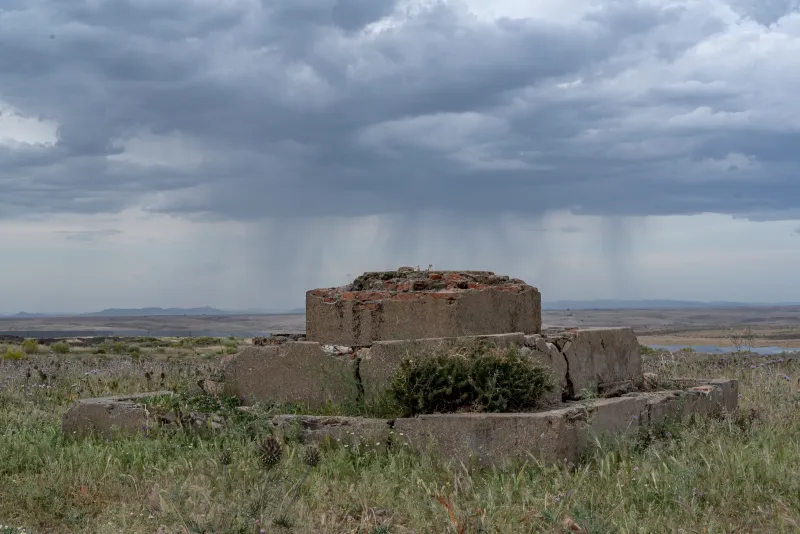
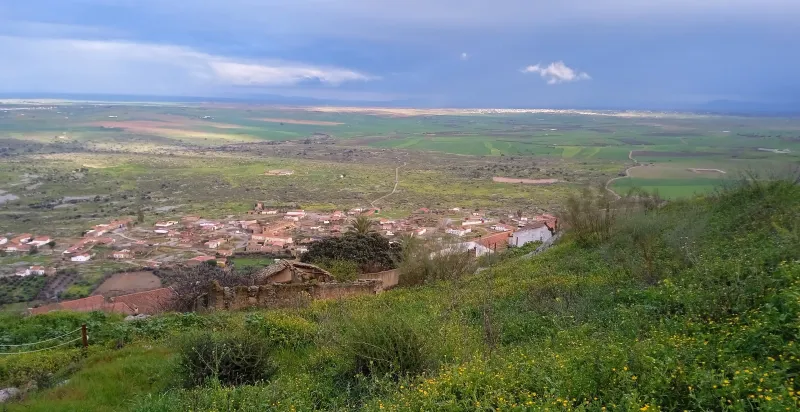
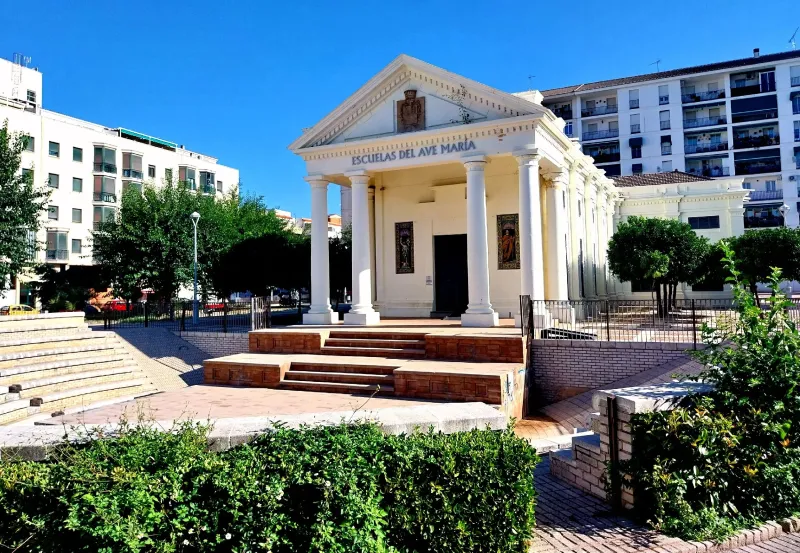
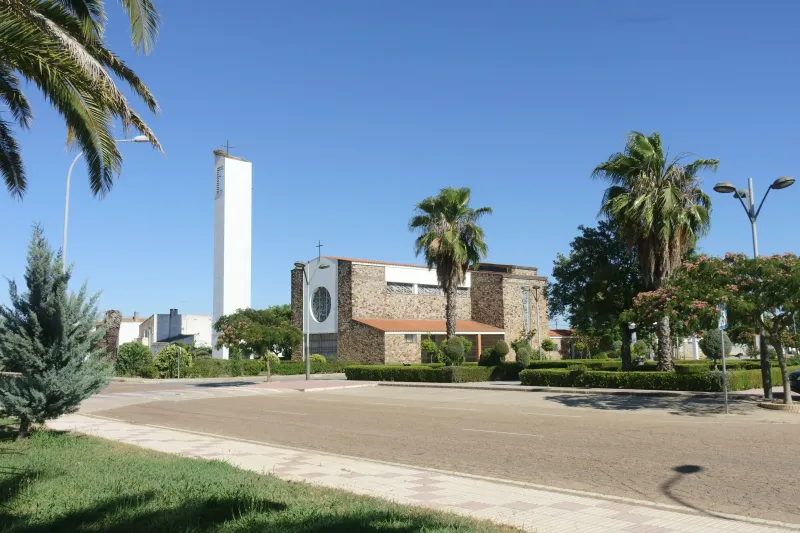
Featured Towns of Way of Mozarab from Almería
Explore the key towns and cities of this route.
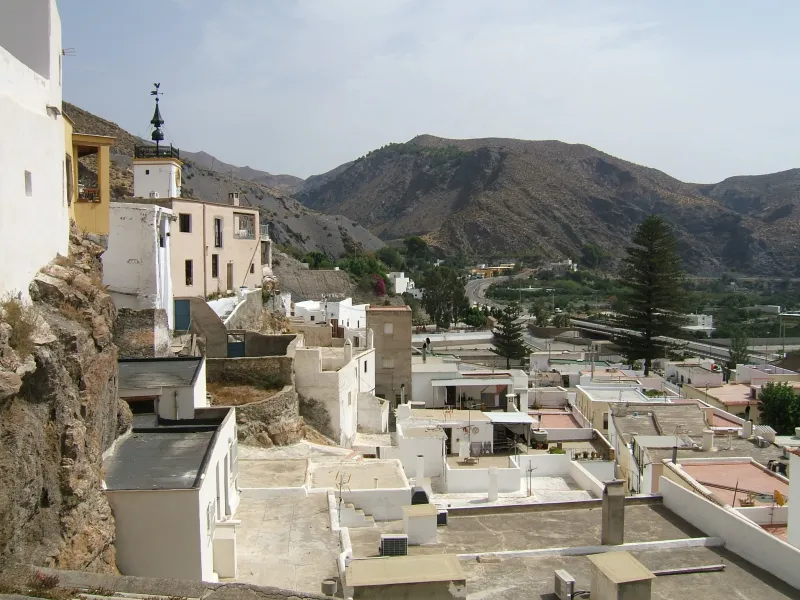
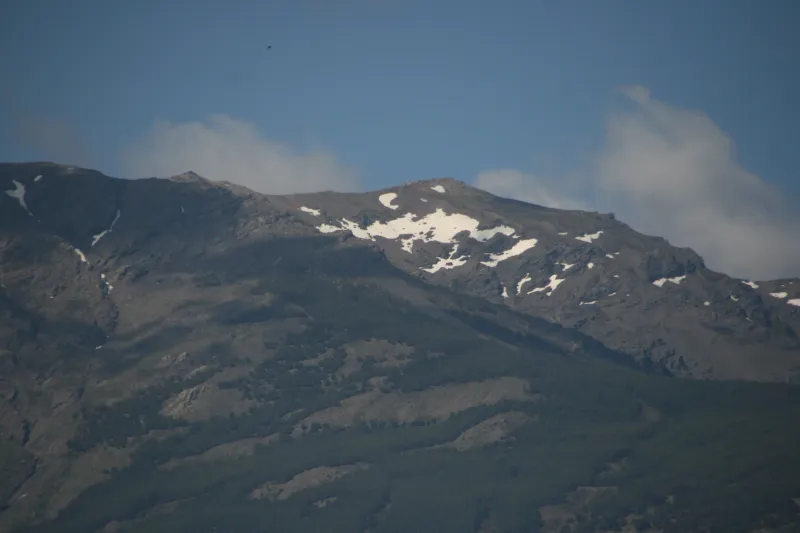
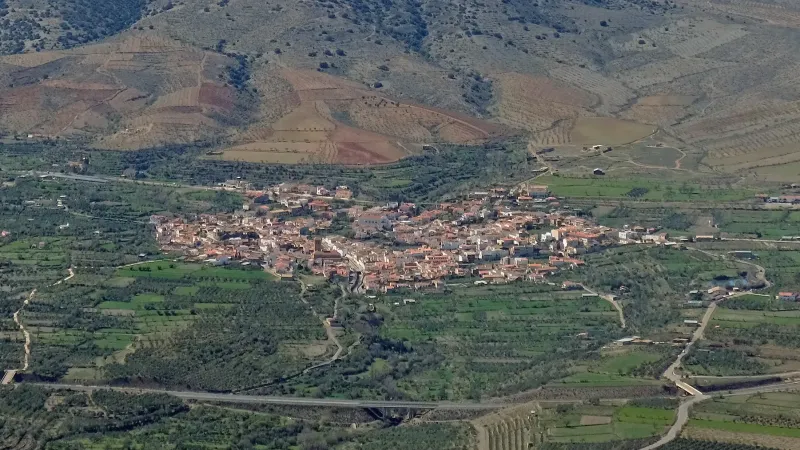
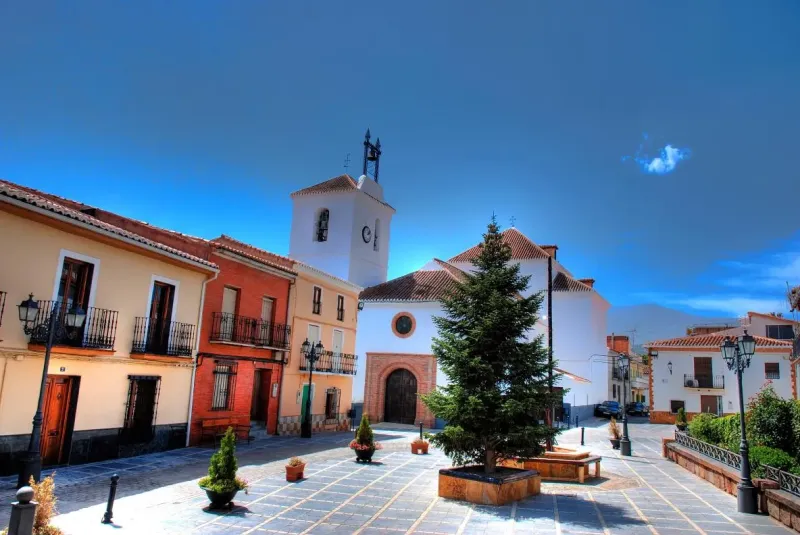
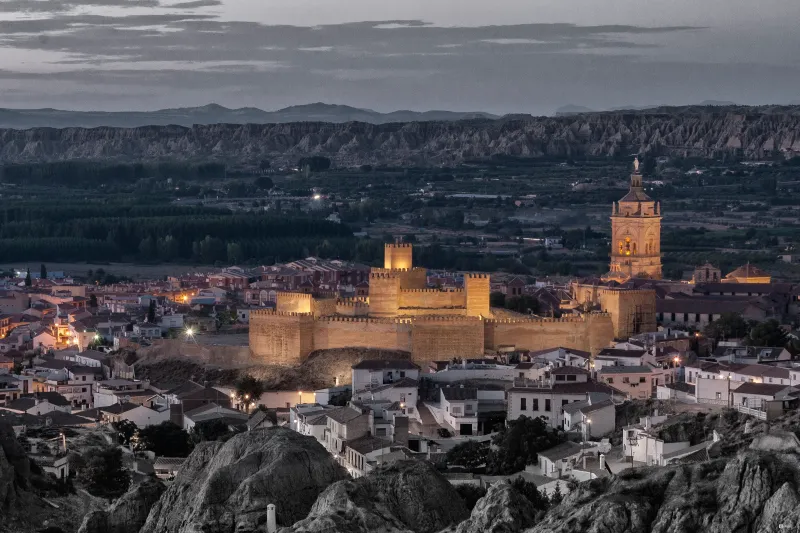
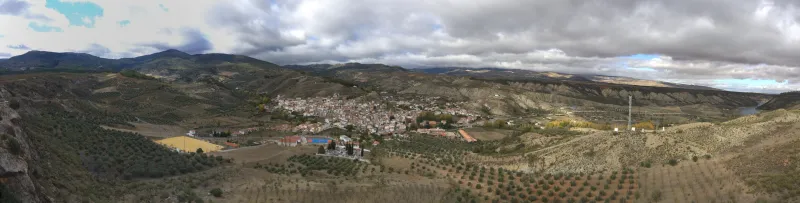
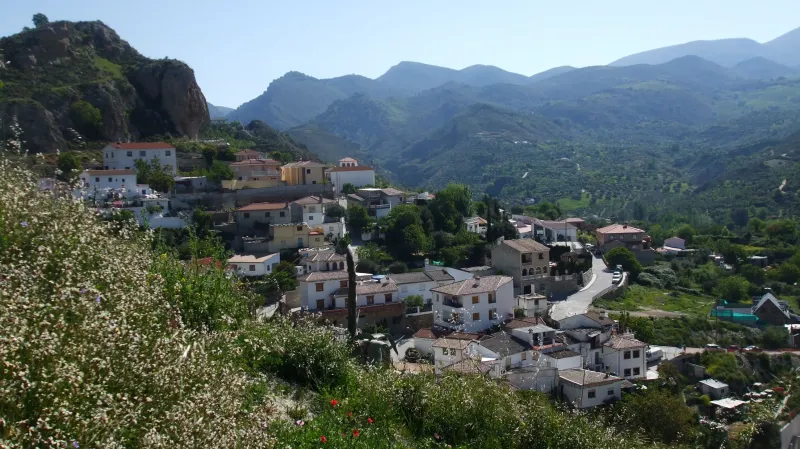
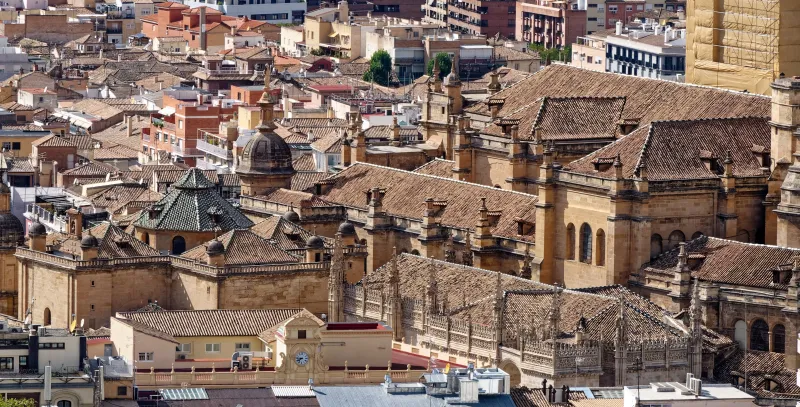
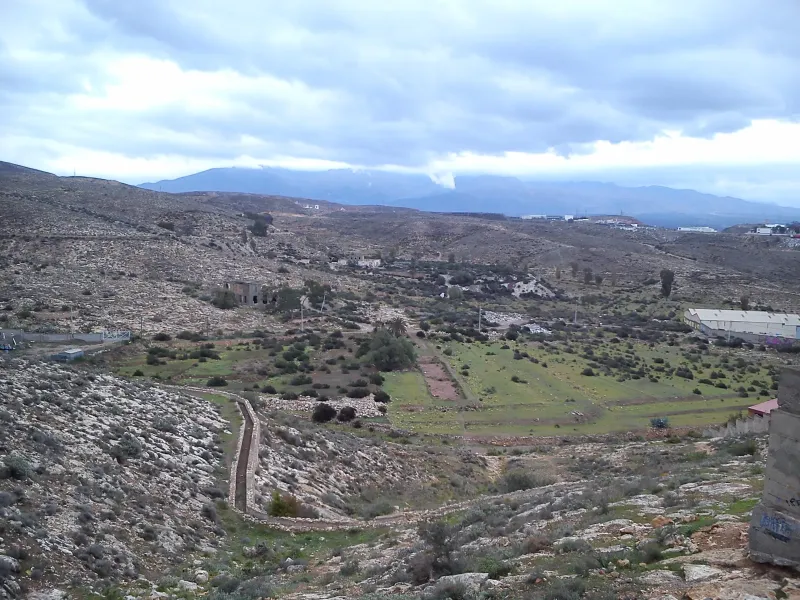
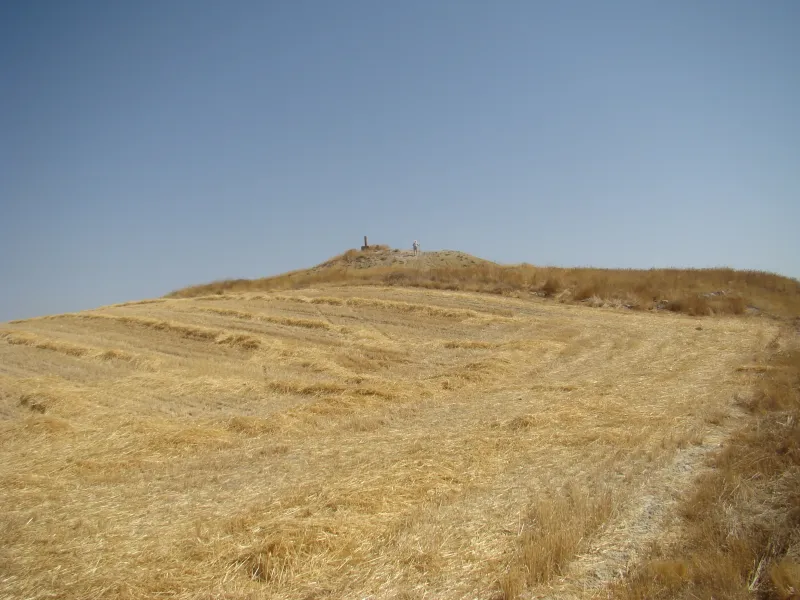
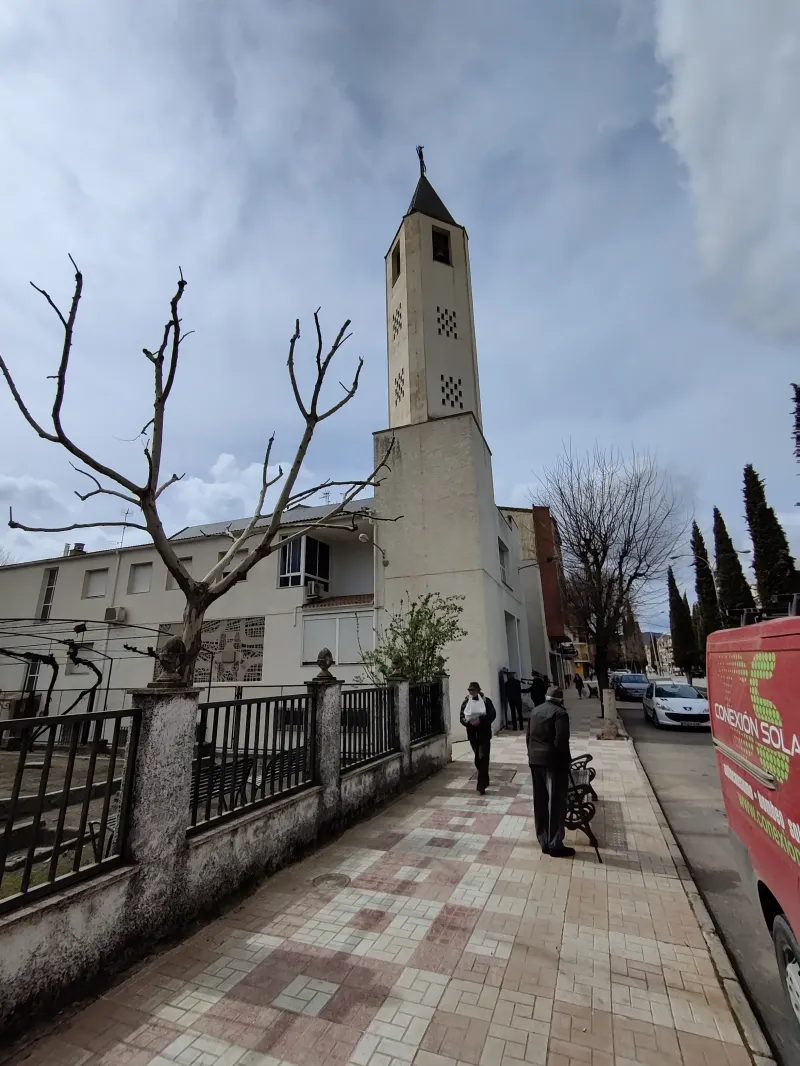
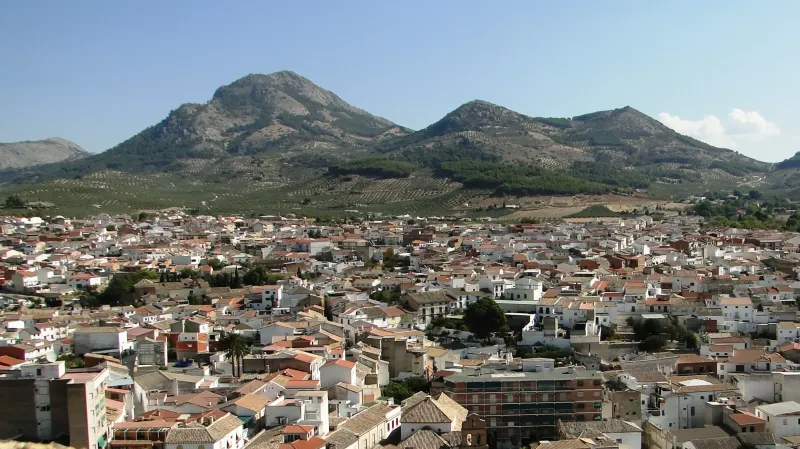
History
Millenary History of the Camino de Santiago: Origins and Evolution Way of Mozarab from Almería
Discover the origins and evolution of Way of Mozarab from Almería
In the Middle Ages, Almería ("Al-Mari'yah") was an important strategic and commercial port, especially during the era of the Caliphate of Córdoba and later as the capital of its own taifa kingdom. It was a center for silk production and an active commercial link with the rest of the Mediterranean. In this environment dominated by Islam, a Mozarabic Christian community survived. For them, the pilgrimage to the distant tomb of the Apostle in Galicia was a religious act of extraordinary courage and difficulty.
The start of this route is unique. The first stages take the pilgrim through the Tabernas Desert, an overwhelming landscape of canyons and dry ravines, famous in the 20th century for being the setting of hundreds of "spaghetti western" films. Overcome the desert, the route faces a formidable obstacle: the Sierra Nevada mountain range. The path ascends its northern side through the comarca of the Filabres and passes by villages like Fiñana before reaching the historic city of Guadix, famous for its cathedral and above all its cave district, where thousands of people still live in troglodytic dwellings.
The next great milestone on the journey was arriving at Granada, the capital of the Nasrid kingdom and the last stronghold of Islam in the peninsula. In Granada, the Almería pilgrim encountered those who had started their own route in the city of the Alhambra. From here, a more unified route continued northwards towards Córdoba, crossing the olive tree plain of the province of Jaén and passing through the fortified border town of Alcalá la Real.
Córdoba, the ancient capital califal, was the great meeting point of pilgrims from the south. Here, the routes of Almería, Granada, Málaga and Jaén converged. From Córdoba, a unified and stronger Mozarabic Way faced the crossing of Sierra Morena to enter the dehesas of Extremadura. The final objective of this long journey through Andalusian lands was to reach the city of Mérida, the entrance to the Via Plata, the route that would lead them with greater security northwards.
The modern revival of this itinerary has consolidated it as a route only suitable for experienced and self-sufficient pilgrims. The harsh climate in summer makes it almost exclusive to winter and spring. The distances between settlements are enormous, water is scarce and the accommodation infrastructure is limited. However, for those who dare to tackle it, offers an unparalleled experience of solitude, silence and scenic beauty, a journey that evokes with fidelity the immense determination of those Mozarabic Christians who crossed deserts and mountains for their faith.
We answer your questions
Frequently Asked Questions about Way of Mozarab from Almería
How long is the Mozarabic Way from Almería?
The Mozarabic Way from Almería has a total length of 590 km, a long journey that traverses various landscapes from the Mediterranean coast to the Extremaduran dehesas.
How many days are recommended to complete the Mozarabic Way from Almería?
It is estimated that it will take you around 24 days to complete this route, offering a considerable physical challenge due to its length and varied terrain.
What is the best time of year to start the Mozarabic Way from Almería?
The medium season from April to June or September to October is ideal, offering pleasant weather and fewer pilgrims. May has flowers in the fields while September offers mild warmth with less crowd.
What is the approximate cost to do the Mozarabic Way from Almería with Ourway Travel?
The price for this itinerary varies depending on the pilgrim's needs, but Ourway Travel offers customized packages that include accommodation and transfers. For an exact budget, we recommend contacting us directly.
What services does Ourway Travel include in its itinerary for the Mozarabic Way from Almería?
Ourway Travel offers customized packages that may include accommodation, luggage transfers, and route advice. We provide detailed information to make your journey as comfortable as possible.
How does the Mozárbe Way from Almería compare to other Santiago routes?
The Mozárbe Way from Almería is particularly challenging, offering a long and difficult terrain journey. In comparison, traditional paths like the French route are more popular but generally less demanding.
Which is the better option between the Mozárbe Way from Almería and the French Way for a first pilgrimage?
For your first experience, you might consider the French Way due to its lesser difficulty and greater infrastructure support. The Mozárbe Way would be more suitable if you are looking for a significant challenge.
What documents do I need to start my Mozarabic Way journey from Almería?
It is advisable to obtain the pilgrim's credential before starting your journey. Ourway Travel can assist you with managing and obtaining this document, as well as providing information on how to handle your luggage during the trip.
Organize Your Camino
Ready for this adventure?
Way of Mozarab from Almería