
Camino de Santiago
Mozarabic Way from Málaga
From the Costa del Sol, crossing the heart of Andalusia to Mérida.
Organize your Mozarabic Way from MálagaLast updated: 23/05/2025
The Route
General Description of Mozarabic Way from Málaga
Related Routes
Connections of Mozarabic Way from Málaga
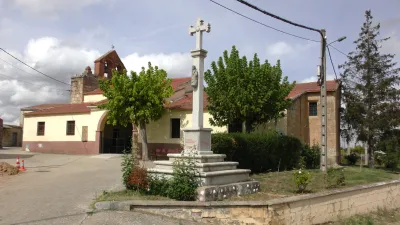
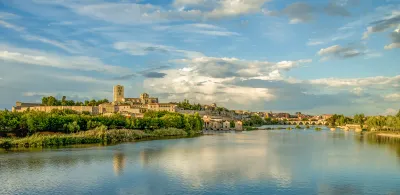
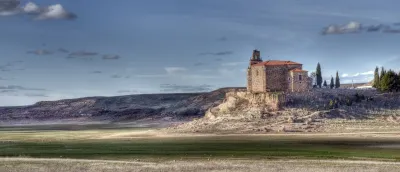
Way of the Plate
963.6 km
38
High
The Silver Way (La Vía de la Plata) is the longest of the Camino de Santiago paths in Spain, with almost 1000 km. Its route, which starts in Seville, largely follows the ancient Roman road that connected Mérida to Astorga. It traverses Andalusia, Extremadura and Castile and León, offering pilgrims two options in Granja de Moreruela (Zamora): continue on to Astorga to link with the French Way or take the Sanabrés Way directly to Galicia.
It is a route of immense historical and monumental wealth. Due to its length and high temperatures in its southern section, it requires excellent planning. It offers diverse landscapes, from the extreme dehesas to the plains and mountains of Castile and León.
Stages of this variant:
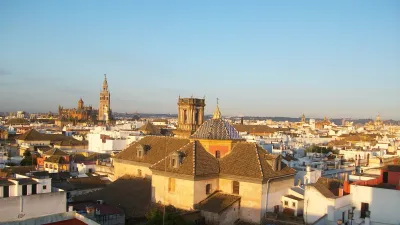
Stage 1: Sevilla to Guillena
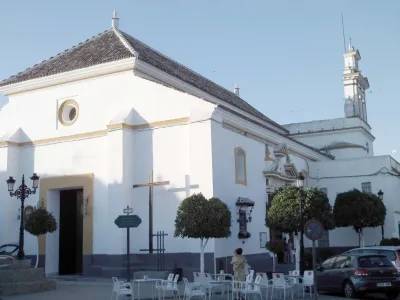
Stage 2: Guillena to Castilblanco de los Arroyos
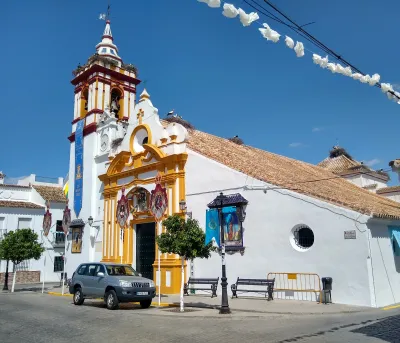
Stage 3: Castilblanco de los Arroyos to Almadén de la Plata
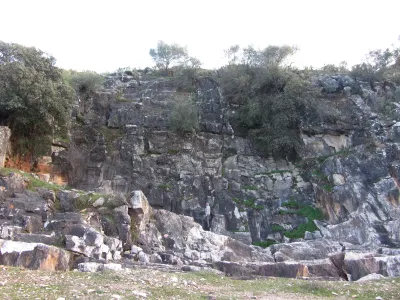
Stage 4: Almadén de la Plata to Monesterio
Stage 5: Monesterio to Fuente de Cantos
Way of Mozarab from Almería
590 km
24
High
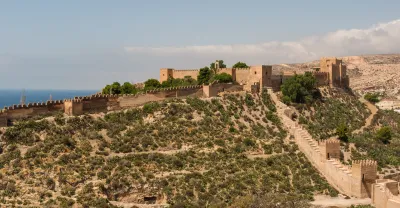
Starting from Almería, this historic branch of the Mozarabic Way traverses contrasting landscapes, from the coast to the Extremaduran grasslands, connecting with the Via Plata in Mérida after a demanding journey. It is a path of deep Andalusian heritage.
Stages of this variant:
Stage 1: Almería to Rioja
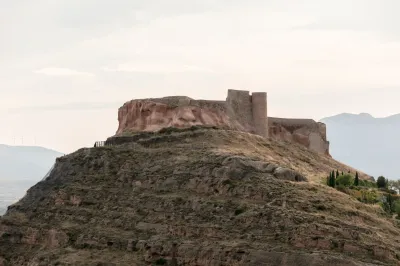
Stage 2: Rioja - Alboloduy
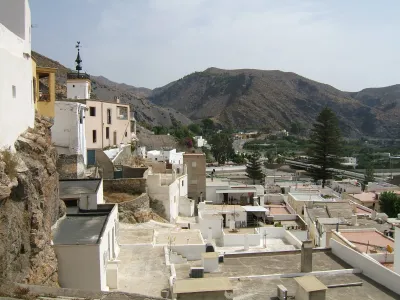
Stage 3: Alboloduy - Abla
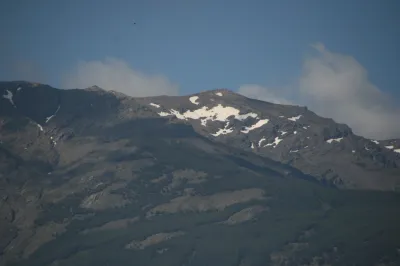
Stage 4: Abla - Huéneja
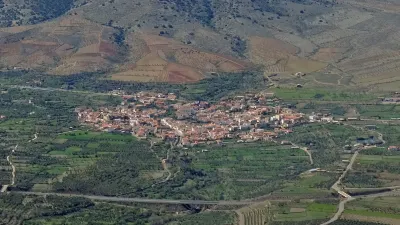
Stage 5: Huéneja - Alquife
Mozarab Path from Granada
385 km
16
High
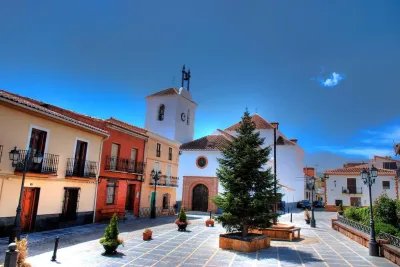
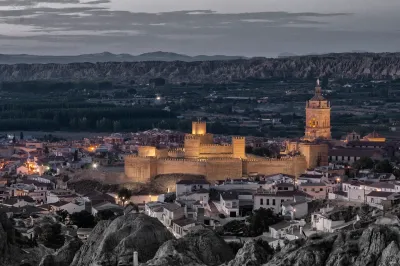
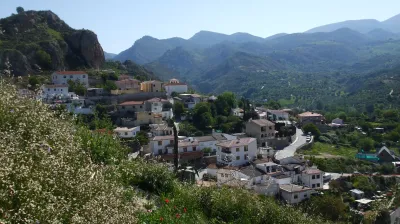
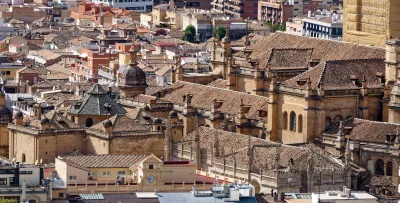
The Mozarabic Way from Granada offers a journey through the heart of Andalusia. Starting from monumental Granada, pilgrims head north, finding historic cities like Cordoba before reaching Merida and the Silver Road.
Stages of this variant:
Stage 1: Granada to Pinos Puente
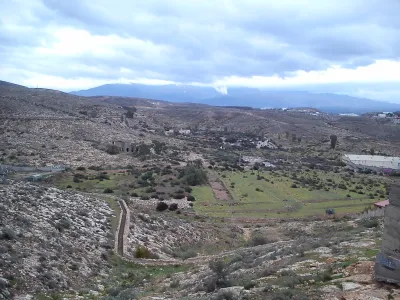
Stage 2: Pinos Puente to Moclin
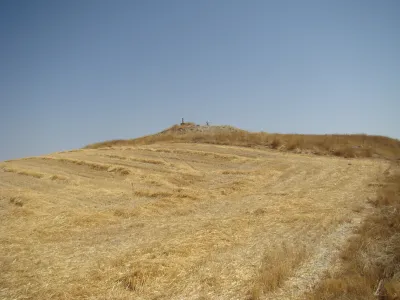
Stage 3: Moclin to Alcalá la Real

Stage 4: Alcalá la Real to Alcaudete
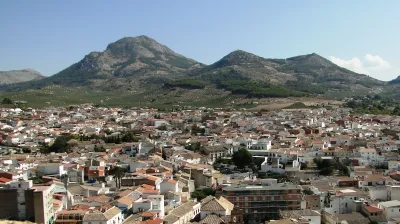
Stage 5: Alcaudete to Baena
Way of Mozarabia from Jaen to Merida
330 km
14
Media
Starting from Jaén, capital of the Holy Kingdom, this branch of the Mozarabic Way enters the Andalusian olive tree sea to later join other pilgrims in Córdoba and continue on the Via Plata in Mérida. A path of history and tradition.
Stages of this variant:
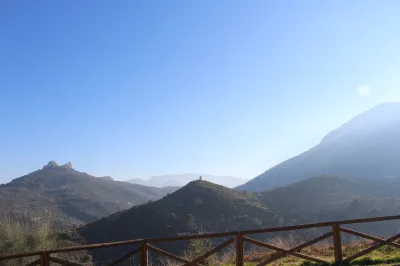
Stage 1: Jaén to Torredelcampo
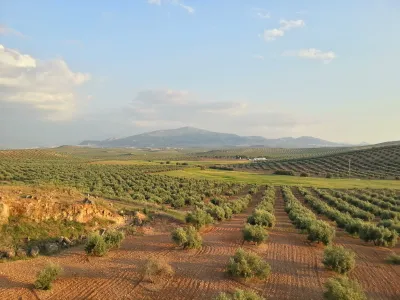
Stage 2: Torredelcampo to Martos
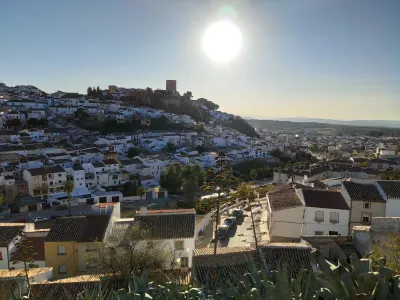
Stage 3: Martos to Alcaudete
Stage 4: Alcaudete to Baena
The Mozarabic Way from Córdoba to Mérida
246.3 km
10
Media
This section of the Mozarabic Way, starting from historic Córdoba, is one of the most significant. It leads pilgrims through the Extremaduran grasslands to Mérida, an important Roman city and key point on the Via Plata. It's a beautiful natural path with deep historical significance.
Stages of this variant:
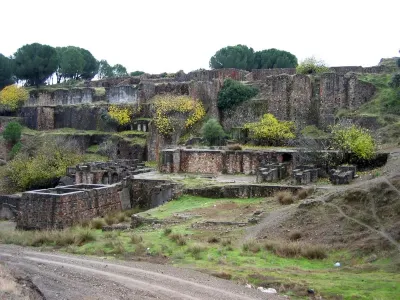
Stage 2: Cerro Muriano to Villaharta
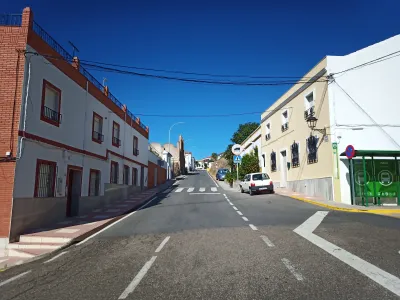
Stage 3: Villaharta to Alcaracejos
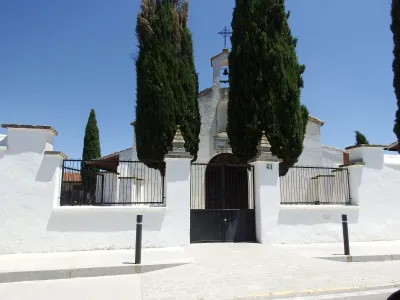
Stage 4: Alcaracejos to Hinojosa del Duque
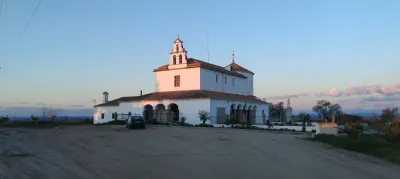
Stage 5: Hinojosa del Duque to Monterrubio de la Serena
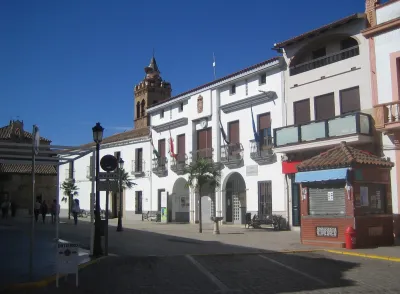
Stage 6: Monterrubio de la Serena to Castuera
Mozarabian Way
- km
-
High
The Camino Mozárabe is not a single route but a collection of historical itineraries that depart from various cities in Andalusia such as Almería, Granada, Jaén, Córdoba, and Málaga. These paths were followed by Christians living in Al-Ándalus (Mozarabs) to pilgrimage to Santiago.
The routes usually converge in the monumental city of Mérida to continue north on the Vía de la Plata. The distances vary greatly depending on the origin, exceeding 1,000 km in total to Santiago. These paths are loaded with history, traversing diverse landscapes and allowing for the discovery of the deep footprint of Andalusian culture.
No detailed stages available for this variant.
Your trip with Ourway
Everything you need for your Camino
No hassle. Your perfect route, from start to finish.
Accommodation
Selected hotels and hostels at every stage
Luggage transfer
Your backpack travels from stage to stage
Camino Guide
Detailed map with directions and services
24h Support
Team available for any unforeseen event
Pilgrim credential
Official documentation included
No commitment
Free personalized consultation
Walk this route with us
Fancy walking this route?
We don't have a ready-made package for this route yet, but we'll organise it around you. Tell us how you'd like to experience it and a specialist will reply within 24 h.
Request your proposalStages
Stages of Mozarabic Way from Málaga
Málaga → Almogía
First stage of the Mozarabic Way that starts in Malaga and enters the Montes de Malaga to the north. The departure leaves the coastal capital and climbs through old rural roads between olive groves, a...
Almogía → Villanueva de la Concepción
Second stage of the Malaga Mozarabic, which continues into the region of Antequera. The route of about 20 km runs along dirt tracks between farmhouses, olive groves and cereal fields, with an undulati...
Villanueva de la Concepción → Antequera
A mid-mountain stage that leaves Villanueva de la Concepción skirting the foothills of El Torcal, whose karst landscape accompanies much of the day. The path then descends towards the plain of Anteque...
Antequera → Villanueva de Algaidas
Long stage of the Mozarabic that leaves Antequera after visiting the famous prehistoric dolmens (UNESCO World Heritage) and the Peña de los Enamorados. The road heads north through the Vega de Anteque...
Villanueva de Algaidas → Encinas Reales
Transition stage between the provinces of Malaga and Cordoba. The 16 km route crosses the administrative border between the two Andalusian provinces through a landscape of endless olive groves, charac...
Encinas Reales → Lucena
A stage through the heart of the Subbetic countryside of Cordoba. The 20 km link Encinas Reales with Lucena, the historic capital of the medieval Jewish Eshcol-Aram and today one of the most prosperou...
Towns
Featured Towns of Mozarabic Way from Málaga
Explore the key towns and cities of this route.
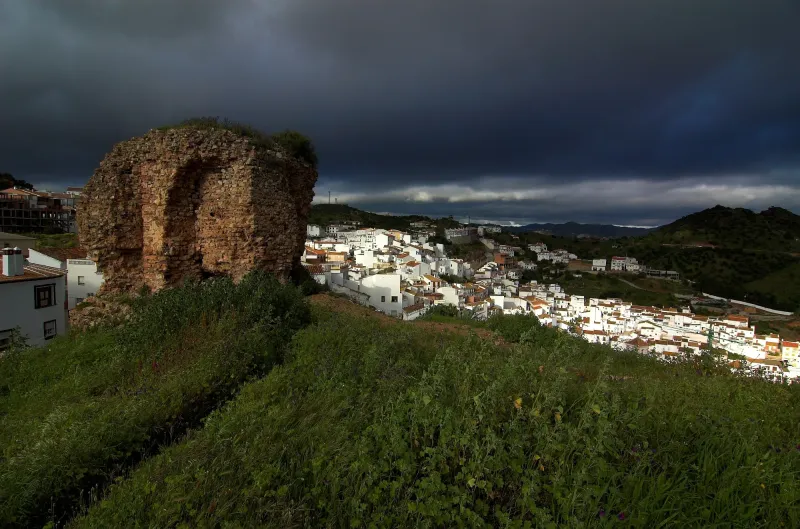
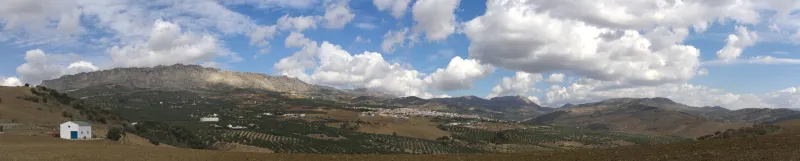
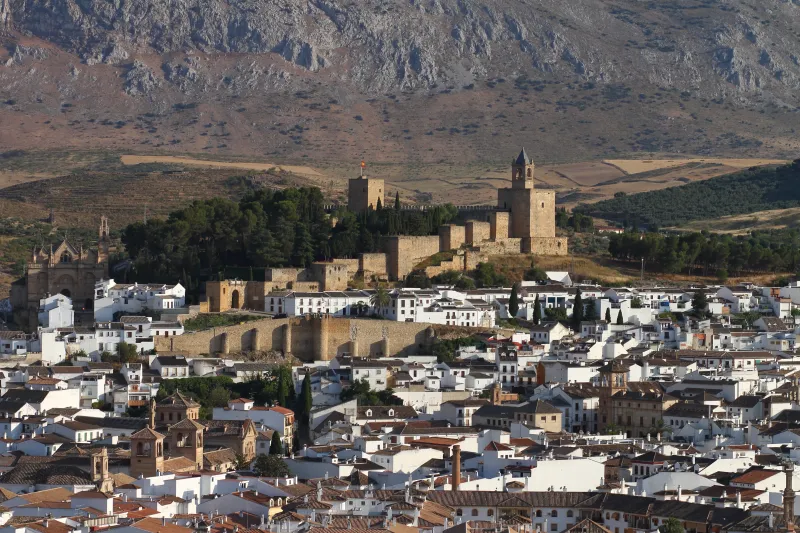
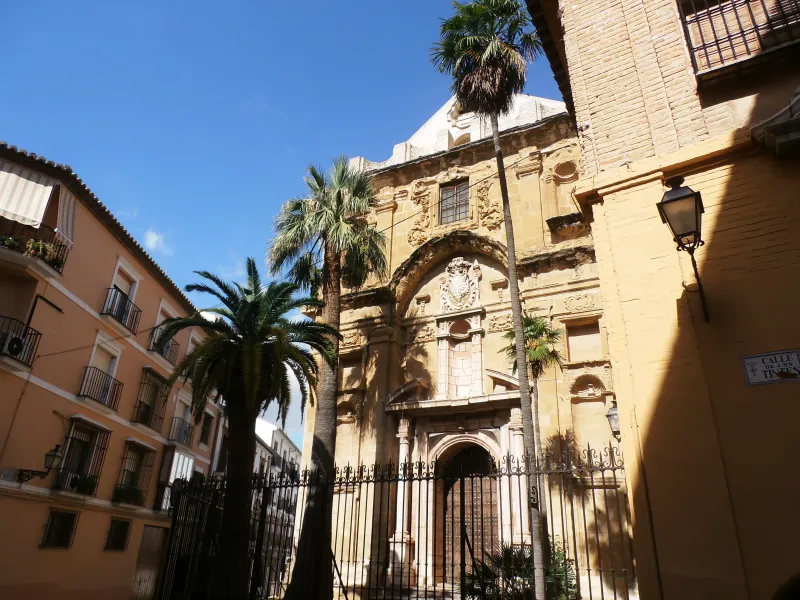
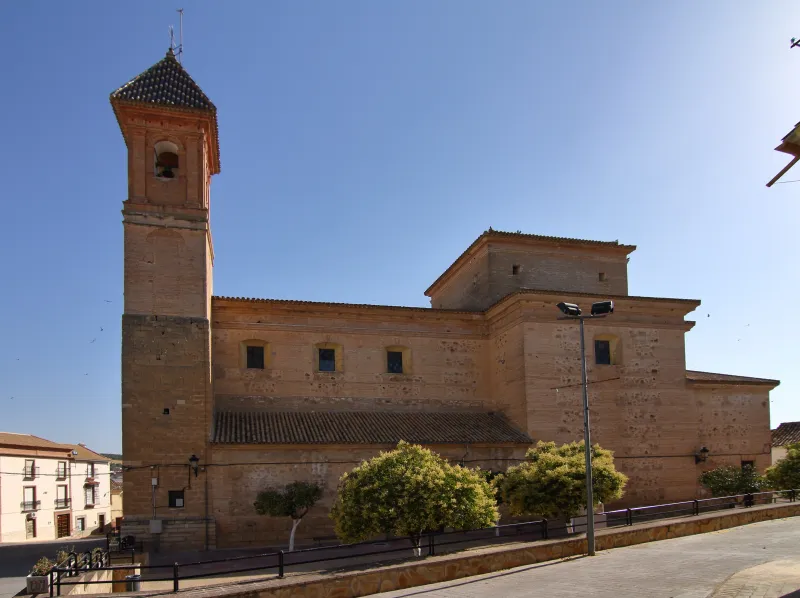
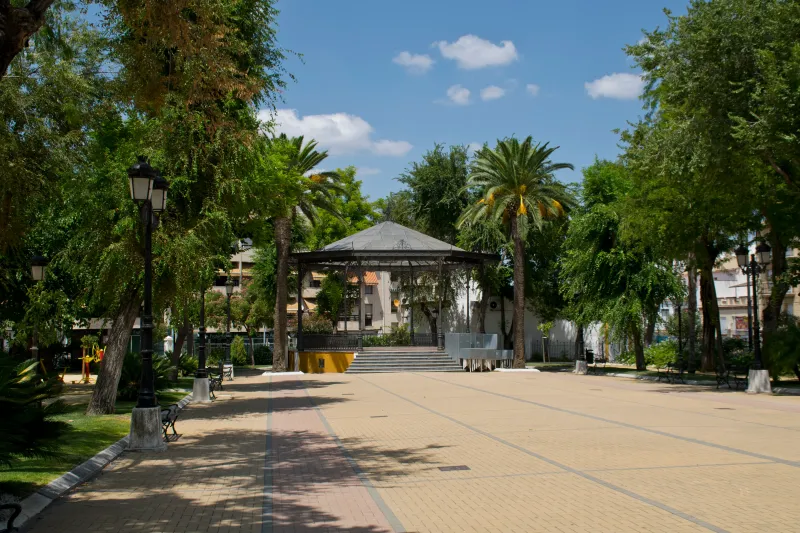
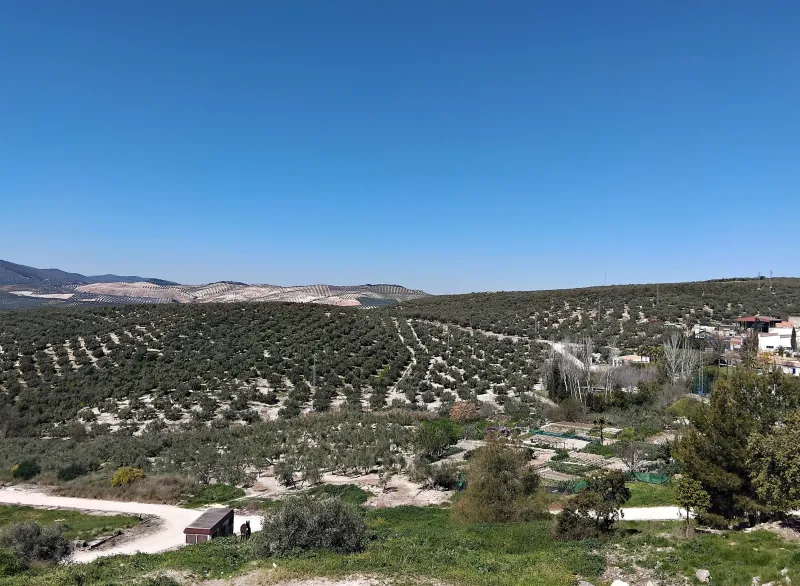
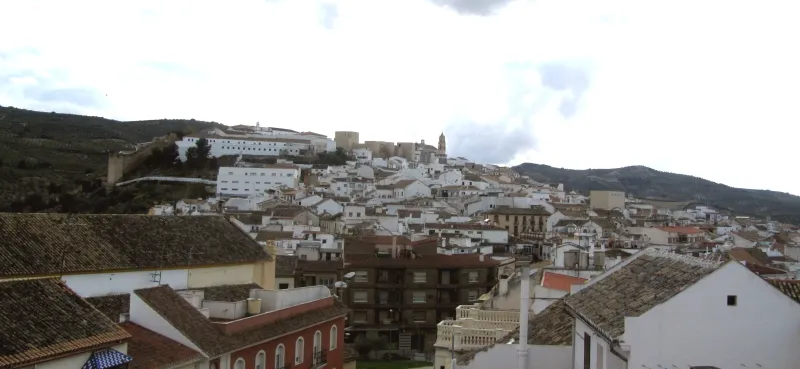
History
Millenary History of the Camino de Santiago: Origins and Evolution Mozarabic Way from Málaga
Discover the origins and evolution of Mozarabic Way from Málaga
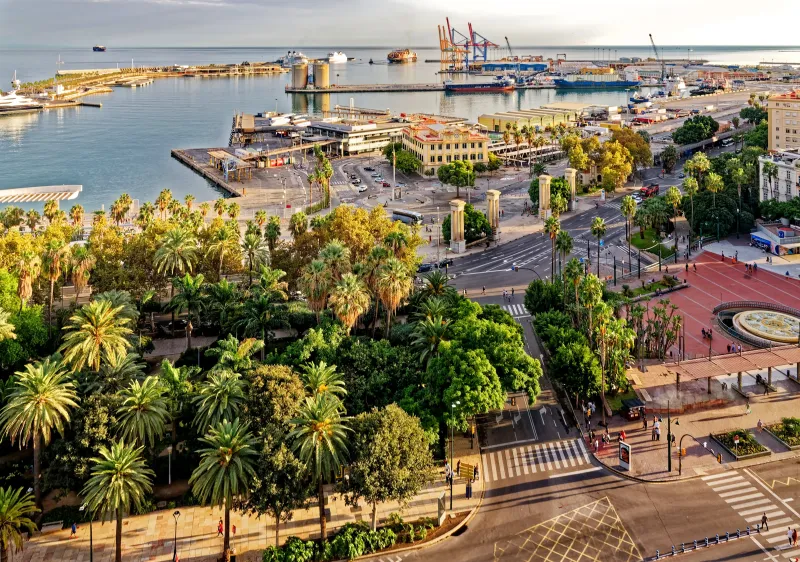
Málaga, founded by the Phoenicians and converted into a vital enclave by Romans and Visigoths, flourished under Muslim rule as a key port for trade with the rest of the Mediterranean. In this bustling urban center, the Mozarabic community kept their faith alive, and the news of the Apostle's tomb in Galicia offered them a powerful spiritual reference point. For them, the Way did not begin on a peaceful plain, but with a formidable challenge: overcoming the Mounts of Málaga, the mountainous chain that isolates the coastal strip from the interior of the peninsula.
The route's layout reflects this initial struggle. The first stages are an unbroken ascent, leaving the sea behind to enter a landscape of valleys and steep hills. This initial effort marked the penitential character and determination of the pilgrims. Once the mountain range was overcome, the path arrived at one of the most important communication nodes in Andalucía since prehistory: the comarca of Antequera. Known as "the heart of Andalucía", Antequera was a fundamental stop. Its landscape, dominated by the Peña de los Enamorados, and its wealth of monumental heritage, from prehistoric dolmens (World Heritage Site) to its fortress and baroque churches, made it a place of rest and awe for travelers.
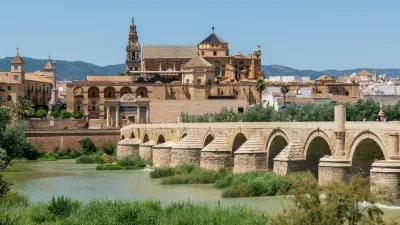
From Antequera, the route continued northwards, crossing the olive groves and cereals. The goal was to reach the great meeting point of southern pilgrims: the city of Córdoba. Along the way, the Málaga pilgrim passed through localities like Lucena, which had one of the most important Jewish communities in Al-Ándalus, enriching the journey with memories of the three cultures. In the vicinity of Baena or Castro del Río, the Malagueño branch merged with those coming from Granada and Jaén. Together, this unified current of pilgrims made their entry into Córdoba.
The arrival in Córdoba marked the end of the first great phase of the journey. There, they joined other groups and prepared to face the final stretch through Andalusian territory: the crossing of Sierra Morena towards Mérida. In Mérida, finally, they were incorporated into the safety and infrastructure of the Via de la Plata, the great western peninsula road.
The revival of this itinerary in modern times has highlighted one of the most diverse and demanding variants of the Mozarabic Way. It offers an unique experience, starting from one of Europe's most vibrant tourist capitals to immerse oneself in the solitude and timeless beauty of Andalucia's interior. It is a journey that encapsulates the region's history, a physical and spiritual ascent from the sea to the meseta, following the brave tracks of Mozarabic pilgrims.
We answer your questions
Frequently Asked Questions about Mozarabic Way from Málaga
How long is the Mozarabic Way from Malaga?
The Mozarabic Way from Malaga measures a total of 400 km, which takes approximately 17 days to complete at a moderate pace. This route leads you from the bright Costa del Sol through Andalusia and finally to Mérida.
What is the best time to do the Mozarabic Way from Málaga?
The best time to undertake the Mozarabic Way from Málaga is during the shoulder seasons, specifically April to June and September to October. During this period, you enjoy a pleasant climate with fewer pilgrims compared to the busy summer months.
What does the reservation package for the Mozarabic Way from Málaga with Ourway Travel include?
With Ourway Travel, your reservation package for the Mozarabic Way from Málaga includes accommodations in carefully selected hostels and hotels, as well as a secure luggage transfer service along the route. Additionally, you will receive personalized advice on the route and useful recommendations.
How would you compare the Mozarabic Way from Málaga to other routes to Santiago?
The Mozarabic Way from Málaga is a unique option that combines the historical and cultural richness of Andalusia with a greater physical challenge due to its higher length. Unlike the popular but less demanding French Way, the Mozarabic route from Málaga offers a more authentic journey in close contact with Mozarabic history. However, if you are looking for a more accessible yet equally meaningful route, the Portuguese Way could be an interesting alternative.
What is the difficulty of the Mozarabic Way from Malaga?
The Mozarabic Way from Malaga is considered to be of high difficulty due to its length and the mountainous terrain it crosses, especially during the early stages in the interior of Andalusia. Despite being a significant physical challenge, this route offers an unparalleled experience both culturally and spiritually.
How do I book my journey on the Mozarabic Way from Málaga with Ourway Travel?
To book your journey on the Mozarabic Way from Málaga with Ourway Travel, simply contact us through our website or by calling us. Our experts will guide you step-by-step, helping you choose among our personalized packages and ensuring that all details are perfectly organized for your trip.
Which path should I choose if I want a physical challenge but also a deep historical connection?
The Mozarabic Way from Málaga is the ideal choice if you seek a significant physical challenge along with an enriching cultural and historical immersion. This route takes you through mountainous landscapes and cities rich in history, offering a unique experience that combines personal achievement and profound knowledge of the Mozarabic heritage.
How do I get my pilgrim's credential for the Mozarabic Way from Málaga?
To obtain your pilgrim's credential on the Mozarabic Way from Málaga, you can acquire it before starting your journey. These credentials are available at tourism offices or churches in Málaga and other cities along the route. With Ourway Travel, we provide guidance on where to get it to ensure everything is ready before you begin your trip.
Organize Your Camino
Ready for this adventure?
Mozarabic Way from Málaga