
Complete Guide to Road of the Blendios
Walks along the Calzada de los Blendios, a historic route that connects the Meseta (Herrera de Pisuerga) to the Cantabrian coast (Suances), crossing ancient Roman and medieval roads.
Last updated: 28/03/2026
Table of Contents
Technical Summary of Road of the Blendios
131.3 km
Distance
6
days
6
Stages
Media
Difficulty
86 accommodations available on the route
Introduction to Road of the Blendios
All Stages of Road of the Blendios
Complete route divided into 6 stages
Herrera de Pisuerga to Santa María de Mave
St Mary of Mave to Aguilera in Campoo
This is a short and gentle phase that enters the heart of the Palatine Mountains. It's an enjoyable walk that connects two of the region's major Romanesque landmarks. The path runs through a river val...
Agullar de Campoo to Reinosa
This stage marks the passage from Palentine Mountain to Cantabria. It is a mountainous journey, long and demanding, that ascends progressively until exceeding 1,000 meters of altitude. The path traver...
Reinosa to Barcena de Pie de Concha
This stage is a long and spectacular descent from the Cantabrian Mountains to the low valleys. The road follows for the most part the course of the River Besaya, passing through a landscape of great b...
Barcena de Pie de Concha to Los Corrales de Buelna
This stage continues the descent down the Besaya River valley. The landscape is becoming less mountainous and more populated and industrial as it approaches the coast. It's a transitional day, combini...
The Corralles of Buelna to Suances
The last stage of the Calzada de los Blendios leads the pilgrim to the Cantabrian Sea. The route is a pleasant walk that gently descends into the Besaya valley, leaving behind industrial landscapes to...
Key Towns of Road of the Blendios
The most important towns and cities on this route.
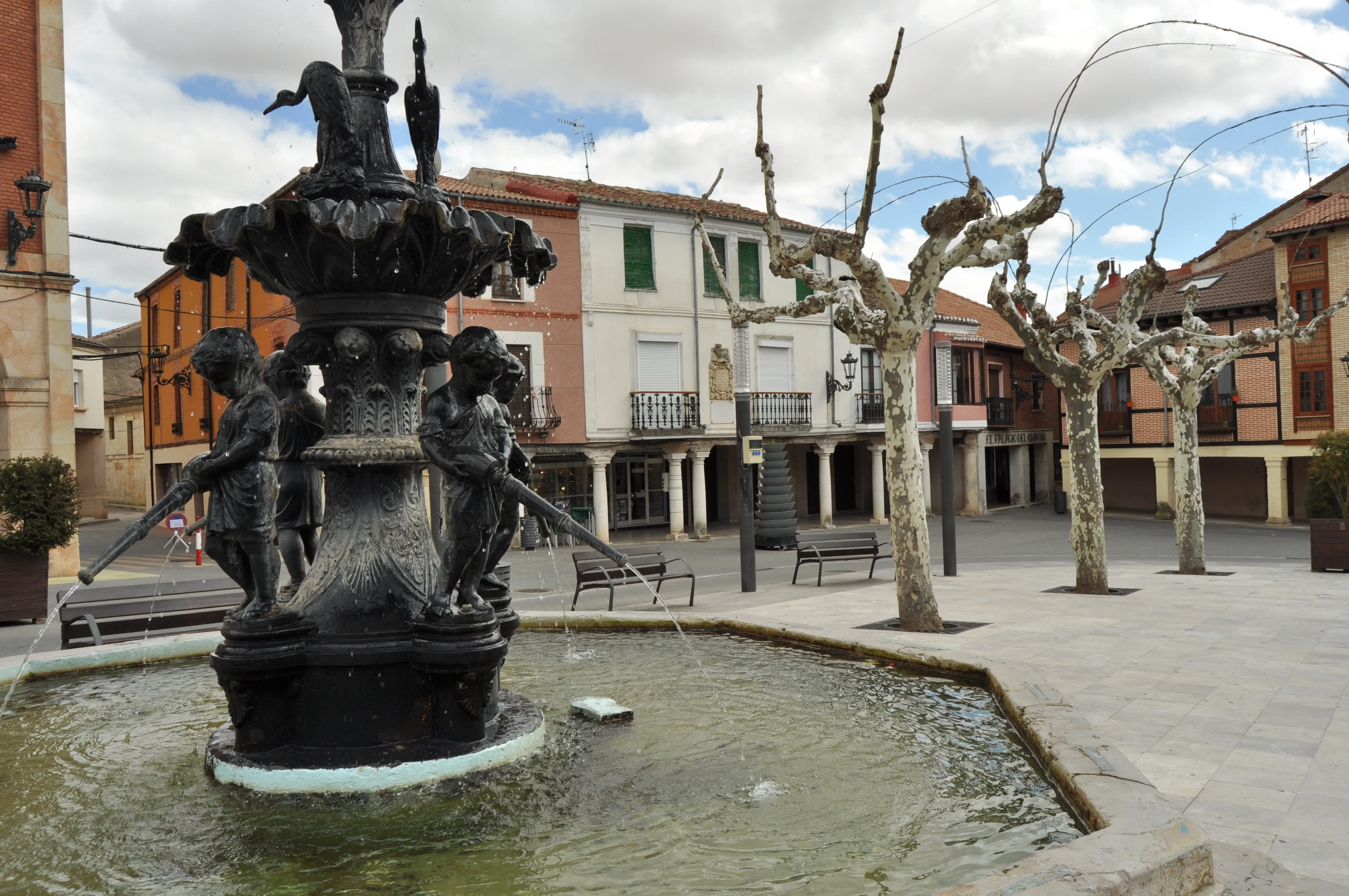
Herrera de Pisuerga
Palentine Villa in the Vega of the River Pisuerga and stage of the Calzada de los Blendios. Its Roman past and its natural surroundings make it a place of great interest.
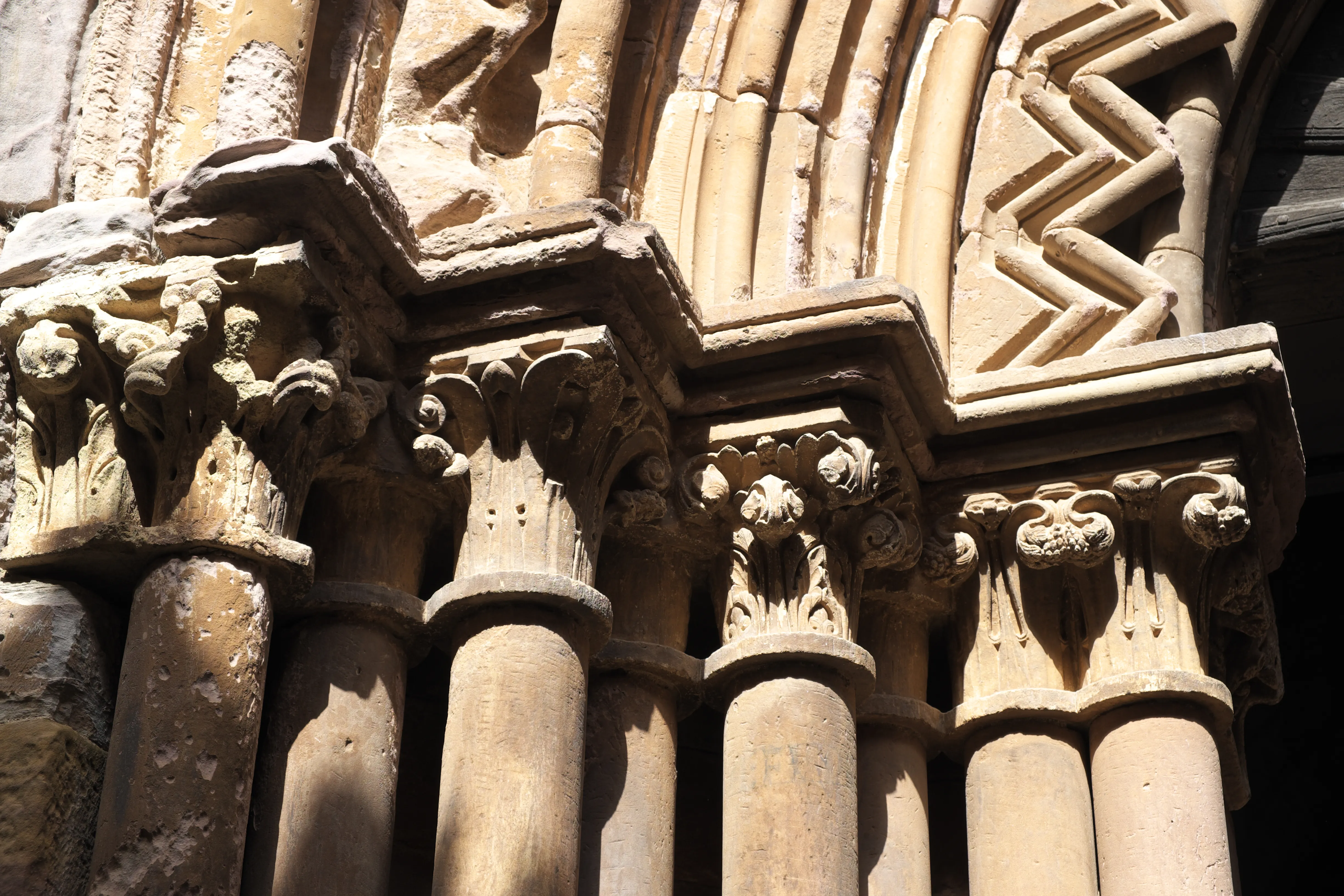
Santa María de Mave
Romanic Palentine Sanctuary. Santa Maria de Mave, with its impressive monastery, is an indispensable cultural stop in the Palentine Mountains, a haven of peace and art.
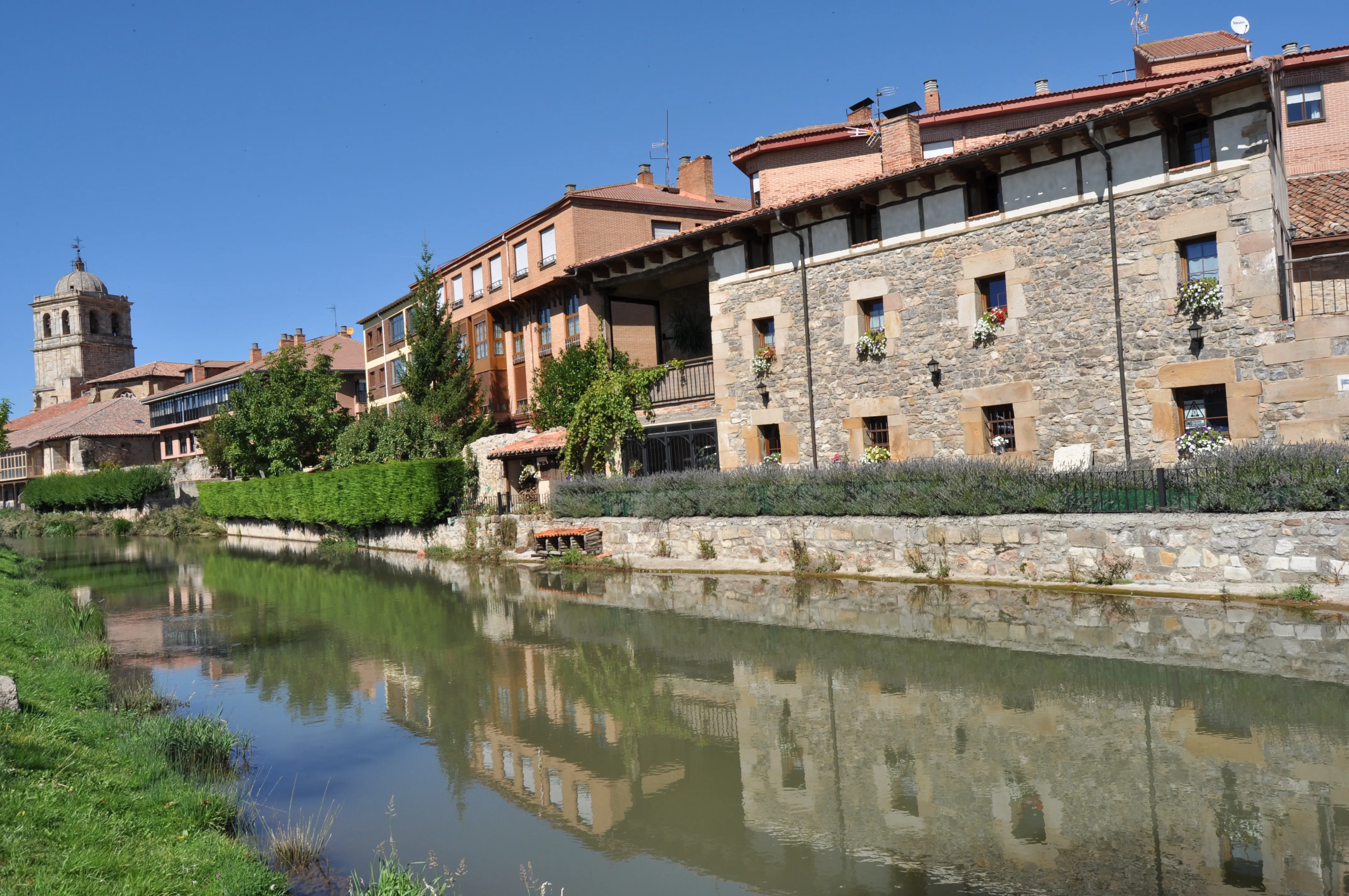
Aguilar de Campoo
Capital of Romanesque Palentine and the best galician village in excellence. Aguilar de Campoo is a monumental stop and sweet on the Forgotten Way, at the feet of the Palantine Mountain.
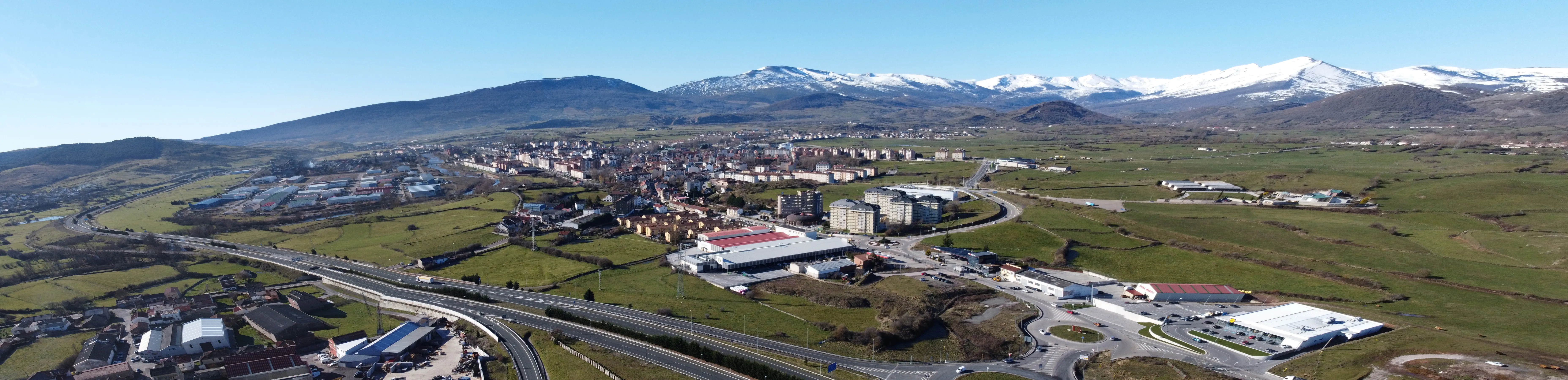
Reinosa
Reinosa, capital of the Campoo region and a stage on the Way of St James, offers the pilgrim a mountain landscape and an important communication hub.
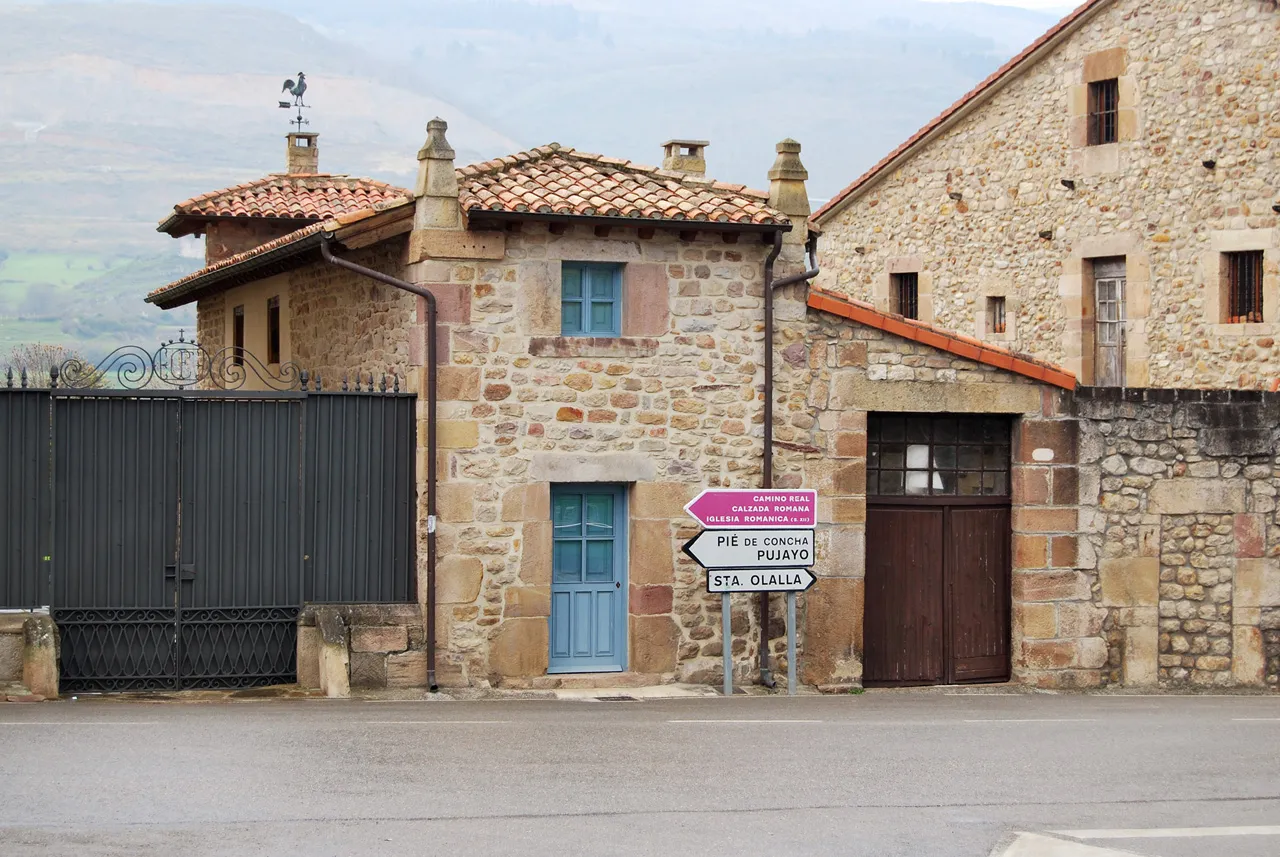
Bárcena de Pie de Concha
Barcena de Pie de Concha is a local in Cantabria with a deep history. It is a stopping point on the ancient Roman road of the Valley of Besaya, in a peaceful natural setting.
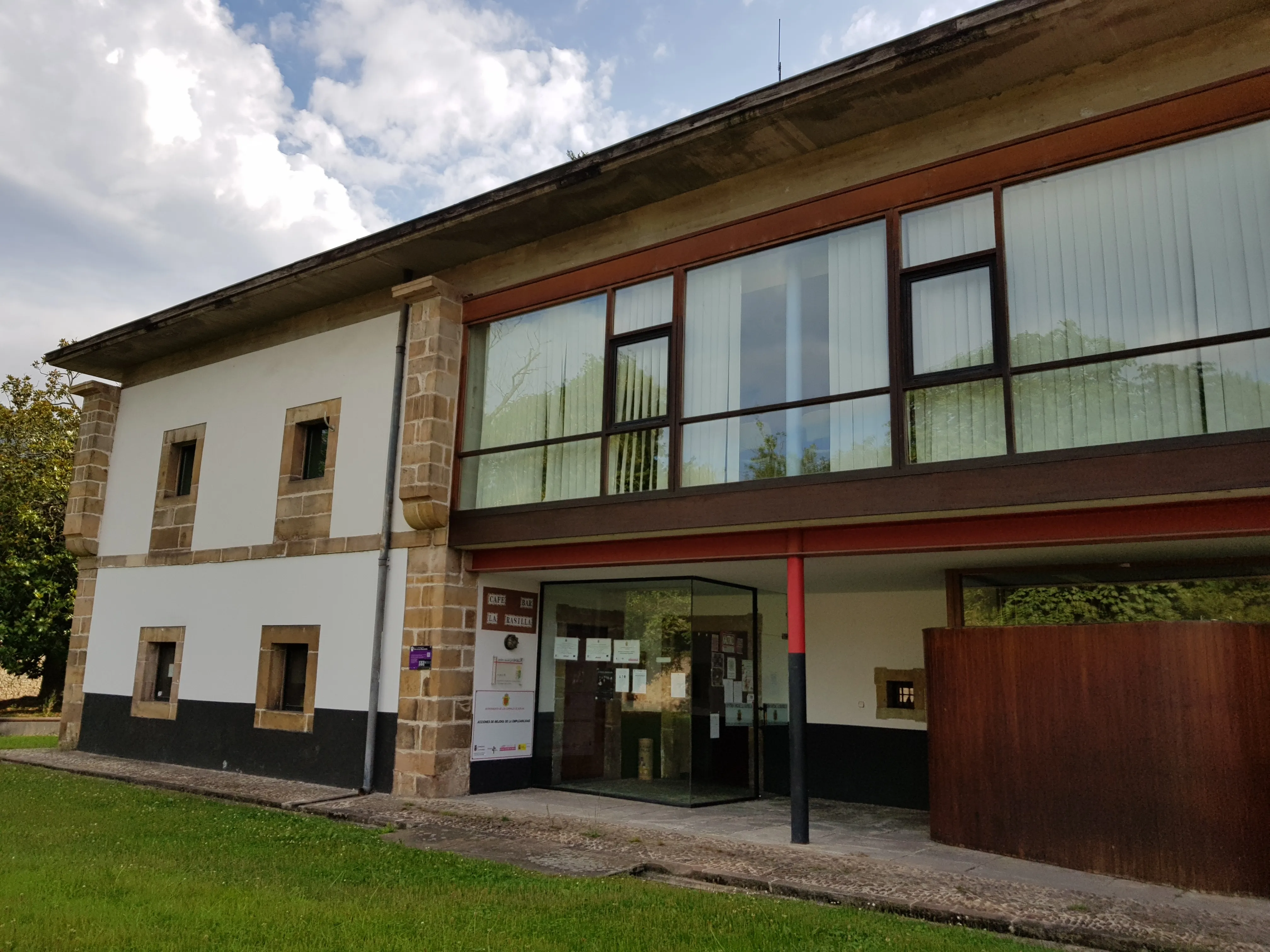
Los Corrales de Buelna
Industrial and service center in Cantabria, near the Camino del Norte. Famous for its War of the Cantabrian Lords festival, it offers the traveler a functional rest and a glimpse into ancient history.
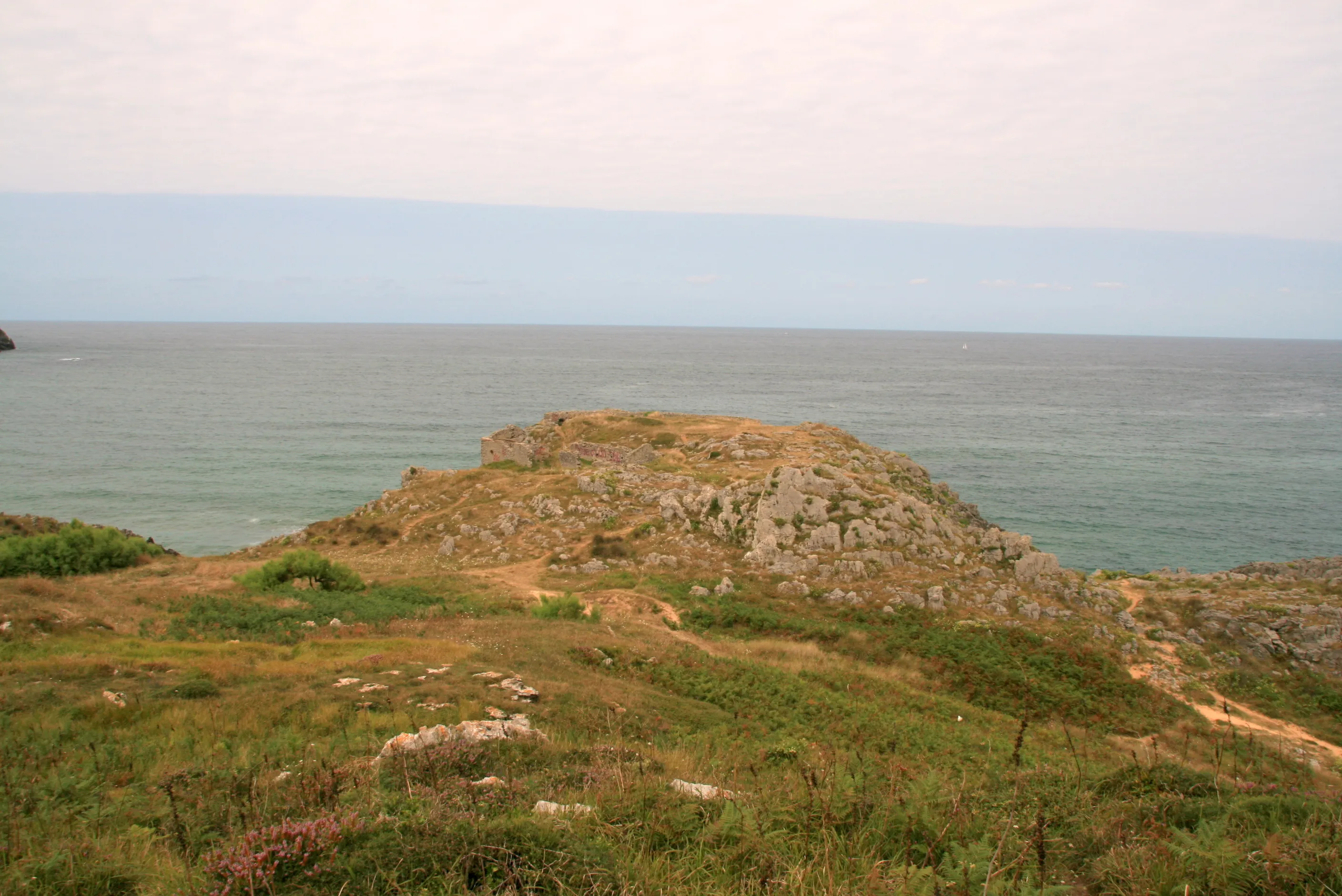
Suances
A maritime villa on the central coast of Cantabria, with famous beaches like La Concha and Los Locos. A refreshing detour for pilgrims of the North Way who seek the sea.
History of Road of the Blendios
The origin of this itinerary is eminently military and administrative. Following the Cantabrian Wars (29-19 BC), the Roman Empire needed to control the recently conquered territory and exploit its resources. To achieve this, it built a road that connected the important camp of Legio IV Macedonica in Pisoraca (the current Herrera de Pisuerga, in Palencia) with the Portus Blendium, a port near the current Suances, in Cantabria. This route allowed for quick troop movement to an already conflictive zone and the export of products, such as grain from the tableland, to the sea.
With the fall of the Roman Empire, the road did not lose its utility. During the High Middle Ages, in the context of the Reconquista, this route became a vital corridor that connected the emerging Kingdom of Castile with the coast, an area of great strategic importance and with numerous monasteries. The path facilitated the movement of people, goods, and ideas, and travelers including soldiers, merchants, monks, and pilgrims.
In the context of the Jacobean pilgrimages, the Way of the Blendios functioned as a major connecting route, a transverse route that united the two great axes of pilgrimage in the north. On one side, pilgrims who followed the Coastal Route (or Northern Route) could take this road south to link with the French Route at points such as Carrión de los Condes or Sahagún, perhaps to visit their important monasteries or simply to vary their route. On the other hand, pilgrims already in the French Route could deviate northward along this same path to visit coastal sanctuaries or embark on other destinations.
The route is marked by a rich historical and artistic heritage. Starting from Herrera de Pisuerga, the road enters the Palentina Mountains, an area that is an authentic treasure of Romanesque art. A fundamental milestone is the Monastery of Santa María de Mave, a magnificent example of the architecture of the time that undoubtedly offered refuge to medieval travelers. The route continues its ascent through the Cantabrian valleys, a beautiful natural stretch, before finally descending to the sea.
The modern revival of the Way of the Blendios as a hiking and pilgrimage route is an effort to highlight this extraordinary historical legacy. Although it is not a Santiago de Compostela route in the strict sense, its route was undoubtedly used by medieval pilgrims and offers the contemporary traveler an unique experience: the opportunity to walk through a culturally shaped landscape that has been molded over centuries, following the footsteps of ancient Cantabrians, Roman legionaries, medieval monks, and all those who traversed this ancient path that unites land and sea.
Accommodations on the Route
The Road of the Blendios has 86 verified accommodations along the entire route.
View Stages & AccommodationsPractical Tips for Road of the Blendios
Best Season
Spring (April-June) and autumn (September-October) are the best seasons. Pleasant temperatures and fewer crowds than summer.
Physical Preparation
Train by walking progressively in the months before. Start with short distances and increase. Your body will adapt to the rhythm of the Camino.
What to Pack
Light backpack (max 10% of your weight), worn trekking shoes, breathable technical clothing, raincoat, sunscreen and basic first aid kit.
General Tips
Carry the pilgrim credential, stay hydrated, respect your pace, book accommodation in high season and enjoy the journey without rushing.
FAQ about Road of the Blendios
La Calzada de los Blendios tiene una longitud total de 131,3 km. Se sugiere dedicar aproximadamente 6 días a este itinerario, lo que permite disfrutar adecuadamente del paisaje y la historia sin forzar el ritmo de marcha.
La Calzada de los Blendios es considerada una ruta de media dificultad. Requiere un nivel moderado de resistencia y condición física debido a las variaciones topográficas que incluyen subidas y bajadas, aunque no se trata de una travesía extremadamente exigente.
La mejor época para emprender este viaje es durante las temporadas media, específicamente entre abril y junio o septiembre y octubre. Durante estos meses se disfruta de un clima agradable con temperaturas que oscilan entre 10-25°C y una cantidad moderada de peregrinos.
Los precios para la Calzada de los Blendios varían según las fechas elegidas y el tipo de alojamiento. En Ourway Travel, gestionamos todas tus reservas para asegurarte de que tu viaje sea sin complicaciones desde el inicio hasta el final, ofreciendo paquetes personalizados.
Nuestro itinerario para la Calzada de los Blendios incluye alojamiento en albergues o casas rurales según tus preferencias, asesoramiento personalizado y gestión completa de reservas. Además, proporcionamos información detallada sobre el recorrido histórico y cultural.
La Calzada de los Blendios ofrece una experiencia única que destaca por su historia romana y medieval, así como un paisaje natural distinto al del Camino Francés. Esta ruta es ideal para quienes buscan evadirse de las multitudes y descubrir una parte menos conocida pero igualmente rica en patrimonio del Camino de Santiago.
La Calzada de los Blendios y el Camino Portugués son dos rutas históricas que ofrecen experiencias únicas. Mientras que el camino portugués es conocido por su belleza costera, la calzada de los blendios recorre áreas montañosas con abundante patrimonio románico, siendo una alternativa perfecta para quienes buscan un itinerario más intrincado y menos transitado.
Para obtener tu credencial de peregrino, puedes visitar cualquier oficina de turismo o iglesia en España antes del inicio de tu viaje. También puedes solicitarla a través de nuestro servicio al cliente en Ourway Travel, quienes pueden ayudarte a completar el proceso.
Ready for this adventure?
Let us organize your pilgrimage. We take care of accommodations, transfers and everything you need.